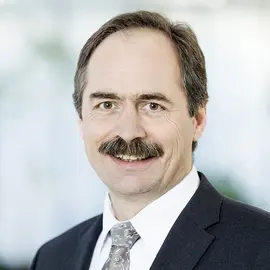
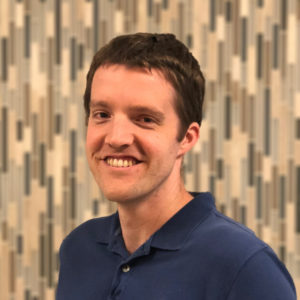
Ajit Rajwade is a Professor at the Department of Computer Science and Engineering , Indian Institute of Technology Bombay. His research spans Artificial Intelligence , Compressed Sensing , and Medical Imaging , with affiliations to the Centre for Machine Intelligence and Data Science and the Koita Centre for Digital Health . Education : PhD in Computer and Information Science and Engineering, University of Florida (2010) MSc in Computer Science, McGill University (2004) BTech in Computer Engineering, University of Pune (2002) His research interests focus on intelligent data acquisition, particularly in neural network analysis , graph signal processing , and medical imaging . He develops compressed sensing algorithms for inverse problems like tomography and MRI reconstruction , alongside applying group testing to pandemic response. Scientific awards include the Prof. S. P. Sukhatme Award (2024) and Departmental Teaching Excellence (2019). His publications demonstrate expertise in image restoration , noise modeling , and epidemiological algorithms . He has advised PhD students like Sabyasachi Ghosh and Jerin Geo James , with a focus on computationally efficient methods in medical imaging and machine learning .
Anne-Sophie Chauvin is a Senior Lecturer and Researcher at École Polytechnique Fédérale de Lausanne (EPFL), School of Basic Sciences, within the Institute of Chemical Sciences and Engineering and the Supramolecular Chemistry Laboratory. She actively engages in supramolecular and inorganic chemistry, focusing on f-element (lanthanides and actinides) coordination polymers and luminescent bioprobes for biological and technological applications, including invisible inks and dye-sensitized solar cells. PhD in Bioinorganic Chemistry from University Paris V-René Descartes (thesis on Nitrile Hydratase mimetics) Postdoctoral work at University of Geneva on chiral alcohol configuration analysis Habilitation à Diriger des Recherches (HDR) from University René Descartes (2006) Her research spans Lanthanide and Actinide Chemistry , Luminescence , Coordination Polymers , Metallacages , and Photovoltaic Materials . Recent publications emphasize catalytic spiro stereocenter formation, actinide coordination polymers, and photoredox-enabled biomolecule functionalization. She has supervised PhD students including Andrei Andreichenko , Julien Andrès , Steve Comby , and Aurélien Willauer . Recognitions include Fellowship of the Royal Society of Chemistry (FRSC) and membership in the Swiss Chemical Society (SCS). Current roles include teaching General and Analytical Chemistry to first-year Pharmacy and Biology students at the University of Lausanne (UNIL), overseeing practical sessions, and serving on the EPFL School of Basic Sciences Faculty Council.
Dr. Richard Y. Zhao is a tenured Professor in the Department of Pathology and Microbiology-Immunology at the University of Maryland School of Medicine. His research combines molecular biology, fission yeast genetics, mammalian biology, and virology to study virus-host interactions, particularly for HIV and Zika virus. He previously held academic positions at Northwestern University and Columbia University and has contributed to over 120 peer-reviewed articles. B.S., China Oceanography University (1981) M.S., Oregon State University (1995) Ph.D., Oregon State University (1991) Postdoctoral Training, Columbia University (1991-1992) Dr. Zhao's research focuses on: Virus-host interactions and pathogenicity High-throughput drug screening for antivirals Role of viral proteins in neuroinflammation and cancer Translational genomics in precision medicine His recent publications highlight SARS-CoV-2 ORF3a, Zika envelope proteins, and HIV protease inhibitors, emphasizing host-pathogen mechanisms across species. He has served on NIH panels and editorial boards for journals like Cell Research and Retrovirology . Scientific awards include: Fellow, American Academy of Microbiology (2019) Bernard L Mirkin Endowed Chair (2001-2004) Honorary Director, Shandong Gallo Institute (2009) Distinguished Service from SCBA (2015) Outstanding Service from CBA-USA (2016) Dr. Zhao also contributes to clinical diagnostics and personalized medicine through molecular testing and pharmacogenetics programs.
Dr. Mohsen Yoosefzadeh Najafabadi is an Assistant Professor in the Department of Plant Agriculture at the University of Guelph, Ontario Agricultural College. He holds a PhD in Plant Breeding from the University of Guelph (2022), following M.Sc. and B.Sc. degrees from the University of Tehran. His research focuses on dry bean breeding, computational biology, and integrating omics technologies to enhance crop resilience and productivity. Key areas include developing stress-tolerant dry bean varieties, leveraging remote sensing for trait prediction, and optimizing genomic selection methods. He leads the Dry Bean Breeding & Computational Biology Program and has contributed to over 30 peer-reviewed publications since 2017. Education : PhD, Plant Breeding, University of Guelph (2022) M.Sc., University of Tehran B.Sc., University of Tehran Research interests emphasize computational tools development (e.g., AllInOne preprocessing framework), omics-based selection strategies, and non-Mendelian heredity mechanisms. His lab combines machine learning with field phenotyping to address agricultural challenges such as disease resistance and climate adaptation. Collaborative projects include soybean cold stress analysis and cannabinoid profile prediction in cannabis. Publications span genomic approaches to crop improvement, remote sensing applications, and transcriptomic studies. He teaches courses in plant breeding methodologies and actively engages in technology transfer initiatives. Lab activities include developing high-yielding dry bean cultivars resistant to biotic/abiotic stresses and advancing data-driven pipelines for crop breeding. Future work aims to synergize AI with multi-omics data to enhance crop resilience in diverse environments.
Professor Michael W. Shaw is a distinguished academic at the University of Reading's School of Agriculture, Policy and Development, Department of Plant Sciences, with a research career spanning over two decades. His expertise lies at the intersection of plant pathology, disease epidemiology, and sustainable disease management strategies. Shaw's research interests encompass plant-pathogen interactions , particularly focusing on fungal diseases affecting major crops. His work investigates the epidemiology of plant diseases , fungicide resistance mechanisms , biological control strategies , and asymptomatic pathogen infections . He has made significant contributions to understanding pathogen evolution, host specificity, and the environmental factors influencing disease development. His recent publications demonstrate a consistent research trajectory examining the molecular, ecological, and epidemiological aspects of plant diseases. Shaw's work spans multiple pathosystems including Botrytis cinerea (gray mold), Venturia inaequalis (apple scab), begomoviruses affecting okra, and banana Xanthomonas wilt. His research integrates molecular techniques, field studies, and mathematical modeling to address complex plant health challenges. Professor Shaw has contributed significantly to the understanding of fungicide resistance development, particularly in cereal pathogens, and has explored innovative approaches to disease management through biological control agents and integrated strategies. His work on asymptomatic infections has revealed novel insights into host-pathogen relationships that extend beyond traditional disease paradigms. His collaborative research network spans internationally, with co-authors from multiple countries, reflecting the global relevance of his work in plant health and food security. Shaw's research has practical applications for sustainable agriculture and crop protection strategies worldwide.
Robert L. Murphy is the John Philip Phair Professor of Infectious Diseases and Professor of Biomedical Engineering at Northwestern University. He directs the Institute for Global Health within the Institute for Public Health and Medicine. His roles include leadership in global health research, infectious disease management, and biomedical engineering. Murphy holds appointments in the Feinberg School of Medicine and McCormick School of Engineering. Education: MD from Loyola University Stritch School of Medicine (1978), Fellowship, Residency, and Board Certification in Internal Medicine at Northwestern University (1981–1984). Research focuses on HIV/AIDS, viral hepatitis, antiviral therapies, and global health disparities. He leads projects in Nigeria, Mali, and other regions, addressing liver fibrosis in HIV/HBV co-infection, cervical cancer in HIV-positive women, and SARS-CoV-2 diagnostics. His work emphasizes point-of-care technologies and epigenetic biomarkers for cancer and liver disease. Publications span over 40 years, with recent emphasis on Omicron variant dynamics, HPV screening in resource-limited settings, and microbiome impacts of antiretroviral therapy. He collaborates globally, co-leading studies on tuberculosis treatment and HIV/drug resistance patterns. Grants and collaborations include the BRAINS faculty development program in Africa, the Test Us Bank (TUB) biorepository for SARS-CoV-2 samples, and partnerships with institutions like the University of Lagos and the Robert H. Lurie Comprehensive Cancer Center.
Ramy Arnaout, MD, DPhil , is an Associate Professor of Pathology at Beth Israel Deaconess Medical Center (BIDMC) and Harvard Medical School (HMS) , where he also holds affiliations with the Department of Systems Biology and Division of Clinical Informatics . As director of the Arnaout Laboratory for Immunomics and Informatics , he leads research at the intersection of systems immunology , machine learning , and clinical pathology . Education: SB in Mathematics, MIT DPhil in Biochemistry, Oxford University (Marshall Scholarship) MD, Harvard Medical School (Soros Fellow) Research Interests focus on decoding adaptive immunity through high-throughput sequencing of antibody and T-cell receptor repertoires, applying information theory and network analysis to understand immune dynamics in aging, cancer, and infections. His systems medicine work leverages real-world hospital data to optimize diagnostics and therapeutic strategies. Scientific Awards include the Reagan-Udall Foundation Grant for accelerating COVID-19 test approval, the Gordon and Betty Moore Foundation Award for BIDMC-UCSF collaboration, and prestigious fellowships like the Marshall Scholarship and Soros Fellowship . Advising & Grants highlight mentorship of computational biologists and a lab supported by NIH, American Heart Association, Massachusetts Life Sciences Center, and industry partners. His team has developed 3D-printed swabs and machine learning frameworks for immune repertoire analysis during the pandemic. Lab Structure includes 5–10 members spanning immunologists, computer scientists, and physicians. Collaborations extend to Dr. Rima Arnaout (UCSF), Dr. James Kirby (BIDMC), and institutions like Duke AI Health and Kapa Biosciences.
Chongli Yuan is the Charles Davidson Professor of Chemical Engineering at the Davidson School of Chemical Engineering, Purdue University. She joined Purdue in 2009 after completing a postdoctoral fellowship at ETH Zurich (2007–2009), following her PhD in Chemical Engineering from Cornell University (2007) and a B.S. from East China University of Science and Technology (2002). Her research focuses on epigenetic mechanisms, environmental chemical exposure impacts, cancer drug resistance, and point-of-care diagnostic tools. Key awards include the Edna O. and William C. Hooey Prize (2006) and Dow Scholarship (2001). Research Interests: Developing single-cell tools to track epigenetic changes in disease and normal development Investigating epigenetic memory from environmental chemical exposure (e.g., lead, pesticides) Uncovering epigenetic contributions to cancer drug resistance Creating low-cost, point-of-care devices for disease detection using smartphone-integrated technologies Lab & Team: Current students: Agnes Mendonca, Nathan Nurse, Oscar Sanchez Medina, and others Alumni include industry professionals (e.g., Sanofi, Intel) and academic researchers Facilities: The lab hosts advanced equipment like high-content microscopes, quantitative PCR systems, and nano-drop spectrometers.
Maxim V. Berezovski is a Full Professor in the Department of Chemistry and Biomolecular Sciences at the University of Ottawa , Faculty of Science. His research focuses on bioanalytical chemistry , aptamer development , and biomarker discovery , particularly in cancer and immune cell biology. His lab specializes in Kinetic Capillary Electrophoresis (KCE) , aptamer-based biosensors, and single-cell analysis. Research interests include: Therapeutic and diagnostic applications of nucleic acid and peptide aptamers Biomarker identification for cancers (e.g., breast, glial tumors) Proteomic/metabolomic analyses of exosomes and extracellular vesicles Recent work emphasizes aptamer-driven innovations, such as: Fluorescence-guided brain tumor surgery Quantitative detection of SARS-CoV-2 proteins Molecular imaging of tumors using infrared-labeled aptamers Publications span aptamer engineering , cancer diagnostics , and environmental impacts on proteomics . Collaborations focus on interdisciplinary applications in medicine, biotechnology, and environmental science.
Assoc. Prof. Dr. Koray KIRIKCI is a faculty member at Kırşehir Ahi Evran University, Faculty of Agriculture, Department of Animal Science, where he currently serves as Associate Professor since 2024. Previously, he held positions as Doctoral Faculty Member (2020-2024) and Research Assistant (2011-2020) at the same institution. He also holds administrative positions including Department Vice Chair (since 2022), Education Coordinator (since 2021), and Education and Teaching Committee Member. Dr. KIRIKCI earned his BSc in Agricultural Engineering from Gaziosmanpaşa University (2005-2009), followed by an MSc in Animal Science from Ondokuz Mayıs University (2010-2012), and completed his PhD in Animal Science at the same institution (2012-2017). He also received a YÖKDİL certificate with 85 points in 2021. His research focuses on animal breeding and genetics, particularly in small ruminants. His primary interests include sheep and goat breeding, biometrics, genetics, gene polymorphisms related to reproductive traits, meat quality, and molecular markers for selection. He has made significant contributions to understanding the genetic basis of litter size, multiple births, and meat production traits in Turkish native sheep breeds. Analysis of his recent publications reveals a strong emphasis on reproductive genetics in sheep, particularly investigating BMP15 and GDF9 genes and their relationship with litter size. His work spans multiple Turkish native sheep breeds including Akkaraman, Karayaka, Çepni, and Of, as well as international collaborations with Kazakh researchers on Saryarka sheep. His research combines molecular techniques like PCR-RFLP with quantitative genetic analysis to identify markers for selective breeding. Dr. KIRIKCI has supervised at least one Master's student, Melike Kavuzkoz, whose thesis focused on FSHR, LHβ, and GPR54 gene mutations in Sakız sheep. He has taught numerous graduate and undergraduate courses including Genetic Analysis, Population Genetics, and Animal Breeding Methods. He has been principal investigator for 20 research projects, including studies on indel and major gene mutations related to multiple births in Ankara goats (2025-2027), polymorphism and phylogenetic relationships of BMP15 and GDF9 genes in native sheep breeds from Kazakhstan and Türkiye (2024-2025), and investigation of FSHR, LHβ, and GPR54 gene mutations in Sakız sheep (2023-2024). His work demonstrates strong international collaboration, particularly with Kazakh National Agrarian Research University.
Prof. Dr. Urs Hilber is the Dean of the School of Life Sciences and Facility Management at ZHAW Zurich University of Applied Sciences. He has held leadership roles such as Head of the ZHAW Sustainable Development Focus and Director of multiple Swiss agricultural research institutions. Current affiliations include Au-Konsortium, Eidgenossenschaft, Fructus, grow Cluster, and ZKSD (President of Board of Directors) Education: PhD and MSc in Biology from University of Basel His research focuses on plant pathology , particularly fungicide resistance mechanisms in pathogens like Botryotinia fuckeliana (gray mold) and Venturia inaequalis (apple scab). He pioneered biolistic transformation techniques for fungal genetic studies and developed resistance monitoring strategies for anilinopyrimidines, phenylpyrroles, and dicarboximides. The 15 most recent publications highlight his work on: Fungal taxonomy (Pseudomonas species) PCR-based resistance diagnostics Integrated disease management Genetic variability in plant pathogens
Colin R Campbell is an Associate Professor in the Department of Pharmacology at the University of Minnesota Medical School . His research focuses on DNA repair mechanisms , particularly DNA-protein crosslink repair , homologous recombination , and mitochondrial DNA stability , with significant contributions to understanding cancer mechanisms and genetic toxicology . Research Themes DNA-Protein Crosslink Repair Homologous Recombination Pathways Mitochondrial DNA Maintenance Chemotherapy-Induced DNA Damage Enzymatic Processing Mechanisms Article Trends 2024-2025 work emphasizes transcription-coupled DNA repair and ubiquitin-mediated repair pathways 2020-2023 studies explore mitochondrial crosslink repair and interdisciplinary sustainability leadership 2000-2018 publications cover rad51 interactions , nitrogen mustard effects , and calpain-mediated repair enzyme degradation Grants & Projects NIH/NHLBI: Summer Research (2024-2029) NIH/NIEHS: DNA-Protein Crosslink Repair (2019-2025) NIH/NHLBI: Cellular Repair Mechanisms (2018-2024) Collaborations Natalia Tretyakova (Chemistry) Hoang D Nguyen (Microbiology) Paul B Bitterman (Medicine) Beverly S Moriarity (Genetics)
Apl. Prof. Dr. Felix von Stetten is an Associate Professor and Senior Scientist at the Laboratory for MEMS Applications within the Department of Microsystems Engineering (IMTEK) at the University of Freiburg. He also serves as an Executive Board Member at the Hahn-Schickard Institute of Microanalysis Systems. His work bridges academia and industry, focusing on lab-on-a-chip technologies, microfluidics, and energy harvesting for biomedical applications. Education: Studied Agricultural Sciences and Biotechnology at the Technical University of Munich, earned a PhD in Microbiology there. Post-2004, he joined IMTEK’s MEMS Applications Lab, later co-founding Hahn-Schickard’s Lab-on-a-Chip division in 2008, which became an independent institute in 2016 under his leadership. Research Interests: His work centers on miniaturized diagnostic systems (e.g., Lab-on-a-Disk platforms), energy harvesting for medical implants, and microfluidic applications. Key innovations include centrifugal microfluidic systems, smartphone-integrated diagnostic tools, and glucose fuel cell technologies. Publications: Over 1200 citations highlight contributions to microfluidic unit operations, digital PCR, and field-deployable diagnostics. Recent work emphasizes automation in pathogen detection and flexible lab-on-foil platforms. Awards: Not explicitly listed in provided texts. However, his leadership roles and impactful research suggest significant recognition in microsystems engineering. Advising/Grants: Leads major projects like BrainLinks–BrainTools and contributes to initiatives such as FRIAS and PlanOS. Manages interdisciplinary teams and collaborates with industry partners like Endress+Hauser and TwistDx. Labs/Teams: Oversees the Hahn-Schickard Institute for Microanalysis Systems and collaborates with IMTEK’s Application Development group. Active in spin-off ventures such as SpinDiag GmbH.
Dwight E. Stambolian, MD/PhD , holds the William C. Frayer Professorship in Ophthalmology at the University of Pennsylvania School of Medicine. He is a Full Member of the Institute for Human Gene Therapy and serves as an Attending Physician at Penn Presbyterian Medical Center and the Hospital of the University of Pennsylvania. Education: BA (Lycoming College, 1971), MD (SUNY Downstate, 1976), PhD in Genetics (University of Pennsylvania, 1983) Training: Intern/Resident in Medicine (Long Island Jewish Hospital, 1976-1977); Postdoctoral fellowships in Anatomy and Neurological Science (University of Pennsylvania, 1977-1983); Ophthalmology residency (1983-1986); Clinical/Molecular Genetics fellowship (1986-1988) Research Focus : Dr. Stambolian specializes in the genetics of eye diseases , particularly age-related macular degeneration (AMD) and refractive error. His work spans: Genome-wide association studies (GWAS) for AMD and glaucoma Next-generation sequencing of AMD in African Americans Genetic studies of AMD in the Amish population Whole exome sequencing of refractive error families Zebrafish modeling of eye disease mechanisms Mouse models for microphthalmia Publication Trends : His recent work (2023-2025) emphasizes multiethnic genetic studies , advanced sequencing methodologies , and transcriptomic analysis in AMD. Collaborative studies highlight international consortia involvement and cross-platform validation using bioinformatics. Laboratory : The lab employs bioinformatics , DNA cloning , PCR , in situ hybridization , and zebrafish phenotyping to validate genetic findings. Key personnel include Murthy Chavali , Eric Chen , Debra Dana , and others working on AMD, refractive error, and microphthalmia projects. Technical Expertise : Combines human genetic studies with model organism validation (zebrafish, mice) to bridge clinical observations and molecular mechanisms in eye diseases.
Arthur B Prindle is an Associate Professor in Biochemistry and Molecular Genetics and Microbiology-Immunology at Northwestern University's Feinberg School of Medicine, with a secondary appointment in McCormick School of Engineering. His research integrates synthetic biology and quantitative approaches to study collective behaviors in microbial communities. Education: PhD: University of California, San Diego (2014) Postdoctoral Fellow: University of California, San Diego, Molecular Biology (2016) Prindle's lab investigates molecular mechanisms of cell communication in biofilms using synthetic biology, microfluidics, and quantitative microscopy. Research focuses on engineering microbial communities for biomedical applications including inflammatory bowel disease detection, respiratory health improvement, and cancer biomarker discovery. The group develops "smart" biofilms capable of environmental detoxification and disease sensing through electrochemical signaling pathways. Recent publications (2021-2025) demonstrate interdisciplinary work spanning microbiome engineering, bacterial pathogenesis, and diagnostic tool development. Key themes include microbiome manipulation for therapeutic applications, multi-omics approaches to disease biomarkers, and fundamental studies of bacterial communication systems. Scientific Awards: NSF CAREER Award U.S. Army Research Office Early Career Award Pew Biomedical Scholar (2019) Packard Fellowship (2018, $875,000) Prindle leads an active research group supported by NSF, Army Research Office, and Packard Foundation grants. His lab recruits postdoctoral scholars, graduate students, and undergraduates for projects combining computational modeling with experimental synthetic biology. Current initiatives include developing engineered probiotics for human disease surveillance and exploring bacterial electrochemical signaling networks. The Prindle Lab operates within Northwestern's Simpson Querrey Institute for Epigenetics and collaborates with the Chemistry of Life Processes Institute and Robert H. Lurie Comprehensive Cancer Center. Located in the Simpson Querrey Research Building, the team utilizes custom microfluidic devices and advanced imaging to characterize metabolic and electrochemical dynamics in microbial communities.