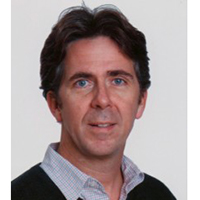
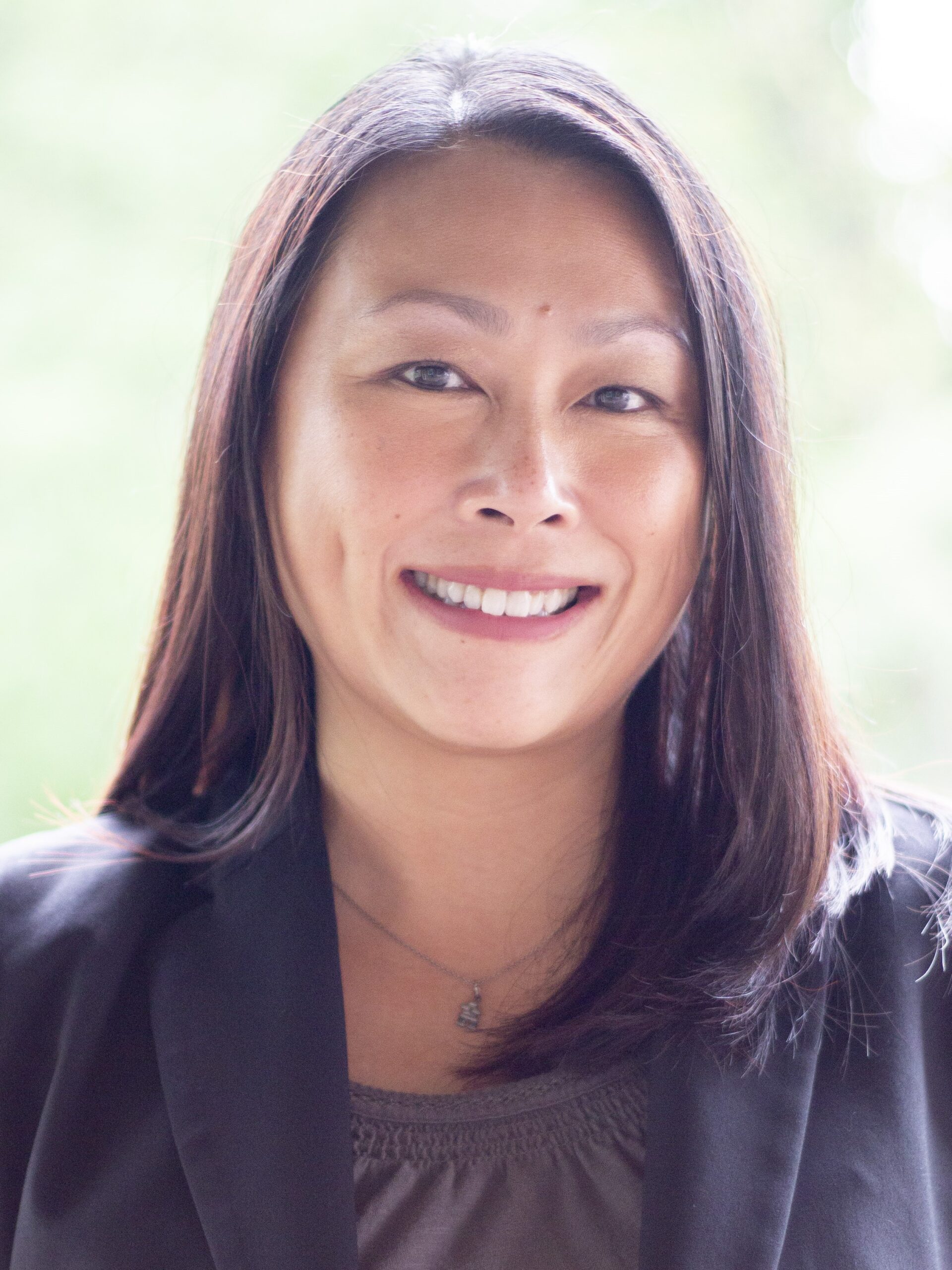
Keunhyun (Keun) Park is an Assistant Professor of Urban Forestry at the University of British Columbia (UBC), affiliated with the Department of Forest Resources Management . He also holds an Adjunct Professor position at Utah State University in the Department of Landscape Architecture and Environmental Planning. Education: BSc and MSc in Landscape Architecture from Seoul National University; PhD in Urban Planning and Design from the University of Utah Research Lab: Faculty lead of the Urban Nature Design Research Lab ( under_lab ) His research focuses on designing healthy, just, and resilient cities through urban nature , with particular emphasis on: Environmental justice and equitable access to urban green spaces Human behavior in public spaces using drone/sensor/VR technology Smart growth urban design impacts on public health and ecological systems Recent publications demonstrate expertise in GIS applications , pedestrian behavior analysis , and urban planning across 20+ studies from 2013-2025. Collaborations include the Vancouver Park Board , Metro Vancouver , and Wasatch Front Regional Council .
Sible Andringa is Professor of Second Language Pedagogy at the University of Amsterdam's Faculty of Humanities, officially inaugurated on June 16, 2023. Dr. Andringa serves as Academic Director of the Institute for Dutch Language Education (INTT), Coordinator of the Language Learning, Literacy and Multilingualism research group, and Coordinator of the Master's program in Dutch as a Second Language and Multilingualism. Dr. Andringa's research focuses on second language acquisition and bilingualism, specifically investigating the added value of explicit instruction, how input distribution affects language learning outcomes, and the role of awareness in language learning trajectories. Key ongoing projects include the Meta-LLL project examining how literacy shapes language learning, the SLA4All initiative for reproducing SLA research with non-academic samples, and the OASIS project creating accessible research summaries for practitioners. Previously, Dr. Andringa led Project MIND studying bilingual daycare effects and contributed to the Stilis project on listening proficiency. As General Editor of the Dutch Journal of Applied Linguistics (DuJAL), Dr. Andringa promotes open science principles in language research. Recent publications demonstrate a focus on addressing sampling biases in SLA research, open access publishing ethics, and practical applications of language acquisition research for educational settings. Academic Director, Institute for Dutch Language Education (INTT) Coordinator, Language Learning, Literacy and Multilingualism research group Coordinator, Master's program Dutch as a Second Language and Multilingualism General Editor, Dutch Journal of Applied Linguistics (DuJAL) Member, Mastery Team for Modern Foreign Languages Member, OASIS project team Member, IRIS database advisory group Dr. Andringa supervises PhD candidates including Kyra Hanekamp and Darlene Keydeniers, particularly in research related to bilingual daycare environments and language development. The research program has received funding from the Dutch ministry of Social Affairs for Project MIND and continues to secure support for ongoing projects examining language learning mechanisms. Dr. Andringa leads the Language Learning, Literacy, and Multilingualism research group which investigates language and literacy acquisition across the lifespan, with emphasis on how language skills are learned, maintained, and used in educational contexts. The group meets weekly to discuss projects, plans, funding opportunities, and research topics while promoting collaboration, methodological innovation, and open science principles.
Richard Futrell is an Associate Professor at the University of California, Irvine (UCI), affiliated with the Department of Language Science. He leads the Language Processing Group, focusing on computational models of human and machine language processing. His work bridges information theory, Bayesian cognitive modeling, and natural language processing (NLP) interpretability. University of California, Irvine Department of Language Science Language Processing Group leader His research examines how linguistic structures emerge from cognitive and communicative pressures. Key areas include dependency locality, surprisal theory in sentence processing, and efficiency-driven language evolution. He investigates how memory constraints, predictability, and information density shape syntactic and morphological patterns across languages. Recent publications analyze code-switching efficiency, syntactic priming, ERP component modeling, and agent-based language contact simulations. His work frequently employs Bayesian modeling, neural network analysis, and cross-linguistic corpora to uncover universal principles in language processing. ACL Best Paper Award (2024) Best Paper Award for Computational Modeling of Language (2023) Marr Prize for Best Student Paper (2017) He has developed datasets like SPACER for error repair analysis and contributed to phonotactic learning frameworks. His collaborations span cognitive scientists, computational linguists, and neuroscientists, advancing understanding of language production, comprehension, and structural optimization.
Professor Charlotte Kloft is Head of the Department of Clinical Pharmacy & Biochemistry at the Institute of Pharmacy, Free University of Berlin since 2011, and spokesperson for the interdisciplinary Graduate Research Training Program PharMetrX 'Pharmacometrics and Computational Disease Modelling' since 2008. She previously served as Professor and Head of the Department of Clinical Pharmacy at Martin-Luther-University Halle-Wittenberg (2005-2011) and as Scientific Assistant/Senior Assistant at Freie Universität Berlin (1999-2005). Her academic credentials include a habilitation in Clinical Pharmacy from Freie Universität Berlin (2003) and a Dr. rer. nat. (summa cum laude) from the same institution (1997). She earned her license as a pharmacist in 1992 after completing pharmacy studies at Johannes Gutenberg-University, Mainz (1987-1991). Professor Kloft's research focuses on pharmacometrics, computational disease modeling, and therapeutic drug monitoring across multiple therapeutic areas. Her work bridges pharmaceutical sciences with clinical practice, with particular emphasis on personalized dosing strategies for oncology, antimicrobial resistance, and inflammatory bowel diseases. She has pioneered research in optimizing drug dosing through pharmacokinetic/pharmacodynamic modeling, with applications in both antibiotic and cancer therapies. Her recent publications demonstrate a strong evolution toward integrating advanced computational approaches with clinical pharmacology, including machine learning applications in pharmacometrics, personalized dosing strategies for biologics during pregnancy, and developing nationwide infrastructure for therapeutic drug monitoring in cancer therapy through the ON-TARGET study. Academic Center of Excellence of Pharsight (now Certara), USA (since 2000) Habilitationsreisestipendium of Dr. August and Dr. Anni Lesmüller-Stiftung (2002) Ernst-Reuter-Preis of Ernst-Reuter-Gesellschaft (1998) Joachim-Tiburtius-Preis of Berlin Senate (1998) Young Investigator Award of EORTC-PAMM (1997) Professor Kloft has successfully supervised numerous doctoral students whose research spans diverse areas including CAR-T cell therapy, antimicrobial resistance, inflammatory bowel disease treatment optimization, and pharmacokinetic modeling of novel therapeutic agents. Her research group has secured significant funding for projects including GlobalResist, ON-TARGET, ABIMMUNE, COMBINATORIALS, and TAIN. She leads a vibrant research ecosystem at the Free University of Berlin with strong collaborations across Europe and internationally, maintaining state-of-the-art laboratory facilities including Biosafety Level 2 certified labs for infectious disease research.
Mads Leth Jakobsen is an Associate Professor at the Department of Political Science , Aarhus University, specializing in Public Leadership , Leadership Development , and Bureaucracy and Debureaucratization . He serves as a member of the King Frederik Center for Public Leadership management team, focusing on leadership for public value creation and handling complex social challenges like the climate crisis. Academic Rank: Associate Professor Primary Research: Public Leadership, Distributed Leadership, Climate Governance Teaching: Public Leadership and Governance on political science programs Key Projects: Public Value Leadership (2022), Distributed Leadership (2012-2016) His research explores paradox leadership , organizational responses to climate challenges, and leadership credibility. Recent publications examine municipal climate strategies, bureaucratic dynamics, and leadership development frameworks. He emphasizes the interplay between leadership practices and employee outcomes in public sector organizations. Scientific awards and student supervision details are not listed in the available information. His articles highlight a strong focus on reconciling performance regimes with organizational learning, leadership credibility, and innovative governance models in public sector contexts.
Douglas L. Kriner is the Clinton Rossiter Professor in American Institutions at Cornell University, affiliated with the College of Arts and Sciences and Department of Government. His work bridges American political institutions , separation of powers , and U.S. foreign and health policy . He has authored five influential books, including The Myth of the Imperial Presidency (2020) on public opinion’s constraints on executive power, and Investigating the President (2016) on congressional oversight. His research spans military policymaking , executive particularism , and vaccine trust dynamics , published in top journals like American Political Science Review and New England Journal of Medicine . Email: kriner@cornell.edu Scientific awards include the D.B. Hardeman Prize (2013), Richard F. Fenno Jr. Prize (2017), and Richard E. Neustadt Award (2015). His articles explore congressional investigations , presidential particularism , and pandemic-related health behavior . He teaches courses on American government , presidency , and quantitative methods . Recent work examines emerging technology’s impact on democracy and biofuels policy , with a focus on partisan dynamics and public trust in science .
Michael C Rodriguez is a Professor in the Quantitative Methods in Education department at the University of Minnesota's College of Education and Human Development. He serves as Dean in the Administration (CEHD) and is a leading expert in psychometrics and educational assessment. PhD in Measurement and Quantitative Methods, Michigan State University (1999) MA in Educational Psychology, University of Minnesota (1995) His research focuses on psychometric properties of tests , optimizing test accessibility for diverse learners, and advancing applied measurement through collaborations with schools. Key areas include constructed-response vs. multiple-choice item design, SDG-aligned educational practices, and the intersection of developmental assets with student engagement . Recent publications examine automated evaluation tools , bullying impacts on foster youth, and test validity frameworks . His work aligns with the UN Sustainable Development Goal 4 (Quality Education) . He collaborates on grants from the U.S. Department of Education and Institute of Education Sciences , including projects like the Individual Growth and Development Indicators for Hmong preschoolers and Computer Adaptive Storybook Assessment (CASA).
Neda Haj Hosseini is a Senior Lecturer and Associate Professor in Biomedical Engineering at Linköping University's Department of Biomedical Engineering (IMT) . She contributes to teaching courses like TBMT56 - Medical Technology and TBME08 - Biomedical Modeling and Simulation , while leading research initiatives in AI-driven cancer diagnostics and biomedical optics. Research Focus: Development of AI methods for cancer diagnostics, optical coherence tomography (OCT) applications, and fluorescence spectroscopy in surgical guidance Affiliations: Center for Medical Image Science and Visualization (CMIV) , Analytic Imaging Diagnostic Arena (AIDA) , Swedish Medical Technology Association Recent Research Trends demonstrate expertise in applying deep learning to: Pediatric brain tumor classification using multimodal imaging Optical biopsy techniques for intraoperative decision support Automated biomarker quantification in histopathology Medical imaging data integrity and algorithm validation Scientific Awards include grants from: Joanna Cocozza Foundation (2022) Swedish Childhood Cancer Foundation (2024) Academic Leadership involves mentoring students in projects such as: "Multiple Instance Attention-based Learning for Brain Tumor Classification" "Vision Transformers for Multiclass Brain Tumor Tissue Classification" "Reaction-diffusion Models for Image-driven Tumor Simulation"
Yuqing Wang is a Postdoctoral Researcher in the Department of Computer Science at the University of Helsinki, Finland, actively contributing to software engineering research with expertise in anomaly detection for microservices and test automation maturity. Contactable via yuqing.wang@helsinki.fi and phone +358505934630/+358294151310, Wang participates in major EU and Academy of Finland projects including LUMI AI Factory (2025-2028) and MuFAno (2023-2026). Research focuses on two interconnected domains: anomaly detection in cloud-native systems using meta-learning for cross-system log analysis and trace categorization, and test automation maturity assessment frameworks. Recent work pioneers datasets like LO2 for microservice API anomalies and tools like LogLead for integrated log processing, while earlier studies establish quantitative links between test automation maturity and product quality in open-source ecosystems. Publications reveal an evolving trajectory from foundational test automation maturity models (2018-2020) toward advanced AI-driven anomaly detection (2024-2025), with 2022-2023 bridging both domains through empirical studies on agile practices and maturity impacts. Current work emphasizes cross-system generalization and multimodal fusion for microservice reliability. No scientific awards are documented in available sources. Wang contributes to two significant grants: the EU Horizon Europe LUMI AI Factory developing AI service infrastructure (2025-2028), and the Academy of Finland MuFAno project advancing multimodal anomaly detection for microservices (2023-2026). These projects drive collaboration with industry partners on real-world system reliability challenges.
Xiaoyu Che is an Assistant Professor of Biostatistics at Columbia University's Mailman School of Public Health, where he serves as the principal biostatistician in the Center for Infection and Immunity (CII) at Columbia University Irving Medical Center. His work bridges statistical methodology with biomedical research, focusing on complex disease mechanisms through advanced data analysis approaches. Dr. Che received his academic training at prestigious institutions: BS in Mathematics from Zhejiang University (2006) PhD in Mathematics from Claremont Graduate University (2013) Dr. Che's research program centers on the development and application of statistical methods for multi-omics analyses, with particular focus on understanding the pathogenesis of chronic and neurodevelopmental conditions. His work spans multiple domains including Autism Spectrum Disorder (ASD), Myalgic Encephalomyelitis/Chronic Fatigue Syndrome (ME/CFS), and Gulf War Illness (GWI). He employs sophisticated biostatistical approaches to integrate diverse biological data types, revealing novel insights into disease mechanisms. His methodological expertise includes Bayesian statistics, metabolomic analysis, immune signature identification, and microbiome characterization, all aimed at translating complex biological data into meaningful clinical insights. Analysis of Dr. Che's publication record reveals a strong thematic focus on applying advanced statistical methods to understand complex disease mechanisms. His work consistently bridges biostatistical innovation with biomedical discovery, particularly in the areas of neurodevelopmental disorders and chronic fatigue conditions. The publications demonstrate progression from foundational methodological work to increasingly sophisticated multi-omics integration approaches, reflecting both technical growth and expanding research impact. His collaborative approach is evident through numerous high-impact publications with interdisciplinary teams across Columbia University and beyond. Dr. Che teaches BIST P8104: Probability in the Biostatistics MS degree program at Columbia, demonstrating his commitment to training the next generation of biostatisticians. While specific grant information isn't detailed in the provided materials, his extensive publication record across multiple high-impact journals suggests successful grant funding supporting his research program. As principal biostatistician in the Center for Infection and Immunity, Dr. Che plays a critical role in the analytical framework of the center's research initiatives. His work supports the center's mission to understand the relationship between infectious agents and human health through rigorous quantitative analysis. The collaborative nature of his research is evident in the diverse range of co-authors spanning immunology, virology, microbiology, and clinical medicine.
Benjamin C. Flores is a Professor of Electrical and Computer Engineering at the University of Texas at El Paso (UTEP) , where he has built an internationally recognized career spanning advanced radar signal processing and large-scale STEM education initiatives. He directs the UT System Louis Stokes Alliance for Minority Participation (LSAMP) and the Bridge to the Doctorate Program , managing more than $40 million in funded projects aimed at increasing access and success for Hispanic and other under-represented students in STEM disciplines. Education: While specific degrees are not listed in the provided text, Dr. Flores’s faculty appointment and extensive technical expertise in radar and chaotic systems imply advanced training in electrical engineering. Research Interests: Radar & Signal Processing: high-resolution radar, inverse synthetic aperture radar (ISAR), range-Doppler processing, micro-Doppler analysis, bistatic radar, chaotic wideband signal design, neural-network-based classification of radar jamming signals. Antenna Engineering: fractal antennas, 3-D printed antenna prototyping, anechoic chamber measurements. STEM Education & Diversity: evidence-based retention strategies for non-traditional and Hispanic students, peer-led team learning, graduate mentoring, systemic change models for faculty diversity. Publication Trends: Dr. Flores’s recent articles (2021-2025) reveal two dominant thrusts—(1) cutting-edge radar/chaotic signal processing and joint radar-communication systems, and (2) rigorous, data-driven studies on broadening participation in STEM, with emphasis on mentoring, social networks, and program evaluation at Hispanic-Serving Institutions. Scientific Awards & Honors: Texas STAR Award – Texas Higher Education Coordinating Board (2005) ABET President’s Diversity Award (2006) Presidential Award for Excellence in Science, Mathematics, and Engineering Mentorship (2010) Grants & Leadership Roles: Principal Investigator & Project Director, Model Institutions for Excellence Initiative (1999-2007) Principal Investigator, UTEP PUENTES Program (US Dept. of Education, 2010-2015) Principal Investigator & Director, UT System LSAMP & Bridge to the Doctorate Program (since 2005) Laboratory & Facilities: Dr. Flores’s research group utilizes UTEP’s anechoic chamber and rapid-prototyping laboratories for antenna design and characterization, while also housing real-time radar test-beds and analog-computer platforms for chaotic oscillator experiments.
Erin Barnes is a Clinical Associate Professor in the Department of Counselor Education at the University of Iowa’s College of Education. She holds a PhD from the University of Iowa and is credentialed as both a Certified Rehabilitation Counselor (CRC) and National Certified Counselor (NCC). Her career spans over 10 years in higher education teaching and clinical practice, with expertise in rehabilitation counseling, mental health advocacy, and homeless individuals’ well-being. Barnes focuses on experiential learning methods to enhance student skills in clinical mental health and rehabilitation contexts. Education: Barnes earned her undergraduate and graduate degrees from the University of Iowa, with specializations in counselor education and rehabilitation. Research Interests: Her work addresses diversity in counseling professions, psychopathology assessment, educational equity for marginalized groups, and culturally sensitive rehabilitation practices. She emphasizes the intersection of mental health, disability, and socioeconomic factors in her scholarship. Awards: Barnes has received notable recognition, including the 2023 Collegiate Teaching Award and the Rehabilitation Counseling Alumnus of the Year Award (2017). Her leadership development includes participation in the HERS Leadership Institute and the National Research Mentor Network (NRMN). Grants & Advising: Barnes directs grants focused on telemental health, community-engaged practice, and opioid epidemic response. She collaborates on projects like the Center for Community-Engaged Practice and Research for Counselor Educators and the Opioid Workforce Expansion Program. Her mentorship emphasizes inclusive pedagogy and supporting high-achieving, low-income students. Labs/Teams: She leads initiatives through the University of Iowa’s Center for Community-Engaged Practice and Research, fostering partnerships between academic programs and community agencies to address mental health and disability challenges.
Robert L. Hicks is a Professor of Economics and Marine Science at The College of William and Mary, holding joint appointments in the Department of Economics and the School of Marine Science. He is affiliated with the Environmental Science and Policy Program and the Thomas Jefferson Program in Public Policy. With a Ph.D. from the University of Maryland and a B.A. from North Carolina State University, Hicks has been a visiting professor at institutions in Germany and Spain, including the University of Bonn and the University of Hannover. His research focuses on environmental and natural resource economics, welfare economics, and econometrics, with notable contributions to fisheries management, eco-labeling, and recreational resource valuation. He has served on the editorial board of Marine Resource Economics and received grants from the National Science Foundation, U.S. Department of Commerce, and philanthropic organizations like the Bill and Melinda Gates Foundation. His awards include the Alumni Fellowship Award and the Plumeri Award for Faculty Excellence. Education: B.A., North Carolina State University Ph.D., University of Maryland Research Interests: Environmental economics emphasizes sustainable resource management, while his work in econometrics advances quantitative methods for policy analysis. Key areas include recreational fishing valuation, eco-labeling impacts, and spatial modeling in fisheries. His research bridges theoretical frameworks with practical applications in coastal and marine environments. Grants & Awards: Recipient of grants from NSF, U.S. Department of Commerce, William and Flora Hewlett Foundation, and Bill and Melinda Gates Foundation Alumni Fellowship Award Plumeri Award for Faculty Excellence Labs & Affiliations: Active in interdisciplinary collaborations, Hicks contributes to policy boards such as NOAA’s Science Advisory Board and aids in shaping environmental and marine policy through academic partnerships.
Dr. Clara Cheng serves as the Interim Associate Dean of Faculty Professional Development, Director of the Undergraduate Psychology Program, and Professor of Psychology at Carlow University. Her roles include overseeing faculty development, directing the Psychology program, and teaching statistics and social psychology in flipped and online formats. She advises the Carlow chapter of Psi Chi, which she co-founded in 2013, and is a certified therapy team member with her mini labradoodle, Mochi. Dr. Cheng holds an Hon BSc in Psychology (2000) from the University of Toronto and MA (2002) and PhD (2006) in Social Psychology from The Ohio State University. She also earned certificates in American Sign Language and Online Teaching with a focus on accessibility. Her research focuses on social cognition, stereotyping, implicit bias, and culturally informed teaching methods. She contributed to the APA’s college teaching guide and frequently addresses racism and implicit bias in campus workshops. Her awards include the Sisters of Mercy Award for Advising (2020), Center for Digital Learning Fellowship (2017), and multiple teaching honors from Ohio State. Dr. Cheng’s scholarship spans over two decades, with notable contributions to implicit bias measurement, Buddhist coping mechanisms, and cross-cultural identity formation. She actively serves as Vice President for Resources for the Society for the Teaching of Psychology, promoting pedagogical innovation and inclusivity. Her advising and grants include fostering student honor societies and accessibility initiatives. Her 'therapy team' with Mochi underscores her commitment to mental health. Collaborative work with international researchers highlights her global impact in social and cultural psychology.
Jennifer Gray, Ph.D., is the Dean of the College of Sciences and Education at Oklahoma Christian University (OC) and holds the rank of Professor of Nursing. She has over four decades of experience in nursing, research, and education, with a focus on global health, HIV/AIDS care, and evidence-based practice. Her career includes roles as Associate Dean at the University of Texas at Arlington (UTA), where she developed courses and led international outreach programs in Uganda. She is a Fellow of the American Academy of Nursing (2013) and a Professor Emeritus of the UTA System (2015). Her research spans nursing education, healthcare disparities, and international collaboration, with notable work in Africa. She co-authors influential nursing research textbooks, including Burns & Grove’s The Practice of Nursing Research . Education: BSN from the University of Central Oklahoma (1977), Master’s and Ph.D. from UTA (1989–1993). She has pioneered nurse-led interventions in hypertension, HIV/AIDS, and maternal health in Uganda, Rwanda, and Tanzania. Her leadership emphasizes innovation in education and maintaining OC’s mission-driven values. She also advocates for healthcare workforce development and healthy work environments in acute care settings. Awards include her American Academy of Nursing Fellowship and recognition for her textbook contributions. She has supervised numerous research initiatives and serves in her church community. Her work bridges academic rigor with practical, community-focused healthcare solutions.