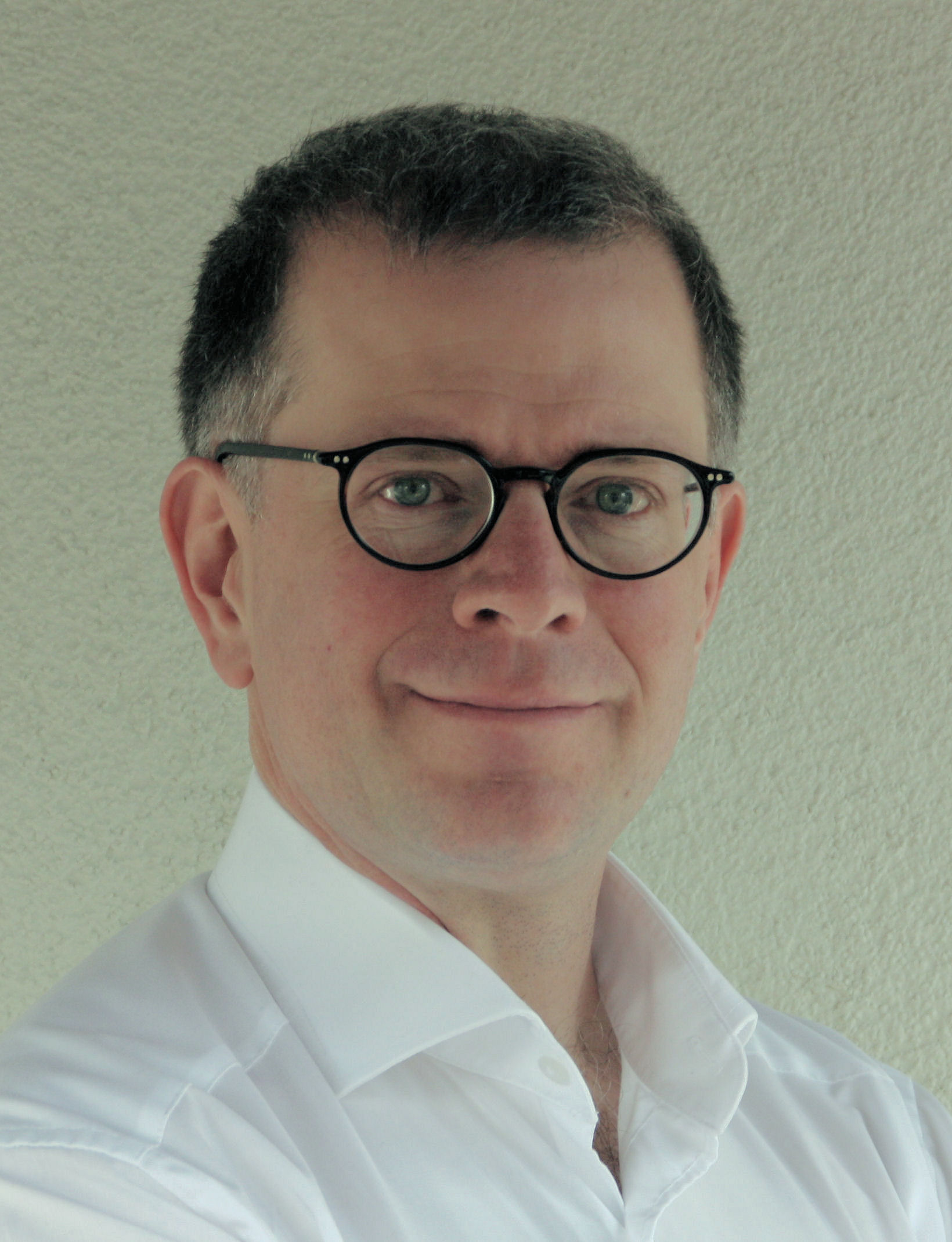
Dr. Andrea Lecchini Visintini is an Associate Professor at the School of Electronics and Computer Science , University of Southampton. He specializes in systems modelling and control with applications in aerospace engineering and biomedical domains, utilizing Monte Carlo methods for stochastic optimization. Cyber-Physical Systems Research Group Institute for Life Sciences Research Focus: His work bridges computational methods with practical applications in: Neurovascular coupling and brain tissue pulsation analysis Advanced control strategies for aerospace systems Stochastic optimization in machine learning and fault detection Medical imaging and diagnostic protocol development Publication Trends: Recent work emphasizes interdisciplinary approaches combining computational neuroscience with engineering, focusing on brain hemodynamics, MIMO system control, and data augmentation techniques for imbalanced datasets. Supervision: Currently supervising PhD student Xuankun Cai in Computer Science.
Prof. Florian Zaussinger is a faculty member at the Faculty of Applied Computer and Life Sciences at Mittweida University of Applied Sciences. His research focuses on thermal convection, fluid dynamics, and numerical simulations in both geophysical and astrophysical contexts. He has contributed extensively to studies on microgravity experiments, including the GeoFlow and AtmoFlow projects conducted on the International Space Station (ISS). University: Mittweida University of Applied Sciences Faculty: Applied Computer and Life Sciences Department: Mathematics Contact: +49 3727 58-1381 | florian.zaussinger@hs-mittweida.de | Building 6, Room 6-131 His research involves advanced numerical modeling of complex fluid systems, including spherical convection, dielectric heating, and double-diffusive processes. He has developed and applied computational tools like the ANTARES code to simulate convection in DA white dwarfs, planetary atmospheres, and Earth's mantle. His work bridges theoretical fluid mechanics with experimental validation in space-based microgravity environments. Recent publications highlight his expertise in thermo-electrohydrodynamic convection, planetary fluid flow analysis, and microgravity-induced instabilities. While the scraped data does not list scientific awards or students directly, his academic profile emphasizes interdisciplinary collaboration with engineering and life sciences, particularly in applied mathematics for fluid dynamics and experimental data processing.
Ricardo Martinez-Botas is a Professor of Turbomachinery and Associate Dean for Industry Partnerships at the Department of Mechanical Engineering, Imperial College London. He holds affiliations with the Electrochemical Science and Engineering, Energy Materials, Grantham Institute, Mechanics of Materials, and Network of Excellence in Air Quality. His academic career includes a DPhil from the Rolls Royce University Technology Center at the University of Oxford (1993) and an MEng in Aeronautical Engineering from Imperial College London. He also serves as a Visiting Professor at University Teknologi Malaysia. His research focuses on unsteady flow aerodynamics in turbochargers, supercritical CO2 systems, and thermal-fluids engineering. Notable contributions include advancements in turbine aerodynamics, pulsating flow control, and generative AI-driven design methodologies. He leads the Thermofluids Division and the Hybrid and Electric Vehicles Theme at the Energy Futures Lab. His work integrates computational fluid dynamics (CFD), experimental methods, and one-dimensional modeling for turbomachinery optimization. Key Awards: Dugald Clerk Prize (2011), ASME Turbomachinery Best Paper Awards (2010, 2009). Editorial Roles: Associate Editor of the Journal of Turbomachinery (ASME) and Journal of Mechanical Engineering Science (IMechE). Facility Leadership: Developed the TURBODYNA dynamic simulator for radial turbomachinery and commissioned a blowdown facility for dense gas vapor research. His research portfolio spans interdisciplinary topics like battery technology, organic Rankine cycle turbines, and sustainable automotive emissions control. He actively collaborates with industry partners to translate academic innovations into real-world applications, emphasizing energy efficiency, waste heat recovery, and low-carbon transportation solutions.
Dr. Gabrie Meesters is an Associate Professor in the Department of Chemical Engineering at Delft University of Technology (TU Delft), Faculty of Applied Sciences. He is affiliated with the Product and Process Engineering (PPE) section, where his research centers on product-driven process design and particle technology, often in collaboration with industrial partners. His academic background includes an MSc and PhD in Chemical Engineering from TU Delft, completed in 1992. He previously balanced his academic role with R&D positions at DSM in Delft, working one day per week at the university until 2019, when he transitioned to full-time academia. His research interests include: Product Driven Process Design Particle Technology Product Formulation Fluidization of Cohesive Powders Hydrodynamics in Multiphase Systems Nanoparticle Clustering and Dispersion Recent publications highlight a strong focus on experimental and imaging techniques such as X-ray imaging and radioactive particle tracking to study fluidization behavior, vibrational effects, and nanoparticle interactions. These works fall within the broader domains of chemical engineering, materials science, and process systems engineering. He supervises PhD candidates, including Rens Kamphorst, and contributes to educational programs by teaching courses such as Product and Process Design (PPD), Conceptual Design Project (CDP), and Particle Technology for Health and Energy. He also serves as a contact person for internship inquiries. His research group maintains active collaborations with industry and academic partners, supported by access to advanced instrumentation and facilities at TU Delft.
Prof. Dr.-Ing. Katharina Schmitz serves as Institute Director and Vice Dean at the Institute for Fluid Power Drives and Systems, RWTH Aachen University. Her leadership within the Production Technology Cluster and extensive contributions to fluid power engineering establish her as a leading authority in mechanical engineering research and education. Her research spans fluid power systems, hydraulic component design, tribology, and physics-informed machine learning applications. She pioneers sustainable propulsion solutions through bio-hybrid fuels research while addressing fundamental challenges in polymer material behavior under hydraulic stresses. Current work focuses on carbon-neutral heavy-duty transportation, physics-based neural networks for lubrication modeling, and advanced control systems for electro-hydraulic actuators. Analysis of her 15 most recent publications reveals a dominant trend toward integrating physics-based modeling with deep learning to solve complex engineering problems. Her team consistently develops novel frameworks for cavitation prediction, flow rate determination, and material compatibility assessment - significantly advancing fluid power system reliability, efficiency, and digitalization. Scientific recognition includes: GfT Förderpreis 2023 for experimental and simulative investigation of partially hydrostatic relieved contacts in variable speed axial piston machines As head of the Institute for Fluid Power Drives and Systems, she leads cutting-edge research in sustainable fluid power technologies. The institute maintains strong industry partnerships while driving innovation in hydraulic component design, digital twins for condition monitoring, and next-generation propulsion systems through its position within RWTH Aachen's Production Technology Cluster.
Carmen Guerra-Garcia is the Charles Stark Draper Associate Professor of Aeronautics and Astronautics at MIT. She leads the Aerospace Plasma Group, focusing on the intersection of aerospace engineering, low-temperature plasma technologies, and gas discharge physics. Massachusetts Institute of Technology (PhD, SM) 2007-2014 Polytechnic University of Madrid (Ingeniero Aeronautico) 2007 Her research spans aircraft safety (lightning interaction, wind turbines, and charge control systems), plasma-assisted combustion , and space propulsion . She combines multi-physics modeling , computation , and experimentation to address challenges in carbon-free energy and aerospace electrification. Key trends in her recent work include plasma-assisted ignition of sustainable fuels , CO2 conversion for Mars ISRU , and dynamic interactions between plasmas and flames . Her articles highlight advancements in nanosecond pulsed discharges , self-pulsating streamers , and lightning risk mitigation . NSF CAREER Award (2024) Junior Bose Award for Excellence in Teaching (2024) Office of Naval Research Young Investigator Award (2021) International Fulbright Science and Technology Award (2009) First National Award in Aeronautical Engineering, Spanish Ministry of Education (2007) Guerra-Garcia’s grants include NSF CAREER funding for plasma-assisted combustion and ONR support for aerospace safety. She advises PhD students and collaborates with the Space Propulsion Lab and APS/AIAA technical committees.
Ting Du, M.D., Ph.D., is an Assistant Professor in the Department of Neurology at the University of Rochester Medical Center's School of Medicine and Dentistry. She leads the Du Lab, focusing on brain fluid homeostasis and its role in neurological diseases. Faculty: Assistant Professor, Department of Neurology Institution: University of Rochester Medical Center Lab: Du Lab Collaborations: Nedergaard Lab, Center for Translational Neuromedicine Research Interests: The Du Lab investigates cerebrospinal fluid (CSF) dynamics, glymphatic system function, and cervical lymphatic vessels in Alzheimer's disease, hydrocephalus, and traumatic brain injury. Key projects include: Restoring cervical lymphatic function to improve CSF drainage in aging Characterizing the subarachnoid lymphatic-like membrane (SLYM) in trauma Probing choroid plexus regulation in hydrocephalus Publication Trends: Recent work spans Neuroscience , Neurodegeneration , and Biophysics , with emphasis on: Glymphatic dysfunction in Alzheimer's Arterial pulsation-driven CSF flow Aquaporin-4's role in interstitial fluid Machine learning-based flow quantification Lab Affiliations: The Du Lab is part of the Neuroscience Ph.D. Program and Pathology - Cell Biology of Disease program, collaborating with experts in neuroimaging , fluid dynamics , and neurotherapeutics .
Prof. Dr. Christian Wagner is a Professor in the Department of Physics at Universität des Saarlandes, Faculty of Natural Sciences and Technology. He leads the Research Group for Dynamics of Fluids, focusing on complex and biological fluids, particularly red blood cells, granular matter, and non-equilibrium systems. His research integrates experimental techniques such as particle image velocimetry, rheometry, and optical tweezers. Research Interests: His work centers on understanding the self-organization and flow behavior of complex fluids, including polymers, gels, and blood. Key areas include red blood cell dynamics, aggregation, sedimentation, microfluidic transport, and the rheology of granular materials. He investigates both biological and synthetic systems under confinement and non-equilibrium conditions. Publication Trends: His recent publications (2023–2025) show a strong focus on red blood cell mechanics, with recurring themes in aggregation, deformability, sedimentation, and microcirculatory flow. Collaborative work with Prof. Lars Kaestner is prominent, and studies often bridge physics, biophysics, and clinical diagnostics. Techniques like microfluidics, optical tweezers, and rheometry are frequently employed. Scientific Awards: No awards are explicitly mentioned in the provided text. Advising and Grants: He supervises a large group of PhD and master’s students working on red blood cell dynamics, microfluidics, and granular flows. He leads or participates in major funded projects such as the DFDK doctoral school 'Living Fluids', the Research Unit FOR 2688 on pulsating flow instabilities (funded by DFG with €2.3 million), and the Interreg project PowderReg. These projects involve international collaboration and interdisciplinary research. Labs and Teams: His research group is based in Building E2.6 at Campus Saarbrücken, housing experimental setups for rheology, microfluidics, and optical manipulation. The team includes senior scientists, postdocs, PhD, and master’s students, and collaborates closely with other institutions in France, Luxembourg, Morocco, and beyond.
Kazuyoshi Miyagawa is a Professor at Waseda University's Department of Applied Mechanics and Aerospace Engineering within the Faculty of Science and Engineering, School of Fundamental Science and Engineering. With a Doctor of Engineering from Osaka University, he has maintained a continuous academic career at Waseda University since 2011, progressing from Associate Professor to full Professor. His educational background includes undergraduate and graduate studies in Mechanical Engineering at Waseda University, followed by specialized research at Osaka University's Graduate School of Engineering Science. Professor Miyagawa's research focuses on Fluid Engineering, Fluid Machinery, Cavitation, and Flow Induced Vibration . His work bridges theoretical fluid dynamics with practical applications in turbomachinery, particularly in hydraulic turbines, pumps, and rocket turbopumps. His research demonstrates a consistent emphasis on improving efficiency, stability, and reliability of fluid machinery through innovative design and thorough understanding of complex flow phenomena. His extensive publication record (107 papers with 683 Scopus citations and 1543 Google Scholar citations) reveals a strong focus on draft tube flow in hydraulic turbines, cavitation phenomena, and unsteady flow characteristics in various turbomachinery applications. His recent work shows increasing attention to computational fluid dynamics validation through experimental methods and practical engineering solutions for flow instability problems. Scientific Awards Multiple Technical and Paper Awards from the Turbomachinery Society of Japan (2001-2021) Recognition for development of new water turbines, high-efficiency turbochargers, and low-noise pumps Research on Francis turbine performance and cavitation phenomena Professor Miyagawa actively contributes to the engineering community through leadership roles including President of the Turbomachinery Society of Japan (2023-present) and Board Director of The Japan Federation of Engineering Society (2025-present). His professional memberships span multiple international and Japanese engineering societies including ASME, IAHR, and The Japan Society of Mechanical Engineers.
Christos Manopoulos is an Assistant Professor at the School of Mechanical Engineering, National Technical University of Athens (NTUA), Greece, within the Fluids Section. His roles include Director of the Biofluid Mechanics & Biomedical Technology Laboratory and Health and Safety Officer for the Fluid Mechanics Section. He holds a PhD in Biomedical Engineering (2009) and M.Sc.E. in Biomedical Engineering (1999) from NTUA and University of Patras, alongside a Mechanical Engineering Diploma (1995). Professional Experience: Includes senior researcher roles, postdoctoral fellowships, and teaching positions at multiple institutions since 1998. Research Focus: Biofluid mechanics, biomedical device design, and cardiovascular hemodynamics. Specializes in computational modeling of valveless pumping, arterial wall mechanics, and endovascular repair systems. His work integrates experimental, theoretical, and computational methods. Key Research Trends: Recent articles emphasize patient-specific computational studies of aortic aneurysms, novel biomedical device designs, and fluid dynamics in medical systems. Topics include finite element analysis, peristaltic pumps, and pulsatile flow modifications. Awards: Doctoral Excellence (2009), Thomaideio awards (2012, 2005–2010), and a patent for a mechanical ventilator component (2021). Labs/Teams: Leads the Biofluid Mechanics Lab at NTUA, focusing on translational biomedical engineering and computational modeling.
Hrvoje Kozmar is a Full Professor in the Department of Physics at the University of Zagreb's Faculty of Science. His research focuses on fluid dynamics, aerodynamics, and environmental engineering, with particular emphasis on wind energy systems, atmospheric boundary layer flows, and structural dynamics. His work addresses challenges in offshore engineering, wind turbine design, and urban building aerodynamics. Professor Kozmar has contributed to advanced computational models for hydrodynamic loads on offshore structures, turbulence effects on tall buildings, and wind energy harvesting systems. His studies on Bora wind dynamics and rotor blade aerodynamics highlight interdisciplinary applications in meteorology and renewable energy. Key projects include surrogate modeling for offshore monopiles, numerical simulations of wave-current interactions, and experimental studies on porous double-skin façades for wind load mitigation. He has collaborated on wind farm layouts, cable-supported bridge stability, and aerodynamic optimization of vehicles.
Audrey Fu is an Associate Professor of Family Medicine and Public Health Sciences and of Molecular Medicine and Genetics at Wayne State University School of Medicine, located at Scott Hall, 540 E. Canfield Street, Detroit, MI 48201. Her interdisciplinary work bridges computational methods with biomedical applications, particularly in genomics and medical imaging fields. Her educational background includes a PhD from the University of Washington (2008), followed by postdoctoral training at the University of Chicago (2008-2014) and a Visiting Postdoctoral Scholar position at Stanford University (2014-2015). This strong foundation in statistics and computational biology has enabled her to develop innovative approaches to complex biomedical data analysis. Dr. Fu specializes in developing statistical methods and algorithms for analyzing high-dimensional biomedical data, with particular expertise in causal network inference using Mendelian randomization, deep learning for single-cell RNA-sequencing data, and methods for identifying disease-relevant cell types through integration of genomic data. Her research group actively practices open science, distributing open-source software packages in R and Python through GitHub and CRAN. Her publication record reveals a clear progression from fundamental statistical methodology development toward increasingly translational biomedical applications. While her earlier work focused on DNA methylation patterns, statistical inference of gene expression noise, and Bayesian clustering methods, her recent publications demonstrate expansion into medical imaging analysis, particularly in space medicine applications and neurological conditions like Chiari malformation. This evolution shows her ability to adapt statistical frameworks to address diverse biomedical challenges. NIH Pathway to Independence Award (K99/R00; 2014-2019) International Society for Bayesian Analysis Travel Award (2010) Dorothy and Leon Gilford Fellowship, Department of Statistics, University of Washington (2003) Dr. Fu is currently accepting new M.S. students for 2025-2026 but not new Ph.D. students. Her NIH K99/R00 award indicates successful transition from postdoctoral research to independent investigator status. Her lab develops multiple open-source software packages including MethylHMM, MRPC, LATE, and rolypoly, reflecting her commitment to making computational tools accessible to the broader research community. Her collaborative work spans multiple institutions and disciplines, from basic molecular biology to clinical applications in ophthalmology and neurosurgery.
Christos Manopoulos is an Associate Professor at the National Technical University of Athens (NTUA), School of Mechanical Engineering, Section of Fluids. His research focuses on biofluid mechanics and biomedical engineering, particularly in valveless pumping, peristaltic pumps, and computational modeling of cardiovascular systems. PhD in Biomedical Engineering (2009), NTUA and University of Patras M.Sc.E. in Biomedical Engineering (1999), NTUA and University of Patras Diploma in Mechanical Engineering (1995), University of Patras His work bridges theoretical, computational, and experimental methods to analyze unsteady oscillating flows, develop biomedical devices, and model arterial wall mechanics. Recent research trends emphasize patient-specific simulations for aortic aneurysms, optimization of medical pumps, and understanding pulse wave velocity in pathological conditions. His publications highlight advancements in computational fluid dynamics and biomedical device design. Scientific Committee, 10th & 11th IC-SCCE (2022, 2024) Patent #1009983 (2021) for mechanical ventilator bifurcator Multiple awards from Thomaideio foundation (2005-2010) Scholarships from Loulis (1999-2009) and Tzetzou (1999-2001) foundations Manopoulos leads the Biofluid Mechanics & Biomedical Technology Laboratory (2022-present) and contributes to health and safety protocols at NTUA. He teaches undergraduate and postgraduate courses in biofluid mechanics, computational modeling, and biomedical engineering.
Luiz Schiavo is a Researcher at Northumbria University, specializing in solar physics and plasma dynamics. He holds a PhD in Mechanical Engineering (2019) and an MSc. His research focuses on magnetohydrodynamic (MHD) waves in solar structures, vortex dynamics, and energy transport mechanisms. He has contributed significantly to studies using the Solar Orbiter/PHI mission data to identify wave modes and analyze solar pores. Education: PhD in Mechanical Engineering, Northumbria University, 2019 MSc (qualification details not specified) Research Interests: Solar phenomena (e.g., flares, pores, light bridges) MHD wave properties and propagation Plasma dynamics and magnetic reconnection Vortex tubes and fluid dynamics Recent work highlights the role of resistivity in solar flare pulsations, light bridge effects on MHD waves, and Poynting flux vortices in energy transport. His studies bridge observational data and numerical simulations to advance understanding of solar magnetic structures. No scientific awards or grants are explicitly listed in the provided text. Advising details or student supervision are not mentioned.
Dr. André Bénard is a Professor in the Department of Mechanical Engineering at Michigan State University (MSU), affiliated with the College of Engineering. His research focuses on sustainable manufacturing, multiphase flows, heat transfer, and technologies for a circular economy, including water treatment, recycling, and renewable energy systems. His current projects include ARPA-E-funded initiatives on heat exchanger design and solar desalination chimneys. Education: Ph.D., Mechanical Engineering (University of Delaware, 1996); M.Sc., Mechanical Engineering (École Polytechnique de Montréal, 1991); B.S., Mechanical Engineering (University of Sherbrooke, 1988). Postdoctoral research at Los Alamos National Laboratory. Research interests span clean energy, plastics recycling, chemical recycling via hydrolysis, and global water treatment systems with a geographic focus on India, Germany, and China. He advises SPARTA, a student organization retrofitting MSU’s campus for energy efficiency. Recent teaching includes courses on heat transfer, alternative energy systems, and finite element methods. His group includes 9 PhD students and postdocs working on projects like solar desalination, greenhouse integration, and advanced heat exchanger designs. Awards include a $961,954 ARPA-E grant (2021). Labs/Teams: Active in MSU’s sustainable engineering initiatives, leading projects on topology optimization for heat exchangers and solar-driven water solutions. Collaborates with industry and international partners on circular economy technologies.