
Jürgen König is a full professor at the Department of Nutritional Sciences , University of Vienna, leading the Research Professorship Specialized Human Nutrition . His work bridges psychological and physiological dimensions of eating behavior, with additional focus on population-level nutritional assessment in Austria. Academic Rank: Professor Department: Nutritional Sciences Research Focus: Hunger/satiety mechanisms, Public health nutrition, Food safety Key research themes include: Psychological drivers of eating behaviors (stress, food craving, sensory cues) Physiological regulation of nutrient homeostasis National nutrition surveys assessing dietary patterns Caloric restriction and metabolic adaptation Child and adolescent hydration/nutrition policies Recent publications highlight: Mechanistic studies on caloric restriction effects (2025) Pandemic impacts on school nutrition (2024) Global obesity/diabetes trends analysis (2024) Behavioral nudging in food selection (2024) Microbiota's role in dietary interventions (2023) Contact: juergen.koenig@univie.ac.at | Sekretariat: sekretariat.ew@univie.ac.at
جستجوی استاد راهنمای دانشگاهی
برای مسیر پژوهشیتان، استاد راهنما، استاد دانشگاه و پژوهشگر مناسب را پیدا کنید و با آنها ارتباط بگیرید.
نمایش ۱-۱۵ از ۲۴۲ استاد راهنما
اطلاعات پروفایلها از صفحات عمومی دانشگاهها گرفته شده و ممکن است بهروز نباشد.
Professor Chen Zhengming holds the Richard Peto Chair in Epidemiology at the University of Oxford's Nuffield Department of Population Health. He is also an Honorary Visiting Professor at institutions like Fudan University and Shanghai Institute of Biological Sciences. His research focuses on genetic epidemiology, clinical trials, and public health policy, with significant contributions to global health through large-scale studies like the China Kadoorie Biobank (CKB), a cohort of 512,000 adults. Key achievements include landmark trials demonstrating aspirin's benefits in stroke and dual-antiplatelet therapy in acute MI, influencing international guidelines. His work on cholesterol, tobacco-attributed deaths in China, and genetic studies on alcohol and cardiovascular risk has shaped policy and clinical practices. He leads a team of over 100 researchers and has published over 475 papers, including highly cited works in Lancet , NEJM , and Nature Medicine . Awards: Bayer International Aspirin Award (1997), Wellcome Trust Advisory Board (2022), and numerous international recognitions. Leadership: PI and Director of China Kadoorie Biobank; contributor to global consortia like the International Hundred K+ Cohorts.
Kan Haidong is a Distinguished Professor and Associate Dean at the School of Public Health, Fudan University (Shanghai, China). He holds the Chang-Jiang Scholar Professorship from the Ministry of Education and serves as an Associate Editor for Environmental Health Perspectives and International Journal of Epidemiology . His research focuses on environmental epidemiology, air pollution impacts, and climate change health effects. He has authored over 114 h-index papers and been recognized as a Clarivate Highly Cited Researcher and Stanford Top 2% Scientist. Education: PhD in Environmental Epidemiology, Fudan University (2003) MS in Environmental Health Sciences, Fudan University (2000) MD in Preventive Medicine, Shanghai Medical University (1997) Research Interests: Kan’s work bridges environmental exposures (air pollution, climate change) with human health outcomes. Key areas include particulate matter toxicity, heatwave mortality, and policy-driven health interventions. His studies often involve large-scale epidemiological analyses and global health collaborations. Key Awards: Wu-Jieping Paul Janssen Medical-Pharmaceutical Award (2018) US EPA Scientific Achievement Award (2015) Elsevier Top Influential Chinese Scholar (2014–2023) Grants/Editorial Roles: He leads WHO air quality guideline projects and chairs editorial boards for top journals. His grants focus on climate health adaptation and pollution mitigation strategies in China and globally. Labs/Teams: Directs Fudan’s Environmental Health Department and collaborates with global networks like the China Kadoorie Biobank and Lancet Planetary Health initiatives.
Kiemeney Lambertus is a Professor of Cancer Epidemiology at the Department of Health Evidence, Radboud University Medical Center in Nijmegen, Netherlands. He serves as Chair of the Department of Health Evidence and Scientific Director of the Radboud Institute for Health Sciences. His academic career includes roles as Head of the Department of Cancer Registry and Research, and Director of Research at the Netherlands Comprehensive Cancer Organisation. Lambertus holds a Master's in Biomedical Sciences (cum laude) from Radboud University and a Bachelor's in Physiotherapy (cum laude). His research focuses on urological cancers, genetic and clinical epidemiology, and biobanking. Key areas include prostate and bladder cancer genetics, risk prediction models, and validation of biomarkers like PCA3. He has pioneered studies on FGFR3 and JAG1 genes in bladder cancer susceptibility, and demonstrated the safety of coal tar treatments in dermatology. His over 500 publications include foundational work in genome-wide association studies (GWAS), with a Nature Genetics paper on bladder cancer susceptibility genes cited over 200 times. Lambertus has received global recognition including the Dominique Chopin Distinguished Researcher Award and inclusion in Thomson Reuters' most influential scientists list. Teaching Excellence: Multiple lecturer-of-the-year awards highlight his educational contributions. Leadership: Oversee large research institutes and national cancer initiatives. Global Impact: Collaborates with institutions worldwide, including Johns Hopkins University and the European Institute of Oncology. Current research emphasizes translational studies linking genetic discoveries to clinical outcomes, with a focus on reducing overdiagnosis in prostate cancer screening.
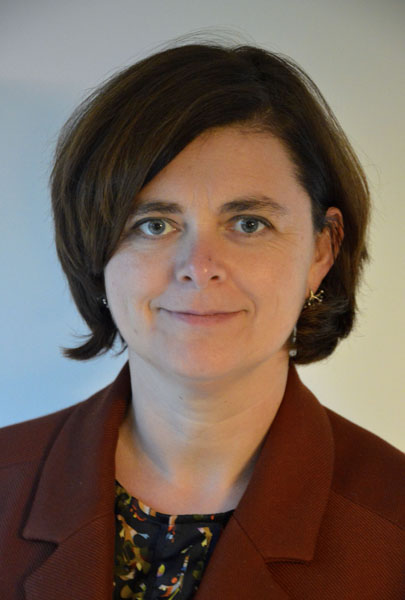
Heidi Vandebosch is a Professor at the University of Antwerp's Department of Communication Studies. A prominent figure in cyberbullying research since 2005, she combines academic rigor with practical applications through her role as senior member of the MIOS research group and leadership in international COST actions. PhD in Social Sciences from KU Leuven (1999) Postdoctoral grants from FWO and KU Leuven research council Academic career progression from assistant professor (2004) to full professor (since 2016) Research Focus : Cyberbullying prevalence, impact, and interventions; digital health games; media psychology; food literacy promotion through social media. Her work bridges theoretical research with practical implementation, including development of the Friendly ATTAC digital game and Cyberscan anti-bullying tools. Key Projects : Friendly ATTAC (€1.04M IWT SBO grant) Cyber-shoc interdisciplinary research BOF Concerted Research Project on adaptive health interventions Awards & Grants : Multiple prestigious FWO grants, IWT SBO funding, and BOF research support. She chairs expert panels and contributes to national educational policy through the Flemish Educational Board (VLOR). Teaching : Offers courses at all academic levels including Introduction to Communication Studies (1BA), Media Audiences & Effects (2BA), and Health Communication (MA). International Engagement : Active in COST actions, editorial roles at Communications. The European Journal of Communication Research , and advisory positions for media literacy initiatives.
- Cyberbullying
- Health Communication
- Online Behavior
- +۵ مورد دیگر
Lambertus (Bart) Kiemeney is a Professor of Cancer Epidemiology and Chair of the Department for Health Evidence at Radboud University Medical Center (Radboudumc). As Scientific Director of the Radboud Institute for Health Sciences since 2012, he leads one of Radboudumc’s three major research institutes. His career spans clinical epidemiology, genetic epidemiology, and urological cancer research, with over 500 peer-reviewed publications and 25 book chapters. MSc in Biomedical Sciences (1988), PhD in Epidemiology (1992) from Radboud University Postdoctoral training at Johns Hopkins University and Fred Hutchinson Cancer Research Center (1992-1994) Kiemeney’s research focuses on the genetic and clinical epidemiology of bladder and prostate cancer , emphasizing genome-wide association studies (GWAS) and environmental risk factors. His work has identified key genetic loci (e.g., FGFR3, SLC14A1) and challenged assumptions about hereditary cancer screening and biomarker validity. Publications highlight his leadership in genetic epidemiology , including the first bladder cancer GWAS (2008) and large-scale replication studies (2014-2016). Trends include mechanistic research on urine concentration effects (2011), antioxidant risk factors (2012), and clinical translation of biomarkers (2015). Scientific Awards: 2014: Thomson Reuters’ “World’s Most Influential Scientific Minds” 2013: Dominique Chopin Distinguished Researcher Award (ESUR) 2012: Eminent Scholar at COMSATS Institute 2003-2004 & 2002: Multiple “Lecturer of the Year” awards 1992: Netherlands Cancer Society Fellowship 1983-1988: Cum Laude degrees in Physiotherapy and Biomedical Sciences As coordinator of the EU 7th Framework Programme project on renal cell cancer, Kiemeney has shaped international research collaborations. His work on coal tar safety (2010) resolved long-standing clinical concerns in dermatology.
Univ.-Prof. Karl Crailsheim is a Professor at the University of Graz, affiliated with the Institute of Zoology within the Faculty of Natural Sciences. His research focuses on honeybee behavior, physiology, and health, particularly investigating the honeybee superorganism and threats to their colonies. He explores swarm systems, robotics, and swarm intelligence, with recent emphasis on colony losses and environmental threats. His work bridges biology and robotics, applying insights from honeybee behavior to algorithm design. Research interests include honeybee nutrition, immune responses, pathogen impacts, and the application of citizen science in ecological studies. Key projects involve tracking honeybee behavior, analyzing pollen diversity, and developing robotic systems inspired by swarm dynamics. Collaborative efforts with citizen scientists enhance ecological data collection. Publications highlight advancements in understanding bee health, pesticide effects, and swarm robotics. His interdisciplinary approach addresses both biological and technological challenges in apiculture and robotics.
- Honeybee Behavior
- Swarm Intelligence
- Biology
- +۳ مورد دیگر
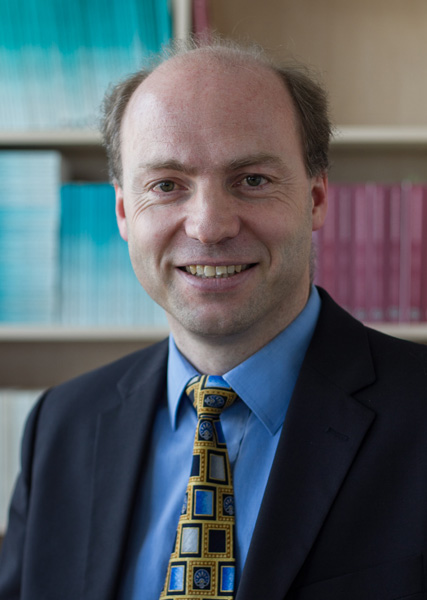
Matthias Sutter serves as Director at the Max Planck Institute for Research on Collective Goods in Bonn while holding part-time professorships at the University of Cologne (10%) and University of Innsbruck (5%). His academic career spans multiple prestigious institutions including the European University Institute in Florence (2013-2014), University of Gothenburg (2007-2013, part-time), University of Cologne (2015-2017, Excellence Chair), and University of Innsbruck (2006-2017). His educational background includes a PhD in economics (1999) and habilitation (2002), both from the University of Innsbruck. Additional academic recognition includes membership in the German National Science Association (Leopoldina) and Academia Europaea. Sutter's research program centers on experimental economics, with particular focus on team decision making processes and the development of economic decision capabilities across different age groups. His work investigates how patience, risk preferences, and social behaviors evolve throughout life, and how these economic preferences impact health and economic success. He has made significant contributions to understanding credence goods markets, where information asymmetry between providers and consumers creates unique market challenges. His experimental approaches combine laboratory studies with field experiments to generate robust insights applicable to real-world economic situations. His publication record demonstrates consistent output in top-tier journals, with recent work spanning diverse topics including energy consumption during crises, workplace climate interventions, vaccination attitudes in polarized environments, and the formation of economic preferences in childhood. The interdisciplinary nature of his research connects economics with psychology, public policy, and organizational behavior, reflecting his broad scholarly impact. Major Awards and Honors: 2017 Hans Kelsen Preis of the Universität zu Köln 2016 Pater Johannes Schasching SJ Preis for dialogue between economy, ethics and religion 2015 Exeter Prize for Research in Experimental Economics 2009 Science Prize of the State of Tyrol 2008 Honorary Prizes from Stiftung Südtiroler Sparkasse and State of Vorarlberg 2004 Oberbank-Science-Prize Linz Sutter serves as Principal Investigator in the Excellence Cluster 'ECONtribute: Markets & Public Policy,' funded by the German Science Foundation (DFG). He holds editorial positions as Associate Editor of 'Management Science,' 'European Economic Review,' and 'Economics Letters,' and serves on the Editorial Boards of 'Experimental Economics' and 'Journal of the Economic Science Association.' His work extends beyond academia through popular science communication, including the best-selling book 'Die Entdeckung der Geduld' (The Discovery of Patience) exploring the importance of patience for health and economic success.
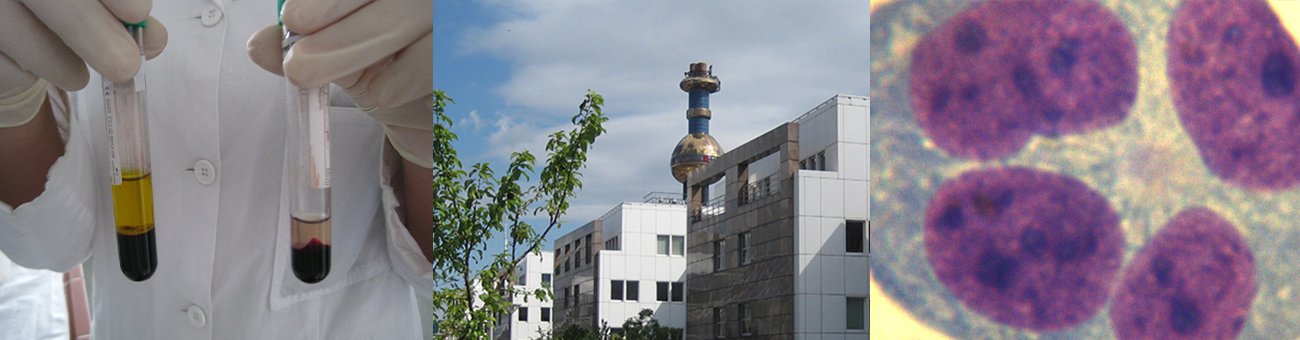
Karl-Heinz Wagner is Full Professor of Nutrition and Food Quality at the University of Vienna, Faculty of Life Sciences, Department of Nutritional Sciences. He directs an experimental research group investigating how lifestyle factors—diet, specific food components, phytochemicals, physical activity and bioactive non-food compounds—modulate oxidative stress and DNA stability in humans, with emphasis on aging and sarcopenia. He initiated the university-wide “Active Ageing” research platform and coordinates EU projects such as SHIFT2HEALTH. Education & Affiliations: University of Vienna, Faculty of Life Sciences, Department of Nutritional Sciences – Professor and Chair of Nutrition and Food Quality Principal investigator of the Emerging Field “Oxidative Stress and DNA Stability” Head of the “Active Ageing” research platform activeageing.univie.ac.at Research Focus: Prof. Wagner’s group applies state-of-the-art biochemical and molecular techniques to quantify antioxidant compounds, ROS-induced DNA and chromosomal damage, DNA repair capacity and transcriptional regulation of antioxidant defenses. Human intervention trials, cross-sectional cohorts and in-vitro models are used to examine: Impact of plant-based vs. animal-based diets on multimorbidity risk Nitrate-rich beetroot juice effects on microbiome, vascular function and oxidative stress Bilirubin biology and metabolic health in Gilbert’s syndrome High-protein nutrition and resistance training on DNA damage and muscle quality in older adults Microbiota-derived metabolites that enhance CD8 T-cell antitumor immunity after exercise Publication Trends 2023-2025: Recent output demonstrates a strategic shift toward multi-omics integration (metabolomics, lipidomics, proteomics) to dissect diet–microbiome–immune crosstalk and to identify predictive biomarkers of healthy ageing. Papers consistently appear in top-tier journals (Cell, Lancet Healthy Longev, Redox Biol, Mol Nutr Food Res) and embrace large multinational cohorts, randomized controlled trials and mechanistic animal/cellular work. Funding & Networks: Research is mainly funded by the Austrian Science Fund (FWF), National Bank, European Commission (Horizon 2020, Horizon Europe), EU Cross-Border Co-operation and the University of Vienna. A dense national and international partner network ensures continuous biomarker development and knowledge transfer. Student Training & Citizen Science: Prof. Wagner actively involves MSc/PhD students and post-docs in externally funded projects and advertises internships via ERASMUS+. Study participant recruitment portals for projects like SHIFT2HEALTH, NUTRIAGING and bilirubin clinical studies are maintained to engage the public and foster translational impact.
Theres Rathmanner is a Researcher at the Institute of Health Sciences, St. Pölten University of Applied Sciences (since February 2023). She holds a PhD in Medical Science (Public Health focus) from the Medical University of Vienna and a diploma in Nutritional Sciences from the University of Vienna. Her work emphasizes sustainable nutrition, public health, and health education. Previously, she directed the nutrition education project 'School of Food' at FiBL Austria (2014–2023), consulted for the Catholic University of Mozambique (2010–2012), and has been a self-employed nutritionist since 2003. Education: 2003–2007: PhD in Medical Science (Public Health), Medical University of Vienna 1997–2003: Diploma in Nutritional Sciences, University of Vienna Key Roles: 2023–present: Researcher, St. Pölten University of Applied Sciences 2014–2023: Research Associate & Project Director, FiBL Austria 2010–2012: Consultant, Catholic University of Mozambique Her research focuses on sustainable nutrition systems, global health equity, and evidence-based nutrition education. She contributes to the Dietetics (BA) program at the Department of Health Sciences.
Univ.-Prof. Katja Corcoran serves as Professor of Psychology and Vice Dean for Research at the University of Graz's Faculty of Natural Sciences, leading the Institute of Psychology. She directs the university's 'Smart Regulation' profile area and participates in the 'Brain and behavior' research network, with leadership roles including former Head of Psychology Institute (2017-2019) and Deputy Head of Doctoral School of Psychology (2021-2023). Her research centers on social psychological mechanisms in sustainability transitions, particularly: Energy citizenship frameworks and prosumer behavior Goal contagion dynamics in social networks Intergroup contact interventions in educational settings Regulatory psychology for sustainable systems Recent publications (2023-2025) demonstrate interdisciplinary integration of psychological, legal, and economic perspectives, featuring field experiments across Austria and multi-lab European collaborations examining energy citizenship scales, behavioral nudges for appliance usage, and prejudice reduction in schools. Honors include: Feodor Lynen Research Fellowship (Alexander von Humboldt Foundation, 2004) She currently directs major funded initiatives: EU: 'Energy Citizenship and Energy Communities for Clean-Energy Transition' (2021-2024) FFG: 'FIWARE Driven Energy Communities for the Future' (2023-2026) International: 'Active User Participation for Smart Energy Services' (2020-2023) Corcoran serves on editorial boards of Social Psychology (since 2016) and Social Cognition (since 2013), and her work operates within the 'Brain and behavior' network fostering neuroscience-psychology-economics collaborations for complex decision-making research.

Martin Aignerمشاهده پروفایل
دانشیار
Martin Aigner is Associate Professor and Private Lecturer at the Karl Landsteiner Private University of Health Sciences, where he heads the Clinical Department of Psychiatry and Psychotherapeutic Medicine at Tulln University Hospital. He also teaches at the Medical University of Vienna and the University for Continuing Education Krems. A board member and president (2022–2025) of the Austrian Society for Psychiatry, Psychotherapy, and Psychosomatics (ÖGPP), he is also involved in the Austrian Pain Society and Austrian Balint Society. His research interests center on the integration of biological, psychological, and social factors in psychiatry, with key areas including transitional psychiatry, obsessive-compulsive and mood disorders, the gut-brain axis, and the impact of environmental toxins like mycotoxins on mental health. He leads the PhD program in 'Mental Health and Neuroscience' and supervises doctoral research. His recent publications reflect a strong trend in interdisciplinary mental health research, combining clinical psychiatry with neuroscience, nutrition, and digital health. Themes include neurofeedback for addiction, microbiome influences on depression, and psychosomatic manifestations in chronic conditions. His work often involves neuroimaging and clinical trials. Three scientific prizes from the Austrian Pain Society Scientific prize from the Vienna Association for Neurology and Psychiatry Contributor to WFSBP guidelines on pharmacological treatment of eating disorders Co-author of guidelines for post-viral conditions He serves as principal investigator in multiple funded projects, including studies on depression and the microbiome, probiotics, and psychosis triggers. He is also co-investigator in follow-up care and community mental health initiatives. Aigner is editor-in-chief of psychopraxis. neuropraxis and advocates for digital health literacy and sustainable mental health structures, particularly in youth care. He leads the Research Center for Transitions Psychiatry, emphasizing early intervention, resilience, and patient empowerment through recovery companions. His team includes habilitated senior physicians, fostering innovation in clinical and research settings.
- Psychiatry
- Neurology
- Psychotherapeutic Medicine
- +۱۲ مورد دیگر

David Goldblatt is a Professor of Vaccinology and Immunology at the UCL Great Ormond Street Institute of Child Health (UCL ICH) and Consultant Paediatric Immunologist at Great Ormond Street Hospital for Children NHS Trust. He serves as Deputy Director of NHS Engagement at UCLICH, Head of the Immunobiology Section, and Director of the WHO Reference Laboratory for Pneumococcal Serology. His academic journey includes roles as Reader (2000–2003), Senior Lecturer (1995–2000), and Clinical Lecturer (1991–1995) at UCL. Research focuses on pneumococcal immunity, vaccine development, and pediatric immunology. Notable contributions include establishing immune memory paradigms, standardizing pneumococcal serology assays, and evaluating vaccine efficacy. He led the £37 million NIHR GOSH/UCL Biomedical Research Centre (2007–2017) and advised WHO on conjugate vaccines. Key Honors: NIHR Senior Investigator (2012–2020), WHO Advisor Grants: £37M Biomedical Research Centre, multiple NIH-funded studies Labs/Teams: Immunobiology Section, WHO Reference Lab, Thailand Birth Cohort Study
- Vaccinology
- Infectious Diseases
- Paediatrics
- +۱ مورد دیگر
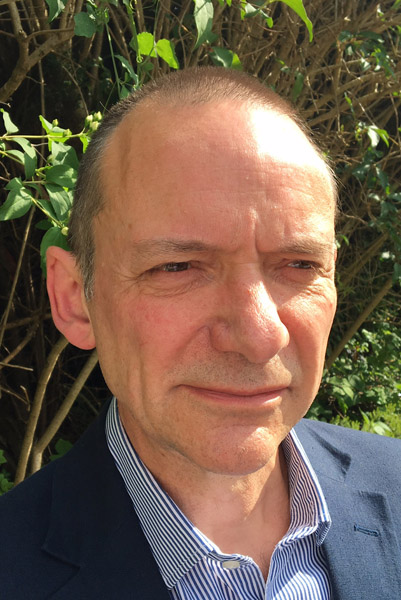
Peter Jackson is Professor of Human Geography at the University of Sheffield, a position he has held since 1993. Previously, he served as Lecturer and Senior Lecturer in Geography at University College London from 1980 to 1993. His academic career spans over four decades, with significant contributions to the field of human geography, particularly focusing on food-related studies. His educational background includes: BA Hons Geography, Oxford University, First Class (1976) Diploma in Social Anthropology, Oxford University (1977) DPhil in Geography, Oxford University (1980) Professor Jackson's research primarily focuses on food security and sustainability, social and cultural geography, and geographies of consumption. His work explores the complex relationships between food, culture, and society, with particular attention to consumer behavior, food anxieties, and the cultural dimensions of food systems. He has made significant contributions to understanding how food practices are shaped by social, cultural, and economic factors, and how these practices reflect broader societal changes and concerns. His research often employs interdisciplinary approaches, combining insights from geography, anthropology, sociology, and cultural studies. His recent publications demonstrate a consistent focus on food studies, particularly examining convenience food, food anxieties, and the concept of freshness in different cultural contexts. The research shows a progression from examining broader food systems to more specific aspects of food consumption and production, with an increasing emphasis on cross-cultural comparisons and interdisciplinary methodologies. His notable awards and honors include: Fellow of the British Academy (FBA) (2017) European Research Council, Advanced Investigator Grant (2008-2012) Victoria Medal of the Royal Geographical Society (2007) Fellow of the Academy of Social Sciences (FAcSS) (2001) Professor Jackson has secured substantial research funding throughout his career, including a £1.2m Leverhulme Trust grant for the 'Changing Families, Changing Food' program and a £1.3m European Research Council Advanced Investigator Grant for research on 'Consumer culture in an age of anxiety'. He has held leadership positions including Director of Research for the Social Sciences at the University of Sheffield (2004-2007) and Director of Sheffield Sustainable Food Futures (2016). Currently, he serves as Co-Director of the University Research Institute for Sustainable Food (since 2019). He directs the Sheffield Sustainable Food Futures (SheFF) initiative and leads the consumer research strand of the N8 agri-food program. His work has significant policy implications, as evidenced by his service on the Food Standards Agency's Social Science Research Committee (2008-2017, Chair 2011-2017) and his membership in the Department for Environment, Food and Rural Affairs' Social Science Expert Group (since 2017).
Anastassiya Tchaikovsky is a postdoctoral researcher at the Institute of Analytical Chemistry, Department of Natural Sciences and Sustainable Resources, University of Natural Resources and Life Sciences, Vienna (BOKU). She holds a PhD in analytical chemistry and has an extensive research background in elemental and isotopic analysis, particularly using ICP-MS techniques. Her work spans food authentication, environmental forensics, and trace metal speciation. Her research interests include: Inductively Coupled Plasma Mass Spectrometry (ICP-MS) Chemometrics and multivariate data analysis Isotopic and elemental fingerprinting for provenance determination Metrology and method validation Separation techniques coupled to mass spectrometry Applications in food science, ecology, and human health Her recent publications demonstrate a strong trend toward interdisciplinary applications of analytical chemistry, particularly in verifying the geographical origin of food products (e.g., carrots, caviar, fish) using combined isotopic, elemental, and metabolomic fingerprints. She frequently employs chemometric modeling and data fusion techniques to enhance discrimination power. Her work also extends to biomedical applications, such as iron metabolism in neurodegenerative diseases and lead detoxification. She has received multiple scientific awards, including: Scholarship for a postdoc mentoring program (2019) Best talk award at DocDay, Tulln (2014) ESF-Studienabschluss scholarship (2013) Merkur scholarship from TU Vienna (2013) Best student lecture award at ICPMS Anwendertreffen (2012) Science scholarship from TU Vienna (2012) She has been involved in several research projects funded by the European Commission, Austrian federal and local governments, and private institutions. Her collaborative work includes advising on fish migration, caviar traceability, and citizen science initiatives like IsoPROTECT. She actively presents her research at international conferences and contributes to knowledge transfer in food safety and analytical methodology. She is affiliated with the Institute of Analytical Chemistry at BOKU and has no listed advisees, though she collaborates extensively with senior researchers and interdisciplinary teams.