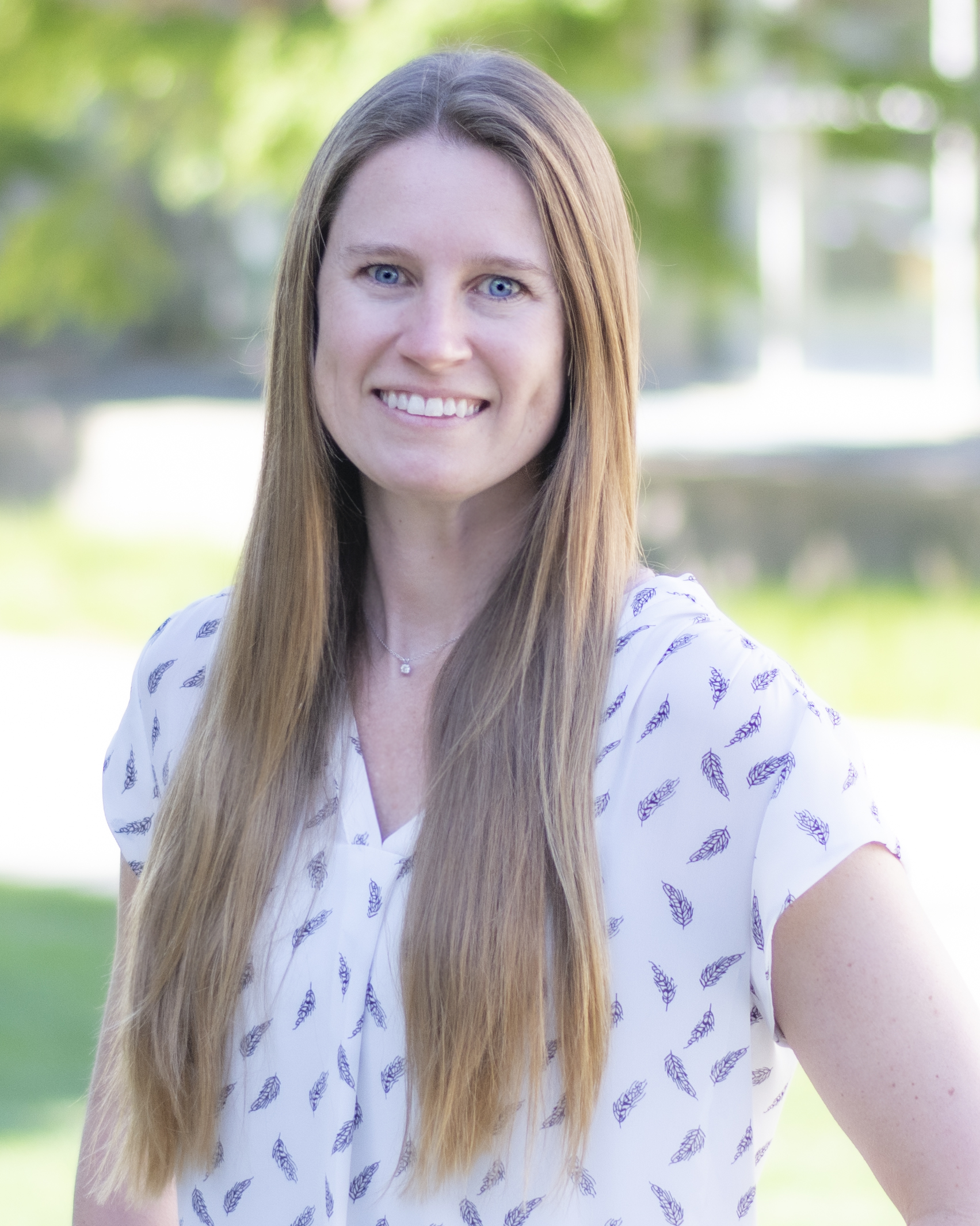
Jennifer Pfeifer is a Professor at the University of Oregon and co-Director of the Center for Translational Neuroscience within the College of Arts and Sciences, Department of Psychology. Her research spans developmental cognitive neuroscience, focusing on adolescence, puberty, self-concept, social cognition, emotion, motivation, and mental health. Her work integrates neuroimaging with behavioral and hormonal data to examine normative and atypical brain development, particularly how social processes and early adversity influence neurobiological models of adolescence. She has secured funding from NIMH, NICHD, NIDA, NSF, and other institutions. Recent publications analyze adolescent social reorientation, pubertal timing, self-disclosure mechanisms, and affective reactivity. Awards and student lists are not explicitly mentioned in the provided text. Her lab emphasizes translational neuroscience applications for mental health prevention and well-being promotion across the lifespan.
Dr. Jennifer Silvers is an Assistant Professor in the Department of Psychology at the University of California, Los Angeles, affiliated with the College of Life Sciences. She directs the Social Affective Neuroscience and Development (SAND) Lab, focusing on emotional and physical health in youth, particularly how social ties influence neurobiological mechanisms of emotion regulation, learning, and decision-making. Academic Affiliation: Assistant Professor, UCLA Psychology Department Research Focus: Developmental neuroscience, emotion regulation, social influences on neurobiology Key Grants: NSF CAREER Award Her research examines age-related differences in emotion regulation, early adversity impacts, and neurodevelopmental pathways to resilience. Current work explores inflammation, pubertal timing, and social support systems through neuroimaging and behavioral studies. Recent publications highlight trends in developmental affective neuroscience, emphasizing neural networks (amygdala, prefrontal cortex), social decision-making, and adaptive responses to adversity across adolescence. Collaborations span institutions like the University of Chicago and Pomona College. Scientific Awards: NSF CAREER Award Wendell Jeffrey and Bernice Wenzel Term Chair in Developmental Neuroscience The SAND Lab, based at UCLA’s Franz Hall, fosters transparency and collaboration while prioritizing ethical science and participant welfare. Her team investigates neurodevelopmental mechanisms to improve interventions for youth with diverse backgrounds.
Dr. Stefon van Noordt is an Assistant Professor in the Department of Psychology at Mount Saint Vincent University. His research focuses on understanding brain-based markers of attention control and performance monitoring, particularly in developmental and individual differences contexts. He integrates behavioral, imaging, and computational tools to study neural dynamics in normative and pathological states like anxiety. His work is supported by NSERC, CIHR, and other institutions. He holds postdoctoral training from McGill University and Yale University. Education includes a Ph.D. in Psychology (2016) from Brock University, with postdoctoral fellowships at the Montreal Neurological Institute and Yale Child Study Centre. His research emphasizes EEG analysis, autism risk prediction, and medial frontal theta oscillations. Research interests span cognitive neuroscience, developmental psychology, and neuroimaging, with a focus on EEG methodologies and their application to autism spectrum disorder. Recent work includes studies on infant EEG connectivity, social exclusion effects, and neural responses to peer feedback. Dr. van Noordt collaborates on projects like the EEG-IP platform for international infant data integration and has published extensively on EEG biomarkers and neurodevelopmental trajectories. He mentors students in Honours thesis projects and postdoctoral training.
Anna Weinberg is an Associate Professor in the Department of Psychology at McGill University. Her research focuses on identifying biological pathways underlying disordered emotional experiences, particularly in mood and anxiety disorders. She employs neurophysiological methods like event-related potentials (ERPs) to study neural systems involved in processing errors, emotional stimuli, and rewards, linking these to behavioral outcomes. Key interests include distinguishing neural markers between anxiety and mood disorders, and determining whether these biological correlates represent vulnerability factors or symptoms. Her work has examined the impact of childhood maltreatment, social stress, and the intergenerational transmission of depression risk. She leads the TRAC Lab and collaborates on large-scale projects like the Adolescent Brain Cognitive Development (ABCD) Study. Education details are not explicitly listed in the provided text, but her academic career includes extensive postdoctoral and faculty roles in clinical and developmental neuroscience. Her research has been published in high-impact journals such as Biological Psychiatry , Clinical Psychological Science , and Psychophysiology . Research interests emphasize translational neurophysiology, with a focus on developmental trajectories of neural systems and their modulation by stress, trauma, and social environments. Recent studies investigate how neural responses to rewards and errors predict symptom progression during stressful events like the pandemic. No scientific awards are explicitly mentioned in the text. Her advising and grants involve collaborations on ERP methodologies, risk markers for depression, and adolescent neurodevelopment. She directs the TRAC Lab, which focuses on translational research in affective neuroscience.
Andrew Fuligni is a Professor in the Department of Psychiatry and Biobehavioral Sciences at the University of California, Los Angeles (UCLA). He is affiliated with the Brain Research Institute, Jane and Terry Semel Institute for Neuroscience and Human Behavior, and the Cousins Center for Psychoneuroimmunology. Holding a Ph.D. in Developmental Psychology from the University of Michigan, he previously served as Associate Professor in the Department of Psychology at New York University. His research explores the interplay between sociocultural experiences and biobehavioral development in adolescence, with a focus on sleep, inflammation, family dynamics, and ethnic identity. Ph.D., Developmental Psychology, University of Michigan Dr. Fuligni’s work bridges cultural psychology and psychoneuroimmunology, examining how adolescents from diverse ethnic and immigrant backgrounds navigate mental and physical health challenges. Key themes include: Sleep patterns and their health consequences Family and peer influences on stress reactivity Biobehavioral links between inflammation and depressive symptoms Ethnic identity and discrimination in developmental contexts Neural mechanisms of prosocial and risk behaviors Socioeconomic disparities in adolescent well-being His recent publications highlight trends in adolescent sleep research, genetic contributions to chronotype, and the role of social environments in shaping immune function. Notably, he investigates how prosocial engagement and family obligations impact neurodevelopment and psychological outcomes. Scientific Awards Boyd McCandless Award for Early Career Contribution to Developmental Psychology (American Psychological Association) Fellow, American Psychological Association Dr. Fuligni has secured funding from the NICHD, William T. Grant Foundation, Mac Arthur Foundation, Russell Sage Foundation, and Haynes Foundation. As Associate Editor of Child Development and former editorial board member of multiple journals, he is deeply involved in advancing developmental science. He co-directs the NIMH Family Research Consortium IV and collaborates with multidisciplinary teams at UCLA, including the Adolescent Development Lab and affiliated research institutes.
Lindsay Fernandez-Rhodes serves as Assistant Professor of Biobehavioral Health in the College of Health and Human Development at Pennsylvania State University, with dual affiliation at the Penn State Cancer Institute. Her research focuses on genetic and sociocultural determinants of health disparities, particularly among Hispanic/Latino populations through the Hispanic Community Health Study/Study of Latinos (HCHS/SOL). Her primary research interests span Genetic Epidemiology , Health Disparities , and Sociocultural Determinants of Obesity . She investigates how genetic ancestry interacts with acculturation, socioeconomic status, and environmental factors to influence cardiometabolic outcomes. Her work integrates multi-omics approaches with life course epidemiology to uncover mechanisms driving health inequities in minority populations. Analysis of her recent publications reveals a strong emphasis on Hispanic/Latino health across multiple domains: genomic fine-mapping ( 2023, 2025 ), epigenetic mediation of socioeconomic effects ( 2024 ), pubertal development ( 2025 ), cognitive aging ( 2023 ), and cardiometabolic disease ( 2024, 2025 ). Her methodological innovations include synthetic data applications for privacy preservation ( 2025 ) and commentary on genomic inclusion ( 2023 ). Dr. Fernandez-Rhodes actively contributes to major collaborative initiatives including HCHS/SOL, PAGE consortium, and TOPMed. Her work has secured substantial NIH funding for population genomics research, though specific grant details aren't listed in the provided text. She mentors graduate students in biobehavioral health and genetic epidemiology through Penn State's PhD programs. Her laboratory work centers on the Penn State Cancer Institute's Cancer Control program, with additional collaborations through the Center for Research on Tobacco and Health and Office for Cancer Health Equity. She utilizes HCHS/SOL data infrastructure and Penn State's biostatistics/bioinformatics shared resources for multi-omics analyses.
Megan R. Gunnar is a Regents Professor and Distinguished McKnight University Professor at the University of Minnesota's Institute of Child Development, where she has pioneered research on stress biology and child development since joining the faculty in 1979. She is a member of the University of Minnesota’s Distinguished Academy of Teachers and maintains active research leadership despite phasing into retirement. Her educational journey includes a PhD in Developmental Psychology from Stanford University (1978) and a post-doctoral fellowship in Psychoneuroendocrinology at Stanford Medical School. This foundation enabled her groundbreaking investigations into neuroendocrine stress regulation across developmental stages. Professor Gunnar's research centers on how attachment relationships buffer stress hormone activity in children, the diminished effectiveness of parental buffering during adolescence linked to pubertal maturation rather than chronological age, and the atypical stress reactivity patterns in children adopted from institutional care. Her lab innovatively examines puberty as a critical period for recalibrating stress systems in youth with early adversity histories, utilizing paradigms like the Trier Social Stress Test and neuroimaging to explore brain-stress interactions. Her recent publications reveal consistent themes in developmental stress biology, particularly the dynamic interplay between pubertal development and stress recalibration mechanisms. Key trends include longitudinal analyses of cortisol-DHEA coupling, social buffering efficacy across developmental stages, and neuroimmune alterations following early adversity, with increasing methodological sophistication in online stress testing and neural imaging. Her exceptional contributions are recognized through: Election to the National Academy of Sciences Fellowship in the American Academy of Arts and Sciences Membership in the National Academy of Education Lifetime Achievement Awards from APA, SRCD, APS, and ISPNE Prestigious Mentoring Awards from APS and ISDP Professor Gunnar actively bridges research and practice through board service at Think Small, Greater Minneapolis Crisis Nursery, and Minnesota's Children’s Cabinet, plus co-founding Harvard's National Scientific Council on the Developing Child. Her Gunnar Laboratory for Developmental Psychobiology Research continues mentoring junior scientists while exploring future directions in stress recalibration during puberty and translational applications for vulnerable youth.
Kristine Marceau is an Associate Professor in the Department of Human Development and Family Science within Purdue University's College of Health and Human Sciences, holding courtesy appointments in Psychological Sciences. Her research integrates biological and environmental processes to understand developmental pathways of behavior problems and substance use across the lifespan, with emphasis on gene-environment interplay, prenatal programming, stress physiology, and pubertal development. Her academic credentials include a PhD (2013) and MS (2011) from The Pennsylvania State University and a BA (2006) from the University of Wisconsin-Madison. She employs advanced methodologies including multilevel modeling, longitudinal analysis, and genetically informed designs (twin, adoption, sibling discordant). Marceau's research program centers on how genetic, prenatal, neuroendocrine, and family factors interact to shape developmental trajectories. Key themes include prenatal stress effects on epigenetic markers, hormone-behavior associations during puberty, parenting dynamics in substance use initiation, and resilience mechanisms in family systems under stress. Her work bridges developmental psychology, behavioral genetics, and public health. Analysis of her 15 most recent publications (2024-2025) reveals consistent focus on prenatal programming of developmental outcomes using genetically sensitive designs. Major trends include epigenetic mechanisms linking maternal stress to child outcomes, discordant sibling analyses of prenatal exposures, pubertal timing as a risk factor for psychopathology, and community-based interventions for family resilience. Her methodological rigor in disentangling genetic and environmental contributions defines her scholarly impact. Her scientific recognition includes: Fuller and Scott Early Career Award (Behavior Genetics Association, 2021) Early Career Impact Award (FABBS for Behavior Genetics Association, 2021) Corps of Engagement Award for Families Tackling Tough Times Together (Purdue, 2021) Lorene Burkhart Award for Excellence in Research about Families (Purdue, 2020) APS Rising Star (Association for Psychological Science, 2016) As a University Faculty Scholar (2024-2029), Marceau leads significant NIH-funded research including an NIDA R21 on causal inference in adolescent substance use ($431,750) and a USDA/NIFA grant on post-disaster family resilience ($238,575). Her prior K01 award established her program on bio-behavioral developmental origins of substance abuse ($876,122), while her R01 co-investigator role secured $3.7M for adoption studies of early substance use. She mentors early-career researchers through R36 and F31 mechanisms. She directs the Biobehavioral Development Lab and co-directs Purdue's Methodology Center, advancing interdisciplinary research on developmental processes. Her Families Tackling Tough Times Together initiative demonstrates applied translation of research into community resilience programs.
John Meeker is a Professor in the Department of Environmental Health Sciences at the University of Michigan School of Public Health, where he also serves as Senior Associate Dean for Research. He is a Certified Industrial Hygienist (CIH) with extensive expertise in environmental exposure science and epidemiology. Dr. Meeker's research focuses on: Defining sources, magnitudes and consequences of human exposure to environmental and occupational contaminants Human exposure science and reproductive/developmental epidemiology studies of endocrine disrupting chemicals Exposure assessment methodologies and biomarker development Health impacts of phthalates, BPA, pesticides, PFAS, and flame retardants His publication record demonstrates a consistent focus on environmental exposures during critical windows of susceptibility, particularly during pregnancy and early childhood. His research reveals strong connections between chemical exposures and reproductive/developmental outcomes, with particular emphasis on endocrine disrupting chemicals. Methodologically, his work frequently incorporates advanced exposure assessment techniques and biomarker development to address measurement error in epidemiological studies. Dr. Meeker has received significant research funding for projects including: Bisphenol and Phthalate Exposure in Relation to Fetal Growth and Preterm Birth Environmental Exposures, Early Iron Deficiency and Child Neurodevelopment Puerto Rico Testsite for Exploring Contamination Threats (PRoTECT) Lifecourse Exposures and diet: Epigenetics, Maturation and Metabolic Syndrome He leads the Meeker-Watkins Lab, which focuses on environmental exposure and epidemiology, particularly examining associations between environmental exposures and reproductive/developmental health outcomes through hypothesis-based human studies utilizing state-of-the-art exposure biomarkers and molecular epidemiological techniques.
Deborah Waber, PhD is Professor of Psychiatry at Harvard Medical School and serves as Director of the Learning Disabilities Program in the Department of Neurology and Director of the Behavioral Science Core at the Translational Neuroscience Center at Boston Children's Hospital. Her work spans clinical practice, research, and academic leadership in pediatric neuropsychology and developmental disorders. Dr. Waber received her undergraduate degree in Psychology from the University of Pennsylvania in 1970, followed by a PhD in Developmental Psychology from Yale University in 1974. She completed her post-doctoral training at Boston Children's Hospital in 1974, where she subsequently joined the staff. Dr. Waber's research investigates the influence of endogenous and exogenous factors on children's cognitive and behavioral functioning within a developmental context. Her primary research interests include normative brain and behavioral development, developmentally based disabilities (particularly learning disabilities), and pediatric conditions that affect brain development. She approaches learning disabilities through a 'whole child' perspective, viewing them as variants of normal development where problems arise when community and school expectations don't align with a child's profile of strengths and weaknesses. Analysis of Dr. Waber's recent publications reveals a consistent focus on neurobehavioral aspects of learning disabilities, the impact of childhood cancer and other medical conditions on neurodevelopment, and the long-term and intergenerational effects of infant malnutrition. Her work frequently employs longitudinal designs and integrates multiple methodologies including neuropsychological assessment, neuroimaging, and behavioral observation. A significant portion of her research examines executive function, visual processing in learning disorders, and quality of life outcomes for children with learning disabilities. Dr. Waber has directed the Learning Disabilities Program at Boston Children's Hospital since 2011 and was promoted to Professor at Harvard Medical School in 2013. She has received grant support from major federal agencies including NIMH, NINDS, and NICHD throughout her career. Her clinical work focuses on improving the fit between children's cognitive profiles and educational environments. Dr. Waber leads the Behavioral Science Core in the Clinical Research Center and co-directs the Neurobehavior Core in the Translational Neuroscience Center. Her team conducts research on various aspects of pediatric neuropsychology, including the effects of medical treatments on cognitive development, assessment methodologies for learning disorders, and interventions to improve educational outcomes for children with learning disabilities.
Dr. Laura Glynn is a Professor and Associate Dean for Research at Crean College of Health and Behavioral Sciences, Chapman University. Her work bridges biological, psychosocial, and behavioral processes in human pregnancy, focusing on fetal and child development. Education: BA from University of California, Davis; MA and Ph.D. from University of California, San Diego Her research spans three core domains: (1) Premature birth etiology, (2) Prenatal/postnatal hormone effects on maternal brain-behavior relationships, and (3) Early life influences on child development. She emphasizes predictability in early environments as a protective factor against adversity. Recent publications highlight cross-species studies of early-life unpredictability, maternal cortisol trajectories, and tools like the QUIC-SP for assessing stress. Her work informs policy through developmental neuroscience, maternal-child health, and intergenerational transmission frameworks. She collaborates extensively with researchers at University of California and Chapman University on projects involving maternal-infant dyads, neuroimaging, and microbiome analysis. Her lab explores fetal programming mechanisms, peripartum mental health, and interventions for high-risk populations.
Fanny Dégeilh is a Research Scientist in developmental cognitive neuroscience at Empenn, IRISA / Inria Rennes Bretagne Atlantique (Rennes, France) affiliated with Inserm (French National Institute of Health and Medical Research). Her work focuses on understanding brain development from infancy to adolescence in typically developing children and following traumatic brain injury (TBI). Her research is interdisciplinary, combining knowledge and tools from neuroscience, neuroimaging, developmental psychology, and neuropsychology. Key research areas include brain development, pediatric traumatic brain injury, magnetic resonance imaging, and early childhood non-sedated MRI techniques. She has developed expertise in studying the dynamics and variability of brain development in children, with special attention to neurodevelopmental trajectories following injury. Her recent publications reveal a strong focus on pediatric concussion, brain structure development following mild traumatic brain injury, and the relationship between early life experiences and neurodevelopment. She has made significant contributions to understanding how traumatic brain injury affects social functioning, brain structure, and mental health outcomes in children. Boost'ERC – Région Bretagne BIENVENÜE Postdoctoral fellowship (Score: 19.5/20) H2020 Marie Skłodowska-Curie Actions Individual Fellowships (Score: 98.2/100) Jacques Genest Award – Quebec Health Research Fund Early Career Travel Award – Society for Research in Child Development As a principal investigator, Dr. Dégeilh has secured funding including a tenured position starting package from Inserm (2023-2024) and the Boost'ERC grant from Région Bretagne (2021-2022). Her research integrates multiple methodologies including advanced neuroimaging techniques, longitudinal study designs, and interdisciplinary approaches to understand child brain development and recovery following injury.
Dr. Divyangana Rakesh is a Lecturer in Neuroscience and Psychology at King's College London's Department of Neuroimaging, part of the Institute of Psychiatry, Psychology & Neuroscience. Her research focuses on how socioeconomic status (SES) and environmental adversity impact brain development and mental health in children and adolescents, emphasizing resilience mechanisms. She holds a PhD from the University of Melbourne and an MBA from Mudra Institute of Communication (MICA), with postdoctoral training at Harvard University. Education: PhD in Neuroscience, University of Melbourne Masters of Research in Neuroscience, University of Bordeaux MBA, Mudra Institute of Communication BSc (Hons) Biochemistry, University of Delhi Her work bridges developmental cognitive neuroscience with clinical applications, examining SES-driven disparities in brain structure/function and academic outcomes. Key research areas include: Neurobiological effects of low SES on cognitive development Environmental mediators of pubertal/brain development Mental health resilience pathways Recent grants include MRC NIRG (2025-2027) and BBRF Young Investigator funding for projects on SES-puberty-brain-psychopathology links. Awards: MRC New Investigator Research Grant (2025) BBRF Young Investigator Grant (2025) Mendelsohn Neuroscience Thesis Prize (2023) Current projects investigate: SES-driven brain development trajectories Greenspace exposure and mental health Polygenic risk for schizophrenia and brain morphology Collaborations include Harvard University, University of Melbourne, and the ENIGMA consortium. Her lab integrates neuroimaging with longitudinal cohort studies to identify intervention targets for disadvantaged youth.
Sandy Overgaauw is an Assistant Professor at the Faculty of Social and Behavioural Sciences , Leiden University , specializing in the neurobiological and environmental determinants of parenting and child development. Her research focuses on empathy, social performance monitoring, and psychopathy, utilizing fMRI and behavioral paradigms like the Ultimatum Game and Cyberball Game. Education: Master's in Education and Child Studies (Clinical Child and Adolescent Studies) at Leiden University Research Interests center on neural correlates of performance monitoring, empathy development, and psychosocial factors influencing adolescent behavior. Her work explores how psychopathic traits modulate sensitivity to social contexts and action consequences for others. Publication Trends highlight interdisciplinary applications of neuroscience to social psychology, emphasizing developmental trajectories in empathy, reward processing, and conformity behaviors. Key methodologies include fMRI, ERP, and behavioral modeling. Scientific Awards: LUF Grant (2021) - 'Take the war out of children' Advising and Grants : Currently no student listings available, but her grant history demonstrates focus on translational research applications. Labs/Teams : Active in the Social Performance Monitoring Lab , collaborating with Ellen de Bruijn and other researchers to advance understanding of social cognitive processes.
Dr. Elizabeth Andersen is a Research Assistant Professor in the Department of Psychiatry at the University of North Carolina at Chapel Hill School of Medicine. Her work focuses on neurophysiological mechanisms of affective disorders in adolescent girls during puberty, bridging neurobiology, reproductive endocrinology, and clinical psychiatry. Her research interests include: Women's Mood Disorders across the reproductive lifespan Neurophysiological correlates of hormone-depression relationships Stress reactivity and cortisol dynamics in peripubertal females Frontal cognitive control mechanisms in pubertal depression Novel methodologies for studying menstrual cycle effects She employs multimodal approaches combining hormone fluctuation tracking with neurophysiological stress responses and cognitive challenges. Analysis of her recent publications reveals strong concentration on: Hormone-mood interactions from menarche to menopause Pubertal vulnerability windows for depression Translational applications of estradiol treatments Methodological innovations for adolescent endocrine research Stress-hormone-symptom tripartite relationships Scientific recognition includes: NIMH K01 Research Scientist Career Development Award for investigating sex hormones' role in frontal cognitive control and depression risk Dr. Andersen actively mentors adolescent girls in science careers and develops research opportunities for young women. Her work extends to developing manualized interventions for women's mental health and examining impacts of life stress on neuroendocrine pathways. She collaborates extensively on reproductive psychiatry studies across the female lifespan, with particular focus on peripubertal and perimenopausal transitions.