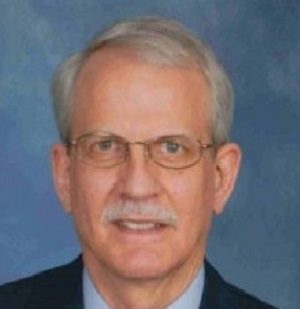
Shrikanth (Shri) Narayanan is a University Professor and holder of the Niki and Max Nikias Chair in Engineering at the University of Southern California (USC), serving as the inaugural Vice President for Presidential Initiatives. He leads the Signal Analysis and Interpretation Lab (SAIL) and holds joint appointments in Computer Science, Linguistics, Psychology, Neuroscience, Pediatrics, and Otolaryngology-Head and Neck Surgery. His research focuses on speech and audio processing, behavioral signal processing, and real-time MRI of speech production, with applications in healthcare, education, and technology. Education: B.E. in Electrical Engineering from College of Engineering, Guindy (Chennai, India, 1988); M.S., Engineer, and Ph.D. in Electrical Engineering from UCLA (1990, 1992, 1995). Research interests span computational linguistics, machine learning, and multimodal human behavior analysis. He pioneered technologies for speech biomarkers in mental health, real-time MRI of speech production, and wearable sensor systems for longitudinal health studies. His work in speech emotion recognition, forensic interviews, and clinical applications has been recognized through over 40 awards, including the IEEE Flanagan Award and ISCA Medal. He has published extensively in journals like Proceedings of the IEEE , Journal of the Acoustical Society of America , and PLOS One . Key Grants: NSF CAREER, Okawa Research, IBM Faculty, Google/Amazon awards. Labs/Teams: Signal Analysis & Interpretation Lab (SAIL), USC Information Sciences Institute (ISI), Google Visiting Faculty Researcher.
The Chicago School of Professional PsychologyUnited States
Rhonda Goldman is a Full Professor in the Clinical Psychology Department at The Chicago School of Professional Psychology in Chicago, Illinois. She is a licensed Clinical Psychologist in Illinois and runs her private practice, Emotion-focused Therapy, Chicago, where she sees both couples and individuals. Dr. Goldman is a founding board member of the International Society of Emotion-focused Therapy and serves as President of the Emotion-focused Therapy Institute. Dr. Goldman earned her academic credentials from York University in Toronto, Ontario, Canada, receiving her Bachelor of Arts in 1987, Master of Arts in 1991, and Doctor of Philosophy in Clinical Psychology in 1997. She taught at the Illinois School of Professional Psychology for 22 years before transitioning to her current position at The Chicago School of Professional Psychology following the closure of the Illinois School. Dr. Goldman is a leading expert in Emotion-Focused Therapy (EFT), a therapeutic approach that integrates elements of client-centered therapy, Gestalt therapy, and modern emotion theory. Her research focuses on EFT for couples, emotional processes, empathy, vulnerability, depression, case formulation, and self-soothing. She has authored six texts on EFT and two professional videos published by the American Psychological Association. Dr. Goldman teaches graduate courses in Humanistic and Experiential Psychotherapy, Psychotherapy Seminars, and Emotion-Focused Therapy, emphasizing the importance of emotional processing in therapeutic change. Dr. Goldman's publications demonstrate a consistent focus on advancing Emotion-Focused Therapy through both theoretical development and practical application. Her work spans individual therapy, couples therapy, case formulation, and therapist training, with recent emphasis on adapting EFT for online delivery. Her research shows how emotional awareness and processing serve as central mechanisms of change in psychotherapy, with applications across various clinical issues including depression and relationship distress. Dr. Goldman is actively involved in professional organizations that support the development and dissemination of Emotion-Focused Therapy. She serves as a founding board member of the International Society for Emotion-focused Therapy, past-president of the Society for the Exploration of Psychotherapy Integration, Action-Editor for the Journal of Person-centered and Experiential Psychotherapies, and member of the Society for Psychotherapy Research. As an educator and clinician, Dr. Goldman has mentored numerous professionals in the field of psychotherapy. She travels internationally conducting training workshops for mental health professionals in Emotion-focused therapy for Couples and Individuals across Europe, Asia, and North America. Her work bridges research and practice, emphasizing the importance of emotional processing in therapeutic change while maintaining a strong commitment to evidence-based practice. Dr. Goldman co-founded the Emotion-focused Therapy Institute (EFTI), which facilitates and fosters training and educational opportunities for psychologists and therapists interested in incorporating EFT into their professional practices. Through EFTI and her international workshops, she has created a global community of practitioners dedicated to advancing Emotion-Focused Therapy.
Tanzeem Choudhury is a Professor at the Jacobs Technion-Cornell Institute at Cornell Tech, specializing in Information Sciences. She co-founded HealthRhythms Inc. and directs the People-Aware Computing lab, focusing on machine learning for human activity and social network analysis. Her work pioneered the 'Reality Mining' field, leveraging mobile sensors to model social interactions. Choudhury holds a Ph.D. from MIT's Media Lab and B.S. in Electrical Engineering from the University of Rochester. Her research spans wearable tech, mental health interventions, and ubiquitous computing. Notable projects include affective touch wearables for anxiety reduction, stress detection systems (e.g., StressSense), and the BeWell app for well-being monitoring. Choudhury has been recognized as an ACM Fellow and SIGCHI Academy member, with impactful contributions to healthcare technology and sensor-based behavioral analysis. Current lab initiatives include developing closed-loop interventions for mental health, equity-driven sensing systems, and exploring AI integration in psychotherapy. She advises PhD students on topics like digital biomarkers, burnout detection in healthcare workers, and smartphone-based mental health assessment. Education: Ph.D. in Media Arts & Sciences (MIT), M.S. (MIT Media Lab), B.S. in Electrical Engineering (University of Rochester) Lab Team: Includes PhD candidates (Dan Adler, Yiran Zhao) and researchers focusing on health AI, wearable devices, and clinical applications. Major Awards: ACM Fellowship (2020), SIGCHI Academy (2018), Best Paper Awards at Ubicomp and MobileHCI conferences. Key Projects: OptoBeat (skin-tone calibrated blood oxygen sensor), EmotionCheck (anxiety intervention), and Affective Touch devices.
Tim Althoff is an Associate Professor at the Paul G. Allen School of Computer Science & Engineering, University of Washington, specializing in Artificial Intelligence and Human-Centered Computing. His research focuses on behavioral data science, combining Data Science Natural Language Processing Social Computing Human-Centered AI Ethics & Fairness to extract insights about health and well-being. Recent publications highlight advancements in: Mental health support through AI Wearable sensor health monitoring Online community analysis Reproducibility in data science Public health interventions with notable papers in ACL, Nature Machine Intelligence, and NeurIPS. Scientific recognition includes: ACL 2023 Outstanding Paper Award WWW 2021 Best Paper Award Double ICWSM 2021 Best Paper Awards SIGKDD Dissertation Award 2019 Fulbright Scholarship German National Merit Foundation Actively mentoring postdoctoral researchers and seeking PhD students in areas like neural representation learning, NLP applications to psychology, and mobile health technologies through his Behavioral Data Science Group .
Nuno Conceição serves as an Invited Assistant Professor at the Faculty of Psychology, University of Lisbon (FP-UL), where he has taught since 2011. His clinical work focuses on adults with complex trauma, personality disorders, and structural dissociation of the personality. He earned his BA (1999), MA (2006), and Ph.D. in Clinical Psychology (2011) from FP-UL, following his Abitur at the German School of Lisbon (1994). BA: FP-UL (1999) MA: FP-UL (2006) Ph.D.: FP-UL (2011) His research centers on Psychotherapy Integration, examining General Change Processes, Case Formulation, Emotional Change in Trauma Therapy, and Ecological Dimensions in Psychotherapy. He investigates how experiential processing facilitates change in personality pathology through integrative clinical decision-making. Key trends in his 2016-2023 publications reveal consistent focus on transdiagnostic mechanisms, termination processes, and musical interventions for emotional processing, primarily using qualitative case studies to advance psychotherapy integration frameworks. No scientific awards were documented in the source material. Conceição has supervised over 50 master's research projects and designed the Integrative Perspectives in Psychotherapy curriculum. He directs the Paradigmatic Complementarity Lab—a practice-based research network using process coding to train clinical skills—and serves as a therapist trainer/supervisor at OneSession.org. Supervision: >50 master's projects Curriculum Development: Integrative Perspectives in Psychotherapy Professional Training: OneSession.org The Paradigmatic Complementarity Lab drives his research agenda, utilizing process-coding methodologies to study change mechanisms in complex trauma and personality disorders within real-world clinical settings.
Catherine Butler is a Senior Fellow of the Higher Education Academy and Programme Director of the DClinPsy Programme at the University of Bath's Department of Psychology. She holds external examiner roles at Cardiff University, University College London, and others. Her academic journey includes a Doctor of Clinical Psychology from the University of East London, an MBA from the Open University, and advanced training in Systemic Supervision at the University of Exeter. Her research focuses on Inclusion, Whiteness, Gender and Sexual Minorities, Intersectionality, and Systemic Therapy, with contributions to anti-racism and climate crisis studies. Key projects include exploring systemic therapy supervision, validation of therapeutic scales, and shared learning courses with clinical psychology trainees. Dr. Butler’s scholarly work addresses topics such as gender dysphoria in neurodivergent populations, relapse experiences in addiction therapy, and systemic training in clinical psychology programs. She has been recognized for her contributions through awards like the Senior Fellow of the Higher Education Academy. Her professional activities include roles on the British Psychological Society committee, conference presentations, and advisory roles in academic and clinical settings. She has supervised 18 doctoral students and led projects funded by UK charities such as the Association for Family Therapy.
Catherine F. Eubanks is an Associate Professor of Psychology at Yeshiva University . She holds a PhD in Clinical Psychology from Stony Brook University and completed a postdoctoral fellowship at Beth Israel Medical Center, where she currently serves as Associate Director of the Psychotherapy Research Program. Education BA, Princeton University MDiv, Union Theological Seminary PhD, Stony Brook University Postdoctoral Fellowship, Beth Israel Medical Center Research Interests Dr. Eubanks specializes in: Therapeutic alliance ruptures and resolution Therapist characteristics linked to cross-theoretical effectiveness Psychotherapy skill enhancement through training and supervision Psychotherapy process research Contact Office: Resnick Campus - Rousso Building, Room 122 Phone: 646-592-4374
Andrea Reiter is a Professor at the Universitätsklinikum Würzburg, holding the W1-Professur für Lernprozesse in der Entwicklungspsychiatrie, Psychotherapie und Prävention. Her research focuses on decision-making processes in clinical populations, lifespan changes, and the impact of stress/social influences. She employs computational modeling combined with fMRI and EEG. Education: Dr. rer. nat. (summa cum laude, 2016) from University of Leipzig, Master of Advanced Studies in Cognitive Behavioral Therapy (University of Bern), and Diploma in Psychology from Julius-Maximilians-Universität Würzburg (2012). She also studied Literature and Educational Sciences alongside Psychology. Professional Experience includes a research position at TU Dresden (since 2015), guest research at Max Planck Institute for Human Cognitive and Brain Sciences (since 2015), and PhD work at IMPRS NeuroCom (2012-2015). She has clinical experience as a Psychologist at Kreiskrankenhaus Tauberbischofsheim. Research Awards: Austrian Academy Grant (2016), Poster Award (2014), DZ Banken Career Prize (2013), and IMPRS PhD stipend (2012-2015). Her publications (2013-2016) emphasize neuroimaging studies on decision-making deficits in disorders like binge eating and alcohol dependence, with methodological strengths in computational modeling and EEG/fMRI integration.
Bernadka Dubicka is a Clinical Professor and Honorary Clinical Chair in the Division of Neuroscience at the University of Manchester. She holds dual roles as a research lead at Pennine Care NHS Foundation Trust and as the child and adolescent mental health research lead for Health Innovation Manchester. She is the Editor-in-Chief of the Journal of Child and Adolescent Mental Health and previously served as Chair of the Child and Adolescent Faculty at the Royal College of Psychiatrists (2017–2021). Her academic qualifications include a BSc in Psychology and MBBs from University College London, followed by FRCPsych accreditation in child psychiatry. She earned a gold medal for her MD thesis on behavioral disorder implications in depression. Dubicka’s research focuses on adolescent depression, mood disorders, and brief interventions, including the IMPACT and STADIA trials evaluating psychological treatments and standardized diagnostic assessments. Her work also addresses technology’s role in youth mental health and the eco-crisis’s mental health impacts. Education: BSc Psychology, University College London MBBs, University of London MD Thesis (Gold Medal), University College London FRCPsych, Royal College of Psychiatrists Her research spans depression treatment efficacy, behavioral activation, and cross-national studies on pediatric bipolar disorder. She collaborates internationally and has led over 49 publications. Awards include a gold medal for her thesis and recognition as an RCPsych Fellow. Her work also emphasizes policy advocacy, such as addressing digital rights for children and mental health responses to climate change (e.g., COP26 contributions). She trains clinicians in brief psychosocial interventions and behavioral activation through academic programs and national courses. Grants & Funding: Co-investigator on the £1.1M HTA-funded STADIA trial evaluating remote mental health assessments. Principal investigator on the IMPACT trial, one of the largest adolescent depression trials globally. Labs/Teams: Collaborations include the University of Cambridge (IMPACT trial), University of Nottingham (STADIA), and international taskforces on treatment-resistant depression.
Rosa I. Arriaga is an Associate Professor in the School of Interactive Computing at Georgia Institute of Technology, where she directs the Ubicomp Health and Wellness Lab. Her research focuses on Human-Computer Interaction (HCI), Ubiquitous Computing, and mHealth, with applications in mental health, chronic disease management (e.g., diabetes), and pediatric asthma care. She designs technology systems to improve patient engagement, continuity of care, and clinician-patient communication. Research Areas: Chronic Care Management PTSD Therapy Support (PECSS project) Diabetes Management (DUCSS project) mHealth System Design AI in Healthcare Key Projects: PECSS: Leverages ubiquitous computing and machine learning to address clinical challenges in PTSD therapy. DUCSS: A diabetes management system to streamline patient education and self-monitoring, particularly for underserved populations. ZenVR: A virtual reality system for meditation education, validated through longitudinal studies. Teaching: Teaches undergraduate courses in HCI and graduate courses in Human-Centered Computing (HCC). Her Coursera course Intro to User Experience Design has over 50K learners. Grants & Partnerships: Funded by GT-Emory AI Humanity, American Diabetes Association, and Georgia Center for Diabetes Translation Research. Collaborations with Emory University, University of Rochester, and medical professionals. Labs & Teams: Leads the Ubicomp Health and Wellness Lab, fostering interdisciplinary research with graduate and undergraduate students focusing on health technology innovation.
Douglas K. Snyder is a Professor in the Department of Psychological and Brain Sciences within the College of Liberal Arts at Texas A&M University. He previously served as Director of Clinical Training from 1991 to 2012 and has been internationally recognized for his research on marital assessment and outcome research on marital therapy, particularly through his development of the Marital Satisfaction Inventory. Dr. Snyder earned his bachelor's degree from Wittenberg University in 1974, received his doctoral degree from the University of North Carolina at Chapel Hill in 1978, and completed his internship at Duke University Medical Center. Prior to his appointment at Texas A&M, he served on the faculty at Wayne State University in Detroit and at the University of Kentucky in Lexington, where he also served as Director of Clinical Training and Associate Dean in the College of Arts and Sciences. Dr. Snyder's research emphasizes the assessment, treatment, and prevention of couple relationship distress. His work centers on the Marital Satisfaction Inventory, a multidimensional measure of relationship accord now published in several languages and used worldwide. His treatment research focuses on tailoring therapy to specific partner and relationship characteristics by integrating cognitive, behavioral, emotion-focused, and insight-oriented interventions. His specific clinical interests include treating difficult couples with emotional, behavioral, and health problems, with particular attention to military and veteran couples and those dealing with infidelity. Dr. Snyder's recent publications demonstrate continued leadership in couple therapy, with emphasis on evidence-based approaches, treatment of infidelity, military couples, and cross-cultural applications of couple assessment tools. His work spans theoretical advancements and practical clinical applications. Outstanding Research Publication Award, Association for Marriage and Family Therapy, 1991 Professor of the Year Award, Texas Psychological Association - Division of Students, 1993 Award for Distinguished Contributions to Family Psychology, American Psychological Association, 2005 Outstanding Contributions to Science Award, Texas Psychological Association, 2008 Distinguished Alumnae Award, University of North Carolina (Chapel Hill), 2012 Distinguished Psychologist Award for Lifetime Contributions to Psychotherapy, American Psychological Association, 2015 Fellow of the American Psychological Association (Divisions 5, 12, 19, 29, 43) Fellow of the Association for Behavioral and Cognitive Therapies Fellow of the Society for Personality Assessment Dr. Snyder has served as Editor of the Clinician's Research Digest and as Associate Editor for the Journal of Consulting and Clinical Psychology and the Journal of Family Psychology. His research has been supported by the National Institute of Mental Health, with significant focus on military couples and relationship distress. He has developed evidence-based approaches for assessing and treating relationship problems across diverse cultural contexts. Dr. Snyder is affiliated with the Personality Processes research cluster at Texas A&M University, focusing on objective personality assessment and clinical assessment of couples and families. His work bridges research and clinical practice, with emphasis on developing practical assessment tools and treatment approaches for clinicians working with distressed couples.
Max Planck Institute of Colloids and InterfacesGermany
Shrikanth (Shri) Narayanan is University Professor and Niki & C. L. Max Nikias Chair in Engineering at the University of Southern California (USC), with appointments spanning Electrical & Computer Engineering, Computer Science, Linguistics, Psychology, Neuroscience, Pediatrics, and Otolaryngology-Head & Neck Surgery. He serves as Research Director of the Information Sciences Institute and Director of the Ming Hsieh Institute. PhD in Electrical Engineering (UCLA, 1995) Engineer and MS in Electrical Engineering (UCLA, 1992 and 1990) BE in Electrical Engineering (Anna University, India, 1988) His interdisciplinary research focuses on human-centered signal processing and machine intelligence , addressing societal challenges in health, education, defense, and media arts. Key areas include: Behavioral signal processing Affective computing Multimodal signal processing Computational speech science Biomedical applications Scientific Awards : IEEE James L. Flanagan Speech and Audio Processing Award (2025) Edward J. McCluskey Technical Achievement Award (2024) ISCA Medal for Scientific Achievement (2023) Claude Shannon-Harry Nyquist Technical Achievement Award (2023) ACM ICMI Sustained Accomplishment Award (2020) USC Distinguished Faculty Service Award With over 1,000 publications and 19 patents , his work has been commercialized through startups like Behavioral Signals Technologies and Lyssn . He leads transformative university initiatives and has served in editorial roles for top journals including Computer Speech and Language and IEEE Transactions on Affective Computing .
Dr. Kelsey A. Bonfils is a Nina Bell Suggs Endowed Professor and Assistant Professor in the School of Psychology at the University of Southern Mississippi, where she directs the Social Cognition & Recovery in Schizophrenia (SCORS) Lab. Her academic journey includes a PhD and MS in Clinical Psychology from Indiana University-Purdue University Indianapolis, and a BS from the same institution. Dr. Bonfils' research focuses on social cognition mechanisms in schizophrenia-spectrum disorders, examining contributing factors like sleep disturbance and developing interventions to improve recovery outcomes. Her work spans clinical psychology applications for adults with serious mental illness, psychosis risk, and emotion regulation processes. She maintains active professional affiliations with the American Psychological Association, Society for Research in Psychopathology, and International Society of Interpersonal Psychotherapy. Her publication portfolio demonstrates strong research trends in: Social cognition and metacognition in psychotic disorders Sleep-psychopathology relationships Innovative psychotherapies for serious mental illness Mental health disparities and treatment accessibility Veterans' mental health services Dr. Bonfils has received the distinguished Nina Bell Suggs Endowed Professorship recognizing her contributions to clinical psychology research. She teaches graduate and undergraduate courses including Abnormal Psychology, Clinical Psychology Practicum, and Adult Psychotherapy. At the SCORS Lab, Dr. Bonfils leads research on social cognitive processes and recovery-oriented interventions for individuals with schizophrenia-spectrum disorders, with current projects investigating sleep-social cognition interactions and metacognitive therapies.
Kenneth Rice is a Professor and holds the Ken and Mary Matheny Endowed Professorship in the Department of Counseling and Psychological Services at Georgia State University's College of Education & Human Development. He co-directs the Ken Matheny Center for the Study of Stress, Trauma, and Resilience. His research focuses on perfectionism, stress management, and psychological resilience, with studies addressing diverse populations such as STEM students, international students, and adult learners in literacy programs. He has held faculty positions at Penn State, Purdue, Michigan State, and the University of Florida. Education: B.S. with High Honors in Psychology, University of Florida (1986) Ph.D. in Counseling Psychology, University of Notre Dame (1990) His research explores how personal traits (e.g., perfectionism), emotion regulation, and relational factors influence health, mental health, and academic/work outcomes. He has developed psychometric tools for use in educational and clinical settings. His work emphasizes underrepresented groups and cross-cultural comparisons, such as sociodemographic factors impacting stress during the pandemic. Publications span journals like Journal of Counseling Psychology , Journal of Personality Assessment , and Psychotherapy . He is a Fellow of the American Psychological Association. His lab, the Personality, Stress and Adjustment Lab, investigates adaptive and maladaptive responses to stress. Collaborations include the Ken Matheny Center, focusing on trauma and resilience interventions.
Nathaniel D. Daw serves as the Huo Professor in Computational and Theoretical Neuroscience and Professor of Neuroscience and Psychology at Princeton University, based at the Princeton Neuroscience Institute. His research integrates computational modeling with experimental neuroscience to investigate fundamental mechanisms of learning and decision-making. Daw's research focuses on computational and theoretical neuroscience, specializing in reinforcement learning, memory systems, and decision-making processes. He examines how neural circuits represent value, update beliefs through experience, and balance model-based versus model-free control strategies. His work frequently bridges theoretical frameworks with behavioral and neural data to explain phenomena ranging from habitual behavior to flexible cognitive control. Analysis of his 2025 publications reveals dominant themes in neural replay mechanisms, individual differences in learning trajectories, and clinical applications to eating disorders. His work increasingly incorporates large language models for psychological assessment while maintaining core focus on interpretable cognitive architectures and hierarchical planning. Daw maintains active research operations through the Princeton Neuroscience Institute, an interdisciplinary hub fostering collaboration between computational modelers, neuroscientists, and psychologists to advance understanding of neural mechanisms underlying cognition.