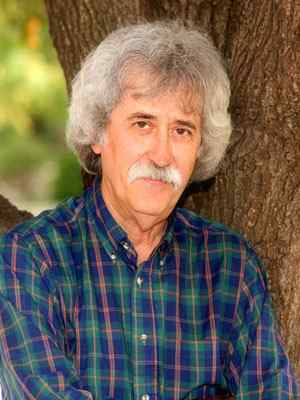
Overview Ron Rapee is a Distinguished Professor of Psychology at Macquarie University and Founding Director of the Centre for Emotional Health. He specializes in clinical psychology, focusing on anxiety and related disorders across the lifespan. His research emphasizes treatment efficacy, prevention strategies, and mental health service delivery. Research Interests Rapee’s work spans anxiety, depression, and internalizing disorders. Key areas include prevention of mental health issues, treatment development (e.g., the Cool Kids programs), and factors influencing mental health outcomes. He explores body image, stigma reduction, and culturally adapted interventions. Awards & Recognition 2009: Distinguished Career Award 2009: Distinguished Contribution to Science 2012: Member in the General Division, Order of Australia Professional Engagement Rapee advises on research globally, collaborates with international teams (e.g., Denmark, China), and engages with communities through workshops and media. He chairs the Anxiety Disorders Advisory Committee for WayAhead NSW. Research Impact His Cool Kids programs are used in 30+ countries. Recent projects include school-based mental health screening and interventions targeting anxiety and alcohol use in young adults.
Ying Zhang serves as an Assistant Professor in the Department of Psychology within Clarkson University's Lewis School of Health & Life Sciences, where her research examines developmental trajectories of cognitive, social, and emotional functioning from early childhood through emerging adulthood. Her work emphasizes contextual influences including cultural dynamics, socioeconomic conditions, and family relationships on self-regulation development. Her educational background includes: Ph.D. in Psychology from Syracuse University (2021) M.Ed. in Education from Jilin University (2012) B.Eng. in Engineering from University of Jinan (2008) Grounded in Diversity Science , Dr. Zhang investigates ecological influences on child self-regulation, particularly examining how intimate partner violence exposure, parental mental health, and socioeconomic disparities create pathways for risk and resilience. Her methodological approach integrates advanced statistical modeling with longitudinal designs, latent profile analyses, and machine learning techniques to analyze large secondary datasets, generating insights applicable to real-world interventions for vulnerable populations. Analysis of her 15 most recent publications (2023-2025) reveals three dominant research streams: (1) intricate mechanisms linking intimate partner violence to child self-regulation through parenting stress pathways, (2) socioeconomic and cultural influences on developmental outcomes using machine learning methodologies, and (3) diversity promotion in higher education contexts. Her work increasingly incorporates technology applications, including AI-based violence detection systems. Dr. Zhang actively involves undergraduate researchers in her projects, as evidenced by numerous student co-authorships, and teaches courses including Introduction to Psychology, Cultural Psychology, Diversity Science, and Prenatal/Child Development. Her office is located in Clarkson's Science Center (Box 5825) with open hours Mondays and Fridays 1-3:30pm.
Robert D. Zettle is a Professor of Psychology in the Clinical-Community Psychology Program at Fairmount College of Liberal Arts and Sciences, Wichita State University. He directs the Contextual Behavioral Science Lab and teaches Abnormal Psychology, Cognitive Behavioral Therapy, and Ethical and Professional Issues in Clinical Psychology. Dr. Zettle's educational background includes: Ph.D. in Psychology from University of North Carolina-Greensboro (1984) M.A. in Psychology from Bucknell University (1976) B.A. in Psychology from Wilkes College (1974) His research centers on Contextual Behavioral Science , examining how languaging and verbal behavior contribute to human suffering. Key areas include: Developing measures of psychological flexibility and self-as-context Experimental manipulation of processes in anxiety and mood disorders Comparing traditional CBT with Acceptance and Commitment Therapy (ACT) for depression Investigating mechanisms like defusion and acceptance in ACT Current projects focus on dissociative symptom induction, mood-enhancing versus value-congruent behavioral activation, and client treatment preferences in spider fear interventions. Dr. Zettle's recent publications (2019-2025) reveal a strong emphasis on self-as-context measurement , cross-cultural adaptations of ACT tools, and depression relapse prevention . His work increasingly integrates attention bias modification with ACT and explores client preference dynamics, while expanding applications to university counseling centers and international contexts. He mentors graduate students including Nakisha Carrasquillo, Angela Cathey, Suzanne Gird, Angie Hardage-Bundy, Sarah Staats, and Jeff Swails. His research is supported by ongoing projects in the Contextual Behavioral Science Lab investigating core ACT processes and clinical applications. The Contextual Behavioral Science Lab, directed by Dr. Zettle, maintains a collaborative team environment focused on both experimental psychopathology and clinical treatment development. Current work spans measurement validation, interoceptive exposure techniques, and comparative treatment studies for depression and anxiety disorders.
Maryam Kazemitabar is an Associate Research Scientist in the Department of Internal Medicine at Yale University's School of Medicine. She holds a Ph.D. in Psychometrics from the University of Tehran (2020). Her work bridges research and clinical practice to improve patient outcomes in pain management, opioid therapy, and substance abuse. She collaborates with multidisciplinary teams to develop evidence-based interventions, leveraging her expertise in psychometric evaluation. Education: Ph.D. in Psychometrics (Measurement and Evaluation), University of Tehran, 2020 Research Interests: Pain management strategies and opioid-related risks Substance use disorders and comorbid mental health conditions Psychometric validation of health assessment tools Health equity in marginalized populations Research Trends: Recent work focuses on opioid overdose epidemiology, disparities in healthcare for migrant populations, and psychometric rigor in cross-cultural mental health measurement. Key methodologies include latent class analysis, scale validation, and mixed-methods approaches. Advising & Grants: While specific grants are not listed, her collaborative projects imply institutional and federal funding support. No formal advisees are documented here.
Helen Vidgen is a Professor in Public Health at the School of Public Health, Faculty of Health, Queensland University of Technology (QUT). Her research focuses on food literacy, childhood obesity prevention, and nutrition education, with significant contributions to public health policy and program implementation. She has led projects evaluating school meal programs, childhood obesity management services like PEACH™, and food literacy interventions across diverse populations. Her work emphasizes socio-ecological barriers to nutrition education, policy development, and the translation of evidence-based practices into community settings. Dr. Vidgen has authored over 100 peer-reviewed articles and edited books, including Food Literacy: Key Concepts for Health and Education (2016), which establishes foundational frameworks for food literacy research. She collaborates with government agencies, non-profits, and healthcare professionals to address systemic challenges in obesity prevention and food system reforms. Recent contributions include analyzing the role of school-provided meals in obesity prevention, evaluating father’s roles in family food practices, and advancing measurement tools like the IFLQ-19 food literacy questionnaire. Her research bridges theory and practice, informing policy initiatives on nutrition education, food regulation, and equitable health outcomes.
Ana Costa is an Invited Assistant Professor at the Faculty of Philosophy and Social Sciences, Universidade Católica Portuguesa, where she actively contributes to research through the Centre for Philosophical and Humanistic Studies (CEFH). Her work is interdisciplinary, bridging psychology, education, and human development, with a strong focus on emotional intelligence, adolescent well-being, and academic outcomes. Faculty of Philosophy and Social Sciences, Universidade Católica Portuguesa Researcher, Centre for Philosophical and Humanistic Studies (CEFH), 2020–2025 Her research interests center on emotional intelligence, subjective well-being, psychometrics, and educational psychology. She investigates how traits like emotional intelligence, mindset, and cultural orientation (individualism vs. collectivism) influence academic achievement and personal development during adolescence. Her methodological approaches include longitudinal analysis, cluster analysis, and systematic reviews, often using self-report data from secondary school students. The recent body of her publications reveals a consistent focus on the psychological and educational dimensions of adolescence. Key themes include the developmental trajectories of emotional intelligence, the determinants of academic success, and the relationship between education and happiness. Her work also explores teacher well-being in Portuguese schools abroad, showing a broad interest in educational systems and stakeholder well-being. Emotional Intelligence Subjective Well-Being Academic Achievement Adolescent Development Psychometrics Longitudinal Analysis Mindset Research Teacher Well-Being Cultural Psychology Educational Policy Ana Costa is actively engaged in collaborative research, frequently co-authoring with scholars such as Luísa Faria, Paula C. Dias, and others within the CEFH network. She has not received any explicitly mentioned scientific awards, but her work is published in peer-reviewed journals and academic encyclopedias. She advises or mentors students indirectly through project participation, though no direct advisees are listed. She is involved in a major research project on adolescence, psychology, and education, contributing to systematic reviews and empirical studies. She is affiliated with the Centre for Philosophical and Humanistic Studies (CEFH), a research center fostering interdisciplinary inquiry into philosophical, psychological, and social aspects of human life. The center supports a vibrant community of researchers, students, and faculty, promoting collaborative and impactful scholarship.
Dr. Ian Sturrock is a Senior Lecturer in Games, Animation & Visual Effects at Teesside University, within the Department of Computing & Games. He is actively involved in teaching across undergraduate, postgraduate, and foundation levels, and contributes to the university's Arts Research Group. His academic work spans game design, narrative theory, and digital innovation, with a strong focus on motivation and world-building in games. His research interests include: Game narrative and narratology Transmedia storytelling and world-building Player motivation and identity Cybersecurity awareness through games The cultural impact of role-playing games Dr. Sturrock's recent publications explore innovative frameworks for measuring game motivation and examine how transmedia narratives can promote social justice. His work often bridges academic theory with practical game design, emphasizing interdisciplinary approaches. He has led the Innovate UK-funded project 'HackEscape,' which uses game mechanics to teach cybersecurity. His research has been published in journals such as Gamevironments and Analog Game Studies , and he has contributed to educational syllabi collections on game design pedagogy. He is currently accepting PhD students and has supervised research in game studies. Dr. Sturrock was previously affiliated with the University of Hertfordshire, where he served as Partnership Manager for the Creative Enterprise degree and contributed to the Media Research Group, co-organizing the first international Game of Thrones Conference in 2017. His professional engagements include media contributions on video game adaptations and the success of Games Workshop, reflecting his public-facing scholarship. He is an active researcher with a growing body of peer-reviewed work in digital games and narrative.
Stephen D. Benning is an Associate Professor in the Department of Psychology at the University of Nevada, Las Vegas. His research focuses on the psychophysiology of emotion and personality, particularly the two-factor model of psychopathy (fearless dominance vs. impulsive antisociality) and its implications for emotional processing, reward systems, and risk-taking behavior. He has developed novel psychophysiological measures like the postauricular reflex to study positive emotion in psychopathology. Education: Ph.D. in Clinical Science and Psychopathology Research (University of Minnesota, 2006) Employment: UNLV (2012–present); Vanderbilt University (2006–2012) His work spans psychopathy, autism, depression, and schizophrenia, with a focus on translating animal models to human studies. He has secured multiple NIH grants, including NIMH R21 awards for hedonic processing in depression and autism. His lab (PEPlab) explores intersections of personality, emotion, and morality, particularly in Las Vegas’ unique context. Recent publications highlight his contributions to misophonia, moral decision-making, and behavioral risk assessment. He emphasizes open science practices and methodological rigor, advocating for alpha justification and replication studies. Awards include the UNLV Outstanding Teaching and Mentoring Award (2024) and the Howell Award for Undergraduate Research (2000). Scientific Awards: Outstanding Teaching and Mentoring Award (UNLV, 2024) Howell Award for Excellence in Undergraduate Research (Rice University, 2000) National Merit Scholar (1996–2000) Volunteer Service Award (Walk-In Counseling Center, 2004) Student Poster Award (Society for Psychophysiological Research, 2003)
Lisa A. Mandl is an Associate Professor of Population Health Sciences and Medicine at Weill Cornell Medical College, Cornell University. She also serves as an Associate Attending Physician at NewYork-Presbyterian Hospital. Her work bridges rheumatology and population health through clinical practice, education, and research. M.P.H., Harvard School of Public Health (2000) M.D., University of British Columbia Faculty of Medicine (1993) B.A., Williams College (1988) Lisa Mandl's research focuses on rheumatoid arthritis , psoriatic arthritis , ankylosing spondylitis , osteoarthritis , and systemic lupus erythematosus . She investigates frailty , patient-reported outcomes , and total joint arthroplasty with particular attention to social determinants of health , geriatric rheumatology , and clinical decision-making . Her work spans infectious disease implications in rheumatology patients and interdisciplinary care models . Her recent publications examine social isolation and mental health in lupus patients, vaccine safety in osteoarthritis, and novel patient-reported outcome measures for autoimmune skin conditions. She has published extensively in Arthritis & Rheumatology , The Journal of Rheumatology , and Osteoarthritis and Cartilage , with recurring themes in clinical epidemiology and health services research . Scientific Awards & Recognitions Awards for teaching excellence Dr. Mandl has mentored numerous rheumatology trainees and led NIH-funded research on patient-reported outcome measures and surgical decision-making frameworks. She co-developed core domains for total joint replacement trials and contributes to health literacy and medical education initiatives.
Professor Banu Bayar is a distinguished faculty member at Muğla Sıtkı Koçman University's Faculty of Health Sciences, Department of Physiotherapy and Rehabilitation with specialization in Musculoskeletal Rehabilitation. With over two decades of academic and clinical experience, she has established herself as a leading researcher in physical therapy and rehabilitation sciences. Education: Bachelor's Degree: Hacettepe University - School of Physical Therapy and Rehabilitation (1990-1994) Master's Degree: Hacettepe University - Institute of Health Sciences - Physical Therapy and Rehabilitation (MSc) (1996-1998) Doctorate: Hacettepe University - Institute of Health Sciences - Physical Therapy and Rehabilitation (1998-2002) Professor Bayar's research spans multiple critical areas in rehabilitation science, with particular emphasis on stroke rehabilitation, musculoskeletal disorders, pain management, and geriatric rehabilitation. Her work integrates clinical practice with scientific research to develop evidence-based rehabilitation protocols. She has extensively studied proprioception, balance disorders, and functional recovery in neurological conditions, contributing significantly to the understanding of how physical interventions can improve patient outcomes. Her publication record demonstrates consistent scholarly output with a notable increase in high-impact research in recent years. The trend shows a strategic focus on developing assessment tools, validating measurement instruments, and investigating innovative rehabilitation techniques. Her work bridges clinical practice and scientific validation, with particular attention to culturally adapted assessment tools for the Turkish population. Recent publications reveal growing interest in technology-assisted rehabilitation, cognitive-motor interactions, and the psychological aspects of chronic conditions. Professor Bayar has served as an editor for multiple journals including the Journal of Karya Health Science (2020-2022) and has contributed to numerous book chapters on physiotherapy and rehabilitation. Her collaborative research approach is evident in her extensive co-authorship network, working with colleagues across various institutions to advance rehabilitation science. While specific grant information isn't detailed in the available records, her sustained publication output suggests successful research funding throughout her career.
Isabel M. Santos is an Associate Professor of Psychology at the University of Aveiro and serves as coordinator of the NeuroLab, an integrated research unit within the university's Health Team. Her work bridges clinical psychology, oncology, and cognitive neuroscience through interdisciplinary collaboration. Her research program centers on Cancer-Related Cognitive Impairment (CRCI) in cancer survivors, focusing on developing the CanCOG web-based cognitive rehabilitation program. Additional investigations include neuropsychological assessment tools for CRCI, biomarker identification, work-related impact analysis, and attentional biases. The NeuroLab also employs psychophysiological methods and eye tracking to examine social cognition—particularly facial signal processing (emotions, identity, gaze)—and how individual differences, clinical conditions, and adverse childhood experiences modulate these processes. Recent publications (2021-2023) reveal strong thematic continuity in CRCI research, with emphasis on Portuguese population adaptations, breast cancer-specific cognitive challenges, and intersections between cancer history and reproductive concerns. Methodologically, her work combines experimental psychology, clinical assessment, and digital intervention development. Scientific Awards: No scientific awards mentioned in source materials While specific student advising details are absent from source materials, her NeuroLab leadership implies active mentorship of graduate researchers. No grant information appears in the provided text, though her program development (CanCOG) suggests external funding involvement. The NeuroLab operates as a specialized research hub within the Health Team, utilizing eye-tracking technology and psychophysiological measures to investigate cognitive-emotional processing in clinical populations—particularly cancer survivors—and normative social cognition mechanisms. Current projects integrate rehabilitation science with fundamental cognitive research to address real-world patient challenges.
Ian Pitt is a Lecturer in Usability Engineering and Interactive Media at University College Cork (UCC). He leads the Interaction Design, E-Learning and Speech (IDEAS) Research Group, focusing on multimodal human-computer interaction, auditory interfaces, and accessibility solutions for visually impaired users. Pitt holds a D.Phil from the University of York, followed by research fellowships at Otto-von-Guericke University in Germany before joining UCC in 1997. His research interests include speech-based interfaces, e-learning systems, and accessibility technologies for blind users. Key projects include the EU-funded ENABLE Network (2011–2014) and prototype development for UniWink. He has secured significant grants, including €72,009 from IRCSET for voice analysis research and €19,478 from the EU for ICT-supported learning initiatives. Pitt has advised numerous PhD students, including Flaithri Neff (2011), Emma-Kate Crowley (2014), and current candidates Aine Kearns and Patrick Egan. His publications span journals like International Journal of Game-Based Learning and conferences such as ICCHP and ACM SIGACCESS. He has contributed to committees for conferences like CHI and the Irish HCI conference. Teaching modules include Usability Engineering, Human-Computer Interaction, and Digital Media Development. His work emphasizes inclusive design principles, with projects addressing navigation systems for blind students and adaptive e-learning frameworks. Recent research trends focus on ICT-delivered aphasia rehabilitation, emotional BCI interfaces, and multimodal learning systems. Collaborations include international partners through EU grants, reflecting his global impact in accessibility and educational technology.
Gert Van Assche is a Full Professor at the Department of Chronic Diseases and Metabolism within the Faculty of Medicine at KU Leuven, affiliated with the Translational Research in GastroIntestinal Disorders unit at UZ Leuven. His institutional roles include membership in the Biomedical Sciences Group Evaluation Committee (Clinical), Council of the Faculty of Medicine, POC Arts-specialist in opleiding, Council of the Department of Chronic Diseases and Metabolism, and UZ Leuven Executive Board. His research focuses on translational gastroenterology, particularly inflammatory bowel disease (IBD), Crohn's disease, and ulcerative colitis. He leads the Clin-IC project (2018-2025) developing medtech solutions for patients, bridging clinical practice with technological innovation. His work spans clinical trials, health data utilization, and patient-centered outcomes research. Analysis of his 2020-2022 publications reveals a multidisciplinary approach integrating radiology, psychology, and health informatics. Key themes include advanced imaging for Crohn's disease (MRE-histology correlation), behavioral assessment tools (IBD-Bx questionnaire), international comparisons of IBD management challenges, and novel therapeutic interventions for refractory ulcerative colitis. He has served as promotor for the Clin-IC project and teaches courses including 'Innovative Health Technologies' (E0N72A) and 'Integrated Clinical Research and Reasoning' (E0C63B). His mentoring extends through co-authorship in international collaborations across gastroenterology, radiology, and patient quality-of-life studies. He operates within the Translational Research in GastroIntestinal Disorders unit at UZ Leuven, fostering collaboration between laboratory scientists and clinicians to accelerate therapeutic advancements for gastrointestinal diseases.
Oliver P. John is a Distinguished Professor at the University of California, Berkeley, directing the Berkeley Personality Lab . His research focuses on personality psychology, self-perception accuracy, emotion regulation, and life span development. Ph.D. from University of Oregon Developed the Big Five Inventory-2 (BFI-2) and its variants Research interests include: Self-concept and self-perception biases Personality development across adolescence and adulthood Cultural differences in personality expression Emotion experience, expression, and regulation strategies Recent publications emphasize cross-cultural validation of the BFI-2, personality development in childhood, emotion regulation dynamics, and social-emotional skills in educational contexts. Collaborations span global teams, with translations into 39 languages. Scientific contributions : Recipient of the L&S Distinguished Teaching Award in the Social Sciences (2002-03) Co-developer of the Emotion Regulation Questionnaire (ERQ) with James Gross Key publications on the Big Five taxonomy and developmental psychology Students and collaborators include researchers like Yi-Ke, Deb, Conrad, and Rosalinda, with alumni now leading studies in emotion, personality, and social psychology.
Prof. Velislava Atanasova Chavdarova is a distinguished Professor at the Department of Psychology within the Faculty of Philosophy at the University of Veliko Tarnovo "St. Cyril and Methodius" in Bulgaria. With extensive expertise in social, organizational, and personality psychology, she has established herself as a leading academic in her field through decades of scholarly contribution. Her research spans multiple psychological disciplines including social psychology, personality psychology, ethnopsychology, industrial and organizational psychology, managerial psychology, psychological consultation, organizational consulting, neuro-linguistic programming (NLP), career counseling, and motivational interviewing. She has conducted significant cross-cultural studies comparing Bulgarian, Russian, and Ukrainian populations across various psychological dimensions. Prof. Chavdarova's scholarly output demonstrates consistent engagement with contemporary psychological issues, particularly in organizational contexts and social psychology applications. Her recent publications (2023-2025) reveal a continued focus on domestic violence perceptions in Bulgaria, gender-role stereotypes, managerial psychology, and cross-cultural personality profiling. Her work bridges theoretical psychological concepts with practical applications in organizational, educational, and social contexts. She has participated in academic projects including the "Establishment of a hall for interactive training for future teachers" (March-December 2023), demonstrating her commitment to educational innovation. Her professional activities include extensive publication output, conference participation, and academic reviewing across various psychological domains.