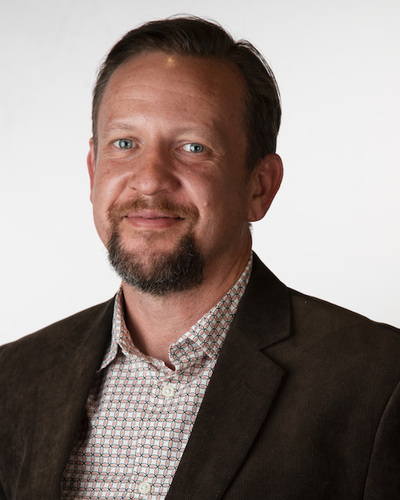
David W. Sosnowski, PhD is an Assistant Professor at the Johns Hopkins Bloomberg School of Public Health in the Department of Mental Health . He is also affiliated with the Wendy Klag Center for Autism and Developmental Disabilities and teaches courses related to developmental psychology and mental health. Education PhD from Virginia Commonwealth University (2019) BS from Pennsylvania State University (2013) Dr. Sosnowski is a developmental psychologist whose research focuses on understanding the biological and social mechanisms linking childhood adversity to health and behavior throughout life . His work specifically examines epigenetic modifications in the context of adverse childhood experiences, substance use, and factors that promote resilience in these contexts. His recent research has expanded to examine genetic and epigenetic markers of stress-related exposures and substance use disorders. He also investigates positive childhood experiences and their measurement as counterbalances to adverse experiences. Dr. Sosnowski's publications span topics in epigenetics, developmental psychology, and addiction research . He has published on the epigenetic effects of opioid overdose , the interplay between maternal stress and infant development , and resilience factors in substance use disorders .
Dr. Denise Bodden is an Assistant Professor at Utrecht University's Faculty of Social and Behavioural Sciences , specializing in Clinical Child and Family Studies . She works two days weekly as a psychologist at Altrecht Youth , Utrecht, focusing on adolescent mental health. Research Interests: Cost-effectiveness of psychological interventions, CBT, ACT, depression prevention in adolescents, blended therapy (online + face-to-face), transdiagnostic approaches, parental involvement in treatment. Grants: 2020 Fellowship for ACT Your Way (transdiagnostic youth interventions); 2019 Fellowship for Cool Little Kids (toddler anxiety prevention). Notable Contributions: Developed taxonomy tools for CBT components, pioneered ACT for parent counseling/family therapy, evaluated blended CBT for depressive adolescents, studied comorbidity moderators in CBT effectiveness. Recent Trends: 2021–2025 work emphasizes transdiagnostic ACT for youth, machine learning in anxiety treatment prediction, and centrality analysis of psychopathology networks.
Astrid Røsland Seim is an Associate Professor at NTNU (50% position) and a senior doctor at St Olavs University Hospital (50% position). She leads the regional coordination for child and adolescent psychiatry specialization in Mid-Norway. Her primary affiliation is the Regional Centre for Child and Youth Mental Health and Child Welfare under the Faculty of Medicine and Health Sciences. Education: MD from University of Tromsø (2004), Specialist in Child and Adolescent Psychiatry (2012), PhD (2021) focusing on reactive and disinhibited attachment disorders in institutionalized adolescents. Research interests focus on mental health outcomes of childhood maltreatment, developmental impacts of abuse/neglect, and public health strategies for vulnerable youth. Current projects include the VINGO follow-up study tracking long-term effects of residential care, mental health in institutionalized adolescents, and communication challenges in youth using augmentative communication. Teaching roles include course coordination for MDV6202 (Child and Adolescent Mental Health Part II) and lecturing in master's programs, medical training, and specialist education for psychiatrists. Key competencies span attachment theory, institutional care dynamics, psychiatric epidemiology, and social psychiatry. She leads the Communication, Interaction, and Early Intervention (CIEL) research group and contributes to the Child Welfare Theme group.
Farah Deeba is a Research Fellow (Visiting Fellow) at Macquarie University's School of Psychological Sciences, specializing in clinical psychology and psychometrics. Her academic position involves research on trauma psychology and mental health assessment methodologies. Her primary research examines: Psychometric validation of clinical assessment tools Trauma psychology across developmental stages Cross-cultural mental health interventions Neuropsychological aspects of pediatric care Public health behavior during pandemics with particular focus on vulnerable populations in low-resource settings. Publications demonstrate consistent focus on trauma psychology, mental health assessment, and cross-cultural clinical interventions, with recent expansion into public health behavior during the COVID-19 pandemic. Research frequently addresses gender-based violence, pediatric trauma, and schizophrenia diagnostics.
Beth Hackethorn Garland, Ph.D., is an Associate Professor in Pediatric Psychology at Baylor College of Medicine, Houston, TX. Her work bridges clinical psychology and pediatric healthcare, focusing on adolescent mental health, eating disorders, and transitions to adult care. BA, University of The South MA, James Madison University PhD, Texas A&M University Internship & Fellowship, Baylor College of Medicine / Texas Children's Hospital Research Interests: Garland specializes in adolescent psychology, particularly transitions to adulthood for youth with chronic conditions. Her studies explore self-determination theory, family dynamics, peer mentorship, and psychosocial risks in obesity treatment. She investigates how motivation, social support, and healthcare interventions improve outcomes. Publication Trends: Her recent work emphasizes peer-mentored interventions, bariatric surgery outcomes, and transition readiness frameworks. Topics span eating disorders, chronic disease management, and motivational interviewing in genetic counseling, frequently applying self-determination theory to adolescent healthcare. Scientific Awards: Professionalism Award for Intern Class, Baylor College of Medicine Distinguished Student Practice Award, Texas A&M University Grants & Memberships: Garland collaborates with teams across Pediatrics, Psychiatry, and Public Health. She is affiliated with the American Psychological Association, Houston Eating Disorder Specialists, and Academy of Eating Disorders, advancing interventions for youth with chronic illnesses.
Hane Maung is a philosopher and Honorary Researcher at Lancaster University in the School of Global Affairs . He works as an Applied Philosopher and Clinical Ethicist for GenderGP , a gender-affirming healthcare service. His research bridges philosophy with practical applications in medicine and psychiatry. PhD in Philosophy (Lancaster University, 2017) MPhil in Philosophy and Ethics of Mental Health (University of Pretoria, 2014) MB BChir in Medicine and BA (Hons) in History and Philosophy of Science (University of Cambridge, 2008 and 2005) MRCPsych (Royal College of Psychiatrists, 2012) His research interests include: Philosophical issues in medicine and psychiatry Philosophy of mind and consciousness Biomedical ethics and gender-affirming care Disease classification and explanatory models Recent publications address evolutionary psychiatry, externalist critiques of medical assistance in dying, and ethical frameworks for trans healthcare. While no formal awards are listed, his interdisciplinary approach combines clinical experience with academic theory.
Dan Zahavi is Professor of Philosophy at the University of Copenhagen (Department of Communication, Faculty of Humanities) and concurrently Professor of Philosophy at the University of Oxford (St Hilda’s College). Since 2002 he has directed the Danish National Research Foundation’s Center for Subjectivity Research (CFS), a Centre of Excellence devoted to interdisciplinary investigation of selfhood, intersubjectivity and consciousness. He is also Honorary Professor at the University of Southern Denmark. Education 1988 – Exam.art. (B.A.) in Philosophy, University of Copenhagen 1991 – Cand.phil. (M.A.) in Philosophy, University of Copenhagen 1994 – Ph.D. in Philosophy (Summa cum Laude), Katholieke Universiteit Leuven 1999 – Dr.phil. (Habilitation), University of Copenhagen Research Interests Zahavi’s work lies at the intersection of phenomenology , philosophy of mind , cognitive science and psychopathology . He investigates self-consciousness , intersubjectivity , empathy , collective intentionality and social cognition from a rigorously phenomenological perspective, integrating insights from developmental psychology, psychiatry and neuroscience. His recent projects explore the constitution of we-identities , the phenomenology of second-person engagement , and the structure of shared emotional experiences . Scientific Awards and Honours Edward Goodwin Ballard Book Prize (2000) Silver Medal, Royal Danish Society of Sciences and Letters (2000) Elite Research Prize, Danish Ministry of Science (2006) Carlsberg Foundation’s Research Prize (2011) Dansk Magisterforenings Forskningspris (2013) Knight of the Order of the Dannebrog (2017) Grants and Doctoral Supervision Zahavi has secured over 100 million DKK in competitive funding, including two 5-year DNRF Centres of Excellence and an ERC Advanced Grant “Who are we?” (18.6 mill DKK, 2020-2027). He has supervised or co-supervised 27 PhD dissertations on topics ranging from schizophrenia and self-disorders to expert musicianship and embodied cognition. Laboratories & Teams As director of the Center for Subjectivity Research (CFS) , Zahavi leads an interdisciplinary team of philosophers, psychologists, psychiatrists and neuroscientists. The centre hosts annual summer schools, international conferences and visiting scholars, fostering collaborative research on consciousness, empathy and collective intentionality.
Naja Hulvej Rod is Professor of Epidemiology at the University of Copenhagen and Director of the Copenhagen Health Complexity Center since 2024. She leads the Complexity and Big Data Group, pioneering interdisciplinary approaches that integrate epidemiology, data science, and complex systems theory to address critical public health challenges through large-scale register data and innovative methodologies. Education: DMSc in Medicine, University of Copenhagen, 2014 PhD in Epidemiology, University of California, Los Angeles (UCLA), 2007 Master of Public Health Science, University of Copenhagen, 2004 Research Interests: Professor Rod's work centers on sleep health, health inequality, mental health, and early life adversity, with groundbreaking applications of complex systems theory and causal inference methods. She investigates how social and biological factors across the life course determine health outcomes, utilizing unique resources like the Danish Life Course Cohort (DANLIFE) to examine the health consequences of social and environmental adversities through advanced life course modeling and digital phenotyping. Publication Trends: Her recent publications (2023-2025) reveal a strong emphasis on childhood adversity trajectories and their lifelong health impacts, increasingly incorporating smartphone tracking data (SmartSleep study) and complex systems modeling. She bridges epidemiology with artificial intelligence and systems science to analyze mental health patterns, sleep disorders, and social vulnerability, demonstrating methodological innovation in handling complex public health data. Scientific Awards: Sapere Aude Starting Grant Elite Research Prize (2022) ERC Consolidator Grant (2023) Advising and Grants: Professor Rod has supervised 19 PhD students to completion and currently mentors one PhD candidate. As primary investigator, she has secured 11.53 million EUR in research funding, leading major projects including DANLIFE (2+ million individuals), SmartSleep (mobile phone use and sleep), Corona Minds (citizen science pandemic study), and WHALE (hospital employee well-being). Her leadership includes founding the Copenhagen Health Complexity Center and chairing Denmark's Council for Health Promotion and Disease Prevention. Labs and Teams: She directs the Copenhagen Health Complexity Center, a multidisciplinary hub uniting epidemiologists, data scientists, social scientists, and clinicians. Her Complexity and Big Data Group develops novel analytical frameworks for complex health systems, with active collaborations across European institutions and participation in international committees including the Swedish and Finnish Research Councils.
Anna Magi is a Lecturer at the Institute of Psychology and Department of Clinical Psychology and Addiction at Eötvös Loránd University. Her research focuses on addiction disorders, behavioral addictions (work, gaming, gambling), substance use epidemiology, and psychopathology. She actively participates in the Addiction Research Group and Criminal Psychology Research Group. Current roles: Lecturer in Clinical Psychology and Addiction Research areas: Reward deficiency, emotion regulation, genetic factors in addiction Key collaborations: Psychological and Genetic Factors of Addictive Behaviors (PGA) Study, National Survey on Addiction Problems in Hungary (NSAPH) Anna's recent publications analyze intersections between substance use and behavioral addictions, including work addiction, gaming disorder, and gambling. Her work employs psychometric tools, genetic polymorphism analysis, and population-wide surveys to explore risk factors, comorbidities, and preventive strategies. She contributes to methodological advancements in addiction research, demonstrated through studies like the development of the Reward Deficiency Syndrome Questionnaire (RDSQ-29) and validation of screening tools for cannabis and exercise dependence. Her research bridges psychological, biological, and sociocultural dimensions of addictive behaviors.
Neslim Güvendeğer Doksat is an Associate Professor in the Department of Psychology at Istanbul Beykent University's Faculty of Arts and Sciences. She has been serving in this position since 2019, having previously worked as a Doctor Lecturer at the same institution from 2013. Her professional profile includes an active research career with numerous publications in both national and international journals, and she maintains an ORCID identifier (0000-0002-5896-0165). Dr. Güvendeğer Doksat's research spans multiple areas within clinical and developmental psychology, with a particular focus on child and adolescent mental health issues. Her work examines psychological disorders including bipolar disorder, obsessive-compulsive disorder, ADHD, and eating disorders, with significant attention to substance abuse, emotional eating patterns, and the psychological impact of internet usage on youth. Her research often incorporates regional perspectives, particularly studies conducted in Hakkari and Bursa provinces. An analysis of her recent publications reveals a strong emphasis on clinical case studies, epidemiological research, and investigations into the relationships between various psychological phenomena. Her work demonstrates methodological diversity, employing both quantitative and qualitative approaches to examine mental health issues across different demographics and contexts. Many of her studies focus on vulnerable populations, including children, adolescents, and victims of violence. Dr. Güvendeğer Doksat has published extensively in SCI-expanded journals, TR INDEX, and other reputable academic databases. Her collaborative research approach is evident through her numerous co-authored publications with colleagues from various institutions. Her work has appeared in journals such as Anatolian Journal of Psychiatry, Substance Use and Misuse, and Journal of Psychiatry and Psychiatric Disorders. As an academic, she has contributed to both original research articles and compiled/case reports, demonstrating versatility in scholarly output. Her research often addresses practical clinical concerns while contributing to theoretical understanding of psychological phenomena. Her work on child maltreatment, intimate partner violence, and sexual exploitation of children shows her commitment to addressing critical social issues through psychological research.
Kirstine Agnete Davidsen is an Associate Professor at the Department of Psychology, University of Southern Denmark. Her research focuses on clinical psychology, severe mental illness, child development, and cortisol biology. Key Research Areas: Mental health in offspring of parents with severe mental illness, early childhood regulatory problems, and biological markers like cortisol in psychiatric disorders. Collaborations: Erasmus Medical Center, Leiden University, and Danish public health institutions. Her recent publications include studies on disinhibited infant attachment, prenatal IQ predictors, and mental health outcomes in young children. She has presented at international conferences and received the Best Poster Prize in 2017. Her work often involves cohort analyses and translational research between clinical and pediatric populations.
Jari Marko Lahti is a Professor in the Department of Psychology at the University of Helsinki, where he serves as Supervisor in both the Doctoral Program in Human Behavior and the Doctoral Program in Cognition, Learning, Teaching and Communication. He also holds an ORCID profile (0000-0002-4310-5297) and maintains contact through the university's Haartmaninkatu 3 address in Helsinki. His academic credentials include a Doctor of Psychology degree (awarded December 12, 2009), Docent status in Clinical Psychology from the University of Helsinki (awarded December 12, 2011), and Advanced Psychotherapist certification from Chydenius Institute / University of Jyväskylä (2011-2013). Earlier in his career, he earned a Master of Psychology from the University of Helsinki (1997) and certification as a cognitive Psychotherapist (1998-2001). Professor Lahti's research focuses on the intersection of psychology, behavioral genetics, and epigenetics, with particular emphasis on how environmental factors interact with genetic predispositions to influence mental health outcomes across the lifespan. His work frequently examines prenatal influences on child development, stress response mechanisms, and the genetic underpinnings of psychological traits. Recent publications reveal a strong concentration on epigenetic pathways linking maternal psychological states during pregnancy to offspring developmental outcomes. Analysis of his publication record shows consistent productivity with over 300 publications, including high-impact articles in Molecular Psychiatry, Psychoneuroendocrinology, and Biological Psychiatry. His research often involves large-scale collaborative efforts, as evidenced by multi-author publications with international research teams. Among his notable recognitions is the Young Investigators Award received at the 6th World Congress on Developmental Origins of Health and Disease in December 2009. His current research leadership includes the IMAGINE project (2022-2025), funded by the Academy of Finland, which investigates mental well-being as a pathway to increasing youth participation. Previously, he led a project on environmental, epigenetic, and genomic factors in depression and related cardiometabolic risks (2013-2016), and participated in the Helsinki Study of Very Low Birth Weight Adults (2003-2015). Professor Lahti has also served as a Collegium Researcher at the University of Turku (2019-2021), demonstrating his standing within the broader Finnish academic community. His research has generated significant media attention, with multiple press mentions related to maternal health conditions and child mental health outcomes.
John L. Davis, Ph.D., is an Associate Professor in the School Psychology Program within the Department of Educational Psychology at the University of Texas at San Antonio. His research focuses on evidence-based interventions for children with Autism Spectrum Disorder (ASD) and developmental disabilities, utilizing both direct implementation and meta-analytic methods to evaluate effectiveness across academic, behavioral, social, and emotional domains. Education B.A. in Psychology, University of Texas at Austin M.A. in School Psychology, Texas State University Doctoral Degree in School Psychology, Texas A&M University Dr. Davis’s scholarly work emphasizes technology-aided interventions, functional living skills training, and sensory processing in ASD populations. His recent publications span meta-analyses on video modeling, telehealth strategies, and adaptive furniture in elementary classrooms. Research Trends His research integrates meta-analysis of single-case studies, digital tools in education, and cross-cultural intervention replication. Key areas include behavioral training for caregivers, psychiatric crisis evaluation systems, and statistical methods in educational progress monitoring. Contact: john.davis2@utsa.edu
Associate Professor Louise Mewton is a public health researcher and academic at the University of Sydney, where she serves as Program Lead in Lifespan and Brain Health Research at the Matilda Centre. Her work focuses on the epidemiology, assessment, prevention, and treatment of alcohol use and related disorders across the lifespan, with particular emphasis on understanding and reducing the cognitive impacts of alcohol exposure during gestation, adolescence, and older adulthood. Dr. Mewton completed her PhD in 2012 at the National Drug and Alcohol Research Centre, UNSW, where her research focused on the epidemiology and diagnosis of alcohol use disorders in youth. Following this, she served as Statistical Advisor and Postdoctoral Research Fellow at the Clinical Research Unit for Anxiety and Depression at St Vincent's Hospital, UNSW (2012-2014), investigating online treatments for anxiety and depression in primary healthcare settings. In 2014, she received an Australian Rotary Health Postdoctoral Fellowship to study online cognitive training for preventing mental illness and risky alcohol use in youth. She was appointed as a UNSW Scientia Lecturer in 2018, continuing her research on alcohol use disorders across the lifespan. Her research program spans multiple domains within public health and addiction science, with a strong emphasis on longitudinal studies and causal inference methods. She has made significant contributions to understanding the relationship between alcohol consumption and cognitive decline, particularly in older adults, while also examining the developmental impacts of alcohol exposure during adolescence and gestation. Her work frequently employs large-scale datasets and international collaborations to address questions of global relevance in substance use and mental health. An analysis of her recent publications reveals a consistent focus on the intersection of alcohol use, mental health, and cognitive outcomes across the lifespan. Her work demonstrates methodological sophistication, particularly in causal inference approaches for observational data, and spans epidemiological studies, clinical trials, and psychometric research. She has made important contributions to understanding the relationship between alcohol consumption and dementia risk, as well as the complex interplay between substance use disorders and mental health conditions. Early career award from Australasian Professional Society for Alcohol and Drugs (2016) Early career award from College of Problems on Drug Dependence (United States, 2012) Young Tall Poppy Award from Australian Institute of Policy and Science (2017) Society for Mental Health Research's Early Career Researcher Award (2017) Dr. Mewton has secured substantial research funding, with $15 million in fellowship and project funding from the National Health and Medical Research Council, Australian Rotary Health, Dementia Centre for Research Collaboration, Dementia Australia, and the National Institutes of Health (US). She currently leads multiple significant research initiatives, including a large-scale randomized controlled trial investigating the effectiveness of an online alcohol intervention for reducing alcohol use and cognitive decline in older adults. She also leads studies using COSMIC cohort data to examine alcohol-dementia relationships cross-nationally and collaborates with the Institute for Health Metrics and Evaluation to improve coverage of low-to-middle income countries in Global Burden of Disease estimates for dementia. Her research is conducted through collaborations with the Centre for Healthy Brain Ageing and the COSMIC consortium, leveraging international datasets to address critical questions in brain health and aging. These collaborations enable her to address research questions with sufficient statistical power and cross-cultural validity, particularly in the areas of alcohol use, cognitive decline, and dementia risk.
Gustaf Waxegård is a Senior Lecturer in Clinical Psychology with a focus on neuropsychology at the Department of Psychology, Faculty of Health and Life Sciences, Linnaeus University. Since September 1, 2023, he has been employed in this academic position while also serving as the head of the assessment unit at the Department of Psychology, co-leading with Emma Bergström. Waxegård holds a PhD and is a licensed psychologist and licensed psychotherapist specializing in clinical psychology. His educational background has prepared him for his dual role in both academic instruction and clinical practice. He actively contributes to the Swedish Twin Registry as a member of its national council and serves as a fact-checker for 1177, Sweden's healthcare portal. His research interests center on neurodevelopment in a broad sense and the development of care pathways to meet the needs of families with children who have neurodevelopmental disorders. A central ambition in his work is connecting individual sustainable development to societal sustainable development, using neuropsychology as the linking discipline. His approach emphasizes professional collaboration within care pathways as a critical component for effective treatment of neurodevelopmental conditions. Waxegård's publication record demonstrates a clear thematic focus on professional collaboration in neurodevelopmental care pathways, with significant contributions in 2016-2019 including his doctoral thesis 'Conceptualizing professionals' strategies in care pathways for neurodevelopmental disorders' (2019). His work employs grounded theory methodology and applies theoretical frameworks like the Price equation to explain professional behavior in care systems. More recently, his 2022 publications address developmental functional disorders and the importance of understanding when meeting people with non-recognized diagnoses. Among his professional appointments, Waxegård is a member of UKÄ's assessment group for evaluating psychology programs in Sweden (2025-2026), demonstrating his recognized expertise in the field. He serves in important editorial and review capacities, contributing to the quality assurance of psychological services and education in Sweden. As an educator, Waxegård is course responsible for '1ps537, Introduction to Biopsychology' and co-responsible with Reidun Larsson for '4ps551, Assessment and Interventions Regarding the Individual.' His teaching responsibilities primarily focus on psychology program courses. His leadership of the assessment unit provides practical context for his academic instruction, creating a valuable bridge between theory and clinical practice. Waxegård's work with the assessment unit represents his primary operational team, where he applies his research on care pathways directly in clinical settings. His involvement with the Swedish Twin Registry connects him to broader research communities studying neurodevelopmental conditions. His research methodology often involves grounded theory approaches to understand professional collaboration dynamics within complex healthcare systems.