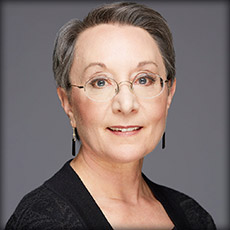
Olivier Colins is a Professor at the Department of Special Needs Education within the Faculty of Psychology and Educational Sciences at Ghent University since 2020. He previously held a senior researcher and assistant professor position at Leiden University Medical Center (2008–2018). His academic journey includes studies in Social Work and Special Needs Education, culminating in a PhD. Research Interests : Colins specializes in forensic screening, mental health assessment, and developmental trajectories of conduct problems and psychopathy in juveniles. His work explores risk factors, protective factors, and subtyping models (e.g., DSM-5 Limited Prosocial Emotions specifier) for conduct disorders. Grants : Leads two FWO-funded projects— Odysseus Program (2019–2023) and Junior Project (2021–2025) —investigating gender differences in criminal justice-involved youth. Collaborations : Works with international teams on cross-cultural validation studies (e.g., Greece, China, Spain) and neuroimaging analyses of amygdala networks in conduct-disordered youth. Key Publication Trends : Recent articles focus on multi-informant psychopathy models (e.g., STAR, multidimensional constructs), epigenetic markers for aggression, and longitudinal studies linking parenting styles to callous-unemotional traits. His work bridges clinical assessment, developmental neuroscience, and criminology.
Valeria Anna Sovrano is an Associate Professor at the Center for Mind/Brain Sciences (CIMeC) and the Department of Psychology and Cognitive Science at the University of Trento. Her research focuses on comparative cognition , brain asymmetries , and spatial-numerical skills in fish and reptiles , with a particular emphasis on visual perception of illusions and environmental geometry encoding . She leads the Lower Vertebrates Behavior and Neurobiology Unit at CIMeC and has supervised numerous doctoral projects. PhD in Experimental Psychology (University of Padua, 2004) Master degrees in Legal Psychology, Criminology, and Human Rights Recent work explores neurodevelopmental disorders in zebrafish models , inhibitory control in reptiles , and environmental pollutant impacts on cognition . Her studies on fish spatial navigation and numerical discrimination have been widely cited across cognitive science and developmental psychology. Notable awards include the AIP Section of Experimental Psychology award (2000) and the Gold Medal of the Italian President (2007) . She has taught courses like Biological bases of social behavior , Animal Cognition , and Psychobiology of stress , while coordinating STEM outreach programs and serving on equality & diversity committees.
Emily Simonoff is a Professor of Child and Adolescent Psychiatry at King's College London, leading the Department of Child and Adolescent Psychiatry and serving as Academic Lead for the CAMHS Clinical Academic Group at King's Health Partners. She is also a Senior Investigator at the National Institute of Health and Care Research (NIHR). Her expertise spans neurodevelopmental disorders, including autism, ADHD, intellectual disability, and antisocial behavior, with a focus on epidemiology and clinical research. Education: She holds a Doctor of Medicine (1983) and a Bachelor of Arts (1977) from Harvard University. Research Interests: Dr. Simonoff’s work emphasizes understanding the mechanisms, developmental trajectories, and interventions for neurodevelopmental disorders. Her projects include the IAMHealth initiative to reduce mental health problems in autistic individuals, longitudinal cohort studies like BIPP (Brain and Infant Programming Project), and collaborations such as EU-AIMS LEAP to uncover biological and behavioral underpinnings of autism. Key Awards: NIHR Senior Investigator (2023). Grants and Projects: She leads major studies including IAMHealth, BIPP, and the Pears Maudsley Centre for Children and Young People. Her work addresses remote monitoring systems (myHealthE), parenting interventions (ASTAR, OPTIMA), and digital health innovations. Labs/Teams: Active within the CAMHS Clinical Academic Group and EU-AIMS LEAP consortium, focusing on translational research and clinical applications.
Patricia K. Kerig is a Professor of Clinical Psychology at the University of Utah's Department of Psychology. Her research examines developmental processes contributing to risk and resilience across the lifespan, with focus on trauma, violence exposure, and juvenile justice involvement. Education includes: Postdoctoral Fellowship at University of Colorado (1990) Ph.D. from University of California at Berkeley (1989) Internship at Stanford University (1988) B.A. from University of California at Irvine (1982) Research focuses on trauma-linked pathways to delinquency, gender differences in psychopathology, moral injury, and family systems. Current projects investigate mechanisms linking childhood trauma to justice involvement using longitudinal and psychophysiological methods. Honors include the University Distinguished Scholarly and Creative Research Award (2018), Superior Research Award (2017), and Rockefeller Foundation Fellowship (2016). Current graduate students are Ava Alexander, Susan Chen, Mallory Kidwell, and Lucybel Mendez. Recent publications examine autonomic stress profiles in justice-involved youth, discrimination effects in detained populations, and PTSD assessment methodologies. Her lab maintains active collaborations with juvenile justice systems nationwide.
Julia Kim-Cohen, PhD, is a Senior Lecturer in the Department of Psychology at the University of Illinois Chicago (UIC), within the College of Liberal Arts and Sciences. She holds a BA from Stanford University and a PhD in clinical psychology from the University of Rochester. Her career spans research on resilience mechanisms, gene-environment interactions, and the developmental origins of mental health outcomes. Dr. Kim-Cohen has held roles at UIC, Yale University, and institutions abroad, including a postdoctoral fellowship at King’s College London. She focuses on teaching mental health implications of climate change and sustainable living. Her research explores how adverse experiences shape resilience versus psychopathology, including studies on maternal depression, child conduct problems, and genetic influences. She has received notable teaching awards, including the 2023 HOPE Award and 2022 Silver Circle Award for Teaching Excellence. Dr. Kim-Cohen serves on the editorial board of Development & Psychopathology and is a licensed clinical psychologist. Her teaching and scholarship emphasize integrating environmental sustainability with mental health. She has prioritized pedagogical innovation, including fellowships in the UIC Teaching Sustainability Initiative. Key research themes include childhood predictors of adult psychiatric disorders and interventions to promote resilience in vulnerable populations.
Dr. Elaine Murray is a Senior Lecturer in the School of Medicine at Ulster University, where she has been working since 2013. She is affiliated with the Northern Ireland Centre for Stratified Medicine and conducts research at the C-TRIC Building, Altnagelvin Area Hospital in Derry~Londonderry. Her work focuses on mental health research, particularly in college student populations, and she collaborates extensively with the Western Health and Social Care Trust and the Psychology Research Institute at Ulster University. Dr. Murray earned her BSc Hons in Biomedical Sciences with a Diploma in Industrial Studies from Ulster University in 2003. She completed her PhD in Neuroscience and Behaviour at the University of Massachusetts, Amherst in 2010, where her research demonstrated that perinatal disruption of histone acetylation leads to long-lasting changes in sexually dimorphic regions of the brain. Dr. Murray's research primarily focuses on identifying novel biomarker panels to improve diagnosis and treatment of psychiatric disorders. She is particularly interested in the role of epigenetic modifications and sex differences in the aetiology and treatment of mental health conditions. Her current projects include the Antipsychotic Response Study, Antidepressant Response research, Analysis of Antidepressant Prescribing Patterns in Northern Ireland, and the Ulster University Student Wellbeing Study, which is part of the WHO's Mental Health International College Student Project. Dr. Murray's extensive publication record shows a clear focus on mental health in college student populations, with particular attention to depression, suicidal behaviors, and the impact of childhood adversity. Her research employs multi-omics approaches to identify biomarkers and has increasingly incorporated microbiome analysis, particularly examining the relationship between oral microbiome variations and depression. She has established herself as a key contributor to the World Mental Health International College Student initiative, with numerous publications examining mental health patterns across international student populations. Vincent G. Dethier Award for Neuroscience and Behaviour Postgraduate Student of the year Fellow of the Higher Education Academy Member of the Society for Neuroscience Collaborative Award for Teaching Excellence (CATE) (2024) Distinguished Collaborative Education Excellence Fellowship (2023) Dr. Murray serves as coordinator of the Stratified Medicine Industrial Liaison Committee and as timetable coordinator for BSc (Hons) Stratified Medicine. She has secured significant research funding through projects like MOOD-Dx (as Principal Investigator), PEACETIME, iMPROVE, and the Personalised Medicine Centre Multi-Omics Lab. Her work with the Ulster University Student Wellbeing Study represents a major longitudinal research effort examining risk and protective factors for mental health problems in students over five years. Dr. Murray is actively involved in the Translational Neuroscience research group at Ulster University and collaborates with researchers across multiple disciplines. Her work on the Ulster University Student Wellbeing Study involves a large interdisciplinary team examining genetic and biological factors affecting mental health disorders and treatment efficacy. She also contributes to the Northern Ireland Centre for Stratified Medicine's efforts to develop personalized approaches to mental health treatment.
Dr. Pilar Fernández Martín is an Assistant Professor at the University of the Balearic Islands, affiliated with the School of Psychology's Department of Psychology. She holds a PhD and teaches courses such as Cognitive Therapies, Psychopathology, and Third-Generation Behavioral and Cognitive Therapies at both undergraduate and master's levels. Her research focuses on attentional control mechanisms, neuromodulation techniques, and behavioral profiles of neurodevelopmental disorders, particularly ADHD. Recent work explores metabolic biomarkers, functional connectivity, and the impact of environmental stressors like pandemic confinement on ADHD-affected families. She has contributed to educational innovation through multimodal e-books and gamification tools like escape rooms, aiming to enhance student engagement. Her publications span neuroscience, psychiatry, and educational technology, reflecting interdisciplinary expertise. Key trends in her research include dimensional approaches to psychiatric disorders, neuroimaging applications, and computational modeling of decision-making processes.
Andy Field is a Professor of Quantitative Methods in the School of Psychology at the University of Sussex. He specializes in statistical methodology, research methods in psychology, and statistics education. His work emphasizes innovative teaching approaches, such as integrating narratives and digital tools to enhance understanding of complex statistical concepts. He has held academic positions since 2000, progressing from Lecturer to Reader and eventually Professor, contributing significantly to both teaching and research. Field's qualifications include a D.Phil. in Psychology from the University of Sussex (1997) and a B.Sc. in Psychology from City, University of London (1994). He is a Chartered Statistician (Royal Statistical Society), National Teaching Fellow (HEA), and Fellow of multiple academic societies, reflecting his dual expertise in teaching and research. His research focuses on statistical methodologies, meta-analysis, developmental psychology, and the application of statistical tools in mental health interventions. Notable contributions include the Discovering Statistics textbook series and studies on healthcare worker stress, youth mental health, and statistical anxiety in university students. His awards highlight his excellence in teaching, such as multiple University of Sussex Education Awards and the British Psychological Society Book Award. Field collaborates widely, leading projects on digital training for mental health interventions and cross-cultural statistical studies. He advocates for methodological rigor in psychological research, addressing issues like publication bias and statistical model limitations.
Ellen Thompson is an Assistant Professor in Psychology at the University of Sussex's School of Psychology. She holds an honorary position at King’s College London (KCL) and collaborates with the Social, Genetic & Developmental Psychiatry Centre. Her academic journey includes a PhD from the University of Sussex (2014–2018), an MSc (2013–2014), and a BSc from the University of Reading (2009–2012). Her research focuses on developmental psychology and psychiatric epidemiology, leveraging large longitudinal datasets such as birth cohorts and twin studies. Key interests include environmental risk factors for mental health problems, genetic and environmental influences on mental/physical health, and pandemic impacts on healthcare and mental well-being. She co-developed the TIDAL tool for longitudinal analysis and contributed to the Wellcome Mental Health Data Prize. Ellen has received the British Journal of Psychiatry Editor’s Choice Award (2023) and the LIVES Best Paper Award for Early Scholars (2022). She advises on mental health projects, including the NIHR fellowships network and young carers initiatives. Her grants include the Wellcome Trust-supported 'Mental health trajectories following treatment' project (2022–2023). She teaches modules on developmental psychology and big data in mental health at Sussex.
Francis Vergunst is an Associate Professor in the Department of Special Needs Education at the University of Oslo (UiO), affiliated with the Faculty of Educational Sciences. His research focuses on early predictors of social, economic, and health inequities; child and adolescent behavioral problems; and the psychological impacts of climate change. He employs longitudinal cohort studies and administrative data to explore these topics, emphasizing developmental psychopathology and psychiatric epidemiology. Education: CIHR Postdoctoral Fellow, University of Montreal DPhil/PhD in Psychiatry, University of Oxford MSc in Mental Health Studies, King’s College London BSc in Psychology, University of Aberdeen Research Interests: Climate Change: Pathways linking climate stressors to mental health, including youth anxiety and adaptive strategies like nurturing care. Behavioral Disorders: Long-term outcomes of childhood externalizing/internalizing problems, including criminal behavior and economic mobility. Methodological Expertise: Birth cohorts, mediation/path analysis, and trajectory modeling. Key Themes in Publications: His work highlights the dual continuum framework for climate mental health impacts and the role of greenspace in mitigating inattention. Collaborations span Canada, Australia, and China, addressing substance use, suicide risk, and equity across lifespans. Affiliations: Member of the Behavioral Emotional and Social Difficulties (BESD) and Challenges of Sustainability in Educational Research (COSER) groups at UiO. Also affiliated with the International Summer School.
Marie Eikemo is a Researcher at the Department of Health, Developmental and Personality Psychology, University of Oslo. She leads the AffectiveBrains research group alongside Siri Leknes and is part of the Leknes Affective Brain Lab. Her work focuses on reward processes, opioid/endocannabinoid systems, and their roles in pain, stress, and decision-making. She coordinates the EU-funded OPIOIDREWARD project investigating opioid effects under stress and social perception. Eikemo’s research combines psychopharmacology with fMRI studies, examining opioid impacts on healthy and clinical populations. She also leads the CANNASTRESS project exploring endocannabinoids’ role in stress management. Her teaching includes cognitive neuroscience and peer review methodologies. She has authored/co-authored over 30 peer-reviewed articles, focusing on opioid use disorder, reward sensitivity, and social/homeostatic mechanisms.
Jon Trygve Monsen is a Lecturer at the Department of Psychology, University of Oslo. His research focuses on affect integration, psychotherapy outcomes, and interpersonal dynamics in clinical settings. He has contributed to the development of assessment tools like the Affect Integration Inventory (AII) and explored therapeutic processes in diverse populations, including children with anxiety disorders and psychiatric outpatients. His work emphasizes the role of emotional awareness and relational factors in mental health improvement. Key contributions include studies on therapy duration effects, alliance formation, and symptom-interpersonal problem interactions. He is affiliated with research projects like NMSPOP (Norwegian Multisite Study on Process and Outcome of Psychotherapy) and participates in the DRIVE research group focused on depression mechanisms.
Shakoor Pooseh is a Postdoctoral Research Fellow at the Freiburg Center for Data Analysis and Modeling (FDM) , affiliated with the Institute of Physics at the University of Freiburg. His research focuses on computational approaches to decision-making, resilience dynamics, and neuropsychopharmacology. He leads the Value-Based Decision-Making Battery project, a Bayesian adaptive assessment tool for impulsive and risky behavior, and contributes to the EU Horizon 2020 DynaMORE initiative modeling psychological resilience. Education: Completed a PhD in Computational Methods in the Fractional Calculus of Variations at the University of Aveiro, Portugal (2013), with prior work in fractional optimal control problems. His interdisciplinary background bridges mathematics, neuroscience, and clinical psychology. Research Interests: Explores mathematical psychology, computational neuroscience, and statistical modeling of decision processes. Key topics include serotonin/dopamine modulation of impulsivity, resilience dynamics under stress, and translational research in addictive disorders. He develops software tools for behavioral experiments and machine learning models. Grants/Projects: Principal investigator for the DynaM-OBS longitudinal study on resilience, and collaborates on interventions like DynaM-INT . His work integrates clinical data with computational models to understand mental health outcomes. Labs/Teams: Active in the FDM interdisciplinary group and the Institute of Physics’ neuroscience unit. Collaborates with psychiatric research teams at the University Medical Center Freiburg.
Lisa Thorell is a Professor at the Department of Clinical Neuroscience, Karolinska Institutet in Stockholm. Her research focuses on cognitive processes, ADHD, digital media's impact on child development and mental health, and outcomes for extremely preterm births. She holds a Ph.D. from Uppsala University (2003) and became an Associate Professor there in 2008 before moving to her current role in 2023. Thorell leads the Cognitive Processes and ADHD research group, part of the Stockholm Brain Institute. Her work includes longitudinal studies like the EXPRESS project on preterm infants and investigates how neuropsychological deficits (e.g., executive dysfunction, delay aversion) impact daily functioning in ADHD. She explores digital media's associations with child development, mental health (e.g., depression, self-esteem), and neurodevelopmental disorders. Recent studies address pandemic effects on education and mental health, particularly for children with ADHD/ASD. Thorell has received awards for innovative research on ADHD and family issues. Her grants include studies on digital media's mental health impacts and emotion regulation in ADHD. She co-developed the Childhood Executive Functioning Inventory (CHEXI) and other clinical tools. Collaborations span Europe, with publications in high-impact journals like Lancet Psychiatry and JAMA Network Open .
Michael Powers is an Associate Clinical Professor at the Child Study Center, Yale School of Medicine, Yale University. He serves as Director of The Center for Children with Special Needs in Glastonbury, CT. His academic roles include appointments in clinical psychology and psychiatry, focusing on behavioral assessment and intervention strategies for children with developmental disorders. Dr. Powers holds a PsyD from Rutgers University (1984). His research interests center on behavioral assessment methodologies, autism spectrum disorders, and evidence-based treatments for behavioral excesses/deficits in children. He has contributed to seminal works on applied behavior analysis, nonaversive interventions, and diagnostic frameworks for autism. His publications from 2005 to 2025 reflect a sustained focus on advancing clinical practices in behavioral therapy and autism care. Notable works include Behavioral Assessment of Individuals With Autism (2014) and Evidence-Based Treatment of Behavioral Excesses and Deficits (2010). Recent contributions (2020-2025) emphasize innovative intervention techniques and ethical behavioral approaches. Dr. Powers has been actively involved in professional development, including presentations at the International Meeting for Autism Research (2013) and community-focused initiatives like the Autism Spectrum Disorders in Infants and Toddlers workshop (2009). His clinical and academic work bridges research, education, and direct care for children with special needs.