Jan Anker Jahnsen is an Associate Professor affiliated with the Clinical Institute 2 at the University of Bergen. His research focuses on molecular pharmacology, particularly the remodeling of G protein-coupled receptors (GPCRs) and their clinical implications. He has contributed to studies on psychotropic drugs, drug interactions in ADHD treatment, and breastfeeding drug safety. His work integrates clinical pharmacology with methodological advancements, such as novel radioligand binding techniques for adrenoceptors. Jahnsen collaborates with Norwegian drug information centers (RELIS) to address practical clinical questions, including analgesic misuse and patient safety in allergy management. Key research themes include: molecular mechanisms of GPCR function, clinical drug interactions, and the application of AI in pharmacological decision-making. His publications span basic science to applied clinical studies, reflecting a translational research approach. While no awards are explicitly noted, his work demonstrates sustained contributions to drug safety and receptor biology.
Håvard Jenssen is a Professor in the Department of Chemistry at the University of Oslo, specializing in bioactive peptides and peptidomimetics within the Section for Chemical Life Sciences (Biomolecules, Bio-inspired Materials and Bioanalytics). His research focuses on antimicrobial applications against drug-resistant pathogens, with laboratory space in room Ø 202 at Sem Sælands vei 26. His primary research encompasses the design, synthesis, and mechanistic study of antimicrobial peptides and peptidomimetics targeting WHO priority pathogens including Klebsiella pneumoniae, Acinetobacter baumannii, Pseudomonas aeruginosa, and Candida auris. He investigates structure-activity relationships, membrane interactions, and resistance mechanisms using chemical biology, biophysical methods, and biological assays. His work bridges chemical synthesis with therapeutic applications in infectious disease. Recent publications (2024-2025) reveal dual research trajectories: antimicrobial peptoid development against multidrug-resistant pathogens and AI-driven medical imaging for hepatic vessel segmentation. This demonstrates an evolution from foundational anti-HSV peptide studies (2004-2006) toward broader antimicrobial applications and interdisciplinary collaboration with medical researchers. He actively participates in the Bio3 - Chemical Life Sciences research group at the University of Oslo, fostering collaborative work in chemical biology, biomolecular sciences, and translational research with clinical applications.
Jan Terje Andersen is a Professor in the Department of Pharmacology at the University of Oslo, Faculty of Medicine, and is affiliated with Oslo University Hospital. He leads the Laboratory of Adaptive Immunity and Homeostasis, focusing on the molecular mechanisms of IgG and albumin, particularly through the neonatal Fc receptor (FcRn), with applications in drug delivery, immunotherapy, and infectious disease. His research bridges fundamental immunology and translational biotechnology innovation. His research interests center on antibody engineering , albumin-based therapeutics , and immune regulation . Key areas include FcRn biology, antibody half-life extension, mucosal immunity, and intracellular antiviral defense via TRIM21. His lab investigates how molecular modifications can enhance the pharmacokinetics and biodistribution of biologics, enabling less frequent dosing and improved patient outcomes. His work also explores novel vaccine platforms and antibody technologies for cancer and infectious diseases. The recent publications highlight a strong trend in protein engineering for improved pharmacokinetics , particularly through FcRn engagement, and translational applications in oncology, virology, and autoimmune disorders. There is a consistent focus on pH-dependent binding, antibody developability, and innovative delivery systems, including mucosal and oral routes. His scientific awards include: Fridtjof Nansen Prize for Early Career Achievements Oslo University Hospital Early Career Award Member of The Young Academy of Norway Andersen actively mentors researchers and leads a highly innovative lab with extensive collaborations with biotech and pharmaceutical companies. His lab is recognized as the most innovation-productive at the University of Oslo and Oslo University Hospital through Inven2. He is involved in advising on drug development, translational research, and fostering innovation in academia. His laboratory explores therapeutic concepts in vaccine design, autoimmune disorders, and targeted delivery systems, with a strong emphasis on real-world applicability.
Tor Flå is a Professor at the Department of Mathematics and Statistics, UiT The Arctic University of Norway. His research spans mathematical modeling in biology and physics, with a focus on quantum chemistry, cancer dynamics, and bioinformatics. He leads projects in computational biology, plasma physics, and protein adaptation studies. Key contributions include developing the DeltaProt software for comparative genomics and advancing multiwavelet-based methods for electronic structure calculations. His work on leukemia stem cell dynamics and cold-adapted enzymes bridges mathematics and life sciences. Flå collaborates with international teams on nonlinear systems and has been affiliated with research groups like CoSMo (Complex Systems Modeling). Flå’s publications span journals like Journal of Mathematical Chemistry , PLOS ONE , and BMC Bioinformatics . He has advised interdisciplinary projects but no specific student names are listed. His research emphasizes computational methods, statistical analysis of biological sequences, and theoretical frameworks for complex systems.
Christiane Eichner is an Associate Professor at the Department of Biological Sciences (BIO), University of Bergen. Her work focuses on the molecular and biological mechanisms of the salmon louse ( Lepeophtheirus salmonis ), a major ectoparasite affecting salmonid aquaculture. She is affiliated with the Fish Disease Research Group (FDRG) and investigates host-parasite interactions, immune responses, and parasite physiology. Her research combines genomics, transcriptomics, and biochemical approaches to understand parasite adaptation, development, and interactions with hosts. Key areas of research include immune modulation by salmon lice, gene expression patterns during parasite development, and the molecular basis of blood-feeding and egg production. Her studies often address practical challenges in aquaculture, such as developing strategies to combat louse infestations. Eichner collaborates with institutions like the Institute of Marine Research and employs advanced techniques like RNA sequencing and co-expression network analysis. Her funding includes grants from the Research Council of Norway and the Fisheries and Aquaculture Industry Research Fund. She has advised multiple researchers and contributed to over a dozen peer-reviewed articles since 2015, with a focus on genomic studies, immune system dynamics, and parasite biology. Notable contributions include identifying molecular pathways in salmon louse development, characterizing enzymes involved in host settlement, and analyzing the role of extracellular matrix proteins. Her work bridges fundamental biology and applied solutions for sustainable aquaculture.
Viola Lobert is an Associate Professor at Oslo Metropolitan University, Faculty of Technology, Art and Design. She specializes in Cell Biology with a focus on signaling pathways in Developmental Biology and Cancer Research. She employs model organisms like zebrafish, fruit flies, mice, and organoids in her work. PhD from Radiumhospitalet under Harald Stenmark Postdoctoral training at Walter and Eliza Hall Institute (WEHI), Australia Co-leader of the Male Reproductive Health research group at OsloMet Teaching responsibilities in Biotechnology and Molecular Biology Her research interests span signal transduction , epithelial polarity , organoid cultivation , and zebrafish models for disease . She investigates how molecular pathways contribute to cancer development and uses 3D cell culture techniques to study cellular processes. Recent publications highlight her work on AMPK-regulated lumen expansion , integrin signaling in cardiac health , and organoid modeling for testicular cancer . Her studies also address environmental toxicants' impact on developmental neurotoxicity and the role of phosphoinositide metabolism in cancer progression. No scientific awards mentioned in the provided text. A dedicated educator, she has taught developmental biology at University of Oslo, cell biology at Østfold University College, and cell signaling at NTNU. Her research grants include a postdoctoral fellowship from South East Health. Viola collaborates with institutions like Radiumhospitalet and WEHI, and co-leads the Reproductive Health in Men research group with Jorunn Andersen. She is actively involved in the ADEPT (Advanced Health intelligence and brain-Inspired Technologies) research group.
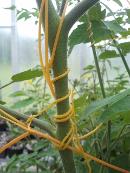
Kirsten Krause is a Professor in Plant Molecular Biology at the Department of Arctic and Marine Biology, UiT The Arctic University of Norway . Her research focuses on molecular mechanisms of plant adaptation, particularly in parasitic plants like Cuscuta , and their interactions with host organisms. She leads the national graduate school PhotosynTech and contributes to sustainable energy research through the Arctic Centre for Sustainable Energy (ARC) . Education: Diploma in Biology (1994, University of Hamburg); PhD (2000, Universities of Cologne/Kiel); Postdoc (2000-2002, University of Arizona) Her work explores: Molecular networks in Arabidopsis thaliana and Cuscuta species Cell wall degrading enzymes and their biotechnological applications Plastid-nuclear communication in plant cells Recent publications analyze host-parasite gene expression dynamics, enzyme specificity in parasitism, and hyperspectral imaging of root systems. She has received a ToppForsk Grant (2016-2021) and leads major national research initiatives. Her teaching includes courses on green biotechnology and microscopic imaging.
Karolina Joanna Szafranska is a Researcher at the Department of Medical Biology, UiT The Arctic University of Norway, specializing in liver sinusoidal endothelial cell (LSEC) research. She is a member of the Vascular Biology Research Group and currently works on the EU EIC Pathfinder project DELIVERy. Her research focuses on the application of super-resolution microscopy techniques to study fenestrations in LSECs. Dr. Szafranska completed her B.Sc. (2016) and M.Sc. (2017) in Biophysics from Jagiellonian University, Kraków, Poland, followed by a Ph.D. in Medical Biology (2022) from the University of Tromsø. Her doctoral research centered on novel screening methods for nanoscale changes in liver cell fenestrations elicited by pharmaceuticals. Her primary research interests lie at the intersection of biophysics, cell biology, and molecular biology, with a specific focus on liver sinusoidal endothelial cells. Dr. Szafranska employs various super-resolution microscopy techniques including SEM, SIM, STED, STORM, AFM, and confocal fluorescent microscopy, along with correlative microscopy approaches and advanced image analysis using tools like ImageJ/Fiji and Ilastik. Dr. Szafranska's publication record demonstrates a consistent focus on LSEC fenestrations, developing advanced imaging techniques to study these structures, and investigating how pharmaceuticals and toxins affect liver sinusoidal endothelial cells. Her work spans multiple disciplines including biophysics, cell biology, microscopy, and hepatology. She is involved in several significant research projects including NFR PACA Pill, EIC DeLIVERY, EU DeLIVER, and ImAge-D, highlighting her contributions to the field of vascular biology and liver research. Dr. Szafranska has supervised master's and bachelor's students in Biomedicine and has extensive experience in primary liver cell isolation, cell culture, immunostaining, and advanced microscopy techniques.
Kristian Flikka is an Associate Professor at the Department of Informatics, University of Bergen. His research focuses on computational methods in proteomics, bioinformatics, and mass spectrometry. He has expertise in developing tools for proteomic data analysis, including clustering algorithms, spectral quality filtering, and biomarker discovery. His work bridges computational techniques with life sciences, addressing challenges in data preprocessing, error reduction, and interpretability in AI models. Education: PhD in Computational Methods in High-Throughput Proteomics Research (2007) MSc in Methods for Analyzing 2D Electrophoretic Gel Images (2002) Research Interests: His research spans proteomics, computational biology, and AI applications in time series classification. Key areas include: Development of open-source tools for mass spectrometry data (e.g., ms_lims) Prediction of membrane protein structures (BOMP program) Pre-analytical proteomic data treatment Explainable AI for end-user model interpretation Publications: Over 15 publications since 2002, with notable contributions in BMC Bioinformatics , Proteomics , and Nucleic Acids Research . Recent work explores XAI in time series classification, reflecting expanded interests in AI interpretability. Awards & Grants: No specific awards listed, but his research has been supported by grants like the Norwegian Research Council (329745, 2022-2026). Labs/Teams: Collaborates with interdisciplinary teams at the University of Bergen, NORCE Norwegian Research Center, and international partners (e.g., Ghent University). Active in computational proteomics and AI-driven bioinformatics projects.
Eduard Gröller is a Professor at the Department of Informatics, University of Bergen. His research focuses on scientific visualization, medical visualization, and computer graphics, with emphasis on volume rendering, interactive systems, and visualization of complex data such as seismic volumes and protein dynamics. He has contributed to tools like VolumeShop and ViSlang, and his work spans medical imaging, climate data analysis, and bioinformatics. He has supervised PhD students including Daniel Patel and Johannes Kehrer. His recent articles address challenges in medical visualization, protein-protein interactions, and interactive navigation systems.
Kornel Labun is a Researcher at the Department of Informatics, University of Bergen. His work focuses on CRISPR genome editing, bioinformatics tool development, and computational biology. He holds a PhD in bioinformatics (2020) and has contributed to high-impact projects like CHOPCHOP, ampliCan, and ORFik. His research integrates advanced sequencing technologies with algorithmic solutions for genetic analysis. Key areas include CRISPR off-target detection, RNA sequencing analysis, and poly(A) tail measurement via tools like tailfindr. Labun's work bridges computational methods with biomedical applications, such as correcting T-cell deficiencies using CRISPR-Cas9 systems. He also develops open-source software for translational research, emphasizing reproducibility and scalability. Labun's projects span bioinformatics education (R Crash Course), game design (Hunter x Hunter tabletop RPG), and computational tools for longevity research. His collaborative efforts have led to widely cited resources like the CHOPCHOP website, used globally by researchers in genome engineering.
Stig William Omholt is a Research Professor and Research Director at the Kavli Institute for Systems Neuroscience at NTNU. His work bridges systems biology, neuroscience, and computational modeling. Key research interests include Alzheimer’s disease mechanisms, population dynamics modeling, and cardiovascular physiology. He has contributed to major initiatives like the Functional Annotation of All Salmonid Genomes (FAASG) and pandemic response strategies during the COVID-19 crisis. Publications span topics such as amyloid beta-reelin interactions in Alzheimer’s, household-targeted vaccination strategies, and mitochondrial genetics. His interdisciplinary approach integrates mathematical modeling with experimental data to address complex biological systems. Recent work emphasizes translational applications in personalized medicine and ecological conservation. Key Contributions: Alzheimer’s pathology modeling, wildlife population dynamics, and pandemic intervention strategies Collaborations: International teams in genomics, cardiology, and epidemiology Expertise: Systems-level analysis of physiological and ecological systems
Bjørn Torger Stokke is a Professor in the Department of Physics at the Norwegian University of Science and Technology (NTNU) . His research focuses on biophysics at the intersection of life sciences and engineering, with emphasis on the physical properties of biological macromolecules and their assemblies, such as hydrogels. Key areas include biopolymer interactions, polyelectrolyte complexes, and responsive hydrogels as biosensors. His work employs advanced techniques like atomic force microscopy (AFM), total internal reflection fluorescence microscopy (TIRFM), and dynamic force spectroscopy. Collaborations with NTNU NanoLab enable microfluidic chip fabrication for hydrogel research. Notable projects include studying amyloid structures, Toll-like receptors, and enzymatic mode-of-action through combined experimental and computational approaches. Publications span topics like hydrogel characterization, cancer cell mechanics, and plant cell wall analysis. His research bridges material science with biomedicine, addressing applications in diagnostics and therapeutics. Collaborations span national and international institutions, emphasizing interdisciplinarity.
Vincent Eijsink is a Professor of Biochemistry at the Norwegian University of Life Sciences (NMBU), Faculty of Chemistry, Biotechnology and Food Science. He has been a faculty member since 1993 and holds a leadership role in both research and academic governance, serving on the University Board and Faculty Board. He leads the Protein Engineering and Proteomics (PEP) research group and is a member of the Norwegian Academy of Science and Letters. His research spans biochemistry, biotechnology, microbiology, enzymology, proteomics, and industrial biotechnology , with a strong focus on enzymes, proteins, microbiomes, and bioprocesses. The PEP group investigates both fundamental mechanisms and applied industrial applications, particularly in biomass conversion and enzyme engineering. His work integrates microbiological systems with biochemical and structural approaches to understand and optimize enzymatic degradation of recalcitrant polysaccharides. The 15 most recent publications (2020–2022) reflect a consistent focus on lytic polysaccharide monooxygenases (LPMOs) , oxidative degradation of cellulose and chitin, hydrogen peroxide dynamics, enzyme kinetics, and biocatalytic applications. These works appear in high-impact journals such as Nature Communications , ACS Catalysis , and Journal of Biological Chemistry , emphasizing themes in sustainable biotechnology, enzyme synergy, and green chemistry. Scientific recognition includes membership in the Norwegian Academy of Science and Letters. His research is supported by major national and international funders including the Research Council of Norway, EU (Horizon & ERC), and the Novo Nordisk Foundation. Vincent Eijsink actively mentors researchers through his leadership of a large collaborative group with Gustav Vaaje-Kolstad. His research is embedded in major initiatives such as SFI-Industrial Biotechnology, FME-Bio4Fuels, SFI-Foods of Norway, and national infrastructure platforms NorBioLab and NAPI. He contributes to teaching in courses including Experimental Biochemistry (KJB201), Protein Chemistry (KJB310), Proteomics (KJB320), and Applied Biocatalysis and Biorefining (BIO335). The PEP group operates as a dynamic research team focused on protein engineering, enzymology, and industrial applications. It participates in multiple collaborative centers and infrastructure platforms, fostering interdisciplinary research in biocatalysis and sustainable bioprocessing.
Vidar M. Steen is a Professor of Clinical Molecular Medicine at the Clinical Institute 2 , University of Bergen, with a long-standing affiliation to Haukeland University Hospital. His research is centered on the molecular mechanisms underlying psychiatric disorders, particularly schizophrenia and bipolar disorder, with a strong emphasis on pharmacogenomics and gene expression. His research interests include: Molecular psychiatry and neuroinflammation Pharmacogenomics of antipsychotic drugs Lipid metabolism and metabolic side effects of psychotropic medications Transcriptomic and genomic analysis in psychiatric populations Gene-environment interactions in mental illness Over the past three decades, Steen has contributed to a large body of work exploring the genetic and molecular basis of psychiatric conditions. His recent publications highlight a focus on cytokine profiles, immune cell dynamics, and brain structure genetics, often in large collaborative cohorts. He frequently employs systems biology approaches, integrating genomics, transcriptomics, and clinical phenotypes. The most recent articles reflect a consistent trend in studying inflammatory markers, gene expression signatures in blood, and the impact of medications on metabolic and immune pathways in psychosis. His work increasingly involves advanced models such as iPSC-derived cortical spheroids to investigate lithium’s mechanisms in bipolar disorder. While no formal scientific awards are listed in the provided text, his extensive publication record in high-impact journals underscores significant scientific contributions. He has collaborated with numerous researchers in psychiatric genetics, particularly within the Norwegian and international consortia. Though specific advisees are not listed, his role as a professor suggests involvement in mentoring and academic training. His work often involves interdisciplinary teams focusing on psychiatric genomics, neuroimaging, and clinical biomarker discovery. He is based at the Laboratory Building (6th floor) at Haukeland University Hospital, indicating active involvement in laboratory-based molecular research.

.jpg)