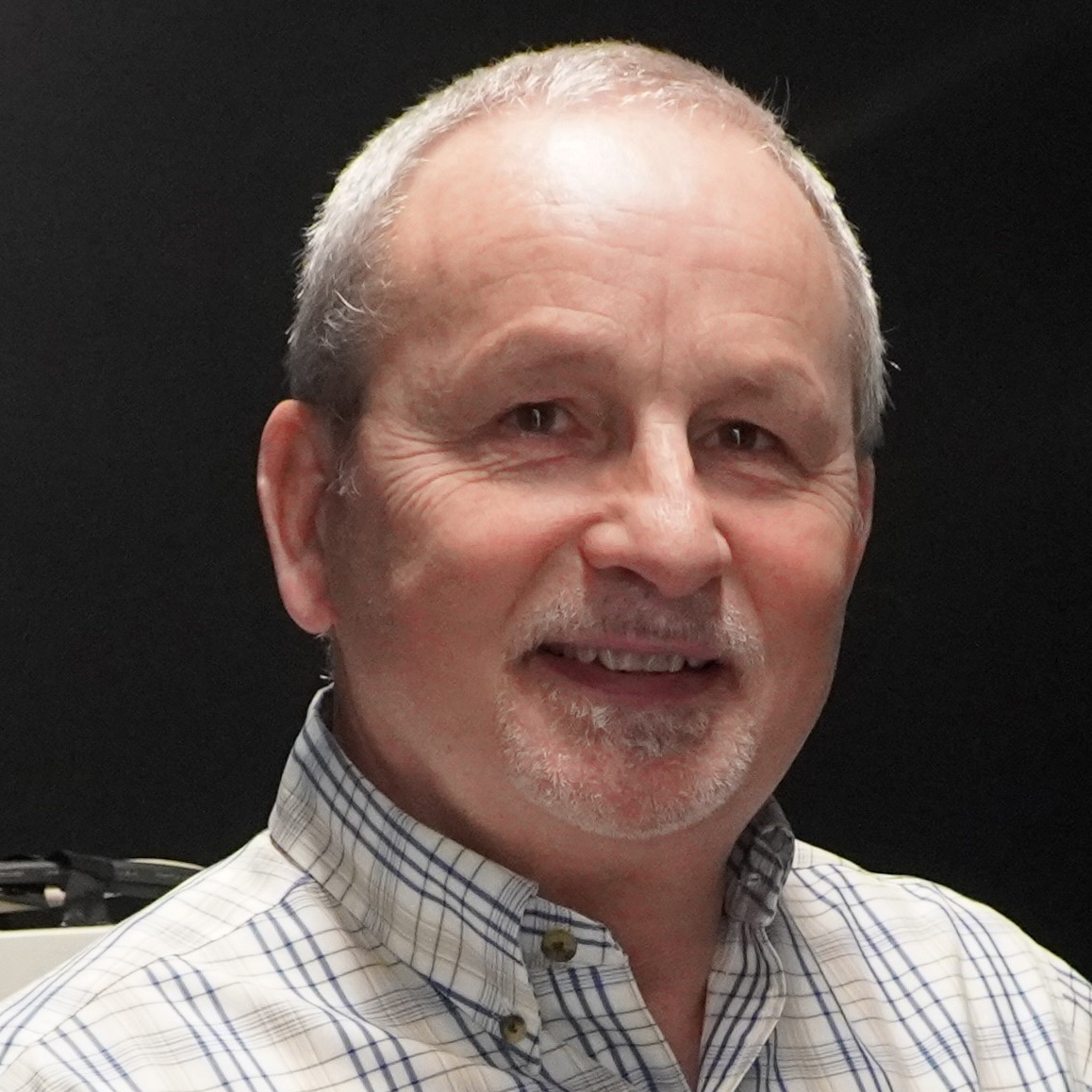
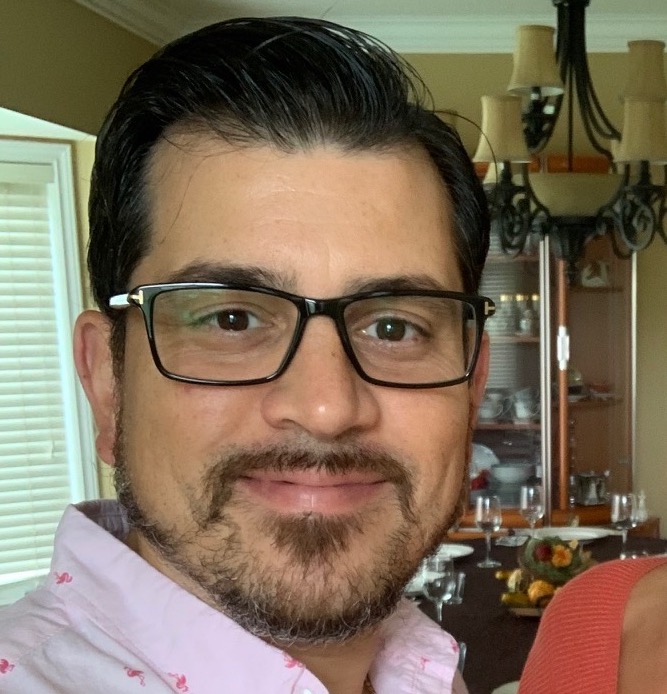
Dr. Martin Scanlon is a Professor and Dean of the Faculty of Agricultural and Food Sciences at the University of Manitoba. His work focuses on physical and structural changes in plant materials during food processing, particularly in oilseed-based systems and cereal products. Education: Operative Miller Certificate (with Distinction), City & Guilds (London), England PhD (Food Science), University of Leeds, England BSc Hons (Food Science), University of Leeds, England His research spans modeling process-ingredient interactions, aerated food materials, ultrasonic analysis, and grain-legume science. Recent projects include novel canola oil extraction methods and mitigating acrylamide precursors in wheat. Analysis of his publications reveals expertise in sustainable processing (supercritical CO₂, microemulsions), dough rheology, antioxidant recovery, and bubble dynamics in cereal systems. No scientific awards are explicitly mentioned. Dr. Scanlon is not currently accepting graduate students and has not disclosed specific grant funding or lab affiliations in the provided texts.
Marc Habash is an Associate Professor at the School of Environmental Sciences, University of Guelph. His work focuses on microbial interactions in environmental systems, particularly pathogen detection, microbial biofilms, and water quality. He holds a BSc in Cellular and Molecular Biology from the University of Toronto, an MSc in Microbiology and Immunology from the University of Western Ontario, and a PhD in Environmental Biology from the University of Guelph. Research interests include molecular and culture-based detection of waterborne pathogens, microbial source tracking using Bacteroidales spp., and biofilm formation studies involving probiotics. Collaborative efforts examine proteomic analysis via mass spectrometry techniques. His lab is located in the Edmund C. Bovey Building (Room 3238). Publications emphasize environmental microbiology applications: from yeast tolerance mechanisms to advanced PCR methods for microbial viability quantification. Recent work explores bacterial surface dynamics, insect pest diapause induction, and enzymatic dehalogenation processes. Research consistently bridges fundamental microbiology with practical environmental monitoring solutions. No scientific awards are listed. Advising and grants sections remain unpopulated in available records. His interdisciplinary approach connects environmental engineering, molecular biology, and ecological systems analysis.
David A. Hood is a Full Professor and former Canada Research Chair in Cell Physiology (2003–2024) at York University, affiliated with the School of Kinesiology and Health Science. He is the Founding Director of the Muscle Health Research Centre (MHRC) and supervises graduate students in the Biology Graduate Program. Research Interests: His research focuses on mitochondrial biogenesis, turnover, and function in skeletal muscle. He investigates how exercise, aging, and muscle disuse affect mitochondrial health, with a particular interest in mitophagy, lysosomal function, and cellular signaling. His work spans human, animal, and cellular models, integrating physiological, biochemical, and molecular biology approaches. Recent Publication Trends: Recent publications emphasize transcriptional regulation (e.g., TFEB, TFE3, ATF4, p53), organelle crosstalk (mitochondria-lysosome interactions), and the role of exercise as 'mitochondrial medicine.' His lab explores therapeutic interventions like mitochondrial transplantation and nutrient signaling in muscle health. Scientific Awards: Canada Research Chair in Cell Physiology (2003–2024) Finalist for a prestigious national award Advising and Grants: Dr. Hood actively mentors graduate students and postdoctoral fellows. He has secured significant funding, including a $1 million CIHR grant to study mitochondria and lysosomes in muscle. His lab fosters interdisciplinary collaboration and contributes to major reviews in the field. Labs and Teams: He leads the Hood Lab at York University and co-founded the Muscle Health Research Centre (MHRC), a multidisciplinary hub promoting research on muscle function, exercise, and aging. The MHRC facilitates collaboration across departments and institutions.
Priyanka Pundir is an Assistant Professor in the Department of Molecular and Cellular Biology at the University of Guelph. Her research focuses on innate immunity, particularly mast cell-mediated host-microbe interactions, and the role of G protein-coupled receptors (GPCRs) in immune responses against infections. She holds a B.V.Sc. from G. B. Pant University of Agriculture & Technology, a Ph.D. from the Atlantic Veterinary College (University of Prince Edward Island), and completed postdoctoral training at Johns Hopkins University. Education: B.V.Sc. – College of Veterinary Sciences, G. B. Pant University of Agriculture & Technology Ph.D. – Atlantic Veterinary College, University of Prince Edward Island Postdoctoral Fellowship – School of Medicine, Johns Hopkins University Her lab investigates how mast cells detect microbial signals (e.g., quorum-sensing molecules) and trigger immune defenses. Key discoveries include identifying the Mrgprb2 receptor’s role in antibacterial immunity and its implications for therapeutic development. Current projects explore neuroimmune interactions during infections and the functions of orphan Mrgprs. Her lab actively recruits motivated students and offers a PhD position starting in 2024. Contact: ppundir@uoguelph.ca .
Elizabeth A. Edwards is a University Professor at the University of Toronto in the Department of Chemical Engineering and Applied Chemistry , with cross-appointments to the Department of Cell & Systems Biology . As Director of BioZone and Canada Research Chair in Anaerobic Biotechnology, she leads groundbreaking research in microbial bioremediation of groundwater pollutants and industrial wastewater treatment through anaerobic digestion. Ph.D. in Environmental Engineering (Stanford, 1993) M.Eng. and B.Eng. in Chemical Engineering (McGill, 1985/1983) Licensed Professional Engineer (P.Eng.) Her research focuses on anaerobic microbial communities that degrade pollutants like chlorinated solvents and aromatic hydrocarbons. Using advanced molecular biology, genomics, proteomics , and biochemical pathway analysis , her lab investigates functional interactions in microbial consortia and translates discoveries to commercial applications such as the KB-1® bioproduct . Recent studies examine enzyme activity, lignocellulose degradation, and granulation dynamics in anaerobic reactors. Scientific Recognition: 2020 Killam Prize in Engineering 2016 Canada Research Chair (Tier 1) 2014 Royal Society of Canada Fellow 2011 Canadian Academy of Engineering Fellow 2011 AAAS Fellow 2008-2010 Killam Research Fellowship She supervises extensive graduate student projects spanning enzyme discovery, bioremediation optimization, and microbial consortium analysis. Her lab collaborates with GeoSyntec Consultants and SiREM Labs for field implementation of bioremediation strategies.
Anubhav Pratap-Singh is an Associate Professor in the Food, Nutrition and Health department within the Faculty of Land and Food Systems at the University of British Columbia, where he holds the Food and Beverage Innovation Professorship. He leads the UBC Food Process Engineering Laboratory and his research spans environmental and natural resources economics, food chemistry (including fermentation), and natural resource management. His primary research interests focus on agri-food transformation, cold plasma food engineering, food processing, functional foods, heat transfer, high pressure mass transfer, novel non-thermal processing, nutraceuticals, pasteurization, and pulsed light sterilization. Dr. Pratap-Singh's work addresses fundamental questions about the impact of food processing on food quality, how technology can maximize desirable effects while minimizing deleterious ones to feed the growing global population, and how to ensure food safety and nutrition for all socioeconomic groups. His research program is organized around three main pillars: developing novel processing technologies for food preservation, developing technologies for food fortification, and modeling the human GI tract to understand the interaction between food processing and human health. He has made significant contributions to sonic mixing technology for thermal processing and pulsed UV light processing for food surface decontamination, with particular expertise in processing of liquid particulate matter. Dr. Pratap-Singh has received numerous prestigious awards throughout his career, including the Banting Fellowship (2016) and Green College Leading Scholar award (2017). His work has been recognized with the Young Entrepreneur Award (2009), IFTPS Graduate Scholar designation (2014), and Gold Medal from the Institute for Thermal Processing Specialists (2014), among other fellowships and honors. He is affiliated with the BioProducts Institute and Materials and Manufacturing Research Institute at UBC, and supervises graduate students in Food Science (MSc and PhD programs). His laboratory focuses on interdisciplinary research that addresses critical challenges in food science, with implications for feeding the projected 10 billion people by 2050 while countering negative public perceptions around processed foods.
Sergio Burgos, PhD is an Associate Professor in the Department of Animal Science at McGill University's Faculty of Agricultural and Environmental Sciences, and a Scientist at the Research Institute of the McGill University Health Centre (RI-MUHC). He leads an interdisciplinary research program integrating animal nutrition, human health, and environmental sustainability. Pan-American School of Agriculture, Zamorano, Honduras (Agrónomo) University of Florida (BSc Animal Science) University of California, Davis (MSc Animal Science) University of Guelph (PhD Animal Science, 2009) Research Focus examines protein foods' roles in: Human Nutrition & Cardiometabolic Health Dairy Production Systems & Rumen Microbiome Milk Metabolomics & Bioactive Compounds Climate Impact Reduction through Dietary Transitions Publication Trends demonstrate: 2024-2025: Prioritization of plant-animal protein substitutions for climate & health 2020-2023: Mechanistic studies on amino acid regulation of mammary cell function 2016-2020: Foundational work on insulin resistance and dairy nutrition Awards Richard and Edith Strauss Postdoctoral Fellowship (2010-12) Professional Affiliations Regroupement OptiLAIT (2015-present) American Society for Nutrition (2015-present) Canadian Diabetes Association (2012-present) Teaches core courses in animal nutrition, protein metabolism, and computational ration balancing.
Dr. Jeremy Walsh is an Assistant Professor in the Department of Kinesiology at McMaster University, joining in 2020. He holds a PhD in Exercise Physiology from Queen’s University and postdoctoral training at the University of Ottawa and University of British Columbia Okanagan. His research focuses on mechanisms linking exercise, behavior, and cognitive health, aiming to develop interventions to optimize brain function across lifespans. Education: Bachelor of Arts (Honours Kinesiology) – Wilfrid Laurier University (2005-2009) MSc and PhD in Exercise Physiology – Queen’s University (2010-2017) Postdoctoral Fellowships: Children’s Hospital of Eastern Ontario Research Institute (2018-2020) and University of British Columbia Okanagan Research Interests: Dr. Walsh investigates how exercise, diet, sleep, and cognitive engagement impact brain health. Key areas include BDNF signaling, cerebral blood flow, and interventions to mitigate neurological decline. His work spans aging populations, obesity, and spinal cord injury rehabilitation. Teaching: Instructor for courses like Psychophysiology of Healthy Living, Exercise Psychology, and Movement Behaviors & Brain Health Supervises independent research projects in kinesiology Key Contributions: His studies on ketone supplementation’s effects on cognition, exercise responses in obesity, and BDNF modulation have been widely cited. Over 60 scholarly outputs since 2013 highlight his exploration of exercise neuroscience and metabolic health. Labs/Teams: Leads research groups studying neurophysiological adaptations to exercise and lifestyle interventions, collaborating with clinical partners in diabetes and spinal cord injury research.
Dr. Raj Rajakumar is an Associate Professor at Western University's Department of Anatomy and Cell Biology, cross-appointed with the Department of Psychiatry. His work focuses on molecular mechanisms underlying schizophrenia symptoms and autism neurobiology, employing animal models to study drug effects and neural signaling. He holds a PhD from the University of Western Ontario, with prior degrees in M.B.B.S. (University of Peradeniya) and M.Sc. (University of Western Ontario). Educations: Ph.D., Anatomy and Cell Biology, University of Western Ontario M.Sc., Anatomy and Cell Biology, University of Western Ontario M.B.B.S., Medicine, University of Peradeniya Research Interests: Molecular pathways in schizophrenia symptom manifestation Neurobiological basis of autism spectrum disorders Pharmacological interventions using antipsychotics and psychotropic drugs Neuroimaging techniques (fMRI, MRS) to study brain connectivity His research combines molecular biology, neuroanatomy, and behavioral assays in animal models to explore schizophrenia pathophysiology. Recent work includes maternal immune activation effects on fetal brain development, cannabinoid impact on executive function, and white matter inflammation in Alzheimer's models. Collaborations with Dr. W.J. Rushlow and others highlight translational research in neuropsychiatric disorders. Key contributions include automated MRI algorithms for medial temporal lobe analysis and longitudinal studies of glutamatergic deficits in schizophrenia. His work bridges basic science with clinical applications in mental health. Dr. Rajakumar's lab focuses on understanding brain circuitry disruptions in psychiatric disorders, with implications for novel therapeutic targets. No formal advisees are listed, but his research team actively engages in interdisciplinary collaborations.
Julian Guttman is a Professor in the Department of Biological Sciences at Simon Fraser University (SFU), specializing in Cellular Microbiology. He serves as Editor-in-Chief of the journal Cytoskeleton . His research focuses on bacterial infections' molecular mechanisms, particularly how pathogens like Listeria monocytogenes , E. coli , and Salmonella manipulate host cell cytoskeletons (actin, microtubules) to invade, spread, and cause disease. Key areas include actin-based motility, pathogen-induced membrane protrusions, and therapeutic development. His lab actively recruits undergraduate, graduate students, and postdoctoral fellows. Education: BSc (University of Western Ontario), MSc and PhD (University of British Columbia). He has published extensively on host-pathogen interactions, with recent work on Listeria's caveolin-mediated spreading, KATNAL1-driven microtubule disassembly by Klebsiella, and cyclophilin A's role in Salmonella invasion. His work bridges microbiology, cell biology, and structural biology to combat infectious diseases.
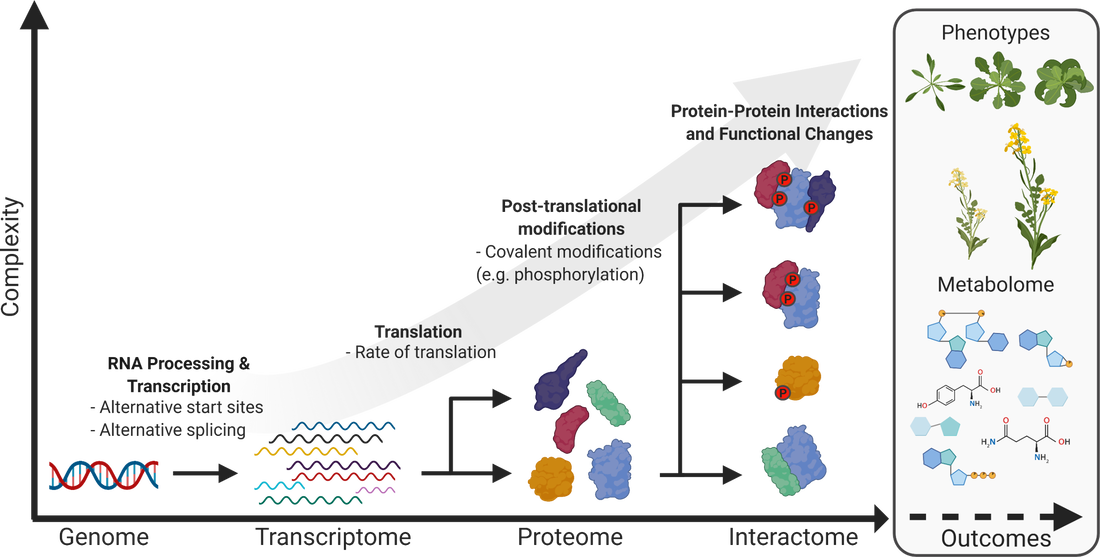
R. Glen Uhrig, PhD, is an Associate Professor of Plant Biology at the University of Alberta within the Department of Biological Sciences, Faculty of Science. His research focuses on plant functional genomics and proteomics, particularly examining diurnal regulation of cellular processes via quantitative proteomics in Arabidopsis thaliana and agriculturally relevant crops. The Uhrig Lab investigates post-translational modifications (PTMs) such as phosphorylation and acetylation to understand plant adaptation to environmental changes. Educationally, he holds a B.Sc.H. (2005) and M.Sc. (2008) from Queen’s University, followed by a Ph.D. from the University of Calgary (2013). His postdoctoral training at the Swiss Federal Institute of Technology (2017) furthered his expertise in plant systems biology. R. Glen Uhrig teaches courses including BIOL 343/543 (Macromolecular Characterization Techniques) and BOT 380 (Drug Plants), emphasizing hands-on proteomics and plant biotechnology. His awards include the ASTech Award (2022), NSERC Post-Doctoral Award (2015–2017), and the Marie Curie Plant Fellowship (2013–2015). His work bridges fundamental research with applications in agri-food production and crop resilience. Key research themes include: 1) Diurnal regulation of plant proteomes and PTMs, 2) Molecular mechanisms of plant immunity and stress responses, and 3) Leveraging proteomics to enhance crop productivity. The lab employs cutting-edge tools like quantitative mass spectrometry and multi-omics integration to address these questions.
Molly S. Shoichet serves as a University Professor at the University of Toronto's Faculty of Applied Science and Engineering, holding the Pamela and Paul Austin Chair in Precision and Regenerative Medicine and previously the Michael E. Charles Chair in Chemical Engineering. She leads the Shoichet Laboratory (Room 514, 160 College Street) focused on biomaterials-driven solutions for regenerative medicine and drug delivery challenges. Her educational foundation includes a B.Sc. from MIT and M.Sc./Ph.D. from the University of Massachusetts. This training underpins her cross-disciplinary approach integrating engineering, chemistry, and biology to address unmet medical needs. Shoichet's research centers on four synergistic pillars: (1) Targeted cancer delivery using colloidal drug aggregates for breast, brain, lung, and lymphoma; (2) Injectable hydrogels enabling sustained biomolecule release to the CNS for spinal cord/retinal repair; (3) 3D biomimetic scaffolds modeling disease microenvironments for drug screening; and (4) Cell delivery systems enhancing stem cell survival in blindness/stroke applications. Her lab emphasizes translational impact through commercialization efforts like AmacaThera. Analysis of her 2021-2025 publications reveals accelerating innovation in RNA delivery platforms, neural repair strategies, and disease-specific hydrogel systems, with strong emphasis on pulmonary delivery, stroke recovery mechanisms, and ocular therapeutics. These works bridge nanomedicine, regenerative biology, and clinical translation across cancer and neurological disorders. Her exceptional contributions are recognized through over 30 major honors including: Gerhard Herzberg Canada Gold Medal (2020) Killam Prize in Engineering (2017) Foreign Membership in US National Academy of Engineering (2016) Fellowship in The Royal Society (2019) Officer of the Order of Canada (2018) L’Oréal-UNESCO For Women in Science Laureate (2015) Shoichet actively mentors graduate students (including OGS/QEII scholars Chris Ling, Nadiyah Khan, and Riley Li) and secures major funding from Natural Sciences and Engineering Research Council (NSERC), Canadian Institutes of Health Research (CIHR), Canada First Research Excellence Fund (Medicine by Design), Krembil Foundation, and McEwen Foundation. Her lab operates as a multidisciplinary hub collaborating with stem cell biologists, neurosurgeons, and cancer researchers to advance therapeutic pipelines. The Shoichet Lab maintains state-of-the-art facilities for polymer synthesis, cell culture, and in vivo testing, with current projects focused on RNA delivery stabilization, glaucoma treatment systems, and stroke recovery mechanisms. Her TERMIS-Americas leadership and commercialization initiatives demonstrate commitment to translating biomaterials innovations into clinical impact.
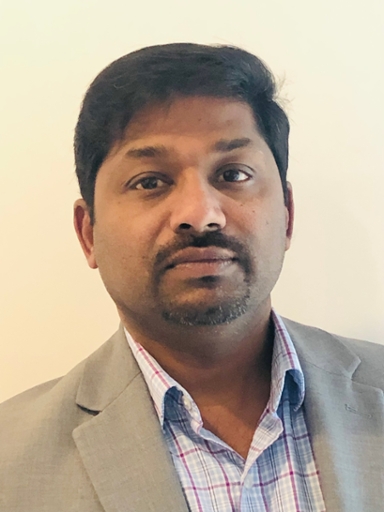
Dr. Anand Krishnan serves as Assistant Professor in the Department of Anatomy, Physiology and Pharmacology at the University of Saskatchewan's College of Medicine, where he leads research on nerve-tumor interfaces and neural macrophage biology. His work bridges neuroscience and oncology to identify therapeutic targets for cancer and neurodegenerative disorders. Education: Postdoctoral Fellow, Division of Neurology, University of Alberta, Canada Postdoctoral Fellow, Clinical Neurosciences, University of Calgary, Canada PhD in Biotechnology (Cancer Biology), Rajiv Gandhi Centre for Biotechnology, India Master of Pharmacy (Pharmacology), Manipal University, India Pharma R&D Experience: Orchid Chemicals and Pharmaceuticals Limited; Alembic Pharmaceuticals Limited Dr. Krishnan's research program investigates two core areas: molecular mapping of tumor-nerve interfaces to uncover novel therapeutic targets, and defining the roles of self-renewing resident macrophages in nervous system homeostasis and disease. His lab employs proteomics, murine models, and in vitro neuronal cultures to explore how tumors and nerves mutually support growth through neural invasion and autonomic signaling. Analysis of his 2020-2024 publications reveals consistent focus on neuro-oncology mechanisms, particularly peripheral nerve regeneration pathways (Myc interactome, growth-primed DRG), tumor-nerve crosstalk (sympathetic signaling in prostate cancer), and neurodegenerative targets (MANF). Key methodologies include comparative proteomics, molecular mapping, and drug repurposing screens. Research Funding: Natural Sciences and Engineering Research Council (NSERC) Cancer Research Society (CRS) CIHR Institute of Cancer Research Breast Cancer Society of Canada (BCSC) Prostate Cancer Fight Foundation (PCFF) & Ride for Dad Saskatchewan Health Research Foundation (SHRF) College of Medicine Research Award (CoMRAD) CoMBRIDGE Fund Start-up Research Fund Based at Saskatoon City Hospital within the Cameco MS Neuroscience Research Centre, the Krishnan Lab trains students supported by NSERC USRA, Dean's project fellowships, OVDR Biomedical research fellowships, and Mitacs awards. The lab's strategic location adjacent to the Meewasin Valley provides collaborative opportunities for translational neuroscience research focused on nerve regeneration and cancer therapeutics.
John Hanrahan is a Professor in the Department of Physiology at McGill University, leading the Cystic Fibrosis Transmembrane Regulator Function Laboratory. His research focuses on understanding epithelial chloride transport mechanisms, particularly the CFTR protein’s role in cystic fibrosis (CF) and chronic obstructive pulmonary disease (COPD). He employs electrophysiology, imaging, and molecular biology techniques to study CFTR structure-function relationships and develop therapeutic correctors for CFTR mutations. Education: BSc(Hon) from Dalhousie University, PhD from University of British Columbia, and postdoctoral training at Yale University. Research emphasizes: 1) CFTR clustering dynamics and lipid membrane interactions, 2) CFTR corrector drug development (e.g., MCG1516A, LAU-7b), 3) CFTR’s role in mucus production and host defense, and 4) pharmacological modulation of cyclic nucleotide pathways. Recent work explores combinations of CFTR modulators and lipid metabolism interventions to address CF pathophysiology. Key findings include demonstrating lipid-driven CFTR clustering defects in CF and identifying novel compounds that restore CFTR trafficking. His studies also reveal CFTR’s interplay with bitter taste receptors (T2R14) and PDE enzymes in immune responses.
Associate Professor Jean-Paul Paluzzi is part of the Biology Department at York University's Faculty of Science, serving as Graduate Program Director. His research focuses on neuroendocrine mechanisms in blood-feeding arthropods like mosquitoes and ticks, particularly how hormones regulate physiological processes such as osmoregulation and reproduction. His lab uses multidisciplinary approaches (physiological, genetic, molecular) to study signaling pathways in disease vectors like Aedes aegypti (yellow fever mosquito) and Ixodes scapularis (Lyme disease vector). Key research areas include neurohormonal control of epithelial tissues, stress responses, and the functional roles of proteins involved in neuroendocrine communication. Recent work explores CAPA neuropeptides' anti-diuretic effects, aquaporin regulation, and receptor characterization. His lab's findings aim to advance strategies for controlling disease-transmitting insects. Paluzzi leads the Paluzzi Lab and has contributed to over 50 peer-reviewed articles. His work aligns with UN Sustainable Development Goal 'Life on Land' by addressing vector-borne disease challenges.