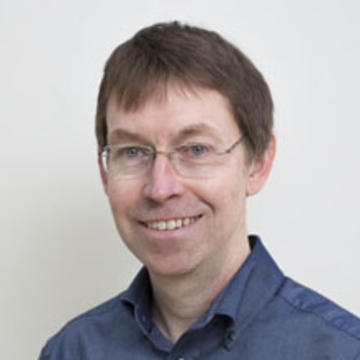
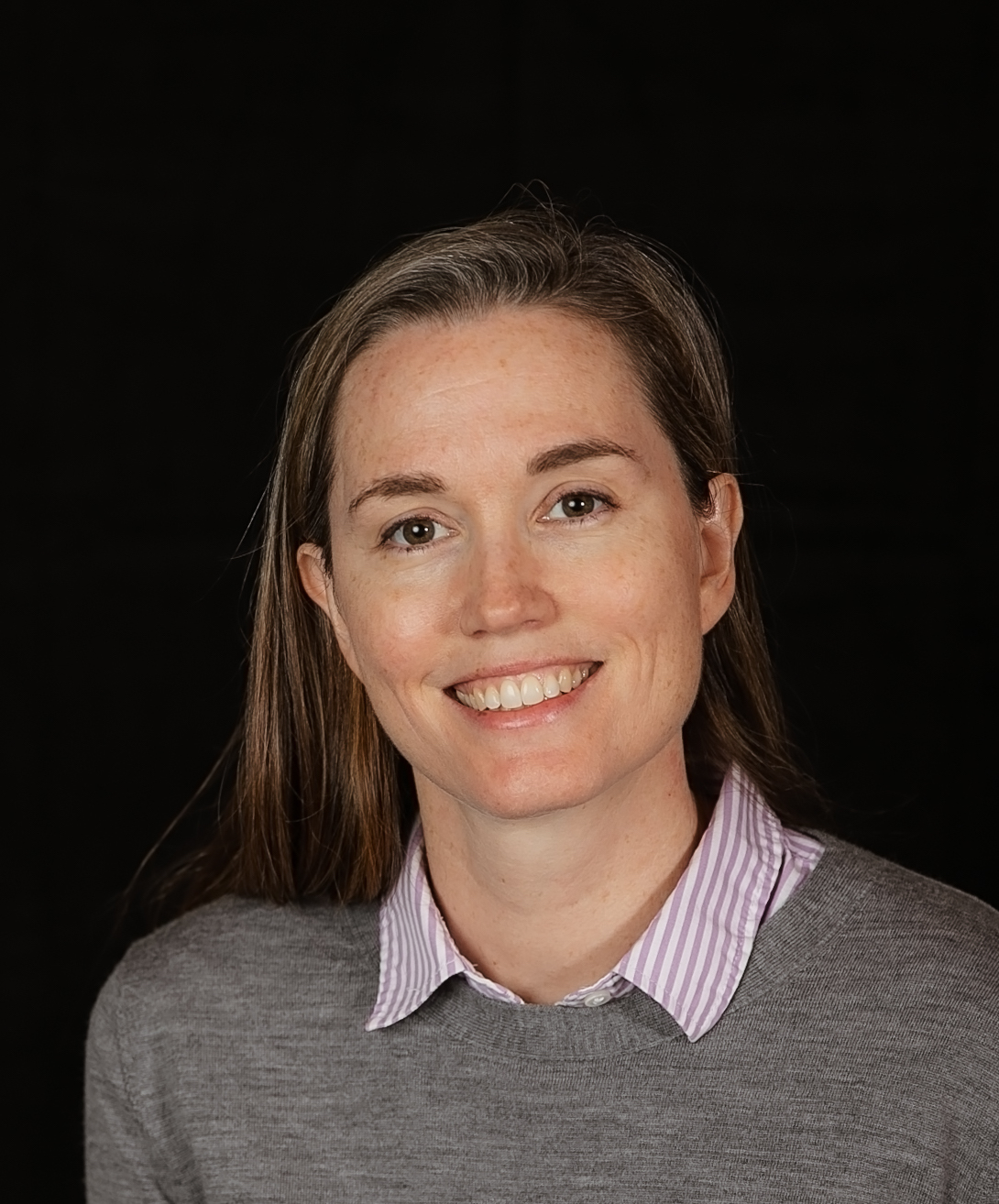
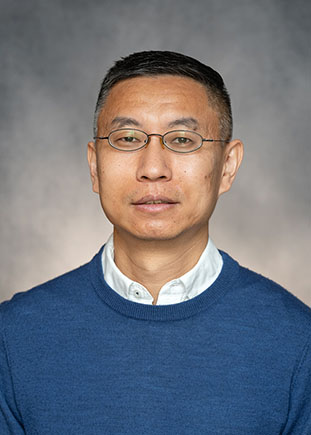
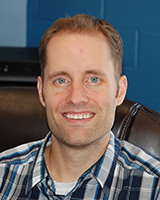
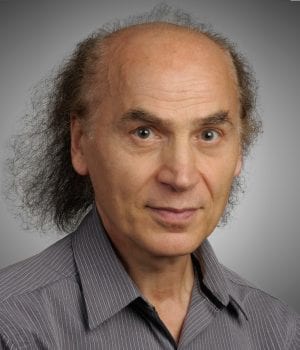
Borja Valverde Pérez is an Associate Professor in the Department of Environmental and Resource Engineering at the Technical University of Denmark (DTU). His research advances sustainable water resource recovery through biotechnology innovations. Research focuses on microalgae cultivation, microbial protein production, and bioelectrochemical systems for water treatment. Key projects explore nutrient recovery from waste streams and greenhouse gas mitigation in biological processes. Recent publications demonstrate innovative approaches to wastewater valorization, including microalgae-bacteria consortia for pollutant degradation and inorganic bioelectric systems for low-temperature denitrification. Work integrates experimental validation with life cycle assessment. He coordinates projects on industrial symbiosis and circular economy applications in water systems. Current initiatives investigate decarbonization pathways for water resource recovery facilities through energy-flexible operation.
Professor Tim Claridge is a Visiting Professor of Nuclear Magnetic Resonance at the University of Oxford's Department of Chemistry. His research focuses on developing NMR techniques for structural characterization of molecules, studying protein-ligand interactions, and applying NMR-based metabolomics for disease diagnosis. Collaborations include work with Professors Chris Schofield, Daniel Anthony, and Niki Sibson, among others. Key research areas include: Development of NOAH NMR supersequences for efficient small molecule characterization Protein-observe and ligand-observe NMR methods to study biological systems (e.g., oxygen sensing, epigenetics, antibacterial resistance) NMR metabolomics applied to multiple sclerosis and cancer research He leads the NMR Facility and collaborates across disciplines within the University of Oxford and external institutions. His work emphasizes methodological innovation in NMR spectroscopy and its translational applications in chemical biology and clinical research.
Zhipeng Lu is currently an Associate Professor of Pharmacology and Pharmaceutical Sciences at the University of Southern California (USC) School of Pharmacy. His research focuses on understanding RNA molecules and their structural complexity as a second layer of genetic instructions beyond protein encoding. He directs the Lu Lab at USC, which develops and applies novel technologies to investigate RNA structures, interactions, chemical modifications, and functions in cellular processes and animal development. Dr. Lu's research interests center on "RNA machines" in living cells, with particular emphasis on how RNA molecules fold into structures and form intermolecular interactions to execute genetic instructions. His work spans multiple dimensions of RNA biology, including RNA structure-function relationships, RNA-protein interactions, RNA modifications, and the role of RNA in human diseases such as genetic disorders and viral infections. The lab combines computational, chemical, and biological approaches to elucidate fundamental mechanisms of RNA machines, with the ultimate goal of developing new understanding and therapies targeting human diseases. Analysis of Dr. Lu's publication history reveals a strong trajectory in RNA structure and interaction mapping technologies. His work has evolved from foundational studies on RNA processing and modification to developing innovative high-throughput methods like PARIS and RISE for analyzing RNA interactomes. Recent publications focus on specific RNA systems like XIST and snoRNAs, demonstrating how his lab has moved from method development to applying these tools to solve longstanding biological questions in epigenetics and RNA therapeutics. Dr. Lu has received numerous prestigious awards recognizing his contributions to RNA research: NHGRI K99/R00 NIH Pathway to Independence Award (2017-2022) RNA Society Scaringe Award (2017) Stanford University Jump Start Award for Excellence in Research (2016-2017) Damon Runyon-Sohn Fellowship (2015-2017) His research is supported by multiple funding sources from organizations including the National Institutes of Health and other foundations. The Lu Lab is actively recruiting PhD students and postdoctoral researchers to work on several cutting-edge directions including RNA structures, interaction networks, RNA modification mechanisms, and their roles in development and disease. The lab integrates biological, chemical, and computational approaches to advance RNA biology and push forward RNA medicine. The Lu Lab at USC is a dynamic research environment focused on "RNA machines" with recent highlights including solving aspects of the orphan snoRNA problem and discovering snoRNAs that control eMet tRNA activity. The lab's vision emphasizes creative exploration of RNA biology, with researchers encouraged to pursue innovative ideas much like "wild animals running in the African savannah." Current research directions include analysis of RNA structures, interaction networks, RNA modification mechanisms, and their roles in development and disease, with applications to genetic disorders, cancers, and viral infections.
O.J. Luiten is Full Professor in the Coherence and Quantum Technology group at Eindhoven University of Technology. His research focuses on fundamental quantum physics, materials science, nanotechnology, and life sciences, with emphasis on improving temporal resolution in electron microscopy and developing ultracold electron sources. He leads the Coherence and Quantum Technology group and is a core member of ICMS. His research interests center on quantum materials, ultrafast electron microscopy, and coherent light-electron interactions. Key areas include: Ultracold plasma applications for high-coherence electron sources Coherent manipulation of electron beams using laser light X-ray generation via electron beams His publications demonstrate a consistent focus on advancing charged particle beam technologies and light-matter interactions, with recent work emphasizing compact X-ray sources, ultrafast microscopy, and quantum electron manipulation. Scientific Awards: Smart*Light: Een tafelmodel synchrotron (2016) He leads multiple research projects including 'ICS-SAXS: Hard X-ray metrology' and 'Smart*Light 2.0', collaborating with institutions like ASML. Manages labs for ultrafast electron microscopy and quantum beam technology.
Dr. Kelly Burkett is an Associate Professor in the Department of Mathematics and Statistics at the University of Ottawa, within the Faculty of Science. She specializes in Statistical Genetics and Genetic Epidemiology, focusing on genealogical relationships, population substructure, and family-based study designs. Her work includes software development for genetic data analysis, such as SMLE and GENLIB. Dr. Burkett holds an MSc and PhD from Simon Fraser University. Research Interests: Dr. Burkett’s research addresses challenges in genetic epidemiology, including maternal effects, gene-environment interactions, and the impact of population substructure on study design. Her methodologies often integrate computational tools to analyze large-scale genetic datasets. She actively collaborates with biomedical researchers, inspiring new questions in statistical genetics and genomics. Publications & Software: Her recent work includes studies on orofacial clefting etiology, software for high-dimensional feature screening, and genealogical simulations in French Canadian populations. Her articles span topics from computational genetics to molecular biology, emphasizing interdisciplinary approaches. Advising & Collaborations: Dr. Burkett has mentored over 20 students and trainees across MSc, PhD, and postdoctoral programs. Current advisees include Yuewen Pan (MSc) and Yuhao Feng (PhD). Past students hold roles in academia, healthcare, and industry. She collaborates on biomedical projects, leveraging statistical methods to address genetic and environmental interactions. Labs & Teams: While no formal lab is explicitly mentioned, her software contributions (e.g., hapassoc, sampletrees) and collaborative projects suggest involvement in computational biology and genetics research networks at the University of Ottawa and beyond.
Martin Steinegger is a researcher affiliated with Johns Hopkins School of Medicine and previously held roles at institutions such as the Max Planck Institute for Biophysical Chemistry and Technical University of Munich. His research focuses on bioinformatics, protein structure prediction, and computational methods for analyzing large genomic datasets. He has contributed to tools like MMseqs2, ColabFold, and Foldseek, advancing fields like metagenomics and structural biology. His work emphasizes scalable algorithms and open-source software development. Education includes a Master of Computer Science from Ludwig-Maximilians-Universität München (2013-2014) and a Ph.D. from Technical University of Munich (2014-2018). He has also held visiting scholar positions at Seoul National University, Centre for Genomic Regulation, and University of California, San Francisco. Key research interests revolve around protein structure prediction, metagenomic analysis, and developing machine learning frameworks for biological data. His publications highlight innovations in protein language models, structural phylogenetics, and database management systems. Notable contributions include the AlphaFold Protein Structure Database, MMseqs2 sequence search tool, and ColabFold for accessible protein folding predictions. His work bridges computational methods with biological discovery, addressing challenges in structural biology and genomic data interpretation.
Michael Brown is a Professor of Chemistry and Physics at the University of Arizona, holding a joint faculty appointment. His research focuses on atomic, molecular, and optical physics, biological physics, and nuclear physics. He holds a Ph.D. from the University of California at Santa Cruz (1975). His work explores membrane protein dynamics, lipid interactions, and the role of hydration in G-protein-coupled receptor (GPCR) activation. He employs advanced techniques like solid-state NMR, femtosecond X-ray scattering, and quantum mechanical/molecular modeling. Education: Ph.D., 1975, University of California at Santa Cruz Research interests emphasize understanding how lipid membranes, cholesterol, and water modulate protein function. Key areas include rhodopsin activation mechanisms, antimicrobial peptide interactions, and membrane stiffening effects of cholesterol. His interdisciplinary work bridges computational simulations and experimental techniques. Recent articles highlight studies on lipid-protein interactions, rhodopsin activation dynamics, and membrane mechanics, showcasing his focus on ultrafast biophysical processes and structural biology. Awards: None explicitly stated in provided texts. Advising and grants: No student advisees or grant details listed. Collaborations are central to his research, as seen in joint projects on lipid membranes and GPCRs.
John Rouse is a Professor and Scientific Programme Leader (MRC) of Chromosome Biology at the MRC PPU. His research focuses on DNA repair mechanisms, chromatin structure, and genome maintenance. He leads projects funded by the Medical Research Council (MRC) and other institutions, including collaborative efforts on chromatin remodelling and DNA interstrand crosslink repair. Key roles: MRC QQR Programme Leader (2018–2024), Investigator on multiple collaborative grants. Research interests: Chromosome biology, DNA damage response, histone chaperones, and kinase signaling pathways. His work contributes to understanding genome integrity and has implications for cancer therapy and neurodegenerative diseases. Notable projects include the study of NEK1 kinase in ALS and the development of targeted cancer therapies using PROTAC technology. John has been involved in public engagement activities, such as the Discovery Days 2012 event, promoting science outreach.
Nicholas J. Provart is a Professor and Chair of the Department of Cell & Systems Biology at the University of Toronto. He is a founding member of the Centre for the Analysis of Genome Evolution and Function (CAGEF) and a key contributor to the Bio-Analytic Resource (BAR), which provides essential bioinformatics tools for plant research. His work focuses on integrating genomic and transcriptomic data to uncover mechanisms of plant stress biology, development, and evolution. Provart earned his Ph.D. from Freie Universität Berlin (1996), and his M.Sc. and B.Sc. from the University of Toronto (1993 and 1990, respectively). Research Interests: Provart’s lab employs systems biology approaches to analyze plant responses to abiotic and biotic stresses, particularly using cluster analysis of gene expression data. Key areas include plant stress signaling, seed development, and the functional roles of transcription factors and cytochrome P450s. His team develops tools like the BAR platform to facilitate large-scale data integration and visualization. Recent Grant: $2.5M NSERC grant (2024) to advance plant health visualization tools. Award: Recognized with the Arabidopsis community award (2025) for decades of research and outreach. Provart also serves on the Multinational Arabidopsis Steering Committee and chairs the Bioinformatics and Computational Biology Program. His lab’s work spans diverse plant species, including Arabidopsis, maize, and wheat, with a focus on translational applications of genomic data.
Muhammad Waqas is a researcher affiliated with COMSATS University Islamabad , where he holds a position in the Department of Meteorology under the School of Applied Sciences and Humanities . His academic collaborations span institutions like Bahria University, National University of Technology, and University of Bahrain, indicating a multidisciplinary approach. Research interests include Mechanisms for integrating fuzzy logic and machine learning in health monitoring Application of deep learning to medical imaging and clinical diagnostics Development of smart sensors for wearable technology in biomechanics Analysis of social media data for public health surveillance and sentiment analysis Investigation of digital citizenship and ICT leadership in educational contexts Trends in his 15 most recent publications (2025-2024) reveal a focus on medical diagnostics (e.g., monkeypox, breast cancer), smart infrastructure (e.g., sensor placement, structural health monitoring), and social media analytics for health and behavioral insights. These works leverage machine learning , fuzzy systems , and multi-objective optimization .
Melissa Jones is an Assistant Professor in the Department of Microbiology & Cell Science at the University of Florida. Her research focuses on understanding viral-bacterial interactions, particularly how norovirus and other pathogens exploit bacterial extracellular vesicles and host-microbiome dynamics to facilitate infection. She investigates mechanisms of pathogenesis, immune modulation, and antiviral strategies leveraging bacterial-derived vesicles. Dr. Jones' work bridges microbiology, virology, and immunology, with a focus on translational applications such as vaccine development and infection control. Her studies employ advanced molecular techniques to dissect the roles of bioactive lipids, carbohydrate interactions, and host immune responses in infectious disease contexts. Recent research highlights include characterizing how bacterial extracellular vesicles inhibit viral replication, modulate immune responses, and shape microbiome composition. Her findings have implications for understanding chronic infections in immunocompromised patients and improving food safety measures against norovirus outbreaks. Contact: mmk@ufl.edu | Room 1148, Microbiology Building 981 Key Areas: Norovirus pathogenesis, bacterial-viral crosstalk, extracellular vesicle biology, host-microbiome interactions
Fangwei Si is the Cooper-Siegel Assistant Professor of Physics at Carnegie Mellon University's Department of Physics, with courtesy appointments in Biomedical Engineering. His research focuses on uncovering biological laws through quantitative biophysics , integrating microfluidics , imaging , and physical modeling . He previously held postdoctoral positions at The Scripps Research Institute and University of California, San Diego, and earned his Ph.D. in Mechanical Engineering from Johns Hopkins University. Ph.D.: Johns Hopkins University (2015) B.S.: Peking University (2009) His research bridges cell surface biophysics , cellular adaptation , and bacteria-phage interactions , emphasizing how cells optimize fitness through precise membrane organization and component redundancy . Current projects explore mechanical compression effects , quantitative adaptation principles , and phage-host coevolution . The lab's articles reveal trends in cell size control (2017-2019), mechanosensation (2018), and stochastic modeling (2020-2021), extending to machine learning approaches (2025) and high-throughput imaging (2024). Key methods include microfluidics , genetic modulation , and physical modeling . At CMU, Si leads the Experimental Cell Biophysics Lab, mentoring Ph.D. students like Mo Zhou and Christopher Aldrich , alongside postdocs and undergraduates. His lab received NIH and NSF grants in 2023 to advance research on microbial systems.
Dr. Stephen Renaud is an Associate Professor in the Department of Anatomy and Cell Biology at Western University. He holds a PhD and B.Sc. from Queen's University. His research focuses on placental development and function, particularly the cellular and molecular mechanisms underlying trophoblast differentiation and maternal-fetal immune interactions. Key interests include OVO-like transcription factors, endogenous retroviral genes, and maternal immune tolerance. His work bridges basic science with public health implications, addressing complications like pre-eclampsia and fetal growth restriction. Publications emphasize placental biology, immunology, and developmental mechanisms, with contributions to journals like Placenta , Proceedings of the National Academy of Sciences , and Cellular and Molecular Life Sciences . No scientific awards are listed, but his research has been widely cited (h-index 28). He advises no listed students but maintains an active lab exploring placental biology. His office is in the Medical Sciences Building, Room 428, with contact via srenaud4@uwo.ca.
Dr. Suren Tatulian is a Professor in the Department of Physics at the University of Central Florida (UCF), with a joint affiliation at the Biomolecular Sciences Center. He holds a BS in Physics from Yerevan State University, Armenia, and a PhD in Biology from the Institute of Cell Biology, St. Petersburg, Russia. Research Focus: Molecular biophysics, protein-membrane interactions, amyloidogenesis, interfacial enzymology, and neurodegenerative disease mechanisms. Key Techniques: Protein engineering, spectroscopy (FTIR, fluorescence), computational modeling, and structural analysis of toxins and amyloid peptides. His recent work explores amyloid β peptide behavior in lipid membranes, cholera toxin disassembly mechanisms, and peptide-based inhibitors of neurotoxic aggregation. Dr. Tatulian has mentored students in biophysical research and leads studies on membrane pore formation and protein folding dynamics. Lab Affiliation: Biomolecular Sciences Center at UCF, where he investigates biophysical aspects of neurodegenerative diseases and toxin translocation.
Gaetano Montelione is a Professor and Constellation Endowed Chair in the Department of Chemistry and Chemical Biology at Rensselaer Polytechnic Institute (RPI), directing the Center for Biotechnology and Interdisciplinary Studies (CBIS). His laboratory pioneers NMR methodology development for protein structure and dynamics analysis, with extensive expertise in high-throughput structural genomics from leading the NIGMS-funded Northeast Structural Genomics Consortium (NESG) for 16 years. His research spans Protein Structure and Dynamics , NMR Spectroscopy , and Structural Bioinformatics , with critical applications in Membrane Proteins , Virology , and Drug Design . The lab integrates X-ray crystallography, SAXS, and computational modeling to tackle challenging targets like integral membrane proteins and viral systems, emphasizing hybrid approaches where sparse experimental data guides AI-driven structure prediction. Analysis of 2024-2025 publications reveals dominant trends in AI-structural biology integration, particularly AlphaFold2 applications for membrane proteins and protein complexes. Virology research focuses intensely on SARS-CoV-2 protease inhibitors and host-pathogen interactions, while de novo protein design and structural validation methods drive innovation in therapeutic development and fundamental biophysics. The Montelione Laboratory maintains a global collaborative network with experts in evolutionary coupling (Sander, Marks), Rosetta modeling (Baker), and biophysical methods (Luchinat, Tainer). As a central node in structural biology consortia like CASP and wwPDB, the lab develops rigorous quality assessment frameworks while advancing biomedical projects on influenza, DNA repair, and cancer biology through partnerships with Rutgers, Mt. Sinai, and international institutions.