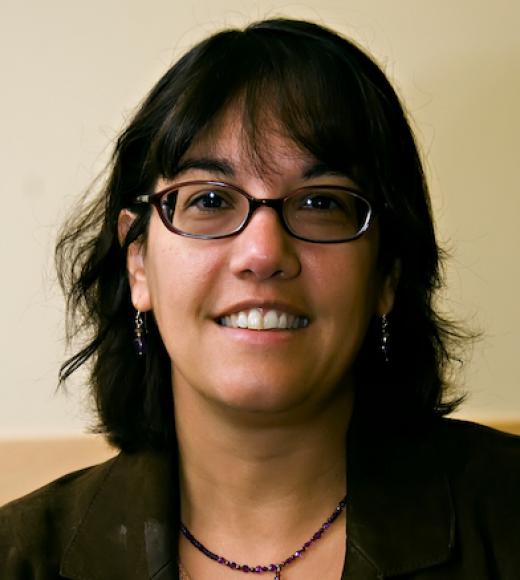
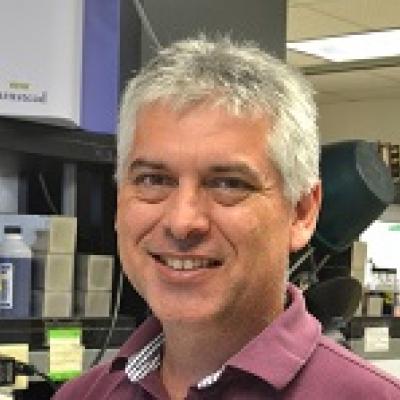
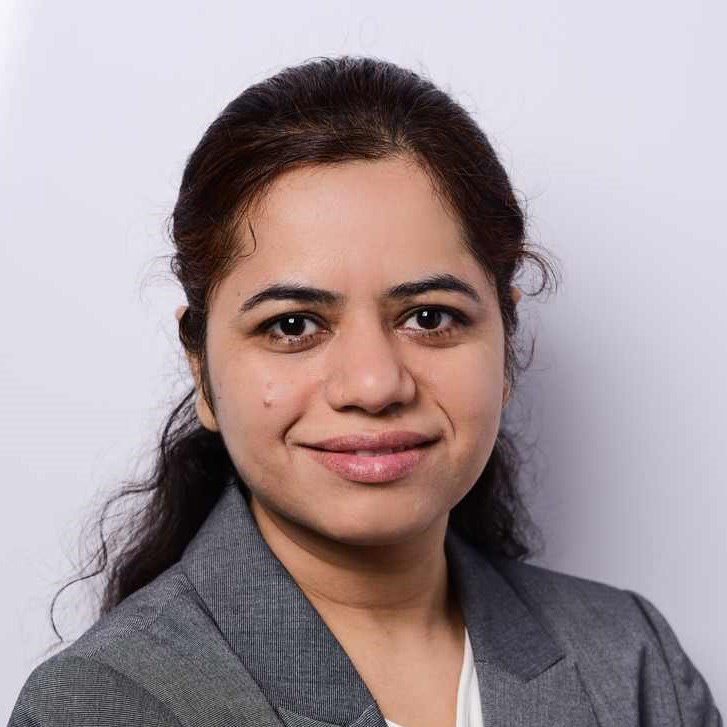
Dr. Irosha Nawarathne is an Associate Professor of Chemistry at Lyon College, located in Batesville, Arkansas. She earned her Bachelor's degree (First Class Honors) in Chemistry from the University of Colombo, Sri Lanka, and her PhD in Bioorganic Chemistry from Michigan State University. Her research focuses on drug discovery, particularly targeting multi-drug resistant Mycobacterium tuberculosis and lung cancer therapies. She leads an undergraduate research team developing novel rifamycins and exploring naphthoquinone derivatives for cancer treatment. Education: BSc (University of Colombo), PhD (Michigan State University) Grants: Funded by NIH/NIGMS (P20 GM103429), Arkansas INBRE, and FutureFuel Chemical Company Key Projects: Rifamycin modifications, lung cancer therapeutics, food chemistry analysis Publications: Over 15 peer-reviewed manuscripts and multiple conference presentations Research interests include biocatalytic methods for natural product modification, antibiotic development, and applying organic chemistry to biomedical challenges. Her lab emphasizes undergraduate involvement in drug discovery, with students contributing to publications and winning awards at regional and national conferences. She is a coordinator for Lyon's Science Outreach Program and advises the Order of the Tartans Mortar Board Chapter. Her work is supported by grants totaling over $700,000, enabling state-of-the-art instrumentation and student participation in conferences.
Matheus Froeyen is an Associate Professor at the Faculty of Pharmaceutical Sciences of KU Leuven, affiliated with the Department of Pharmaceutical and Pharmacological Sciences and the Medicinal Chemistry unit at Rega Institute. His work focuses on computer-aided molecular modeling and synthetic nucleic acids for drug design. Member of Faculty Council (senior academic staff) Member of Departmental Council Member of Interfaculty Council for Global Development Research spans molecular modeling , kinase inhibitors , and nucleic acid analogs . He leads projects on phosphonate XNA development (2019-2023), hepatitis B virus inhibition (2017-2022), and GAK inhibitors for cancer treatment. Recent Publications (2024-2025) Covers synthetic nucleic acid modeling , anticancer steroidal compounds , and NS3/4A protease inhibitors for drug-resistant hepatitis C. Utilizes computational methods, chemical synthesis, and directed evolution approaches. Teaching K0B03A Organische Chemie I K0B20A Organische Chemie II Labs & Collaborations Works at Rega Institute’s MEDICINAL CHEMISTRY unit and co-develops the Ducque (X)NA model builder software.
Sheila David is a Professor of Chemistry at the University of California, Davis, specializing in chemical biology and DNA repair mechanisms. Her research focuses on understanding the molecular basis of DNA base excision repair, particularly the role of enzymes like MUTYH and NEIL1 in recognizing and repairing oxidative DNA damage. Her work integrates enzymology, synthetic chemistry, and cell biology to bridge in vitro insights with in vivo repair processes, with implications for cancer therapy and mutagenesis prevention. Education: Ph.D. in Chemistry, University of Minnesota (1989) B.A. in Chemistry, Saint Olaf College (1984) Awards: ADVANCE Scholar Award (2018) ACS and AAAS Fellowships (2011/2010) Beckman Young Investigator and Sloan Fellow Research Interests: DNA glycosylases, oxidative stress, cancer biology, Fe-S cluster enzymes, and the structural basis of DNA repair. Her lab, located in the Chemistry Annex, investigates how DNA repair enzymes like MUTYH and NEIL1 prevent mutations by targeting oxidative lesions such as 8-oxoguanine. Recent studies highlight the role of enzyme variants in cancer susceptibility and the impact of RNA editing on repair specificity. Collaborative projects include developing synthetic tools to probe repair mechanisms and exploring therapeutic applications of these findings. Key grants include NIH postdoctoral training (1990-1992) and ongoing support for chemical biology initiatives. Her work bridges fundamental biochemistry with translational research in cancer and mutagenesis.
Lorena Pochini is an Associate Professor in Biochemistry at the University of Calabria, Department of Biology, Ecology and Earth Sciences (DiBEST). She is also affiliated with the CNR's Institute of Biomembranes, Bioenergetics and Molecular Biotechnologies (IBIOM) and coordinates several undergraduate and graduate programs in Biology and Biotechnology. Her academic profile reflects sustained excellence in research, teaching, and academic leadership. Associate Professor, University of Calabria (2020–present) Coordinator, Degree Programs in Biology and Health Biotechnology Member, Doctoral Faculty in Life Sciences and Technology Research Associate, IBIOM-CNR (2023–present) Speaker, Research Hub 'Inclusive health & well-being', EUPeace Project Her research focuses on membrane transporters, particularly the SLC family, including OCTN1, ASCT2, and LAT1. These proteins play critical roles in nutrient uptake, cancer metabolism, drug interactions, and human diseases. She investigates their expression, purification, functional reconstitution in proteoliposomes, and structure-function relationships using biochemical and molecular techniques. Her recent publications span topics such as acetylcholine transport via OCTN1 in cancer cells, carnitine trafficking in fertility, heavy metal effects on transporters, and the role of SLC transporters in polyamine and amino acid homeostasis. These works reflect a strong trend toward understanding transporter roles in pathophysiology and drug development, frequently published in high-impact journals like International Journal of Molecular Sciences , Frontiers , and Nature Communications . Lorena Pochini has supervised over 50 thesis projects and five PhD dissertations. She has served on numerous examination and degree committees and contributed to national training programs and master’s courses in food safety and biotechnology. Her leadership extends to EU projects and academic governance. She is actively involved in research labs focused on membrane biochemistry and transporter biology, contributing to national and international collaborations. Her work integrates molecular biology, enzymology, and systems physiology to advance understanding of human health and disease mechanisms.
Daniel J. Cosgrove is a Professor and the Eberly Family Chair of Biology at Pennsylvania State University, affiliated with the Department of Biology and the Huck Institutes of the Life Sciences. He holds a Ph.D. from Stanford University (1980) and a B.S. from the University of Massachusetts (1974). His research focuses on plant cell growth mechanisms, specifically the molecular and cellular processes governing cell wall expansion and plant morphogenesis. Key projects include studying expansins—proteins that catalyze wall loosening—and their roles in plant growth regulation, pollen tube invasion, and wall architecture. Recent work explores the biomechanical properties of cell walls using advanced techniques like atomic force microscopy and computational modeling. Dr. Cosgrove’s research spans interdisciplinary areas such as plant cell wall mechanics, protein biochemistry, and developmental biology. His studies have revealed novel insights into expansin structure-function relationships, allergen biochemistry, and the interplay between cell wall composition and growth dynamics. He leads the Cosgrove Lab, which employs biophysical, biochemical, and genetic approaches to investigate plant cell wall biology. Notable contributions include defining expansin-mediated wall loosening mechanisms and linking cell wall mechanics to plant form development. His publications emphasize the molecular basis of cell wall extensibility, the role of polysaccharide interactions in wall structure, and the application of advanced imaging techniques to study plant cell walls. Collaborative efforts with computational biologists and material scientists further bridge basic research with potential agricultural and biotechnological applications.
Silja Wessler is a Professor of Microbiology at the University of Salzburg, Faculty of Natural and Life Sciences, since 2010. Her research focuses on Helicobacter pylori pathogenesis, protease function (e.g., HtrA), host-pathogen interactions, and signaling mechanisms in gastric cancer development. She leads research on bacterial virulence factors and their roles in epithelial barrier disruption. Education: PhD in Biology (2001, Max-Planck-Institute), Diploma in Biology (1997, Max-Planck-Institute), studies at University of Bielefeld and Free University of Berlin. Research Interests: Helicobacter pylori virulence mechanisms, protease-mediated host cell disruption, signal transduction in inflammation and cancer, host-pathogen communication, and antimicrobial drug targets. Awards: Postdoctoral fellowship of the Schering Research Foundation (2001–2003) Max-Planck Foundation postdoctoral scholarship (2001) Fonds der Chemischen Industrie scholarship (1998–2000)
Alessandro Tossi is a Full Professor in the Department of Life Sciences at the University of Trieste , Italy. He actively participates in doctoral programs, including the Molecular Biomedicine and Functional Genomics cycles, and contributes to departmental governance as a member of the Department's Board . His research focuses on host defense peptides (HDPs/AMPs), investigating their non-lytic mechanisms of action and biomedical applications against multidrug-resistant pathogens. Research Interests include: Molecular mechanisms of antimicrobial peptides Optimization of proline-rich AMPs (PR-AMPs) Ribosomal targeting in Gram-negative bacteria Anti-biofilm strategies for clinical infections Peptide lipidation for enhanced efficacy Publications highlight his work on: Characterization of Bac5/Bac7 fragments Development of all-D peptide derivatives like D-BMAP18 Sub-inhibitory effects on bacterial motility Structure-activity relationships in AMPs Current Projects involve collaborations with institutions such as: IRCCS Centro di Riferimento Oncologico di Aviano ICGEB-International Centre for Genetic Engineering and Biotechnology Azienda Sanitaria Universitaria Giuliana Isontina (ASUGI)
Walter Schmidt is a Professor and Associate Head of Department in the Department of Biochemistry and Molecular Biology at the University of Georgia, where he holds the distinguished title of Josiah Meigs Distinguished Teaching Professor and is a Georgia Cancer Coalition Scholar. His research laboratory investigates the molecular mechanisms of protein prenylation and proteolytic processing of CaaX-type proteins, with significant implications for cancer biology and therapeutic development. Education: PostDoctoral Research: Johns Hopkins University School of Medicine (2001) PhD: University of California, Berkeley (1995) Undergraduate: Rice University, B.A. (1989) High School: Weslaco High School (1985) Professor Schmidt's research program focuses on the post-translational modifications of CaaX proteins, which undergo an ordered series of C-terminal modifications: isoprenylation, proteolysis, and carboxylmethylation. His lab has made significant contributions to understanding the 'shunt pathway' alternative to standard modification pathways, the proteolytic mechanisms of Rce1p and Ste24p proteases, and the biological roles of M16A proteases including their relationship to insulin-degrading enzyme and Alzheimer's disease. His work bridges fundamental biochemistry with translational applications, particularly in cancer therapeutics through the National Cancer Institute's RAS Initiative. The lab employs a multidisciplinary approach combining yeast genetics, biochemical assays, structural analysis, and increasingly, bioinformatic and machine learning methodologies to characterize substrate specificities and enzymatic mechanisms. Analysis of Professor Schmidt's recent publication record reveals a consistent and expanding research trajectory focused on protein prenylation mechanisms. His work has evolved from basic characterization of CaaX processing enzymes to sophisticated analyses of substrate scope using peptide libraries, machine learning, and humanized yeast systems. The research demonstrates increasing integration of computational approaches with experimental validation, while maintaining strong relevance to cancer biology through examination of Ras oncoproteins and related signaling pathways. Recent publications highlight the unexpected breadth of substrates for prenylating enzymes and the functional consequences of altered processing on protein localization and cellular phenotypes. Scientific Awards and Recognition: 2021 Undergraduate Research Mentoring Award Georgia Cancer Coalition Scholar Josiah Meigs Distinguished Teaching Professor Professor Schmidt maintains an active mentoring program with notable success in guiding undergraduate and graduate researchers. Several students from his laboratory have received prestigious awards including the Mary Loraine Young Hines 1968 Graduate Fellowship in Cancer Research, Hamilton Lokey Graduate Scholarship, and Hispanic Scholarship Fund awards. His research is supported by substantial extramural funding, particularly NIH R01 grants GM117148 (2016-2020) focused on 'Role of proteolysis in regulating CaaX protein function' and GM132606 (2019-2024) studying 'Determining the scope of prenylatable protein sequences.' These sustained funding streams reflect the significance of his work in understanding fundamental cellular processes with direct implications for cancer therapeutics. Professor Schmidt leads an active research group operating from the Life Sciences Building (A416) at the University of Georgia. The Schmidt Lab utilizes a sophisticated humanized yeast system as a powerful genetic platform to investigate protein prenylation mechanisms applicable to human biology and disease. The laboratory's research directly contributes to the broader scientific understanding of Ras biology through participation in the National Cancer Institute's RAS Initiative, positioning the work at the intersection of basic science and translational cancer research.
Dr. Sumati Bhatia is a Senior Lecturer in Chemistry at Swansea University's Faculty of Science and Engineering, specializing in biomacromolecular chemistry and glycomaterials research. Her work focuses on engineering glycomaterials to combat various pathogens including Influenza A viruses, SARS-CoV-2, Herpes Simplex virus, E. coli, and Pseudomonas aeruginosa. With over 40 research articles and 7 patent applications, she leads an active research program at the intersection of chemistry, biology, physics, and emerging technologies. Her research interests center on developing glyco-based synthetic tools to gain experimental insights into infection-related processes. Dr. Bhatia's expertise spans glycomaterials, antimicrobials, polymer chemistry, drug delivery systems, sustainable chemistry, and biomacromolecules. She actively pursues interdisciplinary collaborations, particularly exploring how AI and machine learning can enhance pathogen inhibition strategies. Her work bridges fundamental chemical principles with practical biomedical applications, focusing on multivalent inhibitor design for pathogen neutralization. Analysis of her recent publications reveals a strong focus on glyco-engineered materials for pathogen inhibition, with particular emphasis on influenza viruses, SARS-CoV-2, and bacterial pathogens. Her research demonstrates sophisticated understanding of multivalent binding principles, nanomaterial design, and structure-activity relationships in pathogen inhibition. The work spans from fundamental studies of binding forces to applied therapeutic development, with increasing integration of nanotechnology approaches. Scientific Awards and Recognition: 2024-2025: Research grant from the Royal Society of Chemistry 2024-2027: Research grant from Novo Nordisk Foundation for pandemic anti-influenza drug development 2022: Research-based teaching award from Berlin University Alliance 2022: Shortlisted for the Reimund Stadler Prize 2021: Selected for ProFiL programme for professionalization of women in research and teaching Dr. Bhatia is actively involved in postgraduate supervision and has secured substantial research funding including grants from the German Science Foundation (2021-2024) and Berlin University Alliance (2020-2021). Her international collaborations span Germany, UK, USA, France, Spain, Mexico, and India, reflecting the global impact of her work. She maintains strong industry connections through her research on practical therapeutic applications of glycomaterials. Her laboratory focuses on developing innovative glyco-based materials for pathogen inhibition, with particular emphasis on multivalent binding principles. The research group employs interdisciplinary approaches combining synthetic chemistry, biophysical characterization, and biological testing to develop next-generation antimicrobial and antiviral materials. Current projects include development of pandemic-ready anti-influenza therapeutics and novel materials for combating antibiotic-resistant bacteria.
Ottavia Spiga serves as an Associate Professor in the Department of Biotechnology, Chemistry and Pharmacy at the University of Siena, Italy. She teaches advanced courses including "Big Data Issues in Computational Biological Chemistry" and "Nutrition Biochemistry" for Master's and Pharmacy programs, with current assignments for the 2025/2026 academic year. Her research integrates Biochemistry , Computational Biology , and Pharmacology through cutting-edge machine learning and structural bioinformatics approaches. Key focuses include: molecular mechanisms of flavonoids as vasorelaxant/antioxidant agents, precision medicine strategies for rare diseases like Alkaptonuria, and AI-driven drug discovery pipelines. Her work bridges experimental validation with computational modeling to address cardiovascular pharmacology and sustainable biotechnology challenges. Analysis of her 2024-2025 publications reveals dominant trends in AI-enhanced drug development , with 60% of recent work applying machine learning to: immunogenicity prediction (SHASI-ML), protein-mutation profiling in Mendelian diseases, and natural product repurposing. Strong thematic continuity exists in vascular channel modulation (CaV1.2/KCa1.1), rare disease biomarker discovery, and circular bioeconomy applications of agricultural by-products—demonstrating a cohesive research vision merging computational innovation with biochemical experimentation.
Isaiah Sumner is a Professor in Computational Chemistry at the Department of Chemistry & Biochemistry, James Madison University. He joined JMU in 2012 and focuses on combining molecular dynamics and quantum chemical methods to study protein structure, enzyme catalysis, and fundamental chemical concepts like bonding. Education: PhD in Chemical Physics (2010, Indiana University), BS in Chemistry (2004, Wabash College) His research spans computational chemistry , quantum hydrodynamics , and protein dynamics . He has developed novel methods for analyzing electron trajectories and bonding properties, while also investigating catalytic mechanisms in enzymes like ubiquitin and histone acetyl transferases. Key publication themes include ubiquitin conjugating enzymes , molecular dynamics simulations , anharmonic frequency calculations , and quantum mechanical modeling . His work bridges classical and quantum approaches to understand chemical and biochemical systems.
Dr. Colin L Freeman is a Senior Lecturer in Materials Simulation at the School of Chemical, Materials and Biological Engineering at the University of Sheffield. He holds an MSci in Chemistry from University College London (2002) and a PhD in 'Simulations of Solid Solutions and Interfaces' from the University of Bristol (2005). His career has focused on atomic-scale simulations of material-molecule interfaces, particularly in biominerals and functional ceramics. Education : MSci Chemistry (UCL), PhD (Bristol) Academic Rank : Senior Lecturer (Sheffield since 2012) Freeman's research specializes in atomic-scale computer simulations to understand material structure, properties, and nucleation through quantum and classical mechanics. His primary focus areas include: Biomineralisation at mineral-liquid-molecular interfaces Functional ceramics (dielectrics, batteries) Molecular binding/decay on material surfaces High entropy materials Nucleation of inorganic salts His recent publications emphasize materials simulation techniques , spanning: Perovskite structure-dielectric relationships Calcium carbonate nucleation mechanisms Force field development for nitrates High entropy alloy elastic properties Extracellular DNA surface interactions Peptide preservation in archaeological contexts He received the CCP5 Prize (2022) for computational materials science contributions and serves as Head of CCP5 Summer School . Freeman teaches courses in Materials Simulation and Thermodynamics , and contributes to professional services as Director of Materials Education.
Heedeok Hong is an Associate Professor in the Department of Biochemistry & Molecular Biology and Department of Chemistry at Michigan State University, where he investigates fundamental mechanisms of membrane protein folding and degradation. His work addresses critical quality control processes relevant to Alzheimer's disease, cystic fibrosis, and cancer through biochemical and biophysical approaches. Education: Ph.D. in Biochemistry, University of Virginia (2006) M.S. in Biochemistry, Yonsei University (1998) B.S. in Biochemistry, Yonsei University (1996) Dr. Hong's research centers on membrane proteostasis , with two primary projects: (1) chaperone-assisted folding via YidC/Oxa1/Alb3 systems, examining substrate interaction forces and folding facilitation mechanisms; (2) FtsH-mediated degradation, probing substrate recognition features, transmembrane domain roles, and cofactor modulation. His lab employs advanced biophysical techniques including HDX-MS, steric trapping, and lipid bilayer reconstitution to quantify conformational dynamics and energy landscapes. Recent publications (2021-2025) reveal consistent focus on lipid bilayer effects —demonstrating how membranes contract denatured state ensembles, strengthen side-chain networks, and modulate degradation kinetics. Key methodologies like steric trapping have enabled unprecedented observation of folding intermediates, while FtsH studies dissect ATP-dependent unfolding mechanics at molecular resolution. Scientific Awards: Leukemia and Lymphoma Society Postdoctoral Fellowship (2008-2011) Dr. Hong mentors doctoral candidates through CEM 999 dissertation research and teaches physical chemistry courses (CEM 383, CEM 998). His sustained publication output indicates active grant support, though specific awards aren't detailed. The Hong Lab operates within MSU's Protein Structure and Molecular Biophysics research area, collaborating extensively across campus to bridge biophysical mechanisms with disease pathology. Housed in the Biochemistry Building (Room 210), the Hong Lab maintains specialized equipment for membrane protein reconstitution and dynamics analysis. Current work combines computational modeling with single-molecule techniques to map energy landscapes of membrane protein folding—a critical frontier for therapeutic targeting of misfolding diseases.
Dr. Albert A. Smith-Penzel is a Principal Investigator at the Institute for Medical Physics and Biophysics , University of Leipzig Medical Faculty . He leads a DFG-funded project titled "Disentangling dynamics in biomolecules with experiment and simulation" since 2021, following his 2019-2020 Research Associate position at the same institution. B.Sc. in Physics, University of Mount Union (2007) Ph.D. in Chemistry, Massachusetts Institute of Technology (2012) Postdoctoral Researcher at ETH-Zürich (2012-2018) His research focuses on biomolecular dynamics characterization through advanced NMR relaxation techniques combined with molecular dynamics simulations. He pioneered detector analysis methods for correlating experimental and computational dynamics data, addressing challenges in motion amplitude quantification across multiple timescales. Recent publications highlight his work on: Dynamic landscapes of bio-membranes Energy landscapes of GPCRs Model-free analysis of protein fibrils Software development for NMR analysis (INFOS, DIFRATE) He actively develops open-source tools for dynamics analysis and contributes to understanding how distributed motions influence macromolecular function.
Ville R. I. Kaila is a Professor at the Department of Biochemistry and Biophysics, Stockholm University , leading the Kaila Lab . The lab focuses on elucidating the mechanistic principles of enzyme function and biological energy conversion, particularly through membrane-bound proteins. Research involves integrative biophysical methods combining multiscale simulations , data-driven approaches , and biochemical experiments . Work spans energetics , dynamics , and functional principles of enzymes across diverse timescales and spatial resolutions. Applications include biomedicine (e.g., disease mechanisms) and sustainable energy technology (e.g., synthetic energy systems). Current research trends emphasize membrane protein dynamics , computational modeling , and structure-function relationships in energy transduction processes. Funding sources include the European Research Council (ERC) , Knut and Alice Wallenberg Foundation , Swedish Research Council (VR) , and Cancerfonden .