Sang-Hyun Oh is Distinguished McKnight University Professor and Sanford P. Bordeau Chair in Electrical and Computer Engineering at University of Minnesota. His research develops nano-optical tools for biomedical applications, specializing in plasmonic biosensors, nanophotonic devices, and optical manipulation techniques. Key innovations include nanofluidic platforms for single-molecule analysis, high-Q metasurfaces for vibrational spectroscopy, and waveguide-integrated optical tweezers. Recent projects focus on diagnostic technologies such as Nano-QuIC for Parkinson's detection and computational design of upconversion materials. His laboratory advances nanofabrication methods including template stripping and atomic-layer lithography to create plasmonic nanostructures with atomic-scale precision. Collaborative projects bridge photonics, neuroscience, and clinical medicine to develop next-generation biosensors.
Shang Song is an Assistant Professor of Biomedical Engineering and Materials Science and Engineering at the University of Arizona , where she leads the Integrated BioDesign Lab. Her work bridges advanced engineering methods with cell therapies to develop microphysiological platforms and regenerative treatments. Education: PhD in Bioengineering from University of California Berkeley and University of California San Francisco BS in Biomedical Engineering (Honors) from Brown University Dr. Song's research focuses on manipulating cellular microenvironments to create novel therapeutics. Key areas include conductive biomaterials for stem cell therapy, organ-on-chip systems , and neural repair through electrical stimulation. Her work spans molecular, cellular, and organ-level biological scales to address translational challenges in human health. Recent publications highlight trends in conductive hydrogels , electrical modulation of stem cells , and microfluidic blood-brain barrier modeling . These align with her lab's emphasis on multi-scale engineering solutions for regenerative medicine. Scientific Awards: George H. Davis Fellowship (2025) ORAU Ralph E. Powe Junior Faculty Enhancement Award (2024) American Heart Association Career Development Award (2024) Arizona Biomedical Research Centre New Investigator Award (2024) NIH F32 Fellowship (2019) Forbes 30 Under 30 (2016) NSF Graduate Research Fellowship (2010) Gates Millennium Scholar (2006) Her lab integrates advanced engineering design with disease-mimicking models to create organs-on-chips platforms and regenerative strategies that address clinical needs through cross-disciplinary innovation.
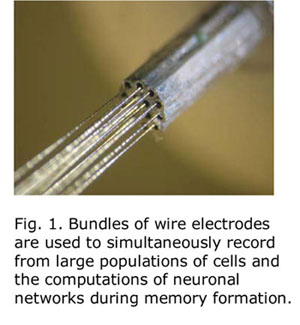
Stefan Leutgeb is a Professor in the Department of Neurobiology at the University of California San Diego (UCSD), affiliated with the School of Biological Sciences. His research focuses on the neural mechanisms underlying long-term memory storage, particularly the role of coordinated neuronal activity and synaptic plasticity in hippocampal and cortical networks. His work investigates how spatial and nonspatial information is encoded, how memory systems degrade in aging and neurodegenerative disorders like dementia, and the translational implications of these findings. Key research areas include hippocampal ensemble dynamics, temporal organization of neuronal activity, and the impact of Alzheimer’s-related proteins (e.g., APP) on neural networks. Leutgeb employs multi-electrode recordings, optogenetics, and computational modeling to study these processes. His lab has discovered critical mechanisms such as pattern separation in the dentate gyrus and the role of theta oscillations in memory encoding. Notable recent contributions include studies on how hippocampal network dysfunction due to APP expression disrupts spike timing ( 2022 ), theta oscillation roles in memory phases ( 2021 ), and the necessity of dentate gyrus activity for spatial working memory ( 2018 ). Despite no explicitly listed awards, his prolific publication record reflects significant contributions to systems neuroscience. Leutgeb’s research also explores cognitive aging and cross-species comparisons of neural processes. His lab emphasizes translational research, aiming to bridge basic neuroscience discoveries with clinical applications for neurodegenerative diseases. Current projects include investigating hippocampal ensemble dynamics during memory retention and developing biomarkers for cognitive flexibility.
Prof. Dr. Jörg Stülke is a full Professor of Microbiology and Head of the Department of General Microbiology at the Institute of Microbiology and Genetics, University of Göttingen. He has held this position since 2003 and leads an active research group focused on bacterial metabolism and gene regulation. His research spans two major model systems: the pathogenic bacterium Mycoplasma pneumoniae and the well-studied Bacillus subtilis . His group employs systems-level approaches including transcriptomics, metabolomics, and bioinformatics to understand metabolic regulation and gene expression. Key interests include protein phosphorylation, RNA-mediated regulation, mRNA processing, and the role of second messengers such as cyclic di-AMP in bacterial physiology and pathogenicity. The recent publications reveal a strong trend in molecular microbiology, functional genomics, and systems biology. His work often integrates experimental and computational methods, particularly evident in the development and maintenance of the SubtiWiki database for B. subtilis . The research bridges fundamental mechanisms of life with applications in understanding bacterial virulence and cellular homeostasis. He is affiliated with several graduate programs under the Göttingen Graduate Center for Neurosciences, Biophysics, and Molecular Biosciences (GGNB), including: Molecular Biology (IMPRS) Biomolecules: Structure - Function - Dynamics (GZMB) Molecular Biology of Cells (GZMB) Microbiology and Biochemistry Genome Science (IMPRS) While no individual students are listed, he clearly supervises doctoral candidates through these programs. His group has secured significant research output, including publications in Science , Nucleic Acids Research , and PLOS Pathogens , indicating successful grant funding and collaborative research. The lab maintains a dedicated website at http://genmibio.uni-goettingen.de/ , which serves as a hub for research activities and resources like SubtiWiki.
Clifford W. Bogue, MD , is the Waldemar Von Zedtwitz Professor of Pediatrics, Chair of the Department of Pediatrics at Yale School of Medicine, and Chief of Pediatrics for the Yale New Haven Health System. He has been a faculty member at Yale since 1993 and has held numerous leadership roles, including Interim Chairman of Pediatrics, Chief Medical Officer of Yale-New Haven Children’s Hospital, and Director of Pediatric Critical Care programs. Education: BA and MD from the University of Virginia; Residency and Chief Residency at Vanderbilt University; Fellowship in Pediatric Critical Care at Yale. Dr. Bogue is a pediatric critical care specialist whose research centers on the molecular mechanisms of organ development, particularly the role of the Hhex gene in liver, cardiovascular, and lung organogenesis. His lab used mouse models to uncover critical genetic pathways in embryonic development, with implications for regenerative medicine. His recent work also extends into pediatric public health, critical care infrastructure, and health equity. An analysis of his recent publications reveals a sustained focus on developmental genetics, with increasing engagement in clinical and policy-oriented research in pediatrics. His work spans molecular biology, translational models, and national health initiatives, reflecting a broad scholarly impact. His scientific honors include: President of the American Pediatric Society (2024–2025) Norman J. Siegel Faculty Award Marna P. Borgstrom Lifetime Achievement Award Consistent recognition in Best Doctors in America since 2004 Honorary M.A. from Yale University Dr. Bogue has been deeply involved in training the next generation of physician-scientists, serving as PI of an NIH T32 program, Training Director of the Yale Child Health Research Center (K12), and mentor in the MD/PhD program. He has contributed to national pediatric research policy through roles in the American Academy of Pediatrics, NIH advisory committees, and the Charles H. Hood Foundation. He leads or has led significant research initiatives, including an NIH-funded program on cardiopulmonary development and the Bedside to Bench seminar for medical students. His leadership extends to national boards and editorial roles, including Section Editor for Current Opinion in Pediatrics .
Alison Elder, Ph.D., is an Associate Professor in the Department of Environmental Medicine at the University of Rochester School of Medicine and Dentistry. She is affiliated with several research programs including the Environmental Health Sciences Center, the Inhalation Exposure Facility, the Toxicology Training Program (as Co-Director), the Lung Biology and Disease Program, and the Multidisciplinary Training in Pulmonary Research Program. Her research focuses on the toxicology of inhaled ultrafine particles (UFPs) and engineered nanomaterials, with implications for pulmonary, cardiovascular, and central nervous system health. Ph.D. in Environmental Toxicology, University of California, Irvine (1997) B.S. in Chemistry, Chatham College (1992) Post-doctoral Fellow, Department of Environmental Medicine, University of Rochester (1997–2000) Dr. Elder’s research centers on the health impacts of airborne particulate matter, particularly how age, co-pollutants, and health status influence responses to inhaled particles. Her work explores the translocation of particles to extrapulmonary tissues, including the brain, and their role in neurodegenerative diseases like Alzheimer’s. She investigates mechanisms such as oxidative stress, inflammation, and glymphatic dysfunction. Her lab also studies airborne micro- and nanoplastics, focusing on exposure characterization and health implications. Her recent publications span topics including Alzheimer’s disease models, glymphatic impairment, nanoparticle dissolution, and diesel exhaust effects on lung barriers. These works emphasize particle-induced inflammation, neurotoxicity, and the intersection of environmental exposure with neurological outcomes. Young Investigator Award, Society of Toxicology (2009) Cornerstone Alumna Award, Chatham University (2007) Graduate Student Fellowship, U.S. EPA (1995–1996) College Chemistry Award, Society for Analytical Chemists of Pittsburgh (1992) Dr. Elder mentors graduate students in toxicology and has trained numerous postdoctoral fellows and technicians. She leads an active research laboratory funded by NIH and DOD, investigating air pollution’s role in brain health and military burn pit exposures. Her collaborative research includes work with experts in neuroscience, materials science, and environmental engineering. She is also involved in national workshops on nanomaterial risk assessment and children’s environmental health. She leads the Elder Lab, which conducts studies on air pollution and Alzheimer’s disease, characterizes airborne micro- and nanoplastics, and develops models for nanoparticle toxicity. The lab uses advanced techniques in particle characterization, animal modeling, and cellular assays to assess health risks.
Tony Breitbach is an Associate Professor in the Department of Chemistry at the University of Iowa. His research focuses on organic synthesis, fluorination reactions, and their applications in medicinal chemistry and chemical biology. Ph.D. in Chemistry, University of Iowa Postdoctoral Fellow, University of California, Berkeley His work explores electrophilic fluorination, C–H activation, and bioorthogonal reactions for pharmaceutical development and in vivo imaging. Recent publications highlight electrochemical fluorination, chiral catalysis, and sustainable synthesis methods. ACS Fellow NIH R01 Award University of Iowa Collegiate Teaching Award Tony Breitbach's research group investigates fluorinated compounds for medicinal applications and develops novel synthetic methodologies.
Dr Graeme Bragg is a Senior Teaching Fellow at the University of Southampton within the Department of Electronics and Computer Science . His work spans teaching, research, and technical development with a focus on event-driven computing, bioinformatics, and computational modeling. He actively supervises PhD students and collaborates on interdisciplinary projects. Research Interests: Parallel computing, event-driven systems, genotype imputation, Petri net simulations, subglacial hydrology modeling Teaching: Specializes in hardware description languages and computational methods for engineering students Technical Expertise: RISC-V architecture, FPGA acceleration, bespoke compute fabric development His recent publications demonstrate expertise in applying event-driven computing to diverse problems including: 2025: Automated marking systems for SystemVerilog labs 2025: Seasonal dynamics in subglacial hydrology 2023: Genotype imputation using custom hardware 2022: Optimization algorithms and graph analysis Current research explores: Custom RISC-V FPGA clusters for bioinformatics Event-triggered systems for scientific simulations Parallel computing solutions for molecular modeling Contact: gmb@ecs.soton.ac.uk | +44 23 8059 2784
Prof Andrea Manica is a Professor of Evolutionary Ecology and Deputy Head of Department (Research) at the University of Cambridge, Department of Zoology. Her research spans ecological and evolutionary time scales, integrating climate reconstructions, paleontological data, ecological datasets, and genetic information to understand species' responses to environmental change. Research Areas: Population Genetics, Species Distribution Models, Paleoclimate Reconstructions, Human Evolutionary Ecology Key Tools: Development of open-source R packages like tidypopgen and tidygenclust for population genetics and data analysis Focus Taxa: Seabirds (albatrosses, petrels), sharks, turtles, bears, and Homo sapiens Her work addresses questions such as: How do animals adapt movement strategies to changing environments using tracking data? What drives range changes and genetic differentiation in species like leopards and giraffes? How did climatic shifts influence human evolution, migration, and cultural innovations? What computational tools can interrogate large datasets across space and time? Her interdisciplinary approach combines computational models, fieldwork, and collaborations with institutions like the British Antarctic Survey.
Nuno Miguel Fonseca Ferreira is a Full Professor at the Instituto Superior de Engenharia de Coimbra (ISEC), part of the Polytechnic of Coimbra, where he currently serves as President of the Scientific Council. His academic career spans over 25 years at ISEC, progressing from Assistant to Professor Coordenador Principal. He has held significant leadership positions including Vice-President of ISEC (2001-2005), Pro-President of the Polytechnic of Coimbra (2009-2010), President of ISEC (2010-2013), and Vice-President of the Polytechnic of Coimbra (2013-2017), where he was responsible for internationalization initiatives. His educational background includes a degree in Electrical Engineering from the University of Porto (1996), a Doctorate in Electrical Engineering from the University of Trás-os-Montes and Alto Douro (2006), and a Habilitation Title (Aggregation) from the same institution (2020). His research focuses on Robotic Systems, with specialization in cooperative robotic systems as evidenced by his Habilitation work. Professor Ferreira's research spans multiple domains of robotics and intelligent systems, with particular emphasis on multi-robot coordination, environmental applications, and medical robotics. His work bridges theoretical control systems with practical applications across diverse fields including forestry, healthcare, manufacturing, and education. He has developed innovative approaches to robotic manipulation, sensor integration, and human-robot interaction, often incorporating advanced techniques from artificial intelligence and machine learning. His recent publications demonstrate a strong trend toward practical applications of robotics in real-world environments, particularly in forestry maintenance, industrial automation, and medical applications. The research shows progression from theoretical control systems to applied robotics in challenging environments, with increasing integration of computer vision, deep learning, and collaborative systems. His work spans both fundamental robotics research and immediate industrial applications, reflecting a balance between academic inquiry and practical implementation. Professor Ferreira has supervised two doctoral theses and participated in numerous research projects with substantial funding. His leadership extends to coordinating 15 of the 33 national and international R&D projects he has participated in, demonstrating significant grant acquisition and management capabilities. His international collaborations through Erasmus+ and other European programs highlight his role in fostering global research partnerships. He is an integrated member of GECAD (Research Group in Engineering and Intelligent Computing for Innovation and Advanced Development), a Portuguese R&D unit classified as Excellent by the Portuguese Science and Technology Foundation. Additionally, he is a member of LASI (Associated Laboratory for Intelligent Systems), the Portuguese laboratory associated with Artificial Intelligence, connecting him to a broader national research ecosystem.
Fadia Kamal, PharmD, PhD is an Associate Professor holding dual appointments in the Department of Orthopaedics and Rehabilitation and the Department of Cell and Biological Systems. She leads research at the Center for Cannabis and Natural Product Pharmaceuticals (CCNPP) with a strong publication record including 33 research outputs and an h-index of 18 based on Scopus data. Dr. Kamal's research focuses on cellular pathways that control chondrocyte homeostasis in healthy tissue and the pathological processes leading to cartilage damage in osteoarthritis. Her work investigates how chondrocytes transform into pathological cells that cause cartilage degradation, with particular interest in discovering new pathways and drugs to control chondrocyte behavior and potentially reverse osteoarthritis progression. Her laboratory also explores the therapeutic potential of non-euphorigenic cannabis compounds for bone fracture pain management and healing. Her recent publications demonstrate a strong trend toward interdisciplinary research combining orthopedics, molecular biology, immunology, and pharmacology. The work spans from fundamental cellular mechanisms in osteoarthritis to applied therapeutic development, with particular emphasis on cannabis-based treatments, immune responses in fracture healing, and novel imaging techniques. Her research shows increasing collaboration across multiple institutions and disciplines. Scientific Awards: Samuel Hinkle Junior Faculty Research Scholar Award (2022) - widely recognized with coverage by 5 news outlets, blogged by 1 source, posted by 38 X users, and shared on 1 Facebook page with 33 Mendeley readers Dr. Kamal serves as Principal Investigator on significant research projects, most notably the NIH-funded 'Therapeutic targeting of GPCR Gbetagamma-GRK2 in osteoarthritis' project (2019-2023) from the National Institute of Arthritis and Musculoskeletal and Skin Diseases. Her mentorship is evident through numerous co-authored publications with junior researchers who appear to be her students and postdoctoral fellows. She maintains active collaborations across immunology, bone healing, and natural product pharmacology research areas. Her work contributes to UN Sustainable Development Goals related to health and well-being, with research spanning osteoarthritis, heart failure progression, chondrocyte biology, and G protein-coupled receptor research. The Kamal lab maintains strong connections with the Center for Cannabis and Natural Product Pharmaceuticals, indicating a specialized research focus on natural compounds for musculoskeletal conditions.
Prof. Dr. Ulrich Kleinekathöfer is a Full Professor of Theoretical Physics at Constructor University (formerly Jacobs University Bremen) in the School of Science. His research focuses on computational physics and biophysics, particularly on light-harvesting complexes, membrane transport, and quantum dynamics in biological systems. He leads the Computational Physics and Biophysics research group and coordinates the MSCA Doctoral Training Network "PhotoCaM". His educational background includes: PhD from Max-Planck-Institut für Strömungsforschung, Göttingen (1996) Diploma in Physics from Universität Göttingen (1993) Habilitation in Physics from Technische Universität Chemnitz (2002) Prof. Kleinekathöfer's research spans multiple areas of computational biophysics and theoretical physics. His primary interests include excitation energy transfer in light-harvesting complexes , molecular transport through membrane channels and nanopores , and quantum dynamics in open systems . His group develops and applies advanced computational methods including molecular dynamics simulations, quantum chemistry calculations, and machine learning approaches to study these phenomena. A significant portion of his work focuses on photosynthetic systems, particularly how energy is transferred and converted in natural light-harvesting complexes, with implications for renewable energy technologies. His recent publications demonstrate a strong trend toward integrating machine learning with traditional computational methods, particularly in the fields of quantum chemistry and molecular dynamics. There's a clear focus on multifidelity approaches that balance computational efficiency with accuracy. His work spans from fundamental quantum dynamics to applied research on antibiotic transport mechanisms, showing remarkable breadth while maintaining depth in computational methodology development. His notable recognition includes: Tan Chin Tuan Exchange Fellowship, NTU Singapore (2019) Prof. Kleinekathöfer has supervised numerous PhD students and postdoctoral researchers, with a current group comprising several PhD candidates and research associates. His research is supported by multiple funding sources including the Deutsche Forschungsgemeinschaft (DFG), European Union through MSCA Doctoral Network PhotoCaM, and previously through the Innovative Medicines Initiative "Translocation" and Marie Curie Training Program "Translocation". His collaborative network spans internationally, with partnerships at institutions in Germany, USA, Greece, and Switzerland. The Computational Physics and Biophysics Group operates within Constructor University's research infrastructure, utilizing high-performance computing resources for their simulations. The group maintains active collaborations with experimental groups to validate and inform their computational models, creating a strong interdisciplinary research environment focused on understanding fundamental biophysical processes at the molecular level.
Professor Dr. Martin Grepl is a faculty member at RWTH Aachen University, where he holds the Lehr- und Forschungsgebiet Optimierung mit partiellen Differentialgleichungen (Teaching and Research Area in Optimization with Partial Differential Equations). He has been affiliated with RWTH Aachen since 2009, first as a Professor (W1) and since 2014 as a Professor (W2). Education: Diplom-Ingenieur (Aerospace Engineering), University of Stuttgart (2000) Master of Science (Mechanical Engineering), MIT (2001) Doctor of Philosophy (Mechanical Engineering), MIT (2005) His research focuses on numerical methods for partial differential equations (PDEs) , particularly model order reduction , reduced basis methods , finite element methods , and optimal control for parametrized PDEs. He also investigates parameter estimation , inverse problems , and control constraints in elliptic and parabolic PDE systems. The scientific awards he has received include the Studienstiftung des deutschen Volkes (1997-2000), a Fellowship from the Dr. Jürgen Ulderup-Stiftung (1998-1999), and the Lehrpreis der Fachschaft Mathematik/Physik/Informatik (2011). His work spans applications in manufacturing , medical physics , and fluid dynamics , as evidenced by his patents and collaborative research. His publications demonstrate expertise in reduced basis methods for nonaffine/nonlinear PDEs , trust region optimization , and error bounds for real-time and many-query scenarios. His collaborations often involve interdisciplinary applications, including thermal conduction , welding processes , and glomerular filtration modeling .
Professor Ulrich F Keyser is a faculty member at the University of Cambridge, affiliated with the Cavendish Laboratory and the Physics of Medicine department. His research focuses on applied physics in biological and soft systems, utilizing advanced techniques such as nanopore sensing, microfluidics, and DNA nanostructures. Keyser's work bridges biophysics, nanotechnology, and molecular biology, with applications in biomedical engineering and biomimetic systems. Research interests include: Single-molecule sensing and manipulation Nanopore-based diagnostics and RNA/DNA analysis Synthetic cell models and membrane biophysics DNA/RNA nanostructures and programmable sensors Ion transport and molecular dynamics in confined systems Biophysics of protein oligomers and nucleic acid modifications His recent publications highlight advancements in nanopore detection of RNA mutations, DNA structural studies, and programmable biosensing technologies. Keyser's laboratory employs interdisciplinary approaches combining physics, chemistry, and biology to address fundamental and applied questions in biomedical and soft matter systems.
Dr. Ype P. de Jong is an Assistant Professor of Medicine at Weill Cornell Medical College of Cornell University and an Attending Physician at New York-Presbyterian Hospital. He completed his medical and doctoral training at the University of Amsterdam, followed by internal medicine and gastroenterology fellowships at Mount Sinai Hospital, New York. His research focuses on hepatitis virus immune evasion, liver disease modeling, and gene therapy applications. Education M.D., University of Amsterdam Faculty of Medicine (2003) Ph.D., University of Amsterdam (2002) Research Interests Dr. de Jong investigates hepatitis virus persistence mechanisms, develops advanced liver disease models, and explores gene therapy applications for hemophilia and liver conditions. His work bridges clinical hepatology with translational research on viral immune evasion and hepatocyte engineering. Scientific Awards Cum Laude (PhD thesis), University of Amsterdam (2002) Hippocrates Prize (Best Medical Thesis in Netherlands), Leiden University (2003) Appointments Assistant Professor of Medicine, Weill Cornell Medical College Attending Physician, New York-Presbyterian Hospital Visiting Clinical Fellow, The Rockefeller University