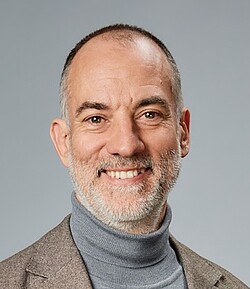
Professor Jan Frank, Ph.D., leads the Department of Food Biofunctionality at the Institute of Nutritional Sciences , University of Hohenheim. He serves as Dean of the Faculty of Natural Sciences and chairs the Research Center for Health Sciences steering committee. His research focuses on micronutrient bioavailability , vitamin E metabolism , and phytochemical absorption mechanisms using in vitro models and human trials. Key research trends across 137+ publications include: Vitamin E congeners metabolism and pharmacokinetics Curcuminoids and flavonoids bioavailability enhancement Micronutrient interactions in gastrointestinal digestion Phytochemical effects on lipid metabolism and oxidative stress Carotenoids and tocochromanols in food matrices Dietary interventions for metabolic syndrome and aging Awards and editorial roles: Editor-in-Chief of NFS Journal (since 2015) Associate Editor for Nutrition and Plant Foods for Human Nutrition Founding President of the Society of Nutrition and Food Science His laboratory employs in vitro digestion/Caco-2 models , cell culture , and advanced chromatography for studying bioactive compounds. Current grants involve DFG International Research Training Group AMAIZE-P (phosphate-maize interactions) and Carb-Q-4-Health (carbohydrate quality research). Former Ph.D. advisees include Damaris Beitze (DRC maternal nutrition), Semaw Ferede Abera (Ethiopian NCD risks), and Laila Eleraky (Tanzanian farmer nutrition).
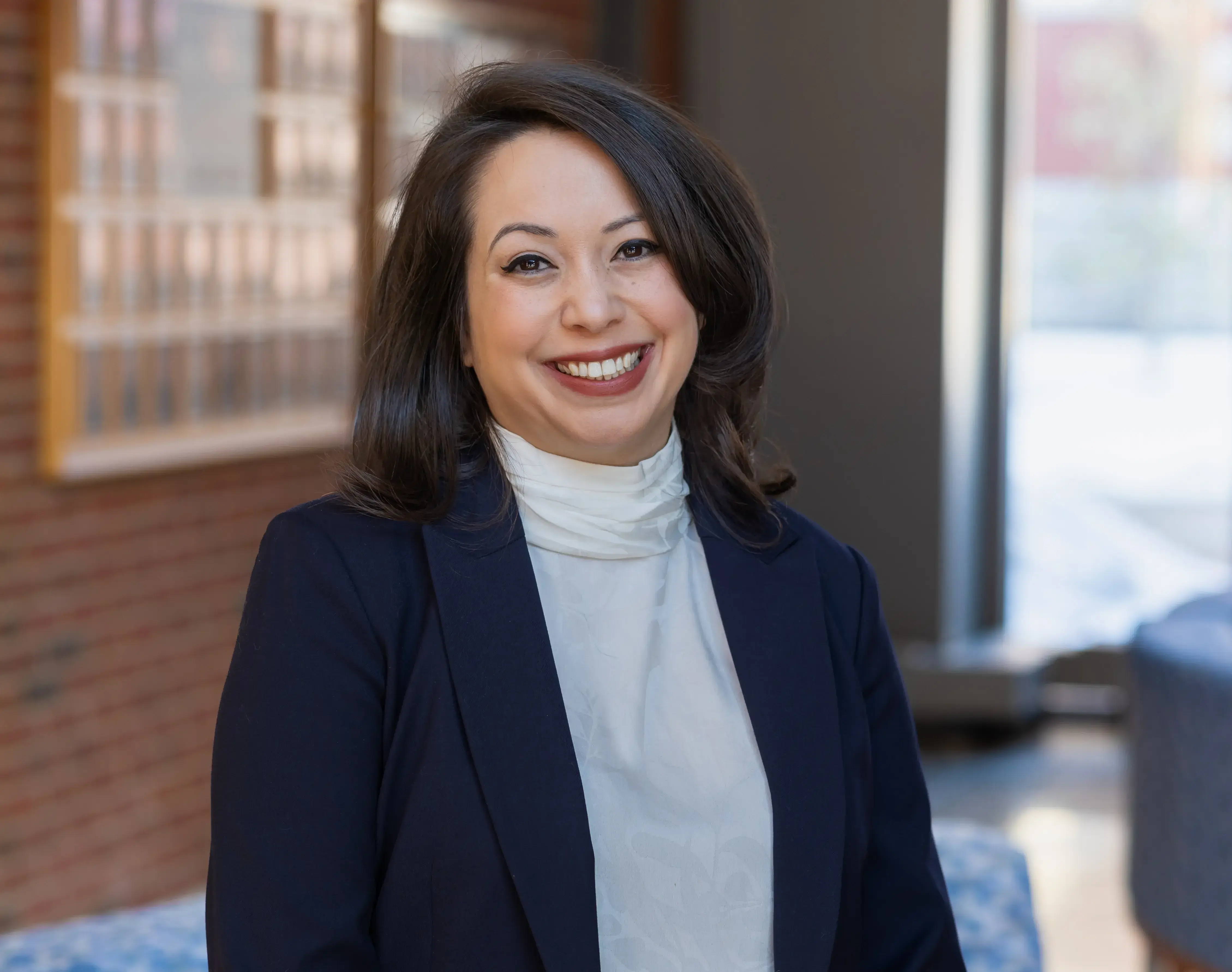
Samantha Zambuto is an Assistant Professor in the Department of Mechanical and Aerospace Engineering at the University of Kentucky , focusing on tissue engineering and biomaterials for reproductive health. She was co-advised by Dr. Michelle Oyen and Dr. Jerry Lowder during her T32 postdoctoral fellowship at Washington University in St. Louis, which focused on female lower urinary tract disorders. PhD in Bioengineering, University of Illinois Urbana-Champaign (2022) MPHS in Population Health Sciences, Washington University School of Medicine (2024) Master of Biomedical Engineering, Brown University (2017) Bachelor of Biological Engineering, Cornell University (2015) Her research centers on creating gelatin methacryloyl (GelMA) hydrogel platforms to model the endometrium, vagina, and female lower urinary tract. These systems investigate: Cell-cell and cell-matrix interactions Hormone dynamics during pregnancy Biomechanics of vaginal tearing Tissue regeneration applications Her recent publications focus on 3D biomaterial modeling of reproductive tissues, including studies on trophoblast invasion, endometrial decidualization, and placental microstructure. She has secured multiple NIH grants and awards, including the BJC Healthcare Scholarship for public health research. NIH Extramural Loan Repayment Program (2024–2026) T32 Clinical Outcomes Research Training Program (2022–2025) T32 Tissue Microenvironment Training Program (2020–2022) Zambuto leads a multidisciplinary lab exploring the intersection of engineering and reproductive biology , with emphasis on health equity and regenerative medicine.
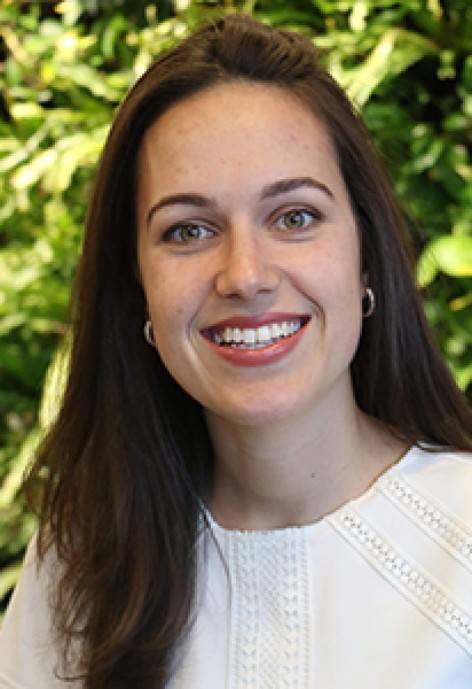
Dr. Roberta Sabino is an Assistant Professor in the Department of Chemical and Biomedical Engineering at the University of Wyoming . She is also affiliated with the Molecular and Cellular Life Sciences Program and conducts research that bridges materials science, biomedical engineering, and sustainability. Education Postdoctoral Fellow, Institute for Medical Engineering and Science, Massachusetts Institute of Technology, 2022–2023 Ph.D. Materials Science and Engineering, Colorado State University, 2021 B.S. Chemical Engineering, Federal University of Minas Gerais (UFMG), Brazil, 2014 Research Focus Dr. Sabino’s laboratory develops multifunctional biomaterials for cardiovascular and orthopedic applications. Core efforts include: Designing infection-resistant implant coatings that simultaneously promote tissue regeneration and enhance blood compatibility. Investigating sustainable biopolymers derived from sugar beet molasses and other renewable sources. Engineering smart biomaterials capable of sensing and responding to their local microenvironment. Publication Trends From 2020 to 2025, Dr. Sabino has authored or co-authored more than 20 peer-reviewed articles. Her work is concentrated in surface modification of titanium alloys , antimicrobial and hemocompatible coatings , sustainable biopolymer systems , and nanostructured platforms for stem-cell differentiation . The consistent year-on-year output reflects both experimental innovation and comprehensive review contributions. Honors & Awards School of Computing Faculty Fellow Award, University of Wyoming (2024) Organ Design and Engineering Postdoctoral Training Program, Harvard Medical School / NIBIB, NIH (2023) Surface Characterization & Modification SIG Postdoctoral Young Investigator Award, Society for Biomaterials (2022) WILEY Top Cited Article 2020–2021 (2022) Princeton Pathway into the Academy Program, Princeton University (2021) STAR Award, Society for Biomaterials (2021) Professional Development Award, Colorado State University (2020) School of Advanced Materials Discovery Travel Award (2020) Laboratory & Collaborative Networks Dr. Sabino directs an interdisciplinary laboratory located in the Engineering Education and Research Building (EERB 435D) at the University of Wyoming. The group collaborates closely with clinical partners, national laboratories, and industry to translate advanced surface-engineering strategies into next-generation medical devices. Active grant support spans NIH, NSF, and state-level initiatives focused on sustainable biomedical technologies and workforce development.
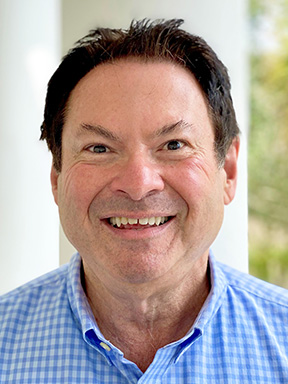
Gregory Ziegler is a Professor in the Department of Food Science at Pennsylvania State University, located at 341 Erickson Food Science, University Park. His research integrates material science and sensory evaluation to advance food technology, with core expertise in starch chemistry, chocolate science, and nanofiber applications. Research interests span: Fundamental starch properties (crystallization, polymorphism, rheology) Electrospinning of biopolymers for edible materials (casein, carrageenan) Chocolate formulation (fat/sugar reduction, sensory perception) Consumer studies on texture and flavor perception Food processing optimization (equipment cleaning, enzymatic reactions) Recent publications (2022-2025) demonstrate strong focus on: Nanofiber development from proteins/polysaccharides Cocoa genetics and lipid chemistry Sugar reduction strategies in chocolate products Advanced characterization of starch behavior Sensory-driven food design Active projects include: Development of Innovative Materials and Technology for Cellular Agriculture Tropical ecosystems research in Belize (grant-funded collaboration)
Prof. Dr. Nurcan KOCA at Ege University's Faculty of Engineering leads research in Food Engineering, specializing in Milk and Dairy Products Technology, Food Technology, and sustainable development. Her work bridges engineering principles with dairy science, focusing on product innovation, processing optimization, and quality assessment. Research Focus: Dairy product formulation (e.g., reduced-fat cheeses, kefir, kashar cheese) Advanced processing techniques (spray drying, explosion puffing, UV light treatment) Lifecycle sustainability of dairy products Rheological and microstructural analysis Functional ingredient applications (whey protein, maltodextrin, pectin) Scientific Trends: Recent publications emphasize drying kinetics, fat reduction strategies, UV preservation methods, and lifecycle analysis. Her work often combines engineering metrics (exergy, energy efficiency) with sensory and biochemical evaluations. Academic Metrics: High H-index (16 Scopus, 14 WoS) Significant citations (34.2 Scopus average) Q1-Q2 journal publications (19 WoS Q1)
Edward A Dauer is a Clinical Professor in the Department of Biomedical Engineering at the College of Engineering, University of Miami. His work spans biomedical and civil engineering disciplines, focusing on biomaterials development and material science applications. Biomedical Engineering: Scaffold design for immunomodulation and peripheral nerve repair Civil Engineering: Protein-modified biocementation and nanoparticle-reinforced construction materials His research in biomedical engineering includes 3D scaffold fabrication for fibroblastic reticular cell maintenance and autoimmune therapy, while environmental applications involve electrohydromodulation for phosphate recovery. Material science work covers Kevlar composites and Polyurethane scaffold characterization, with biocementation studies analyzing protein effects on calcium carbonate precipitation. Publication trends show expertise in interdisciplinary material design , with articles covering topics from diabetogenic T cell modulation to bioremediation and composite durability . Key methodologies include scaffold fabrication, electrochemical recovery systems, and microstructural analysis across biological and civil engineering applications.
Ali Ghahremaninezhad is a Professor in the Department of Civil, Architectural, and Environmental Engineering at the University of Miami's College of Engineering. His research focuses on sustainable cementitious materials, self-healing concrete, and green additives like hydrogels and biochar. Current research explores molecular-level interactions between surfactants and cement microstructure to enhance durability. Key areas include carbonation curing, freeze-thaw resistance, and organic coatings for marine carbonate minerals. Recent publications highlight his work on using biochar for internal curing, hydrogels for crack repair, and triblock copolymers to reduce autogenous shrinkage. His studies integrate experimental methods (TGA, FTIR, SEM) and predictive modeling. Findings demonstrate improved mechanical strength and reduced water sorption in modified cement systems. Applications span marine carbon cycle understanding and sustainable construction practices.
William E. Bentley is the Robert E. Fischell Distinguished Professor of Engineering at the University of Maryland, College Park, where he serves as the Inaugural Director of the Robert E. Fischell Institute for Biomedical Devices and Director of the Maryland Technology Enterprise Institute (Mtech). He holds dual appointments in the Fischell Department of Bioengineering and the Department of Chemical and Biomolecular Engineering, with additional affiliation at the Institute for Bioscience and Biotechnology Research. Dr. Bentley earned his Ph.D. in Chemical Engineering from the University of Colorado at Boulder in 1989, following a Master of Engineering and Bachelor of Science in Chemical Engineering from Cornell University. His academic journey began at the University of Maryland in 1989, where he has remained throughout his distinguished career, founding the Fischell Department of Bioengineering and establishing himself as a leader in the field. His pioneering research focuses on the interface between biology and electronics, developing methodologies to interrogate and control molecular signaling both inside and outside of cells. Dr. Bentley's lab uses metabolic engineering and synthetic biology to rewire genetic circuits, with particular emphasis on bacterial quorum sensing systems and redox-based communication between biological systems and electronic devices. His groundbreaking work has established the field of 'electrogenetics,' which enables electronic control of biological function through redox signaling pathways. Current research explores creating 'smart' cellular systems that can recognize, compute, actuate, and deliver therapeutic agents in a programmed manner. Dr. Bentley's recent publications demonstrate a strong trend toward developing bidirectional communication between biological systems and electronic devices, with applications in protein analysis, biosensors, and therapeutic delivery systems. His work increasingly focuses on redox-based information processing and the development of 'biohybrid' systems that bridge the gap between electronics and biology, representing a paradigm shift in how we interface with biological systems. Among his numerous honors are: Distinguished University Professor (2016) Robert E. Fischell Distinguished Chair of Engineering (2016) Charles Thom Award, Society of Industrial Microbiology and Biotechnology (2013) AIChE Food, Pharmaceutical and Bioengineering Division Award (2012) University System of Maryland Regents' Faculty Award for Research (2011) Fellow of the American Chemical Society, American Academy of Microbiology, AAAS, and AIMBE Dr. Bentley has mentored more than 40 PhD students and 15 postdocs, many of whom now hold leadership positions in industry, federal agencies, and academia. His research has been continuously supported by major grants from NIH, NSF, DOD, DOE, FDA, and USDA, reflecting the interdisciplinary nature and significance of his work. He co-founded Chesapeake PERL, a protein manufacturing company based on insect larvae as mini bioreactors, demonstrating his commitment to translating research into practical applications. He leads the Biomolecular and Metabolic Engineering Laboratory, which has developed innovative approaches to biofabrication and electro-bio interfaces. Current research focuses on creating systems that enable 'programming' of biological function through redox communication, with applications in treating bacterial infections, developing next-generation biosensors, and advancing our understanding of cellular communication networks. His laboratory maintains active collaborations with industry partners and international research groups, particularly with institutions in Italy through the UMD-Trento partnership.
Clément CABRIEL is a CNRS Researcher affiliated with the Institut Langevin (ESPCI Paris / PSL University). He specializes in Single-Molecule Localization Microscopy (SMLM) and its applications across bioimaging , nanophotonics , and microfabrication . Key Collaborations: Works with Ignacio Izeddin (Institut Langevin) and international teams on interdisciplinary projects. Research Focus: Develops 3D super-resolution techniques, event-based sensors for high spatio-temporal imaging, and microstructured substrates for cellular modeling and axial calibration. Achievements: Pioneered SMLM calibration tools using fractal-like substrates (2025), explored M2d macrophage differentiation via 3D topographies (2024), and advanced event-based sensor technology for dense single-molecule imaging (2023). His work bridges optics , materials science , and cell biology . Community Engagement: Co-organizes the Young Scientist Network GDR Imabio to foster European bioimaging collaboration and career development for early-career researchers.
Nele Famaey is an Associate Professor at KU Leuven's Department of Mechanical Engineering, Faculty of Engineering Sciences, where she leads the Soft Tissue Biomechanics research group. She also serves as a visiting professor at Ghent University's BioMMeda group and has been the coordinator of FIBEr (KU Leuven Core Facility for Biomechanical Experiments) since 2017. Her leadership extends to roles as division head of FIBEr Division and subdivision head of Subdivision FIBEr General. Her primary research focuses on the biomechanics of damage, growth, and remodeling phenomena in soft biological tissues, particularly in the cardiovascular system, cartilage, and brain. She employs a combined approach integrating experimental mechanical characterization with nonlinear constitutive and numerical modeling to support clinical decision-making through in silico simulations. Her research spans: Biomechanical analysis of damage, growth and remodeling in soft biological tissues Nonlinear constitutive and numerical modeling of mechanobiological behavior Experimental characterization of material properties of soft biological tissues Analysis of her recent publications reveals a strong emphasis on cardiovascular biomechanics, particularly arterial tissue modeling, aortic aneurysms, and the Ross procedure for heart valve replacement. Her research increasingly incorporates advanced computational methods including multiscale modeling, machine learning approaches, and in silico clinical trials. There is also growing interest in additive manufacturing applications for biomimetic materials and the mechanical properties of novel biomaterials like mycelium-based products. Dr. Famaey leads multiple significant research projects running from 2024-2029 as Promotor, focusing on arterial wall remodeling, cardiovascular material characterization, and risk assessment for aortic aneurysms. Her leadership extends to membership in the iSi Health Institute and participation in faculty and departmental councils. She teaches a comprehensive range of courses spanning fundamental mechanics, tissue mechanics, numerical modeling in biomedical engineering, and medical technology design, demonstrating her commitment to educating the next generation of biomedical engineers.
Guy Van den Mooter is a Professor at the Faculty of Pharmaceutical Sciences, KU Leuven, affiliated with the Department of Pharmaceutical and Pharmacological Sciences. He serves as Vice Dean of Education and Head of the Pharmacotechnology and Biopharmaceuticals subdivision, leading key initiatives in pharmaceutical research and education. Vice Dean of Education, Faculty of Pharmaceutical Sciences Head, Pharmacotechnology and Biopharmaceuticals subdivision Member, Leuven One Health Institute His research focuses on advanced drug delivery systems, particularly colon-targeted formulations, amorphous solid dispersions (ASDs), biodegradable polymer coatings, and 3D-printed gastroretentive dosage forms. He explores the interplay between polymer microstructure, biodegradability, and drug release kinetics, with applications in Alzheimer’s disease treatment and protein stabilization. Recent publications highlight his work on statistical stability analysis of ASDs, spray drying for protein preservation, and polymer blend films for controlled colonic release. These studies emphasize innovations in pharmaceutical process optimization, molecular interactions, and biocompatible material design. 3Dose: 3D-printed dosage forms for timed-release drug delivery Amorphous solid dispersions for prolonged gastrointestinal supersaturation Biodegradable polymer coatings for colon targeting Biopolymer systems in Alzheimer’s disease treatment Spray drying techniques for protein stabilization
Pietro Cottone is an Associate Professor at Boston University School of Medicine and co-director of the Laboratory of Addictive Disorders. His research focuses on the neurobiological substrates of motivated behaviors, particularly feeding and addiction, aiming to identify biological bases and potential treatments for eating disorders and obesity. He co-directs a graduate course in neuropsychopharmacology since Fall 2010. Education: PhD in Neuroscience, University of Rome La Sapienza, Rome, Italy Dr. Cottone's work investigates stress-related disorders like anxiety and depression, utilizing environmental and genetic animal models with behavioral, biochemical, and molecular approaches. His research spans compulsive eating, food addiction, and alcohol use disorders, with a focus on pharmacological interventions and neural pathways. Recent publications highlight his contributions to understanding sigma receptors' role in addiction, neurobiological mechanisms of compulsive eating, and pharmacological agents like memantine and ketamine in treating addictive behaviors. Studies often integrate behavioral analysis with molecular and neurochemical techniques. His laboratory collaborates on interdisciplinary projects and trains graduate students in neuropsychopharmacology, emphasizing the interaction between behavior and central nervous system-acting drugs.
Marko Vendelin is a Tenured Full Professor at Tallinn University of Technology's School of Science, Department of Cybernetics, where he also leads the Laboratory of Systems Biology. His academic career spans over two decades with continuous appointments at Tallinn University of Technology since 1997, including prestigious fellowships from Wellcome Trust and EU Marie Curie programs. His educational background includes a Doctor's Degree (2001) and Research Master's Degree (1997), both from Tallinn University of Technology under supervision of Jüri Engelbrecht, focusing on cardiac mechanoenergetics and electrical activation modeling. His research interests center on heart muscle biophysics, bioenergetics, and biomechanics, with particular emphasis on energy transfer systems in cardiomyocytes. Analysis of his recent publications reveals strong focus on cardiac metabolism, sex-specific differences in heart structure, and advanced imaging techniques. His work frequently examines creatine kinase systems, calcium handling mechanisms, and metabolic compartmentalization in cardiac cells. The publications span high-impact journals including American Journal of Physiology, PLoS Computational Biology, and FEBS Letters. Awarded the National Science Award in 2008 and recognized as Tallinn University of Technology's Young Investigator of the Year in 2007, his scientific contributions have been widely recognized. His editorial service includes roles at American Journal of Physiology: Cell Physiology and numerous manuscript reviews for leading journals. Prof. Vendelin has supervised two postdoctoral researchers and served as external reviewer for PhD theses at multiple European institutions. His administrative roles include leadership positions in COST Actions CA16225 and CA15203, and chairing joint meetings of major physiological societies across Europe.
Jens Risbo is an Associate Professor in the Department of Food Science at the University of Copenhagen, specializing in food material science and physical chemistry of foods. His research focuses on the relationship between physical transformations of food matrices and chemical reactions, with particular emphasis on glass transitions, dry foods, and transport processes in food and food packaging. He has contributed significantly to applying thermodynamic and kinetic concepts in food science and developing molecular gastronomy as a scientific discipline. Dr. Risbo earned his MSc in Chemical Engineering (1994) and PhD in Chemistry (1997), both from the Technical University of Denmark. His academic journey includes positions as Assistant Professor at the Royal Veterinary and Agricultural University of Denmark (KVL) from 1998 to 2002, followed by his current role as Associate Professor since 2002. His research spans food material science, physical chemistry of foods, and molecular gastronomy. He investigates the relation between chemical and physical processes and vitality of dried bacteria cultures, using colloidal principles for food delivery systems. His work bridges fundamental science with practical applications in food technology, including industrial collaborations with over 10 companies. Analysis of his recent publications reveals a strong focus on food structure-property relationships, particularly in dairy products, plant-based alternatives, and food colloids. His research combines physical chemistry principles with innovative food processing techniques, showing increasing interest in sustainable food systems and novel food formulations. Member of Editorial Board, Journal of Food Biophysics (since 2006) Editor on special issue of Flavor (journal) on Gastro physics (2012) Dr. Risbo has supervised and co-supervised 12 PhD projects and numerous Bachelor's and Master's students. He has developed innovative teaching approaches for physical chemistry using examples from food, cooking, and living. His industrial collaborations include patent submissions regarding encapsulation technology and principles for measuring permeability of non-detectable gases. His research group works on applying thermodynamic and kinetic concepts to food science problems, with particular expertise in food material science, glass transitions in dry foods, and molecular gastronomy. The team collaborates with various companies to translate fundamental research into practical food technology applications.
Wenjin Zhou is an Assistant Professor at the University of Massachusetts, Lowell, affiliated with the Kennedy College of Sciences and the Miner School of Computer & Information Sciences. His office is located in Dandeneau Hall - 325, and he can be reached at 978-934-3493 or Wenjin_Zhou@uml.edu. Dr. Zhou received his educational background from prestigious institutions: Bachelor of Science (B.S.) in Computer Science from the University of Nebraska-Lincoln Master of Science (M.S.) in Computer Science from Brown University Doctor of Philosophy (Ph.D.) in Computer Science from Brown University Dr. Zhou's research focuses on three interconnected areas: Computational Solutions for data modeling and analysis; Scientific Visualization for making sense of complex biomedical data; and Interactive User Interfaces for multi-scale data exploration. His work has significant applications in brain disease biomarker development and cancer treatment. In brain science, he has developed computational approaches for virtual histology of brain microstructure using diffusion imaging. In cancer research, he has created a computational drug design pipeline that leverages protein electron structure information. His publication record shows consistent contributions to visualization and biomedical computing, with work appearing in venues like IEEE InfoVis, VIS, and ACM SIGGRAPH. His research demonstrates a clear trajectory from foundational visualization techniques to increasingly sophisticated applications in brain science and medical diagnostics. Dr. Zhou has received several prestigious awards for his work: NSF CAREER Workshop Travel Award (2013) Brain Science Graduate Research Award (2009) Best Poster Award Nominee at IEEE Visualization (2008) Best Poster at ACM SIGGRAPH Poster Compendium (2006) First Place Award at ACM SIGGRAPH Student Research Competition (2006) Brown University Fellowship (2005) As an educator, Dr. Zhou teaches courses including GUI Programming I at UMass Lowell and has previously taught Human-Computer Interaction, Interactive Web Systems, and Computational Methods for Biomedical Data. His teaching philosophy emphasizes active learning through quizzes, group work, and real-life examples, with students noting that his occasional quizzes kept them engaged and on track. Dr. Zhou collaborates closely with medical researchers including Dr. Stephen Correia at Butler Hospital and Dr. David Tate at Harvard Medical School. His current projects include developing computational techniques for brain microstructure analysis, designing interactive visualization interfaces for brain data, and studying the impact of mobile applications on computer science education for middle school girls.