Matthew Gaunt is the 1702 Yusuf Hamied Professor of Chemistry at the University of Cambridge , specializing in C–H activation , visible-light photocatalysis , and bioconjugation . He leads a research group in Lab 177 , focusing on alkylamine synthesis and chemical biology applications. Gaunt's group has 23 members, including 14 PhD students and 6 postdocs. His research spans catalytic reactivity for organic synthesis, with a focus on metal-catalyzed C–H activation , photoredox strategies , and high-throughput experimentation for rapid reaction development. Key innovations include stereoselective methods for β-lactam synthesis and methionine-targeted protein modification . Scientific Awards & Fellowships: GlaxoWellcome Postdoctoral Fellowship Ramsay Memorial Fellow His group contributes to the SynTech Centre for Doctoral Training , integrating automation and data science into chemical synthesis education. Current students include Joseph Phelps, Marcus Grocott, James Robinson, and Tobias Kraus under his direct supervision.
Jeff S Abramson is a Professor of Physiology in the David Geffen School of Medicine at the University of California Los Angeles (UCLA). His research focuses on the structural and functional characterization of membrane transport proteins, particularly sugar transporters and mitochondrial channels. He maintains an active laboratory investigating the molecular mechanisms of cellular transport processes. Dr. Abramson's primary research interests center on membrane transport proteins, with particular emphasis on sugar symporters and voltage-dependent anion channels (VDACs). His work combines structural biology, biophysics, and biochemistry to understand the molecular mechanisms of transport, including conformational changes during transport cycles, substrate recognition, and regulation by membrane potential. His research has significant implications for understanding metabolic disorders, mitochondrial function, and potential therapeutic targets. Analysis of Dr. Abramson's publication record reveals a consistent focus on membrane protein structure-function relationships over the past two decades. His work demonstrates expertise in X-ray crystallography, cryo-electron microscopy, and functional assays to characterize transport proteins. Recent publications show increasing emphasis on mitochondrial biology, particularly VDAC structure and function, while maintaining his longstanding interest in sugar transport mechanisms. His research bridges fundamental biophysical principles with potential biomedical applications in metabolic diseases. Dr. Abramson has been awarded multiple NIH grants supporting his research, including the R35GM135175 grant titled 'Deciphering molecular details of cellular sugar transport and their roles in disease' (2020-2024), R01GM124783 'Functional and structural studies of unique pathogenic transporters involved in glycobiology' (2017-2021), and R01GM078844 'Structural and functional characterization of sugar transporters in health and disease' (2006-2020). As Principal Investigator, Dr. Abramson has mentored numerous graduate students and postdoctoral researchers. His laboratory has made significant contributions to understanding the structure-function relationships of membrane transport proteins through collaborations with researchers across multiple disciplines. The lab utilizes advanced techniques including X-ray crystallography, cryo-EM, electrophysiology, and computational modeling to address fundamental questions about membrane protein mechanisms. Dr. Abramson's laboratory is part of UCLA's broader research ecosystem focused on structural biology and membrane protein research. His work intersects with several research centers at UCLA including those focused on metabolic diseases and structural biology. The lab maintains active collaborations with researchers specializing in biophysics, computational modeling, and disease mechanisms to translate basic findings into potential biomedical applications.
Professor Roland J. Pieters is a distinguished academic at Utrecht University's Faculty of Science, where he serves as a full Professor in the Department of Chemical Biology and Drug Discovery. With over two decades of experience at the institution, he has progressed from Assistant Professor (1998) to Associate Professor (2005) and ultimately to Full Professor (2010-present). His research group is internationally recognized for groundbreaking work at the intersection of carbohydrate chemistry, chemical biology, and drug discovery, with particular emphasis on developing novel therapeutic approaches against bacterial infections and pathogenic mechanisms. Full Professor, Utrecht University (2010-present) Associate Professor, Utrecht University (2005-2010) Assistant Professor, Utrecht University (1998-2005) NWO Talent Post-doctoral Fellow, ETH-Zürich (1995-1996) Postdoctoral Researcher, University of Groningen (1996-1998) Professor Pieters earned his M.Sc. in Organic Chemistry from the University of Groningen in 1990, where he worked with Professor Ben Feringa, and completed his Ph.D. at MIT in 1995 under the supervision of Professor Julius Rebek Jr. His doctoral research focused on molecular recognition and template effects in bisubstrate systems, establishing the foundation for his lifelong interest in molecular interactions. Professor Pieters' research primarily centers on glycodrugs and the strategic interference with protein-carbohydrate interactions using multivalent systems of varying architectures. His laboratory has made significant contributions to understanding how rigid spacers in multivalent ligands can dramatically enhance binding affinity to target proteins, with applications against viral and bacterial adhesion proteins, toxins, galectins, and glycosidases. A particular focus has been on developing inhibitors for Pseudomonas aeruginosa lectin LecA, cholera toxin, influenza virus hemagglutinin, and more recently, SARS-CoV-2 spike protein interactions with host cell receptors. His group also pioneered the use of glyco- and peptide-microarrays for high-throughput screening of carbohydrate-protein interactions and drug discovery, particularly in the area of O-GlcNAcylation research. The publication record of Professor Pieters demonstrates consistent innovation in the field of multivalent carbohydrate-based therapeutics. His recent work (2020-2024) shows a strategic expansion into viral pathogenesis (particularly influenza and SARS-CoV-2), immune modulation through glycan recognition, and novel approaches to vaccine development. A notable trend is the increasing sophistication of multivalent architectures, moving from simple divalent systems to tetra- and hexavalent ligands with precisely engineered spatial arrangements. His research bridges fundamental chemical principles with practical therapeutic applications, maintaining strong connections to pharmaceutical development while advancing basic science understanding of carbohydrate-mediated biological processes. Professor Pieters' scientific achievements have been recognized with prestigious awards including a Fellowship from the Royal Netherlands Academy of Arts and Sciences (KNAW) in 1999 and a VICI personal grant from the Netherlands Organisation for Scientific Research (NWO) in 2008. These competitive awards reflect the significance and innovation of his research program. He has also served on editorial advisory boards, notably as Section Editor-in-Chief for Chemical Biology in the journal Molecules (2018-2022), contributing to the scholarly community through peer review and academic leadership. Fellowship of Royal Netherlands Academy of Sciences (KNAW), 1999 VICI, personal grant, NWO, 2008 Section Editor-in-Chief Chemical Biology for Molecules (2018-2022) Throughout his career, Professor Pieters has coordinated significant research projects including the EU project POLYCARB and secured competitive funding that has sustained his innovative research program. His laboratory has fostered numerous collaborations across Europe and internationally, creating a vibrant research environment that has trained many scientists now working in academia and industry. His research on multivalent carbohydrate systems represents a sustained intellectual contribution to chemical biology with direct relevance to developing new anti-infective strategies and therapeutic approaches. Professor Pieters leads an active research group within Utrecht University's Department of Chemical Biology and Drug Discovery, situated in the David de Wied Building. His laboratory maintains strong connections with other research groups both within Utrecht University and internationally, particularly in the fields of glycobiology, infectious diseases, and drug discovery. The research environment he has cultivated emphasizes interdisciplinary approaches, combining synthetic chemistry, biophysical analysis, and biological testing to address fundamental questions in carbohydrate-mediated biological processes with therapeutic applications.
Xiaodong Wang is a Professor at the Center for Integrative Chemical Biology and Drug Discovery within the Eshelman School of Pharmacy at the University of North Carolina at Chapel Hill. His research program focuses on developing innovative drug leads and candidates targeting novel protein kinases and other molecular targets identified by UNC faculty and external investigators. Dr. Wang's research interests center on structure- and ligand-based drug design approaches for developing therapeutic compounds, particularly kinase inhibitors targeting the TAM family (TYRO3, AXL, MERTK). His laboratory has successfully applied these methodologies to deliver compounds to clinical trials, including MerTK inhibitors and IDH1 inhibitors developed in collaboration with NCATS. Current research continues to focus on structure-based drug design for novel targets, with particular emphasis on cancer therapeutics and molecular imaging agents. Analysis of Dr. Wang's recent publications (2023-2025) reveals a strong focus on developing selective kinase inhibitors, particularly targeting the TAM receptor family (TYRO3, AXL, MERTK) for various cancer types including leukemia, Ewing sarcoma, and melanoma. His work spans multiple disciplines including medicinal chemistry, cancer biology, immunology, and molecular imaging, with recent publications appearing in high-impact journals such as Journal of Medicinal Chemistry, Nature Communications, and Leukemia. Dr. Wang maintains active collaborations across UNC-Chapel Hill and with external institutions, working with researchers in pharmacology, oncology, immunology, and structural biology. His laboratory develops both small molecule inhibitors and imaging agents, with several compounds progressing toward clinical applications. Contact information: xiaodonw@email.unc.edu | Wang Lab website
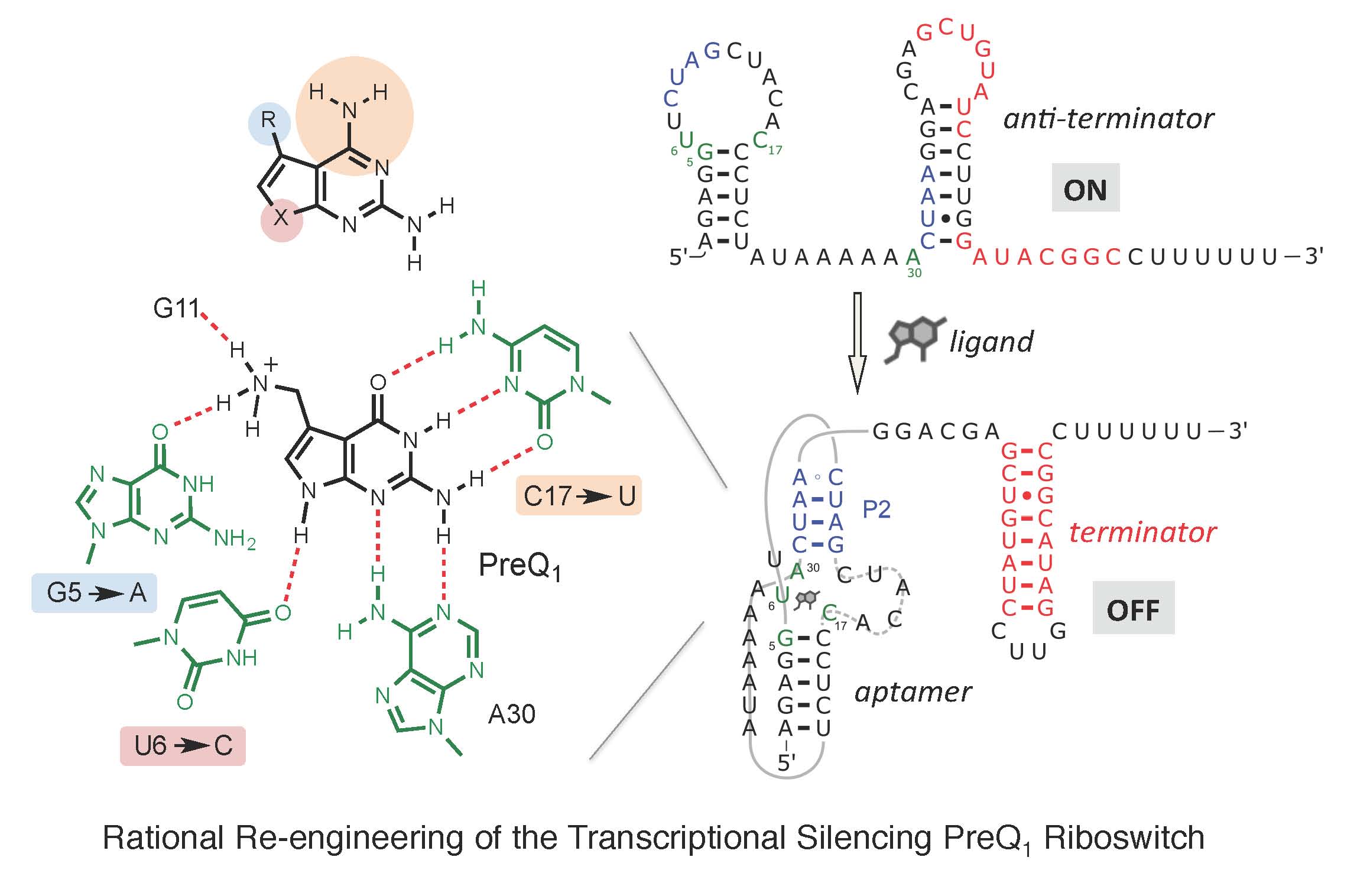
Jason Micklefield is a Professor of Chemical Biology at the University of Manchester's School of Chemistry and Manchester Institute of Biotechnology. His research focuses on sustainable bio-inspired molecular synthesis, integrating organic chemistry, enzymology, and molecular microbiology. He holds an honorary Visiting Professorship at East China University of Science and Technology. Micklefield earned his PhD in Chemistry from the University of Cambridge in 1993 and completed postdoctoral work at the University of Washington before joining Manchester in 1998. His lab specializes in biosynthesis pathway engineering, biocatalysis, and nucleic acid chemistry. Education: PhD in Chemistry (1993), University of Cambridge NATO Postdoctoral Fellowship, University of Washington, USA (1993–1995) Lecturer in Organic Chemistry, Birkbeck College, University of London (1995–1998) Research Themes: Biosynthesis of novel antibiotics to combat AMR, including pathway engineering for agrochemicals and drug discovery. Biocatalysis and integrated catalysis for sustainable synthesis of pharmaceuticals, focusing on amide ligases and halogenases. Nucleic acid therapeutics and riboswitch engineering for synthetic genetic control. Key Achievements: Discovered CfaL ligases enabling amide synthesis without protecting groups. Engineered vitamin K-dependent carboxylases for novel antibiotic pathways. Developed orthogonal riboswitches for synthetic biology applications. Awards: RSC Bader Award (2019) NPR Lecture Award Lab & Collaborations: The interdisciplinary Micklefield Lab includes chemists, biochemists, and bioinformaticians. Projects include MESNA (modified nucleic acid synthesis) and collaborations on sustainable chemical manufacturing.
Elina Vuorimaa-Laukkanen is a University Lecturer at Tampere University's Faculty of Engineering and Natural Sciences, Department of Materials Science and Environmental Engineering, and a Docent in Pharmaceutical Nanotechnology at the University of Helsinki's Faculty of Pharmacy. She leads the research team Supramolecular Chemistry of Bio- and Nanomaterials , focusing on light-driven studies of biological processes, solid-phase behavior, and drug release activation. Her work spans multidisciplinary collaboration with chemists, pharmacists, biologists, and physicists. Education : Doctor of Philosophy (Technology), Tampere University, 1994 Licentiate of Philosophy (Chemistry), University of Helsinki, 1993 Research Interests : Her expertise includes Photochemistry and Nanotechnology of self-assembling materials (phospholipids, polymers, proteins, oligo/polynucleotides), Time-resolved Spectroscopy , Fluorescence Lifetime Microscopy , and Langmuir-Blodgett Films . She develops methods to track drug nanocarriers interacting with living cells and investigates Extracellular Vesicles for theranostic platforms. Recent Publications highlight advancements in Chitosan-hyaluronate polyplexes for oligonucleotide delivery, Fluorescence Anisotropy for nanocarrier analysis, and Self-assembly of copoly(2-oxazoline)s for drug encapsulation. Collaborations : She works within Tampere University's Chemistry & Advanced Materials Research Cluster , PREIN Photonics Flagship, GeneCellNano, and the EVE Extracellular Vesicle Ecosystem projects. Teaching : Responsible for Physical Chemistry and Lab Safety courses in the chemistry curriculum.
Mark Nitz is a Professor in the Department of Chemistry at the University of Toronto. His research focuses on bio-organic chemistry and chemical biology, with specialties in Mass Cytometry reagent development, bacterial glycobiology (particularly poly-N-acetylglucosamine), and the creation of novel bioorthogonal reactions. Research Interests: Mass Cytometry: Developing heavy-atom probes (e.g., tellurium) for high-parameter biological analysis in vivo. Bacterial Glycobiology: Investigating polysaccharide synthesis (PNAG) in bacteria, developing inhibitors through in vitro enzyme studies and bacterial system validations. Novel Reactions: Exploring hydrazine/hydroxylamine chemistry with carbohydrates and aqueous tellurophene reactions for bioorthogonal applications. Recent Work: His lab published a breakthrough in 2024 detailing the OSTAC reaction, enabling selective protein labeling in complex systems. This integrates seamlessly with existing techniques like SPAAC and CuAAC. Advising: Dr. Nitz has guided PhD students Jamie Bu, Nicole Potter, and Stephanie Sebastiampillai. His team actively collaborates on structural biology projects, including co-crystal structure determinations. Labs/Teams: The Nitz Lab, located in the Lash Miller Chemical Laboratories (St. George Campus), emphasizes interdisciplinary approaches to chemical biology challenges, blending synthetic chemistry with biological applications.
João F. Mano is a Full Professor at the Department of Chemistry, University of Aveiro, and Director of the Doctoral Program on Biotechnology. He leads the COMPASS Research Group and serves as Vice-Director at CICECO - Aveiro Institute of Materials. His academic appointments include Invited Professor at University of Lorraine (France), Visiting Professor at KAIST (South Korea), and Adjunct Professor at Ajou University (South Korea). Education: PhD in Chemistry (1996, Technical University of Lisbon); D.Sc. in Tissue Engineering, Regenerative Medicine and Stem Cells (2012, University of Minho) Research Interests focus on Biomaterials for Regenerative Medicine , integrating Nanotechnology , Microtechnology , and Biofabrication . His group develops Bioinspired Materials using polymer chemistry, Decellularized Extracellular Matrix , and 3D Bioprinting to engineer Cell Microenvironments for therapeutic applications. Recent Publications highlight advancements in Human-Derived Hydrogels , Photopolymerizable Scaffolds , Magneto-Responsive Biomaterials , and Programmable Bioinks . Trends show emphasis on Organ-on-a-Chip integration, Smart Living Materials , and Green Bioprinting methodologies. Scientific Awards include: European Research Council Advanced Grants (2015, 2020) Fellow at IUPAC, European Academy of Sciences, and American Institute of Medical and Biological Engineering ERC Proof of Concept Grants Doctor Honoris Causa from University of Lorraine and Utrecht UNESCO Chair on Biomaterials George Winter Award (European Society for Biomaterials) Supervisions & Collaborations encompass 74+ MSc, 26+ PhD students, and 40+ postdocs. He co-founded METATISSUE and CELLULARIS Biomodels , and serves as Editor-in-Chief of Materials Today Bio .
Dr. Martin Anthony Fascione is a Reader in Chemistry at the University of York, where he leads the Fascione Lab within the Department of Chemistry. His research focuses on the interface between chemistry and biology, particularly in the field of chemical glycobiology. He has established himself as a leading researcher in carbohydrate chemistry with expertise in synthetic methods and biological applications. Dr. Fascione received his Ph.D. from the University of Leeds in 2009 under the supervision of W. Bruce Turnbull, followed by a Marie Curie International Outgoing Fellowship at the University of British Columbia with Prof. Steve Withers and the University of York with Prof. Gideon Davies. Since August 2014, he has been at the York Structural Biology Laboratory, progressing from Lecturer to his current position as Reader. His research centers on complex sugars (glycans) and their roles in biological processes and disease, with particular emphasis on sialic acid-like molecules critical for bacterial pathogens. The Fascione group develops chemical tools to study and perturb glycan activity in vivo using synthetic and enzymatic carbohydrate chemistry, organocatalysis, enzymology, and molecular biology. Key research areas include pseudaminic acid biosynthesis, protein bioconjugation, and glycoconjugate development for therapeutic applications. Analysis of Dr. Fascione's recent publications reveals a strong focus on bacterial glycans, particularly pseudaminic acid, and their role in pathogenesis. His work combines synthetic chemistry with biological applications, developing novel methods for protein modification, carbohydrate synthesis, and glycan-based therapeutics. Major themes include bioorthogonal chemistry, enzymatic synthesis of complex carbohydrates, and the development of glycoconjugates for therapeutic and diagnostic applications. Dr. Fascione has received significant recognition for his work, including: Marie Curie International Outgoing Fellowship (2012-2014) ERC Consolidator Grant (2022) As an active researcher, Dr. Fascione supervises PhD students and collaborates extensively with researchers in the UK and internationally. His laboratory is involved in multiple research projects focused on chemical glycobiology for infectious disease research and therapeutic development. The Fascione Lab has established itself as a leading center for research at the chemistry-biology interface, with particular expertise in carbohydrate-active enzymes and glycan-based tools for biological investigation.
Pia Vogel is a Professor in the Department of Biological Sciences at Southern Methodist University (SMU), where she leads research on nucleotide-binding proteins using Electron Spin Resonance spectroscopy and molecular modeling. Her work focuses on elucidating structural mechanisms in ATP synthase, multidrug resistance transporters, and calcium channels with biomedical applications in cancer therapy and neurodegenerative diseases. Education: Ph.D., University of Kaiserlautern Dr. Vogel's research program investigates three interconnected domains: the rotary mechanics of FoF1-ATP synthase (particularly the external stalk subunit b-dimer), the structural basis of multidrug resistance in P-glycoprotein and MRPs, and ATP-regulated calcium release via ryanodine receptors. Her laboratory employs site-specific spin labeling, ESR spectroscopy, and computational modeling to resolve protein dynamics and interactions at molecular resolution, contributing to understanding energy transduction in ATP synthase and mechanisms of drug resistance. Analysis of her 15 most recent publications (2020-2025) reveals a dominant focus on developing and characterizing P-glycoprotein and BCRP inhibitors to overcome chemotherapy resistance in cancer. These studies integrate computational screening, ATPase assays, and cell-based models to evaluate inhibitor efficacy, with emerging applications in Alzheimer's research through amyloid-β transport studies. The work demonstrates consistent methodological synergy between biophysical characterization and therapeutic development. Dr. Vogel maintains an active research group supported by sustained funding, evidenced by continuous publication output and laboratory infrastructure. Her team employs multidisciplinary approaches spanning biophysics, biochemistry, and computational biology to address fundamental questions in membrane protein function. Her laboratory facilities in DLSB 221 include specialized Electron Spin Resonance instrumentation and dual Linux computing clusters for molecular dynamics simulations. The research environment supports collaborative projects extending her work into cancer therapeutics and neurodegenerative disease mechanisms through partnerships with clinical and computational researchers.
Andrew Sutherland is Professor of Organic Chemistry at the University of Glasgow , School of Chemistry. His research integrates synthetic organic chemistry with molecular imaging, focusing on PET/SPECT tracer development, fluorescent amino acid probes, and transition-metal catalysis for rapid scaffold assembly. Education: Not explicitly listed in the provided text. Research Interests: Molecular imaging of neurological diseases and cancer using PET/SPECT tracers Development of fluorescent amino acid probes for cell imaging Transition-metal-catalyzed transformations (Fe, Cu, Pd, Ni) One-pot multi-reaction processes for drug-like scaffolds and natural products Publication Trends: His 2024–2025 work emphasizes fluorogenic amino acids, radiohalogenation for PET imaging, and iron/copper-catalyzed C–H functionalization. Earlier work includes natural product synthesis and mechanistic studies on halodeboronation. Scientific Awards: None listed in the provided text. Grants & Collaborations: Extensive collaborations with imaging scientists (e.g., Sally Pimlott, Adriana Tavares) and synthetic chemists, evidenced by multi-author papers and joint PET ligand development. Research Group: Leads the Sutherland group , housed in the Joseph Black Building (C5-06), with active projects in chemical biology and organic synthesis.
Dr. Jayshri Sabarinathan is an Associate Professor in the Department of Electrical and Computer Engineering at Western University's Faculty of Engineering, and a Faculty Member with the Institute for Earth and Space Exploration. She joined Western University in Fall 2003, received the NSERC University Faculty Award in 2004, and was promoted to Associate Professor in 2010. She previously served as Associate Director of Training (2019-2022) with the Institute for Earth and Space Exploration. Education: Ph.D. in Electrical Engineering, University of Michigan, Ann Arbor (2003) M.S.E. in Electrical Engineering, University of Michigan, Ann Arbor (1999) B.S.E. in Electrical Engineering and Engineering Physics, University of Michigan, Ann Arbor (1997) Her research focuses on developing novel nano-photonic sensors and miniature remote sensing instrumentation, with expertise spanning photonic crystals, plasmonic sensors, and CubeSat technology. Her work integrates nanofabrication techniques with practical applications in precision agriculture, geology, and space exploration. She has extensive experience with nanofabrication facilities including the University of Michigan Solid State Electronics Laboratory and Western's nanofabrication facility. Analysis of her 15 most recent publications reveals strong emphasis on plasmonic sensing technologies, photonic crystal applications, and nanoscale optical phenomena. Her research consistently bridges fundamental photonics with practical sensor development, particularly for environmental monitoring and space applications. The publications demonstrate progression from basic photonic crystal research to applied space instrumentation. Scientific Awards: NSERC University Faculty Award (2004) US Patent 8839683 for Photonic Crystal Pressure Sensors (2014) OSA (Optica) Senior Member Co-founder of LightSail Ltd space startup Dr. Sabarinathan actively mentors graduate students through her Nanophotonic Sensors Engineering (NPSE) and Remote Sensing Instrumentation (RSI) research groups. She has secured significant funding including Canadian Space Agency projects, notably as PI for the Western University-Nunavut Arctic College CubeSat Project Ukpik-1. Her research has resulted in three patents for micro photonic-sensors and multi-spectral camera innovations. Her labs focus on two primary research thrusts: the NPSE group developing hybrid photonics micro/nano-sensors including IR/THz plasmonic sensors and bio-photonic sensors, and the RSI group creating multispectral camera imagers for UAV/mobile robots with XRD instrumentation miniaturization for Mars rovers.
Mehmet Koyutürk serves as the Andrew R. Jennings Professor in the Department of Computer and Data Sciences at Case Western Reserve University's Case School of Engineering, with additional affiliation as a Member of the Cancer Genomics and Epigenomics Program at the Case Comprehensive Cancer Center. His computational research bridges algorithm development with biological applications, focusing on network-structured data analysis to address complex biomedical challenges. Dr. Koyutürk earned his Ph.D. in Computer Science from Purdue University following B.S. and M.S. degrees in Electrical Engineering and Computer Engineering from Bilkent University. His primary research domains include high-throughput biological data analysis, systems/network biology methodologies, data mining algorithms, and scientific computing optimization, with particular emphasis on phosphorylation networks, genomic interactions, and multi-omics integration. Recent publication trends reveal expanding applications of his network science expertise into Alzheimer's disease phosphoproteomics, bipolar disorder biomarker discovery, and intimate partner violence analysis, while maintaining core contributions to graph neural networks and biological link prediction. His group actively develops open-source analytical tools like RokaiXplorer for phospho-proteomic data accessibility. Scientific Recognition Andrew R. Jennings Professorship Dr. Koyutürk leads multiple NIH-funded initiatives including R01-LM012980 for phosphoproteomics analysis, U01-CA198941 (BD2K program) for big network integration, and R01-LM011247 for GWAS enhancement, complemented by NSF CAREER Award CCF-0953195. He serves on the steering committee for CWRU's Systems Biology and Bioinformatics graduate programs and as Associate Editor for IEEE/ACM Transactions on Computational Biology and Bioinformatics (TCBB), with extensive collaboration through Mark Chance's Center for Proteomics and Bioinformatics. His laboratory specializes in developing scalable algorithms for biological network analysis, currently advancing projects on kinase-substrate association prediction, co-phosphorylation network characterization in cancer, and network-based approaches to intimate partner violence data mining, with strong emphasis on translating computational methods into biomedical insights through open-source software dissemination.
Silvia Cavagnero is a Professor in the Department of Chemistry at the University of Wisconsin–Madison, with a research focus on protein folding and misfolding in cellular contexts. Her work integrates biomolecular spectroscopy, chemical biology, and computational methods to address fundamental questions in structural biology. B.S., First University of Rome ‘La Sapienza’ (1988) M.S., University of Arizona (1990) Ph.D., California Institute of Technology (1996) Her research explores the role of molecular chaperones like Hsp70 in protein biogenesis, the development of laser-driven NMR techniques for enhanced sensitivity, and the implications of protein aggregation in neurodegenerative diseases. Key projects include cotranslational folding studies at ribosomal exit tunnels and hyperpolarization methods for low-concentration NMR analysis. The 15 most recent publications highlight interdisciplinary advances in NMR spectroscopy optimization Protein folding kinetics Cryo-EM structural analysis Chaperone-client interactions Hsp70 antimicrobial design Hydration dynamics in folding Scientific contributions include A Prize for Going in Vivo (2017) Recognition for Diversity and Inclusion Efforts Students from the Cavagnero Group have pursued careers in academia, pharmaceutical industries, and national laboratories. Her lab emphasizes interdisciplinary training, blending physical chemistry, biology, and computational analysis.
Dr. Craig R. Forest is a Professor at the Georgia Institute of Technology's Woodruff School of Mechanical Engineering, specializing in bioMEMS, neuroengineering, and high-throughput instrumentation. He leads the Precision Biosystems Laboratory, focusing on developing robotic tools for neuroscience and genomics. His research bridges mechanical engineering with biological systems, creating innovations like the PatcherBot for automated electrophysiology. Forest earned his Ph.D. (2007) and M.S. (2003) from MIT and B.S. (2001) from Georgia Tech. He has been recognized with awards including the 2013 Georgia Tech Class of 1940 W. Roane Beard Outstanding Teacher Award and Engineer of the Year (2013). His work emphasizes interdisciplinary collaboration, particularly through initiatives like CREATE-X and the Invention Studio, fostering student entrepreneurship and maker culture. Key contributions include ultra-high-throughput genomics tools, microfluidic systems, and acoustic reporter genes for medical imaging. Forest’s lab explores emerging fields like intracellular robotics in neuroscience and molecular communication networks, with applications in drug discovery and personalized medicine. Scientific awards highlight his impact in education and engineering innovation. His grants and collaborations span academic and industrial partnerships, advancing both theoretical and applied research in bioengineering and nanotechnology.