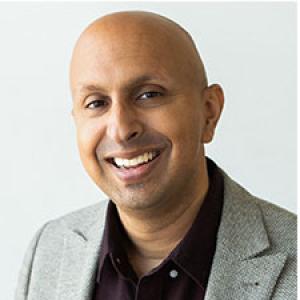
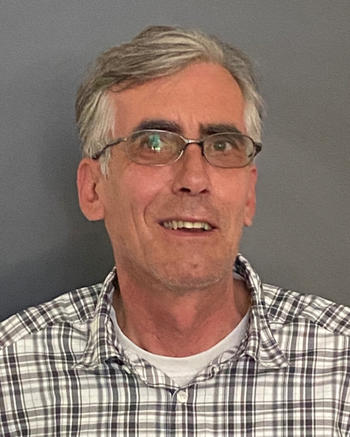
Nevil Singhمشاهده پروفایل
دانشیار
Nevil Singh is an Associate Professor in the Department of Microbiology and Immunology at the University of Maryland School of Medicine, where he has been a faculty member since 2013. He is also a Member of the Marlene and Stewart Greenebaum Comprehensive Cancer Center. His research focuses on understanding the mechanisms of T cell activation, tolerance, and memory formation. Dr. Singh received his graduate training at the Tata Institute of Fundamental Research (TIFR) in Bombay, India, where he worked on vaccine-antigens against the malarial parasite Plasmodium falciparum . He then completed a post-doctoral fellowship with Ron Schwartz's group at the NIAID, NIH, examining T cell tolerance to self-proteins. Following this, he worked as a Research Scientist at the NIAID studying mechanisms controlling the responsiveness and frequency of helper T cells. Dr. Singh's research spans several interconnected areas in immunology. His laboratory investigates how T cells discriminate between pathogens, tumors, and self-antigens through mechanisms of negative regulatory signaling. They study how T cells calibrate their sensitivity to antigen through a process called "T cell tuning." The lab also examines how T cell responses are tailored to both pathogen type and affected tissue niche. Additionally, they investigate the mechanisms by which neurotransmitters regulate T cell function, exploring the intersection of nervous and immune systems. Dr. Singh's research has significant implications for understanding autoimmune diseases, developing more effective vaccines, and improving cancer immunotherapies. His work on T cell tuning provides insights into how the immune system maintains tolerance to self-antigens while remaining responsive to pathogens, with potential applications for treating both autoimmune disorders and cancer. Dr. Singh has received funding from diverse sources including DARPA for his work on immunological memory formation. His laboratory collaborates with teams at UMSOM, Arizona State University, and the NIAID/NIH in Bethesda, and with the Fuerst group at IBBR for preclinical HCV vaccine evaluation. Dr. Singh actively mentors graduate students and postdoctoral fellows, with several former trainees now in prominent positions in academia and industry. His laboratory culture emphasizes both experimental training and intellectual development, encouraging independent thinking and project development skills.