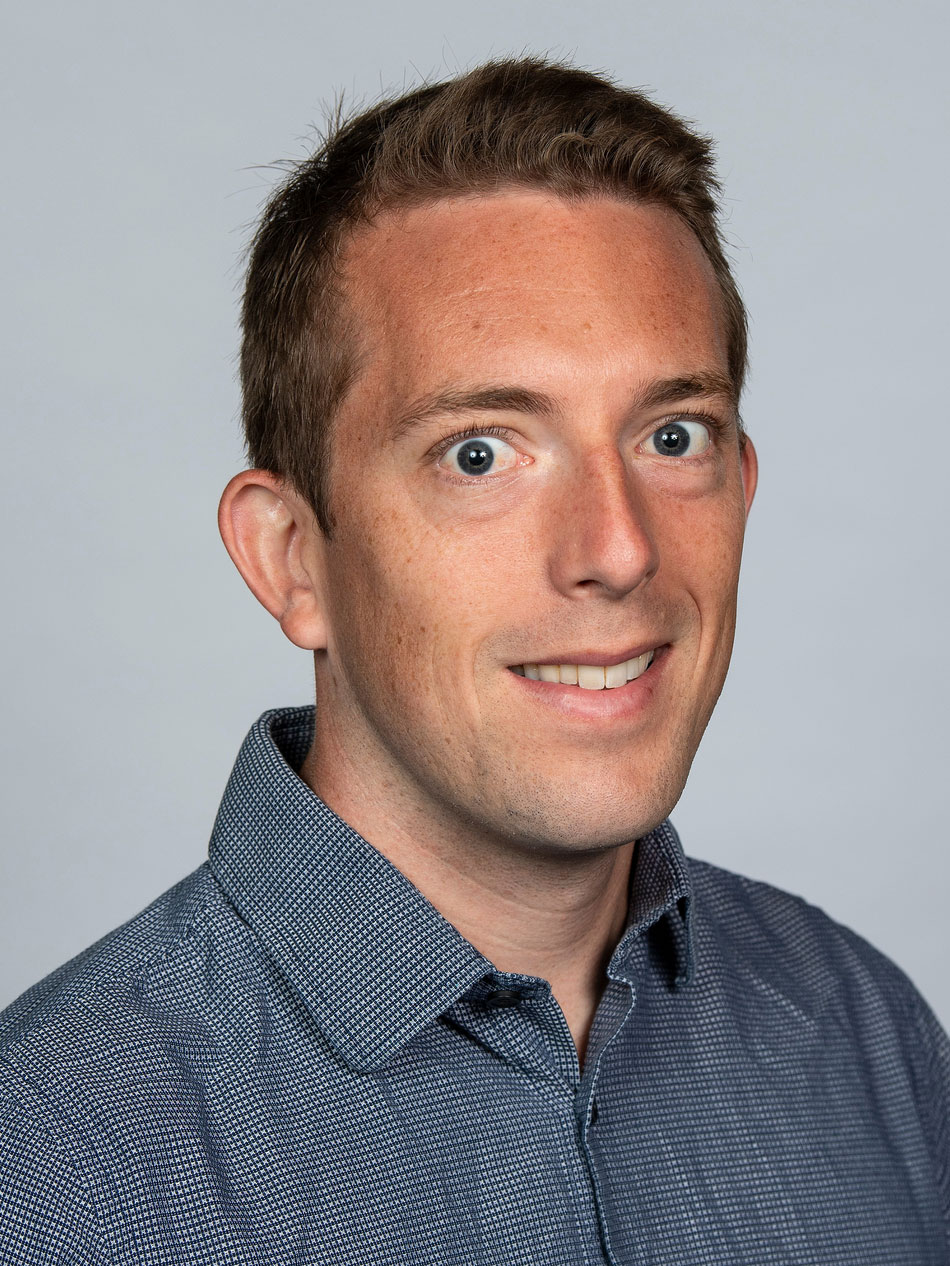
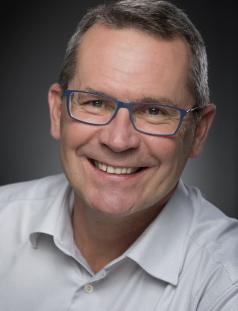
Benjamin Woolston is an Assistant Professor in the Department of Chemical Engineering at Northeastern University, with an affiliation in Bioengineering. He joined the university in January 2020. His research focuses on metabolic engineering and synthetic biology for sustainable biochemical production and human health, leveraging acetogenic microbes and gut microbiota. He holds a PhD from MIT (2017) and a BSc from Penn State (2011). Research Interests: Sustainable Biochemical Production: Engineering acetogens like Eubacterium limosum to utilize single-carbon substrates (e.g., CO, methanol) for biofuel/chemicals. Gut Microbiome Modulation: Developing engineered probiotics to control disease-associated metabolites in gut-on-chip models. Genetic Tools: Creating recombinant systems (e.g., CRISPRi, Cas9 counterselection) for anaerobic microbes. Key Awards: 2025 NSF CAREER Award ($575K) for metabolic engineering of acetogens. 2025 ONR Young Investigator Award for methanol fermentation engineering. 2024 Søren Buus Outstanding Research Award. Grants & Roles: PI: NSF-funded metabolic ‘doping’ project (2025). Co-PI: ARPA-E ECOSynBio project for zero-carbon biofuels (2021). PI: NIH NIBIB grant for engineered probiotics in gut models (2022). Labs & Teams: The Woolston Lab at Northeastern explores microbial systems for sustainability and human health, emphasizing synthetic ecology and anaerobic bioprocessing. Collaborations include Tulane University and Boston University.
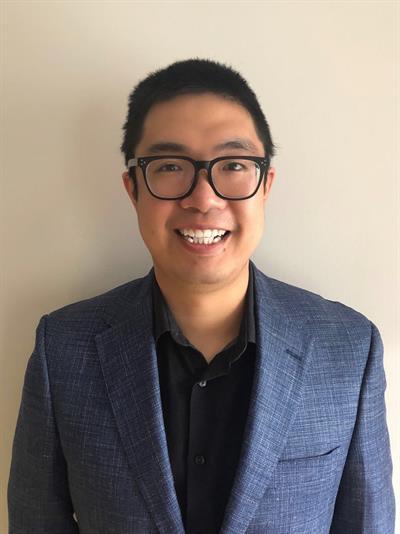
Rui Guo is an Assistant Professor at Tufts University School of Medicine, affiliated with the Department of Molecular Biology and Microbiology. Their research focuses on Epstein-Barr Virus (EBV) pathogenesis, particularly its role in cancers like Burkitt lymphoma and mechanisms for developing targeted therapies. Doctor of Philosophy (2018), Kansas State University Master of Science (2013) and Bachelor of Science (2010), Yangzhou University Research interests include EBV-driven metabolic vulnerabilities in B-cells, with a focus on methyl group metabolism, mitochondrial remodeling, and lipid dynamics. Their work aims to improve cancer treatments by targeting viral dependencies. Recent publications highlight discoveries in EBV's manipulation of cardiolipin synthesis , methionine metabolism , and lysosomal iron reduction in Burkitt lymphoma. Techniques include transcriptomics , metabolomics , and CRISPR/Cas9 screening . Scientific recognition includes: National Institutes of Health Grant (2022-2026) for Epstein-Barr Virus epigenetic research
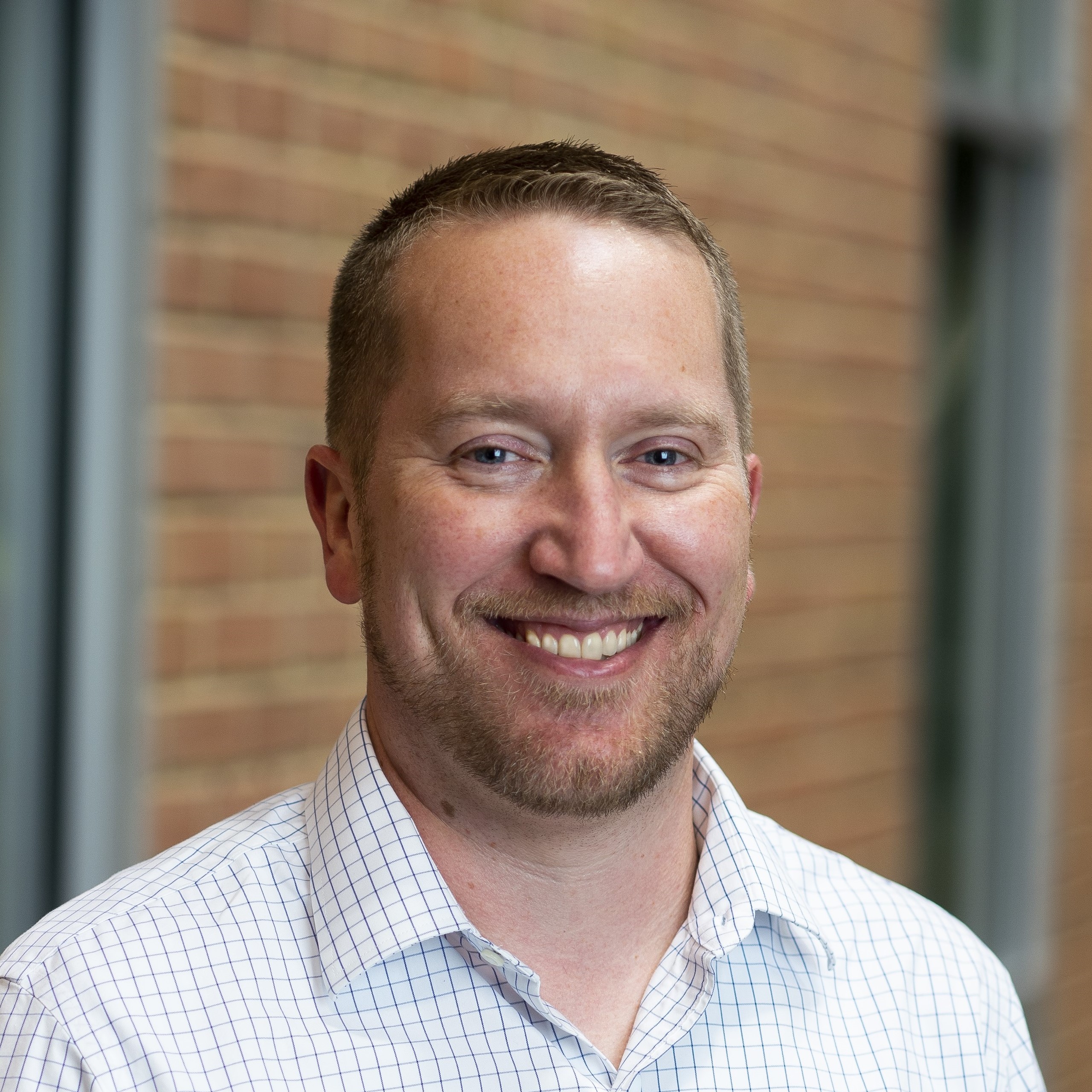
Dr. Kyle Koch serves as an Associate Extension Educator in the Department of Entomology at the University of Nebraska-Lincoln's College of Agricultural Sciences and Natural Resources. His 100% Extension appointment focuses on field crops entomology, with expertise in insect ecology, pest management, and plant-insect interactions. Dr. Koch plays a key role in Nebraska Extension's statewide issue teams, developing educational programs and resources for agricultural stakeholders across the state. Dr. Koch's educational background includes: B.S. in Biology from Creighton University, Omaha, NE (2009) M.S. in Entomology from University of Nebraska-Lincoln (2013) Ph.D. in Entomology from University of Nebraska-Lincoln (2017) Dr. Koch's research centers on insect-plant interactions, particularly focusing on aphid pests in agricultural systems. His work examines the molecular, biochemical, and behavioral aspects of how insects interact with host plants, with special emphasis on switchgrass, sorghum, and soybean systems. He investigates plant defense mechanisms against aphids, including constitutive and inducible resistance, as well as plant tolerance strategies. His research integrates molecular biology, biochemistry, and behavioral ecology to develop sustainable pest management approaches for agricultural systems. Analysis of Dr. Koch's publication record reveals a strong focus on aphid-plant interactions across multiple crop systems, with particular expertise in electrical penetration graph (EPG) technology for studying insect feeding behavior. His work spans molecular mechanisms of plant defense, behavioral ecology of insect pests, and applied pest management strategies. A significant portion of his research involves switchgrass as a bioenergy crop and its interactions with cereal aphids, reflecting both fundamental and applied research interests. Dr. Koch has received numerous awards and honors throughout his career: North American Colleges and Teachers of Agriculture Graduate Student Teaching Award of Merit (2016) Dean's Fellowship, University of Nebraska-Lincoln (2015) Milton E. Mohr Research Fellowship, University of Nebraska-Lincoln, Center for Biotechnology (2014) Milton E. Mohr Teaching Fellowship, University of Nebraska-Lincoln, Center for Biotechnology (2014) Milton E. Mohr Teaching Fellowship, University of Nebraska-Lincoln, Center for Biotechnology (2012) North Central Branch Meeting of the Entomological Society of America, Student Competition, Oral 10-minute paper (1st Place) (2012) President's Prize Student Competition at the Annual Meeting of the Entomological Society of America (2011) As an Extension Educator, Dr. Koch leads and innovates Nebraska's identification, surveillance, and mapping of invasive and threatening arthropod species, particularly those of economic importance. He trains extension personnel, UNL students, faculty, and staff in new insect diagnostic technologies and engages Nebraskans in citizen science projects focused on invasive species. His professional responsibilities include developing rapid and innovative insect diagnostics and providing state-wide leadership in entomology extension programming. Dr. Koch is an active member of the Entomological Society of America (ESA) and collaborates with researchers across multiple institutions on projects related to insect-plant interactions and pest management. His work often involves interdisciplinary teams combining expertise in entomology, plant science, molecular biology, and agricultural extension.
Prof. Michael Krieg leads the Neurophotonics and Mechanical Systems Biology group at the Institute of Photonic Sciences (ICFO), focusing on mechanosensation and cell mechanics in health/disease. His research uses C. elegans as a model, combining optogenetics, optical tweezers, and microfluidics to study how mechanical forces influence biology. Key areas include protein condensates in touch sensing, neurodegeneration under mechanical stress, and synthetic neural circuits. Technological innovations include time-shared optical tweezers for microrheology and photon-based communication systems. He received a Proof of Concept Grant (2023) for advancing these tools. Current projects explore age-related viscoelastic changes in cells and 'prosthetic' cellular communication systems. Advising and hiring: Open PhD positions in neuronal cell biology and biochemistry master’s projects. Collaborations involve deep learning microscopy and synthetic biology approaches to mechanobiology.
Prof. Dr. Harriet Wikman-Kocher is a Professor and Head of Research Group at the Institute of Tumor Biology, part of the Faculty of Medicine at the University of Hamburg. Her research focuses on liquid biopsy technologies, cancer metastasis, and molecular mechanisms in oncology, particularly in pancreatic, breast, lung, and brain cancers. She leads studies on circulating tumor cells (CTCs), cell-free DNA (ctDNA), and extracellular vesicles (EVs) to identify prognostic and diagnostic biomarkers. Her work integrates clinical and experimental approaches to advance understanding of tumor progression and therapeutic resistance. Expertise: Liquid biopsies, metastasis biology, CTCs/ctDNA analysis, cancer genomics, neuro-oncology. Key affiliations: University Medical Center Hamburg-Eppendorf (UKE), Center for Experimental Medicine. Her research emphasizes translational applications, such as improving early detection and monitoring of cancer through non-invasive methods. Collaborations include projects on immunotherapy biomarkers, brain metastasis mechanisms, and precision medicine strategies.
Deborah Gill is a Professor of Gene Medicine and Head of the Nuffield Division of Clinical Laboratory Sciences at the University of Oxford's Radcliffe Department of Medicine. She is based at the John Radcliffe Hospital, where she leads the Gene Medicine Research Group. Her work focuses on gene therapy applications for lung diseases, particularly Cystic Fibrosis (CF) and rare conditions like Surfactant Protein Deficiency. Education: PhD in Molecular Microbiology (University of Warwick) and BSc (Hons). Her research spans ABC protein studies, viral/non-viral vectors for gene delivery, and clinical translation of therapies. She co-founded the UK Respiratory Gene Therapy Consortium. Research emphasizes translational medicine, including phase 2b CF trials and preclinical studies on surfactant protein deficiencies. Her lab develops novel delivery systems to enhance gene expression efficacy and reduce inflammation. Awards: While specific honors are not listed, her contributions to CF therapy and lung gene therapy have significant clinical impact. Her team's work has advanced viral vector engineering and clinical trial methodologies. Advising/Grants: Supervises projects on lentiviral stability, pulmonary fibrosis, and SARS-CoV-2 immune responses. Collaborates with interdisciplinary teams in Oxford and the UK Consortium. Active in preclinical and clinical-stage research pipelines. Labs/Teams: Leads the Gill and Hyde Group (Gene Medicine) and contributes to the UK Respiratory Gene Therapy Consortium, fostering cross-institutional collaboration in lung disease research.
Dr. Kathryn Frank is an Associate Professor at the University of Florida's College of Design, Construction and Planning (CDCP), specializing in Urban and Regional Planning. As Director of the Florida Center for Innovative Communities, she leads applied research projects focusing on sustainable, equitable, and resilient community development. Her expertise spans small town/rural planning, coastal resilience, community engagement, and ecosystem management. She has secured over $1 million in interdisciplinary grants from organizations like the National Estuarine Research Reserve System and Florida Sea Grant. Dr. Frank holds a Ph.D. in City and Regional Planning from Georgia Tech and teaches courses such as URP 6421 (Environmental Land Use Planning) and URP 6931 (Community Engagement). She advises doctoral students and contributes to the Sustainability Governing Board at UF. Her research emphasizes translating academic insights into actionable solutions for real-world challenges, particularly climate adaptation and social equity. Notable achievements include developing disease-resistant rice strains and enhancing drought tolerance in maize. Awards include the Florida APA's Award of Excellence for innovative planning approaches. She also mentors undergraduate capstone projects in Sustainability and the Built Environment. Education: Ph.D., Georgia Tech (2009); M.S., University of Oregon (2000); B.S., Georgia Tech (1994) Grants: Over $1M in funded projects focused on community resilience and agricultural innovation Labs/Initiatives: Leads the Florida Center for Innovative Communities, integrating research with community needs
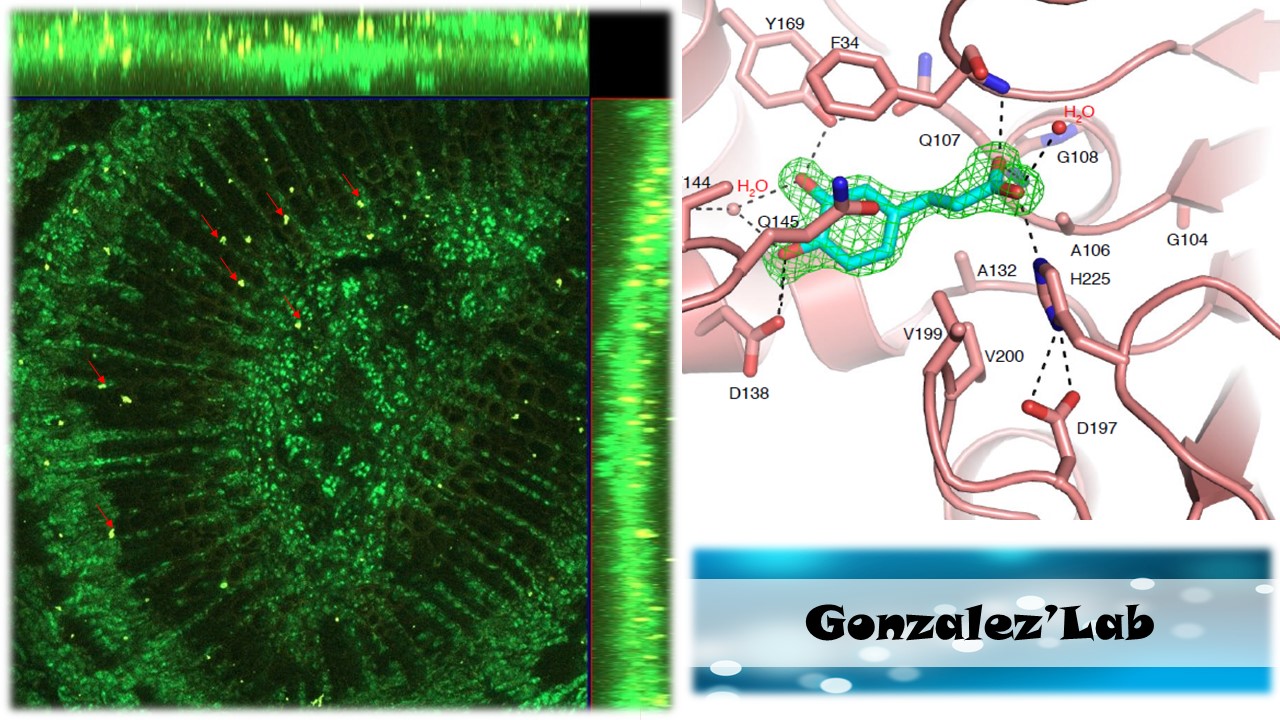
Claudio Gonzalez is a Professor in the Department of Microbiology & Cell Science at the University of Florida. His research focuses on understanding host-bacteria interactions, particularly the molecular mechanisms underlying probiotic effects and bacterial pathogenesis. He is affiliated with the UF Genetics Institute and directs the Gonzalez Lab, which employs advanced molecular biology and analytical techniques to study enzymatic pathways, extracellular vesicles, and immune modulation. His work integrates microbiology, immunology, and biotechnology to address challenges in human health, such as diabetes prevention and infectious disease control. Key areas include probiotic Lactobacillus strains' roles in modulating immune responses and their potential for therapeutic applications. Recent studies highlight his lab's contributions to understanding how probiotics influence dendritic cell behavior, inhibit viral replication, and enhance gut health through extracellular vesicle-mediated signaling. His research also addresses agricultural challenges, such as optimizing forage digestion and combating plant pathogens like Liberibacter asiaticus. Publications emphasize translational applications, including probiotic formulations, EV-based therapies, and enzymatic solutions for biofuel production. Collaborations span disciplines from clinical trials to agricultural biotechnology, underscoring the lab's interdisciplinary approach.
Steven Prior is an Associate Professor and Associate Chair for Research in the Department of Kinesiology at the University of Maryland's School of Public Health. His research focuses on translational exercise interventions to reduce aging-associated vascular and functional impairments in older adults, particularly those with cardiometabolic disorders. His work explores molecular, cellular, and whole-body contributors to diseases like type 2 diabetes and sarcopenia. Education : PhD in Kinesiology, University of Maryland College Park (2005) MA in Sport and Exercise Science, Ohio State University (2001) BS in Sports Medicine, University of Pittsburgh (1999) Postdoctoral Fellowship in Gerontology and Metabolism, University of Maryland School of Medicine (2008) Research Interests : Prior investigates mechanisms of vascular dysfunction and aging, leveraging advanced techniques like contrast-enhanced ultrasound and cell culture models. His lab studies angiogenesis, skeletal muscle capillarization, and exercise-induced improvements in vascular health. Grants & Funding : Supported by NIH and VA grants examining exercise's role in restoring angiogenesis and metabolism in peripheral arterial disease and sarcopenia. Awards : 2022 Winston Family Honors Award (Faculty Mentor) 2019 Maryland Research Excellence Honoree 2012 Paul B. Beeson Scholar 2007 New Investigator Research Award (The Obesity Society) Labs/Teams : Directs a lab integrating exercise science, vascular biology, and aging research. Collaborates with clinical teams on translational studies.
Mark A. Tanouye is a Professor in the Department of Molecular & Cell Biology at the University of California, Berkeley. He is affiliated with the Organisms and Environment Division and leads the Tanouye Lab, focusing on genetic approaches to study human neurological disorders using Drosophila as a model system. His research emphasizes epilepsy modeling, with particular interest in seizure mechanisms and drug discovery. Education: Ph.D. Biology (Yale University, 1978), B.S. Biology (Stanford University, 1973). Research Interests: Neurophysiology of insects, genetic analysis of epilepsy, Drosophila seizure models, ion channel dysfunction, and drug development for neurological disorders. Current projects include studying the role of potassium-chloride co-transporters in seizure susceptibility and exploring seizure-suppressor genes as anticonvulsant targets. Lab & Teams: The Tanouye Lab uses electrophysiology, optical recording, and genetic tools to investigate epilepsy mechanisms. Collaborations focus on translating Drosophila findings into human therapies.
Dr. Jennifer Hirst is a Principal Research Associate and Fellow at Jesus College, University of Cambridge, where she serves as a Tutor in Natural Sciences (Biological). She is based at the Cambridge Institute for Medical Research within the School of Clinical Medicine, focusing on cell biology and membrane trafficking research. Dr. Hirst earned her BSc Hons in Biochemistry from Imperial College London (as an Associate of the Royal College of Science), followed by a PhD in Cell Biology from University College London. She also completed a Diploma in Science Communication from Birkbeck College London, demonstrating her commitment to public engagement. Her research primarily investigates membrane trafficking mechanisms and their role in human diseases, particularly hereditary spastic paraplegia and lysosomal storage diseases. She has extensive expertise in endocytosis, cell culture, intracellular trafficking, live cell imaging, and molecular cell biology techniques. Her work examines how adaptor protein complexes (particularly AP-4 and AP-5) function in cellular trafficking pathways and how their dysfunction leads to neurodegenerative disorders. Analysis of her recent publications reveals a strong focus on hereditary spastic paraplegia, with particular emphasis on AP-4 and AP-5 complex deficiencies. Her research spans from basic molecular mechanisms to clinical applications, including development of diagnostic assays and potential gene therapies. She frequently collaborates on multicenter studies examining genetic mutations and their phenotypic expressions across different populations. Dr. Hirst is actively involved in public science engagement, conducting school science visits, and maintains personal interests in traveling, karate, and badminton. Her technical expertise includes advanced cellular imaging techniques, western blot analysis, and immunofluorescence, which support her investigations into protein trafficking pathways and neurological disease mechanisms.
Phillip Vardiman, PhD, is an Associate Professor and Director of the Athletic Training Program at Kansas State University's College of Health and Human Sciences. His roles include teaching, research, and leadership in athletic training education. He holds certifications as a Licensed Athletic Trainer (Kansas, Missouri, Iowa) and strength and conditioning specialist. Education: PhD in Kinesiology (Exercise Science), University of Arkansas (2006) M.S. in Health/Exercise Science, Oklahoma State University (1998) B.S. in Athletic Training, Park University (1996) Research Interests: Focuses on exercise physiology, immunology, and musculoskeletal biology. Key areas include: Exercise-induced immune responses Therapeutic modalities (e.g., instrument-assisted soft tissue mobilization) Muscle damage and recovery mechanisms Military and athletic performance optimization Neuromuscular control and motor unit behavior Recent Article Trends: His work bridges exercise physiology with clinical applications, emphasizing immune modulation, muscle mechanics, and rehabilitation techniques. Notable studies explore T-cell activation post-exercise and the effects of martial arts training on moral cognition. Awards: 2019 National Athletic Trainers Association Most Distinguished Athletic Trainer 2019 Mid America Educator of the Year 2021 Nominee for Most Distinguished Athletic Trainer Advising & Grants: Supervised 18+ graduate students and secured over $1 million in external funding, including海军研究办公室资助的项目 on optimizing Marine Corps martial arts training. Co-authored 40+ peer-reviewed articles and 80+ presentations. Labs/Teams: Leads KSU's Athletic Training Program and collaborates with military and Olympic teams as a certified athletic trainer. Co-directs the Institute of Health and Safety of Military Families at KSU.
Dr. Andrea A. Berry is an Associate Professor in Pediatrics at the University of Maryland School of Medicine, with a secondary appointment in Medicine. She specializes in pediatric infectious diseases and malaria immunology, leading the Malaria Immunology Unit within the Malaria Research Program at the University of Maryland Center for Vaccine Development and Global Health (CVD). Her work focuses on the humoral immune response to malaria and clinical vaccine trials, including studies on SARS-CoV-2, influenza, and rotavirus vaccines. Education: Columbia College (B.A., Biochemistry, 1998), University of Pennsylvania School of Medicine (M.D., 2003), University of Maryland (M.S., Epidemiology and Clinical Research, 2023). Completed pediatrics residency at The Children's Hospital of Philadelphia (2003–2006) and a pediatric infectious diseases fellowship at the University of Maryland School of Medicine (2006–2009). Research interests include malaria vaccine development, antibody response dynamics to vaccines, and controlled human malaria infection studies. Her group explores pre-erythrocytic immune responses and vaccine candidate evaluation. Recent studies addressed SARS-CoV-2 antibody persistence, vaccine acceptance factors, and malaria immunoproteomics. Key awards include the 2016 Passano Foundation Clinician-Investigator Award. She is active in professional societies such as the American Academy of Pediatrics and the Infectious Disease Society of America. Dr. Berry contributes to clinical trials, public health advisory committees (Baltimore schools), and media outreach on infectious diseases and vaccines.
Dr. Jennifer Hurley is a Professor and Department Head of Biological Sciences at Rensselaer Polytechnic Institute (RPI). Her research focuses on circadian rhythms, microbial toxin-antitoxin systems, and the molecular mechanisms of circadian clocks in organisms like Neurospora crassa. She holds affiliations with RPI's School of Science and the Biomedical Engineering department. Education: B.S. Molecular Biology (Juniata College, 2004); Ph.D. Molecular Genetics (Rutgers/UMDNJ, 2009) Postdoctoral Training: Dartmouth Medical School (2009-2015) in Genetics/Biochemistry Her research explores circadian clock regulation of physiology and metabolism, emphasizing protein interactions, post-transcriptional regulation, and circadian disruption in disease contexts. Notably, her work highlights the role of intrinsically disordered proteins in maintaining clock robustness. Publications span circadian biology, immunometabolic interactions, and systems biology approaches to multi-omic data. Key themes include circadian regulation of immunity, metabolic pathways, and neurodegenerative disease mechanisms like Alzheimer's. Awards: NSF CAREER Award, NIH MIRA, Society for Research in Biological Rhythms Junior Faculty Award As a leader, Dr. Hurley oversees grants from NIH, NSF, and other agencies. Her Hurley Laboratory investigates circadian-disorder interactions in health and disease, with applications to neuroinflammation and aging.
Dr. Istvan Rajcan is a Professor and Graduate Coordinator in the Department of Plant Agriculture at the University of Guelph, Ontario Agricultural College. His research focuses on soybean breeding and genetics, particularly developing high-yielding, disease-resistant cultivars for short- and medium-season environments. He leads efforts to enhance seed quality traits, such as protein and isoflavones, using genomic tools like GWAS and genomic selection. Education: B.Sc. (Agr.) from the University of Novi Sad and Ph.D. in Plant Agriculture from the University of Guelph. Research Interests: Soybean seed quality (nutraceuticals), disease resistance (Sclerotinia, soybean cyst nematode), genomic technologies, and breeding innovation. His work integrates molecular markers, quantitative genetics, and phenotyping to address challenges in soybean production. Collaborative projects include the SoyaGen initiative, advancing genomic resources for breeders. Publications highlight advancements in soybean genetics, remote sensing applications, and sustainable breeding strategies. His contributions span trait dissection, disease management, and the application of machine learning in genomics. Advising and Grants: While specific grants are not detailed, his extensive publication record indicates sustained research funding. He mentors graduate students and collaborates widely with institutions like the Ontario Oil & Protein Seed Crop Committee. Labs/Teams: Research activities are based in the Crop Science Building, with involvement in the SoyaGen project and collaborations on soybean diversity panels.