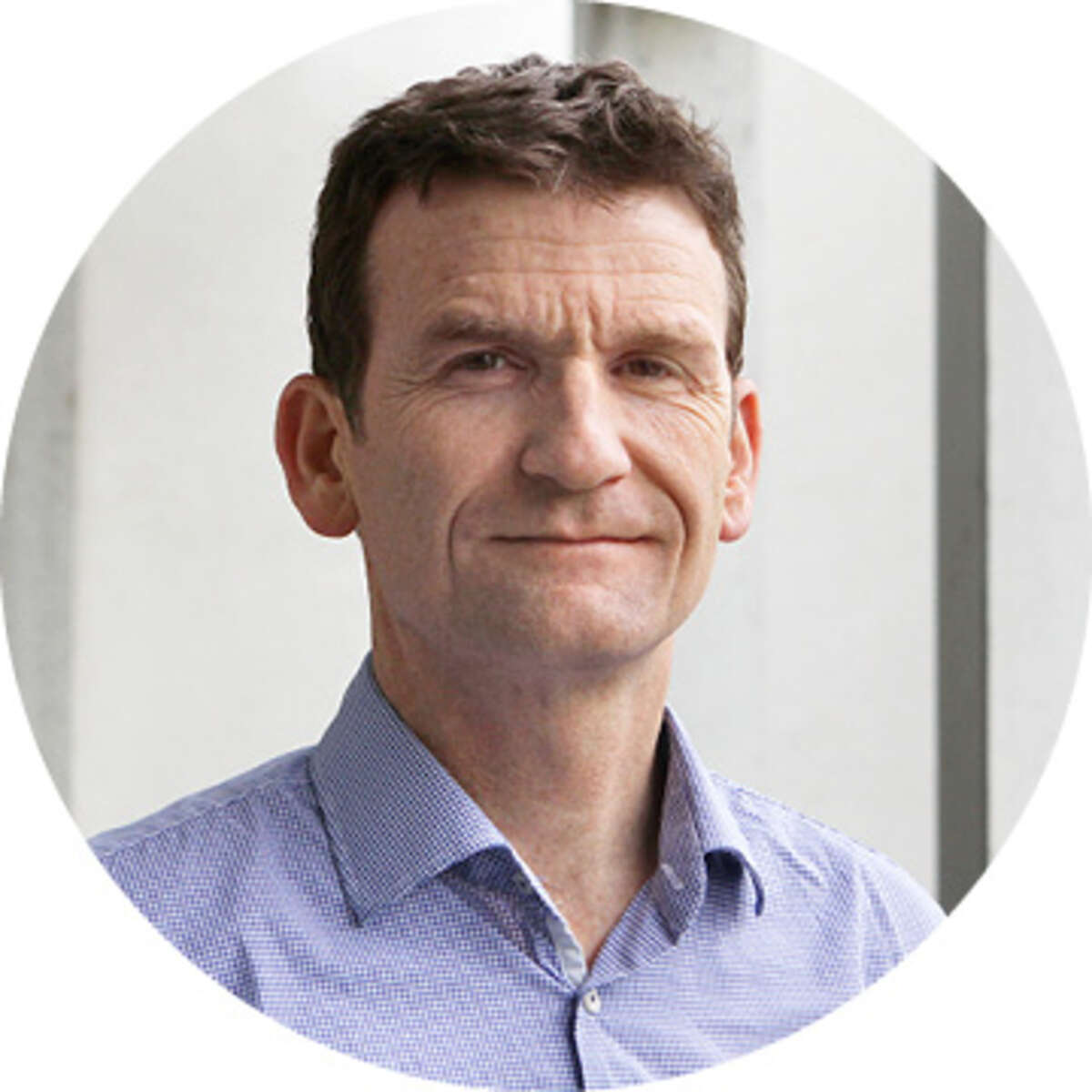
Professor Daniel Segrè is a faculty member at Boston University, holding the title of Professor of Biology, Bioinformatics, and Biomedical Engineering. His research focuses on systems biology, microbial ecology, and metabolic engineering, with an emphasis on understanding complex biological networks and their applications in bioenergy and biomedicine. Segrè leads the Segre Lab ( segrelab.bu.edu ), where theoretical and computational approaches are applied to study metabolism, microbial interactions, and synthetic biology. Segrè earned his PhD from the Weizmann Institute of Science, Israel. His work bridges fundamental science and applied engineering, addressing topics such as microbial community dynamics, metabolic pathway design, and environmental microbiome applications. Research Interests: Systems biology of metabolism, evolution of biochemical networks, microbial interactions, bioinformatics, and environmental microbiome engineering. His lab develops computational models (e.g., COMETS) to simulate microbial ecosystems and design synthetic microbial communities for climate change mitigation and bioenergy production. Teaching: Courses include BE 777 (Computational Genomics), BF 821 (Bioinformatics Seminar), and BF 571 (Dynamics and Evolution of Biological Networks). These courses reflect his expertise in integrating computational methods with biological systems analysis.
Ulf Hanefeld is a Full Professor and Section Leader in the Department of Biotechnology at the Faculty of Applied Sciences , Delft University of Technology (TU Delft) , where he leads the Biocatalysis research section. His work integrates chemistry and biology to develop sustainable synthetic methodologies using enzymes. PhD from Georg-August-Universität zu Göttingen (1993) Postdoctoral experience at Imperial College London, University of Cambridge, and TU Delft Recipient of a Royal Netherlands Academy of Arts and Sciences (KNAW) fellowship His research interests center on biocatalysis , particularly enzymes that enable difficult chemical transformations such as C–C bond formation , enantioselective hydration , and ozonolysis . He focuses on enzyme discovery, engineering, immobilization, and application in flow chemistry to achieve sustainable and efficient synthesis. His work spans from fundamental enzyme mechanism studies to industrial applications in green chemistry . The publication trends reveal a consistent focus on enzyme immobilization , flow reactor systems , and chemo-enzymatic cascades . His recent work emphasizes the use of hydroxynitrile lyases , aldolases , and methyltransferases for the synthesis of chiral intermediates under environmentally benign conditions. The integration of biocatalysis with continuous manufacturing highlights a strong commitment to industrial applicability and process sustainability. Scientific contributions and recognition : Active contributor to high-impact journals in chemistry and biotechnology Coordinated research in the CassaFLOW project (international academic-industrial collaboration) Author of influential reviews, e.g., in Chemical Society Reviews (2022) Teaching and supervision : He teaches Catalysis (Bachelor) and Advanced Biocatalysis (Master), and supervises numerous Master’s theses (MEP) and Bachelor’s projects (BEP) . Students in his group are actively involved in research and often become co-authors on scientific papers. Projects center on green chemistry, enzyme engineering, and spectroscopic analysis of biochemical systems. Laboratory and research environment : The Ulf Hanefeld Group operates within the Biocatalysis section, a multidisciplinary environment fostering collaboration on enzyme discovery, immobilization, and cascade reactions. The group emphasizes practical innovation, with strong links to industry and international research networks.
Dr. Steven G. Clarke is a Distinguished Professor at UCLA Department of Chemistry & Biochemistry and director of research at the Molecular Biology Institute . His work bridges protein chemistry , methylation biology , and aging research through studies of spontaneous protein damage and its repair mechanisms. Education: BA in Chemistry and Zoology, Pomona College (magna cum laude, Phi Beta Kappa) PhD in Biochemistry and Molecular Biology, Harvard University (NSF Fellow) Postdoctoral Fellowship at UC Berkeley (Miller Fellow) Dr. Clarke's research focuses on protein isoaspartyl repair via PCMT1/PIMT enzymes , ribosomal protein methylation in Saccharomyces cerevisiae , and PRMT family characterization including PRMT7 and PRMT9. His lab combines biochemical assays , genetic models , and structural analysis to investigate aging mechanisms and disease implications. Recent publications highlight: COQ5 structure-function analysis in coenzyme Q biosynthesis PCMTD1 ubiquitin ligase interactions PRMT7 substrate specificity in histone H2B Protein isoaspartyl impacts on T cell function in lupus Novel PRMT inhibitors for cancer therapy Methionine addiction in osteosarcoma malignancy Major scientific awards: American Chemical Society Ralph F. Hirschmann Award in Peptide Chemistry NIH MERIT Award Ellison Medical Foundation Senior Scholar Award William C. Rose Award, ASBMB UCLA Distinguished Teaching Award (Eby Award winner) Current lab members include PhD candidates Eric Pang (UCSB) and Sining "Cindy" Wang (UCLA), while undergraduates Celeste Medina-Seymoure , Elizabeth Oroudjeva , Olivia Pacheco , and Jasmine Winter contribute to ongoing proteostasis studies. Collaborations with Profs. Jose Rodriguez and Catherine Clarke demonstrate interdisciplinary research approaches.
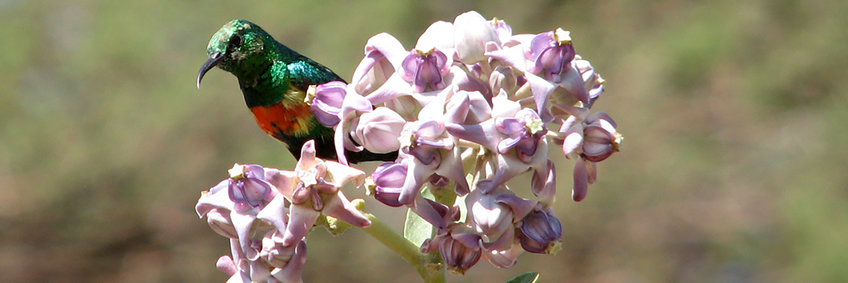
Maude Baldwin is the Director of the Evolution of Sensory and Physiological Systems department at the Max Planck Institute for Biological Intelligence. Her research focuses on the molecular and physiological mechanisms underlying sensory receptor evolution in vertebrates, particularly in birds. Education : Ph.D. from Harvard University (Department of Organismic and Evolutionary Biology, 2007-2014); B.A. from New York University (Gallatin School of Individualized Study, 2005). Research Interests include: Evolution of taste receptors, such as the repurposing of savory receptors for sweet detection in hummingbirds. Convergent evolution in sensory systems across vertebrates. Integrative approaches combining molecular methods, cell culture, and behavioral studies. Impact of dietary shifts on ecological and physiological adaptations. Publication Trends reveal a focus on comparative genomics , protein evolution , and sensory system adaptation , with specific attention to bird taste receptors , gene loss , and echolocation genetics . Labs & Teams : Baldwin leads a multidisciplinary team at the Max Planck Institute, recruiting researchers in comparative genomics , organoid technology , and vertebrate natural history . The group investigates sensory-diet coevolution and physiological trade-offs.
Tanja Narancic is an Assistant Professor at the School of Biomolecular and Biomedical Science at University College Dublin (UCD). She is also an academic collaborator at the Bioeconomy Research Centre BiOrbic, where she coordinates multiple research projects among PIs, PostDocs, PhD students, and designs projects proposed by industrial partners. Dr. Narancic earned her PhD in Applied Microbiology from the University of Belgrade, Serbia in 2012, followed by postdoctoral research at the Institute of Molecular Genetics and Genetic Engineering in Belgrade. In 2013, she joined University College Dublin as a Postdoctoral Research Fellow under Prof. Kevin O'Connor, where she investigated microbial metabolic pathways using proteomics, metabolomics, and synthetic biology tools as part of FP7 and H2020 projects. She became a Research Fellow at BiOrbic in 2019 before advancing to her current position as Assistant Professor. Her research focuses on elucidating bacterial metabolism and leveraging synthetic biology tools to exploit bacteria for producing high-value products. Key research areas include: Proteomics, Metabolomics, and Transcriptomics for microbial pathway analysis Metabolic engineering for bioproduction Biocatalysis and enzyme optimization Protein engineering and purification Polyhydroxyalkanoate (PHA) production from waste streams Plastic upcycling and biodegradation technologies Dr. Narancic's publication record demonstrates a strong focus on converting plastic waste into valuable biodegradable materials through innovative biotechnological approaches. Her recent work has centered on developing microbial systems for upcycling polyethylene terephthalate (PET), polyolefins, and other recalcitrant plastics into polyhydroxyalkanoates (PHAs) and other high-value products. She has made significant contributions to understanding the metabolic pathways involved in plastic monomer conversion and has developed engineered strains with enhanced capabilities for plastic upcycling. As a principal investigator, Dr. Narancic leads multiple significant research projects including the Ad Astra Studentship (2023-2028), the UPLIFT project on sustainable plastics for food packaging (2021-2025), and the PROMOFER project (2024-2028) on optimizing PHB production. She also serves as a reviewer for numerous prestigious journals including Enzyme and Microbial Technology, Journal of Applied Microbiology, and Microbial Biotechnology. Her teaching portfolio includes coordination of multiple modules such as Bioprocessing, Metabolism and Disease, and SynBio for Bioeconomy, demonstrating her commitment to educating the next generation of scientists in both fundamental and applied aspects of biomolecular science.
Kelly Arnold is an Associate Professor in the Department of Biomedical Engineering at the University of Michigan. Her research integrates systems engineering principles with immunology to investigate variability in immune responses across infection, vaccination, and injury, with a focus on computational modeling and clinical translation. Research Focus Systems-level immune response modeling Vaccination and antibody functionality Vaginal microbiome-host interactions Chronic lung disease progression Computational serology and proteomics Recent Work Her 2025 studies examine SARS-CoV-2 vaccination responses in cancer patients and computational frameworks for vaginal probiotics. Earlier works (2024-2007) span COPD progression, lupus fibrosis, HIV susceptibility, and tissue engineering for fertility preservation. Methodologies include proteomic profiling, network modeling, and microfluidic systems.
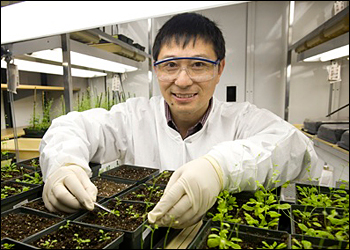
Chang-Jun Liu is a Senior Scientist in the Plant Science Group of the Biology Department at Brookhaven National Laboratory, where he has conducted research on plant phenylpropanoid biosynthesis and lignin metabolism since joining in 2005. He also holds an Adjunct Professor position in the Biochemistry & Cell Biology Department at Stony Brook University and serves as Associate Editor for Plant Cell & Environment (2024-present) and Frontiers in Plant Sciences (2015-present). Dr. Liu's educational background includes: Ph.D. in Plant Biochemistry and Molecular Biology from the Shanghai Institute of Plant Physiology, Chinese Academy of Science (1999) Dr. Liu's research integrates approaches from biochemistry, molecular genetics, biophysics, protein engineering, metabolic engineering, and synthetic biology to investigate phenylpropanoid and lignin biosynthesis in plants. His laboratory addresses fundamental questions about how lignin and related compounds are synthesized and incorporated into cell walls, how regulatory networks govern metabolic activity, and how lignification influences cell wall structure and function. A central aim of his research is optimizing plant feedstocks for efficient lignocellulosic biomass utilization. Analysis of Dr. Liu's publication record reveals a consistent trajectory from fundamental biochemical mechanisms to applied bioenergy solutions. His recent work focuses on cytochrome b5 diversity, electron transfer mechanisms in phenolic biosynthesis, and metabolic engineering approaches to modify lignin composition. This research spans from evolutionary studies of lignin biosynthesis across plant lineages to practical applications in bioenergy crop improvement. Dr. Liu has received recognition for his contributions to science, including: Brookhaven National Laboratory Science and Technology Award (2018) Dr. Liu serves as Editorial Board Member for the Journal of Biological Chemistry (2020-present), PNAS Nexus (2024-present), and Plant Physiology Journal (2025-). He is Scientific Lead at the Joint BioEnergy Institute, Feedstocks Division, Lawrence Berkeley National Laboratory, and Project Lead at the Center for Bioenergy Innovation, Oak Ridge National Laboratory. His research is funded by the U.S. Department of Energy through multiple Bioenergy Research Centers. Dr. Liu leads a research group at Brookhaven National Laboratory focused on elucidating the posttranslational regulation and macromolecular organization of lignin biosynthesis, with applications toward developing designer lignins and reducing biomass recalcitrance for sustainable biofuel production. His work addresses the critical challenge of lignin's dual nature: while it impedes enzymatic access to polysaccharides in biofuel production, it also represents the most abundant renewable source of aromatic carbon for high-value bioproducts.
Michele Klingbeil is a Professor in the Department of Microbiology at the University of Massachusetts Amherst, where she leads the Klingbeil DNA Replication Laboratory. She received her PhD in Cell and Molecular Biology from the University of Toledo in 1996 and previously worked at Johns Hopkins School of Medicine before moving to UMass in July 2007. Her educational background includes: PhD in Cell and Molecular Biology, University of Toledo, 1996 Dr. Klingbeil's research focuses on the unique biology of trypanosomatid parasites, particularly Trypanosoma brucei , the causative agent of African sleeping sickness. Her laboratory investigates two main areas: (1) replication of the unusual mitochondrial DNA network called kinetoplast DNA (kDNA), and (2) nuclear DNA replication initiation. Her work on kDNA is particularly significant as this structure is essential for parasite survival but has no counterpart in mammalian hosts, making it an attractive drug target. She employs a combination of reverse genetics (RNAi), cell biology, and biochemistry to understand the replication and repair mechanisms of kDNA, with a special focus on a family of four DNA polymerases related to bacterial Pol I. Dr. Klingbeil's recent publications reveal her laboratory's deep investigation into mitochondrial DNA polymerases in trypanosomatids, with discoveries showing multiple polymerases having specialized functions in kDNA replication and repair. Her research has established that several of these polymerases are essential for parasite viability, opening new avenues for drug development. She has also made significant contributions to understanding the simplified Origin Recognition Complex in trypanosomatids compared to other eukaryotes. Dr. Klingbeil has received the Thomas G. Lessie Distinguished Lectureship Award for her impact on teaching at the graduate level. Her research is funded by the National Institutes of Health, U.S. Department of Agriculture, the Joeph P. Healey Endowment, and the University of Massachusetts Amherst. She has mentored numerous graduate and undergraduate students, including current PhD candidates Dave Bruhn, Jeniffer Concepción, and Juemin Luo, as well as visiting scholar Eva Vidal Rico. Her former students have gone on to positions at institutions including Dana Farber/Broad Institute, Regis College, and Flagship Ventures. The laboratory regularly participates in scientific conferences including the Molecular Parasitology Meeting at Woods Hole and the Kinetoplastid Molecular Cell Biology conference. Dr. Klingbeil teaches several courses including Parasitology (MICRO 590S), Parasitology Lab (MICRO 590L), Molecular Mechanisms of Pathogenesis (MICRO 797P), Advanced Cell Biology (MCB 641), and Writing in Microbiology (MICRO 360). Her laboratory organizes regular social events including pumpkin carving parties and outings to Six Flags New England and Mt. Sugarloaf.
David Vocadlo is a Distinguished Professor of Chemistry and Molecular Biology & Biochemistry at Simon Fraser University (SFU), holding the Canada Research Chair in Chemical Biology. His research focuses on Chemical Glycobiology, investigating carbohydrate-processing enzymes and developing chemical tools to study glycan roles in health and disease. His lab explores O-GlcNAc signaling, neurodegenerative disorders (e.g., Alzheimer’s, Parkinson’s), and enzyme inhibitors for therapeutic applications. Education: PhD from University of British Columbia (UBC), followed by a CIHR postdoctoral fellowship at UC Berkeley. Key roles include E.W.R. Steacie Memorial Fellow and Royal Society Fellow. Research highlights include O-GlcNAcase inhibitors for neuroprotection, glycan structure-function relationships, and enzyme activity imaging tools. Collaborates globally with experts in glycobiology and employs cutting-edge techniques like chemical synthesis, mass spectrometry, and live-cell imaging. Awards: Distinguished Professor title, Canada Research Chair, Royal Society Fellowship. Active in training researchers through SFU’s graduate programs, emphasizing interdisciplinary approaches. Lab members work on topics ranging from enzyme mechanisms to disease modeling.
Professor Matthias Mann is a world-leading scientist serving as Director of the Proteomics and Signal Transduction department at the Max Planck Institute of Biochemistry in Martinsried, Germany, and Director of the Proteomics department at the Novo Nordisk Foundation Center for Protein Research, Faculty of Health Sciences, University of Copenhagen, Denmark. With an h-index exceeding 277 and over 350,000 citations, he is recognized as the highest cited German researcher and one of the most influential scientists globally in proteomics. His educational background includes: Ph.D. in Chemical Engineering from Yale University (1988) Master's Degree in Physics from Georg August University Göttingen (1984) Bachelor's of Arts in Mathematics from Georg August University Göttingen (1982) Professor Mann's research focuses on advancing mass spectrometry-based proteomics to understand biological systems at the protein level. His work spans technological developments in mass spectrometry, bioinformatics and computational analysis, signal transduction and posttranslational modifications, and clinical proteomics applications for disease diagnosis and treatment. The Mann lab has pioneered groundbreaking methods like SILAC for quantitative proteomics and MaxQuant for proteome data analysis. Their vision is to translate proteomics knowledge into clinical practice for predictive, diagnostic, and preventive medicine, with recent work focusing on AI-guided platforms for analyzing proteomes from minimal tissue samples. Analysis of Professor Mann's recent publications reveals a strong trend toward clinical applications of proteomics, particularly in cancer research, metabolic diseases, and neurodegenerative disorders. His work increasingly integrates spatial proteomics, single-cell resolution techniques, and artificial intelligence approaches to uncover disease mechanisms and identify potential biomarkers, with a clear shift from basic technology development toward direct clinical applications and personalized medicine. Professor Mann has received numerous prestigious awards throughout his career: 2025: Elected member of the American National Academy of Sciences 2024: Dr. H.P. Heineken Award for Biochemistry and Biophysics 2023: Otto Warburg Medal 2019: Nominated member of the Bavarian Academy of Sciences 2013: Elected member of Leopoldina German National Academy of Sciences 2012: Körber European Science Award, Louis-Jeantet Foundation Prize for Medicine, Ernst Schering Prize, and Leibniz Prize Professor Mann leads a highly collaborative research team involved in multiple international networks including the Bill & Melinda Gates Foundation, Michael J. Fox Foundation for Parkinson's Research, CLINSPECT-M, and Munich Heart Alliance. His lab has mentored numerous successful researchers, with several former postdocs receiving prestigious ERC Starting Grants. The Mann group has developed innovative clinical proteomics pipelines for analyzing archived tissue specimens and body fluids, aiming to identify protein markers for early detection of diseases such as diabetes and cancer. The Mann lab operates across two major research centers with state-of-the-art mass spectrometry facilities. Their Clinical Knowledge Graph platform integrates multi-omics data with extensive metadata, creating an ecosystem for machine learning applications in proteomics. Current research focuses on developing highly sensitive methods that can profile thousands of proteins from minimal cell samples, enabling the identification of critical disease-related proteins and supporting the development of individualized therapies.
Rotem Karni, PhD, is an Associate Professor of Genetics at the Perelman School of Medicine, University of Pennsylvania, Philadelphia. He leads a research lab focused on understanding how alternative RNA splicing contributes to cancer and genetic diseases, with a strong emphasis on translating these findings into RNA-based therapies. Karni's lab develops decoy oligonucleotides, small molecules, and splice-switching technologies to modulate splicing factors and enhance immunotherapy. Education BSc in Biological Chemistry from The Hebrew University of Jerusalem (1997) PhD in Biological Chemistry from The Hebrew University of Jerusalem, Israel (2002) Postdoctoral Fellowship at Cold Spring Harbor Laboratory, NY (2002-2007) Karni's research explores the deregulation of alternative splicing in oncogenesis, particularly how splicing factors like RBFOX2 and S6K1 influence metastasis, DNA repair, and immune checkpoint modulation. His team investigates m6A RNA modifications for stabilizing mutant genes, with applications in Duchenne Muscular Dystrophy and pancreatic cancer. The lab's work is commercialized through biotech companies: SKIP Therapeutics, Andlit Therapeutics, and RNAble. Selected Research Trends RNA mis-splicing and neoantigen generation (2025) Splicing factor inhibition for tumor suppression (2023) Metastatic splicing signatures in pancreatic cancer (2023) Immune checkpoint splicing in cancer immunotherapy (2021) m6A modulation for mRNA stabilization (2023) Advising & Collaborations Karni has mentored numerous PhD and postdoctoral researchers, many of whom now hold leadership roles in academia, biotech, and medical institutions globally. His lab collaborates extensively on projects involving RNA innovation, including partnerships with the Institute for RNA Innovation. Contact Department of Genetics & Institute for RNA Innovation, One uCity Square, Room 4018, Philadelphia, PA 19104 Phone: 215-898-5072 Email: Rotem.Karni@Upenn.edu
Prof. Knut Drescher is an Associate Professor at the Biozentrum, University of Basel , leading a research group focused on bacterial biofilms , swarming , and microbial multicellularity . Previously, he served as a Professor of Biophysics and Max Planck Research Group Leader at Philipps-Universität Marburg (2015-2021) and conducted postdoctoral research at Princeton University. Research Interests: Physical and biological mechanisms of biofilm formation Cell-cell interactions in microbial communities Antibiotic resistance in biofilms Hydrodynamics of bacterial swarms Evolution of cooperation in multispecies biofilms Development of bioimaging software (BiofilmQ, BacStalk) Scientific Awards: 2023: SNSF Consolidator Grant 2019: Heinz Maier-Leibnitz Prize (DFG), VAAM Research Prize, IUPAP Young Scientist Prize 2016: ERC Starting Grant Advising & Grants: Advises PhD and Master's students in microbiology, biophysics, and bioinformatics Secured major grants from ERC , HFSP , and DFG
Benjamin Machta is an Assistant Professor of Physics at Yale University, affiliated with the Department of Physics and the QBio Institute. He holds a BS from Brown University and a PhD from Cornell University, followed by a postdoctoral fellowship at Princeton University. His research focuses on applying theoretical physics to understand biological systems, particularly leveraging statistical physics and information theory to study biological membranes near critical points and the energetic constraints of biological signaling. Education: BS in Physics (Brown University), PhD in Physics (Cornell University), Postdoc at Princeton University (Lewis-Sigler Theory Fellow). Research Interests include: membrane criticality, phase transitions in biological systems, information-theoretic limits in organism function, and energy dissipation in biological processes. His work often bridges theoretical models with experimental data, such as collaborations with Sarah Veatch’s lab on membrane phase behavior. Publications highlight themes like membrane criticality, protein phase separation, and energy constraints in signaling. His group’s current projects explore cochlear mechanics, thermodynamic control in biological systems, and the role of criticality in sensory systems. Awards: 2019 Simons Investigator Award. Lab Affiliations: QBio Institute and Department of Physics at Yale, located in YSB-C164. Group members include postdocs Isabella Graf and Michael Abbott, and graduate students Asheesh Momi, Mason Rouches, and others.
James Van Etten is the William Allington Distinguished Professor of Plant Pathology at the University of Nebraska-Lincoln, affiliated with the School of Biological Sciences and Nebraska Center for Virology. His research focuses on chloroviruses—large dsDNA viruses infecting Chlorella-like algae—with emphasis on DNA replication, restriction systems, and membrane transport proteins. Key research themes include: Viral DNA modification systems Host-virus interactions Structural virology Evolution of organellar genomes Recent work analyzed: SMRT sequencing of viral methylation patterns Chlorovirus cryopreservation methods Potassium channel biophysics Host chemical signaling mechanisms Lab webpage: vanettenlab.unl.edu
Professor Urs Jenal is a Full Professor at the Biozentrum of the University of Basel, Switzerland, where he has led research on bacterial signal transduction since 2008. His laboratory investigates the molecular mechanisms of bacterial persistence and antibiotic resistance, with particular focus on pathogens causing chronic infections in humans. Previously, he served as Associate Professor (2002-2008) and Assistant Professor (1996-2002) at the same institution, and completed postdoctoral training at Stanford University and ETH Zurich. Education 2000: Habilitation and VENIA DOCENDI in Microbiology, University of Basel 1987-1991: PhD in Molecular Microbiology, ETH Zurich (supervisor: Prof. T. Leisinger) 1982-1986: Studies of Experimental Biology, ETH Zurich 1977-1981: Gymnasium with Matura Type C, Chur Research Focus Prof. Jenal's research centers on understanding how bacterial pathogens persist in the human body despite antibiotic treatments. His laboratory investigates cyclic nucleotides, particularly c-di-GMP, as signaling molecules that control bacterial biofilm formation, virulence, and antibiotic tolerance. His team studies pathogenic Escherichia coli causing recurrent urinary tract infections and Pseudomonas aeruginosa causing long-term lung infections in cystic fibrosis patients. Recent work has revealed how "sleeping" bacteria survive antibiotic treatments and how pathogens breach respiratory epithelia through goblet cell invasion. Scientific Recognition 2014: Elected member of the European Academy of Microbiology (EAM) 2013: ERC Advanced Investigator Award 2012: Elected member of the European Molecular Biology Organization (EMBO) 2011: Elected member of the American Academy of Microbiology (AAM) Mentorship and Collaborations Prof. Jenal has mentored numerous PhD students and postdocs, many receiving awards for their research. His laboratory is part of the NCCR AntiResist initiative focused on developing novel approaches against antibiotic resistance. He collaborates extensively with clinical researchers and has developed innovative models, including human mini-lungs, to investigate pathogen-host interactions. His recent publications demonstrate how understanding bacterial persistence mechanisms can lead to new therapeutic strategies against chronic infections.