Prof. Dr. Christian Thomsen is the President of Technische Universität Berlin since 2014 and holds a faculty position as a Professor in the Institute of Solid State Physics (Institut für Festkörperphysik) at the Faculty II - Mathematics and Natural Sciences. His primary research interests include carbon nanotubes, vibrational spectroscopy, and semiconductor nanostructures. He leads the AG Thomsen/Wagner research group focusing on semiconductor nanophononics and nanophotonics. Thomsen has authored/co-authored numerous publications in high-impact journals, including studies on plasmon coupling in gold nanoparticles, Raman spectroscopy of carbon nanotube functionalization, and theoretical analyses of graphene and nanoribbons. He is recognized as a Clara Immerwahr Awardee and has contributed to advancing nanotechnology through collaborative projects and the development of novel quantum devices.
Prof. Regine von Klitzing holds a full professorship in Physics at Technische Universität Darmstadt since March 2017, focusing on polymer physics, colloid science, and interface science. Her research explores thin films, microgel particles, and catalytic materials. Previously affiliated with TU Berlin’s Stranski-Laboratorium, she contributed to projects like UniCat and BasCat. Notably awarded the Pierre-Gilles de Gennes Lecture Prize 2016 for polymer physics contributions. Research interests include smart materials, enzyme immobilization, and sustainable catalysis. Her work bridges fundamental chemistry with applications in energy and biomedical engineering. Publications span electrochemistry, nanomaterials, and biomaterials, emphasizing tunable materials and catalytic efficiency. Collaborative efforts with industry (e.g., BASF via BasCat) highlight translational focus.
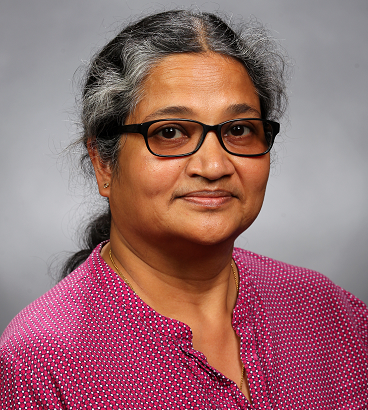
Kalyani Maitra is an Associate Professor in the Department of Chemistry and Biochemistry at California State University, Fresno (CSUF). She holds a Ph.D. in Chemistry from the University of Nevada, Reno, and has conducted postdoctoral research at UC Davis (bioinorganic chemistry) and UC Irvine (structural studies of β-sheets via NMR). Her professional experience includes roles as a scientist in the biocatalysis division at Dr. Reddy’s Lab (India) and as a lecturer at CSUF before her current faculty position. Dr. Maitra teaches undergraduate courses in organic chemistry (CHEM 128A/B, 129A/B), biochemistry (CHEM 150), inorganic chemistry lab (CHEM 124), and general chemistry (CHEM 1A). She also instructs graduate-level inorganic chemistry courses (CHEM 220, 222). Her research focuses on: Designing peptidomimetic biomolecules (peptoids, peptomers) for biomedical applications Developing solid-phase catalysts for asymmetric allylic alkylation Sustainable wastewater remediation using algae for biodiesel production Exploring algae-based solutions for carbon capture and circular bioeconomies Her publications (2000-2021) highlight expertise in: NMR and molecular dynamics studies of peptide structures Organic synthesis of chiral ligands and catalytic systems Fullerene-metal interactions and nanomaterial characterization No scientific awards are listed. Her advising record and grant activities remain unspecified in the provided materials. Dr. Maitra’s work bridges organic synthesis, biochemistry, and environmental sustainability, with active contributions to biomaterials design and renewable resource development.
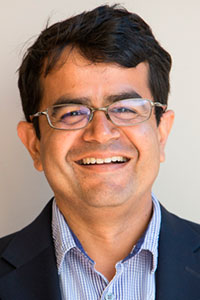
Masaki Uchida is an Assistant Professor in the Department of Chemistry and Biochemistry at California State University, Fresno. He holds a Ph.D. in Materials Chemistry from Kyoto University, Japan, and has conducted postdoctoral research at the National Institute of Advanced Industrial Science and Technology (Japan), Montana State University, and Indiana University. His research focuses on bioinspired materials synthesis, leveraging protein cages (e.g., viral capsids, ferritin) for nanomaterial development, self-assembly of 3D array materials, and applications in catalysis and biomedicine. Education: Ph.D., Materials Chemistry, Kyoto University M.S., Materials Chemistry, Kyoto University B.S., Industrial Chemistry, Kyoto University Research Interests: The Uchida Lab explores bioinspired approaches to create functional nanomaterials using protein cages as templates. Key areas include: Encapsulation of inorganic/organic nanoparticles within protein cages Self-assembly of VLP-based 3D array materials Biomimetic synthesis of hybrid materials Teaching: Courses include CHEM 123, 155A, 220, 222, and 224, covering inorganic chemistry and biochemistry. He mentors students in laboratory research projects. Labs/Teams: He leads the Uchida Research Group, advancing protein cage-based nanotechnology with applications in catalysis, imaging, and drug delivery.
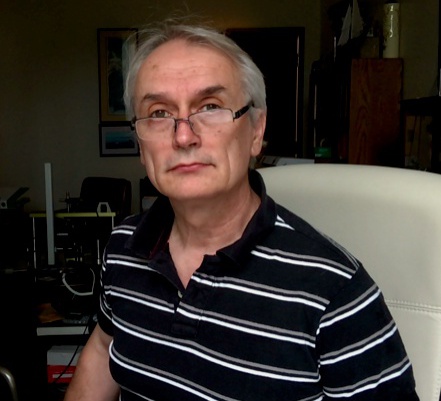
Bogdan Dragnea is the Provost Professor of Chemistry at Indiana University Bloomington. He holds affiliations with the Department of Chemistry and leads the Dragnea Group, focusing on mesoscale materials and their unique physical-chemical properties. His research integrates experimental and theoretical approaches to study phenomena such as thermoplasmonics, super-radiance, and virus mechanics. Dragnea's work emphasizes developing optical characterization methods and exploring applications in biomimetic nanoparticles and viral assembly pathways. Dragnea received his Diploma in Physics from the University of Bucharest (1992) and a Ph.D. from Université de Paris (1996), followed by postdoctoral research at JILA (1998–2001). His research themes include nanostructured materials, plasmonic systems, and the interplay between structure and function in biological systems. His lab investigates viral capsid mechanics, nanoparticle-induced phase transitions, and super-fluorescent materials. Recent studies emphasize radiation brightening in virus-like particles and the design of targeted contrast agents for medical imaging. Despite no listed scientific awards, his contributions to biophysical chemistry and nanotechnology are widely recognized in the field. Dragnea's work on virus-based devices and engineered nanoparticles bridges chemical physics with biomedical applications, including targeted drug delivery and hyperthermia treatments. His lab collaborates on projects involving photothermal microscopy and interferometric lithography for advanced material characterization.
Pablo Alfonso Del Pino Gonzalez de la Higu is a Professor in the Department of Particle Physics at the Faculty of Physics, University of Santiago de Compostela. He is affiliated with the Research Center in Biological Chemistry and Molecular Materials (CIQUS) and the Strategic Grouping in Materials (AEMAT), where he leads the Colloid and Polymer Physics Group (GFCP). His primary research area is Condensed Matter Physics, with specialized focus on nanomaterial synthesis, colloidal systems, and polymer physics applied to biomedical challenges. Dr. Del Pino's research explores: Design of stimuli-responsive nanocarriers (light/magnetic) for drug delivery Biomedical applications of metal-organic frameworks (MOFs) and plasmonic nanoparticles Nanoparticle-cell interactions and protein corona dynamics Advanced materials for thrombolytic therapy and neuroinflammation modulation Synthesis protocols for inorganic nanoparticles and hybrid nanocomposites His publication trends (2015–2025) reveal sustained innovation in nanoscale drug delivery systems, particularly light/magnetic-activatable platforms using MOFs and plasmonic hybrids. Recent work emphasizes therapeutic applications for ischemic stroke, cancer, and intracellular delivery, alongside fundamental studies on nanoparticle cytotoxicity and standardization protocols. No awards or supervised students are documented. Research infrastructure includes the GFCP laboratory at CIQUS, focusing on nanoparticle synthesis, colloidal characterization, and cellular interaction studies.
Victor Mosquera Tallón is a Researcher at the University of Santiago de Compostela, affiliated with the Department of Particle Physics within the Faculty of Physics. His doctoral thesis (1987) focused on thermodynamic studies of ionic surfactant systems, supervised by Dr. Vicente Perez Villar. His interdisciplinary research spans Condensed Matter Physics , Nanotechnology , and Medical Device Innovation , with notable contributions to cardiovascular interventional techniques and polymer-based drug delivery systems. He has pioneered advancements in transcatheter aortic valve implantation (TAVI) , including non-femoral access approaches and laser-assisted lead extraction. His work in biopolymer nanotechnology explores applications in cancer therapy and atherosclerosis treatment. Collaborating with groups like GFNL (Nonlinear Physics), GFCP (Colloid & Polymer Physics), and GBI (Biophysics & Interfaces), he bridges fundamental physics with clinical applications. Key Research Focus Areas: Minimally invasive cardiac surgical techniques Polymer nanocarriers for targeted drug delivery Condensed matter systems for biomedical engineering Recent Clinical Contributions: Long-term outcomes of sutureless bioprostheses Propensity score analysis of TAVI approaches Management of aortic dissections and infective endocarditis His 40+ year career includes over 100 peer-reviewed articles, focusing on both foundational physics and translational medical research. Notable collaborations span cardiology, materials science, and biomedical engineering disciplines.
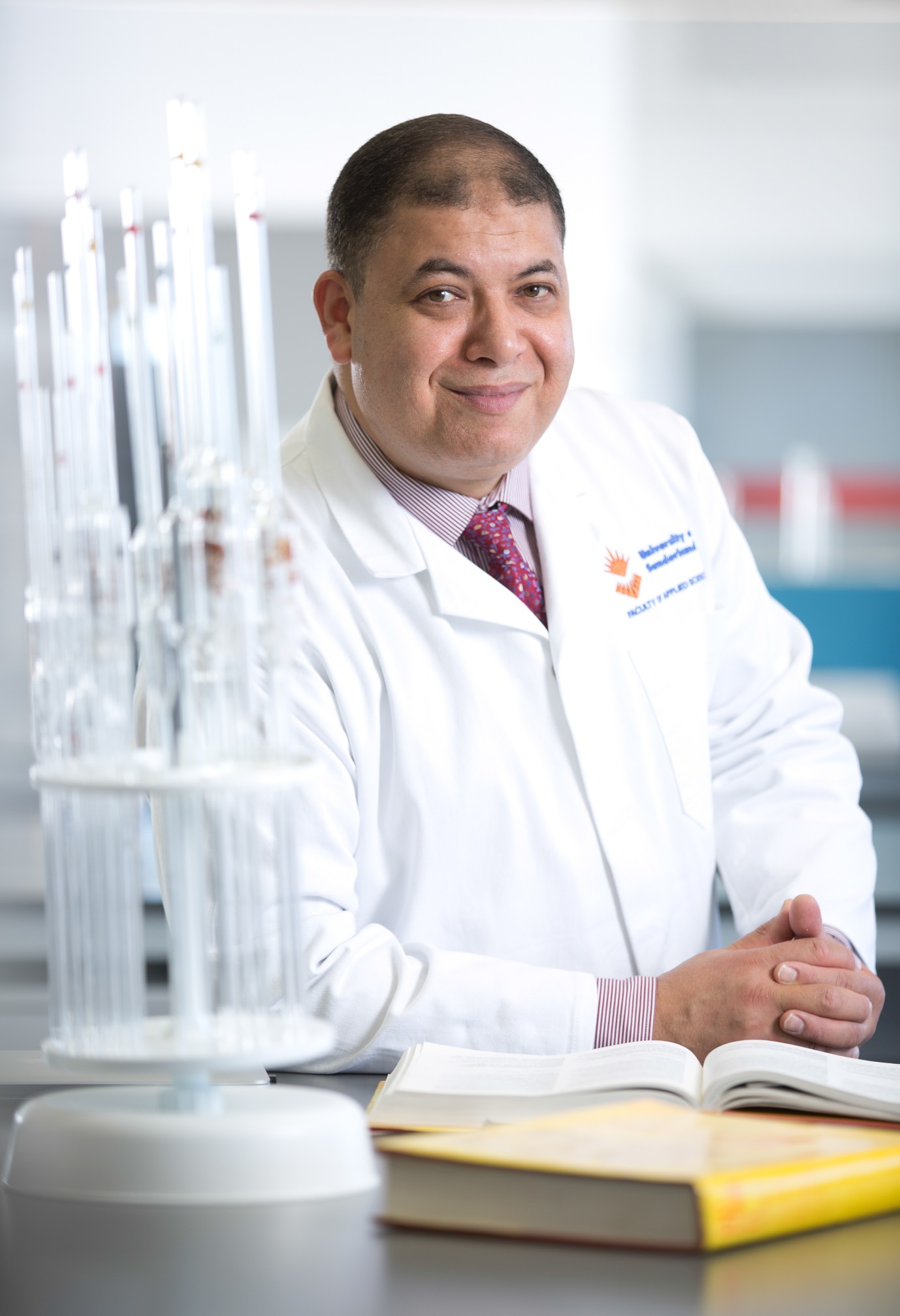
Ahmed Faheem is a Senior Lecturer in Pharmaceutics at the School of Pharmacy and Pharmaceutical Sciences, University of Sunderland. He holds a PhD in Drug Delivery and Targeting from UCL School of Pharmacy (2006) and conducted postdoctoral research at Strathclyde Institute of Pharmacy and Biomedical Sciences (pulmonary anticancer delivery) and Queen’s University Belfast (HIV microbicides). He co-founded Ulster University's School of Pharmacy and Pharmaceutical Sciences, serving as MSc Course Director (2010-2015). Research Focus: Pharmaceutical nanotechnology for targeted delivery of biotherapeutics Key Areas: Biodegradable nanoparticles, 3D tablet printing, pulmonary delivery Collaborations: Bradford Institute for Cancer Therapeutics (patent holder) His teaching portfolio includes dosage form design, biopharmaceutics, and controlled release systems. He supervises 12 PhD/MSc students on topics spanning glioblastoma targeting, metastatic cancer strategies, and wound healing applications. As a journal associate editor and reviewer for leading pharmaceutics publications, he contributes to field advancements.
Mark Carlile is a Senior Lecturer in Biopharmaceutical Science at the University of Sunderland's School of Pharmaceutical Sciences. He specializes in protein engineering, non-coding RNA biology, and biotherapeutic development, with expertise in bioprocessing, bioinformatics, and regenerative medicine using planarian worms. Teaching: DNA/protein biochemistry, microbiology, and biotechnology for MPharm Pharmacy and MSc Drug Discovery and Development courses Research Focus: Biotherapeutics (recombinant proteins, siRNAs, gene therapies), bioprocessing optimization, cheminformatics for drug repurposing, and regenerative pathways Email: mark.carlile@sunderland.ac.uk His 15 most recent publications (including book sections) span 2007-2023, covering RNA biology, biopharmaceutical formulation, and separation techniques. Key themes include endo-siRNA mechanisms, nanocapsule drug delivery, and chromatography methods. Lab: mcarlilelab.tumblr.com focuses on integrating computational approaches with experimental biology for therapeutic innovation.
Dr. Stuart Woods is a Lecturer at the School of Health and Life Sciences, University of Strathclyde. He completed his PhD in 2012, focusing on host-pathogen interactions during Toxoplasma gondii infection, followed by postdoctoral research at the University of Chicago on therapeutic efficacy testing. His current work explores targeted antimicrobial delivery platforms and host-pathogen interactions in Toxoplasma infections. He teaches courses in Clinical Immunology, Parasitology, and Immune Assay Applications. Key collaborations include projects with the UK Defence Science and Technology Laboratory (DSTL) to enhance antimicrobial efficacy against bio-threat organisms. Research interests span vaccine design, drug delivery systems, and the immunological responses to parasitic infections. Woods has held external roles as an Academic Visitor and Research Fellow at the Strathclyde Institute of Pharmacy & Biomedical Sciences. His work aligns with UN SDGs addressing health and environmental sustainability. Recent studies include investigations into neurochemical perturbations caused by Toxoplasma, anti-inflammatory surfactant vesicles, and nanoparticle-based vaccine delivery systems. He actively participates in strategic groups like SULSA’s Diagnostics and Therapeutics, advancing interdisciplinary research. Over 30+ publications highlight his contributions to parasitology, immunology, and translational medicine.
Dr. Aitziber López Cortajarena is a Research Professor at IMDEA Nanociencia and CIC-BiomaGUNE, leading independent research groups in biomolecular nanotechnology. She earned her PhD in Biochemistry from the Universidad del País Vasco (2002), followed by postdoctoral research at Yale University (2002-2010) and a visiting scientist role at the Weizmann Institute (2006). Her work focuses on engineering biofunctional nanostructures and bioinspired materials for nanomedicine and biomedical applications. Her research integrates protein engineering, bioconjugation, and nanomaterials science. Key areas include functionalizing nanoparticles for disease diagnosis/treatment, and designing protein-based hybrid materials for advanced biomedical and technological uses. She has pioneered modular platforms for creating versatile protein hybrid materials and developed multifunctional nanoparticles for drug delivery and sensing. Her scientific contributions span journals such as Nanotechnology , Biomacromolecules , and ACS Applied Materials Interfaces , emphasizing interdisciplinary approaches at biochemistry-nanotechnology interfaces. She maintains dual roles as Group Leader at IMDEA and Ikerbasque Research Professor at CIC-BiomaGUNE, fostering collaborative research in biomolecular nanotechnology.
Samir Mitragotri is the Hiller Professor of Bioengineering and Hansjörg Wyss Professor of Biologically Inspired Engineering at Harvard University's School of Engineering and Applied Sciences (SEAS). He serves as a Core Faculty Member of the Wyss Institute for Biologically Inspired Engineering and Director of Undergraduate Studies in Bioengineering. His research focuses on drug delivery systems, biomaterials, and biomedical engineering, with applications in cancer therapy, immunotherapy, and regenerative medicine. Key research areas include developing innovative technologies such as cellular backpacks for immunotherapy, ionic liquids for enhanced drug delivery, and nanotechnology-based therapies. His lab has advanced clinical translation of therapies for diabetes, cardiovascular diseases, and infections, with several technologies progressing to human clinical trials. Notable achievements include election to the American Academy of Arts & Sciences (2025) and pioneering work on biomimetic drug delivery systems. His lab integrates engineering principles with biological insights to address barriers in drug delivery, such as improving tumor penetration and enhancing immune responses. Current projects span cell therapy engineering, immunomodulatory materials, and smart drug delivery systems using machine learning. Collaborations bridge academia and industry to accelerate clinical impact.
Frank Arfuso is an Honorary Research Fellow at the University of Western Australia (UWA), School of Human Sciences, with expertise in angiogenesis, cancer biology, and stem cell research. He holds a PhD in Biology from UWA (2003), a PGDipSci in Human Biology (1994), and a BDSc in Dentistry (1980). His research bridges clinical practice and academia, focusing on vascular biology, tumor microenvironments, and Wnt signaling pathways. Collaborations with ten global research groups have yielded 120+ peer-reviewed publications in top-tier journals. Notable contributions include using human teeth as a model for studying physiologic angiogenesis and investigating sFRP4’s role in cancer stem cells. Awards include Clarivate's Highly Cited Researcher (2021, 2022). Current projects include exploring sFRP4’s anti-cancer effects and microencapsulation of drugs for diabetes treatment. His work contributes to UN SDGs, particularly in advancing health and well-being (SDG 3). Education: PhD (Biology), PGDipSci (Human Biology), BDSc (Dentistry), all from UWA. Research interests span angiogenesis, cancer stem cells, drug delivery systems, and Wnt signaling. He has pioneered studies on corpus luteum vascularization and collaborated globally on topics like Alzheimer’s disease, pancreatic biology, and natural compounds’ therapeutic applications. Funding includes support from the Australian Dental Research Foundation. Frank’s interdisciplinary approach integrates histology, electron microscopy, and molecular biology to address complex biomedical challenges. Scientific Awards: Clarivate's Highly Cited Researcher (2021, 2022). Grants and Collaboration: Collaborations span human reproduction, cancer, and drug microencapsulation. His labs focus on sFRP4’s cancer applications and lipid metabolic signatures in acute myeloid leukemia. Future projects aim to elucidate sFRP4’s role in cancer stem cell inhibition and enhance drug delivery systems for diabetes management.
John Quinn is an Associate Professor at Monash University, jointly appointed between the Monash Institute of Pharmaceutical Sciences (Department of Drug Delivery, Disposition & Dynamics) and the Department of Chemical Engineering. He holds an Australian Research Council Future Fellowship. Previously, he served as Dean of Residents at New College Village, UNSW, and worked as a Technical Assistant at a patent law firm. His PhD in Industrial Chemistry from UNSW (2003) was followed by postdoctoral research at the University of Melbourne (2003-2007). His research focuses on designing novel materials for pharmaceutical science, including excipients to enhance drug efficacy, polymer-functionalized biomolecules, and improved oral drug delivery systems. Techniques employed include RAFT polymerization, Cu(0)-mediated radical polymerization, and surface chemistry analysis (e.g., QCM). Quinn leads projects on nanomedicine, biomaterials, and drug delivery systems, with recent collaborations in Australia and globally. Key awards include the ARC Future Fellowship. He serves as secretary of the Royal Australian Chemical Institute’s Victorian Polymer Group and co-convenes the annual PolymerVic symposium. His work aligns with UN Sustainable Development Goals related to health and innovation. Recent articles highlight advancements in H₂S-releasing polymers, nanoparticle design, and lymphatic drug targeting. Projects include developing organosulfur surfactants, polymeric scaffolds for drug delivery, and functional metal-ligand materials. Quinn’s interdisciplinary approach bridges polymer chemistry, nanomedicine, and biomedical engineering.
Petri-Jaan Lahtvee is a Tenured Associate Professor at Tallinn University of Technology (TalTech) , School of Science, Department of Chemistry and Biotechnology. He holds a PhD in Biotechnology from TalTech (2012) and has extensive experience in synthetic biology, systems biology, and microbial biotechnology. Prior roles include Associate Professor at the University of Tartu (2016–2021) and postdoctoral research at Chalmers University of Technology (2012–2016). Education includes a Master’s (2008) and Bachelor’s (2006) in Applied Chemistry and Biotechnology from TalTech. His research focuses on metabolic engineering of oleaginous yeasts (e.g., Rhodotorula toruloides ), biorefinery systems, and sustainable bio-based products. Key projects include developing yeast-based platforms for aviation fuels and 3D-printed living materials. Teaching includes courses on synthetic biology, sustainable food production, and molecular systems biology. He leads over 18 funded projects, including EU initiatives on bioeconomy and microbial consortia. Active in editorial roles (e.g., FEMS Yeast Research) and professional organizations (Estonian Microbiology Association). Research highlights: - Metabolic engineering of yeast for lipid/carotenoid production. - Systems biology modeling of microbial metabolism. - Biorefinery systems using lignocellulosic waste. - 3D-printed living materials for biofermentation. Collaborations span institutions like UC San Diego, Chalmers, and DTU. Supervised 8 PhD students and mentored 5 postdocs in metabolic engineering and bioinformatics.