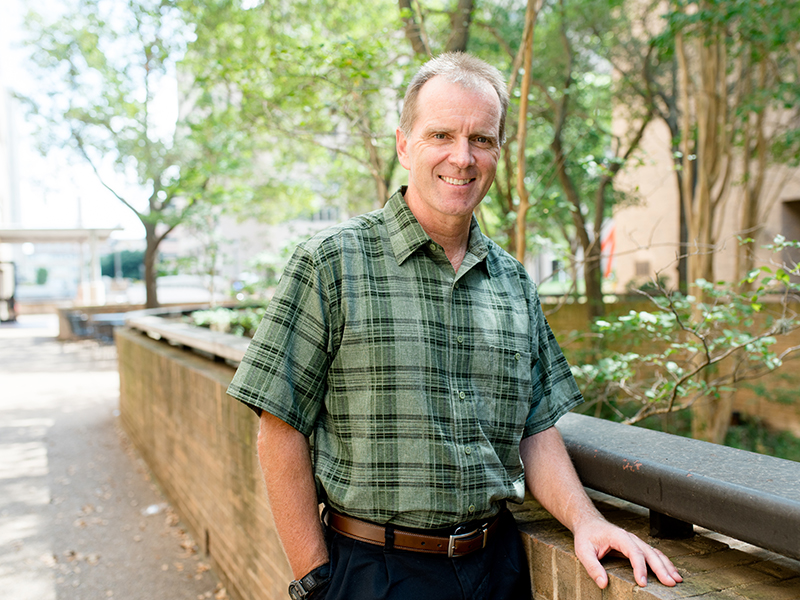
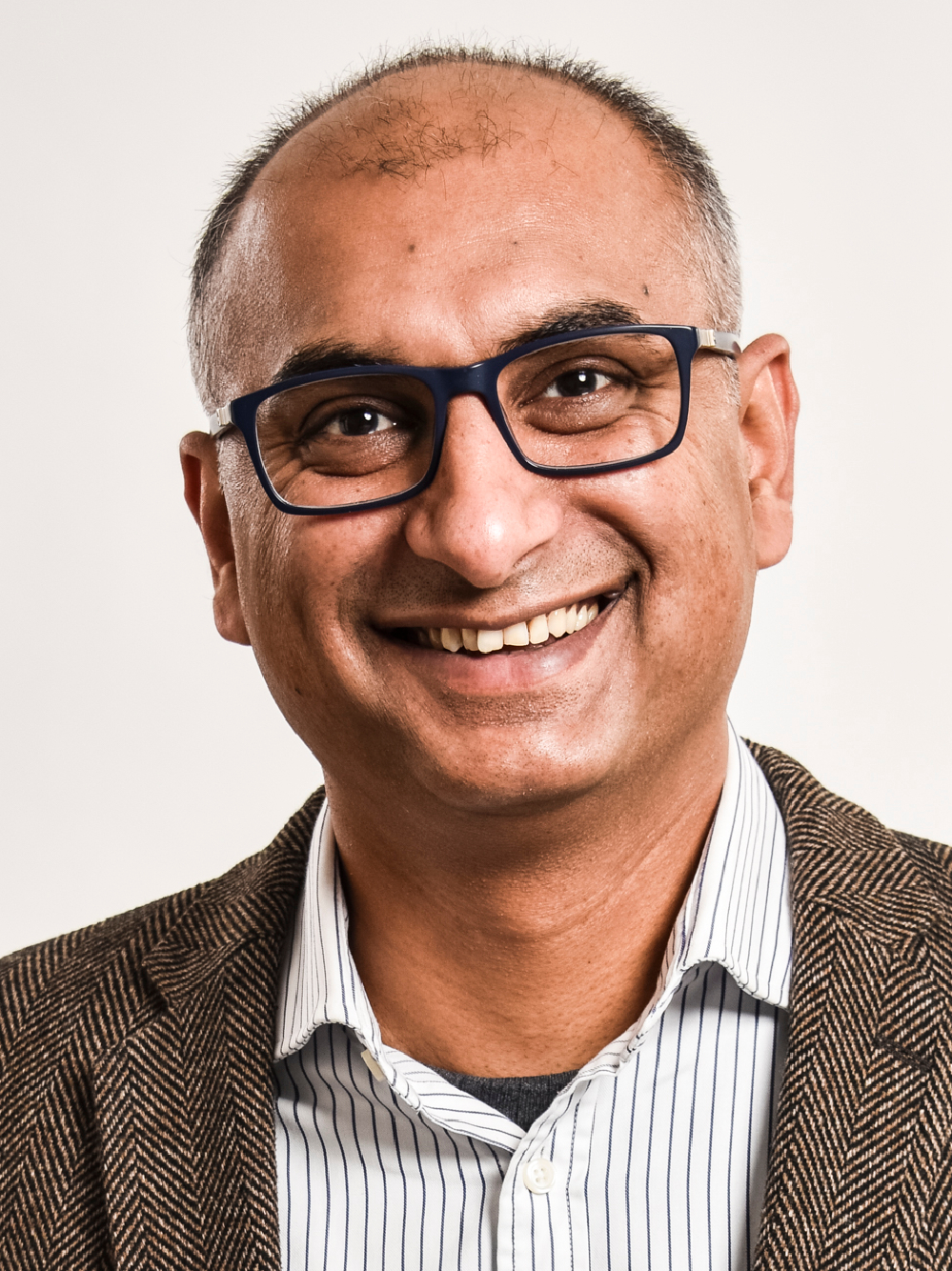
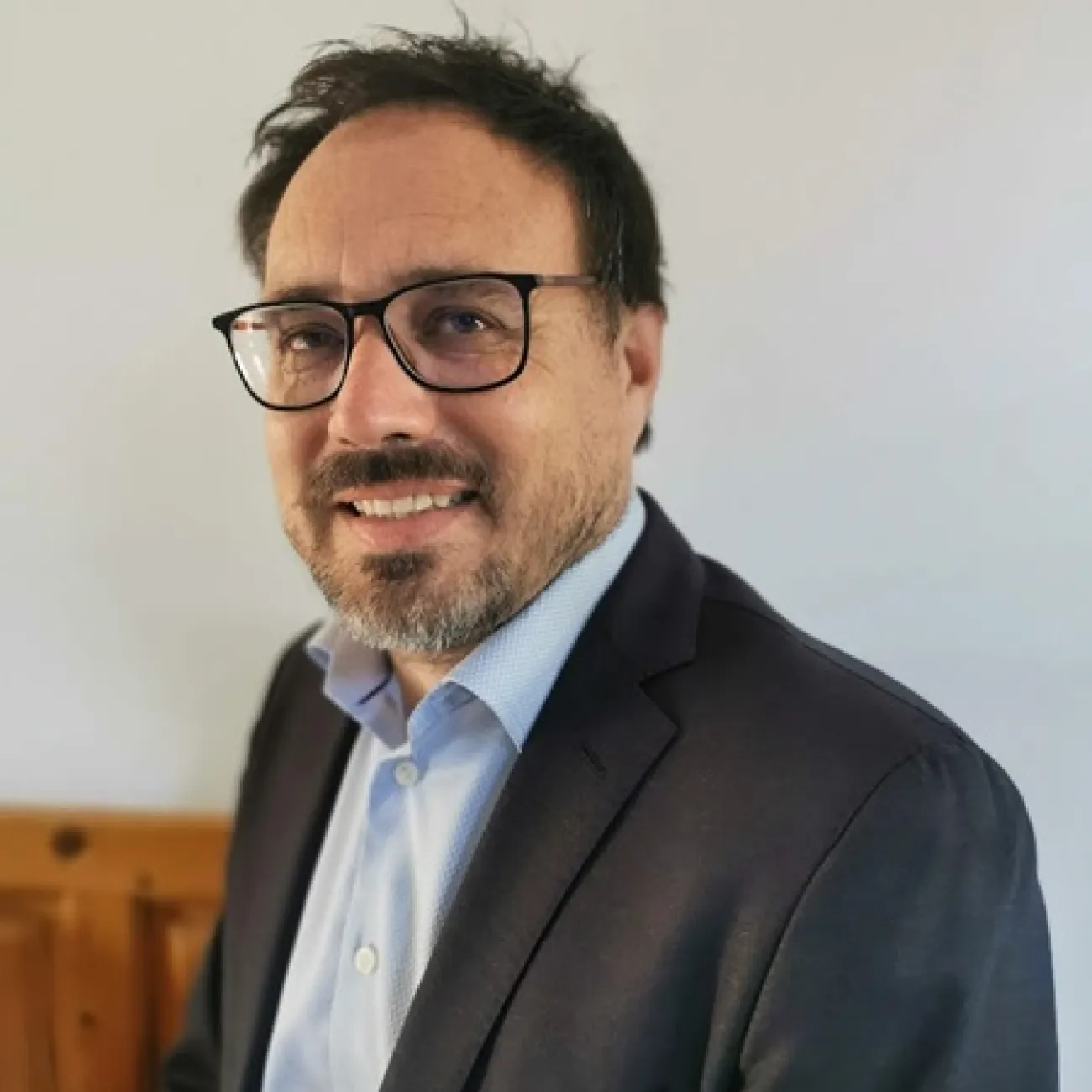
Dr. Richard R. Neptune is a Professor and holder of the William and Bettye Nowlin Chair in Engineering at the University of Texas at Austin's Department of Mechanical Engineering. He has been on faculty since 2001 and focuses on biomechanical research addressing movement disabilities through musculoskeletal modeling, experimental analyses, and advanced prosthetic/orthotic design. His work intersects rehabilitation engineering, sports biomechanics, and neuromotor control. Education: PhD in Mechanical Engineering from UC Davis. Research emphasizes locomotor impairments, prosthetic optimization, and additive manufacturing applications. Awards include NSF CAREER, Van C. Mow Medal (ASME), and Founders Award (ASB), alongside fellowships in both societies. Key collaborations: Medical University of South Carolina, VA Center for Limb Loss, Brooks Rehabilitation Lab leadership: Neuromuscular Biomechanics Lab with 20+ current/past students/postdocs Recent publications (2018-2021) focus on wheelchair biomechanics, post-stroke gait recovery, and amputee locomotion dynamics. Active in NIH/DoD-funded projects addressing orthotic design and clinical applications.
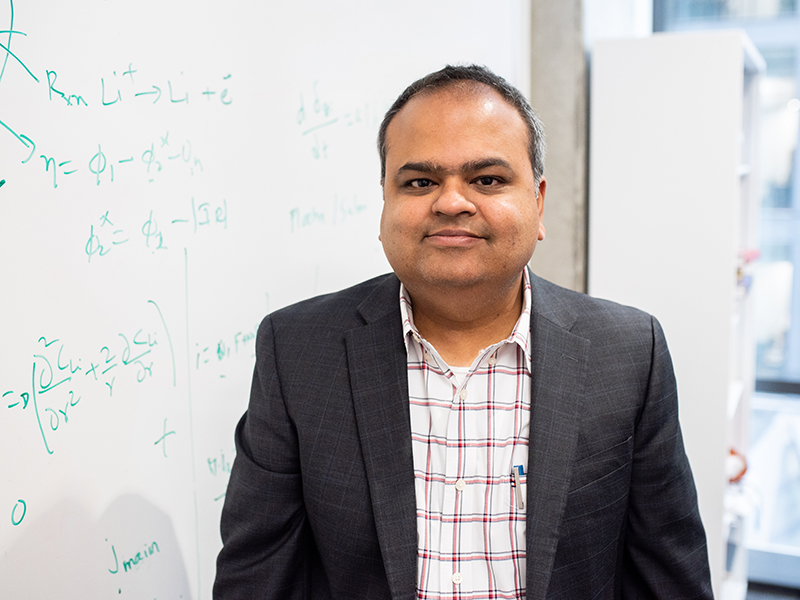
Professor Venkat R. Subramanian holds the Ernest Dashiell Cockrell II Professorship in Engineering at the University of Texas at Austin, affiliated with the Cockrell School of Engineering. He specializes in advanced materials science, complex systems, and electrochemical engineering, with a focus on battery technology and model-based design. His research group develops next-generation energy storage systems, particularly in lithium-ion and lithium-metal batteries, emphasizing safety, longevity, and efficiency. He has pioneered fast-impedance simulation methods and robust solvers for battery models, improving battery life by 2x in 18Ah cells through model-based charging profiles. Education: B.Tech. in Chemical and Electrochemical Engineering from Central Electrochemical Research Institute (CECRI), India (1997); Ph.D. in Chemical Engineering from the University of South Carolina (2001). Research Interests: Advanced battery management systems (BMS), capacity fade mechanisms, phase-field modeling, electrochemical impedance spectroscopy, and model-based design for next-gen energy storage. His work bridges fundamental science and engineering applications, addressing challenges in battery degradation, thermal management, and multi-scale modeling. Key Awards: Elected ECS Fellow; Past Chair of IEEE Division (Electrochemical Society); Past Technical Editor of Electrochemical Society; Past Chair of Area 1e: Electrochemical Engineering (AIChE). Lab Affiliation: M.A.P.L.E. Lab (Modeling and Analysis of Processes in Lithium Electrochemistry), focused on high-energy batteries for clean energy grids and transportation. The lab’s innovations include the fastest battery simulators and IP-protected solvers, contributing to safer and more efficient energy storage systems.
Professor Jonas Ringsberg is a leading academic in marine structural engineering and materials science at Chalmers University of Technology. He serves as the head of the Division of Marine Technology and Editor-in-Chief of the Journal of Ocean Engineering since 2024. His research focuses on structural integrity, Arctic engineering, sustainable propulsion systems, and autonomous shipping. He teaches on the Mobility Engineering MSc program, specializing in marine technology, and supervises students toward becoming naval architects. Research interests include wind-assisted ship propulsion, wave energy converters, computational fluid-structure interaction, and structural reliability of marine systems. He is a Fellow of SNAME and member of ISSC committees, contributing to global standards in fatigue analysis and ultimate strength testing. Recent work addresses challenges in zero-emission shipping, Arctic route optimization, and energy-efficient vessel design. Awards: SNAME Fellow (2020s) Professional Roles: ISSC Committee III.1 Chair (2018–2025), RINA Member Key Projects: SHARC collision risk analysis, WASP retrofitting studies, lightweight cruise ship design His 2023–2025 publications emphasize autonomous vessel navigation, wave energy park optimization, and cryogenic material testing. Collaborative efforts include co-simulation frameworks for marine systems and probabilistic analysis of ship-bridge collisions.
Ivan Stenius is a full-time Associate Professor at the Department of Engineering Mechanics, KTH Royal Institute of Technology. He holds a M.Sc. (2003) and Ph.D. (2009) in Lightweight Structures from KTH, with a licentiate degree (2007). His research focuses on composite materials, fluid-structure interactions, hydrodynamics, marine robotics, and model-based systems engineering. He leads the Swedish Maritime Robotics Centre (SMaRC), Sweden’s largest academic initiative in underwater robotics, and co-founded Zparq AB for marine electric propulsion. Education: M.Sc. in Lightweight Structures (KTH, 2003) Technical Licentiate in Lightweight Structures (KTH, 2007) Ph.D. in Hydroelasticity and Fluid-Structure Interactions (KTH, 2009) Research & Collaboration: Stenius develops advanced software tools with FMV and the Swedish Coast Guard. He leads cross-disciplinary projects involving computer vision, electrochemistry, and networked control. His work on hydrofoiling and electric propulsion has spun off Zparq AB. Recent projects include autonomous seaweed farm inspection, bioinspired underwater robots, and reinforcement learning for AUV maneuvering. Labs & Initiatives: PI of SMaRC, which integrates advanced robotics and maritime systems. Active in courses like Underwater Technology (SD2709) and Vehicle Engineering (SD1002).
Alex Alcocer is a Professor at the Department of Mechanical, Electrical and Chemical Engineering within the Faculty of Technology, Art and Design at OsloMet. His research focuses on marine technology, robotics, and autonomous systems, with emphasis on underwater gliders, unmanned vehicles, and sensor systems. He leads projects in composite hull design, control systems, and underwater communication technologies. Alcocer’s work integrates interdisciplinary approaches, combining materials science, hydrodynamics, and machine learning. His contributions include advancements in low-cost autonomous underwater vehicles (AUVs), composite material analysis for deep-sea applications, and innovative solutions for underwater navigation and positioning. He collaborates with institutions like the Norwegian Institute of Marine Research and IEEE, contributing to international conferences and publications. Key research areas include: hydroacoustics, Kalman filter applications, dynamic simulation, and robotics. His recent projects involve developing low-cost observation systems (e.g., underwater cameras) and improving UAV-AUV coordination for environmental monitoring. He also explores optimization of miniature glider hydrodynamics and energy-efficient propulsion methods. Alcocer has authored over 21 scientific publications since 2002, with notable works on sensor placement for underwater positioning, control algorithms for robotic vehicles, and composite material durability under pressure. His applied research aims to bridge gaps between theoretical models and practical marine robotics applications.
Prof. Nathan Lazarus is an Associate Professor in the Department of Electrical and Computer Engineering at the University of Delaware. He holds a B.S.E. in Electrical Engineering from the University of Pennsylvania (2007), and M.S. and Ph.D. degrees in Electrical and Computer Engineering from Carnegie Mellon University (2010 and 2012). Before joining UD's faculty in 2022, he conducted research at the U.S. Army Research Laboratory (ARL), where he pioneered breakthroughs in stretchable wireless power systems and 3D-printed electronics. His research focuses on unconventional materials and manufacturing techniques for wearable electronics, soft robotics, and energy systems. Key innovations include liquid metal-based stretchable inductors, ferrofluid-enhanced magnetic composites, and laser-fabricated 3D electronics. Lazarus has achieved record performance metrics in wireless power transmission efficiency and inductor quality factors. Major Research Themes: Stretchable Electromagnetic Devices, Additive Manufacturing for Electronics, Soft Robotics Actuators Notable Awards: PECASE (2019), ARL Honorary Engineering Award, Federal Career Excellence Award (Gold) Recent work spans self-folding metal origami, acoustic wireless power transfer, and piezoelectric energy harvesting systems. His lab emphasizes cross-disciplinary approaches to integrate materials science, mechanical engineering, and electronics for real-world applications.
Steve Gorrell is a Professor in the Department of Mechanical Engineering at Brigham Young University (BYU), College of Engineering. He holds a Ph.D. in Mechanical Engineering from Iowa State University (2001), an M.S. from Virginia Tech (1990), and a B.S. from BYU (1988). Prior to his academic career, he served as a Senior Aerospace Engineer at the Air Force Research Laboratory (AFRL) from 1989 to 2007, where he conducted advanced research in propulsion and turbomachinery. Ph.D., Mechanical Engineering, Iowa State University, 2001 M.S., Mechanical Engineering, Virginia Tech, 1990 B.S., Mechanical Engineering, Brigham Young University, 1988 His research is centered on experimental and computational fluid dynamics (CFD), with a strong focus on turbomachinery systems including compressors, turbines, and fans. He investigates unsteady flow phenomena such as stator-rotor interactions, inlet distortion, wake-shock dynamics, and cavitation. His work integrates high-fidelity CFD simulations with experimental techniques like Particle Image Velocimetry (PIV) to validate models and improve design methodologies. He also contributes to engineering education, particularly in collaborative and multi-university design projects. The most recent publications highlight a consistent trend in high-fidelity, time-accurate CFD analysis of unsteady flows in turbomachinery. Key themes include blade-row interactions, inlet distortion transfer, vortex dynamics, and feature extraction in simulations. His work frequently appears in ASME and AIAA journals and conferences, emphasizing both experimental validation and computational innovation. Notable awards include the Department of the Air Force Award for Civilian Achievement (2007), AIAA Associate Fellow (2007), AFRL Scientific/Technical Achievement Award (2006), and multiple honors for engineering education and collaboration (2013–2015). He also received the NASA Group Achievement Award (2003) and the Dayton-Cincinnati Aerospace Science Symposium Best Turbomachinery Paper (2002). Department of the Air Force Award for Civilian Achievement, 2007 AIAA Associate Fellow, 2007 AFRL Scientific/Technical Achievement Award, 2006 NASA Group Achievement Award, 2003 Best Paper, Dayton-Cincinnati Symposium, 2002 Outstanding Faculty Award, BYU ME, 2015 Best Overall Award, ASME IAM3D Challenge, 2014 AFOSR Summer Faculty Fellowship, 2013 Steve Gorrell has advised numerous graduate students on theses related to CFD, compressor and turbine design, and flow simulation. He has served as a principal investigator or collaborator on various research grants, particularly in high-performance computing and propulsion systems. His professional service includes editorial roles (Associate Editor, ASME, 2014–2018), committee leadership in AIAA and ASME, and extensive peer review for NSF, DOE, and other agencies. He has been actively involved in multi-university collaborative education initiatives, such as the PACE program. He leads a research group focused on computational and experimental fluid dynamics in turbomachinery, often collaborating with national labs and industry partners. His team employs advanced CFD solvers and data mining tools to extract meaningful features from complex simulations. The integration of computational science with engineering education remains a key component of his lab’s mission.
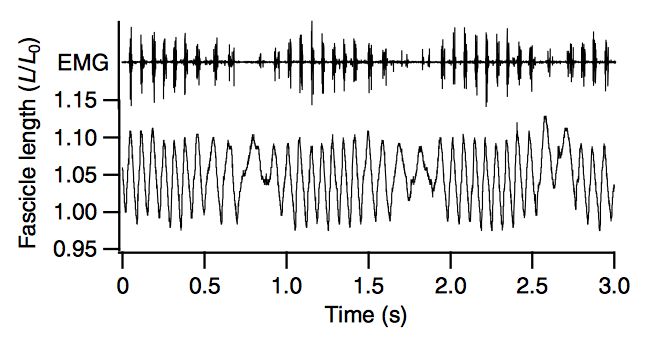
Graham Askew is an Associate Professor in the School of Biomedical Sciences at the University of Leeds, Faculty of Biological Sciences. His research integrates biomechanics, muscle physiology, and energetics to understand animal locomotion across diverse species. He is actively involved in postgraduate research supervision and leads a dynamic lab focused on the mechanics of movement. Education: BSc in Biology, University of Leeds (1992) PhD in Skeletal Muscle Physiology, University of Leeds (1995) Postdoctoral Research, Northeastern University (Boston) and University of Cambridge His research interests lie at the intersection of biomechanics and physiology , particularly in how muscles generate power and consume energy during locomotion. He uses integrative approaches combining in vivo measurements, respirometry, sonomicrometry, and infrared thermography to study animal flight, running, and swimming. His work spans from molecular muscle function to whole-organism performance, with ecological and evolutionary implications. The recent publications reflect a strong trend in comparative biomechanics , focusing on power generation in bird flight, metabolic costs in ants and armoured humans, and efficiency in jet-propelled nautilus. His work often bridges biological principles with real-world or historical applications, resulting in broad scientific and public impact. Scientific Recognition: Featured in The New York Times (2018) for nautilus propulsion study Highlighted in Inside JEB multiple times Research covered by BBC, Science Magazine, Huffington Post, Audubon, and others Dr Askew has secured continuous funding from the BBSRC and leads collaborative projects with institutions including Bangor University, University of Hull, and University of Liverpool. He supervises postgraduate students and promotes research opportunities in muscle performance, flight biomechanics, and scaling of locomotor function. He is also involved in developing computational models for musculoskeletal research aligned with 3Rs principles. His lab, part of the Sport and Exercise Sciences and Cardiovascular and Exercise Sciences research groups, emphasizes experimental validation and interdisciplinary collaboration. Ongoing projects include insect flight mechanics, bird flight energetics, and computational modeling of rabbit mastication.
Rajesh Rajamani is a Professor in the Department of Mechanical Engineering at the University of Minnesota, College of Science and Engineering. His research spans control systems, nonlinear dynamics, and applications in transportation and medical cyber-physical systems. He actively leads multiple funded research projects and contributes to interdisciplinary innovation. His research interests lie at the intersection of control theory and real-world engineering applications. Key areas include nonlinear observer design , actuator and sensor systems , vehicle dynamics and safety , and medical cyber-physical systems . He applies these to diverse domains such as autonomous vehicles, smart infrastructure, combustion engines, and closed-loop drug delivery. The recent publication trends reflect a strong focus on intelligent transportation (e.g., e-scooter safety, smart traffic signs), health monitoring using non-intrusive sensors, and control of pharmacological systems. His work combines deep theoretical control methods with practical implementation using real-time estimation, sensor fusion, and machine learning. Principal Investigator on multiple NSF and DOT-funded projects Expert commentator in media on transportation safety and automation Active collaborations with researchers in mechanical, biomedical, and electrical engineering Extensive publication record in top journals including IEEE Transactions and Mechanical Systems and Signal Processing Rajamani has secured significant grant funding, including recent awards from the National Science Foundation and the Minnesota Department of Transportation, supporting projects on smart traffic systems, non-contact actuator sensing, and medical cyber-physical systems. These grants highlight sustained research impact and leadership. He is involved in developing innovative technologies through university-industry partnerships and technology transfer initiatives, particularly in sensing and control for industrial and medical applications. His lab focuses on real-time estimation, feedback control, and system integration for safety-critical systems.
Benjamin Krause serves as Associate Professor of Music at Hope College in Holland, Michigan, where he teaches composition, music theory, aural skills, piano, and jazz. He joined the Hope faculty in 2018 after teaching for three years at Valparaiso University, where he founded and directed the Valparaiso University New Music Ensemble (VUNUMU). Dr. Krause earned his DMA in composition from Rice University (2014), MM in composition from the University of Oregon (2010), and BM in piano performance from Valparaiso University (2007). His primary composition teachers include Pierre Jalbert, Anthony Brandt, Richard Lavenda, Robert Kyr, and David Crumb. As an award-winning composer, Krause embraces diverse musical idioms spanning traditional classical repertoire to new music and jazz. His work is characterized by visceral rhythmic drive, tight motivic control, and colorful, dense harmonies with jazz influences. He has created works for orchestra, chamber ensembles, vocalists, piano, and electronics, often exploring connections between classical forms and folk/popular sources. His recent compositions increasingly focus on propulsive and complex rhythmic textures while maintaining a sense of the mystical through lush textures and impressionistic sonority. Krause's compositional output shows a clear evolution from more traditional forms to increasingly complex rhythmic structures, with works spanning orchestral, chamber, vocal, and solo repertoire. His music frequently draws inspiration from landscapes and environments, creating new sound worlds through the synthesis of varied musical idioms. Copland House Residency Award (2018-19) Distinguished Composer of the Year, Music Teachers National Association (2018) Emerging Composer Award, Houston Symphony (2016) Prix Marion Tournon Branly, American Conservatory at Fontainebleau, France (2012) Winner, Chamber Orchestra Composition Competition (2020) Runner-Up, RED NOTE New Music Festival Composition Competition (2020) As an educator, Dr. Krause has developed and taught university courses in composition, orchestration, music theory, aural skills, and jazz. He has premiered and performed over fifty new works in venues including Carnegie Hall and Houston's Zilkha Hall, while also performing works by major 20th- and 21st-century composers. As a jazz pianist, he has collaborated with notable musicians including saxophonists Woody Witt and Horace Alexander Young. Dr. Krause maintains an active performance schedule with fellow Hope faculty members and continues to develop new compositions that explore the intersection of classical forms with contemporary rhythmic complexity and diverse musical influences.
Daniel Fodorean is an academic at the Technical University of Cluj-Napoca, serving as a Lecturer in the Department of Electrical Machines, Marketing & Management. His research focuses on electric machine design, control systems, and magnetic field computation, with a particular emphasis on synchronous and hybrid excited machines for automotive applications. Education: Electrical Engineering (Diploma, 2001), M.Sc. in Variable Speed Electrical Drives (2002), Ph.D. in Double Excited Synchronous Machines (2005). Professional Experience: Assistant Lecturer at Technical University of Cluj-Napoca (2006–present); temporary teaching/research roles at Université de Technologie de Belfort-Montbéliard (2003–2004, 2005–2006). His work involves advanced control strategies (DTC-FOC, PWM), finite element analysis, and optimization techniques (gradient, surface response) for machines like permanent magnet and transverse flux motors. Key projects include double excited synchronous machine prototyping and thermal/mechanical design for hybrid systems. Recent publications address parameter optimization, vector control, and flux weakening in high-speed applications. Scientific Awards: Scholarships at Technological University of Belfort-Montbéliard (2001–2002, 2003). He contributes to international conferences such as ICEM, IEMDC, and COMPUMAG, with a focus on electromagnetic field computation and drive system efficiency. His expertise spans analytical modeling, numerical simulation (Flux2D/3D), and experimental validation of motor performance.
Dr. Imran Afgan is an Associate Professor at Khalifa University in the Department of Mechanical & Nuclear Engineering. He has held academic and research positions at institutions including the University of Manchester, Université Pierre et Marie Curie, and Air University, and is a chartered engineer (CEng) and registered Professional Engineer (PEC). His work focuses on high-fidelity simulations and computational fluid dynamics (CFD) applied to nuclear thermal hydraulics and renewable energy systems. Education: PhD in Mechanical Engineering, University of Manchester, United Kingdom BS in Mechanical Engineering, Ghulam Ishaq Khan Institute of Engineering Sciences & Technology, Pakistan Dr. Afgan’s research spans turbulence modeling, fluid-structure interaction, conjugate heat transfer, and uncertainty quantification. He has secured over USD 12 million in funding for projects such as PerAWAT , ReDAPT , CARE , and ANTIFOD , with applications in nuclear reactors, tidal energy, and solar thermal systems. His projects integrate machine learning and advanced CFD techniques to address multi-physics challenges. His scientific accolades include the IAHR Harold Jan Schoemaker Award and Fellowships from the Institution of Mechanical Engineers UK and the Higher Education Academy. Dr. Afgan has taught courses such as Advanced Fluid Mechanics and Turbulence Theory and Modelling.
Silvia Pujals Riatós is a Researcher at the Core Facilities Unit of the Institute for Bioengineering of Catalonia (IBEC) in Barcelona, Spain, where she leverages advanced microscopy and nanomaterial characterization expertise to drive innovation in nanomedicine. Her dual role combines facility management with active research in developing next-generation nanocarriers for biomedical applications, particularly in drug delivery and cellular imaging. Her research spans nanomedicine, supramolecular chemistry, and super-resolution microscopy, with emphasis on designing light-activated drug delivery systems, quantifying nanoparticle behavior in biological environments, and engineering tumor-targeted nanotherapeutics. Key focus areas include supramolecular polymers, protein corona analysis, and real-time monitoring of nanocarrier dynamics in complex microenvironments like tumor-on-a-chip models. Her work bridges synthetic chemistry, materials science, and translational medicine to address challenges in cancer therapy and neurodegenerative diseases. Analysis of her 15 most recent publications (2021-2025) reveals three dominant trends: (1) Quantitative characterization of nanomaterial-biological interactions using cutting-edge microscopy techniques like DNA-PAINT and Glyco-PAINT, (2) Development of stimuli-responsive supramolecular systems with optimized stability-release profiles, and (3) Application of engineered nanocarriers in tumor models and cellular activation systems. Collaborations with the Albertazzi group and international teams demonstrate her integrative approach to solving biomedical challenges. As a core facility leader, Dr. Pujals provides critical infrastructure support for IBEC's research ecosystem, enabling high-impact studies through advanced nanomaterial analysis and super-resolution imaging services. Her facility work underpins projects ranging from fundamental protein interaction studies to preclinical cancer models, fostering interdisciplinary innovation across the institute.
Dr. Clayton R. Mulvihill is an Assistant Professor in the Department of Mechanical Engineering at Baylor University's College of Engineering. He leads the Reaction Kinetics Lab, where his research integrates experimental, theoretical, and computational approaches to study chemically reacting systems with applications in energy, propulsion, materials, and safety. Education: PhD in Mechanical Engineering, Texas A&M University (2019) MS in Mechanical Engineering, Texas A&M University (2015) BS in Mechanical Engineering, Texas A&M University (2013) His research focuses on chemical kinetics , employing laser diagnostics and shock tubes for experimental validation, quantum chemistry and transition state theory for theoretical rate predictions, and chemical kinetic modeling to bridge theory and experiment. His work targets cleaner fuels, hypersonic propulsion, flame-based nanoparticle synthesis, and battery safety. Recent efforts involve stereochemistry in reaction mechanisms and non-adiabatic effects in high-temperature reactions. The recent publications highlight a strong trend toward ab initio and automated kinetic modeling, with emphasis on quantum effects , stereochemistry , and prompt reaction identification . The research spans combustion science , physical chemistry , and computational modeling , often validating mechanisms through shock tube experiments and laser diagnostics. Scientific Awards: Doctoral New Investigator Award, American Chemical Society Petroleum Research Fund (2024) Dr. Mulvihill advises both PhD and undergraduate students, including Lanshi Li and Naiya Yokochi (PhD students), and several undergraduates actively contributing to shock tube and optical diagnostics projects. He has secured external funding for research on non-equilibrium plasma kinetics. His group collaborates with institutions like the Naval Research Laboratory and participates in national and international conferences such as the Combustion Institute meetings. The Reaction Kinetics Lab at Baylor is equipped with a custom shock tube (10.2 cm ID, 8.9 m length), laser absorption and fluorescence diagnostics, high-vacuum mixing systems, and computational resources. The lab emphasizes a synergistic experimental-theoretical-computational workflow and hosts outreach activities, including STEM camps and lab tours for K-12 students.
Dominic Hudson is Shell Professor of Ship Safety and Efficiency at the University of Southampton , leading the Centre for Maritime Futures . He serves as Head of the Maritime Engineering group and is a member of the Southampton Marine and Maritime Institute . Focus areas: hydrodynamics, energy-efficient ship design, decarbonisation Key collaborations: Shell Shipping, English Institute of Sport, British Swimming Teaching: ship design, hydrodynamics, power requirement prediction External roles: Royal Institution of Naval Architects (Chair 2002-2011), International Towing Tank Conference Education : BEng in Ship Science, University of Southampton (1994, First-Class) PhD in high-speed catamaran motion prediction, University of Southampton (1999) His research explores hydrodynamic optimization for maritime energy efficiency, focusing on future fuels , digitalisation , and crew safety . Recent work includes hydrogen fuel storage models, LNG boil-off gas prediction, and wind-propulsion yaw moment analysis. The Centre for Maritime Futures drives multidisciplinary projects in maritime decarbonisation and digital oceans. Scientific Awards : Vice Chancellor's Teaching Award (2008) Wakeham Prize (2002) Landrini Award (2013) Multiple Bronze Medals from RINA (2002, 2004, 2005, 2014, 2015) As a Chartered Engineer with industry experience at Three Quays Marine Services (2003), he has coordinated Ship Science courses (2008-2011) and directed programs (2011-2013). His academic leadership extends to visiting positions at Yokohama National University (2008) and Nanyang Technological University (2011-2016), plus collaborations with IHPC-SMMI Joint Laboratory in Singapore.