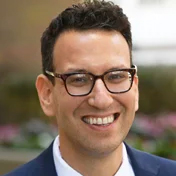
Dr Adam Ritchie serves as a Senior Vaccinologist at the University of Oxford's Jenner Institute and Lecturer in Human Science at St Catherine's College. His work focuses on translating academic vaccine research into real-world impact through the development, manufacture, and clinical testing of candidates for rabies, Epstein-Barr virus (EBV), and SARS-CoV-2. Education: Holds a BSc, PhD, and Fellow of the Higher Education Academy (FHEA) qualification. His research spans vaccine development, clinical trial design, regulatory affairs, and public policy through Vax-Hub Global. Key interests include adenovirus-vectored platforms, scalable manufacturing processes, and addressing global health challenges in resource-limited settings. Analysis of his 2020-2025 publications reveals a cohesive research trajectory centered on ChAdOx1-vectored vaccines. Dominant themes include prime-boost regimens, intranasal delivery systems, cost-effectiveness modeling for low-income countries, and material science applications for vaccine stabilization. His work bridges laboratory innovation with implementation science, particularly in rabies prophylaxis and pandemic response. Ritchie actively contributes to the Douglas Research Group at the Jenner Institute and global vaccine initiatives through Vax-Hub. His collaborative work appears in high-impact journals including The Lancet, Nature Medicine, and Vaccine, with emphasis on clinical translation and equitable vaccine access.
Jessica Illuzzi is the Deputy Dean for Education and Harold W. Jockers Professor of Medical Education at the Yale School of Medicine, where she is also a Professor in the Department of Obstetrics, Gynecology, and Reproductive Sciences. She plays a pivotal role in medical education leadership, curriculum development, and accreditation efforts, while maintaining an active research program in maternal and neonatal health. Harvard University, AB in Biochemical Sciences (1994) Harvard Medical School, MD (1998) Yale School of Graduate Studies, MS in Epidemiology (2006) Residency in Obstetrics and Gynecology, Yale-New Haven Hospital (2002) Her research focuses on the impact of obstetric interventions on maternal and neonatal outcomes, especially among low-risk women. Key areas include cesarean section, vaginal birth after cesarean (VBAC), group B streptococcus prophylaxis, and innovative maternity care models. She has led studies on labor management, health disparities, and quality improvement in obstetric care. Recent publications highlight trends in racial and ethnic disparities in maternal outcomes, validation of VBAC prediction tools, neonatal resuscitation guidelines, and integrated maternal-child care models in Haiti. Her work spans clinical epidemiology, health services research, and digital health interventions in obstetrics. Hellman Award (2017) Leah Lowenstein Award (2010) Roy M. Pitkin Award (2010) Bohmfalk Award (2007) Association of Professors of Gynecology and Obstetrics Teaching Award (2006) Dr. Illuzzi has been a strong advocate for medical education reform and student mentorship. She previously served as clerkship director and curriculum director, and has played key roles in Yale’s curriculum redesign and LCME reaccreditation. She has also led quality improvement initiatives in labor care and contributed to national guidelines on neonatal resuscitation. Her collaborative research network includes frequent co-authors such as Xiao Xu and Katherine Harper Campbell.
Clinical Associate Professor Keith Ong is affiliated with the University of Sydney’s Northern Clinical School, specifically within the Department of Clinical Ophthalmology & Eye Health. His clinical specialty is Ophthalmology, with a focus on corneal endothelial health, glaucoma surgery outcomes, and cataract surgical techniques. His research addresses critical areas such as postoperative ocular toxicity, intraocular lens calculations, and infection control in eye surgeries. Dr. Ong’s publications (2011–2023) consistently explore topics like corneal endothelial changes post-trabeculectomy, refractive error management post-cataract surgery, and antibiotic prophylaxis strategies. Recent work emphasizes optimizing surgical techniques to reduce complications, such as BAK-induced corneal toxicity and IOL power calculation accuracy in LASIK patients. His work demonstrates a focus on improving surgical safety and precision, with studies evaluating alternative antibiotic delivery methods and laser therapy impacts. No awards or grants are explicitly noted in the provided text, but his contributions to clinical practice and surgical protocols are evident through his publication record.
Dr. Thomas Chen is an Assistant Professor in the Department of Medicine-Hospital Medicine at the University of Chicago. He serves as Co-Director of the Personalized Therapeutics Clinic, focusing on integrating pharmacogenomics into clinical practice. Dr. Chen's primary research interests include pharmacogenomics, medical education, and hospital medicine. He has particular expertise in the medication reconciliation process, prescribing practices, and quality improvements that decrease healthcare costs while improving patient outcomes. His work bridges the gap between genomic medicine and practical clinical applications in hospital settings. Dr. Chen has made significant contributions to the implementation of pharmacogenomics in inpatient care. His research demonstrates how pharmacogenomic information can be effectively integrated into routine hospital practice to improve patient care, with a focus on care team dynamics, applicability for minority populations, and outcomes of various medication regimens in hospitalized patients. His work shows a clear trend toward practical implementation of pharmacogenomics in real-world clinical settings, with publications spanning from diagnostic methods (2012) to current cutting-edge research on care team attributes predicting successful pharmacogenomic implementation (2025). Dr. Chen holds dual training in pharmacy and medicine, providing him with a unique perspective on medication management and pharmacogenomics. His research has been published in high-impact journals including Clinical and Translational Science, Pharmacogenetics and Genomics, and Journal of Personalized Medicine.
Dr. Joseph Choi is a Clinical Lecturer and General Surgery Fellow at the University of Sydney's Westmead Clinical School, within the Discipline of Surgery under the Faculty of Medicine and Health. He holds academic qualifications including BSc(Adv), MBBS, MPhil, and FRACS. His clinical and research interests focus on surgical outcomes, colorectal surgery, endometriosis management, and minimally invasive techniques. Dr. Choi's research emphasizes surgical complications, anastomotic leak prediction, and emerging surgical technologies. He has contributed to over 30 peer-reviewed publications since 2011, with recent work addressing robotic surgery feasibility, Strongyloides stercoralis infections, and HER2 therapy outcomes in breast cancer. His academic profile includes collaborations with multidisciplinary teams across oncology, gastroenterology, and gynecology. No formal awards or grants are explicitly listed, though his prolific publication record reflects sustained scholarly activity.
Professor Amy Mullens (University of Southern Queensland) is a leading academic in public health, gender studies, and clinical psychology. Her work focuses on sexual and reproductive health, transgender health equity, and healthcare access for marginalized populations, particularly within correctional systems. Key Affiliations : School of Psychology and Wellbeing, Centre for Health Research, Institute for Resilient Regions. Research Themes : Intersectional health disparities, HIV/STI prevention, gender-affirming healthcare, and mental health interventions. Research Trends : Recent publications emphasize digital health tools for STI/HIV risk prediction, transgender health policy, and qualitative analyses of incarceration experiences. She frequently collaborates on systematic reviews and mixed-methods studies addressing health equity. Advising : Supervises 16+ doctoral and master’s students (2021-2025) on topics spanning trauma, health literacy, and sexual health interventions.
Dr. Guangyao Li is a Research Fellow in the Department of Applied Mathematics and Theoretical Physics (DAMTP) at the University of Cambridge, affiliated with the Quantum Fluids research group. His work focuses on theoretical and computational studies of quantum fluids, particularly exciton-polaritons in semiconductor microcavities and their interactions with electrons and photons. His research bridges condensed matter physics, quantum optics, and nanotechnology. Dr. Li's interdisciplinary interests also extend to pharmacology and clinical medicine, evidenced by collaborative studies on drug efficacy, drug-related problems in hospital settings, and guidelines for off-label drug use in ophthalmology. These studies address topics such as glucocorticoid therapy complications, proton pump inhibitor utilization, and anti-vascular endothelial growth factor treatments for ocular diseases. His quantum physics publications explore polariton scattering, Bose-Einstein condensates, and chiral edge states in quantum fluids. Recent medical studies analyze drug safety, self-monitoring in diabetes, and inappropriate medication use in elderly cardiac patients. These works highlight his dual contribution to fundamental physics research and applied clinical pharmacology. No academic awards or grants are explicitly stated in available records. He advises no known students but collaborates across disciplines in Cambridge and Chinese medical institutions. His research is conducted within the Quantum Fluids group at DAMTP, leveraging advanced theoretical models and computational simulations.
Grant E. O'Keefe, M.D., M.P.H., serves as Professor of Surgery at the University of Washington School of Medicine and holds adjunct appointments in Neurological Surgery, Orthopedics and Sports Medicine. Based at Harborview Medical Center in Seattle, he provides surgical and intensive care services for emergency and complex gastrointestinal conditions, emphasizing patient-centered decision-making in critical scenarios. His educational background includes: Medical Doctorate (M.D.) from University of Alberta Faculty of Medicine (1988) Master of Public Health (M.P.H.) from University of Washington General Surgery Residency at University of Alberta Faculty of Medicine General Surgery Fellowship at University of Washington Internship at Memorial University of Newfoundland Dr. O'Keefe's research focuses on trauma outcomes, critical care metabolism, and genetic determinants of sepsis recovery. He investigates nutritional interventions in critically ill patients, ventilator-associated complications, and biomarkers for predicting mortality in trauma cases. His work frequently employs metabolomics and genetic association studies to understand individual variations in treatment response. Analysis of his 2013-2018 publications reveals consistent emphasis on critical care and trauma, with studies examining respiratory failure duration, nutritional support efficacy, and genetic polymorphisms affecting sepsis outcomes. His research often utilizes large collaborative datasets from the NIH-funded Inflammation and Host Response to Injury program, highlighting translational approaches to improve trauma resuscitation and ICU management. Professional recognition includes: Fellow of the American College of Surgeons Board-certified in Surgery and Surgical Critical Care by the American Board of Surgery, Dr. O'Keefe has contributed significantly to the Inflammation and Host Response to Injury Collaborative Research Program, developing standard operating procedures for trauma nutrition and venous thromboembolism prophylaxis. While specific grant amounts aren't detailed, this multi-institutional NIH initiative represents substantial research funding. He mentors surgical trainees within UW's residency programs, though individual advisees aren't listed in available records. At Harborview Medical Center, Dr. O'Keefe operates within the General Surgery Clinic and surgical ICU, collaborating with multidisciplinary teams including trauma surgeons, critical care specialists, and nutrition support services. His clinical practice integrates research insights into trauma resuscitation protocols and complex abdominal surgery, with patient reviews highlighting both efficient communication and occasional concerns about bedside manner.
Dr. Laura B. Balzer is an Associate Professor of Biostatistics at the University of California, Berkeley. Her work focuses on causal inference, machine learning, and addressing methodological challenges in both randomized trials and observational studies, particularly in global health contexts. She leads collaborations in East Africa, focusing on HIV elimination and community health in rural regions. Her research emphasizes translating academic findings into real-world impact. Education: PhD in Biostatistics, UC Berkeley (2015) MPhil in Computational Biology, University of Cambridge (2009) BS in Applied Mathematics, University of Vermont (2008) Research Interests: Dr. Balzer’s work addresses causal inference in complex settings, including semi-parametric methods, measurement challenges, and dependence structures. Her global health projects target HIV prevention, tuberculosis transmission, and hypertension management in sub-Saharan Africa. She designs interventions like the SEARCH Dynamic Choice model, which offers flexible HIV prevention options, and evaluates community health worker programs. Publications highlight her contributions to HIV/AIDS research, including studies on PrEP uptake, viral suppression in adolescents, and tuberculosis-HIV co-infection. Methodologically, she advances causal inference frameworks to handle missing data and clustered designs. Awards: While no specific awards are listed, her work has been funded by initiatives like the SEARCH trials, reflecting its scientific and public health significance. Advising & Grants: Balzer collaborates with multidisciplinary teams in Uganda and Kenya, focusing on translational research. Her grants support interventions linking statistical innovation to healthcare delivery improvements in resource-limited settings. Labs/Teams: Her research is embedded within global health partnerships, particularly within the SEARCH trials network, which integrates biostatistics with clinical and community-based implementation.
Francesca Chiodi is a Senior Professor in the Department of Microbiology, Tumor and Cell Biology at Karolinska Institutet, Sweden. Her research focuses on HIV pathogenesis, host-microbe interactions, and immune responses in infectious diseases. She holds a Docent title from Karolinska Institutet (1991) and has been continuously employed there since 2004. Her work spans virology, immunology, and clinical trials, with emphasis on HIV prevention strategies, mucosal immunity, and translational research. Research highlights include studies on HIV pre-exposure prophylaxis (PrEP), host gene expression in foreskin tissue, and viral surface protein epitope profiling. She has led projects evaluating SARS-CoV-2 responses in mucosal tissues and contributed to global initiatives like the CHAPS study in sub-Saharan Africa. Her division, the Division of Host-Microbe , investigates microbial pathogenesis and immune mechanisms in chronic infections. Key collaborations include studies on B-cell dysfunction in HIV and TB co-infections, as well as vaccine design for immunocompromised populations. Publications (2020–2024) reflect her focus on clinical trials, transcriptomic analyses, and translational models. She has advised numerous collaborative studies but no formal student advisees are listed. Research funding includes grants for mucosal HIV prevention and SARS-CoV-2 pathogenesis studies. Ongoing work explores immune reconstitution in early antiretroviral therapy and correlates of protective immunity in mucosal tissues.
Kathryn Macapagal, PhD is an Associate Professor at Northwestern University's Feinberg School of Medicine with appointments in Medical Social Sciences (Implementation Science), Medical Social Sciences (Intervention Science), and Psychiatry and Behavioral Sciences. She is a licensed clinical psychologist with expertise in health psychology and serving LGBTQ individuals and people living with HIV/AIDS. Her research focuses on translational, social-behavioral and implementation science approaches to improve the health and wellbeing of sexual and gender minority (SGM) adolescents and young adults. She employs online, technology-based, and community-engaged research methods to understand sexual health and HIV prevention needs of SGM adolescents, developing digital behavioral health interventions to address these needs. Dr. Macapagal's work includes examining awareness and use of HIV pre-exposure prophylaxis (PrEP) among SGM adolescents, exploring use of online spaces for sexual development, and developing text-message interventions to improve HIV testing access. Her research portfolio demonstrates strong trends toward implementation science, digital health interventions for HIV prevention, and addressing health disparities among marginalized youth populations through innovative technological approaches. She serves on several professional leadership roles including as Chair of the Health Equity Special Interest Group for the Society for Digital Mental Health (2023-present) and as a Member of the University of Minnesota Institute for Sex and Gender Health Annual Survey Advisory Council (2022-present). She previously served as Associate Editor for Archives of Sexual Behavior (2020-2023) and on the Medical Advisory Board for Flo Health (2019-2022). Dr. Macapagal leads active clinical trials including a text messaging program designed to increase sexual health information and behavioral skills for LGBTQ+ teens (IRB number STU00217358). She is affiliated with the Institute for Public Health and Medicine (IPHAM) and the Northwestern University Clinical and Translational Sciences Institute (NUCATS).
Associate Professor Jenni Ilomaki holds a position at Monash University's Centre for Medicine Use and Safety. With expertise in clinical pharmacy, epidemiology, and public health, she leads a research group analyzing administrative claims data. Her work spans collaborations with governmental and non-governmental organizations globally, yielding over 150 peer-reviewed publications and $4 million in grants. She previously served as Chair of ASCEPT's Pharmacoepidemiology Special Interest Group and currently serves as Science Lead for the Monash Addiction Research Centre and Executive Editor of the British Journal of Clinical Pharmacology. Education includes a Bachelor of Science (Pharmacy) from the University of Kuopio (1999) and Master of Science (Pharmacy) from the University of Kuopio (2004). She completed a PhD in alcohol epidemiology at the University of Eastern Finland (2011) and a postdoc at the University of South Australia (2011-2014). Notable recognitions include Young Epidemiologist of the Year (2011) and the Ronald D. Mann Best Paper Award (2021). Key research focuses on quality use of medicines, medicine safety, large population studies, and innovative epidemiological methods. Major projects include developing clinical decision support tools for cardiovascular prevention, analyzing preventable hospitalizations in aged care, and investigating psychotropic medication trends in youth. Her work contributes to UN Sustainable Development Goals related to health equity and non-communicable disease reduction. Recent publications emphasize drug repurposing (e.g., SGLT2 inhibitors), opioid prescribing patterns, hip fracture outcomes, and dementia detection algorithms. She chairs multinational studies on stroke and myocardial infarction cost burdens, demonstrating interdisciplinary impact across pharmacology, epidemiology, and health economics.
Angela Kashuba, Ph.D., is the John A. and Margaret P. McNeill, Sr. Distinguished Professor and Chair of the Division of Pharmacotherapy and Experimental Therapeutics at the UNC Eshelman School of Pharmacy. She serves as Director of the Clinical Pharmacology and Analytical Chemistry Core at the UNC Center for AIDS Research. Her research focuses on optimizing HIV treatment, prevention, and cure strategies through clinical pharmacology and analytical chemistry, with an emphasis on antiretroviral drug distribution in tissues and adherence monitoring. Education: Bachelor of Science in Pharmacy, University of Toronto (Canada) General Practice Residency, Women’s College Hospital (Toronto) Critical Care Pharmacy Practice, Mount Sinai Hospital (Toronto) Pharm.D., State University of New York at Buffalo Postdoctoral Pharmacology Training, Bassett Healthcare Clinical Pharmacology Research Center Research Interests: HIV drug pharmacokinetics and tissue distribution Development of novel adherence monitoring techniques (e.g., mass spectrometry imaging of hair) Optimizing dosing strategies for HIV prevention and cure interventions Impact of sex, gender, and comorbidities on drug efficacy Long-acting drug delivery systems (e.g., implants, biodegradable formulations) Grants & Projects: NIH P30-AI50410: UNC Center for AIDS Research Core NIH R01AI111891: Multi-Species Mechanisms of Drug Bio-distribution in HIV Tissue Reservoirs NIH/NIAID UM1AI126619: Collaboratory of AIDS Researchers for Eradication (CARE) Industry partnerships (e.g., Chimerix, TaiMed Biologics) Awards: Rawls-Palmer Progress in Medicine Award (ASCPT, 2023) John A. and Margaret P. McNeill, Sr. Distinguished Professorship (UNC, 2013) Labs & Collaborations: Director of the Clinical Pharmacology & Analytical Chemistry Laboratory, pioneering mass spectrometry imaging and drug reservoir analysis. Future Work: Advancing ultra-long-acting HIV PrEP implants Exploring sex-specific pharmacology in transgender populations Global HIV prevention initiatives via data sharing (HIV Pharmacology Data Repository)
E. Jennifer Edelman, MD, MHS is a Professor of Medicine (General Internal Medicine) at Yale School of Medicine and an Associate Professor on Term in Social and Behavioral Sciences at Yale School of Public Health. She serves as an HIV provider at the Yale-New Haven Hospital Nathan Smith HIV Clinic and is the physician consultant in the Addiction Medicine Treatment Program. Dr. Edelman is certified as an internist, HIV specialist, and in Addiction Medicine, and holds multiple appointments across Yale's medical and public health institutions. Professor of Medicine, General Internal Medicine (Primary) Associate Professor on Term, Social and Behavioral Sciences (Secondary) Addiction Medicine Fellowship Program AIDS Care Program Internal Medicine Program in Addiction Medicine Yale Center for Clinical Investigation (co-Director of Education) Yale-Drug use, Addiction, and HIV prevention Research Scholars (DAHRS) Dr. Edelman's research focuses on optimizing HIV prevention and treatment in the context of substance use, including opioid, alcohol, and tobacco use. Applying a range of methodologies, she leads and collaborates on NIH-funded projects to evaluate novel and implement evidence-based addiction treatment in medical settings, especially HIV treatment settings. Her work has focused on understanding harms associated with opioid use among people with HIV and promoting HIV prevention, including use of pre-exposure prophylaxis (PrEP). She collaborates extensively with community-based and public health partners to advance these goals. Analysis of her recent publications (2024-2025) reveals a strong emphasis on integrated care models addressing substance use disorders within HIV treatment settings. Her research spans multiple methodologies including randomized controlled trials, implementation science, qualitative studies, and epidemiological analyses. Key themes include contingency management for alcohol use disorder among people with HIV, PrEP implementation among high-risk populations, and interventions for tobacco cessation in HIV clinics. Her work demonstrates a consistent focus on addressing health disparities and improving outcomes for vulnerable populations. Dr. Robert A. Savitt & Dr. George D. McCormack Award (2022) Lipkin Award Finalist, Society of General Internal Medicine National Annual Meeting (2021) Lipkin Award Finalist, Society of General Internal Medicine National Annual Meeting (2019) Veterans Affairs Locally-Initiated Project Funding Award New England Society of General Internal Medicine Award for Excellence in Clinical Investigation Society of General Internal Medicine Lawrence Linn Award Dr. Edelman actively mentors trainees including post-doctoral fellows and public health students, and serves as Associate Director of the Research on Addiction Medicine Scholars (RAMS) Program. She regularly serves on NIH grant review committees and is Associate Editor of Addiction Science and Clinical Practice. Her current research includes the EXHIT ENTRE trial (Exemplar Hospital Initiation Trial to Enhance Treatment Engagement), which focuses on addressing untreated alcohol use disorder in hospital settings. She has received substantial grant funding from the National Institutes of Health, National Institute on Alcohol Abuse and Alcoholism, and National Cancer Institute to support her work in addiction medicine and HIV care.
Doron Dorfman is a tenured Professor at Seton Hall University School of Law and an Affiliate at Harvard Medical School's Center for Bioethics. His expertise spans Torts, Health Law, Disability Law, Employment Law, Family Law, and Bioethics, with a focus on empirical legal studies. He holds advanced degrees from the University of Haifa (B.A., LL.B., LL.M.) and Stanford Law School (J.S.M., J.S.D.). His research explores disability rights, healthcare ethics, and legal responses to medical advancements. Notable contributions include analyzing genetic reproductive technologies, workplace accommodations, and pandemic-related legal challenges. His work has been cited by courts and featured in major newspapers like the New York Times. Key awards include the Michael J. Zimmer Memorial Award (2023) for rising scholars in employment law and recognition in Harvard's Junior Faculty Forum. Dorfman actively contributes to legal blogs and leads initiatives like the Disability Legal Studies Collaborative Research Network (CRN). Recent articles highlight themes such as disability metaphors in law, crisis standards of care, and preventive medicine stigma. His work bridges empirical research and legal policy, aiming to advance equity in health and workplace settings.