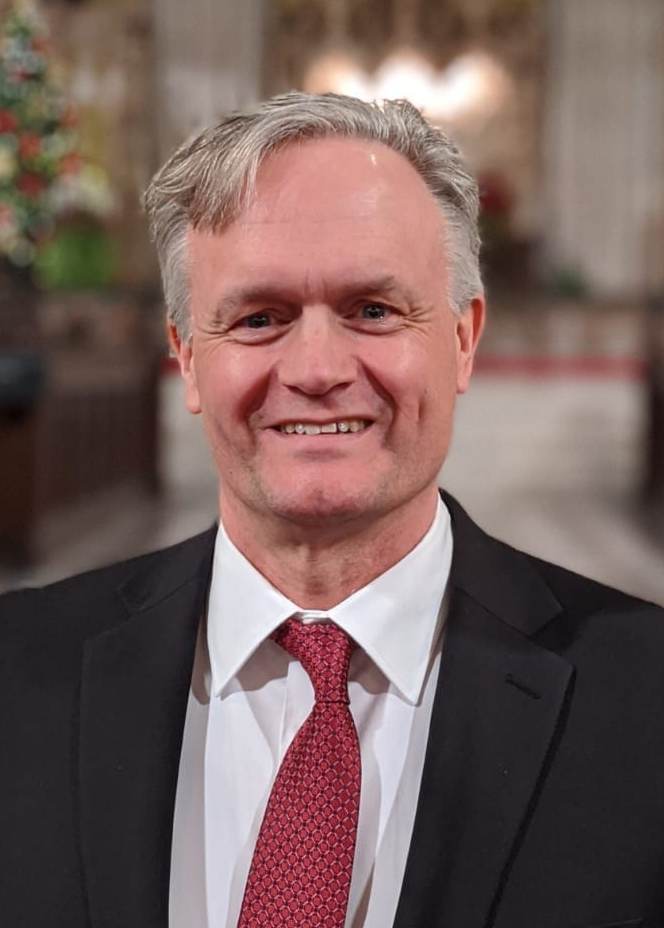
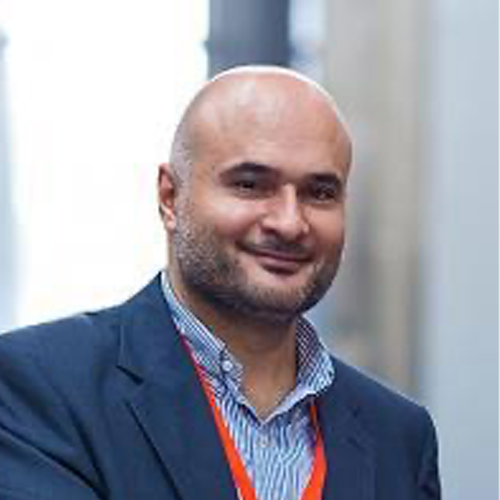
Matthias Krankeمشاهده پروفایل
استادیار
Matthias Kranke is Junior Professor for Global Sustainability Governance at the Institute for Socio-Economics, Faculty of Social Sciences, University of Duisburg-Essen, within the College for Social Sciences and Humanities of the University Alliance Ruhr. His research critically examines global governance structures through socioeconomic and socioecological lenses. His educational background includes: PhD in Politics and International Studies, University of Warwick (2013-2018) MA in International Relations, Macquarie University, Sydney (2008-2009) MA in Political Science, Economics and Modern History, University of Trier (2002-2008) Kranke's research centers on the political economy of global governance, with particular focus on international organizations' role in sustainability transitions. His work interrogates how quantification practices, forecasting techniques, and indicator systems shape policy spaces and power dynamics in post-growth paradigms. He critically analyzes boundary work within international bureaucracies and the anticipatory governance of global challenges like debt sustainability and ecological transformation. Analysis of his 2021-2025 publications reveals dominant themes in post-growth political economy, anticipatory governance, and the politics of measurement. His work bridges International Relations, Political Economy, and Science and Technology Studies, demonstrating how international organizations produce knowledge that legitimizes specific policy pathways while marginalizing alternatives. The publications consistently examine power dynamics in global governance through empirical studies of IMF-World Bank interactions, sustainability indicators, and future-oriented policymaking. His scientific recognition includes: Best Graduate Student Paper Award, International Political Economy Section, International Studies Association (2017) Vice-Chancellor's Commendation for academic excellence, Macquarie University (2009) No formal advising roles or grant information is publicly documented, though his work connects to the Research Alliance Ruhr and third-party funded projects at the Institute for Socio-Economics. His research appears embedded within collaborative networks examining socio-ecological transformation and inequality, as evidenced by co-authored working papers and participation in the Doctoral Program 'Political Economy of Socio-Ecological Transformation'.