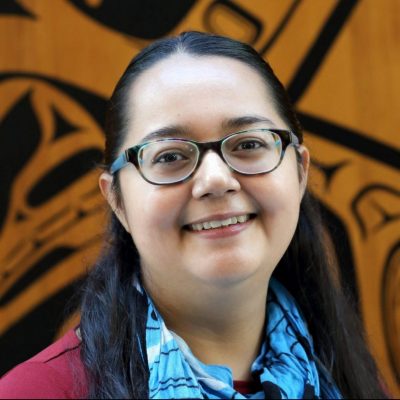
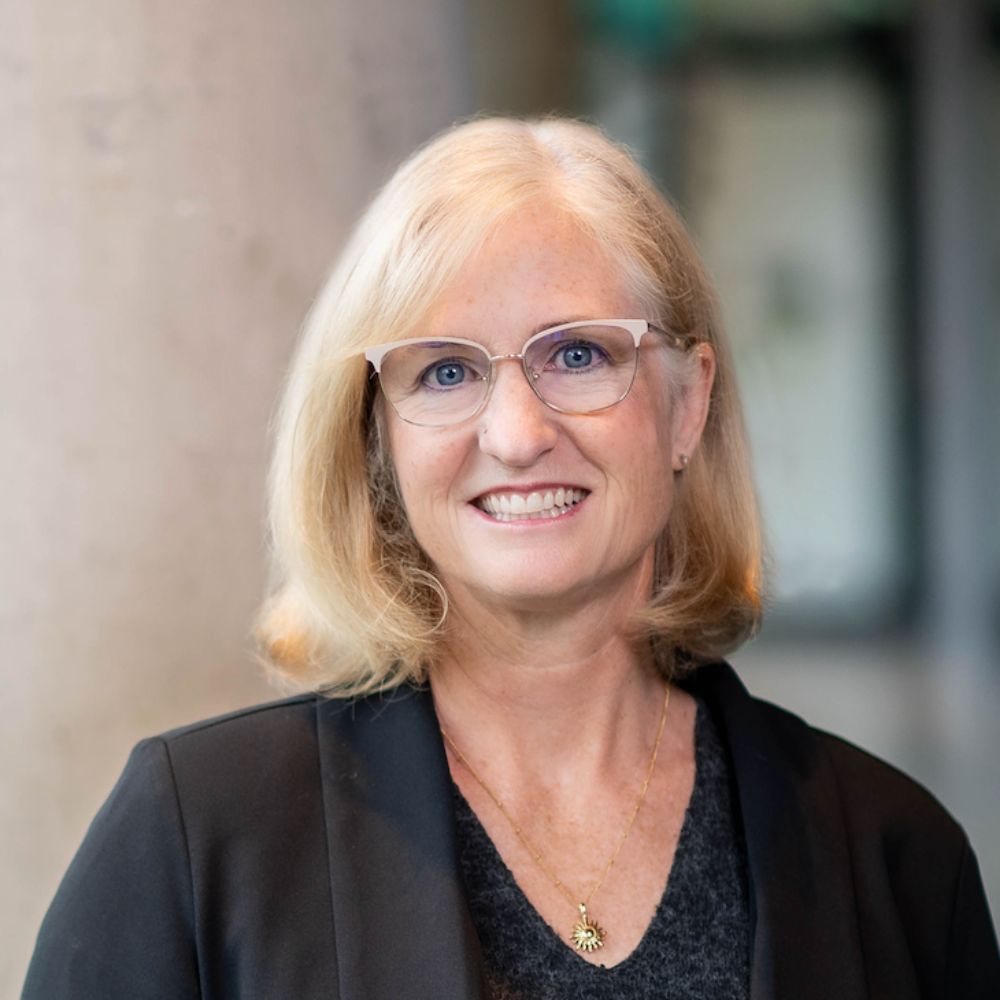
Garnet Hertz is an Associate Professor at Emily Carr University of Art + Design, holding the Canada Research Chair in Design and Media Arts. His work bridges critical making, electronic art, and interdisciplinary design research through the Studio for Critical Making. With a global presence in venues like Ars Electronica, SIGGRAPH, and DEAF, Hertz has shaped discourse on DIY culture and sociotechnical critique since the 2000s. Canada Research Chair (Tier 2) in Design and Media Arts Director of Studio for Critical Making (Room C4246) Teaching at Emily Carr since 2014 with 0/1 teaching load His research establishes critical making as a framework for material inquiry through projects like Slow Game (2018 CHI paper), Disobedient Electronics (2017), and Art + DIY Electronics (MIT Press, 2023). This work interrogates technological temporality, corporate blackboxing, and post-optimal design across 15+ countries. Recent collaborations include doctoral advising at RMIT (School of Design), RPI (Electronic Arts), and committee roles at Technical University of Berlin. His 2008 Oscar Signorini Award in robotic art recognizes technical-artistic innovation, while publications in Current , INC Readers , and Aarhus Conference Proceedings establish theoretical foundations for material speculation in design research. Studio activities at Emily Carr include: Graduate Design Studio III (GSMD 600) - 2025 Critical Making (DESN211) - 2016 Open Studio events - Speculative Design (2018), Post-Optimal (2016)
Hsiao d'Ailly is an Associate Professor in the Department of Social Development Studies at Renison University College, University of Waterloo. She holds a tenured faculty position and teaches core courses including Lifespan Processes (SDS 150R) and Social Statistics (SDS 250R), integrating psychological principles with social development frameworks. Her academic credentials demonstrate deep expertise in psychological and educational domains: Ph.D. in Psychology, University of Western Ontario M.Ed. in Educational Psychology, University of Western Ontario B.A. in English, National Taiwan Normal University Dr. d'Ailly's research program critically examines mathematics learning dynamics through intersecting lenses of motivation, cultural identity, and immigrant adaptation. Her work bridges quantitative methodologies in social statistics with qualitative explorations of self-identity formation, particularly investigating how cross-cultural transitions impact educational outcomes. This dual focus manifests in community-engaged scholarship addressing systemic barriers faced by immigrant populations. Her grant-funded community initiatives include leadership roles in Canadian Heritage's 'Multiculturalism: Helping it Work' project and HRDC's 'New Comers Online' digital learning platform. Organizational leadership extends to former presidency of K-W Counseling Service (2005-2007), current board membership at the Center for Community Based Research, and vice-presidency of the Chinese Canadian Women’s Federation—demonstrating sustained commitment to translating academic expertise into tangible community impact.
Hausi Müller is a Professor in the University of Victoria 's Department of Computer Science under the Faculty of Engineering & Computer Science . He serves as Chair of the IEEE Quantum Technical Community and co-founded the IEEE International Conference on Quantum Computing & Engineering . His academic journey began with a Ph.D. in Computer Science from Rice University (1986), followed by a Master's degree (1984) and a Dip.-Ing. from Swiss Federal Institute of Technology (1979). Research Interests: Dr. Müller's work spans quantum software engineering , self-adaptive systems , cyber-physical systems , and program understanding . He pioneered the Rigi reverse engineering tool and developed frameworks like SAVI for adaptive video analytics. Recent Publications: His 2025 articles focus on penalty-free quantum optimization and hybrid quantum software engineering , while 2024 contributions explore quantum cryptography education and notation translation tools . Earlier works address energy consumption modeling and cyber-physical system design . Awards: 2024 IEEE Computer Society Distinguished Leadership Award 2023 IEEE iCON Award for Quantum Week 2011 IBM Canada CAS Research Project of the Year for Personal Context Sphere 2012 CASCON Best Paper Award for SmarterDeals Fellow of the Canadian Academy of Engineering (FCAE) and Canadian Software Engineering Association (FCSSE) Grants & Projects: 2024-29 NSERC Quantum Software Consortium 2023-28 NSERC Discovery Grant for Hybrid Quantum Systems 2021-25 IBM CAS Cognitive Digital Twin Framework 2018-25 NSERC CREATE for Dependable IoT Applications Leadership: Dr. Müller has held multiple IEEE leadership roles since 2015, including Vice President of IEEE CS Technical & Conferences Board (2016-18), and active involvement in organizing international workshops in Shonan (Japan) and Dagstuhl (Germany).
Associate Professor Gwilym Croucher is a prominent higher education analyst and researcher at the University of Melbourne's Melbourne Centre for the Study of Higher Education. He has held this position since 2018 and serves as a key commentator on Australian higher education policy. His research interests span higher education policy, Australian higher education systems, university governance, international education, education economics, student finance, and comparative education. Croucher's work critically examines funding models, student fee structures, international education policy, and the evolving relationship between universities, government, and society. His recent publications demonstrate a strong focus on contemporary Australian higher education challenges, particularly the Universities Accord, international student policy, student financing mechanisms, and the financial sustainability of universities. His work often employs comparative analysis with international systems to inform Australian policy development. Croucher has received recognition as a 2017-18 Fulbright Scholar based at the University of California, Berkeley, highlighting his international standing in higher education research. As a former higher education policy adviser, he brings practical policy experience to his academic work. He has served as chief investigator on significant research projects including ARC Discovery and Office of Learning and Teaching grants, demonstrating his capacity to secure competitive research funding. His media presence is substantial, with regular commentary on higher education issues across Australian media platforms, establishing him as a go-to expert for education policy analysis.
Linda J. Graham serves as Professor and Director of The Centre for Inclusive Education (C4IE) at Queensland University of Technology within the Faculty of Creative Industries, Education and Social Justice. Her leadership spans multiple externally funded research initiatives focused on inclusive educational practices and policy reform. Her educational background includes a PhD in Education from QUT (2007), Master of Education from Macquarie University, and Bachelor of Arts in English Literature & Modern History from Macquarie University. Graham's research centers on education policy's role in disruptive student behavior development and responses to challenging students. She investigates ADHD diagnosis patterns, school suspension practices, and systemic barriers to inclusion. Her work consistently emphasizes student voice as fundamental to educational equity, examining how inclusive assessment design and wellbeing frameworks can transform learning environments. Current projects explore Indigenous student representation in disciplinary actions and accessible assessment methodologies. Her research portfolio reveals strong thematic continuity across publications: critical analysis of exclusionary practices, longitudinal studies on student trajectories, and evidence-based inclusive interventions. Recent work increasingly integrates Indigenous perspectives and systemic reform frameworks. Spencer Foundation Mentorship Excellence Award (2021) Royal Commission Expert Witness on Disability (2020) Chair of South Australian Suspension/Exclusion Inquiry (2020) ASSA Paul Bourke Award (2011) AARE Early Career Researcher Award (2011) Macquarie University Early Career Researcher of the Year (2011) Graham actively supervises doctoral candidates across inclusive education topics while leading major ARC-funded projects including the $1.2M Accessible Assessment initiative. Her research collaborations span Australia, Canada, Finland, and the UK, generating significant policy impact through government inquiries and international networks. She directs C4IE's longitudinal studies tracking student outcomes from prep through grade 5, with findings informing Queensland's education reforms. The Centre for Inclusive Education operates as her primary research hub, coordinating projects across three thematic areas: Engagement and Learning, Inclusion and Exclusion, and Health and Wellbeing. Graham's leadership extends to the AARE Inclusive Education Special Interest Group and Queensland government advisory roles.
Scott Rathwell, Ph.D., is an Associate Professor in the Department of Kinesiology and Physical Education at the University of Lethbridge, Canada, and director of the Psychology for Active Living & Sport (PALS) Lab. His research and teaching center on sport psychology, coaching science, and positive development across the lifespan, with special emphasis on university athletes and Masters athletes. Education B.A. in Psychology, Concordia University M.A. in Sport Psychology, McGill University Ph.D. in Sport Psychology, University of Ottawa Research Interests Rathwell’s program of research is organized around three interconnected themes: (1) personal and psychosocial development of university athletes and the pivotal role of coaches, (2) psychosocial factors underpinning lifelong elite sport participation among Masters athletes, and (3) psychological determinants of safe return-to-play after concussion. Scientific Awards Joseph-Armand Bombardier Canada Graduate Scholarships (2014) Teaching & Mentoring He currently teaches undergraduate courses in Research Methodologies, Sport Psychology, and Physical Activity & Aging. Dr. Rathwell is actively recruiting graduate students for master’s and doctoral projects related to coaching, adult sport, and athlete development. Laboratory & Teams As director of the PALS Lab, Rathwell leads a multidisciplinary team investigating how psychological and social factors influence sport participation, performance, and well-being across the adult lifespan.
Md. Hasan Tareque serves as an Instructor in the Department of Mathematics and Computer Science at the University of Lethbridge, Canada. Based in office C542 at University Hall, he is contactable via phone (403) 329-2473 or email mdhasan.tareque@uleth.ca. His research spans Software Engineering, Gamification, Ad-hoc Networks, and Image Processing. He develops educational games like Program Wars to teach programming concepts and cybersecurity through interactive learning. His networking work addresses routing challenges in Flying Ad Hoc Networks (UAVs) and Vehicular Ad Hoc Networks, while his image processing research focuses on contour-based face recognition and quantum-dot circuit design. Recent publications (2024) emphasize game-based learning for software engineering education and cybersecurity training, demonstrating innovative pedagogical approaches. Earlier works (2013-2019) cover ad-hoc network routing protocols, quantum-dot circuit optimization, and biometric recognition, revealing a consistent theme of applying computational solutions to education and communication systems. No scientific awards are documented in available sources. The profile provides no details regarding student advising, research grants, or laboratory affiliations. Information about educational background, research teams, or future projects remains unspecified in current documentation.
Dr. Krysia Broda is an Honorary Senior Lecturer in the Department of Computing at Imperial College London's Faculty of Engineering. She directs the HiPEDS CDT Programme and coordinates the PhD Teaching Scholarship Programme, actively supervising doctoral candidates. Her office is located at 180 Queen’s Gate, London SW7 2BZ, U.K., and she can be contacted via phone (+44 20 7594 8426) or email. Her research bridges logic programming , automated reasoning , and neural-symbolic integration , with applications in computational biology and multi-agent systems. Key focus areas include: Abductive/Inductive Logic Programming Answer Set Programming (ASP) for knowledge representation Probabilistic reasoning in biological networks Teleo-reactive agent policies Her publications emphasize logic-based methods in AI, spanning theoretical foundations and real-world applications like gene regulation analysis and legal case inference. Recent work shows a trend toward integrating probabilistic models with symbolic AI for complex system validation. She leads the Structured and Probabilistic Intelligent Knowledge Engineering (SPIKE) group and collaborates with the Machine Learning Group. Current projects involve distributed abductive reasoning and ASP-based theory refinement.
Peter Gouzouasis is a Full Professor in the Department of Curriculum & Pedagogy (EDCP) within the Faculty of Education at the University of British Columbia. His academic home is situated within the Centre for Early Childhood Education & Research (CECER), where he contributes to interdisciplinary research on early childhood learning and development. Professor Gouzouasis's research interests span a wide range of topics in arts education, with particular focus on qualitative assessment of learning, arts learning, storied forms of assessment, and music acquisition from birth through age 9. His scholarly work encompasses action research, adolescent issues, art education research, artistic and aesthetic development, cultural studies, curriculum theory, educational technologies, literacy, music education research, pedagogy, and teacher education research. He has made significant contributions to the development and application of arts-based educational research (ABER) and creative analytical practices (CAP), especially in the areas of artography and autoethnography. His recent publications reveal a strong emphasis on autoethnographic and a/r/tographic approaches to music education research, exploring the intersections between music, poetry, and narrative forms of inquiry. His work frequently examines emotional and social dimensions of music learning, including how music making relates to empathy, prosocial behavior, and happiness in young learners. He has also conducted important population-level research examining the relationships between school arts participation and academic achievement, providing empirical evidence for the value of arts education. Professor Gouzouasis has been actively involved in mentoring doctoral students and collaborating with colleagues on innovative research projects. His work with Matthew Yanko on elementary school music ateliers grounded in the pedagogies of Freinet, Reggio Emilia, and the maker movement demonstrates his commitment to practical applications of theoretical frameworks. He has also contributed significantly to the development of learning stories and Reggio Emilia-inspired documentation as formative assessment methods for music classrooms.
Dr. Sunah Cho serves as a Faculty Liaison at the University of British Columbia's Centre for Teaching, Learning and Technology (CTLT), where she strengthens strategic partnerships with the Sauder School of Business and supports pedagogical innovation across face-to-face, blended, and online learning environments. As an instructor in UBC's Master of Educational Technology (MET) program, she teaches ETEC 500 and ETEC 512 courses while leveraging her expertise in educational consulting, learning design, and project management to enhance teaching practices institution-wide. Her research focuses on student engagement, personalized learning, universal design for learning (UDL), social network analysis, learning analytics, and online assessment design. She is deeply committed to advancing the Scholarship of Teaching and Learning (SoTL), with particular emphasis on creating flexible curricula and adaptable technologies that foster inclusive educational experiences. Her work consistently bridges theoretical frameworks with practical applications in higher education settings. Dr. Cho's publication record reveals strong thematic continuity across educational technology domains, with recent work examining video analytics, co-creation models in teaching, faculty liaison effectiveness, and innovative assessment strategies. Her research spans both synchronous and asynchronous learning environments, addressing critical challenges in online engagement, instructor presence, and technology-mediated language acquisition. Through her CTLT role, Dr. Cho conducts comprehensive needs analyses, manages pedagogical projects from conception to evaluation, and collaborates with faculty across disciplines to integrate technology into curricula. Her service-oriented approach directly supports UBC's strategic vision for flexible learning while contributing to the MET program's educational mission.
Dr. Johanna Sam is an Assistant Professor in the Faculty of Education at the University of British Columbia , affiliated with the Department of Educational and Counselling Psychology, and Special Education . A proud citizen of the Tŝilhqot’in Nation , she works on the traditional lands of the Musqueam People , integrating Indigenous perspectives into her research and teaching. Dr. Sam focuses on creating youth-friendly educational and mental health resources, with research examining cyber-aggression, resiliency, academic achievement, and wellness. Her work emphasizes Indigenous methodologies and digital pedagogies through projects like the C.I.R.C.L.E. lab and the Grease Trail Digital Storytelling initiative. Her recent publications explore intersections of Indigenous storytelling with digital tools, adolescent mental health, and cyberbullying impacts on Indigenous youth. She teaches courses including Aboriginal Education in Canada and Indigenous Perspectives Through Social and Emotional Learning . Email : johanna.sam@ubc.ca Office : Scarfe Office Block 2524
Sabre Cherkowski is a Professor at the Okanagan School of Education at the University of British Columbia Okanagan. She holds the prestigious UBCO Tier 1 Principal's Research Chair in Leadership, Learning, and Wellbeing and serves as the Academic Lead for the School's Doctor of Education program. Her office is located in EME3171 and she can be reached at 250.807.9306. Dr. Cherkowski earned her BA, BEd, MEd, and PhD from the University of Saskatchewan. Her educational background has provided the foundation for her extensive work in educational leadership and well-being. Her research focuses on leadership, professional learning and development, educator well-being, learning communities, school organizing, and reflective practice. Dr. Cherkowski has been researching what it means for educators to grow their professional and personal potential toward flourishing at work. She examines how teacher wellbeing contributes to building positive school experiences and the role of leadership for cultivating positive workspaces. Her work brings ideas from positive psychology and positive organization studies into education to explore flourishing in schools. She investigates how schools and people in schools can flourish by attending to strengths and positive outlooks, which can increase resilience, vitality, and happiness while decreasing stress, anxiety, and depression. Analysis of Dr. Cherkowski's recent publications reveals a consistent focus on positive leadership, well-being, and flourishing in educational contexts. Her work spans multiple educational levels from K-12 to higher education, with increasing attention to STEM education applications in recent years. She has developed frameworks for understanding organizational well-being in schools, with particular emphasis on how leadership practices can foster environments where both educators and students can thrive. Her research combines qualitative methodologies with positive organizational perspectives to generate practical insights for educational improvement. 2020 Researcher of the Year, Social Sciences and Humanities, UBC Okanagan Research Office 2022 UBCO Tier 1 Principal's Research Chair in Leadership, Learning, and Wellbeing As a graduate student supervisor, Dr. Cherkowski has secured significant research funding, including multiple SSHRC Insight Grants totaling over $360,000 for projects examining positive leadership in K-12 schools and flourishing in educational contexts. She has collaborated extensively with researchers like Dr. Keith Walker and Dr. Benjamin Kutsyuruba on multi-year research initiatives. Her work includes the Whole School Wellbeing Project (https://leadwell.ok.ubc.ca/), which translates research into practical applications for school communities. Dr. Cherkowski leads the Whole School Wellbeing research team, which examines wellbeing from an organizational perspective, paying attention to leadership and professional learning from the perspective of work cultures, organizational systems, as well as team and individual processes for promoting and sustaining flourishing in schools. This interdisciplinary team brings together researchers, practitioners, and stakeholders to co-construct knowledge about positive school leadership and organizational development.
Dr. Nada Lallous serves as an Assistant Professor in the Department of Urologic Sciences at the University of British Columbia's Faculty of Medicine and Senior Research Scientist at the Vancouver Prostate Centre. Her research focuses on cancer drug development, particularly targeting molecular mechanisms of prostate cancer progression, metastasis, and therapeutic resistance through biochemical and biophysical approaches. Her educational background includes a M.Sc and Ph.D in Structural Biochemistry and Biophysics from the University of Strasbourg and the Institute of Genetics and Molecular and Cellular Biology (IGBMC) in France, followed by postdoctoral training at the Spanish National Cancer Research Centre (CNIO). She joined the Vancouver Prostate Centre in 2012 and was appointed Research Scientist in 2017. Dr. Lallous' research expertise spans cancer biology, protein biochemistry, drug design, and structural biology. She has extensive experience in protein characterization, X-ray crystallography (contributing to 20 Protein Data Bank structures), and preclinical validation of novel inhibitors. Key interests include androgen receptor signaling, transcription factors, biomolecular condensates, and overcoming therapeutic resistance in prostate and breast cancers through targeting molecular drivers like Lin28 and Myc. Analysis of her 2023-2025 publications reveals a dominant focus on androgen receptor (AR) biology in prostate cancer, with significant emphasis on AR variants (AR-V7), phase separation phenomena, and development of novel inhibitors targeting AR domains, Lin28-let-7 interactions, and Myc-Max dimerization. Her work integrates computational drug design, structural biology, and functional validation to address therapeutic resistance. Dr. Lallous has secured competitive funding including an NIH-SPORE grant from the National Cancer Institute to study androgen receptor variants in circulating tumor DNA. She mentors graduate students in UBC's Experimental Medicine program, including PhD candidate Louise Ramos working on bifunctional PARP-HDAC inhibitors. She actively collaborates with pharmaceutical companies on drug development projects. As manager of the protein bioengineering and biophysics group at the Vancouver Prostate Centre, Dr. Lallous is establishing a core facility to support preclinical drug validation and structural studies for cancer researchers, enabling high-throughput inhibitor screening and biophysical characterization.
Kerry Renwick is a Professor in the Department of Curriculum & Pedagogy at the University of British Columbia's Faculty of Education. With expertise spanning multiple educational domains, Dr. Renwick's academic work focuses on critical approaches to curriculum development and teacher education across the K-12 spectrum and higher education contexts. Dr. Renwick's research interests include: Critical Pedagogy and Educational Policy Health Education and Home Economics Human and Social Ecology Public health teacher education Food Systems Education and Sustainability Dr. Renwick's scholarly work demonstrates a strong focus on how educational practices can address complex social issues through interdisciplinary approaches. Recent research has examined food systems education, school gardens, and the integration of sustainability principles in educational settings. Her work often explores how curriculum can be designed to address contemporary challenges while remaining grounded in critical pedagogical frameworks that consider colonial perspectives and the need for decolonization in home economics education. Dr. Renwick has been actively involved in research projects examining: Practice architectures in food systems education School farm programs and their educational impact Teacher identity development through purposeful dialogue Critical perspectives on home economics education Integration of sustainability in food-based dietary guidelines Dr. Renwick's work demonstrates a commitment to educational approaches that address complex social, environmental, and health issues through critical pedagogical frameworks that recognize the importance of community engagement and interdisciplinary collaboration.
Robin Wright is a Professor in the School of Social Work at the University of Windsor, currently on sabbatical from July 1, 2024, to June 30, 2026. She holds a Ph.D. and M.S.W. from the University of Toronto and a B.A./B.S.W. from McMaster University. Former Associate Professor at McGill University Project Director at Offord Centre for Child Studies Her research focuses on enhancing child and youth well-being through: Community-based arts programs in low-income areas Multicultural and Aboriginal population interventions Longitudinal studies on program efficacy Large-scale community surveys and policy evaluation Recent publications highlight cross-cultural applications of arts programs in Canada, the U.S., and India, with methodological innovations in propensity score matching and mixed-methods evaluation. Funded by SSHRC, CIDA, and the Department of Justice, her work bridges social policy, community development, and youth resilience. Principal Investigator in multi-site trials Expert in positive youth development frameworks She has collaborated with graduate students like A. Krygsman and N. Levitz on studies involving: Arts as crime prevention Health disparities in Tamil Nadu Psychosocial outcomes in marginalized youth