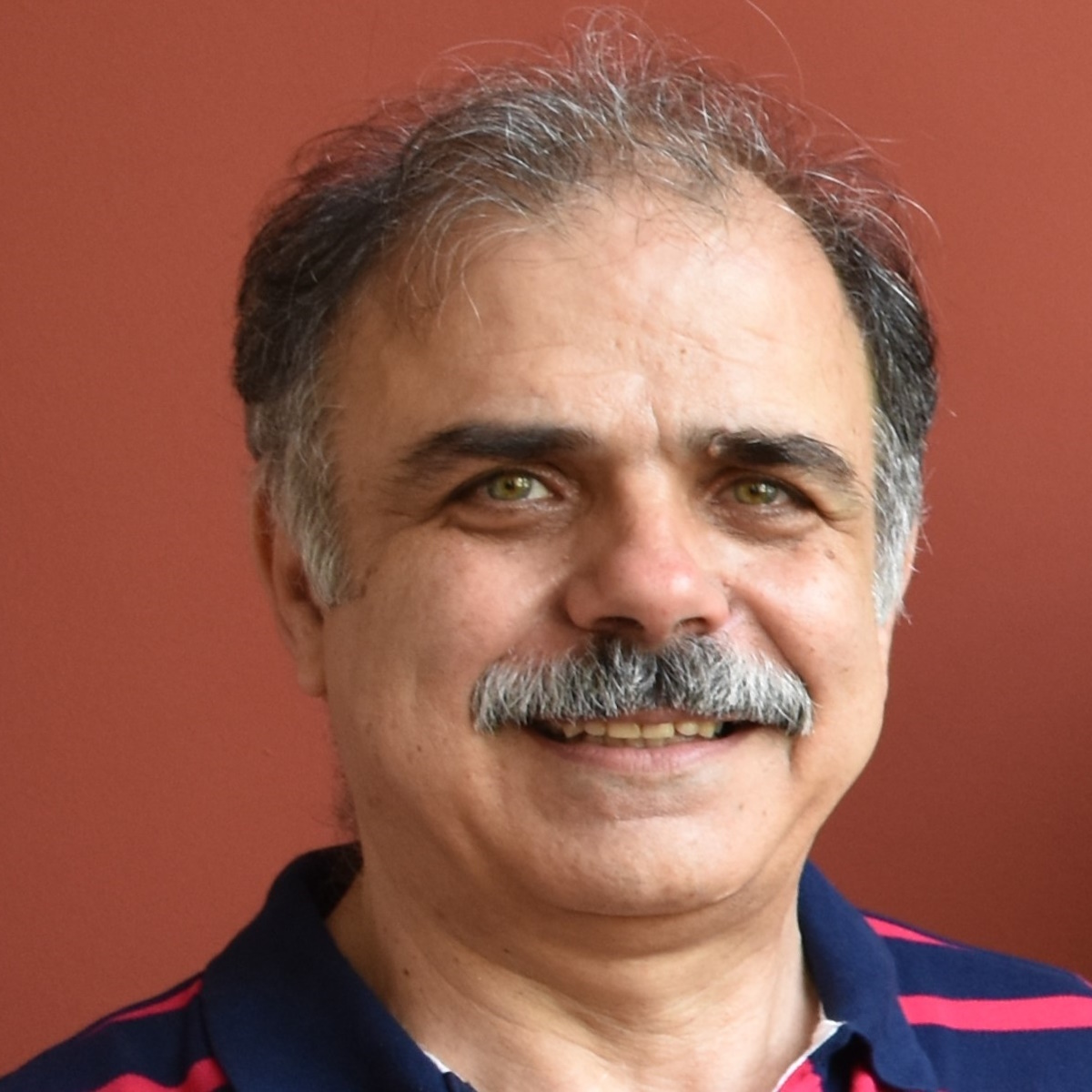
Andreas Kastellakis serves as Associate Professor of Psychophysiology at the University of Crete's Department of Psychology since 1992, with prior affiliation as Associate of the Pharmacology Laboratory at the School of Medicine (1993-2021). His academic foundation includes a Biology degree from the University of Patras (1976-1980) followed by a PhD in Physiology (1981-1986) investigating thyroid hormone uptake mechanisms in rat brain. His research program centers on dopaminergic system interactions with thyroid hormones, somatostatin, opioids, and psychostimulants. Employing in vivo microdialysis , immunohistochemistry, HPLC, and behavioral assays, he examines neurochemical, anatomical, and pharmacological parameters in rodent models. Key focus areas include receptor pharmacology in basal ganglia pathways and neurobiological mechanisms of reward processing. Analysis of his 15 most recent publications (2000-2020) reveals persistent investigation into somatostatin receptor subtypes (sst1-sst4), cannabinoid systems, and dopaminergic modulation of motor activity and addiction. His work consistently bridges molecular neuropharmacology with behavioral outcomes, particularly in Parkinson's disease models, substance reinforcement, and stress-neuroendocrine interactions. Dr. Kastellakis has secured significant research funding including the THALES project on Parkinson's pathogenesis (2012-2015), Special Account for Research Grants projects on thyroid hormones (2000-01) and somatostatin (1994-95), and Region of Crete equipment grants (1996, 1999). He teaches undergraduate courses in Neurobiology-Genetics, Behavioral Physiology II, Comparative Psychology, and Stress-Neuroendocrine-Immune Relations, while co-teaching graduate coursework in Neurobiology and Psychopharmacology of Addiction. His laboratory (A1.104, Building A1) operates within the Department's Behavioral Neuroscience facility.