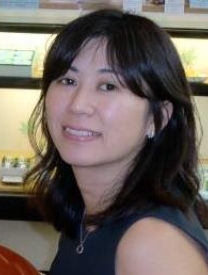
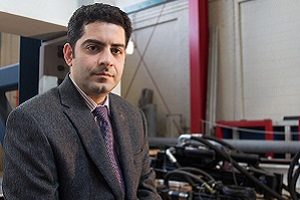
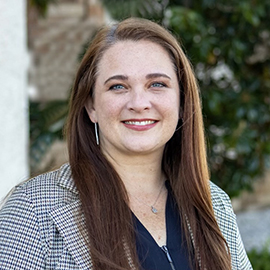
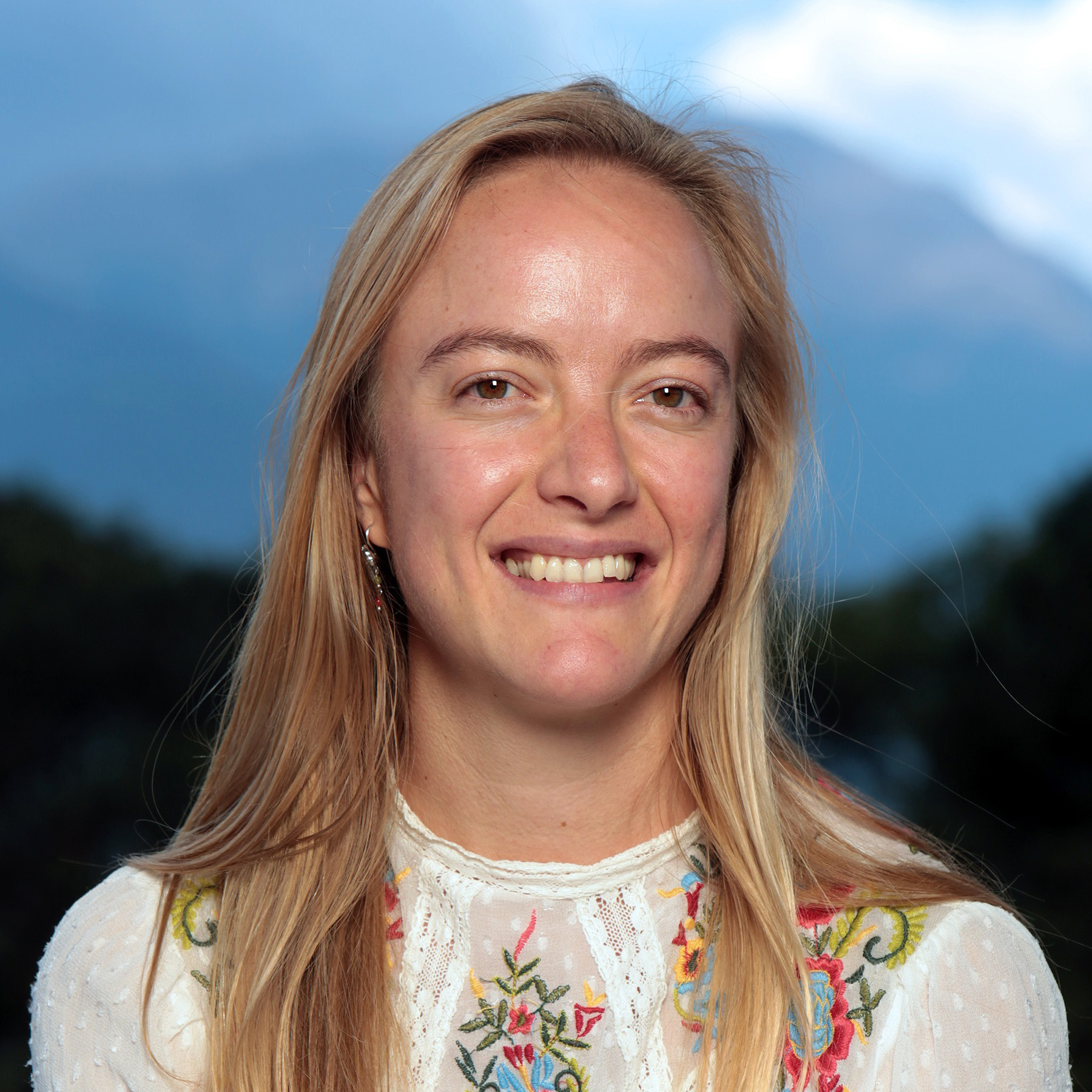
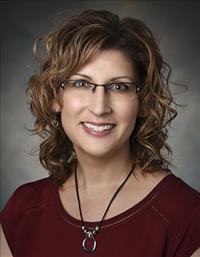
Dr. Lauren Calandruccio is a Professor in the Department of Psychological Sciences at Case Western Reserve University, affiliated with the College of Arts and Sciences. She serves as the Principal Investigator of the Speech and Auditory Research Lab (SpARLab) and directs the IMPACT program, a collaborative mentoring initiative with Hampton University. Her expertise spans auditory perception, speech recognition in adverse conditions, and clinical audiology with a focus on bilingual populations and hearing-impaired listeners. Dr. Calandruccio holds a B.A. in Speech and Hearing Sciences from Indiana University, an M.A. in Audiology from Indiana University, and a Ph.D. in Audiology from Syracuse University. Her postdoctoral training at Northwestern University furthered her research in auditory neuroscience and clinical applications. Her research focuses on improving speech understanding in noisy environments for listeners with normal hearing and hearing loss, including those who speak English as a second language. Key contributions include the development of the Children’s English/Spanish Speech Recognition Test (ChEgSS) and the Audiolab simulation tool licensed to Simucase. She has secured funding from the National Institute on Deafness and Other Communication Disorders (NIDCD), the American Academy of Audiology Foundation, and other organizations. Dr. Calandruccio’s work emphasizes cultural competence in audiology practice, particularly for linguistically diverse populations. Her lab’s research spans pediatric audiology, bilingual speech processing, and innovative clinical training methods. She has mentored numerous graduate and undergraduate students, many of whom continue in academic and clinical roles. Recognition includes the Louis D. Beaumont University Professorship. Ongoing projects explore masked speech recognition in bilingual children and the development of culturally responsive audiological assessments.
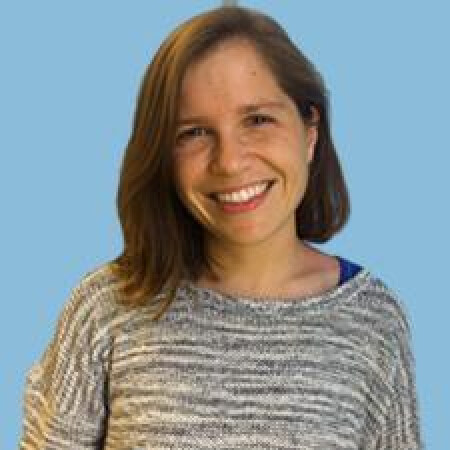
Dr. Julia Rosenberg is an Assistant Professor of Pediatrics at Yale School of Medicine and Associate Director of the Yale Pediatric Immigrant and Refugee Clinic . Her work focuses on improving access to mental and behavioral health care for immigrant and refugee children, addressing healthcare disparities, and enhancing health equity. She holds an MD from Weill Cornell Medical College (2015), a BA in Biological Sciences from Cornell University (2010), and an MHS from the Yale National Clinician Scholars Program (2020). Education M.D., Weill Cornell Medical College (2015) B.A., Cornell University, Biological Sciences (2010) M.H.S., Yale National Clinician Scholars Program (2020) Pediatrics Residency, Yale New Haven Children’s Hospital (2018) Research Interests Dr. Rosenberg’s research addresses disparities in healthcare access for immigrant and refugee populations, with a focus on mental health, maternal-child dyadic care, and policy interventions. She has pioneered programs like EMPOWER to support refugee youth’s emotional regulation and cognitive skills. Her work integrates clinical care, community partnerships, and policy advocacy to address systemic barriers in healthcare. Awards 2021 AAP Early Career Leadership in Advocacy Award 2021 Academic Pediatric Association Young Investigator Award 2019 Peter Muehrer Scholarship (Yale National Clinician Scholars Program) Grants & Advising Her grants focus on refugee health, maternal-child care during crises, and policy analyses of Medicaid access. She mentors trainees through initiatives like the Y-HEALAR educational program for medical students. Labs & Teams Dr. Rosenberg collaborates with the Yale Institute for Global Health , Yale Center for Asylum Medicine , and community organizations to advance refugee healthcare. She leads the EMPOWER program and contributes to policy advocacy through the Yale Pediatric Immigrant and Refugee Clinic .
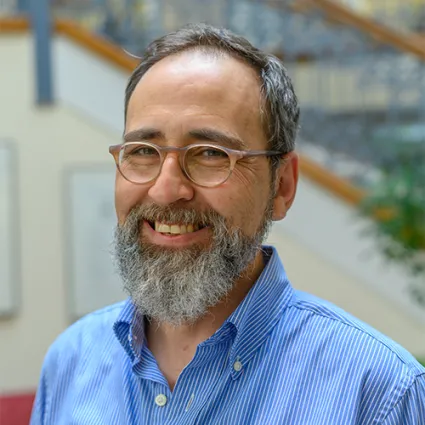
Tomoko Takami is a Senior Lecturer in Foreign Languages and Director of the Modern Japanese Language Program at the University of Pennsylvania’s School of Arts & Sciences. She specializes in Japanese language education with a focus on business Japanese and content-based instruction. Her roles include teaching courses from beginning to advanced levels of Japanese, including professional applications. She holds an EdM from Columbia University and an MS from the University of Pennsylvania. Her research emphasizes critical pedagogy, intercultural communication, and global talent development through language education. She has published extensively on business Japanese curriculum design, proficiency-based instruction, and post-pandemic language education strategies. Notable works include Chukyu kara nobasu Bijinesu keesu de manabu nihongo (2014) and co-editing Mirai wo tsukuru kotobano kyooiku wo mezashite (2015). Dr. Takami has presented at major conferences including the International Symposium on Japanese Language Education and the National Council of Less Commonly Taught Languages. She has held leadership roles such as Immediate Past President of the American Association of Teachers of Japanese and chairs multiple curriculum committees for AP Japanese Language and Culture. Awards include the AATJ Teacher Award (2019) and grants from the Eurasia Foundation and Penn Language Center. Awards: AATJ Teacher Award (2019), Best Project Award (2008) Grants: Eurasia Foundation Grant (2020–2025), Penn Lauder CIBER Grants (2008–2010) Leadership: Co-chair of AP Japanese Language Committee, Founding Chair of Japanese for Specific Purposes SIG Her teaching spans foundational to advanced levels, integrating real-world business scenarios and global case studies. She advocates for hybrid learning models and cross-cultural competency development, reflecting her commitment to preparing students for international professional environments.
Holly Kosiewicz is an Assistant Professor of Instruction at the University of Texas at Dallas (UTD), affiliated with the School of Economic, Political and Policy Sciences. Her work focuses on higher education policy, particularly in community college systems, with an emphasis on student mental health, dual credit programs, and equitable educational access. She has conducted extensive research on Texas community colleges, examining issues such as student support systems, English learner identification, and developmental math policies. Her research bridges policy analysis, institutional strategy, and student outcomes. Education: Not explicitly detailed in provided texts. Her research interests span political science and political economy, with a practical focus on improving educational systems. She explores how community colleges can better support student mental health through policy interventions and institutional strategies. Recent studies highlight disparities in student placement practices and the impact of self-choice in academic pathways. Her work often emphasizes data-driven approaches to address systemic challenges in education. Her publications reflect a consistent focus on community college ecosystems, including dual credit programs, developmental education reforms, and equity in resource allocation. Earlier research also included anthropological studies on indigenous communities in Bolivia, examining societal impacts of civilization. No advising or grant information is provided in the texts. She is associated with UTD’s School of Economic, Political and Policy Sciences but no specific lab or team is mentioned.
Julio Alves is a Lecturer in English Language & Literature and Director of the Jacobson Center at Smith College. He coordinates the first-year writing program and co-chairs the Writing and Public Discourse Committee. His roles include planning, implementing, and assessing writing instruction across the college. He teaches WRT 110: Writers on Writing in the spring. Education: Ph.D., Boston University B.A., Boston University His research interests focus on writing pedagogy, narrative nonfiction, and language policy. He has published in academic journals such as American Anthropologist , Humor: International Journal of Humor Research , and Language in Society , as well as mainstream outlets like The Chronicle of Higher Education and Inside Higher Ed . Alves directs the Jacobson Center, a hub for writing and academic support. He resides in Northampton, Massachusetts, and maintains a hobby of raising chickens. No scientific awards or grants are explicitly mentioned in the provided text. His advising activities are not detailed here.
Laura Kelly is an Associate Professor of Educational Studies at Rhodes College, specializing in elementary literacy and ESL/bilingual education. Her work focuses on culturally and linguistically diverse educational contexts, with particular attention to urban education policy, immigration, and Latinx children's literature. She previously served as a K-12 classroom teacher for eight years and holds National Board Certification in Early to Middle Childhood Reading and Language Arts. Dr. Kelly’s research emphasizes biliteracy development, translanguaging practices, and culturally informed pedagogy. She leads the Childhood Biliteracy Research Collaborative, engaging students in community-based literacy projects. Her teaching portfolio includes courses like Urban Education Policy, Education & Immigration, and Latinx Children's Literature. Her scholarship critically examines the impact of political policies such as 'critical race theory' bans on elementary education, advocating for inclusive curricula that honor student diversity. She has published extensively on topics ranging from bilingual book analysis to translanguaging in community spaces. Education: Doctorate in Learning, Literacies, and Technologies from Arizona State University Awards: National Board Certification (Early to Middle Childhood Reading/Language Arts) Labs/Teams: Childhood Biliteracy Research Collaborative
Heather Smith is a Professor in the Department of Earth Sciences and Geography at the University of North Carolina at Charlotte. Her research examines urban/social geography and immigration settlement patterns, particularly in evolving gateway cities. Her recent publications demonstrate consistent focus on immigrant receptivity, community-based participatory methods, and cultural institutions' roles in integration. Her work employs interdisciplinary approaches bridging geography, public health, and education policy to analyze spatial dimensions of immigrant experiences. Methodologically, she emphasizes community engagement through participatory research designs.
Gareth Barkin is a Professor of Sociology and Anthropology and Dean of Operations and Technology at the University of Puget Sound. He holds dual roles in academic leadership and research, focusing on the anthropology of media, neoliberalism, and intercultural education. His administrative expertise includes curriculum design, study abroad program management, and faculty evaluation. Education: PhD in Anthropology from Washington University in St. Louis, BA from University of California Santa Cruz, and additional studies at Washington University in St. Louis. Research Interests: Barkin’s work examines cultural representation in Southeast Asia, particularly Indonesia, and the neoliberal influences on study abroad practices. He critiques intercultural skills assessment frameworks and advocates for ethical, collaborative international education models. Recent studies include the role of provider agencies in mediating cultural encounters and pandemic-era pedagogical adaptations. Labs/Teams: Collaborator in the Luce Initiative on Southeast Asia and the Environment (LIASE), founding member of Southeast by Northwest and Pacific Alliance of Liberal Arts Colleges (PALAC). Affiliated with Universität Passau and Atma-Jaya University Yogyakarta. Grants/Awards: Supported by the Henry Luce Foundation and U.S. Embassy, Jakarta. No explicit awards listed but contributions to curriculum innovation and program accreditation are notable.
Selena E. Ortiz is an Associate Professor of Health Policy and Administration and Demography at The Pennsylvania State University's College of Health and Human Development. She holds affiliations with the Center for Health Care and Policy Research (CHCPR), the Population Research Institute (PRI), the Rock Ethics Institute, and the School of Public Policy at Penn State. Additionally, she serves as a research fellow at the FrameWorks Institute in Washington, D.C., and is an active member of AcademyHealth, the Interdisciplinary Association of Population Health Science (IAPHS), and the American Public Health Association (APHA), where she currently chairs the Ethics Section. Dr. Ortiz received her academic training from prestigious institutions: B.A. in Sociology from The University of California, Berkeley M.P.H. from The University of Arizona's Mel & Enid Zuckerman College of Public Health Ph.D. from The University of California, Los Angeles (UCLA) Jonathan & Karin Fielding School of Public Health (2013) Her research program addresses health disparities and improves health equity within the context of chronic disease and the social determinants of health. Dr. Ortiz examines health and social policy formation while investigating access to health services and outcomes through diverse methodologies including semi-structured interviews, qualitative and quantitative content analysis, topic modeling, population-based online survey experiments, and econometric methods. Her work has been published in leading journals such as Public Health Reports, Preventive Medicine, the American Journal of Public Health, Medical Care, Social Science & Medicine, and JAMA. Analysis of Dr. Ortiz's recent publications reveals a strong focus on addressing systemic health inequities through policy interventions. Her research spans several interconnected domains including racial/ethnic disparities in kidney donation, housing policy as a social determinant of health, digital health communication strategies to reduce disparities, and the influence of religious identity on health policy preferences. A distinctive feature of her scholarship is the theoretical focus on identifying processes of health inequity from policy formation to implementation. Dr. Ortiz has received significant recognition for her work: Robert Wood Johnson Foundation Health and Society Scholar at the Harvard Center for Population and Development Studies Member of the Alpha Nu Chapter of Delta Omega, the National Public Health Honor Society Current chair of APHA's Ethics Section Dr. Ortiz has secured substantial research funding, most notably as Co-Principal Investigator on the Robert Wood Johnson Foundation project 'Studying the impact of Pittsburgh's mobility voucher and counseling programs on low-income racial minority's access to opportunity-rich neighborhoods' (2017-2023). Her research program demonstrates a strong commitment to translating scholarship into practical interventions that address health disparities. As a Graduate Faculty member, she mentors students in health policy and administration, focusing on research methods and health equity frameworks. Her current projects examine housing voucher participation, social network interventions for kidney donation equity, and the impact of digital media on health disparities. Dr. Ortiz is actively involved with several research centers and networks including the Center for Health Care and Policy Research, the Population Research Institute, and the FrameWorks Institute. Her collaborative work spans multiple disciplines, connecting public health, policy analysis, sociology, and behavioral economics to address complex health equity challenges. Her current research team includes collaborators from various institutions working on housing policy experiments, kidney donation disparity interventions, and digital health communication analyses.
Shannon Lipscomb is a Professor of Human Development and Family Sciences and Associate Dean of Research at Oregon State University-Cascades. She holds a PhD from the University of California, Davis, and a BA in Psychology from Whitman College. Her research focuses on resilience mechanisms in children and families facing adversity, particularly through early childhood education and trauma-responsive interventions. Key projects include the Roots of Resilience professional development program for educators and the Early Learning System Initiative (ELSI) to improve Oregon’s early educator training. She collaborates with community partners on initiatives like the TRACEs Central Oregon program to measure resilience and belonging. Lipscomb has secured over $3.6 million in NIH funding for studies on flame retardants and child development, and she leads the Humans Thrive Research Lab exploring resilience-building in communities. She mentors numerous graduate and undergraduate students, contributing to over 50 grants and contracts since 2005. Affiliations: Hallie E. Ford Center for Healthy Children & Families, Oregon School Readiness Research Consortium, Early Learning System Initiative Grants: NIH-funded flame retardant exposure studies (2019-2024), Resilience Measurement Projects (2018-2023), and Trauma-Informed Training Programs Key Projects: Roots of Resilience, TRACEs, ELSI, Community Belonging Measurement Her work emphasizes translating research into actionable strategies for schools, child welfare systems, and communities. Recent efforts include developing trauma-informed messaging for families and scaling resilience interventions in bilingual formats.
Dr. Arash Esmaili Zaghi is a Professor of Civil and Environmental Engineering at the University of Connecticut. He earned his Ph.D. from the University of Nevada, Reno, and specializes in multihazard resilient design, application of advanced materials in bridge construction, and nurturing creativity in engineering education. His research focuses on seismic and blast-resistant infrastructure, accelerated bridge construction (ABC), and innovative repair techniques for aging bridges. Notably, he received the NSF CAREER Award for promoting neurodiversity in engineering. Education: Ph.D., Civil Engineering, University of Nevada, Reno (2009) His research interests span structural resilience, computational modeling, and fostering inclusive education for neurodiverse learners. He has pioneered the use of ultra-high-performance concrete (UHPC) for bridge repairs and investigates the intersection of ADHD characteristics and engineering creativity. His work also emphasizes early engagement of neurodiverse students in STEM through outreach and research opportunities. Awards: NSF CAREER Award Dr. Zaghi’s grants and projects include field implementations of UHPC repairs for steel girder bridges and studies on neurodiversity in graduate STEM programs. He leads initiatives to redesign engineering curricula for inclusivity and collaborates with organizations like the Connecticut Transportation Institute.
Karen Morrison is an Assistant Professor of Elementary Education in the Department of Leadership and Teacher Education at the University of South Alabama's College of Education and Professional Studies. She holds a Ph.D. in Curriculum and Instruction (Elementary Literacy) from the University of Alabama (2019), an Ed.S. in Elementary Education from the University of West Alabama (2012), and degrees from the University of Montevallo (M.Ed. 2008, B.S. 2003). Her teaching philosophy emphasizes fostering confident, lifelong learners through collaborative, research-based instruction. Education: Ph.D. in Curriculum and Instruction (Elementary Literacy), University of Alabama, 2019 Ed.S. in Elementary Education, University of West Alabama, 2012 M.Ed. in Elementary Education, University of Montevallo, 2008 B.S. in Elementary Education, University of Montevallo, 2003 Research Focus: Dr. Morrison investigates early literacy strategies, particularly the role of visual/graphical literacy in content areas. Her work explores innovative instructional methods including project-based learning and lesson study. She emphasizes teacher preparedness in integrating STEM education and social emotional learning (SEL) into K-2 classrooms. Outreach & Service: She actively contributes to the LTE Department through roles on the Faculty Service and Development Committee, CPAC, and as Co-Program Coordinator for Early Childhood Studies. Her leadership extends to Kappa Delta Pi sponsorship and the New Faculty Scholars program. Teaching & Courses: Teaches courses like LTE 645 (Curriculum Leadership), RED 531 (Reading Instruction), and RED 648 (Literacy Coaching). Her courses blend theory with field experiences to prepare preservice and inservice teachers.
Miriam Gay-Antaki is an Assistant Professor of Geography and Environmental Sciences at the University of New Mexico, and Associate Director of the R.H. Mallory Center for Community Geography. She holds a Ph.D. from the University of Arizona. Her work focuses on human-environment relations in the context of global climate change, employing frameworks of political ecology and feminist geography to analyze climate governance networks from international policy spaces (e.g., UNFCCC, IPCC) to local implementation. She is a member of the National Academy of Sciences Engineering and Medicine's Committee advising the U.S. Global Change Research Program. Her research emphasizes amplifying marginalized voices in climate policy, particularly examining the exclusion/inclusion of women scientists and stakeholders in global climate arenas. Key themes include decolonial geography, gendered climate justice, and Mexico-focused case studies. Notable contributions include critiques of IPCC gender bias, analysis of climate policy in Oaxaca, and explorations of embodied environmental justice. Publications span feminist decolonial perspectives on climate governance, energy policy in Sweden, and methodological essays on inclusive scientific practices. Her work bridges theoretical frameworks with actionable policy insights for vulnerable communities.
Timothy Ford, Ph.D., is an Associate Professor in the Department of Educational Leadership and Policy Studies at the University of Oklahoma’s Jeannine Rainbolt College of Education. He serves as Program Area Coordinator for Tulsa programs and Director of the Leadership and Policy Center for Thriving Schools and Communities (THRIVE). His research focuses on teacher and leader working conditions, psychological needs, and well-being, with emphasis on policy impacts and school leadership practices. Ford earned his Ph.D. in Curriculum, Teaching, and Educational Policy from Michigan State University in 2010. Key research areas include the social organization of schools, teacher and principal well-being, and the effects of policy on educational environments. He has published in journals like Review of Educational Research and serves on editorial boards for American Educational Research Journal and International Journal of Educational Policy and Leadership . Recent work analyzes teacher turnover trends, evaluation systems, and pandemic-era challenges for educators. His studies highlight connections between working conditions and physical/psychological well-being, advocating for systemic reforms to retain educators and improve school functioning. Collaborative projects like the Happy Teacher Project demonstrate his commitment to practical interventions supporting educator health. Professional service includes leadership roles at OU’s Tulsa campus and contributions to state-level education policy through initiatives like Next Generation Accountability reports. His work bridges academic research with actionable strategies for improving educational systems and educator satisfaction nationwide.
Kathryn D. R. Drager is an Associate Dean for Research and Graduate Education and Professor of Communication Sciences and Disorders at the Pennsylvania State University. She holds affiliations with the College of Health and Human Development, the Department of Communication Sciences and Disorders, and the Social Science Research Institute. Drager earned her Ph.D. from the University of Minnesota in 1999. Her research focuses on augmentative and alternative communication (AAC) for individuals with severe disabilities, particularly children and adults at early communication stages. Key areas include AAC technology design, global accessibility, and interventions in low- and middle-income countries. She explores visual scene displays, mobile technologies, and just-in-time programming to enhance communication access. Her work emphasizes reducing communication barriers and improving quality of life for individuals with autism, Down syndrome, and other disabilities. Drager collaborates internationally, notably in Sri Lanka and Hungary, addressing systemic challenges in AAC implementation. Her academic leadership includes overseeing graduate education and research administration within the College of Health and Human Development. She advocates for inclusive practices and evidence-based interventions in global health contexts. Her publications span AAC technologies, clinical practices, and cross-cultural applications. Notable contributions include systematic reviews of AAC interventions for adolescents with autism and studies on telehealth applications in LMICs. She emphasizes the importance of family-centered care, teacher training, and interdisciplinary collaboration in advancing AAC services.