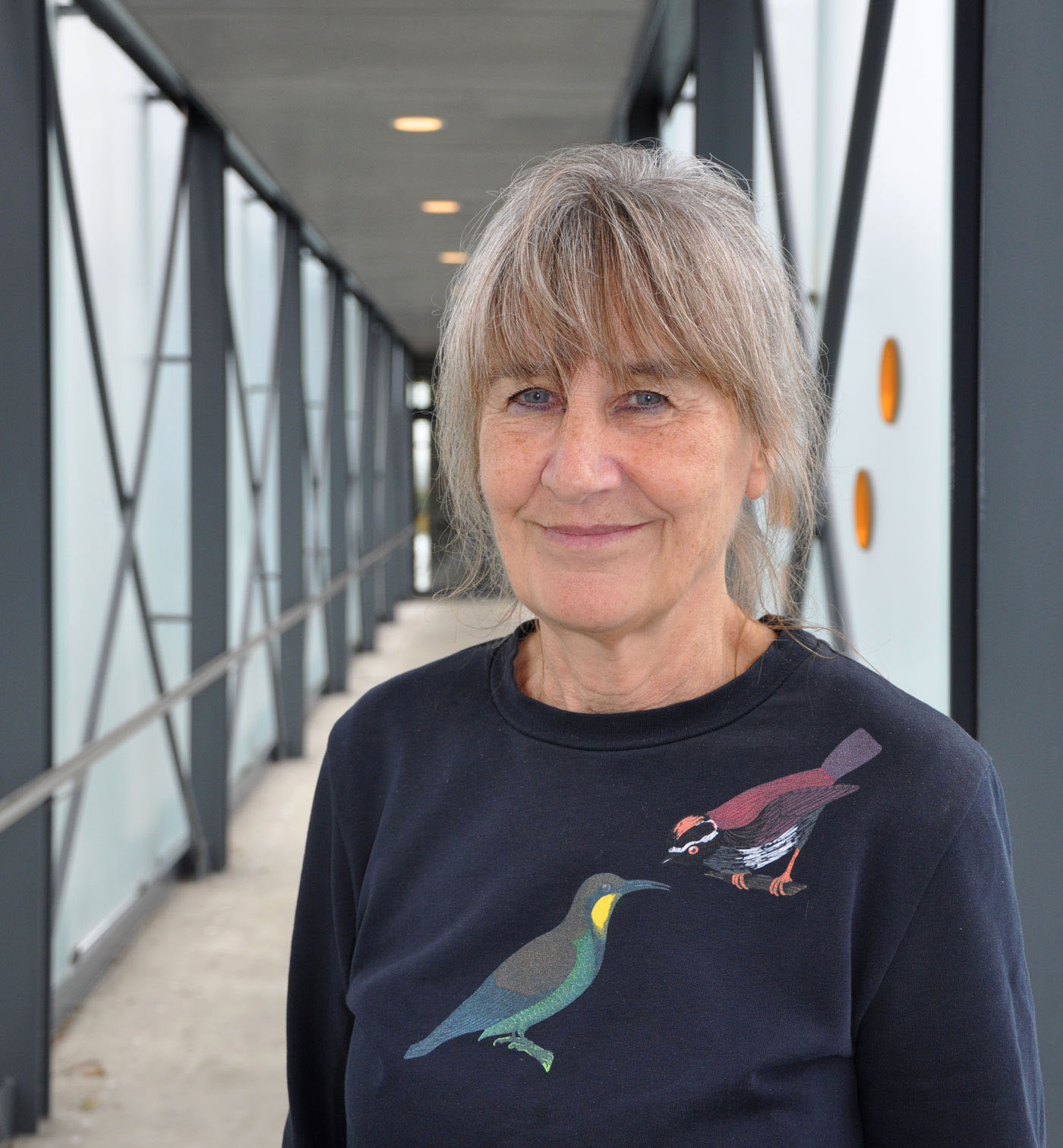
Eli Gjølstadمشاهده پروفایل
استادیار
Eli Gjølstad is an Assistant Professor at Oslo Metropolitan University, Faculty of Education and International Studies, Department of Primary and Secondary Teacher Education. Gjølstad serves as Head of Studies for Area of Responsibility 5 and focuses on the integration of digital technologies in educational contexts. The academic is based at Pilestredet 52, 0167 Oslo, with office number B515, and can be contacted via mobile (+47 924 28 894) or office phone (+47 672 37 116). Gjølstad's research interests center on educational technology, particularly focusing on digital learning environments, teacher education, and the implementation of digital tools in primary and secondary education. Special attention is given to human-centered artificial intelligence applications that reduce teacher workload, digital ethics in classroom settings, and evaluating digital tools for foundational literacy and numeracy skills development. The research spans both theoretical frameworks and practical classroom applications across various educational levels. The publication record demonstrates a strong focus on how digital technologies transform teaching and learning practices, with particular emphasis on post-pandemic educational adaptations, ethical considerations in digital education, and practical implementations of educational technology in Norwegian schools. Recent work increasingly addresses artificial intelligence applications in educational contexts, showing a progression toward more sophisticated technological integrations in teacher workflows. Gjølstad has been actively involved in developing open online courses for teacher education and has contributed significantly to understanding students' and teachers' experiences with digital learning environments. The research often employs mixed-methods approaches, combining qualitative insights with quantitative data to provide comprehensive analyses of educational technology implementations. As Head of Studies, Gjølstad plays a key role in shaping teacher education programs with a strong digital component, ensuring that future educators are equipped with necessary technological competencies. The work bridges theoretical research with practical educational applications, creating meaningful connections between academic findings and classroom practice.