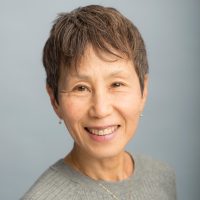
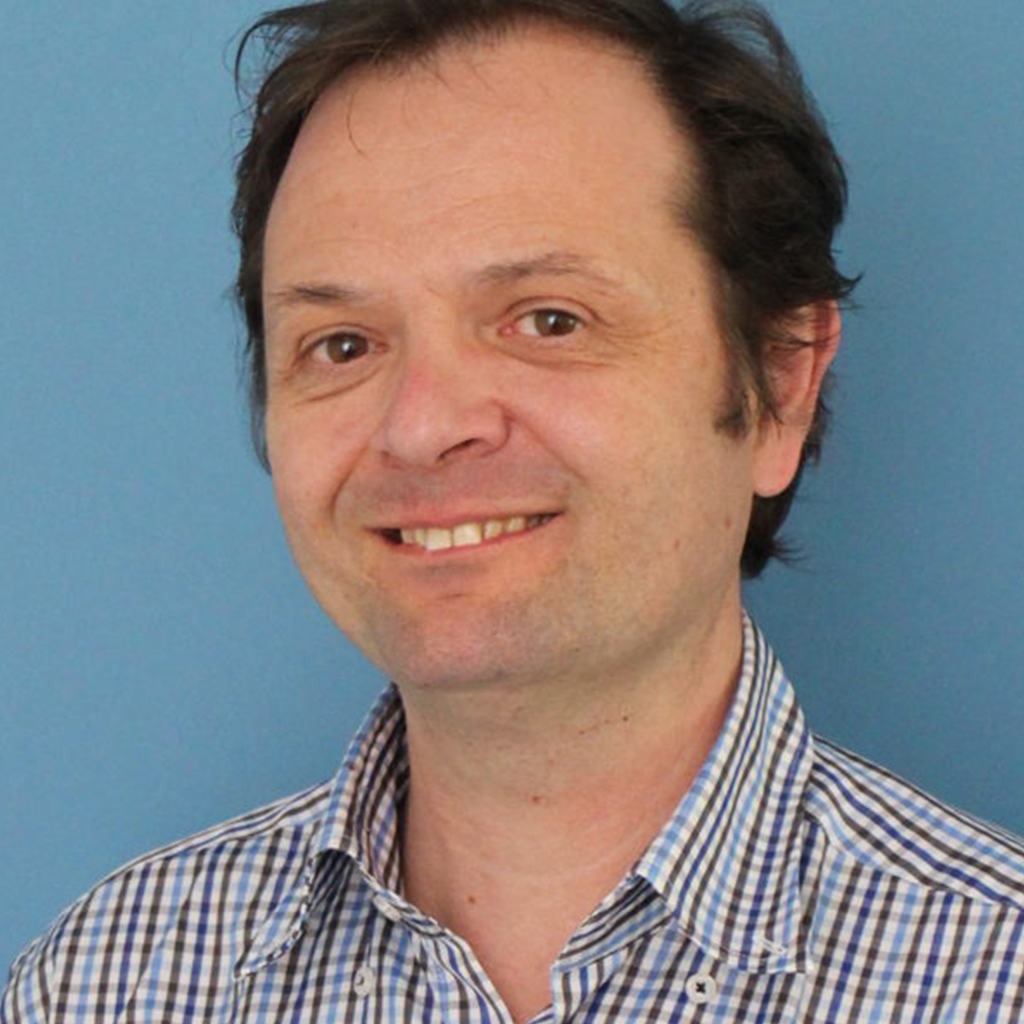
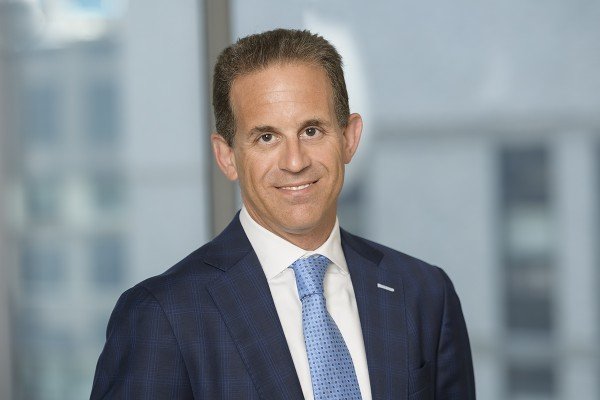
Kevin Lee is an Executive Lecturer of Accounting and Business Law at Loyola University Chicago’s Quinlan School of Business. With over 30 years of industry experience across accounting, finance, consulting, and M&A, he integrates real-world examples into his teaching. He holds an MBA from Northwestern University and a BBA from Iona College. Education: MBA (Northwestern University), BBA (Iona College) His research and teaching interests focus on practical applications of accounting, supply chain management, and business development. At Footprint Solutions, he serves as Vice President of Business Development, managing key retail and CPG client relationships. Awards: 2017 Outstanding Teacher of the Year (Quinlan School of Business) Lee teaches undergraduate and graduate courses in financial and managerial accounting, and leads executive training programs on negotiation strategies. His professional experience spans corporate functions, emphasizing end-to-end supply chain solutions and client engagement.
Soheil Salehi is a tenure-track Assistant Professor in the Department of Electrical and Computer Engineering at the University of Arizona, with a joint appointment in Systems and Industrial Engineering. He is the Director of the Privacy-preserving, Intelligent, and Secure Computing (PRISM) Lab, established in August 2022. Prior to this, he was an NSF-Sponsored Computing Innovation Fellow and Postdoctoral Research Fellow at the University of California, Davis. Ph.D., Electrical and Computer Engineering, University of Central Florida, 2020 M.S., Electrical and Computer Engineering, University of Central Florida, 2016 B.S., Isfahan University of Technology, Iran, 2014 Dr. Salehi's research focuses on the intersection of hardware, AI, and security. His work spans hardware and AI-enabled security in IoT , Generative AI for hardware design and security , neuromorphic and biologically-inspired AI hardware , emerging spin-based devices , reconfigurable architectures , low-power VLSI circuits , and digital twins and mixed reality for semiconductor workforce development . He also explores the application of Generative AI in personalized education . His recent publications, spanning 2023–2025, reveal a strong trend toward integrating AI and machine learning into hardware security and design. Key themes include automated secure IC design flows , AI-driven hardware obfuscation , firmware and side-channel attack analysis , security in neuromorphic and spiking neural networks , and educational frameworks using digital twins and generative models . His work appears in top venues like DAC, ICCAD, USENIX Security, IEEE TCAS-I, and ISCAS. Outstanding Reviewer Award, IEEE/ACM Design Automation Conference (DAC), 2023 Best Presentation of the Symposium Award, UC Davis Postdoctoral Research Symposium, 2021 UCF Excellence by a Graduate Teaching Assistant (University-Level), 2016 Nominated for 30-under-30 Award, UCF, 2020 Nominated for Postdoctoral Research Excellence Award, UC Davis, 2022 Dr. Salehi has secured significant research funding as PI and Co-PI, including a $300K NSF SaTC EAGER grant on Generative AI-based Personalized Cybersecurity Tutor, a $174,000 University of Arizona PIF Award, and multiple RII grants totaling over $198K. He has also received industry funding from CHEST. He actively mentors students and leads the PRISM Lab, which focuses on privacy-preserving and intelligent secure computing. His service includes roles as Technical Program Committee (TPC) Member and Session Chair at premier conferences such as DAC, ICCAD, CCS, NDSS, and GLSVLSI. The PRISM Lab, under his direction, conducts cutting-edge research in secure and intelligent hardware systems, with applications in IoT, edge computing, and workforce development. The lab emphasizes interdisciplinary collaboration and innovation in both research and education.
Song Mei is an Assistant Professor in the Department of Statistics and Department of Electrical Engineering and Computer Sciences at the University of California, Berkeley. She received her Ph.D. from Stanford University in 2020 under Andrea Montanari and maintains active research collaborations with institutions including Amazon (as a 2023 Amazon Research Award recipient) and OpenAI (where she is currently on leave). Her research spans the intersection of statistics, machine learning, information theory, and computer science, with particular emphasis on foundational theories for modern AI systems. Key interests include language models, diffusion models, quantum algorithms, and high-dimensional statistics, often leveraging insights from statistical physics literature. Analysis of her recent publications reveals a strong focus on theoretical underpinnings of generative AI, with significant contributions to understanding contrastive pre-training (CLIP), attention mechanisms in LLMs, and mathematical foundations of diffusion models. Her work demonstrates consistent interdisciplinary connections between statistical theory and practical AI development. Sloan Research Fellowship (2025) Noether Early Career Scholar Award (2025) Google Research Scholar Award (2024) Amazon Research Award (2024) She actively advises graduate students through MA programs and has secured significant research grants including Amazon Research Awards. Her work with AGI Labs at Amazon demonstrates applied impact of theoretical research. Current projects focus on mechanistic interpretability of large language models and mathematical frameworks for generative AI. Professor Mei leads research on the statistical principles behind frontier AI models, with particular focus on developing rigorous theoretical frameworks for understanding emergent behaviors in large-scale systems.
Tinnakorn Chaiworapongsa, M.D., is a Professor and Director of the Maternal-Fetal Medicine Fellowship Program at Wayne State University School of Medicine's Department of Obstetrics and Gynecology. His primary affiliations include leadership in perinatal research and clinical education at Detroit Medical Center/Wayne State University. Education: M.D. from Chulalongkorn University, Bangkok, Thailand (1988) Residency in Obstetrics and Gynecology at Pramongkutklao Hospital, Mahidol University (1994) Research Fellowship at Perinatology Research Branch, NICHD/NIH (2000-2003) Clinical Fellowship in Maternal-Fetal Medicine at Wayne State University (2007-2010) Research Focus: Dr. Chaiworapongsa investigates angiogenic/anti-angiogenic imbalances in obstetrical syndromes, biomarkers for preeclampsia and preterm labor, mechanisms of fetal death, and angiogenesis in recurrent pregnancy loss. His work bridges molecular pathophysiology with clinical diagnostics. Professional Leadership: Previously served as Director of the Biomarker Unit at NICHD/NIH (2011-2015) and Section Head for Biomarkers of Great Obstetrical Syndromes. Current role emphasizes fellowship training and translational research. Awards: March of Dimes Award for Prematurity Research (2010) Multiple Research Excellence Awards from Wayne State University (2008, 2009) Frederick Zuspan Awards from ISSHP (2008, 2014) Young Investigator and Poster Awards from obstetrics societies
Professor John W. Edmunds is a leading academic in Infectious Disease Modelling at the London School of Hygiene and Tropical Medicine (LSHTM). Holding a Professor position since 2013 and serving as Dean of the Faculty of Epidemiology and Population Health (2013-2019), he combines mathematical, statistical, and economic models to inform public health policy. His part-time role at the Health Protection Agency (HPA) since 2008 underscores his policy advisory contributions. PhD in Infectious Disease Modelling (Imperial College, 1994) MSc in Health Economics (University of York, 1995) BSc in Biology (Imperial College, 1989) His research focuses on understanding disease transmission and optimizing control strategies. He has pioneered methods integrating social contact surveys , participatory surveillance (e.g., Influenzanet), and economic analysis to evaluate vaccines and interventions. Recent work includes SARS-CoV-2 dynamics , Ebola spatial forecasting , and typhoid vaccine prioritization . His 15 most recent publications highlight social contact patterns (Reconnect, CoMix studies), vaccine impact (HPV, typhoid), and real-time outbreak analytics (Ebola, cholera). Key trends include digital epidemiology , behavioral surveillance , and cross-country modeling for global health. Knighthood (2024) for services to epidemiology Weldon Memorial Prize (2022) for biostatistics contributions FMedSci (2018) for medical science excellence OBE (2016) for public service As an educator, he teaches "Modelling and the Dynamics of Infectious Diseases" and co-organizes "Pandemics: Emergence, Spread and Response" . Current grants include National Institute for Health and Care Research projects on post-pandemic surveillance and Bill & Melinda Gates Foundation funding for polio eradication. He leads collaborations with the Centre for Mathematical Modelling of Infectious Diseases , Vaccine Centre , and Health in Humanitarian Crises Centre , while advising UK and WHO committees on zoonotic influenza , variants , and testing programs .
Martin Burke is the May and Ving Lee Professor for Chemical Innovation and Professor of Chemistry at the University of Illinois Urbana-Champaign , with additional appointments in Biochemistry, Biomedical & Translational Sciences, and multiple campus institutes including the Beckman Institute and the Carl R. Woese Institute for Genomic Biology. Education B.S. Johns Hopkins University , 1998 Ph.D. Harvard University , 2003 M.D. Harvard Medical School , 2003 Research Interests Burke’s program centers on molecular prosthetics : the design, synthesis and application of small molecules that replicate or replace missing or dysfunctional proteins. His group pioneered iterative cross-coupling (ICC) using MIDA-protected haloboronic acids to automate the construction of complex natural products and function-oriented small molecules. Current projects target ion-channel replacement in cystic fibrosis, iron-transport restoration in anemia, and non-toxic antifungals that overcome drug resistance. Scientific Awards & Honors National Academy of Medicine (2021) AAAS Fellow (2021) ASCI Member (2021) iCON Award (2019) Mukaiyama Award, Japan (2019) ACS Nobel Laureate Award for Graduate Education (2017) Thieme-IUPAC Prize in Synthetic Organic Chemistry (2014) Elias J. Corey Award (2013) Arthur C. Cope Scholar Award (2011) Research Output & Impact Burke has authored >120 peer-reviewed articles, >30 patents, and his work has been cited >20,000 times. High-impact publications in Nature , Science , and Angewandte Chemie have advanced automated synthesis, molecular prosthetics, and cystic fibrosis therapeutics. Laboratory & Training The Burke Laboratories house a multidisciplinary team of graduate students, post-doctoral researchers, and physician-scientists developing next-generation molecular prosthetics. The group is supported by NIH, NSF, private foundations, and industry partnerships aimed at democratizing molecular innovation.
Tracey Galloway is an Associate Professor in the Department of Anthropology at the University of Toronto Mississauga (UTM), where she conducts critical research on Indigenous health disparities and policy interventions in northern Canada. Her work bridges medical anthropology, public health, and community-based participatory research to address systemic inequities affecting circumpolar populations. Education: PhD, McMaster University, 2008 MA (institution unspecified) BA (institution unspecified) BScN (institution unspecified) Dr. Galloway's research program centers on chronic disease risk assessment and health system improvement in Indigenous communities, with specific expertise in nutrition transition, food security, child growth patterns, and public health policy evaluation. She examines the impact of federal programs like Nutrition North Canada while developing community-led solutions for health equity. Her methodological approach combines quantitative analysis of health outcomes with qualitative community engagement, emphasizing Indigenous research sovereignty and decolonizing methodologies. Her publication record reveals consistent thematic focus across 15 recent articles, demonstrating interdisciplinary collaboration between anthropology, epidemiology, and health economics. Key trends include rigorous evaluation of colonial impacts on Indigenous food systems, innovative analysis of subsidy program effectiveness, and centering Indigenous patient experiences in healthcare design. Her work consistently prioritizes community-defined research questions and actionable policy recommendations. Dr. Galloway actively mentors graduate students including Darci Belmore, Carly Checholik, Neda Maki, and Hiliary Monteith, guiding research on Indigenous health determinants and policy interventions. While specific grant details aren't publicly enumerated, her collaborative projects involve partnerships with Indigenous communities across Northern Canada and interdisciplinary teams addressing complex health system challenges. She maintains strong community partnerships for her applied research, particularly in Nunavut and Northwestern Ontario, working directly with Anishinabeck and Inuit communities to translate findings into culturally safe health initiatives and policy reforms that address the root causes of health inequities.
David L Jordan is the William Neal Reynolds Distinguished Professor in the Department of Crop and Soil Sciences within the College of Agriculture and Life Sciences at North Carolina State University. His appointment consists of 50% Extension, 25% Research, and 25% Academic responsibilities. He serves as a Crop Science Extension Specialist with a focus on peanut production and weed management, working closely with the North Carolina Peanut Growers Association, private consultants, industry representatives, and farmers. Dr. Jordan received his educational background from North Carolina State University and the University of Arkansas: PhD in Agronomy, University of Arkansas, 1993 MS in Crop Science, North Carolina State University, 1988 BS in Agronomy, North Carolina State University, 1985 AS, Chowan College, 1983 Dr. Jordan's research focuses primarily on peanut-based cropping systems, integrated pest management in peanut production, and the applied biology and management of weeds. His work addresses critical challenges in sustainable agriculture, including herbicide resistance management, crop rotation strategies, and aflatoxin mitigation in peanut production. He has developed significant expertise in developing risk tools to assist peanut growers and their advisors manage pests. His international work extends to Africa, where he collaborates with colleagues to develop more effective and sustainable pest management strategies for peanut (groundnut) and to improve food safety through aflatoxin mitigation. His recent publications reveal a strong focus on optimizing agricultural practices for peanut, cotton, and soybean production. Key themes include crop rotation effects on weed populations, nematode management in peanut systems, herbicide resistance evolution in agricultural weeds, and international peanut production practices. His research integrates field studies with practical extension applications to address real-world agricultural challenges across multiple continents. Dr. Jordan has received numerous prestigious awards throughout his career: Fellow of multiple professional societies including the American Society of Agronomy, Crop Science Society of America, Weed Science Society of America, and Southern Weed Science Society William Neal Reynolds Distinguished Professor (2015) Academy of Outstanding Faculty in Extension and Engagement, North Carolina State University (2022) Outstanding Extension and Engagement Award, North Carolina State University (2022) Dow AgroSciences Award for Excellence in Education from the American Peanut Research and Education Society (2010) Dr. Jordan has mentored numerous graduate students, serving as advisor or co-advisor for 3 MCS, 13 MS, and 12 PhD students, and has served on 40 MS, 45 PhD, and 7 MA graduate committees. His grant funding totals over $11.9 million from Louisiana State University Agricultural Center (1993-1996) and North Carolina State University (1996-present). He has led multiple USAID-funded international projects focused on peanut production and aflatoxin mitigation in countries like Ghana, Haiti, and Malawi. Dr. Jordan leads a comprehensive research and extension program focused on peanut production systems. His work involves close collaboration with multiple departments at NC State including Entomology and Plant Pathology and Biological and Agricultural Engineering. Internationally, he works with colleagues across Africa to develop sustainable pest management strategies. His program emphasizes interdisciplinary collaboration among many individuals, disciplines, and institutions with the common goal of improving the quality of life of people through agricultural improvements, education, and science.
Ryuko Kubota is a Professor in the Department of Language and Literacy Education at the University of British Columbia (UBC), Faculty of Education, since 2009. Her research spans critical applied linguistics , race and language education , and decolonial pedagogies . She has contributed extensively to understanding language ideologies , multicultural education , and critical literacies . Education: BA in English Linguistics, Rikkyo University (1980) MAT in TESOL, School for International Training (1987) PhD in Education, OISE/University of Toronto (1992) Her research interests focus on the intersection of race, language policies, and critical pedagogies. She examines neoliberal paradoxes in language learning, translingual practices , and antiracist engagement in global contexts. Her work addresses systemic inequities in English language education and immersion programs . Recent publications highlight critical approaches to World Englishes , AI-assisted writing , and raciolinguistic hegemony . These studies span interdisciplinary sub-fields including critical race theory , decolonial education , and language teacher identity . Scientific awards include the DSSA Award 2020 . She supervises graduate students like Charu Gupta (PhD) and collaborates with institutions such as the Language Sciences Institute at UBC. Her teaching includes courses on critical multicultural education and language politics .
Sanghamitra Dutta is an Assistant Professor at the University of Maryland, College Park researching trustworthy machine learning systems for social good, focusing on explainability, efficiency, robustness, and ethics in AI through mathematical frameworks. Education: Ph.D. from Carnegie Mellon University Research Interests: Dr. Dutta's work centers on Trustworthy Machine Learning with core emphases on Explainable AI , Fairness in AI , Robust Machine Learning , and Privacy-Preserving Machine Learning . She develops solutions using Information Theory , Probability Theory , Causal Inference , and Optimization to address reliability challenges, extending to Efficient Machine Learning (model compression) and Distributed Machine Learning (coded computing). Scientific Awards and Honors: NSF Career Award JPMorgan Faculty Award Northrop Grumman Seed Grant Simons Institute Fellowship (Causality Program, 2022) K&L Gates Presidential Fellowship in Ethics and Computational Technologies A G Milnes Outstanding Thesis Award Grants and Research Support: Her group receives funding from an NSF Career Award, JPMorgan Faculty Award, and Northrop Grumman Seed Grant. Research has been adopted by JPMorgan for fair lending model review and featured in New Scientist. Advising and Team: Actively recruiting graduate students through the UMD Graduate Program; prospective students must mention her name in applications while current students should contact directly with transcripts.
Gerold Schneider is an Associate Professor at the University of Zurich , affiliated with the Department of Computational Linguistics under the Faculty of Arts and Social Sciences and Faculty of Business, Economics and Informatics . He leads the Text Crunching Center (TCC) , focusing on interdisciplinary research at the intersection of NLP, Digital Humanities, and Health Data Science. Research Interests His work spans Text Analytics , Digital Humanities , Corpus Linguistics , and Health Data Science , with applications in: Biomedical NLP (e.g., Alzheimer’s detection, clinical trials) Digital Humanities projects (e.g., analyzing Charles Dickens, UN archives) Migration discourse framing across languages Adversarial data collection for hate speech detection Interdisciplinary methodologies for digital unstructured data Recent Publications 2025–2024 research highlights include annotated corpora for preclinical and neurological studies, AI-driven analysis of historical linguistic variation, and innovative tools for language learners. His NLP applications address health diagnostics, ethical AI, and cross-lingual political discourse. Labs & Teams As TCC leader, he spearheads collaborative projects within the Digital Society Initiative (DSI) communities (AI & Law, Health, Ethics, etc.), integrating computational methods with humanities and health research.
Per Kragh Andersen is a Professor at the Department of Public Health, University of Copenhagen, within the Faculty of Health and Medical Sciences. He is affiliated with the Section of Biostatistics, which focuses on statistical theory, methods, and applications in biomedical research, providing advisory services and educational programs in statistics from undergraduate to PhD levels. Location: Øster Farimagsgade 5, Building CSS (2nd floor in CSS-5, CSS-10, CSS-15), Copenhagen K Contact: +45 35 32 79 08 | pka@biostat.ku.dk The Section of Biostatistics collaborates with other health sciences departments to advance scientific knowledge through rigorous statistical analysis and education. Its mission includes advising researchers on study design, conducting methodological research, and promoting quantitative methods in biomedical sciences.
James Wilson is the Executive Officer of the Theatre and Performance program at The Graduate Center, CUNY, and holds a Professorship in both Theatre and Africana Studies. He also teaches English at LaGuardia Community College, CUNY, and is an affiliate faculty member in the Africana Studies Certificate Program. His research focuses on African American theatre, gender/sexuality studies, musical theatre history, and applied theatre pedagogy. Wilson earned his Ph.D. in Theatre from The Graduate Center, CUNY. His notable works include Failure, Fascism, and Teachers in American Theatre (2023) and Bulldaggers, Pansies, and Chocolate Babies (2010), which explore teacher representations and Harlem Renaissance performances respectively. His recent essays analyze queer performance in musical theatre, historical teacher portrayals in drama, and the intersections of race/gender in early 20th-century performance. He co-edits the Journal of American Drama and Theatre and is a Drama Desk voting member. Current projects include studying representations of teachers in performance and examining queer pedagogical frameworks in theatre history.
Ross L. Levine, MD, is a distinguished Professor and Physician-Scientist at Memorial Sloan Kettering Cancer Center (MSKCC), holding the Edward P. Evans Endowed Chair for Myelodysplastic Syndromes (MDS). As Senior Vice President of Memorial Hospital’s Translational Research division, he leads groundbreaking work in hematologic malignancies, particularly leukemia and myeloproliferative neoplasms (MPNs). His research integrates clinical care with genomic and molecular studies to develop targeted therapies. Levine received his MD from Johns Hopkins University School of Medicine, followed by residency in Internal Medicine at Massachusetts General Hospital and fellowship in Hematology/Oncology at Dana-Farber Cancer Institute. Education: MD, Johns Hopkins University School of Medicine Residencies: Internal Medicine, Massachusetts General Hospital Fellowships: Hematology/Medical Oncology, Dana-Farber Cancer Institute Levine’s research focuses on the genetic and epigenetic drivers of myeloid cancers, including JAK-STAT pathway mutations in MPNs and AML. His team explores therapeutic strategies targeting CXCL8/CXCR2 signaling and clonal hematopoiesis. Key contributions include identifying JAK2 mutations in MPNs and advancing single-cell mutation analysis for clonal evolution studies. His clinical expertise includes treating patients with acute myeloid leukemia (AML), polycythemia vera, and myelofibrosis, performing bone marrow biopsies, and leading clinical trials for targeted therapies. Levine has pioneered translational research programs linking lab discoveries to patient care, emphasizing precision medicine. Awards & Honors: Pershing Square Sohn Prize (2014), Howard Hughes Medical Institute Early Career Award (2007), and multiple Leukemia & Lymphoma Society accolades. He holds leadership roles in professional societies, including co-chairing the American Society of Hematology’s 2016 Scientific Program. Levine’s lab, part of the Human Oncology & Pathogenesis Program (HOPP), collaborates with institutions globally. His work has been published in high-impact journals like Cancer Cell , Nature , and Blood , advancing understanding of cancer genetics and therapeutic innovation.
Lisa L. Wynn is Professor in the School of Social Sciences (Discipline of Anthropology) at Macquarie University in Sydney, Australia. She serves as Associate Editor of American Ethnologist (2022-2027) and previously held leadership positions including President of the Australian Anthropological Society (2020) and membership on the AAS Executive Committee (2018-2021). Wynn earned her PhD in 2003 from Princeton University's Anthropology Department, followed by postdoctoral positions at Princeton's Office of Population Research and Center for Health and Wellbeing. Her research program centers on gender, reproductive health technologies, sexuality, and religion, with continuous fieldwork in Egypt since 1998. More recently, she has expanded her work to examine ethics review bureaucracies, lay understandings of infectious disease, and young adult vaping behaviors in Australia. Her methodological approach combines deep ethnographic engagement with critical analysis of how power structures intersect with medical technologies and bodily experiences, particularly among marginalized communities. Analysis of her recent publications reveals an evolving trajectory that maintains her foundational interest in Middle Eastern contexts while increasingly addressing digital spaces (as seen in studies of online fatwas) and contemporary health crises (including pandemic responses and vaping culture), with consistent attention to bodily autonomy and reproductive justice. Her significant scholarly contributions have been recognized through multiple prestigious awards: Vice Chancellor's Teaching Excellence Award from Macquarie University (2009) Australian Award for Teaching Excellence (2012) OLT National Teaching Fellowship (2012-2014) Leeds Honor Prize from the Society for Urban, National, and Transnational/Global Anthropology (2008) Wynn actively mentors graduate researchers specializing in gender, sexuality, medicine and technology, with particular emphasis on sexual and reproductive health. Her research program has received substantial funding from the Social Science Research Council, Australian Research Council, Office of Learning and Teaching, and Hort Innovation. Notably, she co-led a major international project to develop multilingual sexual and reproductive health resources that have reached millions of users across 208 countries. She also created a free online ethics training program for humanities and social sciences researchers at Macquarie University. Through collaborations with Cambridge Reproductive Health Consultants and other partners, Wynn has successfully translated academic research into accessible public resources, including evidence-based information on medication abortion available in six languages (English, Spanish, French, Arabic, Turkish, and Farsi).