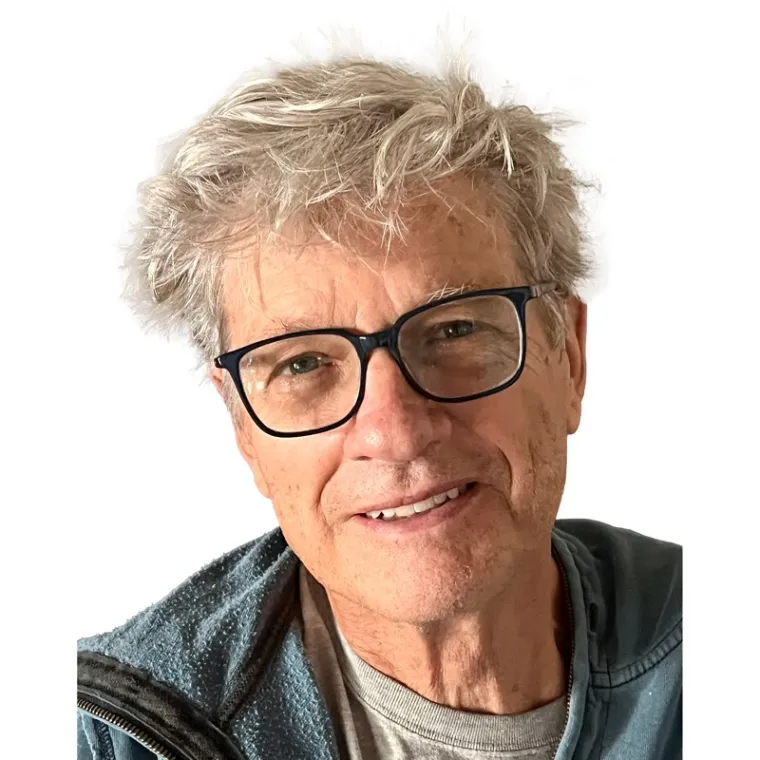
Ruth-Anne Sandaa is a Professor at the Department of Biosciences , University of Bergen, specializing in marine virology and microbial ecology. Her research focuses on viral-host interactions in marine environments, particularly in Arctic ecosystems. Studied biogeochemical impacts of marine viruses Explored cyanophage and phytoplankton virus dynamics Investigated viral genes influencing host metabolism Examined virus-host relationships in extreme marine habitats Her research bridges marine microbiology with ecological modeling, examining how viruses regulate microbial diversity and affect global carbon cycles through lysis and programmed cell death mechanisms. She has developed metagenomic methods for Arctic viral assemblage characterization. Recent publications (2021-2025) emphasize Arctic viral ecology , host-virus coevolution , and viral metabolic gene encoding . Key subfields include cyanophage adaptation, algal bloom virology, and deep-sea viral-host dynamics. Projects : Micropolar Microbial Network Organization (MINOS) Diversity and Dynamics of Marine Haptophytes (HAPTODIV) Technical Contributions : Developed semi-automated metagenomic characterization methods Advanced viral community analysis in extreme marine environments Created techniques for fluorometric DNA quantification in marine sediments
John Berges is Professor in Biological Sciences and Affiliate Professor at the School of Freshwater Sciences, University of Wisconsin-Milwaukee. His laboratory integrates physiological, genomic, and ecological approaches to study aquatic microorganisms across bacteria, phytoplankton, and fish. Research examines stress responses in phytoplankton, ecological consequences of invasive species, and biogeochemical cycling in freshwater ecosystems. Recent work develops digital twins of plankton systems and climate impacts on decomposition. Publications demonstrate consistent focus on Great Lakes ecology (40%), microbial physiology (30%), and methodological innovation (30%). Laboratory techniques span genomic analysis, biochemical assays, and field sampling. Collaborative projects investigate wastewater bioremediation and microbial fuel cells. No awards or specific student advisees are documented.
Marina Cvetkovska is an Assistant Professor in the Department of Biology at the University of Ottawa's Faculty of Science. Her research focuses on stress responses in photosynthetic organisms, particularly algae and plants under extreme environmental conditions. University of Ottawa, Department of Biology Faculty of Science She investigates how green algae and plants perceive, respond to, and adapt under abiotic stress conditions like cold, salinity, and light limitation. Her lab employs molecular biology, biochemistry, and computational biology to study extremophiles, including Antarctic Chlamydomonas species, aiming to understand biological limits and develop strategies for crop resilience under climate change. Their publications reveal expertise in chlorophyll biosynthesis, photosynthetic adaptation, gene duplication, and mitochondrial signaling during stress. Current work examines light quality effects on Antarctic algae, depth-sensing mechanisms in algae, and lipid visualization tools for extremophiles. Earlier studies explored alternative oxidase pathways, superoxide signaling, and MAP kinase roles in plant defense.
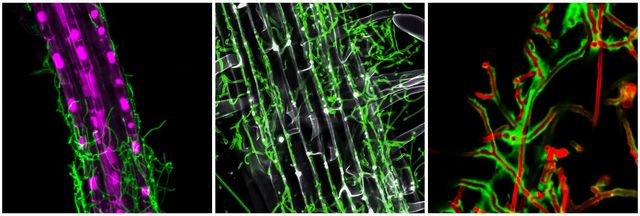
Professor Alga Zuccaro leads fungal symbiosis research at the University of Cologne, focusing on mechanisms enabling symbiotic fungi to colonize plant roots while balancing biotrophic and saprotrophic lifestyles. Her work integrates functional genomics, transcriptomics, and biochemical approaches to study Serendipita indica and Serendipita vermifera interactions with Arabidopsis thaliana and Hordeum vulgare . Key research areas include: Effector-like molecules in host manipulation ER stress-triggered cell death in symbiosis Plant immune evasion via glycan modifications Metabolic signaling in host-microbe interactions Recent publications highlight nucleoside signaling (2024), β-glucan binding proteins (2024), and diterpenoid phytoalexin dynamics (2024). Her 2023 work in Nature Aging demonstrated plant-based neurodegenerative disease modeling. She contributes to the iHEAD initiative on immunometabolism, funded by North Rhine-Westphalia's Profilbildungsinitiative. Collaborations span University of Cologne's Faculty of Medicine/Natural Sciences, Max Planck Institutes for Plant Breeding Research and Biology of Ageing. Research employs interdisciplinary tools including comparative transcriptomics, glycan receptor characterization, and metabolic signaling analysis in both beneficial and pathogenic interactions.
Richard Michod is a Professor of Ecology and Evolutionary Biology at the University of Arizona since 1987. He holds a Ph.D. in Genetics and Zoology from the University of Georgia (1978), an M.A. in Mathematics (1978), and a B.S. in Zoology from Duke University (1973). His research focuses on evolutionary transitions in individuality, particularly studying the evolution of multicellularity and sexual reproduction in volvocine green algae. Key themes include the emergence of group-level organization, fitness trade-offs, and genetic mechanisms underlying developmental complexity. Michod’s work integrates theoretical population biology, molecular genetics, and philosophy to address how groups of cells transition into cohesive multicellular organisms. Notable contributions include the 2006 President’s Award Paper in the American Naturalist for his study on flagellar motility and cellular differentiation. His lab investigates the genetic basis of somatic specialization, stress responses, and the role of metaphor in scientific inquiry. Collaborative efforts include genomic studies of Gonium pectorale and Volvox species to uncover the molecular underpinnings of multicellularity. His publications span evolutionary theory, genomics, and education, emphasizing the hierarchical nature of biological organization. Michod has also contributed to debates on cultural evolution and the formal Darwinism project, exploring how selection operates at multiple levels. His research bridges experimental evolution, computational models, and philosophical analysis to advance understanding of life’s complexity.
Dr. Aurora Nedelcu is a Professor in the Department of Biology at the University of New Brunswick, with an adjunct position in Ecology and Evolutionary Biology at the University of Arizona. She holds a BSc in Biology from Babes-Bolyai University (1988) and a PhD from Dalhousie University (1997), followed by postdoctoral training at Université de Montréal and University of Arizona. Her research focuses on understanding evolutionary transitions and the emergence of biological complexity. Specific interests include: Molecular, gene and genome evolution Genetic basis of major evolutionary innovations Evolution of multicellularity and development Evolution of cancer and programmed cell death Organelle genome evolution in green algae Experimental systems include volvocine algae and human cancer cell lines. Recent publications demonstrate a strong focus on cancer evolution and evolutionary transitions, particularly exploring therapeutic implications of evolutionary principles. Article themes frequently examine cellular heterogeneity, developmental complexity, and molecular mechanisms of adaptation. NSERC Postdoctoral Fellowship (1998-2002) Dr. Nedelcu leads The Evo-Volvo Lab and has received substantial research funding including NSERC Discovery Grants (2013-2019) and NSF Collaborative Research awards for studying de novo evolution of multicellularity. She teaches courses in Cell Biology, Molecular Evolution, and Evolutionary Medicine.
Knut Tomas Dalen is a Professor at the Department of Nutrition, Faculty of Medicine, University of Oslo . He leads the Norwegian Transgenic Center (NTS) since 2013, focusing on genetically modified animal models for metabolic disease research. Education : PhD in Molecular Nutrition (2005, UiO); Biochemistry Candidatus Scientiarum (1999, UiO); Chemical Engineering (1995, Østfold University College) His research bridges molecular nutrition and lipid droplet biology , with key interests in transcriptional regulation via nuclear receptors, genetic engineering of animal models, and lifestyle diseases such as type 2 diabetes and cardiovascular disorders. Recent work explores lipid droplet dynamics in diabetes, obesity, and cancer. Scientific output spans 15+ peer-reviewed articles annually, covering topics like PLIN protein function , RNA modifications in development, and environmental risk assessments for transgenic salmon. Collaborations include institutions in Norway, Sweden, and the US NIH. Key Awards : Throne Holst Foundation Manuscript Awards (2014, 2018); NIH Research Fellowships (2005) He contributes to educational programs (ERN1010, ERN3200) and regulatory frameworks for genome-edited organisms. Current projects include Dietary prevention of cholesterol-induced trained immunity and NutriFrail , linking nutrition to chronic disease mechanisms.
Dr. Philip Alexander Steiner is a Postdoctoral Researcher at the Institute of Pharmacology, Johannes Kepler University, where he has been working since 2021 under the supervision of Professor Susanna Zierler. His research focuses on cellular pharmacology with particular emphasis on two-pore ion channels and their role in immune responses. Dr. Steiner received his Dr. rer. nat. in Biology from Paris Lodron University of Salzburg in 2020, where he was mentored by Ursula Lütz-Meindl and Hubert H. Kerschbaum. Prior to that, he completed his M.Sc. in Biology (2017) and B.Sc. in Biology (2014) at Austrian universities. Dr. Steiner's primary research interest lies in the study of two-pore ion channels TPC1 and TPC2, which are Ca 2+ permeable channels located in the biomembrane of acidic organelles such as endosomes and lysosomes. His work particularly focuses on the function of these channels in mast cells and basophils, which play crucial roles in anaphylaxis and allergic reactions. Using high-resolution laser scanning microscopy and advanced electron microscopic techniques including 3D tomography and immunocytochemical localization, his research aims to elucidate the ultrastructural position of these channels and their organelles to better understand their physiological role in immune responses. Dr. Steiner's publication record shows a clear progression from plant cell biology to immune cell pharmacology, with a consistent methodological focus on advanced microscopy techniques. His recent work (2022-2025) demonstrates increasing specialization in two-pore channel function in immune cells, particularly examining programmed cell death mechanisms in basophilic leukemia cells and mast cells, while maintaining his expertise in electron microscopy applications. Christian-Doppler-Award 2021 in the field of 'organismic biology and cell biology' Fritz-Grasenick-Award 2021 in electron microscopy Publication of the month July 2020, University of Salzburg 'Best talk award' at the 22nd Austrian Society of Plant Biology Conference 2018 Publication of the month August 2018, University of Salzburg Dr. Steiner is an active member of several professional societies including the Austrian Pharmacological Society (APHAR), Society of General Physiologists (SGP), Austrian Society for Electron Microscopy (ASEM), European Microscopy Society (EMS), and European Calcium Society (ECS). His research bridges fundamental cellular mechanisms with potential clinical applications for immune-related disorders through sophisticated imaging techniques and cellular pharmacology approaches. Working within the Cellular Pharmacology research group at JKU, Dr. Steiner utilizes state-of-the-art laser scanning and electron microscopy facilities to investigate the ultrastructural localization of two-pore channels in immune cells. His work combines molecular biology, cellular physiology, and advanced imaging to explore the potential of TPCs as pharmacological targets for treating anaphylaxis and allergic reactions.
Alejandro Calderón-Urrea is a Professor of Biology at California State University, Fresno. He specializes in molecular genetics, plant biotechnology, and programmed cell death (PCD) in plants. His research focuses on PCD mechanisms during plant development and sex determination, as well as applications in crop protection and biofuel production. Affiliations: College of Science and Mathematics, Department of Biology Visiting Professorships: University of Ghent, Universidad Nacional (Costa Rica), Gansu Agricultural University (China), Universidad de Córdoba (Spain) Education: B.Sc. Genetics, Universidad del Valle (Cali, Colombia, 1985) M.Sc. Plant Molecular Biology, Vrije Universiteit Brussel (Belgium, 1988) Ph.D. Biology, Yale University (1996) Postdoctoral Training: USDA-ARS/UC-Berkeley (1996–1997) Research & Mentorship: Dr. Calderón-Urrea has mentored over 100 undergraduate and 30 graduate students, including 25 MS graduates. He pioneered initiatives to support underrepresented minorities in STEM, such as the USDA Hispanic Serving Institutions Fellows Program and the Yale STARS summer research program. His lab focuses on PCD’s role in plant development and biotechnological applications. Awards: Outstanding Faculty Mentor Award (2008) Andreoli Biotechnology Service Award (2008) Dunhuang Award (2018) Industry Engagement: Founder and Chief Scientific Officer (CSO) of Telluris Biotech India, developing crop protection products against plant parasitic nematodes.