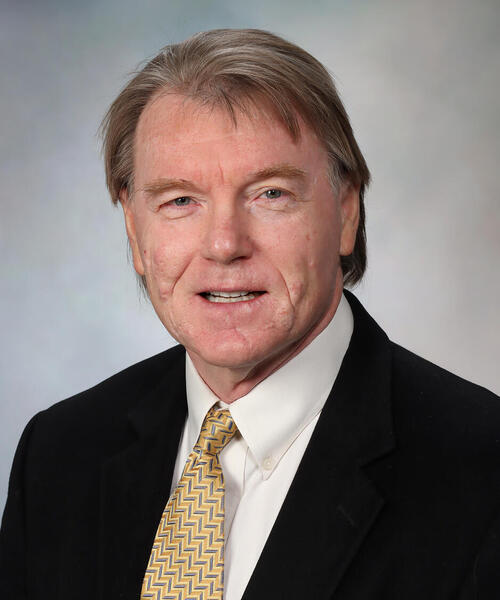
Dr. John A. Copland III is a Professor of Cancer Biology and Biochemistry & Molecular Biology at Mayo Clinic in Jacksonville, Florida. He leads the Cancer Biology and Translational Research Laboratory, focusing on molecular mechanisms of carcinogenesis, tumor progression, and development of targeted cancer therapies. Education: PhD in Physiology & Endocrinology (Medical College of Georgia), MS in Endocrinology (Medical College of Georgia), BS in Chemistry (Columbus College), with postdoctoral training at University of Texas Medical Branch. Research interests center on: Identifying tumor suppressor genes (e.g., RhoB, TBR3, GATA3) and oncogenes (e.g., FOXO3a, SCD1, NPTX2). Developing patient-derived xenografts and live cell models for personalized medicine. Designing SCD1 inhibitors via in silico modeling for clinical trials. Recent publications highlight his work on SCD1 inhibition in leukemia and thyroid cancer ImmunoPET imaging of thyroid tumors CRISPR-identified drug synergies in cholangiocarcinoma Patient-specific combination therapies using xenograft models
Scott Michael Lindhorst, MD, is an Assistant Professor in the Department of Neurosurgery at the Medical University of South Carolina (MUSC) College of Medicine. He holds a dual appointment in the Division of Hematology/Medical Oncology within the Department of Medicine. Dr. Lindhorst specializes in neuro-oncology, focusing on central nervous system lymphomas, gliomas, and meningiomas, while also managing brain metastases through clinical trials. Education: BS in Microbiology from University of Florida (2001), MD from University of South Alabama College of Medicine (2005) Training: Residency in Internal Medicine, Fellowship in Hematology/Medical Oncology (University of Alabama at Birmingham), Fellowship in Neuro-Oncology (Duke University Medical Center) His research centers on immuno-oncology , glioblastoma therapy , and epigenetic cancer treatments , with a strong emphasis on clinical trials for novel therapies. Recent publications explore hypermutation in cancer , immune checkpoint inhibition , and programmed necrosis in glioblastoma . Dr. Lindhorst is board-certified in internal medicine, hematology, medical oncology, and neuro-oncology. Clinical practice includes CNS lymphomas , gliomas , meningiomas , and brain metastases , with dedicated clinical trials to advance treatment options.
Professor Faye Rogers serves as Professor of Therapeutic Radiology at Yale University School of Medicine, holding multiple leadership positions including Associate Cancer Center Director for YCC Collaborative Excellence, Vice Chair for Collaborative Excellence in Therapeutic Radiology, Associate Director of the Yale MD-PhD Program, and Director of the Yale BioMed Amgen Scholars Program. Her work bridges radiation oncology, DNA repair mechanisms, and cancer therapeutics within Yale's comprehensive cancer research ecosystem. PhD from University of Maryland at Baltimore (1998) Postdoctoral Fellow at Yale School of Medicine Dr. Rogers' research focuses on the intersection of DNA repair mechanisms and cancer therapeutics, with particular expertise in triplex DNA structures, genomic instability, and targeted cancer therapies. Her work explores how DNA damage responses can be leveraged for therapeutic benefit, especially in breast neoplasms and other malignancies. Through her leadership in the DNA Damage and Genome Integrity program, she investigates novel approaches to disrupt cancer cell survival mechanisms while sparing healthy tissue. Her research has significant implications for radiation oncology, particularly in developing more precise and effective radiation-based treatments. Analysis of Dr. Rogers' publication record reveals a consistent trajectory in DNA repair mechanisms and cancer therapeutics, with increasing focus on translational applications. Her work demonstrates expertise in triplex DNA structures, RAD51 inhibition, and synthetic lethality approaches. Recent publications show a shift toward more clinically applicable research, particularly in targeting DNA repair pathways in specific cancer subtypes like IDH1-mutant cancers and PTEN-deficient glioblastomas. Her collaborative work with Peter Glazer and others demonstrates strong interdisciplinary connections between radiation oncology, molecular biology, and drug development. Leadership in Diversity, Equity & Inclusion Award (Yale School of Medicine, 2022) Translational Science Research Prize (Yale Cancer Center, 2022) Kingsley Fellowship in Medical Research Carl Storm Underrepresented Minority Fellowship NCI Research Supplement to Promote Diversity in Health-Related Research As Associate Director of the Yale MD-PhD Program and Director of the Yale BioMed Amgen Scholars Program, Dr. Rogers plays a pivotal role in mentoring the next generation of physician-scientists and supporting underrepresented minorities in biomedical research. Her leadership in collaborative excellence initiatives demonstrates commitment to fostering interdisciplinary research teams across Yale's scientific ecosystem. Through the YCC Collaborative Excellence program, she has secured significant funding for innovative cancer research that bridges basic science and clinical applications, particularly in the areas of DNA repair targeting and radiation oncology. Dr. Rogers leads research within Yale's Therapeutic Radiology department, with strong connections to the Radiobiology program and the Yale Cancer Center. Her work is integrated with the Program in Translational Biomedicine and the Yale Combined Program in the Biological and Biomedical Sciences. Through the BioMed Amgen Scholars Program, she provides critical research opportunities for undergraduate students, particularly those from underrepresented backgrounds, fostering talent in DNA repair research and cancer therapeutics.
Dr. Richard Y. Zhao is a tenured Professor in the Department of Pathology and Microbiology-Immunology at the University of Maryland School of Medicine. His research combines molecular biology, fission yeast genetics, mammalian biology, and virology to study virus-host interactions, particularly for HIV and Zika virus. He previously held academic positions at Northwestern University and Columbia University and has contributed to over 120 peer-reviewed articles. B.S., China Oceanography University (1981) M.S., Oregon State University (1995) Ph.D., Oregon State University (1991) Postdoctoral Training, Columbia University (1991-1992) Dr. Zhao's research focuses on: Virus-host interactions and pathogenicity High-throughput drug screening for antivirals Role of viral proteins in neuroinflammation and cancer Translational genomics in precision medicine His recent publications highlight SARS-CoV-2 ORF3a, Zika envelope proteins, and HIV protease inhibitors, emphasizing host-pathogen mechanisms across species. He has served on NIH panels and editorial boards for journals like Cell Research and Retrovirology . Scientific awards include: Fellow, American Academy of Microbiology (2019) Bernard L Mirkin Endowed Chair (2001-2004) Honorary Director, Shandong Gallo Institute (2009) Distinguished Service from SCBA (2015) Outstanding Service from CBA-USA (2016) Dr. Zhao also contributes to clinical diagnostics and personalized medicine through molecular testing and pharmacogenetics programs.
Feyruz V. Rassool is a Professor at the University of Maryland School of Medicine, with primary appointment in Radiation Oncology. She serves as Co-director of the Experimental Therapeutics Program at the University of Maryland Greenebaum Comprehensive Cancer Center (UMGCCC) and holds an adjunct Associate Professor position at VARI’s Center for Epigenetics. Her research focuses on DNA damage/repair pathways in cancer, particularly their therapeutic exploitation through PARP and DNMT inhibitors. Education: B.Sc. in Human Genetics (1983, University College London), Ph.D. in Biological Sciences (1990, Royal Postgraduate Medical School) Postdoctoral Training: University of Chicago (1990-1994) Her work explores the intersection of DNA repair , epigenetics , and mitochondrial dysfunction to develop novel therapies for breast, ovarian, lung, and leukemias. Key projects include STING-dependent interferon signaling , pathogen mimicry in cancer cells, and metastasis suppression through PARPi/epigenetic combinations. Dr. Rassool is part of the SU2C Epigenetics Dream Team and has secured multiple grants from NCI, NIH, and the Adelson Medical Research Foundation. Her recent preclinical studies with PARP/DNMT inhibitors are being translated into Phase I/II trials for AML and TNBC. Scientific Awards Ziskin Award (2012) NCI-SPORE Grant Co-Leader NIH/NCI P30 CA134274 Support Grant She has mentored 13 PhD/postgraduate researchers and collaborates on clinical trials with Pfizer, VARI-SU2C, and ASTRO. Her lab employs techniques like DNA repair assays , RNAseq , and mouse xenograft models to investigate mechanisms of action for epigenetic drugs.
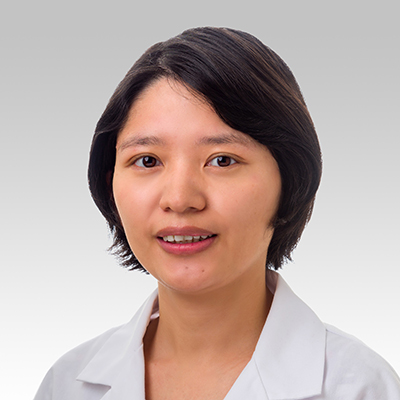
Xinxin Song, M.D., Ph.D., is an Assistant Professor in the Department of Surgery at the University of Texas Southwestern Medical Center. She holds a medical degree from Peking University Health Science Center and a Ph.D. from Peking Union Medical College. After post-doctoral training at the University of Pittsburgh, she became a Research Assistant Professor at Northwestern University's Feinberg School of Medicine before joining UT Southwestern in 2020. Her lab focuses on understanding mechanisms of cell death (apoptosis, ferroptosis, pH-dependent death, immunogenic cell death) and their interplay with drug resistance, tumor microenvironment, and cancer immunogenicity. Education: M.D., Health Science Center, Peking University Ph.D., Peking Union Medical College Post-doctoral Training, University of Pittsburgh School of Medicine Research Interests: Mechanisms of programmed cell death (apoptosis, ferroptosis) Drug resistance in cancer Tumor microenvironment dynamics Immunogenic cell death pathways Labs/Teams: Established her independent lab in the Department of Surgery at UT Southwestern in 2023
Mehdi Kabbage is a Professor and Director of Graduate Studies in the Department of Plant Pathology at the University of Wisconsin-Madison . His research focuses on necrotrophic fungal pathogenesis, particularly the role of oxalic acid and programmed cell death (PCD) in plant-pathogen interactions. He teaches courses in fungal biology and plant-microbe interactions. Education : Ph.D. in Plant Pathology (Kansas State University), M.S. in Plant Pathology (Kansas State University), B.S. in Engineering (Ecole d'Ingénieurs de Purpan, France) Dr. Kabbage investigates how Sclerotinia sclerotiorum manipulates plant PCD through oxalic acid secretion and explores strategies to inhibit this process for crop protection. His work spans molecular mechanisms of fungal virulence, plant stress tolerance, and genetic resistance in soybeans. Recent publications highlight his research on fungal effector proteins, host-induced gene silencing, oxalic acid signaling, and autophagy-based resistance strategies. He collaborates extensively on soybean and dry bean pathosystems, with a focus on integrated disease management and climate resilience. His lab develops transgenic approaches for stress tolerance, studies BAG protein family functions in plant defense, and investigates fungal enzymatic virulence factors like alcohol oxidases and laccases. Current projects include chemical genomics for resistance pathway discovery and novel antifungal agents such as poacic acid.
Professor Walter C. Prozialeck is a distinguished academic at Midwestern University, serving in the Department of Pharmacology across multiple schools including the Chicago College of Osteopathic Medicine (CCOM), College of Pharmacy, College of Dental Medicine-Illinois, and College of Graduate Studies - Illinois. He holds a Ph.D. in Pharmacology from Thomas Jefferson University (1978) and a B.S. from Juniata College (1974). Dr. Prozialeck's research spans 35 years of cadmium toxicology, focusing on mechanisms of nephrotoxicity, microRNA expression, and biomarker development. He also investigates vancomycin pharmacokinetics and herbal medications like kratom and marijuana, contributing to drug policy discussions. His work has secured over $3.0 million in NIH funding. Recent publications highlight his expertise in cadmium-induced kidney injury biomarkers (e.g., Kim-1, cystatin C), microRNA alterations, and vascular toxicity. He has authored over 100 papers and book chapters. Career Achievement Award, Metals Specialty Section of Society of Toxicology (2021) Dr. Prozialeck teaches Pharmacology to medical, pharmacy, optometry, dental, and allied health students, and lectures in CME programs. He has held leadership roles including President of the Great Lakes Chapter of ASPET and Midwest Regional Chapter of the Society of Toxicology.
Jinhong Meng is a Senior Research Fellow at the Department of Genetics & Genomic Medicine, University College London (UCL), focusing on neuromuscular disorders and gene therapy. He earned his PhD and Bachelor’s degrees from the Fourth Military Medical University. Education: Doctor of Philosophy, Fourth Military Medical University (2000) Bachelor, Fourth Military Medical University (1995) Research Interests: Jinhong Meng’s work centers on Duchenne Muscular Dystrophy (DMD), Spinal Muscular Atrophy (SMA), and gene therapy techniques including CRISPR, lentiviral vectors, and antisense oligonucleotides. His studies explore immune responses to dystrophin, vascular defects in SMA, and dystrophin correction via viral and non-viral delivery systems. Publication Trends: Over the past eight years, Jinhong Meng has published extensively on DMD and SMA, with a focus on gene editing, dystrophin restoration, and cellular therapies. His collaborative work spans lentiviral vectors, foamy virus transduction, and necroptosis mechanisms in muscle degeneration. Labs & Collaborations: He works within UCL’s Genetics & Genomic Medicine Department, collaborating on projects involving dystrophic muscle engraftment, circadian signaling, and RNA editing for genetic mutations.
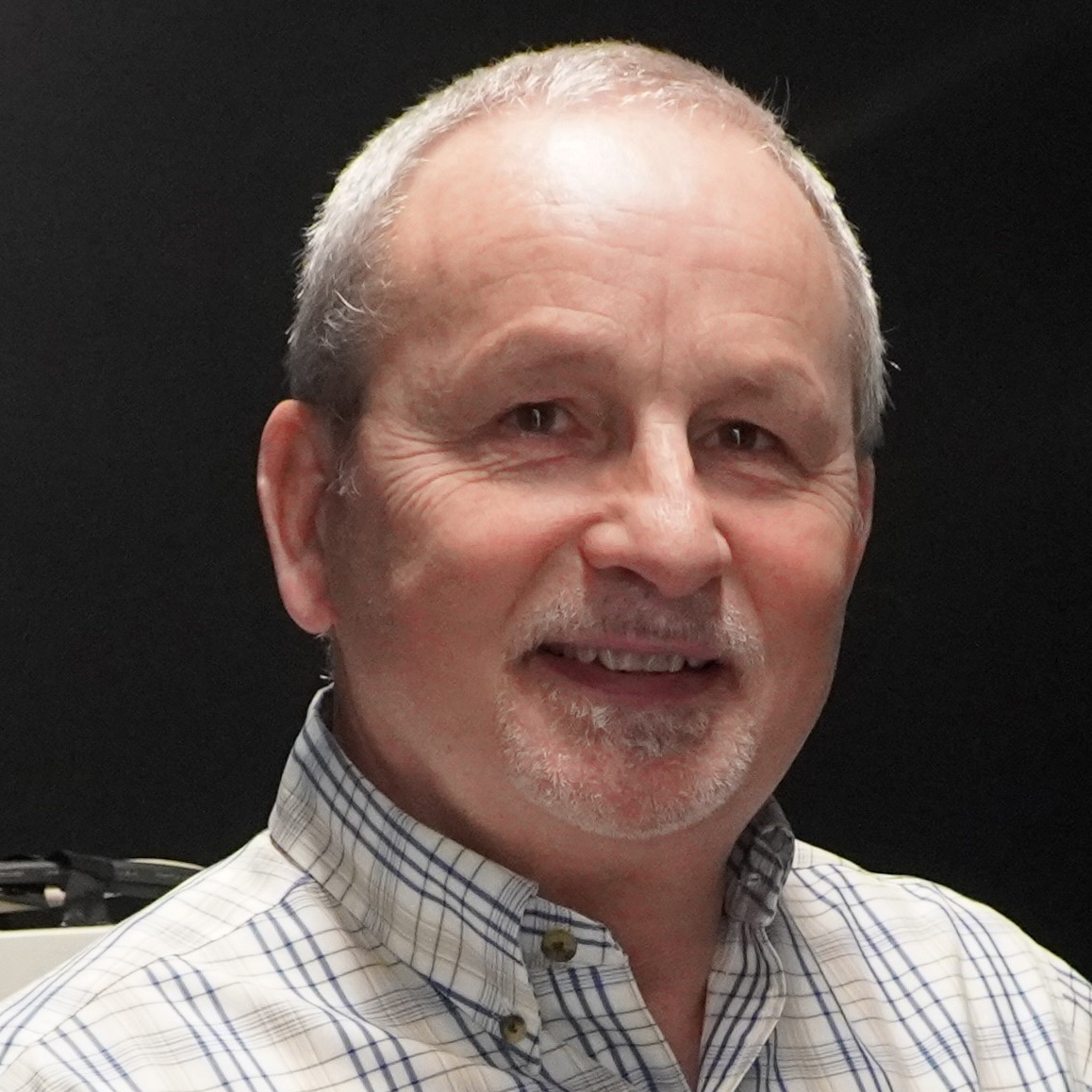
David A. Hood is a Full Professor and former Canada Research Chair in Cell Physiology (2003–2024) at York University, affiliated with the School of Kinesiology and Health Science. He is the Founding Director of the Muscle Health Research Centre (MHRC) and supervises graduate students in the Biology Graduate Program. Research Interests: His research focuses on mitochondrial biogenesis, turnover, and function in skeletal muscle. He investigates how exercise, aging, and muscle disuse affect mitochondrial health, with a particular interest in mitophagy, lysosomal function, and cellular signaling. His work spans human, animal, and cellular models, integrating physiological, biochemical, and molecular biology approaches. Recent Publication Trends: Recent publications emphasize transcriptional regulation (e.g., TFEB, TFE3, ATF4, p53), organelle crosstalk (mitochondria-lysosome interactions), and the role of exercise as 'mitochondrial medicine.' His lab explores therapeutic interventions like mitochondrial transplantation and nutrient signaling in muscle health. Scientific Awards: Canada Research Chair in Cell Physiology (2003–2024) Finalist for a prestigious national award Advising and Grants: Dr. Hood actively mentors graduate students and postdoctoral fellows. He has secured significant funding, including a $1 million CIHR grant to study mitochondria and lysosomes in muscle. His lab fosters interdisciplinary collaboration and contributes to major reviews in the field. Labs and Teams: He leads the Hood Lab at York University and co-founded the Muscle Health Research Centre (MHRC), a multidisciplinary hub promoting research on muscle function, exercise, and aging. The MHRC facilitates collaboration across departments and institutions.
Robert Hill is an Associate Professor at Dartmouth College, affiliated with the Biological Sciences department and the Dartmouth Graduate Program in Integrative Neuroscience and Molecular & Cellular Biology. His lab studies neuron-glia interactions focusing on oligodendrocyte development, plasticity, and regeneration in contexts like multiple sclerosis, aging, and Alzheimer's disease. Techniques include high-resolution optical imaging, molecular labels, genetic manipulation, and cellular physiology sensors. Education: B.S. from Trinity College, Ph.D. from University of Connecticut, Postdoctoral Fellow at Yale School of Medicine Research interests span Neuroscience , Developmental Biology , Myelination , and Neurodegenerative Diseases . Recent work explores mitochondrial reorganization in oligodendrocyte generation, CX3CR1-mediated microglial phagocytosis, and age-related myelin plasticity. Scientific awards include the Klingenstein-Simons Fellowship (2022). His lab has received NIH R01 grants (2021, 2025) and seed funding from the Brain Research Foundation (2019). Current lab members include PhD students Zoela Gilani, Kiera Schwarz, and postdoctoral fellows like Yasmine Kamen.
Shadi Dalili is an Associate Professor, Teaching Stream at the University of Toronto's Scarborough (UTSC) campus. He specializes in Chemistry Education and Organic Chemistry research. His roles include teaching undergraduate courses like Organic Chemistry I and mentoring students in directed research projects. Education: BSc, University of Tehran, Iran (1999) MSc, University of Toronto (2001) PhD, University of Toronto (2005) Research Interests: His work focuses on synthesizing biologically active isatin derivatives, developing hole transport materials (HTMs) for Perovskite solar cells, and advancing chemistry education through technologies like augmented reality (AR). Collaborations with Dr. Kagan Kerman and Dr. Meissam Norouzifar address renewable energy materials, while his work with Dr. Maryam Abdinejad led to the ARchemy app, supported by grants from the Centre for Teaching and Learning and ITIF. Publications: Key contributions span AR-based educational tools, organic synthesis methodologies, and drug discovery. Recent work highlights include studies on student perceptions of AR in chemistry and lab skills seminars. Grants & Collaboration: Received $20,000 in grants for ARchemy development and partnered with UofT’s MADlab. Research emphasizes bridging technology and education, with applications in molecular visualization and renewable energy materials. Labs/Teams: Lead the ARchemy project team and collaborates on Perovskite solar cell research, fostering interdisciplinary innovation.
Professor Sabine Eming is a Principal Investigator at the Department of Dermatology & FMNS at the University of Cologne, affiliated with the CMMC and collaborating with CECAD. Her research focuses on the molecular basis of age-related skin pathologies and regenerative responses. Investigates tissue regeneration, immunometabolism, and TOR signaling Develops therapeutic strategies for injured/aging tissues Uses cross-species models (mice, zebrafish, Drosophila, humans) Her work bridges basic science and clinical expertise to translate findings into therapeutic approaches, particularly examining: Metabolic reprogramming in wound healing Immune system's role in regeneration vs. scarring Lipid synthesis and filaggrin processing in skin barrier formation Scarless repair mechanisms in zebrafish vs. mammals She leads research into molecular control systems including: Cell death regulation (FADD-RIPK3 pathways) Nutrient-sensing TOR pathway in skin aging Glutamine metabolism in stem cell maintenance Her group develops genetically modified mouse models and collaborates on clinical trials for impaired healing conditions.
Federica Sallusto is a Full Professor in Medical Immunology at ETH Zurich and Università della Svizzera italiana (USI), and a Group Leader in the Cellular Immunology department at the Institute for Research in Biomedicine (IRB), Bellinzona, Switzerland. She leads a prominent research group focused on human T cell biology, immunological memory, and immune responses in infection and autoimmunity. Doctor in Biology, University of Rome, 1988 Postdoctoral work: Istituto Superiore di Sanità, Rome; Basel Institute for Immunology Group Leader, IRB, since 2000 Full Professor, ETH Zurich and USI, since 2017 Her research centers on the heterogeneity and function of human CD4+ T cell subsets, particularly Th17 and T follicular helper cells, and their roles in protective immunity and inflammatory diseases. She investigates immune responses to pathogens such as Mycobacterium tuberculosis, influenza, SARS-CoV-2, and HIV, using cutting-edge techniques in cellular immunology and systems immunology. Her work integrates human immunology with translational applications in vaccinology and autoimmune disorders. The recent publications reflect a strong focus on human immune responses to infectious agents, mechanisms of T and B cell immunity, and the intersection of immunology with neurology and autoimmunity. Key themes include antigen-specific T cell activation, antibody cross-reactivity, regulation of inflammatory pathways, and the impact of vaccines and infections on immune memory and disease outcomes. Pharmacia Allergy Research Foundation Prize Behring Lecture Member, German Academy of Sciences Leopoldina (2009) Member, EMBO (2011) International Member, U.S. National Academy of Sciences (2022) Doctor honoris causa, University of Fribourg (2022) Federica Sallusto has mentored numerous students and postdoctoral researchers, many of whom are co-authors on her high-impact publications. Her group has received significant funding from the European Research Council (ERC), Marie Curie Actions, and the Swiss National Science Foundation (SNSF), where she served on the National Research Council from 2018 to 2024. She has held leadership roles including President of the Swiss Society for Allergology and Immunology (2013–2015) and President of the European Federation of Immunological Societies (2022–2024). Her laboratory is embedded within the IRB, a leading biomedical research institute affiliated with USI, and collaborates extensively with clinical and research teams across Europe. The group is part of broader scientific networks in antibody discovery, infectious disease immunology, and neuroimmunology.
Dr. Athma A Pai is an Associate Professor at UMass Chan Medical School, holding primary appointments in the RNA Therapeutics Institute and the T.H. Chan School of Medicine. She maintains extensive secondary appointments across multiple departments including Genomics and Computational Biology, Systems Biology, and several graduate programs at the Morningside Graduate School of Biomedical Sciences, reflecting the highly interdisciplinary nature of her work. Education: BS in Biochemistry/Anthropology from University of Pennsylvania PhD in Human Genetics from University of Chicago Postdoctoral training in RNA Genomics from MIT Dr. Pai's research program centers on RNA biology with particular emphasis on RNA processing, splicing mechanisms, and the regulation of gene expression. Her work investigates how environmental factors influence RNA processing through biochemical, molecular, and genetic mechanisms. She employs cutting-edge genomic and transcriptomic approaches to study alternative polyadenylation, mRNA transcript initiation and termination, and the spatial organization of RNA processing events within cells. Her research has significant implications for understanding fundamental gene regulation mechanisms and their roles in disease processes. Analysis of Dr. Pai's recent publications reveals a strong focus on developing high-resolution profiling methods for understanding transcriptional and translational regulation. Her work increasingly integrates computational approaches with experimental biology to investigate how RNA processing events are coordinated across the transcriptome. A notable trend is her exploration of how RNA processing contributes to inflammatory responses and cellular defense mechanisms, with implications for therapeutic development. Dr. Pai actively mentors students through multiple graduate programs at UMass Chan Medical School, including Biochemistry and Molecular Biotechnology, Biophysical Chemical and Computational Biology, Interdisciplinary Graduate Program, MD/PhD Program, RNA Therapeutics and Biology Program, and Systems Computational and Quantitative Biology. She maintains an active laboratory (Pai Lab) that welcomes postdoctoral researchers interested in RNA biology. Her laboratory website provides additional information about ongoing research projects and opportunities for collaboration and training, and she maintains a professional presence through her Twitter account (@athmapai).