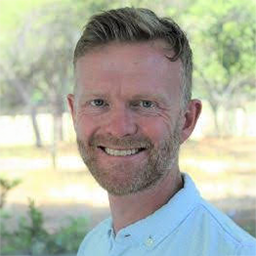
Ben W. Walker is a Senior Lecturer in Educational Development at the Oxford Centre for Academic Enhancement and Development, Oxford Brookes University, since November 2021. He specializes in academic advising, personal tutoring, and inclusive pedagogical practices, with over 20 years of experience in higher education teaching and teacher development. His roles include leading the EXPLORE programme for Advance HE Fellowship, coordinating academic advising initiatives, and serving as Managing Editor of Teaching Insights , Oxford Brookes’ teaching and learning publication. Research Interests: Critical and relational pedagogy, student retention, widening participation, and inclusive practices in higher education. Publications: Focus on personal tutoring frameworks, tutor development, and learner performance assessment. Professional Recognition: Senior Fellow of Advance HE (2016), Vice-Chair of UK Advising and Tutoring Association (2019–2021), External Examiner for Advance HE accredited programmes (2023–present).
Rami Ratvio is a University Lecturer at the Department of Education , Faculty of Educational Sciences , University of Helsinki . He actively contributes to sustainability education research and urban studies, with affiliations to Teachers' Academy Helsinki , Helsinki Institute of Sustainability Science , and Helsinki Institute of Urban and Regional Studies . Research Focus Sustainability competences in higher education Urban spatial dynamics and social mixing Pedagogical approaches for transformative learning Community-driven urban development Key Contributions His work explores faculty/staff sustainability agency, change-maker education, and digital assessment reforms. Recent publications include frameworks for sustainability integration in university curricula and analyses of urban violence patterns in Nordic welfare states. Scientific Recognition Recognized as Member of Teachers' Academy Helsinki since 2015 Active in Sustainability Research and Urban Regional Studies Academic Leadership Coordinates the Doctoral Programme in School, Education, Society, and Culture . Participates in EU Erasmus+ projects like Una.Futura and national initiatives including AAKE: Professional Growth in Natural Sciences Education .
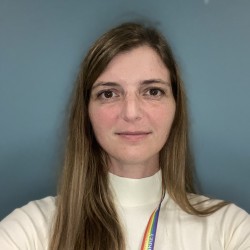
Tracey Connolly is a Lecturer in the School of Education at University College Cork, serving as the Professional Master in Education (PME) Co-Ordinator of School Placement. She teaches History and Structure of Irish Education and team-teaches School Placement Support on the PME programme while supervising Ph.D. and M.Ed. students. As Lead Tutor for PME School Placement, she coordinates the Educational Disadvantage and Multiculturalism module for the Masters in Guidance and Counselling programme, demonstrating her multifaceted role in teacher education and research leadership. Her academic credentials include: Ph.D. (NUI) in History from University College Cork (1999) M.Ed. in Education from University College Cork (2005) M.A. in History from University College Cork (1995) B.A. in History and English from University College Cork (1992) Postgraduate Diploma in Teaching and Learning in Higher Education (2006) Postgraduate Certificate in Teaching and Learning in Higher Education (2005) Diploma in Community & Youth Work (2004) Tracey's research centers on curriculum development, teacher education, and educational disadvantage, with significant contributions to inclusive education models. Her work with schools from 2001-2010 established innovative approaches to educational inclusion through curriculum development, cited by the Higher Education Authority in 2006 as an exemplary model. She emphasizes the OECD's 'Teachers Matter' framework, focusing on reflective practice and research capabilities in initial teacher education. Her scholarship extends to qualitative research methods, Multiple Intelligences theory, educational management, and Irish demographic history. Analysis of her recent publications reveals a strategic progression from historical studies to contemporary educational challenges, with increasing focus on cross-border educational issues between Northern Ireland and the Republic of Ireland. Her work consistently bridges theory and practice, particularly in assessment methodologies and school-university partnerships, demonstrating both academic rigor and practical application in real-world educational settings. Her recognition includes: President's Award for Research on Innovative Forms of Teaching from University College Cork (2005) Tracey has successfully supervised numerous graduate students across diverse research areas including mobile computing for eLearning, historical analysis of Irish secondary schools, and formative assessment practices. She secured €5,682.00 in research funding for the SCOTENS-funded 'Assessment in Teacher Education North and South' project, demonstrating her ability to generate external research support. Her collaborative work with Geraldine Magennis and Alicia Curtin has produced significant contributions to the field through publications, conference presentations, and multimedia educational resources. Professionally active beyond UCC, she serves as an external examiner for an initial teacher education college in Ireland, a Board of Management Member for a Cork City primary school, and an assessor for history teaching with the Teaching Council of Ireland, contributing substantially to educational standards and policy development at national levels.
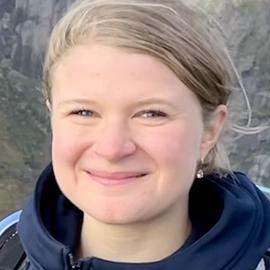
Emma Atakpa is a Senior Researcher in Medical Statistics, Data Science, and Epidemiology at the Nuffield Department of Primary Care Health Sciences , University of Oxford. Her research focuses on developing and validating statistical models for cancer risk prediction, evaluating personalized cancer prevention strategies, and analyzing health inequalities. PhD in Medical Statistics (Queen Mary University of London) MMath in Mathematics with Economics (University of Sussex) Her current work includes: Assessment of breast cancer endocrine therapy uptake and adherence Analysis of cancer patient survival following antibiotic use Longitudinal modeling of blood biomarkers and symptoms to predict liver cancer risk Emma has contributed to large-scale studies on: COVID-19 health inequalities Immunosuppressed patient monitoring Opioid prescribing practices Cardiovascular risk prediction tools (QR4) She actively mentors through: Co-supervision of Academic Clinical Fellows at Oxford Mentorship in the HDR UK Health Data Science Black Internship Programme Her expertise spans statistical methodology, health data science, and clinical research translation in primary care settings.
Dr. Delma Childers is a Senior Lecturer in Medical Sciences at the University of Aberdeen's School of Medicine, Medical Sciences and Nutrition, where she has been employed since 2019 (promoted to Senior Lecturer in 2023). She is a key member of the Aberdeen Fungal Group and the Infection and Immunology Research Programme within the Institute of Medical Sciences. Dr. Childers serves as the Programme Lead for the MSc by Research in Medical Sciences and offers Honours and MSc projects in Biomedical Sciences while also acting as a Personal Tutor. Her educational background includes: PhD in Microbiology & Immunology from the University of Texas Health Science Center at San Antonio (2006-2012) BSc in Biology from Schreiner University, Kerrville, Texas (2003-2006) Dr. Childers' research centers on understanding how fungi adapt to their hosts and antifungal agents to cause infections. Her primary focus investigates how the antifungal-resistant emerging fungal pathogen Candida glabrata (recently renamed Nakaseomyces glabratus) remodels its surface to inhibit host immune activation and control disease outcomes. This work employs cytometric analyses, innate immune interaction assays, and molecular approaches to determine detection mechanisms and immune evasion strategies. Another significant research strand builds on her demonstration that Saccharomyces cerevisiae clinical isolates are predominantly metabolic generalists that have lost glucose repression, exploring how fungal metabolic mechanisms contribute to persistence in hosts. Her overarching goal is to improve understanding of fungal antimicrobial resistance, persistence, and pathogenesis to enhance diagnosis and treatment of serious fungal diseases. Her publication record demonstrates consistent high-impact contributions to medical mycology, with research spanning cell wall biology, immune evasion mechanisms, metabolic adaptation, and antifungal resistance across Candida species. Recent work reveals sophisticated fungal strategies for manipulating host immune recognition through surface remodeling and environmental sensing. Her notable recognitions include: Scientist of the Week during the 2020 Medical Research Zone STEM Ambassador since 2015 Member of the Young Academy of Scotland (2020-2025) Elected Eukaryotic Division member, Microbiology Society (2021-2023) Carnegie Trust Research Incentives Grant (2020-2021) Royal Society Research Grant (2020-2021) Academy of Medical Sciences Springboard Round 6 Award (2021-2023) Dr. Childers actively supervises students including Gabriela Fior Ribeiro (PhD), Erin Slater, Lauren Marshall, and Eszter Denes (MSc researchers), and currently mentors Jonas Lupfer and Logan Tomlinson. She serves as Board of Reviewer for Microbiology journal and participates extensively in public engagement through University of Aberdeen's Doors Open Day, May Festival activities, and Soapbox Science events. Her teaching includes Molecular Microbiology (MC3504) and 'Evaluating and Communicating Research' (MB5529). As an integral member of the Aberdeen Fungal Group, Dr. Childers collaborates across institutional boundaries to investigate fungal pathogenesis using multidisciplinary approaches that combine molecular biology, immunology, and advanced microscopy to understand host-pathogen dynamics at the cellular level.
Liina Mansukoski is a Lecturer in Public Health Nutrition at Hull York Medical School. She leads the meta-evaluation for the UKPRP-funded ActEarly project, developing core outcome sets and analyzing system-level changes to improve child health in disadvantaged areas of Bradford and Tower Hamlets. Her work involves quantitative analysis of longitudinal datasets in collaboration with the Bradford Institute for Health Research. She also teaches in the MBBS Programme and supervises Master's students. Education: PhD in Public Health Nutrition, Loughborough University (2019) MSc(Res) in Anthropology, Durham University BSc in Anthropology, Durham University Research Interests: Liina's work bridges anthropology and human biology, focusing on socioeconomic disparities in child health globally. She specializes in growth pattern analysis, public health intervention evaluation using systems approaches, and leveraging large-scale datasets (including UK/US/Guatemala cohorts). Her methodology includes growth modeling, core outcome set development, and creating sustainable research partnerships with LMIC institutions. Awards & Recognition: Associate Fellowship of the Higher Education Academy Competitive British Academy/Leverhulme Trust Research Grant She maintains collaborative networks with Universidad del Valle de Guatemala, Loughborough University, and the Hospital for Sick Children's Centre for Global Child Health. As Associate Editor for the Journal of Biosocial Science (2023-present), she contributes to academic peer review across human biology and nutrition disciplines.
Prof. Dr. Martin Biewen is a Full Professor of Statistics, Econometrics and Quantitative Methods at the University of Tübingen 's Faculty of Economics and Social Sciences. Since 2023, he serves as Scientific Director of the Institute for Applied Economic Research (IAW Tübingen) and is a member of the Cluster of Excellence - Machine Learning for Science. His research spans income distribution , labor economics , education economics , and microeconometrics , with recent work applying machine learning to inequality analysis. PhD, University of Heidelberg (2000) Habilitation, University of Mannheim (2005) His methodological innovations include bootstrap inference for inequality measurement and Stata implementations of decomposition techniques. He has served on multiple advisory boards including the German Federal Ministry of Labour and Social Affairs and the German Economic Association 's standing committees. Current grants include DFG Priority Programme 1764 and leadership roles in the LEAD Graduate School. Articles demonstrate expertise in minimum wage impacts , wealth inequality , and gender gaps in economic literacy . He has developed statistical software packages for Stata and R used in inequality analysis across 20+ journals.
Cathérine Hartmann is a Lecturer and Co-Head of Section for Environmental and Sustainability Psychology at the Psychological Institute within ZHAW School of Applied Psychology, Zurich. Her roles include membership in the Sustainable Development Committee (SDC) and serving as ZHAW Sustainability Manager for her school. She is a Research Associate at the Zurich Knowledge Center for Sustainable Development (ZKSD). Education: Master of Science in Psychology (Environmental Psychology/Human-Technology Interaction) from Otto-von-Guericke-University Magdeburg (2011–2015) Bachelor of Science in Psychology from University Hamburg (2007–2011) Continuing Education in Sustainability Management at University of Lisbon (2009–2010) 2024 ZFH Women's Leadership Programme completion Research Interests: Focuses on Environmental and Sustainability Psychology, Behavior Change Interventions, and Human-Environment Interaction. Her work explores sustainable behavior in organizations, food systems, and campus sustainability practices. Current projects include the Farm to Table initiative and reducing single-use waste in universities. Key Projects: Team member in Farm to Table 2.0 (ongoing) Contributed to Sustainable Packaging Architecture and Farm to Table in Toni Areal (completed) Teaching: Courses include Environmental Sustainability, Behavioral Psychology for Circular Economy Management, and Behavioral Change in MSc programs.
Dr Stuart Cockbill is a Lecturer in Design at Loughborough University's School of Design and Creative Arts, specializing in service design, inclusive design, and design research methods. He leads the BA (Hons) Design and Industrial Design Programmes, focusing on service design, experience design, and industrial design pedagogy. His professional background includes practical design skills spanning field research, design development, and advanced methodologies. Education includes a Ph.D. from Loughborough University and MSc/MDes degrees in Inclusive Design and Consumer Product Design from Coventry University. His research explores the intersection of sustainability, user experience, and socially responsible design practices, with a particular emphasis on energy systems, emerging markets, and critical design theory. Recent work highlights include studies on prefigurative design frameworks, e-cooking experiences in Kenya, and the sustainability of convenience food. He has also contributed to understanding energy retrofit challenges and public participation in service design. His publications reflect a commitment to advancing design pedagogy and methodologies across multiple sectors. Stuart has not yet been awarded any scientific prizes or fellowships, but his contributions to design education and applied research are significant. As Programme Leader, he mentors students through innovative teaching approaches that blend UX design with traditional industrial practices.
Aoife Brophy is a Departmental Research Lecturer in Innovation and Enterprise at Saïd Business School, University of Oxford, with a joint appointment at the Smith School of Enterprise and the Environment. She leads the business model workstream at CO2RE and is Co-Investigator at Oxford Net Zero, focusing on climate action and sustainable development. Her research emphasizes systemic environmental challenges, sustainable business models, and policy mixes for off-grid energy in sub-Saharan Africa. She co-founded the Sustainable and Inclusive Innovation Africa initiative, supporting startups across the continent. Education: PhD from Judge Business School (University of Cambridge), MA from Johns Hopkins SAIS, BA from Trinity College Dublin. Teaching roles include the MBA program, MSc in Sustainability, Enterprise and the Environment, and executive education via the Oxford Climate Emergency Programme. Research interests span sustainable entrepreneurship, climate policy, and innovation ecosystems. Recent engagement includes webinars on green recovery, podcast discussions with Al Gore, and stakeholder workshops in Uganda/Zambia. She has contributed to projects like RISE (2018-2020), focusing on renewable energy scalability. Labs/Teams: Oxford Net Zero, CO2RE, Sustainable and Inclusive Innovation Africa initiative. No scientific awards listed. Advising/Grants: Leads CO2RE business model initiatives and RISE project. No formal student advisees listed.
Federica Sarro is a Professor of Software Engineering at the Department of Computer Science, University College London (UCL). She leads the SOLAR group, focusing on Predictive Analytics, Search-Based Software Engineering, and Empirical Software Engineering. Her research emphasizes software testing, effort estimation, and app store analysis, with over 70 peer-reviewed publications and collaborations with 20+ institutions worldwide. Her research has been supported by grants including the €2.1M ERC EPIC grant and a £6.8M EPSRC Programme Grant (DAASE). She has supervised numerous PhD students and postdoctoral researchers, including graduated scholars like Afnan Al-Subaihin and William Martin. She is actively involved in program committees and editorial roles, including Associate Editor for ACM TOSEM and IEEE Transactions on Evolutionary Computation. Key achievements include the ACM Distinguished Paper Award (2019), the GECCO-HUMIES Medal (2016), and leadership roles in conferences like ICSE, FSE, and SSBSE. Her work bridges software engineering with machine learning and data analytics, addressing challenges in testing, defect prediction, and agile practices.
Dr Julie-Ann Sime is a Lecturer in Educational Research at Lancaster University's Faculty of Arts and Social Sciences (FASS). She specializes in technology-enhanced learning (TEL), focusing on inclusive education for neurodiverse learners and innovative pedagogical designs. Her work emphasizes AI integration, virtual learning environments, and group-based learning strategies. Dr Sime has extensive teaching experience across undergraduate, master's, and doctoral programs, including leading the Doctoral Programme in e-Research and Technology Enhanced Learning since 2008. She has supervised over 30 PhD students and examined numerous theses. Her external roles include advising the European Institute of Innovation and Technology (EIT), European Commission grant evaluations, and quality assessments for international universities. Her research spans 30+ years, with over 100 publications and 10+ funded European projects. Notable contributions include the CIELL mobile app (winner of the 2021 ELTon Award) and the Digital Wellbeing Educators initiative. Key areas of focus are inclusive design for dyslexia/ADHD/autism, game-based learning, and virtual/augmented reality applications in education. Dr Sime's awards include the British Council's ELTon for Digital Innovation and multiple ERASMUS+ recognitions. She contributes to academic communities through roles as an external examiner for Heriot-Watt University and active participation in conferences like the Networked Learning Conference. Her current interests include design-based research methodologies, MOOC development, and leveraging emerging technologies such as haptics and holography for enhanced educational experiences. She leads research groups in Social Justice in Education and Technology-Enhanced Learning at Lancaster University.
Dr Antonios Gouglidis is a Senior Lecturer in the Department of Computing and Communications at Lancaster University, specializing in theoretical and applied security. His research focuses on designing secure systems through the integration of theoretical informatics and practical industry experience. His research interests span several critical areas in cybersecurity including access control models and policies , Cloud security , Critical Infrastructure Protection (CIP) , and formal verification through model checking. His work bridges theoretical security concepts with practical implementation challenges. Analysis of his recent publications (2022-2025) reveals a strong focus on emerging security challenges in cloud environments, 5G networks, and operational technology. His research demonstrates particular expertise in multi-layer threat analysis, security-vs-QoS optimization, and formal verification techniques. He frequently applies game theory approaches to security problems and has increasingly incorporated AI/ML techniques into his security frameworks. Dr Gouglidis has supervised PhD students including Ovini Gunasekera and Igor Ivkic. His research has been supported by significant projects such as: SL:H2020 SANCUS (2020-2023) BEIS: Nuclear Research and Development Programme (2019-2022) Enable Ancillary Services bY Renewable Energy Sources (2018-2021) Towards Ultimate Convergence of All Networks (2017-present) Resilient communication services protecting end-user applications (2016-2020) His work has practical applications in critical infrastructure protection, particularly in energy sector systems and industrial control environments. Dr Gouglidis maintains an active research profile with consistent publication output across top security venues.
Dr. Neza Mrzdovnik is a Lecturer in Veterinary Education & Training at the University of Surrey's School of Veterinary Medicine, Department of Veterinary Clinical Sciences. Her professional journey includes clinical internships at the University of Ljubljana and the University of Liège, followed by a PhD in Veterinary Sciences focusing on immune responses in asthmatic horses and mesenchymal stem cell treatments. Prior to her academic role, she managed the BSc (Hons) Veterinary Physiotherapy programme at Plumpton College. Education : Bachelor of Veterinary Medicine, Faculty of Veterinary Medicine, University of Ljubljana Clinical Internships in Equine Clinics (Ljubljana and University of Liège) Master of Specialization in Specialized Veterinary Medicine PhD in Veterinary Sciences (Equine Clinic, Veterinary Faculty, University of Ljubljana) Research Interests : Her research emphasizes regenerative medicine applications in equine respiratory diseases, particularly mesenchymal stem cell therapies for equine asthma. She also explores zoonotic ectoparasitoses and alternative treatments like homeopathic remedies in veterinary contexts. Her work bridges clinical practice and academic innovation in equine health and veterinary education. Publications : Her articles reflect a focus on stem cell therapies, equine respiratory disorders, and zoonotic parasitology. Recent work includes systematic reviews on regenerative medicine and clinical trials evaluating stem cell efficacy in equine asthma. Awards : No scientific awards explicitly listed. Advising & Grants : No listed advisees or grants. Previously managed educational programmes in veterinary physiotherapy. Labs/Teams : No specific lab or team affiliations mentioned in the text.
Ina Berenice Fink is a Researcher and PhD candidate at RWTH Aachen University's Chair of Communication and Distributed Systems. She holds an M.Sc. in Computer Science (2019) and is affiliated with both the Security and Privacy Group and Cyber-Physical Systems Group. Her work focuses on securing communication in critical infrastructure and industrial environments. She has served as a part-time lecturer at FH Aachen and actively contributes to teaching through seminars, labs, and thesis supervision. Notable awards include the 2020 Women’s STEM Award for her master’s thesis on in-network security and the 2019 Female Student Travel Award. Her research spans projects like VeN2uS (low-latency critical infrastructure communication), CONSENT (smart home security), and myneData/TRINICS. She has published extensively on topics including network monitoring, resilient smart grid communication, and industrial IoT security. Her work combines programmable networking, protocol evaluation, and cybersecurity frameworks to address real-world challenges in distributed systems. In teaching, she supervises bachelor’s/master’s theses on network emulation, industrial security, and programmable data planes. Her advising record includes over a dozen theses with topics ranging from starlink performance evaluation to secure industrial MUD frameworks. She collaborates across RWTH departments and external institutions, contributing to both academic conferences and applied security solutions.