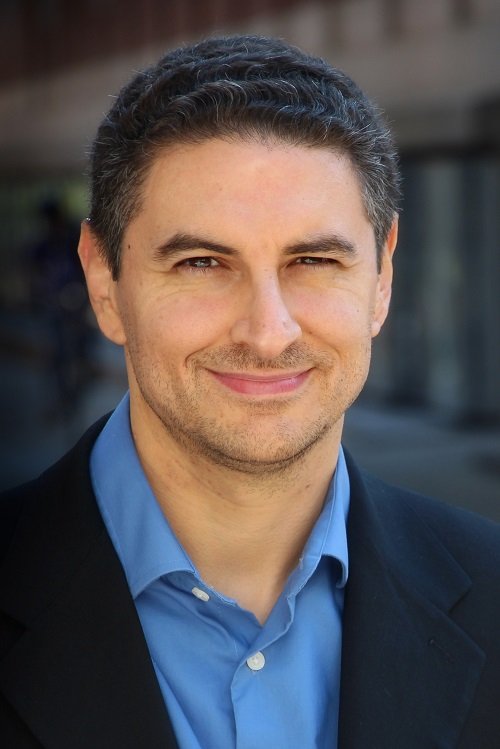
Michael McAlpine is a Professor in the Mechanical Engineering department at the University of Minnesota . He also holds affiliations with the Biomedical Engineering and Electrical and Computer Engineering departments. His research focuses on 3D printing functional materials & devices , Nanoscale inks , Biomedical devices , Bioelectronics , and Flexible Microsystems . Research Interests : 3D Printing, Biomedical Engineering, Nanotechnology, Flexible Electronics, Microfluidics Labs : ME 361/363 Contact : mcalpine@umn.edu , (612) 626-3303, ME 117 Recent Research Trends include 3D Printed Biomedical Devices , Flexible Electronics , and Bioprinting Applications . His work spans from Spinal Organoid Formation to Programmable Drug Release Capsules . Scientific Award : Circulation Research 2020 Best Manuscript Award
Rebecca Schulman is an Associate Professor in the Department of Chemical and Biomolecular Engineering at the Whiting School of Engineering, Johns Hopkins University. She holds secondary appointments in Chemistry and Computer Science and is affiliated with multiple interdisciplinary institutes, including the Institute for NanoBioTechnology, the Hopkins Extreme Materials Institute, the Chemistry-Biology Interface Program, the Center for Cell Dynamics, and the Laboratory for Computational Sensing and Robotics. She currently co-directs the Passport to Future Technology Leadership program for PhD students. Research Interests: Schulman's research lies at the intersection of DNA nanotechnology, synthetic biology, and smart materials. Her group develops intelligent, adaptive biomolecular materials and nanostructures by integrating concepts from materials science, biochemistry, circuit design, and soft matter physics. The team focuses on engineering dynamic self-assembly processes using DNA to create reconfigurable materials, molecular circuits, and autonomous soft micro-robots. Key themes include self-healing nanostructures, feedback-regulated crystallization, programmable hydrogels, and synthetic genetic networks for materials control. Publication Trends: Her recent publications demonstrate a consistent focus on using DNA-based chemical reaction networks to program spatial and temporal behavior in materials. The work spans from fundamental mechanisms like catalytic polymerization and crystal growth regulation to applications in soft robotics, self-wiring circuits, and synthetic pattern formation. The research is highly interdisciplinary, combining synthetic biology with materials engineering to achieve life-like functionalities in non-living systems. Scientific Awards: AIMBE Fellowship Award Vannevar Bush Faculty Fellowship Award Hartwell Individual Biomolecular Research Award President’s Early Career Award in Science and Engineering (PECASE) DARPA Young Faculty Award DARPA Directors Fellowship NSF CAREER Award Turing Scholar Award DOE Early Career Award Advising and Grants: Schulman mentors graduate students and leads a vibrant research group focused on next-generation biomolecular engineering. Her work is supported by major federal grants, including the NSF CAREER, DOE Early Career, DARPA, and the Vannevar Bush Fellowship—a prestigious Department of Defense award for basic research. She is actively involved in training future leaders through programs like the Passport to Future Technology Leadership. Labs and Teams: The Schulman Lab at Johns Hopkins is a multidisciplinary team working on DNA-powered materials and molecular programming. The lab is embedded within several collaborative centers, enabling strong cross-departmental and cross-institutional research. Their work combines experimental biochemistry with theoretical modeling to design and implement complex molecular systems.
Lauren Andrews serves as Associate Professor and Marvin and Eva Schlanger Faculty Fellow in the Department of Chemical Engineering at the University of Massachusetts Amherst. Her research integrates synthetic biology and genetic engineering to develop programmable cellular systems for biotechnological applications. Education: Postdoctoral Training: Massachusetts Institute of Technology (Biological Engineering and Broad Institute of MIT and Harvard) PhD: University of Colorado Boulder, Chemical Engineering (2012) MS: University of Colorado Boulder, Chemical Engineering (2009) BS: Cornell University, Chemical Engineering (2006) Dr. Andrews' research focuses on establishing genetic design rules for reprogramming cellular regulation and metabolism. Her lab pioneers synthetic gene networks, genetically-encoded biosensors, and high-throughput methodologies for optimizing genetic designs in both model and non-model bacteria. This work enables precise control of cellular sensing, memory, and environmental responses through multiplexed DNA assembly and next-generation sequencing. Analysis of her 15 most recent publications reveals dominant themes in bacterial biosensor development (particularly for bioremediation), quorum sensing engineering, and programmable genetic circuits for probiotic applications. Her research consistently bridges fundamental genetic circuit design with practical implementations in bacterial consortia and non-model organisms. Scientific Awards: Marvin and Eva Schlanger Faculty Fellowship NSF CAREER Award (2020) for "Programmable synthetic microbial consortia for complex multicellular functions" Her grant portfolio demonstrates significant funding for collaborative research in bacterial communication systems and model-guided design of synthetic ecosystems. The Andrews Lab maintains active partnerships with the MIT-Broad Foundry and Cold Spring Harbor Laboratory, where she co-founded the Synthetic Biology Summer Course. Current projects focus on CRISPR-based regulation in non-model bacteria and algorithmic programming of sequential logic in probiotic strains. The Andrews Lab operates within the Life Science Laboratories at UMass Amherst, utilizing advanced facilities for genetic prototyping and high-throughput screening. Her team develops multiplexed tools for exploring genetic design spaces, with particular emphasis on soil bacteria and Gram-positive pathogens for environmental and therapeutic applications.
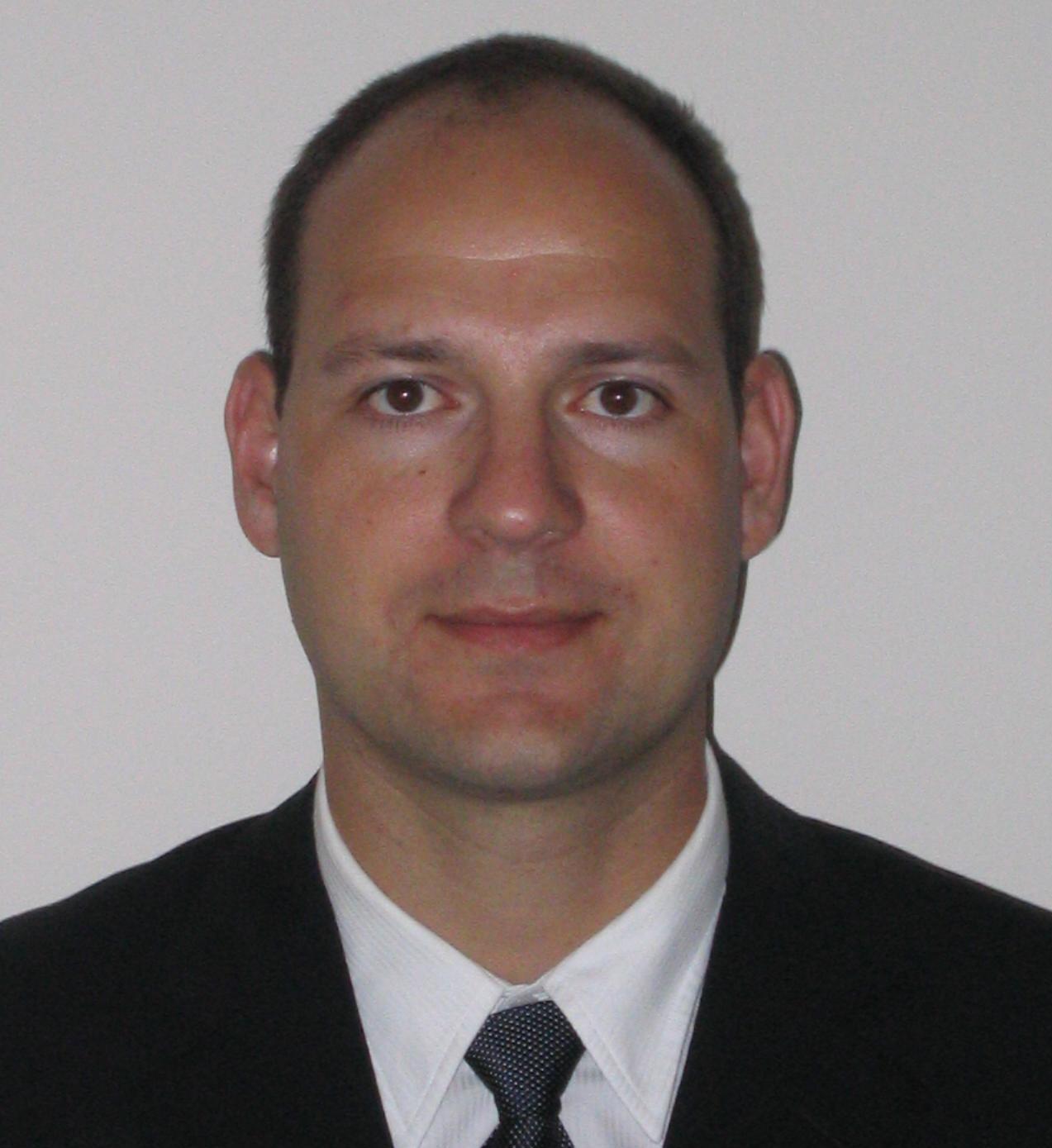
Matthew Lakin is an Associate Professor with tenure in the Department of Computer Science at the University of New Mexico, with a courtesy appointment in the Department of Chemical & Biological Engineering. He is affiliated with the UNM Center for Biomedical Engineering and the School of Engineering, and collaborates extensively with the UNM Health Sciences Center and external institutions. Education: Ph.D., Computer Science, University of Cambridge, 2010 M.A. (Cantab), University of Cambridge, 2009 B.A. (Hons), Computer Science, University of Cambridge, 2005 Dr. Lakin's research focuses on molecular computing, DNA nanotechnology, synthetic biology, and formal verification of biomolecular circuits. He develops computational models and experimental systems for programmable biological devices, especially using heterochiral DNA to enhance stability in living cells. His work spans software tools for biodesign and experimental validation in mammalian systems, with applications in nanomedicine and biosensing. The recent publications highlight a strong trend in engineering robust, intelligent biomolecular systems. His work integrates machine learning concepts into chemical reaction networks, advances geometric modeling of DNA systems, and pioneers L-DNA-based circuits for intracellular applications. The research spans theoretical foundations, software tools, and wet-lab experimentation, emphasizing interdisciplinary innovation. Scientific Awards: Presidential Early Career Award for Scientists and Engineers (PECASE), 2025 NSF CAREER Award, 2021 UNM School of Engineering Junior Faculty Research Excellence Award, 2021 Multiple student awards under his mentorship, including the Outstanding Graduate Student Award and DNA28 Best Student Presentation recognition Dr. Lakin has advised numerous graduate and undergraduate students, including Ph.D. graduates in Biomedical Engineering and Computer Science. He leads major funded projects such as the NSF CAREER grant on heterochiral molecular computing, an EPSCoR Research Fellowship, and a $3M NSF grant on heavy metal biosensing in collaboration with Native American communities. He is also PI on multiple NSF grants related to synthetic cells and nucleic acid technologies. He directs the Lakin Lab for Programmable Biology, which operates within the Department of Computer Science and collaborates with Chemical & Biological Engineering and the Center for Biomedical Engineering. The lab emphasizes both computational modeling and experimental molecular biology, and runs an NSF-funded biotechnology summer camp in partnership with ¡Explora! science museum to strengthen STEM education in New Mexico.
David Blaauw is the Kensall D. Wise Collegiate Professor of Electrical Engineering and Computer Science (EECS) at the University of Michigan. His research focuses on ultra-low-power analog/mixed-signal circuits, mm-scale sensors, neural networks, and biomedical applications. He leads the Blaauw Lab, which has pioneered innovations like the Michigan Micro Mote (M^3) and neural recording probes. His work emphasizes real-world deployability, with applications in environmental monitoring (e.g., monarch butterflies), medical devices, and robotics. Education: B.S. in Physics and Computer Science, Duke University (1986) Ph.D. in Computer Science, University of Illinois Urbana-Champaign (1991) Research Interests: Blaauw’s lab explores ultra-low-power computing, mm-scale systems, RF communication, in-memory computing, and genomics acceleration. Key projects include: Millimeter-scale computers (e.g., 0.04mm³ temperature sensors) Wireless neural interfaces for brain-machine communication Energy-efficient accelerators for edge AI and genomics Micro-robotics with sensing/actuation/computation Awards: IEEE Fellow 2016 SIA-SRC Faculty Award Motorola Innovation Award Best Paper Awards at ISSCC, ISCA, and RFIC Advising & Impact: Over 600 publications, 65 patents, and 4 startup companies spun from his lab. Current research includes genome sequencing accelerators (GenAx) and neural recording dust for brain mapping. He directs the Michigan Integrated Circuits Lab and chairs major conferences like ISSCC and DAC. Labs/Teams: Blaauw Lab (University of Michigan) Michigan Integrated Circuits Lab (MICAL)
Yiorgos Makris is a Professor in the Department of Electrical and Computer Engineering at the Erik Jonsson School of Engineering & Computer Science, The University of Texas at Dallas, since July 2011. Previously, he was a faculty member at Yale University for over a decade. He holds a Ph.D. in Computer Engineering from the University of California, San Diego, and a Diploma in Computer Engineering from the University of Patras, Greece. Education: Ph.D. in Computer Engineering, University of California, San Diego (2001) M.S. in Computer Engineering, University of California, San Diego (1997) Diploma in Computer Engineering and Informatics, University of Patras, Greece (1995) Research Interests: Hardware Security and Trustworthiness Statistical Side-Channel Fingerprinting Machine Learning in Semiconductor Manufacturing Trusted and Reliable Integrated Circuits Hardware Trojans in Wireless Cryptographic ICs On-Die Learning and Emergent Technologies His work focuses on enhancing hardware security through statistical methods, machine learning, and formal verification, with applications in analog/RF ICs, post-production calibration, and secure IC design. Key Contributions: Co-Founder and Site-PI of NSF CHEST I/UCRC (Hardware and Embedded System Security and Trust) Leader of the Safety, Security, and Healthcare Thrust at TxACE (Texas Analog Center of Excellence) Director of the Trusted and RELiable Architectures (TRELA) Lab Grants and Funding: NSF, NIH, SRC, ARO, AFRL, AFWERX, DARPA, DOE, and industry partnerships with Boeing, Northrop Grumman, IBM, Intel, Qualcomm, etc. Recent grants include projects on DNA storage security, analog neural networks, and malicious hardware detection. Awards and Recognition: IEEE Fellow (2025) Best Paper Awards at DATE'13, VTS'15, DCAS'22 Best Hardware Demonstration Awards at HOST'16 and HOST'18 Erik Jonsson School Faculty Research Award (2020) Labs and Teams: TRELA Lab (Focus: Secure Hardware Design, Trusted Architectures) CHEST I/UCRC (Industry-University Collaboration)
Giulia Semeghini is an Assistant Professor of Applied Physics at Harvard University's School of Engineering and Applied Sciences (SEAS) . Her research focuses on experimental investigations of highly-entangled phases of matter and quantum information processing using programmable atom arrays. The Semeghini Lab, part of the Harvard Quantum Initiative (HQI) and the Center for Ultracold Atoms (CUA), explores intersections between condensed matter physics, high-energy physics, and quantum chemistry. Key achievements include assembling an ultra-high vacuum chamber for atom arrays in 2024 and relocating to the Goel building (HQI's new home) in April 2024. The lab actively recruits students and researchers for open positions at all levels. Research themes span quantum simulation, topological qubits, entanglement engineering, and scalable quantum architectures. Publications emphasize quantum gate implementations, hybrid atom systems, and variational Monte Carlo enhancements. No scientific awards are explicitly listed, but contributions to quantum hardware and algorithms are notable. The lab collaborates widely, aiming to bridge theory and experiment in quantum technologies.
Elliot Hui, Ph.D., is an Associate Professor in the Department of Biomedical Engineering at the University of California, Irvine (UCI), within the Samueli School of Engineering. His research focuses on biological microtechnology, including spatial cell biology, microscale tissue engineering, global health diagnostics, and microfluidic computing. He leads the Hui Lab, which develops tools for automating biochemical reactions, controlling cellular organization, and understanding tissue development dynamics. Key achievements include pioneering microfluidic logic systems for autonomous laboratory automation and creating novel cell culture platforms to study intercellular communication in tissues. His work bridges engineering and biology, addressing challenges in diagnostics and regenerative medicine. Notable contributions include the development of a programmable finite state machine for microfluidic control and a SLAS Fellowship awarded to his student Erik. Research Interests: Microfluidic devices, cell-cell interaction modeling, tissue engineering, and lab-on-a-chip systems. Labs/Teams: Hui Lab at UCI, specializing in microscale biological systems and automation. Publications span topics such as microfluidic computing architectures, tissue dissociation devices, and Bayesian experimental design. His work emphasizes applications in global health diagnostics and mechanistic studies of cellular processes.
Professor Ahmet Bindal is a faculty member in the Department of Computer Engineering at San José State University . He earned his B.S. in Electrical Engineering from Bogazici University, Turkey, followed by M.S. and Ph.D. degrees from the University of California, Los Angeles. Industry Experience : 20 years at IBM, Intel, Philips, and Cadence Design Systems. Current Research : Nano-scale electron devices, silicon nanowire transistors, robotics, and VLSI architecture. Research Trends : His work focuses on silicon nanowire transistors for VLSI, FPGA, and robotics. Key themes include low-power/high-speed integrated circuits , dynamic logic design , neuromorphic engineering , and advanced semiconductor processing . Patents and Publications : He holds four U.S. patents (three with IBM, one with Intel). His 30+ journal and conference publications span nanowire transistors, FPGA architecture, robotics, and semiconductor process modeling. Teaching Contributions : Developed an undergraduate System-on-Chip (SoC) course and a MOSFET design laboratory at SJSU. Books Authored : Fundamentals of Computer Architecture and Design (Springer, 2017). Electronics for Embedded Systems (Springer, 2017). Silicon Nanowire Transistors (Springer, 2017).
Dr. Yuhang Hu is an Associate Professor at the Georgia Institute of Technology, affiliated with the George W. Woodruff School of Mechanical Engineering and the School of Chemical and Biomolecular Engineering. Her research focuses on soft active materials, particularly hybrid systems combining solid and liquid components. She explores chemo-mechanical modeling, mechanical characterization of soft materials, and the development of dynamic multi-functional materials for applications like energy conversion and biomedical devices. Education: Ph.D. in Engineering Sciences from Harvard University (2011), M.S. in Applied Physics (Harvard, 2009), and prior degrees from Nanyang Technological University and Shanghai Jiao Tong University. She previously held positions at the University of Illinois at Urbana-Champaign and Harvard. Research Interests: Soft materials mechanics, stimuli-responsive gels, bio-inspired materials, and material characterization challenges. Her work integrates experimental and theoretical approaches to bridge mechanics and materials chemistry. Outreach: Active in STEM education through initiatives like B.T. Washington Elementary STEM Academy and the Midwest Experimental Mechanics Student Conference. Her lab emphasizes interdisciplinary innovation at the Chemomechanics of Soft Materials Lab.
Nadia Figueroa is the Shalini and Rajeev Misra Presidential Assistant Professor in the Mechanical Engineering and Applied Mechanics (MEAM) Department at the University of Pennsylvania . She holds secondary appointments in Computer and Information Science (CIS) and Electrical and Systems Engineering (ESE) , and is a core faculty member at the General Robotics, Automation, Sensing & Perception (GRASP) Laboratory . Before joining Penn, she was a Postdoctoral Associate at MIT's CSAIL under Prof. Julie A. Shah and earned her Ph.D. at EPFL with Prof. Aude Billard. Her academic journey includes research roles at DLR and NYU Abu Dhabi , along with degrees from Monterrey Tech (B.Sc.) and TU Dortmund (M.Sc.) . Education: Ph.D. in Robotics, Control and Intelligent Systems, EPFL (2019) M.Sc. in Automation and Robotics, TU Dortmund B.Sc. in Mechatronics, Monterrey Tech Her research focuses on adaptive intelligence for robots to learn from and interact with humans, emphasizing fluid collaboration in safety-critical applications. Key areas include reactive control algorithms , human-robot co-manipulation , and real-time navigation . Techniques integrate machine learning , control theory , and perception to ensure stability, safety, and robustness in dynamic environments. Recent work trends highlight reactive motion policies for imitation learning, dynamical systems modulation with non-convex obstacles, and EEG-based intent detection for assistive robotics. She also explores soft robotics with MORF systems and SE(3) control for end-effector precision. Her publications reflect interdisciplinary approaches at the intersection of robotics, AI, and human biomechanics . She has taught MEAM-520 Introduction to Robotics at Penn and served as Head Teaching Assistant at EPFL for courses like MICRO-401 Machine Learning Programming . Her Figueroa (Human-Centered) Robotics Lab , established in 2022, collaborates with institutions like MIT and EPFL to advance fluid human-robot autonomy.
Yasu Xu is a Postdoctoral Researcher at the McGovern Institute for Brain Research, part of MIT's renowned Brain and Cognitive Sciences program. Their research focuses on synthetic biology, particularly leveraging CRISPR-Cas systems to engineer programmable gene circuits in Escherichia coli. Xu's work emphasizes the design of bistable genetic toggle switches and plasmid systems with tunable copy numbers, integrating principles from physics and systems biology to improve CRISPR-based circuit performance. Research interests span synthetic biology, gene regulation mechanisms, and microbial engineering with applications in biotechnology and biomedical research. Xu's contributions address challenges in programmable genetic systems, including circuit stability, thermodynamic determinants of CRISPR-Cas interactions, and high-throughput assay development.
Cole A. DeForest is a Weyerhaeuser Endowed Professor and Associate Professor in the Department of Chemical Engineering at the University of Washington, where he also serves as Associate Chair for Graduate Studies. Additionally, he holds appointments as Associate Professor in Bioengineering and Adjunct Associate Professor in Chemistry, and is the Director of Education at the Molecular Engineering & Sciences Institute and a Core Faculty member at the Institute for Stem Cell & Regenerative Medicine. Dr. DeForest earned his Ph.D. in Chemical and Biological Engineering from the University of Colorado, Boulder in 2011 and completed postdoctoral training at Caltech before joining the UW faculty in 2014. His research focuses on developing user-programmable hydrogels with tunable biochemical and biophysical properties, utilizing cytocompatible bioorthogonal chemistries, particularly those initiated with light. His work spans several key areas including User-Programmable Biomaterials for Directing Dynamic Stem Cell Fate, Biomolecular and Tissue Engineering, Controlled Delivery of Therapeutics to Treat Disease, and Tool Development for Enhanced Proteomic Studies. His publication record demonstrates consistent high-impact contributions to biomaterials science, with numerous papers in Nature family journals, JACS, and Advanced Materials. His research approach integrates principles of rational design with fundamental concepts from material science, synthetic chemistry, and stem cell biology to create next-generation materials addressing health-related problems. UW College of Engineering Junior Faculty Award (2020) Society for Biomaterials Young Investigator Award (2020) Society for Biomaterials Mid-Career Award (2025) NSF CAREER Award (2017) UW Presidential Distinguished Teaching Award (2016) 35 Under 35 Award, AIChE Bioengineering Category (2017) Dr. DeForest has mentored numerous graduate students, postdocs, and undergraduates, many of whom have received prestigious fellowships including NSF GRFP, NIH F30, and HHMI Gilliam Fellowships. His lab has secured significant funding including collaborative grants from the Institute for Translational Health Sciences, the Institute for Stem Cells & Regenerative Medicine, and the Allen Institute for Brain Science. His educational leadership extends to directing the MolES Education program and teaching courses including Biological Frameworks for Engineers and Biomaterials Seminar.
Stephen Taylor is a Professor of Computer Engineering at Dartmouth College's Thayer School of Engineering. His research focuses on cybersecurity, distributed computing, and embedded systems security. He has held leadership roles including DARPA Program Manager and Air Force Research Laboratory IPA. Taylor's work includes foundational contributions to the National Cyber Range and Air Force Cyber Experimentation Environment. Education: BSc in Computer Systems from Essex University (1982), MSc in Computer Science from Columbia University (1985), and PhD in Computer Science from the Weizmann Institute (1989). Research emphasizes resilient operating systems for cloud computing, security mechanisms for embedded systems, and large-scale experimentation infrastructure. Awards include the USAF Exemplary Civilian Service Medal and Secretary of Defense Medal for Public Service. Teaches courses on microprocessors, software design, and cyberspace technology. Advises on multi-disciplinary projects and has authored 4 books and over 25 journal articles. His lab explores hardware-software co-design for cyber resilience and soil-based sustainable computing.
Nathir Rawashdeh is an Assistant Professor in the Department of Applied Computing at Michigan Technological University , with an affiliated appointment in Electrical and Computer Engineering . He is a Senior Member of the IEEE and a member of the Institute of Computing and Cybersystems (ICC) and Great Lakes Research Center . Education: Ph.D., Electrical Engineering, University of Kentucky, 2007 MS, Electrical and Computer Engineering, University of Massachusetts, Amherst, 2003 BS, Electrical Engineering, University of Kentucky, 2000 Dr. Rawashdeh's research focuses on unmanned vehicle perception , image analysis , control systems , and mechatronics , with applications in autonomous driving, winter weather adaptation, and industrial automation. His work includes sensor fusion, deep learning, and AI-enhanced manufacturing solutions. Recent publications highlight advancements in winter weather autonomous driving , UV disinfection robotics , and AI-driven industrial inspection systems . His research spans mechatronics curriculum development, industry 4.0 integration, and cross-cultural educational initiatives. Scientific Awards: Senior Member of the IEEE Dr. Rawashdeh has secured over $2 million in funding from organizations including the NSF , Ford Motor Co. , NIST , and the European Commission . His grants support projects like GPU clusters for research, winter weather autonomous driving standards, and UV sterilization robotics. He leads the Mobile Robotics Lab at Michigan Tech, focusing on collaboration and innovation in autonomous systems and mechatronics research.