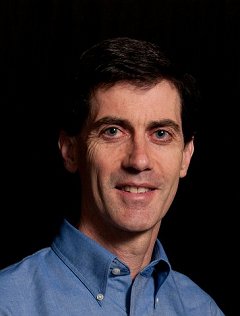
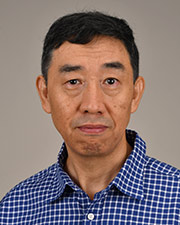
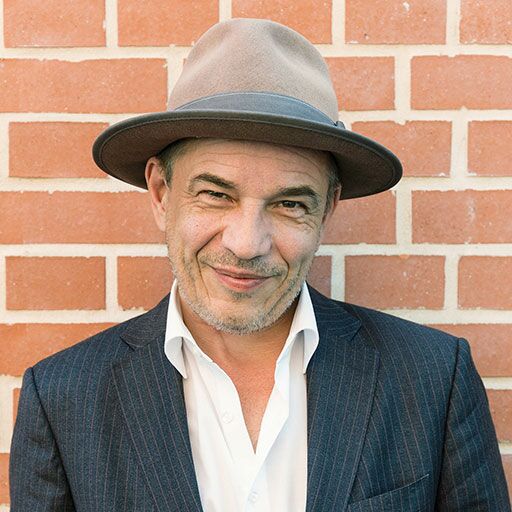
Thomas W. Reps is the J. Barkley Rosser Professor & Rajiv and Ritu Batra Chair Emeritus at the University of Wisconsin-Madison , where he has been a faculty member since 1985. He is also President of GrammaTech, Inc., and a co-founder of the company. Education: Ph.D. in Computer Science from Cornell University (1982), winner of the 1983 ACM Doctoral Dissertation Award. Reps’s research spans program analysis , abstract interpretation , model checking , and computer security . His recent work focuses on quantum computing verification , probabilistic program analysis , and symbolic methods for static analysis . His publications (over 225) include foundational contributions to program slicing (1988 paper with Horwitz and Binkley, cited >1,780 times), machine-code analysis (ETAPS Best-Paper Awards in 2004 and 2008), and programming environments (co-author of The Synthesizer Generator ). Key awards include the ACM SIGPLAN Programming Languages Achievement Award (2017) , Guggenheim and Packard Fellowships , and ACM Fellow (2005) . Students: Mentored award-winning graduates like Akash Lal (SIGPLAN Outstanding Dissertation) and Venkatesh Srinivasan (Outstanding Graduate Student Research Award).
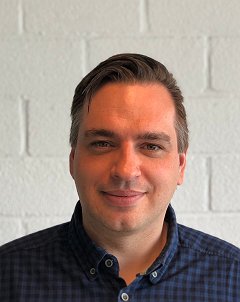
Coen De Roover is a Professor at the Vrije Universiteit Brussel (VUB) since October 2015, affiliated with the Software Languages Lab (SOFT) where he leads the Code Analysis and ManiPulation (CAMP) subgroup. He serves as programme director for the bachelor's program in Computer Science since the 2019-2020 academic year. His research focuses on the design of program analyses and their application to software quality problems , with particular expertise in static and dynamic analysis techniques. Key research areas include: Soft verification of contracts and incremental abstract interpretation Fine-grained change analysis of individual commits Mining for change patterns across multiple commits Vulnerability detection in infrastructure code (particularly Ansible) Concolic testing and resilience analysis Recent publication trends show increasing focus on infrastructure as code security, WebAssembly analysis, and modular abstract interpretation frameworks. His work bridges theoretical program analysis with practical software engineering applications, often validated through empirical studies on open-source projects. As an active contributor to the software engineering community, he has served on program committees for major conferences including ASE, ECOOP, ICSE, and SPLASH. His leadership roles include steering committee positions for GPCE and SANER, and program co-chair roles for International Conference on Program Comprehension. De Roover directs the CAMP research subgroup which has published over 120 peer-reviewed articles. The group develops practical analysis tools while advancing theoretical foundations of program analysis, with recent work focusing on infrastructure code security and WebAssembly analysis.
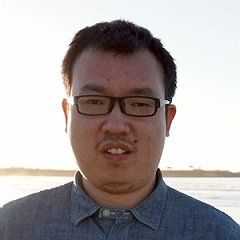
Ding Li is an Assistant Professor in the School of Computer Science at Peking University. He holds a Ph.D. in Computer Science from the University of Southern California (USC) and a B.S. from Peking University. His research focuses on program analysis, energy optimization for mobile applications, and security, with publications in top conferences including ICSE, FSE, and ASE. His research interests span: Program Analysis : Techniques to optimize mobile application energy consumption. System Security : Identifying vulnerabilities in Android apps and WebAssembly binaries. Cloud/Edge Computing : Enhancing serverless computing efficiency and federated learning security. Dr. Li's recent work explores the integration of large language models into pointer analysis and automated optimization of resource inefficiencies. His publications demonstrate a consistent focus on practical system optimizations and security enhancements across mobile, cloud, and machine learning domains. Awards: Viterbi Undergraduate Research Mentoring Award (2014)
Jens Christian Rekling is an Associate Professor at the Department of Neuroscience and Pharmacology within the Faculty of Health Sciences at the University of Copenhagen. His research focuses on understanding neural mechanisms underlying motor behavior and sensory processing, with particular emphasis on brainstem circuits involved in respiratory control. Dr. Rekling directs the Rekling Lab, which maintains active research programs investigating neural microcircuit function. Dr. Rekling graduated as a Medical Doctor in 1988 and completed his Medical Doctorate (dr.med.) in Neuroscience in 1999. His academic journey includes postdoctoral work at Copenhagen University, research positions at C.N.R.S in Paris, UCLA, and H. Lundbeck A/S before returning to academia at the University of Copenhagen. His career progression shows a consistent trajectory from research scientist to academic faculty member with leadership roles including Vice-Chair of the Department (2007-2011). Dr. Rekling's research program investigates how small assemblies of neurons interact to produce sensory and motor functions in the brain. His laboratory employs electrophysiological and optical techniques to study living neurons in preparations that maintain functional sensori-motor systems under in vitro conditions. Key research questions address neural microcircuit mechanisms involved in generating breathing movements, precision movements, and developmental processes specifying functional microcircuits. His work bridges cellular neurophysiology with systems-level understanding of motor control, with particular focus on brainstem respiratory networks and the olivocerebellar system. Analysis of Dr. Rekling's recent publications (2018-2025) reveals a strong focus on brainstem neural circuits, particularly the PreBötzinger complex involved in respiratory rhythm generation. His work spans multiple techniques including electrophysiology, calcium imaging, and organotypic slice cultures. Recent research explores neuropeptide modulation of neural circuits (TRH, opioids), gut-brain axis communication via vagal pathways, and the role of specific receptors in neural signaling. His interdisciplinary approach combines neuroscience, physiology, and pharmacology to address fundamental questions about neural circuit function, with implications for understanding neurological disorders affecting motor control. Dr. Rekling maintains active academic service roles including membership on the Graduate Programme in Neuroscience (serving as Chair in 2014) and the Aftagerpanelet for den Lægevidenskabelige Bachelor- og Kandidatuddannelse (2015). He has been a member of various University of Copenhagen committees since 2008, demonstrating ongoing institutional engagement beyond his research and teaching responsibilities. At the Rekling Lab, Dr. Rekling continues to investigate the cellular and network mechanisms underlying motor behavior, with the ultimate goal of understanding simple motor or sensory behaviors from the cellular to the network level. His research program remains active with publications through 2025, indicating continued scientific productivity and relevance in the field of neurophysiology.
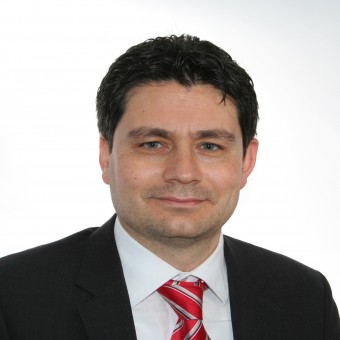
Panagiotis Papadimitriou serves as an Associate Professor at the Department of Applied Informatics, University of Macedonia in Thessaloniki, where he leads the NetCloud research group. Previously, he held positions as Assistant Professor at Leibniz University Hanover's Institute of Communications Technology and as a Post-Doctoral Researcher at Lancaster University (UK) and Telecom SudParis (France), with additional research experience at the University of Cambridge. His research spans Internet architectures and technologies with emphasis on Network Function Virtualization (NFV), Software-Defined Networking (SDN), Time-Sensitive Networking (TSN), Internet-of-Things (IoT), and Edge Computing. His work includes ML-assisted NFV orchestration (SFC-graph embedding, transformation, and multi-domain partitioning), network slicing orchestration, programmable dataplanes with P4, deterministic networks, datacenter network fabrics, and edge computing. Notable research outcomes include distributed network processing architectures (MIDAS, DistNSE), multi-provider service mapping mechanisms (Nestor), open-source NFV orchestration platforms (TeNOR), and orchestration platforms for cross-slice communication (MESON). His recent publications show a strong focus on In-Band Network Telemetry, Service Function Chain optimization, Time-Sensitive Networking implementations, and cross-slice communication systems, demonstrating his leadership in network virtualization and edge computing research areas. His work consistently addresses practical implementation challenges while advancing theoretical foundations in network management. Scientific Recognition: Senior Member of IEEE Associate Editor of IEEE Transactions on Network and Service Management Counselor of the IEEE Student Branch at University of Macedonia As Principal Investigator of the Horizon Europe NEPHELE project and previous EU-funded projects (NECOS, T-NOVA, CONFINE), he has secured over 1M euro in research funding. He actively contributes to the academic community through conference organization roles including IEEE ICC NGNI 2025, IEEE ICIN 2024, and IFIP/IEEE CNSM 2022 as General Co-Chair. The NetCloud research group he leads maintains a dedicated edge computing facility used for both research and teaching, and is known for its commitment to open-source software and community service through academic network resources. His educational background includes a Ph.D. in Electrical and Computer Engineering from Democritus University of Thrace (2008), an M.Sc. in Information Technology from University of Nottingham (2001), and a B.Sc. in Computer Science from University of Crete (2000).
Dr. Yongwoo Seo is an Assistant Professor in the Department of Surgery, Division of Surgical Oncology at the Medical College of Wisconsin, where he joined the faculty in September 2024. He is also a member of the MCW Cancer Center and holds privileges at Froedtert Memorial Lutheran Hospital. Dr. Seo completed his medical training at the University of Michigan and surgical residency at the University of Washington, followed by specialized fellowship training in Surgical Oncology at MD Anderson Cancer Center. Dr. Seo's research focuses on the intersection of cancer immunology, surgical oncology, and microbiome science, with particular emphasis on pancreatic cancer and gastrointestinal malignancies. His work investigates how tumor microenvironment, T-cell responses, and gut microbiome interactions influence treatment response and patient outcomes. He has developed expertise in both clinical trial design and translational research methodologies, including tumor slice culture techniques that allow precise study of human cancer immune microenvironments. His recent publications (2023-2025) demonstrate a strong research trajectory with significant contributions to understanding cancer testis antigens in neuroendocrine tumors, microbiome modulation to enhance immunotherapy, and the role of adjuvant therapies in biliary tract cancers. These works appear in high-impact journals including JAMA Oncology, Cancer Discovery, and Nature Medicine, reflecting the significance of his contributions to the field. Research Focus: Pancreatic cancer immunology, tumor microenvironment, microbiome-cancer interactions, surgical oncology Methodological Expertise: Clinical trial design, translational research, tumor slice culture models, immune profiling Dr. Seo has secured multiple research grants totaling over $290,000 as Principal Investigator, including awards from the American Cancer Society and Central Surgical Association. His research program bridges basic science with clinical applications, with several projects focused on developing novel therapeutic approaches for pancreatic cancer. He actively mentors medical students, residents, and post-doctoral fellows, providing opportunities for hands-on research experience in both laboratory and clinical settings.
Shawn Burton serves as a Research Assistant Professor at Lehigh University, maintaining an active research laboratory in room B328 of Iacocca Hall. His work centers on neural computation within the mammalian olfactory system, leveraging the olfactory bulb as a model for understanding fundamental brain circuitry. Dr. Burton's research program investigates two critical neural mechanisms: How synaptic motifs like recurrent and lateral inhibition enable behavioral discrimination of complex odorants How parallel circuit architectures simultaneously encode complementary olfactory information streams His experimental approach integrates acute slice electrophysiology, functional imaging, genetic targeting, molecular perturbations, and behavioral assays with computational simulations to decode sensory processing principles. This multidisciplinary methodology bridges molecular, cellular, and systems-level neuroscience to reveal universal neural coding mechanisms beyond olfaction.
Jin Bin Tian, PhD, is an Assistant Professor at The University of Texas Health Science Center at Houston (UTHealth Houston) in the McGovern Medical School's Neuroscience Department. With a Ph.D. from Peking University Health Science Center (1998) and postdoctoral training at State University of New York (1999), Dr. Tian has established himself as a leading researcher in TRP channel physiology within the nervous system. Dr. Tian's research focuses on the function and regulation of Transient Receptor Potential (TRP) channels, particularly TRPC4, TRPC5, TRPC3, TRPV1, and TRPA1 subtypes. His laboratory employs whole-cell patch clamp techniques on brain slices and dissociated neurons to investigate how these channels mediate membrane depolarization and calcium influx, playing critical roles in sensory transduction and synaptic transmission. A key finding from his work is that TRPC4/C5 channels function as 'coincident detectors' that integrate signal inputs from multiple receptor types through different G protein signaling pathways. His recent publications span neuroscience, pain research, and molecular biology, with significant contributions to understanding how TRP channels modulate neuronal excitability and synaptic plasticity. Current research directions include investigating TRPC channel function in integrating signals from different brain areas, elucidating signal transduction pathways involved in TRPC channel activation, and exploring molecular mechanisms of TRP channel regulation. Macrophage migration inhibitory factor (MIF) is essential for inflammatory and neuropathic pain Identification of ML204: a novel antagonist that selectively modulates native TRPC4/C5 channels Activation of TRPA1 channels by fenamate nonsteroidal anti-inflammatory drugs Mechanisms of proton inhibition and sensitization of the cation channel TRPV3 Targeting TRPC channels for control of arthritis-induced bone erosion Dr. Tian's laboratory, the TRP Channel Research Laboratory, provides students with opportunities to engage in cutting-edge electrophysiological research. His work has significant implications for understanding pain mechanisms, neuronal signaling, and potential therapeutic targets for neurological disorders. With continuous publications from 1999 through 2025, Dr. Tian maintains an active research program addressing fundamental questions in neuronal ion channel physiology.
Sathish Kumar is an Associate Professor in the Department of Electrical Engineering and Computer Science at Cleveland State University's Washkewicz College of Engineering. He serves as Director of the Intelligent Secure Cyber-Systems Analytics and Applications Research (ISCAR) Lab and holds editorial positions with PLOS One, IEEE Access, and Nature Scientific Reports. With over a decade of industry experience prior to joining academia in 2013, Dr. Kumar has established himself as a prominent researcher in cybersecurity and emerging technologies. Dr. Kumar's research spans Cybersecurity, Machine Learning, Distributed Systems, and Quantum Computing, with applications in Intelligent Cyber Physical Social Systems, Smart Cities, Blockchain, Disaster Resilience, and Health Informatics. His work demonstrates a consistent focus on practical security solutions for emerging technologies, particularly in IoT and IIOT environments. Recent publications show increasing emphasis on quantum machine learning applications and reinforcement learning approaches to security challenges. His research program has attracted significant funding, including multiple NSF grants as PI and Co-PI, CDC and NIH funding for public health applications, and industry partnerships. Dr. Kumar has published over 80 technical papers and co-edited a book on IoT security challenges. His editorial roles with major journals reflect his standing in the research community. National Science Foundation Grant ($799,985) as PI for quantum sensor research (2022-2025) National Science Foundation Grant ($434,431) as Co-PI for HPC infrastructure (2022-2025) Multiple additional NSF, CDC, and industry-funded projects Dr. Kumar actively mentors students at all levels, currently supervising multiple PhD students, postdoctoral researchers, and undergraduate honors students. His lab provides opportunities for students to engage in cutting-edge research with practical applications in cybersecurity and emerging technologies, supported by substantial external funding that ensures resources for student participation.
Prof. Andreas Hykade serves as Head of Animation Directing at the Animation Institute of the Baden-Württemberg Film Academy since September 2022, following his tenure as Institute Director (2015-2022). His career bridges acclaimed creative production and academic leadership in animation. Research and creative interests center on: Advanced animation techniques for diverse audiences (adult/children) Virtual production pipelines and performance capture systems Interactive media and stereoscopic 3D storytelling Visual effects innovation through tools like TRACER and FRAPPER His creative works—including 'Ring of Fire', 'The Runt', and the interactive series 'Tom & the Slice of bread with Strawberry Jam and Honey'—have received over 70 international awards. Current leadership involves directing the institute's participation in European R&D projects like EMIL, MAX-R, and SAUCE. As Head of Animation Directing, he oversees academic programs in Animation, Effects Producing, Technical Directing, and Visual Effects, embedding students in real-world projects spanning virtual production, digital actors, and immersive media development.
Ali Mesbah is a Professor in the Department of Electrical and Computer Engineering at the University of British Columbia (UBC), where he leads the SALT lab. His research focuses on software engineering with emphasis on AI-driven software analysis, software testing, and software evolution. Previously, he was a Visiting Research Scientist at Google during 2017-2018. Dr. Mesbah received his BSc/MSc (2003) and PhD (2009) degree cum laude in Computer Science from the Delft University of Technology (TUDelft). After completing a postdoctoral fellowship with the Software Engineering Research Group at TUDelft and a Visiting Researcher position at Fujitsu Laboratories of America, he joined UBC in 2011. His research interests span software engineering with particular focus on AI-driven software analysis, software testing, software evolution, program comprehension, fault localization and repair. His work has significant applications in web application testing, JavaScript analysis, and automated program repair. He has pioneered techniques for testing modern web applications, analyzing JavaScript code, and leveraging AI for software maintenance tasks. His recent publications demonstrate a clear evolution toward integrating large language models with traditional program analysis techniques, focusing on test generation, bug repair, and understanding multi-hunk patches. His work bridges theoretical software engineering concepts with practical applications, particularly in web technologies and AI-assisted development. Amazon Research Award (2023) Killam Accelerator Research Fellowship (KARF) (2020) Killam Faculty Research Prize (2019) NSERC Discovery Accelerator (DAS) award (2016) ACM Distinguished Paper Awards at ICSE (2009, 2014) IEEE Distinguished Paper Award at ICST (2018) Best Paper Award at ESEM (2015) Best Paper Award at ICWE (2013) Dr. Mesbah has advised numerous PhD and MASc students, many of whom have gone on to positions at leading technology companies including Google, Amazon, Apple, Microsoft, and SAP. His research has been supported by various grants including the Amazon Research Award and NSERC funding. He leads the SALT lab at UBC, which focuses on software analysis, testing, and learning, with current research directions including AI-driven software engineering, web application testing, and program repair. The lab maintains active collaborations with industry partners and academic institutions worldwide.
Ralf Schmälzle is an Associate Professor in the Department of Communication at Michigan State University's College of Communication Arts and Sciences. He serves as Graduate Director of the M.A. in Health and Risk Communication program, Co-Director of the Center for Avatar Research and Immersive Social Media Applications (CARISMA), and Core Leader of the Health and Risk Communication Center (HRCC). His research bridges communication science, cognitive neuroscience, and psychology to investigate how the brain processes persuasive messages in health, media, and interpersonal contexts. Dr. Schmälzle's work centers on neurocognitive communication and media neuroscience, utilizing fMRI, EEG, and computational modeling to study audience engagement and health message processing. His recent research explores AI-generated health messages, VR-based advertising, and neural correlates of social interaction in virtual environments. Key methodologies include mobile EEG hyperscanning, pupillometry, and gaze-contingent paradigms to decode attention and memory mechanisms during media exposure. His publication trends (2023-2025) reveal accelerating integration of artificial intelligence with neuroimaging, particularly in cross-cultural health communication and immersive media environments. Methodological innovation dominates his output, with VR billboard paradigms and embodied AI agents enabling naturalistic studies of message exposure-reception-retention chains. A consistent focus on translating neural metrics into practical health campaign design distinguishes his contributions to the field. As Graduate Director of the Health and Risk Communication M.A. program and founder of the Neuroscience of Messages Lab, Schmälzle mentors students in interdisciplinary research linking communication, neuroscience, and technology. His leadership in CARISMA-lab and HRCC facilitates collaborative grant-funded projects examining social-communicative processes through emerging media platforms. He founded the Neuroscience of Messages Lab (NOM) and co-directs CARISMA-lab, creating interdisciplinary environments for studying communication through cognitive neuroscience and immersive technologies. Current lab initiatives focus on AI-human interaction in VR health coaching, neural synchrony during collective media experiences, and cross-cultural neural responses to health messages using mobile neuroimaging.