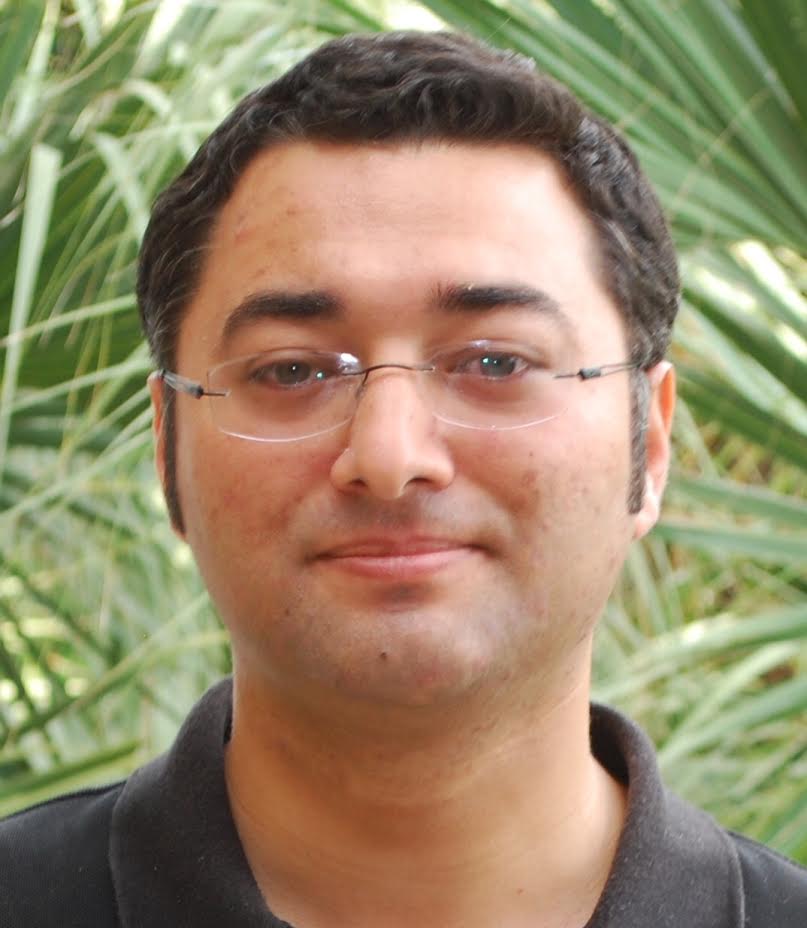
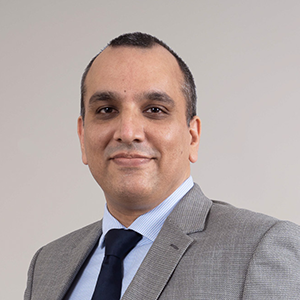
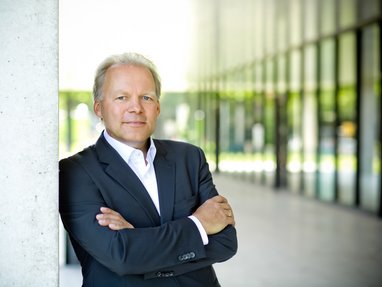
Reşat Kasaba is a Professor at the Henry M. Jackson School of International Studies, University of Washington, holding the Anne H.H. and Kenneth B. Pyle Chair in American Foreign Policy. He has taught for over 30 years, specializing in Middle Eastern history, U.S. foreign policy, and socio-political dynamics. His research focuses on migration, state-society relations, urbanization, and Turkey's modern political trajectory. Kasaba currently directs the Near and Middle Eastern Studies Ph.D. program and previously served as Jackson School director (2010-2020). Education: PhD in Sociology (SUNY Binghamton, 1986), MA Sociology (SUNY Binghamton, 1978), BSc Economics/Statistics (Middle East Technical University, 1976) Award: UW Distinguished Teaching Award Research examines transnational migration patterns, Ottoman legacy in modern Turkey, and socio-economic transformations. His recent work analyzes urban-rural divides in Turkey and U.S. foreign policy impacts. He actively engages in global academic networks as former APSIA president and MESA board member.
Deodat Edward Mwesiumo is a Professor of Supply Chain Management at Molde University College (HiMolde), part of the Faculty of Logistics. He holds a PhD in logistics from the same institution and has extensive teaching and research experience since 2012. His roles include Head of the Supply Chain Management Research Group and member of the PhD committee. Previously, he directed the Bachelor program in Supply Chain Management and Logistics. His research focuses on supply chain resilience, digital business transformation, and tourism management. Key areas include procurement strategies, sustainability, circular economy models, and interorganizational relationships in tourism. He has published in high-impact journals like Production Planning and Control , Journal of Purchasing and Supply Management , and Annals of Tourism Research . Dr. Mwesiumo has led externally funded projects and contributed to over 50 peer-reviewed publications. He is affiliated with research groups such as MIIBS (Marketing, Innovation, International Business & Strategy) and the Transport Research Group (TRG). His teaching spans BSc and MSc levels, including courses on value chain analysis, digital business, and supply chain theory. Recent work emphasizes airport digital maturity, supply chain risk mitigation, and the impact of data-driven decision-making in public procurement. He has authored books like Making Value Chains Work and Fundamentals of Digital Business Management , underscoring his commitment to both academic and applied knowledge dissemination.
Sharla Alegria is an Associate Professor at the University of Toronto (Downtown Toronto campus), specializing in sociological research focused on race, gender, and technology. Her work intersects colonialism, racialization, and indigeneity with computational methods and organizational studies. She examines how systemic inequalities manifest in tech workforces and AI systems, emphasizing intersectional analyses of labor markets and workplace dynamics. Her research interests include the sociology of artificial intelligence, racialized and gendered labor in tech industries, and the sociotechnical reproduction of inequality. She critiques structural barriers in STEM fields and explores pathways to enhance diversity and inclusion in science and engineering workforces through policy and organizational interventions. Key themes in her recent publications (2024–2016) include algorithmic bias in machine learning, gender pay gaps in federal science agencies, and the invisibility of marginalized workers in global tech supply chains. Her work bridges sociological theory with empirical analyses of contemporary technological and organizational challenges. Despite her prolific output, no specific awards or grants are explicitly listed in the provided materials. Her research often engages with interdisciplinary methods, combining quantitative and ethnographic approaches to study systemic inequities in high-tech environments.
Cengiz Zopluoglu is an Associate Professor in the Department of Special Education and Clinical Sciences at the University of Oregon's College of Education. His research focuses on quantitative methods in education, item response theory, computational psychometrics, and educational data science. He teaches advanced courses on psychometrics, statistical methodology, and data analysis using R. Education: PhD, 2013: University of Minnesota (Educational Psychology, Quantitative Methods) MA, 2009: University of Minnesota (Educational Psychology, Quantitative Methods) BA, 2005: Abant Izzet Baysal University (Mathematics Education, K-8) Research Interests: Zopluoglu's work emphasizes integrating machine learning and statistical models into educational measurement. He develops methods to detect test misconduct (e.g., item preknowledge) using response time and accuracy data, and explores automated scoring of open-ended responses using AI (e.g., transformers). His contributions include advancements in continuous response models, multidimensional IRT, and DETECT analysis for dimensionality assessment. Awards: 2023 Runner-up Prize in NAEP Math Automated Scoring Challenge (NCES) 2021 3rd Place in NIJ Recidivism Forecasting Challenge 2013 Graduate Student Research Award (University of Minnesota) Advising & Grants: Zopluoglu has advised on projects related to test security, automated scoring, and machine learning applications. His work often involves open-source tools like R and Stan, with a focus on reproducible research. Labs & Collaborations: He collaborates on initiatives like the Deterministic Gated Models for Test Security and the WrightRightNow automated scoring platform. His research leverages interdisciplinary approaches, blending psychometrics with computer science and data science.
Anand Mohan RAMCHAND is an Associate Professor (Educator Track) and Assistant Dean (Industry Relations) at the School of Computing (SOC), National University of Singapore (NUS). He also holds a Senior Lecturer position. With a Ph.D., M.Sc., and B.Sc. (Honours) in Information Systems/Computer Science from NUS, his research focuses on digital transformation, business model innovation, and IT-driven social change. He has received over 10 teaching awards and maintained the NUS Teaching Excellence Honour Roll from 2011-2016. Ph.D. (Information Systems, NUS, 2012) M.Sc. (Information Systems, NUS, 2004) B.Sc. (Computer Science & IS, NUS, 2001) His research explores digital enablement of organizations and social change through case studies in healthcare, libraries, and enterprise systems. Recent work examines clinical management systems, knowledge management communities, and ubiquitous computing impacts. His publications span healthcare informatics, organizational learning, and mobile technology trends in Asia. Awards highlight his teaching excellence across NUS faculty and university levels. He coordinates Advanced Topic Academic Program (ATAP)/Student Innovation Project (SIP) initiatives. His professional roles bridge academia-industry collaboration through SOC's strategic initiatives.
Ellen T. Armour is the E. Rhodes and Leona B. Carpenter Professor of Feminist Theology at Vanderbilt Divinity School and the Graduate Department of Religion, where she directs the Carpenter Program in Religion, Gender, and Sexuality. She holds affiliated appointments in the Department of Philosophy and the Women’s and Gender Studies Program at Vanderbilt and served as a Faculty Fellow at the Robert Penn Warren Center for the Humanities (2017–2018). B.A., Stetson University (1980) M.A., Ph.D., Vanderbilt University (1989, 1993) Her research focuses on feminist theology, contemporary continental philosophy, and theories of sexuality, race, gender, disability, and embodiment. Her work engages interdisciplinary approaches to religion, particularly through poststructuralist and queer theoretical frameworks. Key themes in her publications include the intersection of religion and digital visual culture, decolonial ethics in theology, and the application of Judith Butler’s performativity theory to religious discourse. Her notable books include Seeing and Believing (2023), Signs and Wonders (2016), and Bodily Citations (co-editor, 2006). Scientific Awards: Clarence Day Dean’s Award for Outstanding Teaching (1999) Jameson Jones Award for Faculty Service (2005) Armour has held leadership roles such as Chair of the Religious Studies Department at Rhodes College (1991–2006) and Associate Dean of Academic Affairs at Vanderbilt (2019–present). Her affiliations include St. Augustine’s Chapel (formerly Baptist) and the Robert Penn Warren Center for the Humanities.
Prof. Harald Sternberg is a distinguished academic at HafenCity University Hamburg, holding the position of University Professor for Hydrography and Geodesy. His affiliations include the Department of Geodesy and Geoinformatics, where he leads research in hydrographic education and advanced geomatics technologies. He previously served as Vice President for Teaching and Studies (2009-2022) and Acting President (2010) of HCU. Education: Ph.D. in Geodesy from University of the Bundeswehr Munich (1999), specializing in trajectory determination of land vehicles using hybrid systems. Early career included roles as scientist at Bundeswehr University (1991-2001) and academic leadership at HAW Hamburg (2005-2009). Research focuses on underwater mapping, navigation systems, and sensor integration. Key projects include: Level 5 Indoor Navigation (5G-based positioning), hydrothermal vent exploration using deep-towed multibeam systems, and low-cost mobile mapping solutions. He also investigates smartphone-based inertial navigation and autonomous underwater vehicles for infrastructure monitoring. Publications span underwater vision systems, satellite-derived bathymetry, and 3D point cloud analysis. Over 200 peer-reviewed articles and book chapters reflect expertise in geomatics applications. Current research emphasizes 5G-enabled indoor navigation and environmental sensor networks. Grants include BMWK-funded autonomous deep-sea monitoring and BGR exploration projects in the Indian Ocean. His lab develops innovative tools like the HOMESIDE sled for seafloor surveys. Supervises Ph.D. research on hydrothermal vent analysis and data-driven inertial localization.
Dieter Uckelmann serves as Professor of Information Logistics and Scientific Director of the Institute for Applied Research at Stuttgart University of Applied Sciences (HFT Stuttgart). He holds multiple leadership positions including Spokesperson for the research focus 'Smart Technologies, Processes and Methods' at HFT Stuttgart since March 2023 and Scientific Director of the Institute for Applied Research since September 2023. His academic journey began with mechanical engineering studies in Braunschweig, followed by doctoral research at the University of Bremen focusing on 'Quantifying the Value of RFID and the EPCglobal Architecture Framework in Logistics.' Uckelmann's research spans Internet of Things applications across Industry 4.0, logistics, smart buildings, and smart cities, with significant contributions to educational technology including learning analytics and AI in teaching. His work bridges technical innovation with practical implementation, particularly in digital transformation of laboratories and smart city infrastructure. He has led numerous research projects including KNIGHT (AI for teaching), InDeckLe (earth composite ceiling systems), iCity initiatives, and DigiLab4U (online laboratories). His publication record shows a clear progression from foundational RFID and IoT research toward emerging technologies like the Industrial Metaverse, 5G applications, and AI-driven educational systems. Recent work demonstrates strong integration of physical and digital systems, particularly in urban environments and educational contexts, with increasing emphasis on sustainability and energy efficiency applications. Co-editor of International Journal of RF-Technologies: Research and Applications Member of PhD Association BW, Research Unit III Computer Science and Electrical Engineering Mentor in the HAWCareer mentoring program Program Committee Member for IEEE RFID, IEEE/ITMC, AIET, and other major conferences Associate Editor for Journal of Online and Biomedical Engineering Professor Uckelmann actively mentors students and researchers, with his team contributing to projects across smart city infrastructure, digital learning platforms, and industrial IoT applications. He leads the Industrie 4.0 Laboratory which focuses on industrial IoT applications, digital twins, and the industrial metaverse, with research spanning RFID, RTLS, wireless sensor networks, AR/VR, and IoT architectures. His work extends to international collaborations including visiting professorships at Auburn University and the University of Parma.
Mikkel Flyverbom is a Professor of Communication and Digital Transformations at Copenhagen Business School (CBS), serving as Academic Director of the BSc in Business Administration & Digital Management program and co-director of the Digital Transformations Platform. His research focuses on the governance of technology, digital responsibility, transparency, and the datafication of knowledge, communication, and politics. He actively engages in policy work, serving on governmental and non-governmental bodies, and contributes to public discourse through a tech column in the Danish newspaper Politiken. His professional activities include advisory roles, speaking engagements, and membership in organizations focused on digital ethics and governance. He plays a pivotal role in shaping discussions around digital transformations and their societal implications. Mikkel’s interdisciplinary work bridges academia and practice, emphasizing both theoretical research and real-world policy applications. He is affiliated with the Digital Transformations Platform at CBS, fostering collaborative research initiatives.
Leila Hudson is an Associate Professor and Director of Graduate Studies in the School of Middle Eastern and North African Studies at the University of Arizona. She holds a BA from Yale College, an MA in Anthropology from the University of Michigan, and a PhD in Interdepartmental Doctoral Program in Anthropology and History. Her research focuses on culture and political economy in the Arab Mashreq, with particular attention to gender, Ottoman history, urban modernity, and contemporary Middle Eastern dynamics. Education: BA (Yale College), MA (University of Michigan Anthropology), PhD (Interdepartmental Doctoral Program in Anthropology and History) Key publications include Transforming Damascus: Space and Modernity in an Islamic City (2008) and Middle Eastern Humanities: An Introduction to Middle Eastern Cultures (2010). She is currently co-editing Media Evolution in the Middle East and researching global-local capital flows in the Arab Middle East. Her work integrates interdisciplinary perspectives on displacement, such as her 2015 lecture Fleeing Damascus: One Family's Experiences of War and Displacement , which examines Syrian refugee trajectories through a family case study.
Andy Stevens is a Senior Lecturer in Sport Management at the University of Winchester. His career includes roles as a consultant to the Football Association (FA), focusing on five-a-side football and futsal development, including strategies for the FA Futsal League and facility strategies. He has authored numerous reports for the SportBusiness Group and contributed to Sport Business magazine, specializing in venue and event management. His research explores sport industry strategy, management, and performance, with notable work on sport governance and facility development. His publications span academic journals, industry reports, and conference presentations, addressing topics like sport venue optimization, sustainability, and global sport events as soft power tools. He has advised organizations such as the Anschutz Entertainment Group and Disability Sport England (now Activity Alliance), contributing to event calendars including the London Wheelchair Marathon. His work bridges academic research and practical industry challenges, emphasizing adaptability and innovation in sport management.
Professor Myrto Tsakatika is a distinguished academic in the Department of Politics at the University of Glasgow's College of Social Sciences, where she has been employed since 2007. She holds the position of Professor in Political & International Studies and serves as Undergraduate Programme Director. Her office is located in the Adam Smith Building (R1311 Level 13), a prominent building housing the university's social sciences disciplines. Dr. Tsakatika earned her PhD from the University of Essex and previously taught at the Athens University of Economics. She has held prestigious visiting positions at the University of Trieste, the Juan March Foundation in Madrid, and the Centre Emile Durkheim at SciencesPo Bordeaux, establishing her as a scholar with significant international connections. Professor Tsakatika's research spans several interconnected domains within political science. Her primary focus lies in European Union politics and governance, particularly examining the democratic deficit, new governance modes, and evolving public attitudes toward European integration. More recently, she has developed expertise in radical left parties and populism, with special attention to Southern European cases including Greece, Portugal, Italy, and Spain. Her work often bridges comparative politics with European studies, analyzing how domestic political developments interact with broader European integration processes. She has made significant contributions to understanding SYRIZA's rise and governance in Greece as well as similar phenomena across Southern Europe. Analysis of Professor Tsakatika's recent publications reveals a consistent scholarly trajectory focused on the intersection of European integration, radical left politics, and populism in Southern Europe. Her work demonstrates increasing specialization in comparative analysis of radical left parties, particularly examining their organizational structures, electoral strategies, and governance challenges. The geographical focus remains firmly rooted in Southern Europe while maintaining connections to broader European political dynamics. Her publications appear in high-impact journals and prestigious academic presses, indicating recognition within the political science community. Professor Tsakatika has successfully supervised numerous PhD students whose research aligns with her expertise, including projects on populism's impact on foreign policy, EU peacebuilding, and the democratic deficit in the European Union. Her grant portfolio reflects sustained research activity, including projects funded by the Carnegie Trust, Caledonian Research Foundation, Royal Society of Edinburgh, and European Commission programs such as PADEMIA (2013-2016) and EUROSUD (2018-2024). These grants have supported comparative research on Southern European politics, European integration, and radical left parties. Within the academic community, Professor Tsakatika serves as Associate Editor for South European Society and Politics and as Editor for Politics Politics and International Relations. She teaches undergraduate courses on the Politics of the European Union (POLITIC4020) and postgraduate courses on Global Social Movements (POLITIC 5111), directly connecting her research expertise to her teaching responsibilities.
Professor Laura Hill serves as Chair and Professor in the Department of Human Development at Washington State University's College of Agricultural, Human, and Natural Resource Sciences (CAHNRS). Her academic career spans over 20 years, including roles as Associate Director for Health Promotion (2011-2014) and Associate/Assistant Professorships. She holds a Ph.D. in Psychology from Vanderbilt University (1998), an M.S. from Vanderbilt (1994), and a B.A. in Greek Studies from Smith College (1979). Dr. Hill's research focuses on prevention science, particularly translating evidence-based interventions into real-world settings. Key areas include brief interventions for college student retention (especially in STEM), parent-child dynamics in emerging adulthood, and workforce development. She leads major grants totaling millions, including a NIH-funded study on parenting interventions for college students and a WSU Strategic Reallocation grant addressing student success through values-based programming. Her funded projects emphasize scalable solutions, such as adapting parenting programs for Spanish-speaking families and evaluating community wellness initiatives. She teaches graduate courses like HD540 (Effective Intervention Programs) and HD513 (Research Methods). Her scholarly work bridges developmental psychology with practical applications, frequently involving students in co-authorship.
Juan Baeza is a Senior Lecturer in Health Policy at King's Business School, King's College London. He holds a PhD from the University of Kent, an MSc from the London School of Economics, and a BA from Goldsmiths, University of London. His research focuses on health policy analysis, particularly examining the impact of health reforms on medical professions and health systems globally, with a focus on the UK's NHS, as well as Chile, Mexico, Russia, Sweden, Poland, and Australia. Affiliations: King's Business School, Department of Public Services Management and Organisation. Education: PhD in Health Policy (University of Kent, 2002), MSc in Economics (LSE, 1993), BA in Social Sciences (Goldsmiths, 1990). Research Interests: Baeza's work explores professional relations within healthcare, healthcare reform, evidence-based practice, and organizational change. He emphasizes how health policies are translated into actionable practices by healthcare professionals and how medical professions influence policy development and implementation. Recent Articles Trends: His publications highlight themes such as integrated care collaboration, the role of evidence in healthcare decision-making, and the governance of pluralist healthcare systems. Recent work includes analyses of pandemic discourse (e.g., Brazil's response to COVID-19) and the reconfiguration of health services in England. Grants & Projects: Co-investigator in projects like the AI-assisted fetal ultrasound trial (NIHR-funded) and studies on stroke care implementation across Europe. Teaching & Leadership: Teaches health policy modules, directs the intercalated BSc in Healthcare Management, and leads executive education programs. Labs/Teams: Active in the Integrated Care Systems (ICS) Research-Practice Network, organizing workshops on healthcare collaboration and prevention strategies.
Hannelore Reicher serves as Associate Professor at the Institute of Educational Science within the Faculty of Environmental, Regional and Educational Sciences at the University of Graz, Austria. Her research is anchored in the university's "Heterogeneity and cohesion" research network, addressing critical intersections between social pedagogy, education, and societal challenges. Current affiliations include active roles in editorial boards and major longitudinal studies. Her research program centers on vulnerable populations and systemic interventions: Social Pedagogy frameworks for contemporary welfare systems Emotional health dynamics in educational settings Social-Emotional Learning as inclusion catalyst Foster care systems and biological family perspectives Parent education program development 2024 publications reveal concentrated focus on social work's adaptation to instability, demonstrating how professional practice drives social transformation through participatory approaches. Her chapter on family perspectives in out-of-home care exemplifies applied research bridging theory and child welfare practice. Reicher leads two significant funded projects: the STEILA longitudinal study on student engagement (2020-2026) with public institutional support, and a sexual abuse prevention program accompanying Styria's "My Body Belongs to Me" theatre project (2024-2026). These initiatives reflect her commitment to evidence-based educational interventions. Professional leadership includes editorial roles for "Austrian Yearbook of Social Work" (since 2019) and "Socio-educational impulses" (since 2022), alongside historical contributions to Austria's Parent Educator Quality Seal Commission (2006) and International Pedagogical Conference advisory board (2013). Her directorship of the MLG Innovation-Oriented Management in Education consortium (2011-2017) demonstrates sustained institutional impact.