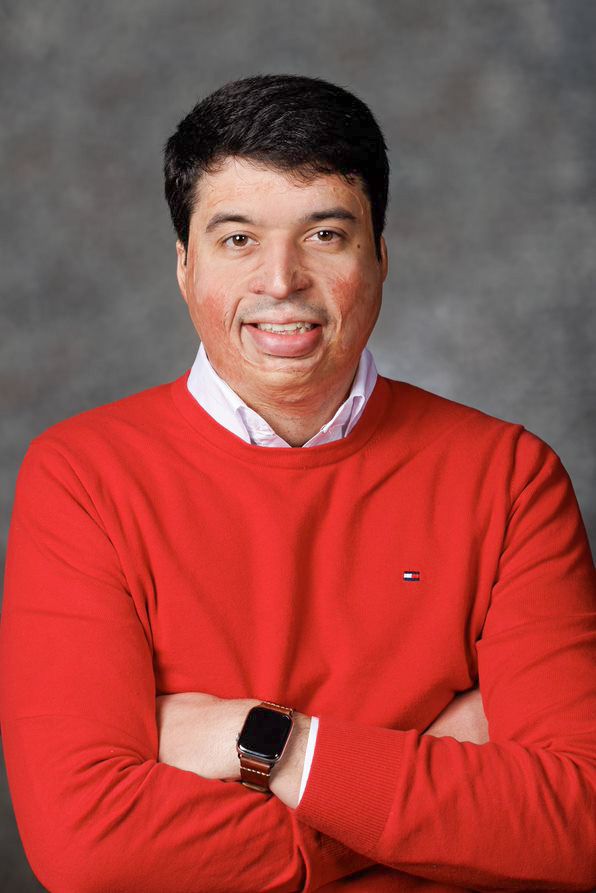
Aaron Weiskittel is a Professor of Forest Biometrics and Modeling and the Irving Chair of Forest Ecosystem Management at the University of Maine’s School of Forest Resources. He directs the Center for Advanced Forestry Systems and the Center for Research on Sustainable Forests . His research focuses on developing quantitative tools for forest management, including growth and yield modeling, climate change impacts, and sustainable forestry practices. He holds a PhD (2007), MS (2003), and BS (2001) in forest resources from Oregon State University and The Ohio State University, respectively. Research interests include: Forest biometrics and modeling Climate change effects on forest productivity Stem taper equations and volume estimation Old-growth forest structure analysis Commercial thinning impacts on stand dynamics Key contributions include: Development of growth models for the Acadian Region Evaluation of climate change on forest productivity and species distribution Advancements in forest biomass and carbon estimation Collaborative studies on northern white-cedar silviculture His work integrates field data, remote sensing, and computational modeling to address complex forest management challenges. Ongoing projects focus on carbon MRV frameworks, forest carbon markets, and stakeholder-driven climate adaptation strategies.
Victoria Gierok is a Tutor in Economic History at Nuffield College and Brasenose College, University of Oxford. She holds a DPhil (PhD) in Economic and Social History from the University of Oxford (2022), supervised by Professor Stephen Broadberry. Her research focuses on long-run economic inequality, taxation, and public finance in pre-industrial Germany (Holy Roman Empire, 1300–1800). She has created datasets analyzing over 50 urban and rural communities to study inequality drivers, including demographic shocks and institutional changes. Teaching: She teaches courses such as 'Development of the World Economy,' 'Quantification in History,' and 'Cognition and Culture' at the undergraduate level. Research Affiliations: She is affiliated with the Oxford Centre for Economic and Social History, specializing in Medieval and Early Modern Europe. Her work has been supported by grants from the Economic History Society and the German History Society. In 2021, she won the Economic History Society New Researcher Poster Prize for her work on long-run poverty. Media Engagement: Her research has been featured in VOX EU (2022) discussing economic inequality in Germany's long-run perspective.
Maarten Goos is a Full Professor of Economics and Institutions at Utrecht University's Faculty of Law, Economics and Governance. He previously held positions at Erasmus University Rotterdam, University College London, KU Leuven, and had visiting roles at Princeton University, MIT, Boston University, and Fudan University. His research focuses on labor markets, technological progress, wage inequality, and institutional impacts. He is also an award-winning teacher, specializing in European macroeconomics, economic growth, and labor economics. Education: He earned his PhD from the London School of Economics (LSE). His academic journey includes roles at multiple prestigious institutions, reflecting deep expertise in labor and technological economics. Research interests include the interplay between technology and labor markets, specifically automation's effects on employment, wage polarization, and the role of institutions in shaping labor dynamics. He examines how skill-biased technological changes and globalization influence job structures and income distribution. His work also addresses the declining labor share in economies, exploring explanations rooted in firm behavior and productivity shifts. He collaborates with the European Commission, national policy institutes, and multinational corporations, contributing to policy initiatives and economic analyses. His research bridges theoretical models with empirical evidence, offering frameworks like the canonical CES model and task-based automation theories to dissect labor market trends. Though no specific awards are listed, his work is noted as award-winning in international publications. Advising/Grants: Goos has advised various organizations and contributed to policy projects, though formal advisee names or grant details are not explicitly stated. His teaching and research emphasize practical implications of economic theories for real-world labor market challenges and institutional reforms. Labs/Teams: Collaborates within Utrecht University's School of Economics and with external networks through European Commission projects and corporate partnerships.
James R. Perkins is an Associate Professor in the Department of Manufacturing Engineering at Boston University's College of Engineering. His primary affiliations span the Mechanical Engineering, Product Design & Manufacturing, and Systems Engineering departments as both primary and affiliated faculty within the university's academic structure. Education: B.A. in Engineering Science from Harvard University (June 1986) M.S. in Electrical Engineering from University of Illinois at Urbana-Champaign (January 1990) Ph.D. in Electrical Engineering from University of Illinois at Urbana-Champaign (October 1993) Professor Perkins' research focuses on systems engineering with emphases on control, decision analysis, and scheduling theory. As a member of the Boston University Operations Research and Manufacturing Systems group, his work spans real-time scheduling and control of manufacturing systems, supply chain management, resource pricing and congestion control in communications networks, and scheduling human resources in transportation systems and product development. Current projects include synchronization and scheduling of manufacturing systems, data mining and clustering in genetic networks, and analytical solutions of controlled queueing networks. His manufacturing-related research is performed in the Production Control of Manufacturing Systems (PCMS) Laboratory at Boston University. Analysis of Professor Perkins' publication record reveals strong trends in manufacturing systems optimization, with particular emphasis on scheduling algorithms, production control, and resource allocation. His work bridges theoretical operations research with practical applications across manufacturing, communications networks, and product development. Over the past two decades, his research has evolved from fundamental control theory in manufacturing systems to more complex applications involving wireless networks, supply chain management, and new product development, demonstrating remarkable adaptability and interdisciplinary reach. Scientific Awards: NSF Research Initiation Award (1994-1998) IBM Manufacturing Research Graduate Fellowship (1989-1991) John Harvard Scholarship (1985-1986) Harvard College Scholarship (1984-1985) Professor Perkins has served as Principal Investigator for several significant research projects, including "Efficient Control of Manufacturing Systems with Buffer Costs" (NSF Research Initiation Award, 1994-1998) and "Managing the New Product Development Portfolio and Pipeline: An Integrated Approach" (NSF, 1999-2001). He was also Principal Director of a Graduate Assistance in Areas of National Need (GAANN) Award from the Department of Education (1997-2000) and Co-Principal Investigator on projects with Nokia Research Center and NSF. His teaching portfolio includes advanced courses in scheduling models, engineering mathematics, production systems analysis, and statistics and quality engineering, where he has developed new curriculum for specialized topics. Professor Perkins conducts his manufacturing-related research in the Production Control of Manufacturing Systems (PCMS) Laboratory at Boston University. His work often involves collaboration with colleagues such as Professor R. Srikant and Professor P. R. Kumar from the University of Illinois. His research group focuses on developing theoretical frameworks and practical solutions for complex scheduling and control problems across various domains including manufacturing, communications, and transportation systems, with an emphasis on mathematical rigor and real-world applicability.
Prof. Dr. Andreas Focks is a Professor of Environmental Systems Modelling and serves as the Director of the Research Center for Environmental Systems Research at the University of Osnabrück. He is affiliated with the Institute for Environmental Systems Research, where he leads research in environmental modeling and risk assessment of chemicals. His work spans multiple research groups focused on understanding complex interactions between environmental stressors and ecological systems. Dr. Focks' research focuses on the development and application of mechanistic effect models for risk assessment of chemicals and other environmental stressors. His primary areas of expertise include: Toxicokinetic-toxicodynamic (TKTD) models Equation-based or individual-based (IBM) population models Mathematical models to describe environmental behavior of chemicals Risk assessment frameworks for pesticides and other environmental stressors Chemical fate modeling in aquatic and terrestrial ecosystems His extensive publication record demonstrates a strong focus on improving environmental risk assessment methodologies through advanced modeling techniques. His recent work emphasizes the importance of temperature effects on toxicokinetics, development of more accurate prediction models for chemical impacts, and integration of multiple stressors in environmental risk assessment. Dr. Focks has made significant contributions to mechanistic effect modeling, particularly in pesticide risk assessment for both aquatic and terrestrial ecosystems. Dr. Focks has been actively involved in numerous European research initiatives aimed at advancing environmental risk assessment methodologies. His work has contributed to important policy discussions regarding chemical regulation and environmental protection in Europe, including collaborations with the European Food Safety Authority (EFSA) on Toxicokinetic/Toxicodynamic effect models for regulatory risk assessment.
Can Zhang is an Associate Professor in the Operations Management area at Duke University's Fuqua School of Business. His research focuses on socially responsible and sustainable operations, particularly in emerging economies and underserved populations. Sustainable Operations : Healthcare supply chains Not-for-Profit Operations : Medical surplus recovery, blood collection analytics Agricultural Supply Chains : Smallholder farmer support systems Zhang's work integrates operational policy design with societal impact, addressing challenges in healthcare, nonprofit management, and sustainable agriculture. His publications emphasize data-driven solutions for real-world problems, such as optimizing platelet inventory systems and improving hepatitis C treatment prioritization in prisons. Scientific recognitions include: 2021 MSOM Best Paper Award winner 2019 MSOM Award for Responsible Research recipient Multiple INFORMS and POMS competition awards Meritorious Service Awards (Management Science, 2020-2024) He has taught courses at Duke's Fuqua School of Business and Georgia Tech's Scheller College of Business, covering operations management, sustainable practices, and management science. Zhang collaborates with industry partners to ensure practical relevance in his research, aiming to deliver actionable insights for societal benefit.
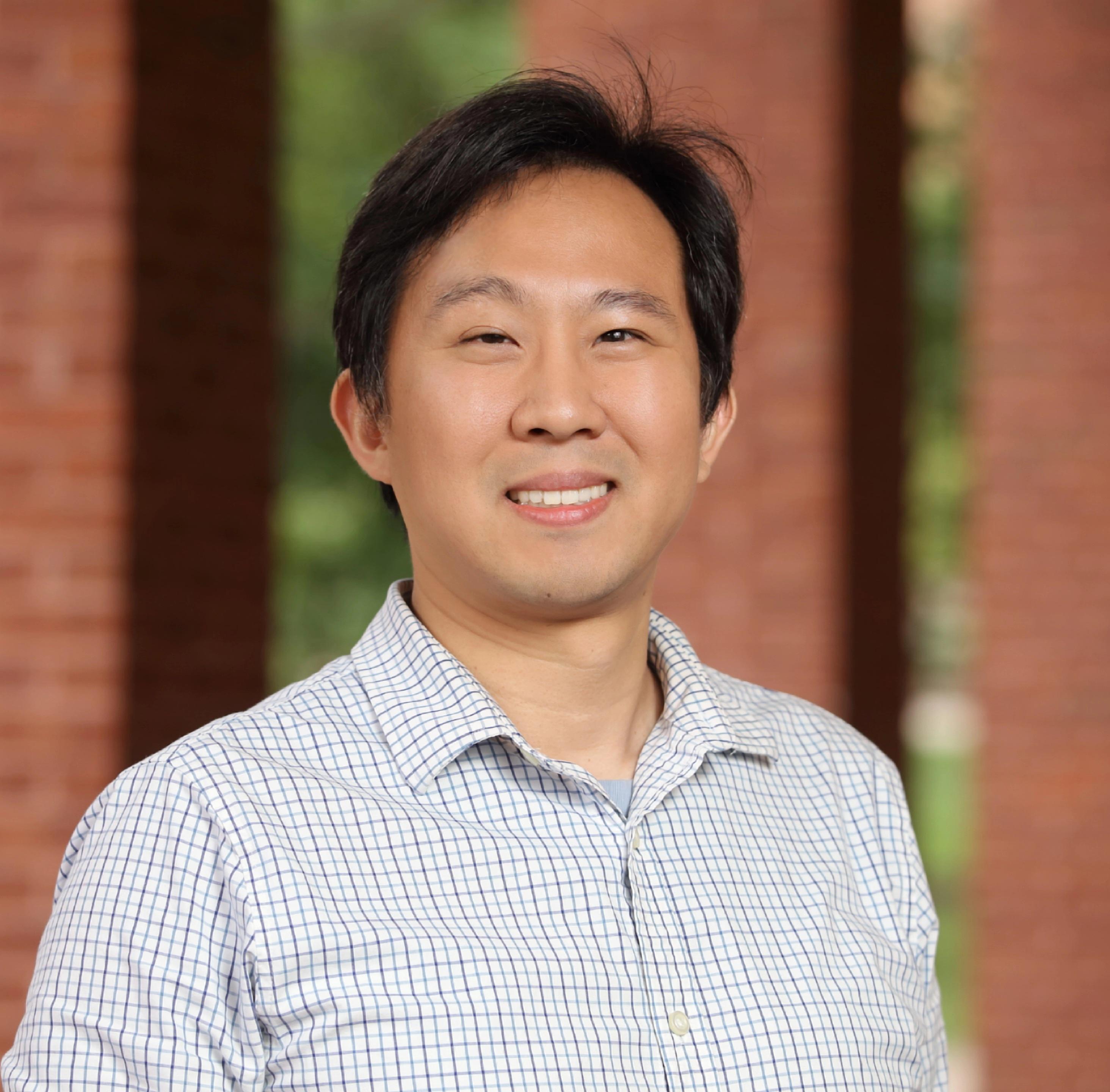
Hyojoon Kim is an Assistant Professor in the Department of Computer Science at the University of Virginia. His research focuses on computer networks and distributed systems, emphasizing in-network computing, programmable networks, software-defined networking (SDN), network measurement, and security. He received his Ph.D. from Georgia Tech (2015) and B.S. from the University of Wisconsin-Madison (2005). Prior to UVA, he worked as an Associate Research Scholar at Princeton University. Education: Ph.D. in Computer Science, Georgia Institute of Technology, 2015 B.S. in Computer Science, University of Wisconsin-Madison, 2005 Research Interests: Programmable Networks & SDN Network Measurement & Performance Analysis Network Security & Privacy In-Network Computing & Real-Time Monitoring Teaching: CS 7457: Advanced Computer Networks (Graduate) CS/ECE 4457: Computer Networks (Undergraduate) CS 6501: Software-Defined Networking & Programmable Networks (Graduate) Lab & Group: The Network Mechanics Group at UVA focuses on improving network monitoring, troubleshooting, and configuration through SDN, P4, and programmable data planes. Advising: Current advisees include Di Zhu (PhD) and Carson Kuzniar. The group actively seeks PhD students interested in systems and networking research.
Dr. Luan Oliveira is an Assistant Professor and Precision Agriculture Extension Specialist at the University of Georgia's College of Agricultural & Environmental Sciences (CAES), Department of Horticulture. His roles are distributed as 75% Extension, 20% Research, and 5% Service. He holds a Ph.D. in Agronomy (Crop Production) from São Paulo State University and a B.Sc. in Agronomic Engineering from Federal University of Paraíba, Brazil. His research focuses on precision agriculture tools, agricultural machinery optimization for vegetables and specialty crops, and mechanized operations like planting, spraying, and harvesting. He leads the Precision Horticulture Team, aiming to improve crop quality through innovative technologies. Dr. Oliveira has received the 2021 Gerald O. Mott Award for Meritorious Graduate Student in Science. He has authored/co-authored 9 refereed articles, 7 Extension Publications, 40 conference papers, and 13 book chapters, securing ~$220,000 in grants as PI/Co-PI. His work emphasizes practical applications in precision agriculture, including drone spraying, robotic systems, and mechanized sugarcane planting. Key grants and awards highlight his contributions to agricultural technology and crop management. His research spans diverse crops like peanuts, corn, cotton, and sugarcane, addressing challenges in seeding depth, soil compaction, and equipment wear. He collaborates with the Institute for Integrative Precision Agriculture and UGA's Precision Agriculture initiatives.
Sharon P. Kane is an Assistant Professor in the Department of Financial Planning, Housing and Consumer Economics at the University of Georgia . As an applied economist, her work focuses on economic impact analysis , community development , and econometric analysis . She teaches courses such as FHCE 2100E Introduction to Consumer Economics and FHCE 3100 Consumer Decision Making , emphasizing the family as a producing and consuming unit and exploring systematic departures from rational decision-making. Education: PhD in Agricultural and Applied Economics from University of Georgia MS in Economics from University of Kentucky BS in Economics from University of Tennessee Chattanooga Research Interests span applied economics, economic impact assessment, and community development. Her work bridges agribusiness , consumer economics , and policy analysis , with a focus on econometric modeling and statistical tools. Recent articles analyze Georgia's agricultural industry, pandemic effects on farming, and transportation economics. Scientific Awards: None listed. Advising: No student names provided. She has over a decade of experience in the mortgage banking industry and worked as an economist for a Fortune 500 corporation.
Dr. Shuvo Bakar is a Senior Lecturer in the Sydney School of Public Health at the University of Sydney, within the Faculty of Medicine and Health. He holds a PhD in Statistics from the University of Southampton, UK, and has prior experience as an Assistant Professor at Yale University, Lecturer at the Australian National University, and Scientist at Data61 (CSIRO). His research focuses on statistical methods applied to public health challenges, including Bayesian hierarchical modeling, machine learning, spatio-temporal analysis, and their applications in epidemiology, clinical trials, and environmental health. Dr. Bakar's research interests span statistical methodologies such as Bayesian adaptive designs, small area estimation, and spatial risk modeling, alongside applications in child health, infectious diseases, and extreme weather impacts on health. He is an active member of academic communities, including the Royal Statistical Society (RSS Fellow), Statistical Society of Australia, and the Australian Trials Methodology Research Network. His work also involves collaborations on grants totaling millions in funding, addressing topics like climate change impacts on health inequity and cardiovascular disease prevention in remote regions. Education: PhD in Statistics (University of Southampton, UK) Key Research Themes: Obesity, Diabetes, Cardiovascular Disease; Reproductive, Maternal & Child Health Grants/Projects: Includes NHMRC-funded trials on respiratory infections in First Nations children and MRFF grants for cardiovascular risk reduction in regional Australia. Dr. Bakar's contributions extend to editorial roles for Nature Scientific Reports and Discover Public Health , and his research has been published in journals like PloS One , Climatic Change , and Journal of the Royal Statistical Society .
Shiwei Fang is an Assistant Professor in the Department of Computer & Cyber Sciences within the School of Computer and Cyber Sciences at the University of North Georgia. He holds a Ph.D. in Computer Science from the University of North Carolina (2021) and a B.E. in Computer Science from the State University of New York (2015). His research focuses on IoT systems, cybersecurity, sensor networks, and edge computing, with notable contributions to multimodal analytics, privacy visualization tools, and geospatial tracking datasets. He advises the Graduate Student Organization and serves on the SCCS Academic Web Oversight Committee. Education: Ph.D., Computer Science, University of North Carolina, 2021 B.E., Computer Science, State University of New York, 2015 Research interests include IoT security, context-aware systems, and sensor fusion. His work on IoBT-MAX and GDTM datasets highlights expertise in experimentation frameworks and geospatial tracking. Recent publications explore privacy risks in IoT, AR-based privacy visualization, and efficient inference models for edge computing. He has contributed to over 25 peer-reviewed articles since 2015, with a focus on real-world IoT applications and hardware-software co-design. Service roles include faculty advising and committee participation. He teaches courses like CSCI 3170/5170 on Computer Organization, bridging theoretical computer science with practical hardware concepts.
Greg Cutter is a Professor in the Department of Ocean and Earth Sciences at Old Dominion University, serving as Interim AVP for Research Compliance. His research focuses on biogeochemical processes linking biology and chemistry in aquatic systems, with expertise in trace element cycling, sulfur gas dynamics, and global change impacts. He holds a Ph.D. in Chemistry from the University of California, Santa Cruz (1982) and a B.A. in Chemistry from UC San Diego (1977). Education: Ph.D. Chemistry, University of California, Santa Cruz (1982) B.A. Chemistry, University of California, San Diego (1977) Research Interests: Dr. Cutter investigates processes affecting trace element speciation (e.g., arsenic, selenium, hydrogen sulfide) in marine and estuarine systems. Key areas include air-sea exchange of trace elements, paleoceanographic tracers, and analytical methodologies for aquatic chemistry. His work integrates field studies, lab experiments, and computer modeling. Grants & Awards: Recipient of the R&D 100 Award (2013) for innovative technologies and the ASLO Sustaining Fellow designation (2015). Over 50 grants include leadership in the international GEOTRACES program, studying trace element distributions in ocean basins. Labs & Collaborations: Directs the Cutter Laboratory, advancing research on biogeochemical cycles. Collaborates globally on projects like the Pacific Meridional Transect (GP15) and Arctic GEOTRACES studies. Engages in educational initiatives to diversify ocean science.
Sonja Wogrin is a University Professor (Univ.-Prof.) at Graz University of Technology (TU Graz), where she has been heading the Institute for Electricity Economics and Energy Innovation since August 2021. She holds a Dipl.-Ing. in Technical Mathematics from TU Graz (2008), a Master of Science in Computation for Design and Optimization from MIT (2008), and a doctorate in Electricity Systems from Universidad Pontificia Comillas (2013). Her educational background includes: Doctorate in Electricity Systems, Universidad Pontificia de Comillas (June 2013) Dipl.-Ing. in Technical Mathematics, Graz University of Technology (October 2008) Master of Science in Computation for Design and Optimization, MIT (June 2008) Professor Wogrin's research focuses on decision support systems in the energy sector, optimization methodologies, and particularly the problem of generation capacity expansion. Her work spans several key areas including bilevel programming, capacity expansion planning, energy storage systems, and time series aggregation for energy system optimization. She has made significant contributions to understanding how to integrate renewable energy sources into power systems while maintaining economic efficiency and grid stability. Her research often addresses the challenges of decarbonizing electricity systems through advanced mathematical modeling and optimization techniques. Her recent publications demonstrate a strong focus on improving the computational efficiency of energy system models while maintaining accuracy, with particular attention to the integration of renewable energy sources, energy storage systems, and the development of resilient energy communities. She has pioneered work on time series aggregation methods that balance computational tractability with model accuracy, which is crucial for long-term energy planning under uncertainty. Professor Wogrin has received several prestigious awards and fellowships including: 4th EASE Student Award for "Co-Optimisation of energy storage technologies in tactical and strategic planning models" (2019) Beca de movilidad para investigadores "NILS Ciencia y Sostenibilidad" (2015) Beca Erasmus "Personal Docente/Investigador" de formación (2016) Beca Iberdrola de ayuda a la investigación en energía y medio ambiente (2020) She leads multiple significant research projects including EU - NetZero-Opt, RINGs, iKlimET, V2G-QUESTS, and CIDEAL, which focus on optimizing energy systems for net-zero emissions, resilient energy networks, climate and energy system modeling, vehicle-to-grid integration, and industrial decarbonization. Her work has substantial practical implications for energy policy and grid operations in Austria and beyond. Professor Wogrin collaborates extensively with industry partners including Austrian Power Grid AG, KELAG, and Netz Niederösterreich, ensuring her research addresses real-world energy challenges. Professor Wogrin leads the research group at the Institute for Electricity Economics and Energy Innovation, which develops advanced optimization models for energy systems. Her team has created the LEGO (Low-carbon Expansion Generation Optimization) model, an open-source tool for energy system optimization that has gained international recognition. The group's work spans from fundamental optimization methods to practical applications in energy system planning and operation, with a strong emphasis on computational efficiency and model accuracy.
Rasul Shafikov is a Professor in the Department of Mathematics at Western University's Faculty of Science. He has maintained an active research program in complex analysis and geometry while teaching a range of undergraduate and graduate mathematics courses including Calculus, Real Analysis, Complex Analysis, and Functional Analysis over multiple academic years. Dr. Shafikov's research focuses on several complex variables and complex geometry, with particular interest in polynomial and rational convexity of real submanifolds in complex spaces, geometric properties of holomorphic mappings and functions, and holomorphic foliations on Levi-flat hypersurfaces. His work represents significant contributions to understanding the boundary behavior of holomorphic functions, convexity properties in complex spaces, and the geometric structure of complex manifolds. An analysis of his recent publications reveals a consistent trajectory in advancing the theory of complex analysis in several variables, with increasing focus on the interplay between complex geometry, CR geometry, and convexity properties. His work often involves collaborations with researchers across international institutions, demonstrating the global relevance of his research in complex analysis. Dr. Shafikov has supervised multiple PhD students and postdoctoral researchers who have gone on to academic positions at institutions worldwide, including the University of Arkansas, Indian Institute of Science in Bangalore, Masaryk University in Czech Republic, and Central Michigan University. His mentorship has produced scholars who continue to contribute to the field of complex analysis. He has co-authored a book titled 'Geometry of Holomorphic Mappings' (Birkhäuser, 2023) with S. Pinchuk and A. Sukhov, which serves as a significant contribution to the literature in complex analysis. His teaching portfolio includes advanced graduate courses such as Complex Analysis, Functional Analysis, and Real Analysis, demonstrating his expertise across multiple mathematical disciplines.
Pedro Ferreira is a Professor at Iscte Business School, ISCTE - IUL, Lisbon, Portugal. His academic work spans multiple disciplines including business model innovation, cultural management, digital display systems, and consumer behavior. Key research areas: Business Model Innovation, Cultural Management, Digital Display Systems Interdisciplinary work: Healthcare Management, Energy Efficiency, Sensory Marketing Notable collaborations: Rock in Rio, Ferreira's de Castro Cultural Complex His publications demonstrate ecosystem-based approaches to cultural economics, with applications in virtual reality exhibitions and sustainable business practices. Recent work focuses on technology integration in perfume exhibitions and energy efficiency strategies. Earlier research includes pharmacological studies on P2X7 receptors in colitis and foundational financial accounting textbooks. He has analyzed group buying systems in Portugal and explored intersections between management theory and art. Academic contributions span 45 years, with a 2024 patent on digital display systems and a 1979 report on tomato industry economics. Current affiliations include: Iscte Business School ExecED at ISCTE INDEG-ISCTE Edifício INDEG-ISCTE, Lisbon