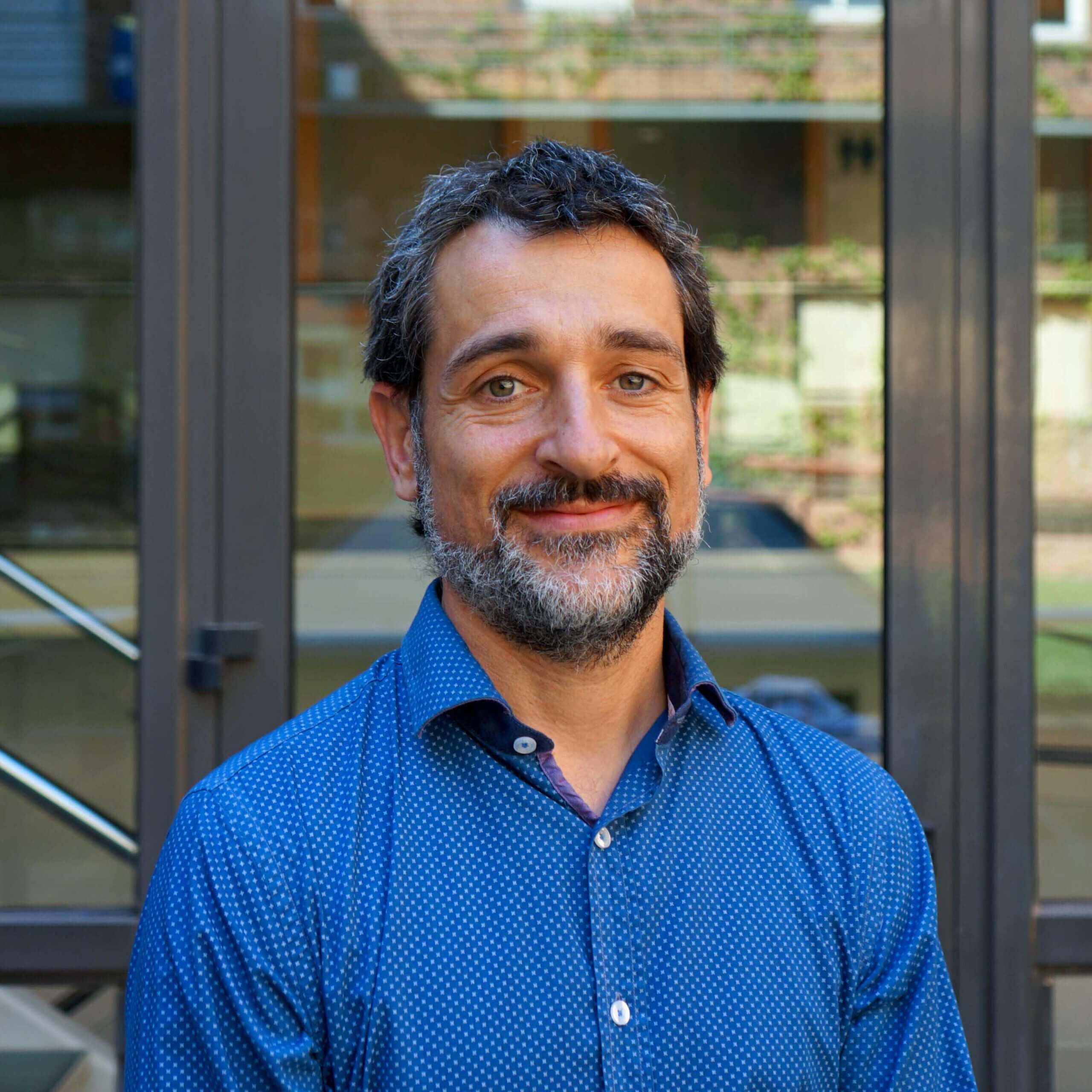
Nathaniel Vacantiمشاهده پروفایل
استادیار
Nathaniel Vacanti is an Assistant Professor of Molecular Nutrition in the Division of Nutritional Sciences at Cornell University's College of Agriculture and Life Sciences. He joined the faculty in autumn 2018 after completing his postdoctoral work at Karolinska Institutet. His research sits at the interface of molecular nutrition, metabolic engineering, systems biology, and bioinformatics, focusing on understanding metabolic regulation in health and disease. Dr. Vacanti's educational background includes: BS in Chemical Engineering from the University of Connecticut (2008) MS in Chemical Engineering from MIT (2010) PhD in Bioengineering from UC San Diego (2015) Postdoctoral Training in Department of Oncology-Pathology at Karolinska Institute His research program combines high-throughput proteomics, metabolomics, and bioinformatic analyses with targeted metabolic investigative methods including stable-isotope tracing and respirometry measurements. Current projects focus on identifying targetable mechanisms regulating differential metabolism across breast cancer cell lines, computationally predicting drug targets or nutrient interventions to exploit or correct metabolic dysfunctions, and mapping the proteomic response to nutrient availability in developing skeletal muscle cells. His lab trains PhD students in Nutrition and Biomedical Engineering and offers the course 'Big Data in Molecular Nutrition: Proteins, Transcripts, and Metabolism' in the College of Human Ecology. Dr. Vacanti's publications demonstrate his expertise in metabolic analysis across diverse biological contexts, from cancer metabolism to stem cell biology and tissue regeneration. His work in Nature Communications (2019) on breast cancer proteomics and his development of computational tools like PolyMID for stable-isotope tracing experiments highlight his contributions to methodological advancements in the field. Through the Vacanti Lab, he mentors PhD students and contributes to the academic community by making large-scale molecular data analysis more accessible to traditional approaches in molecular nutrition.