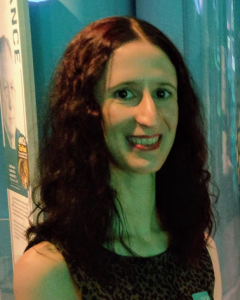
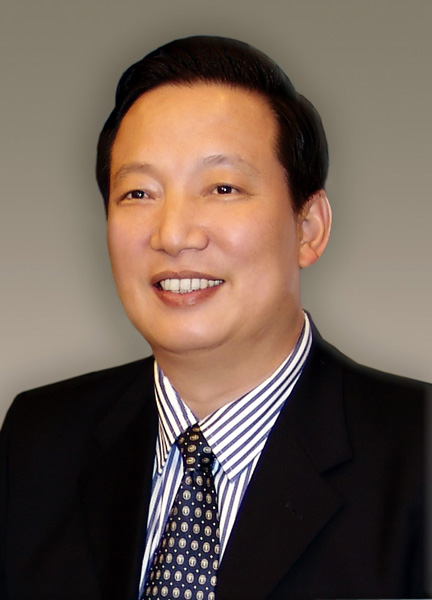
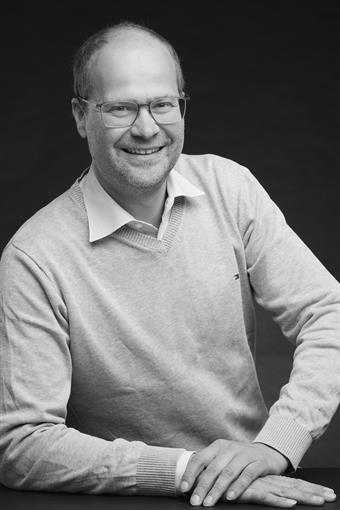
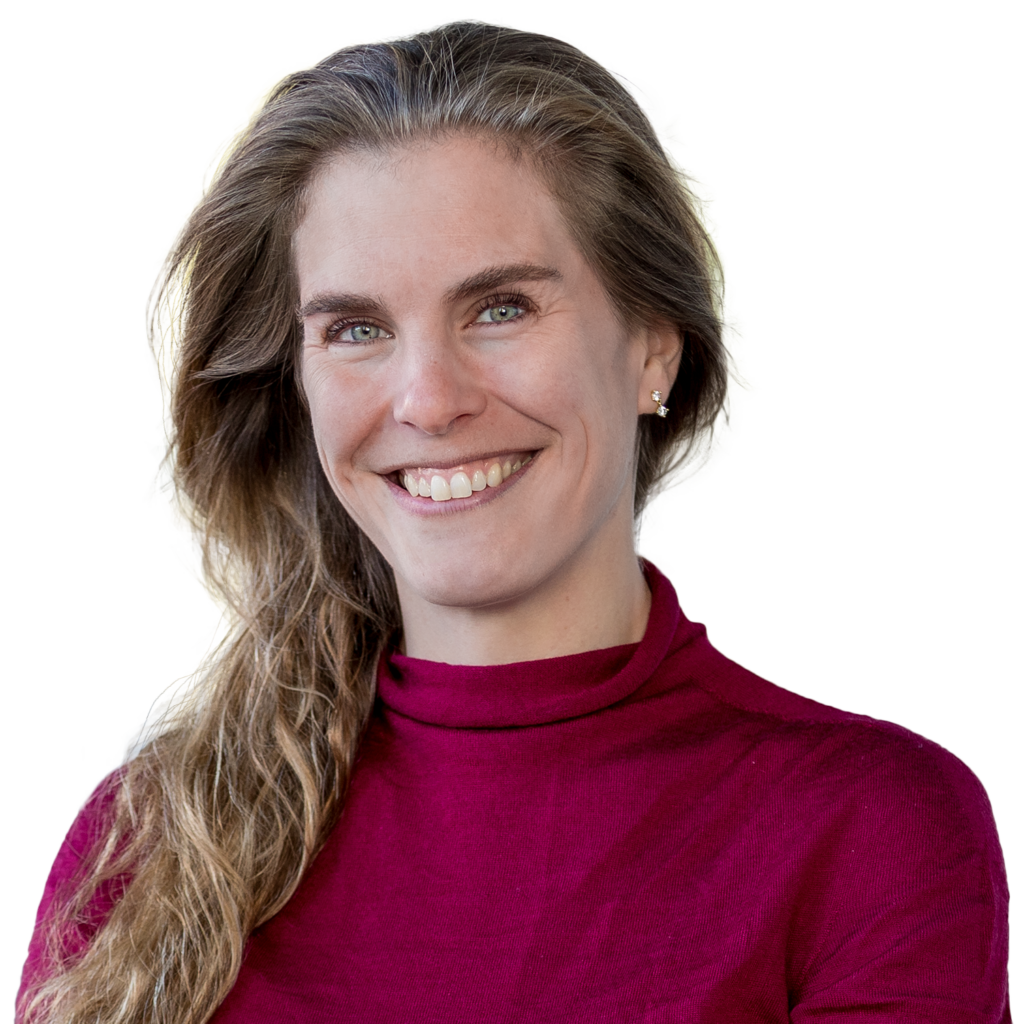
Mo Jiang is a Researcher in the Department of Chemical & Life Science Engineering at Virginia Commonwealth University's College of Engineering. His research focuses on advanced crystallization processes for energy storage materials and pharmaceutical manufacturing. He specializes in continuous manufacturing techniques such as slug-flow reactors, aiming to improve material uniformity, scalability, and process efficiency. His work bridges chemical engineering principles with practical applications in battery technology and drug substance development. Research Interests: Continuous crystallization and manufacturing systems Slug-flow synthesis of battery cathode materials Process optimization for pharmaceuticals and energy storage Scalable synthesis of uniform microcrystals His recent articles highlight advancements in low-cobalt/cobalt-free lithium-ion battery cathodes, pharmaceutical crystallization methods, and the application of computational fluid dynamics to enhance manufacturing processes. These studies emphasize improving material performance, reducing costs, and achieving sustainable production methods. While no formal academic awards are listed, his prolific publication record demonstrates expertise in interdisciplinary engineering solutions. He collaborates on projects involving process design, real-time monitoring, and the integration of advanced manufacturing technologies.
Francesco Rosati is an Associate Professor at the Department of Management Engineering, Technical University of Denmark (DTU), affiliated with the Centre for Technology Entrepreneurship. His work focuses on the intersection of entrepreneurship, innovation, and sustainable development, particularly addressing the UN Sustainable Development Goals (SDGs). He holds academic qualifications in management and engineering and has mentored numerous Danish and international startups. Rosati has been recognized with the Tietgen Award 2020 for early-career contributions to business-oriented social sciences. Research interests include corporate sustainability management, business model innovation for sustainability, and organizational silos analysis. His work spans multiple sectors, including healthcare and construction industries. Rosati teaches courses on strategy, entrepreneurship, and sustainability at both Master’s and executive education levels, and actively participates in global conferences. Key projects include accelerating SDG-aligned entrepreneurship education, circular business model innovation in construction, and building climate resilience for vegetable farmers in Ghana. His research has been published in journals like Business Strategy and the Environment , Journal of Cleaner Production , and Organization and Environment . Rosati has supervised several PhD students exploring topics such as entrepreneurial resilience, SDG reporting, and business model innovation. His work emphasizes bridging management and engineering disciplines to address global sustainability challenges.
James M. Piret is a Professor at the University of British Columbia (UBC), affiliated with the School of Biomedical Engineering and the Michael Smith Laboratories. He holds a Sc.D. from MIT (1989), an S.M. from MIT (1986), and an A.B. from Harvard College (1981). His research focuses on bioprocessing, biomedical engineering, and cell therapy biotechnology, with emphasis on optimizing therapeutic cell production and biomanufacturing processes. Education : Sc.D. in Chemical Engineering, Massachusetts Institute of Technology (1989) S.M. in Chemical Engineering, Massachusetts Institute of Technology (1986) A.B. in Chemistry, Harvard College (1981) Professor Piret’s research integrates bioreactor engineering, Raman spectroscopy, and data analytics to advance cell-based therapies for diseases like cancer and diabetes. Collaborations with stem cell biologists (e.g., Drs. Kieffer and Levings) and engineers (Drs. Turner and Gopaluni) drive innovations in bioprocess optimization and device development. His lab emphasizes multidisciplinary approaches to accelerate biotechnology production processes and cell therapy manufacturing. Awards : William F. Meggers Award (2022) R.S. Jane Memorial Award (2015) Cell Culture Engineering Award (2012) Fellow, Chemical Institute of Canada (2004) His work includes developing novel methodologies for CHO cell glycosylation engineering, optimizing fed-batch bioreactor systems, and advancing Raman spectroscopy techniques for real-time cell analysis. The lab actively recruits motivated graduate and postdoctoral researchers to tackle high-impact challenges in biomedical and chemical engineering.
Olivia Di Matteo serves as an Assistant Professor in the Department of Electrical and Computer Engineering within UBC's Faculty of Applied Science, leading the Quantum Software and Algorithms Research (QSAR) group since her January 2022 appointment. Her academic foundation includes a BSc from Lakehead University and MSc/PhD in Physics (Quantum Information) from the University of Waterloo, completed in 2019. Dr. Di Matteo's research centers on quantum software engineering , with pioneering work in quantum compilation , circuit optimization , and debugging tools . She champions open-source quantum frameworks and develops accessible educational resources to democratize quantum computing. Analysis of her 15 most recent publications (2021-2025) reveals dominant trends in quantum programming infrastructure, particularly circuit analysis (33%), bug classification (20%), and qubit network optimization (15%), with strong emphasis on practical software tooling over theoretical physics. No scientific awards were documented in the source materials. She advises graduate students in the QSAR group while contributing to open-source quantum ecosystems through projects like PennyLane and The Ionizer transpiler, and teaches courses including CPEN 400Q (Gate-model quantum computing) and ELEC 221 (Signals and Systems). The QSAR group operates at the intersection of quantum software development and education, focusing on making quantum programming accessible through visual tools, real-time debugging environments, and hardware-agnostic compilation techniques.
Jacob Krüger is an Assistant Professor at Eindhoven University of Technology , specializing in the development and evolution of variant-rich software systems. He holds a PhD from Otto-von-Guericke University Magdeburg (2021) and has held academic and research positions at institutions including Ruhr-University Bochum, Chalmers University of Technology, and the University of Toronto. His research focuses on the interplay between human cognition and software quality, particularly in complex systems requiring frequent adaptation. Education: PhD in Computer Science, Otto-von-Guericke University Magdeburg (2021) MSc Business Informatics, Otto-von-Guericke University Magdeburg (2016) Research Interests: Variant-Rich Systems Program Comprehension Software Product Lines Human Factors in Software Engineering Architecture Smells and Quality Assurance Articles Trends: Recent work emphasizes fork ecosystem visualization (VisFork tool), the impact of AI on scientific practices, and crisis-driven software development (e.g., Corona-Warn-App). Key themes include empirical studies, tool development, and industry collaboration. Awards: Best Dissertation Award (2022) Frank Anger Memorial Award (2019) Multiple conference best-paper and review awards Advising & Grants: Supervises 12+ PhD students across multiple institutions. Active in funding projects like INKleSS (German Research Foundation) and FOSD Meeting 2024 (NWO). Leads collaborations with ASML, Danfoss, and Axis AB. Labs/Teams: Member of the Software Engineering and Technology (SET) group at TU Eindhoven, focusing on industrial-strength software systems and cognitive aspects of development.
Sara Vinco is an Associate Professor at the Department of Control and Computer Engineering (DAUIN), Politecnico di Torino, Italy. She specializes in battery simulation, digital twins, and energy-efficient design automation for heterogeneous embedded systems, aligning with Industrial and Information Engineering (Area 0009) and ERC sectors including Computer Architecture and Machine Learning . Her research focuses on advancing cyber-physical systems through simulation frameworks like SystemC-AMS, enabling holistic modeling of analog, digital, and thermal domains. Key projects include data-driven digital twins for EV batteries and low-area digital circuits in industrial/medical applications, supported by commercial contracts such as C-based virtual prototyping. Her recent publications (2022-2023) emphasize machine learning for battery SOH/SOC estimation , energy monitoring in production lines , and multi-domain fault modeling . These works span journals like IEEE Transactions and conferences including DATE and ISLPED. Awarded the FFABR 2017 grant and IEEE FDL Best Paper Award 2011 , she also chairs editorial boards for IEEE Transactions on CAD and DATE Conference. She supervises PhD students Giovanni Pollo (Digital Circuits) and Khaled Alamin (EV Battery Twins), reflecting her leadership in smart systems design.
Dr. Lucy Gloag is a Lecturer at the Research School of Chemistry at the Australian National University (ANU), where she joined in 2024 after previously serving as a Lecturer at the University of Technology Sydney in 2023. Her research focuses on the development of advanced nanomaterials for energy applications, particularly in electrocatalysis and energy storage. Education: BSc/BCA and BSc(Hons) from Victoria University of Wellington, New Zealand PhD from the University of New South Wales (2018) on synthesis and characterization of Ru-based nanocatalysts Dr. Gloag is a nanomaterials chemist and electron microscopist specializing in the synthesis and characterization of nanomaterials for electrocatalytic applications. Her research addresses the fundamental question of how nanostructure can be used to enhance the performance of electrocatalysts . She employs solution-phase synthesis techniques to create nanoparticles with precise control over crystal structure, dimensions, and surface faceting, then correlates these structural features with electrocatalytic properties using transmission electron microscopy and electrochemistry. Her work spans energy conversion technologies, biomedical applications of nanoparticles, and advanced materials characterization. Analysis of her recent publications reveals a strong focus on single-atom catalysts, hierarchical nanostructures, and the relationship between nanomaterial structure and function. Her research spans both fundamental materials science and practical applications in energy conversion, with significant work on oxygen evolution reaction, hydrogen evolution reaction, and methanol oxidation electrocatalysts. She has also made notable contributions to biomedical applications of nanoparticles, particularly in magnetic particle imaging and Alzheimer's disease diagnostics. Scientific Awards: ARC Discovery Project Grant (2023) ARC Linkage Project Grant (2023) UNSW Science COVID19 Strategic Support Grant (October 2021) Dementia Australia Research Foundation – Yulgilbar Innovation Grant (2019-2022) Australian Postgraduate Research Scholarship (2015) AMN-7 Image Competition Finalist (2015) Dr. Gloag currently leads the ANU Futures Scheme 2.0 project (2024-2028) and has secured multiple competitive research grants, demonstrating strong research leadership. Her work involves extensive collaboration with researchers at UNSW and other institutions, particularly with Professors Richard Tilley and Justin Gooding. She has published 28 research outputs since 2015, with significant citation impact (h-index of 17). Her laboratory at ANU (Building 137, room 2.49) focuses on developing single atom and nanomaterials for energy storage and conversion technologies, continuing her trajectory as an emerging leader in advanced materials synthesis and electron microscopy characterization.
Prasenjit Mandal is an Associate Professor in the Department of Information Systems, Supply Chain Management, and Decision Support at NEOMA Business School (France). He holds a PhD in Decision Sciences and Information Systems from the Indian Institute of Management (IIM) Bangalore. Previously, he served as an Assistant Professor of Operations Management at IIM Calcutta and worked as an Oracle ERP consultant at Tata Consultancy Services. His research focuses on supply chain finance, revenue optimization, multi-channel retail strategies, and strategic decision-making in supply chains. He has published in top journals like European Journal of Operational Research and IEEE Transactions on Engineering Management. He currently serves as a reviewer for multiple academic journals. Education: PhD in Decision Science and Information Systems, IIM Bangalore, India Oracle ERP Techno-Functional Certification Research Interests: Revenue Management in Retail & E-commerce Supply Chain Finance & Platform Financing Multi-channel Distribution Strategies Empirical Modeling of Supply Chain Trade-offs Strategic Decision-Making under Competition Key Contributions: His recent work explores platform financing models, strategic supplier financing choices, and omnichannel retail challenges. His research integrates optimization models with real-world operational scenarios to address supply chain complexities. Professional Experience: Current: Associate Professor, NEOMA Business School 2016-2019: Assistant Professor, IIM Calcutta 2012-2015: Oracle ERP Consultant, Tata Consultancy Services
Pierre KELSEN is a Full Professor in the Department of Computer Science at the University of Luxembourg's Faculty of Science, Technology and Medicine (FSTM). His research focuses on Software Engineering, Formal Methods, Model-Driven Engineering, and Algorithmic Graph Theory. He leads the LASSY Laboratory for Advanced Software Systems, emphasizing model decomposition, regulatory compliance, and formal verification techniques. Education: PhD in Computer Science (1993, University of Illinois at Urbana-Champaign), M.Sc. (1989, UIUC), and Diploma (1986, University of Karlsruhe). Postdoctoral work at the University of British Columbia and Max-Planck-Institut für Informatik. Research Interests: - Development of formal modeling languages (e.g., VCL, F-Alloy) - Model transformation and validation frameworks - Algorithms for compliance and complexity challenges - Visual and modular design methodologies Funding: - ASINE (FNR Pearl, 2013–present): Architecture-based service innovation - MaRCo (FNR Core, 2010–2013): Business-centric regulatory compliance Publications span model-driven engineering, formal methods, and algorithmic foundations, with recent work exploring AI integration in domain modeling and compliance analysis. Labs/Teams: LASSY Laboratory, collaborating on tools like Lightning and Democles for executable modeling frameworks.
Mahipal Singh is a Professor of Animal Biotechnology and Coordinator of the Animal Science Undergraduate Program at Fort Valley State University (FVSU), where he is affiliated with the College of Agriculture, Family Sciences and Technology and the Department of Agricultural Sciences. He has been at FVSU since 2000 in various capacities, progressing from Adjunct Biology/MPH Graduate Faculty to his current position as full Professor since 2019. Dr. Singh earned his educational credentials in India: a B.S. (Hons) in Zoology from Meerut College (1978), an M.S. in Zoology from the Institute of Advanced Studies, Meerut University (1983), and a Ph.D. in Zoology-Microbiology from Banaras Hindu University, Varanasi (1989). His academic journey included prestigious appointments such as International Visiting Fellow at the National Institute of Child Health and Human Development, NIH (1991-1993) and Postdoctoral Fellow at the Medical University of South Carolina (1989-1991). His research focuses on cutting-edge areas of animal biotechnology, particularly in postmortem cell recovery, genome editing in livestock, and myostatin gene targeting. Dr. Singh has pioneered work demonstrating that individual cells remain viable in mammalian tissues for much longer periods after death than previously believed, with applications for cellular therapies and germplasm preservation. His work with CRISPR/Cas technology aims to reduce milk allergens and mastitis in goats, while his myostatin research seeks to enhance muscular mass in meat goats for agricultural applications. Analysis of his recent publications reveals a consistent focus on cellular viability after death across multiple livestock species (cattle, goats, sheep), with particular attention to temperature effects and storage conditions. His work bridges basic cellular biology with practical agricultural applications, demonstrating how fundamental discoveries about postmortem cellular life can translate into biotechnological advances for livestock preservation and improvement. USDA-ARS 1890 Faculty Research Fellowship Award (2017) STEM Research Excellence Award, Fort Valley State University (2014-15) Multiple student research presentation awards at FVSU Annual Research Day symposiums Best Poster Award at National Symposium on Biotechnology, CIMAP, Lucknow, India (1999) Fogarty International Visiting Fellowship at NIH (1991-93) Dr. Singh has supervised an impressive 38 students across multiple educational levels, including 4 PhD, 13 MS, 7 BS, 8 HS, and 6 middle school students. His research has been supported by USDA-ARS, USDA-NIFA programs, and various other grants. He serves on multiple editorial boards, grant review panels, and university committees, and is an active member of professional societies including the American Society of Animal Science and Society for In Vitro Biology. Based in the Stallworth Biotechnology Building at FVSU, Dr. Singh leads research projects that bridge molecular biology with practical agricultural applications, working collaboratively with researchers from USDA-ARS, University of Illinois, University of Maryland, and other institutions to advance animal biotechnology and improve livestock production systems.
Zhiming Cai is a Visiting Professor at the National Cancer Institute (NCI) and holds multiple leadership roles in China, including President of Shenzhen Medical Association, Deputy Director of Carlson International Oncology Center at Shenzhen University, and Director of the Guangdong Key Laboratory of Systemic Biology and Synthetic Biology in Genitourinary Oncology. As an Outstanding Principal Investigator at the Chinese Academy of Science's Institute of Synthetic Biology, he leads groundbreaking research in cancer genomics and synthetic biology. Doctor Philosophiae Honoris Causa, The National Academy of Science of Ukraine Fellow, American Institute for Medical and Biological Engineering (AIMBE) His research focuses on synthetic biology applications for cancer therapy , including engineered cell treatments and artificial gene circuits for tumor targeting. Notable work includes the "Remodeling Tumor Suppressor Theory" and CRISPR-based signal transduction systems that earned recognition from Nobel laureates and top-tier journals. With over 330 publications and an H-Index of 36, Cai's work has appeared in Nature , Cell , and European Urology . His research team has successfully treated over 200 advanced tumor patients using synthetic biology approaches, demonstrating clinical translation of cutting-edge technology. Guangdong Medical Natural Science Award (First Class) May 1st Labor Medal (China's highest worker award) State Council Special Allowance Expert National Model Worker International Genetically Engineering Machine Competition Gold Award Cai directs multiple high-profile research institutions including the National Tumor Genome Application Engineering Laboratory and the Academic Committee of the National and Local Joint Medical Synthetic Biology Engineering Laboratory. His work bridges basic research with clinical applications in genitourinary oncology through systematic biology approaches.
Bernhard Rumpe is a Professor and Chair of Software Engineering at the Department of Computer Science 3, RWTH Aachen University, Germany. He leads a research group focused on model-based software engineering, domain-specific languages, and digital twins, with strong industrial collaborations and applications in embedded systems, AI, IoT, and autonomous vehicles. His research centers on improving software development through model-driven engineering, generative techniques, and formal modeling using UML, SysML, and the MontiCore language workbench. Key interests include digital twins, variability modeling, model composition, and the integration of cyber-physical systems with information systems. The recent publications highlight a consistent focus on model-driven digitalization, language workbenches, and system integration. Trends show increasing emphasis on digital twins in manufacturing and societal systems, formal verification of model transformations, and educational applications of model-driven low-code platforms. His work bridges theoretical foundations with industrial applicability. Keynote Speaker, OOPSLE 2025 General Chair, GPCE 2023 Session Chair, MODELS 2020 Program Committee Member, SLE, GPCE, ICSE, ECMFA He advises master’s and doctoral students and leads a vibrant research team that has successfully executed over 100 research projects. His group develops foundational tools like MontiCore and applies them in industrial contexts, contributing to software quality and developer efficiency. No formal grants are listed, but sustained project funding is evident. He is involved in several research labs and teams centered around the Software Engineering Chair at RWTH Aachen, focusing on language workbenches, model-driven development, and digital twin systems. The team actively contributes to open research through publications, tools, and industrial partnerships.
Prof. Dr.-Ing. Weihan Li is a Junior Professor at RWTH Aachen University, specializing in Artificial Intelligence and Digitalization for Batteries. He is affiliated with the Institute for Power Electronics and Electrical Drives (ISEA) and the Center for Ageing, Reliability, and Lifetime Prediction of Electrochemical and Power Electronic Systems (CARL). His research bridges informatics, electrochemistry, and power electronics to advance battery technology through AI. B.Sc. in Automotive Engineering (Tongji University, 2014) M.Sc. in Automotive Engineering and Transport (RWTH Aachen, 2017) Ph.D. in Electrical Engineering and Information Technology (RWTH Aachen, 2021, summa cum laude) Prof. Li’s research focuses on AI-driven battery modeling, diagnostics, and optimization. Key areas include digital twin technology, electrochemical parameterization, and lifetime prediction using field data. He explores multi-scale kinetic processes, thermal management, and mechanical-electrochemical coupling effects in battery systems. The articles listed reflect his leadership in AI-powered battery analytics, spanning degradation prediction, fast charging, failure mode analysis, and grid-scale storage. His work emphasizes both theoretical innovation (e.g., diffusion models, physics-informed neural networks) and practical applications (e.g., second-life battery screening, automotive integration). Clarivate Highly Cited Researcher 2024 BMBF BattFutur Research Group (€2M+) German Thesis Award (Körber Foundation) Reichart Prize vgbe Innovation Prize Battery Young Research Award Umbrella Award RWTH Innovation Award Prof. Li leads an interdisciplinary research group with over €6 million in grants from BMBF, BMWK, BMDV, European Commission, and industry partners. His teams focus on battery informatics, AI-driven diagnostics, and digitalization of testing processes at CARL and ISEA.
Prof. Dr.-Ing. Ralf Beck serves as Professor for Control and Regulation Technology and Automation Technology at Hochschule Düsseldorf University of Applied Sciences within the Faculty of Electrical Engineering & Information Technology. His academic responsibilities span multiple degree programs including BEng Electrical Engineering, BEng Industrial Engineering, and MSc Electrical Engineering and Information Technology. His educational background includes Mechanical Engineering studies at TU Braunschweig (1998-2004), followed by doctoral research at RWTH Aachen's Institute of Control Engineering where he earned his Dr.-Ing. in 2010 with a dissertation on predictive energy management for hybrid vehicles. Prior to his current professorship, he held progressive roles at FEV Europe GmbH from 2009-2018, culminating as Senior Project Manager for Vehicle and Powertrain Electronics. Beck's research focuses on control engineering systems with particular emphasis on automation technology, regulation systems, and model-based development approaches. His work bridges theoretical control methodologies with practical automotive applications, especially in hybrid vehicle energy management, multi-robot systems, and intelligent air path control. The Modellfabrik Fab21 serves as his primary experimental platform for model-based development applications. His publication record since 2005 demonstrates consistent contributions to control engineering, particularly in hybrid vehicle systems, emission control optimization, and calibration methodologies. Recent work shows increasing focus on distributed robotics and intelligent transportation systems, reflecting evolving research directions while maintaining core expertise in control theory applications. As an educator, Beck teaches foundational and advanced courses including Electrical Engineering III, Control and Regulation Technology, Model-Based Development, Technical Mechanics, and Advanced Control Engineering at the Master's level. His teaching integrates theoretical concepts with practical laboratory applications through the university's Moodle platform, emphasizing hands-on implementation of control algorithms and system modeling techniques.
Professor Line Roald is a faculty member in the Department of Electrical and Computer Engineering at the University of Wisconsin-Madison. Her research focuses on power system optimization, renewable energy integration, grid resilience, and wildfire risk mitigation using stochastic optimization and data-driven methods. Education : PhD (2016), MS (2012), BS (2009) from ETH Zurich Key Research Areas : Power Systems Optimization, Renewable Energy Integration, Wildfire Risk Mitigation, Stochastic Programming, Grid Decarbonization Her work addresses critical challenges in sustainable energy systems, including balancing grid efficiency and risk, optimizing electrolyzer scheduling for flexibility, and predicting cascading blackout severity using graph neural networks. She has developed frameworks for carbon intensity comparison and wildfire risk assessment in power systems. Scientific Awards : 2024 Inclusion, Equity and Diversity in Engineering Award 2024 Vilas Faculty Early Career Investigator Award 2023 IEEE Power Tech Best Student Paper Award 2021 NSF CAREER Award 2019 MTLE Fellow Professor Roald mentors graduate students and teaches courses including Introduction to Optimization and On-Line Control of Power Systems . Her publications highlight innovative approaches to grid security, carbon-efficient energy markets, and climate resilience in infrastructure systems.