Trond Waage is a Professor in the Department of Social Sciences at UiT The Arctic University of Norway , specializing in Visual Anthropology . His research focuses on migration patterns in Sub-Saharan Africa, particularly in Cameroon, the Central African Republic, and Mali, while also exploring the intersection of visual methods with ethnographic research. Active in collaborative visual research with African communities Member of the War and Peace Dynamics research group Co-founder of the Sahel on Sahel research initiative Research Interests include: Migrant integration in urban African contexts Conflict dynamics in the Sahel region Participatory visual methods for ethnographic knowledge production His recent work has examined Boko Haram's impact on youth communities and the role of collaborative filmmaking in documenting post-conflict resilience. Professor Waage frequently collaborates with researchers across institutions in Norway and Africa to explore cultural translation and visual epistemology. He serves as: Editorial contributor to the Journal of Anthropological Films Supervisor in Master of Philosophy in Visual Anthropology program Co-developer of Visual Anthropology curricula in Niger
Michael Parzer is an Associate Professor in the Department of Sociology at the Faculty of Social Sciences. His academic work focuses on migration studies, refugee integration, and the intersection of artistic practice with social integration processes. He maintains an active research profile with extensive publication output and ongoing research projects that address contemporary migration challenges. Parzer's research interests encompass Migration Studies, Refugee Integration, Cultural Production, Social Inequality, Artistic Practice, and Transdisciplinary Research . His work often examines how migrants, particularly refugees, navigate social structures and cultural landscapes through artistic expression and musical activities. A significant portion of his recent research has focused on Ukrainian refugees and their integration processes in Austria. His publication record shows substantial scholarly output with 91 publications documented, including numerous articles in 2023 and 2024. His recent work demonstrates a strong focus on refugee experiences, particularly examining how artistic practices facilitate integration and shape social identities in post-migrant societies. The publications reveal a consistent engagement with methodological innovation, often employing transdisciplinary and participatory approaches. Parzer is currently leading or participating in multiple research projects including: MUsikCOnnect (MU_CO) (2023-2025): Developing an online platform for inclusive music education The Art of Arriving (2021-2024): Reframing refugee integration through artistic practices Migration Ties (2020-2022): Examining transnational connections based on migrants' social milieu His academic contributions connect with UN Sustainable Development Goals, particularly those addressing social inequality and inclusive societies. Parzer actively engages with public discourse through media contributions and academic presentations, demonstrating commitment to translating research into practical insights for policymakers and practitioners working in migration and integration fields.
Elena Barbieri is a Research Assistant Professor in the Department of Physical Medicine and Rehabilitation at Northwestern University's Feinberg School of Medicine, with dual affiliation at the Mesulam Center for Cognitive Neurology and Alzheimer's Disease. Her interdisciplinary work bridges cognitive neuroscience, clinical neuropsychology, and rehabilitation medicine. Her educational trajectory includes: BS in Cognitive Science from University of Milano-Bicocca (2005) MS in Cognitive Neuroscience from University of Milano-Bicocca (2007) PhD in Cognitive Neuroscience from University of Milano-Bicocca (2012) Postgraduate Training Fellow in Clinical Neuropsychology at Northwestern University (2014) Postdoctoral Fellow in Communication Sciences and Disorders at Northwestern University (2017) Dr. Barbieri's research centers on language-brain relationships with primary focus on aphasia mechanisms and rehabilitation. She investigates both stroke-induced aphasia and Primary Progressive Aphasia (PPA), employing multimodal neuroimaging (structural/functional MRI, PET), electrophysiology (ERP), and noninvasive brain stimulation. Her work examines neural reorganization during recovery, cross-linguistic language processing patterns, and development of culturally adapted assessment tools like the Northwestern Assessment of Verbs and Sentences (NAVS) across Italian, Persian, and German populations. Current projects address TDP-43 pathology progression, virtual reality interventions, and neural mechanisms of syntactic processing in neurodegenerative conditions. Analysis of her 2021-2025 publications reveals strong emphasis on PPA neurobiology, cross-linguistic aphasia rehabilitation, and neural plasticity. Key trends include development of international consensus outcome measures (COS-PPA), investigation of disease-specific progression patterns (TDP-43 pathology), and innovative virtual interventions for dementia-related communication disorders. Her work consistently integrates clinical assessment with advanced neuroimaging to map language network reorganization. Her research excellence is recognized through: Karen Toffler Scholarship for neurodegenerative disease research (2023) Cognitive Neuroscience Society Postdoctoral Fellow Award (2018) Society for Neurobiology of Language Travel Award (2016) Dr. Barbieri serves as Associate Editor for Frontiers in Language Science and maintains active roles in ISTAART and the Academy of Aphasia. Her Mesulam Center affiliation enables collaborative research on cognitive-linguistic deficits in Alzheimer's disease and frontotemporal dementia, with particular focus on developing targeted language interventions for progressive neurodegenerative conditions.
Pamela Pollet is a faculty member at the Georgia Institute of Technology, specializing in the Department of Chemistry. Her academic work focuses on green chemistry, sustainable processes, chemical education, and flow chemistry. BSc : University of Rouen, France (1994) PhD : Chemistry, University of Rouen, France (2011) Post-doctoral Fellow : University of Bradford, UK (1998); Georgia Institute of Technology, USA (1999) H.D.R : Chemistry, University of Rouen, France (2011) Pollet’s research spans chemical safety, sustainable chemistry, catalysis, and smart solvents. She emphasizes green chemistry & sustainability, integrating undergraduate research into her projects. Her work also explores continuous flow technology for scalable chemical processes and education-focused innovations, including sustainability practices and equity in chemical sciences. Her recent publications highlight trends in chemical education (e.g., active learning in organic chemistry), green chemistry (e.g., CO2-responsive materials), and flow chemistry (e.g., continuous flow polymerization and catalytic reactions). These works reflect interdisciplinary collaboration, industry partnerships, and sustainable methodologies. Scientific Awards: GaTech Safety Ambassador Award, 2017 Vasser-Wooley Excellence in Teaching Award, 2017 Geoffrey G. Eichholz Faculty Teaching Award, 2020 University System of Georgia Chancellor Learning Scholar, 2021 Student Recognition of Excellence in Teaching CIOS Honor Roll, 2022–2024 Class of 1934 Outstanding Innovative Use of Education Technology Award, 2024 Pollet actively contributes to chemical education and laboratory safety , with grants and partnerships focused on academic-industry collaborations (e.g., the Partners in Lab Safety initiative) and educational technology integration.
George Vosselman is a Full Professor at the University of Twente, Faculty of Geo-Information Science and Earth Observation (ITC), specializing in Geo-Information Extraction with Sensor Systems. Educated with honours at Delft University of Technology (1986) and PhD in Photogrammetry from Rheinische Friedrich Wilhelms University of Bonn (1991), he has held academic roles at the University of Stuttgart, University of Washington, and Delft University of Technology (1993–2004). Since 2004, he has been a key figure at ITC, serving as department head (2012–2018, 2023–). Education: Delft University of Technology (BSc with honours, 1986), Rheinische Friedrich Wilhelms University of Bonn (PhD with honours, 1991) His research focuses on leveraging sensor technology advancements for large-scale geo-information production. Key expertise includes quality analysis of laser altimetry data, point cloud segmentation/classification, 3D building/road modeling, and model-driven imagery analysis. He has published over 220 papers and co-edited the textbook Airborne and Terrestrial Laser Scanning (2010). Recent work integrates deep learning with geospatial data, addressing semantic segmentation, visual question answering, and drone-based mapping. Recent publications (2025–2023) highlight trends in deep learning for remote sensing , including multimodal question answering benchmarks (HRVQA), vectorized building extraction (RoIPoly), latent diffusion for road modeling (LDPoly), and drone obstacle avoidance systems. His work bridges photogrammetry , computer vision , and robotic mapping , with applications in urban planning, disaster management, and informal settlement monitoring. Scientific Awards : Hansa Luftbild (1993), ISPRS Otto von Gruber (2000), Schwidefsky Medal (2012), Karl Kraus Medal (2012), ASPRS Fairchild Award (2015), ISPRS Fellow (2020) As an educator, Vosselman has taught photogrammetry, remote sensing, and laser scanning at Delft University of Technology and globally. He chaired the ITC Examination Board (2015–2023) and modernized geo-information education in Asia/Africa. His software for point cloud processing is commercialized in Europe, and he currently leads ISPRS working groups on point cloud methodologies. Labs/teams include the Earth Observation Science Chair Group at ITC, collaborating on UAV-based datasets (UAVid, UAVPal) and indoor laser scanning systems. Recent activities (2025) involve invited talks on pulse matching limitations in laser scanning and deep learning for point cloud classification.
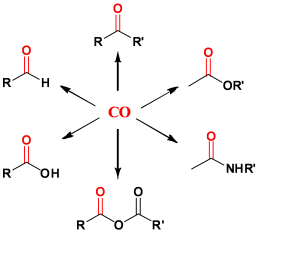
Mathieu Sauthier is a Professor at the University of Lille, affiliated with the National School of Chemistry of Lille and the Unit of Catalysis and Solid State Chemistry (UCCS). His research focuses on homogeneous catalysis for organic synthesis, emphasizing atom efficiency, greener chemistry, and polyol valorization. He specializes in carbon monoxide and 1,3-butadiene chemistry, including carbonylative Suzuki couplings, hydroformylation, alkoxycarbonylation, and domino reactions under one-pot conditions. His work targets catalyst improvements for activity (TOF), selectivity, and lifetime (TON) while minimizing synthetic steps. 2011–Present: Professor, University of Lille 2002–2011: Assistant Professor, University of Lille 2001–2002: Postdoctoral Researcher, University of Amsterdam 1998–2001: Ph.D. in Homogeneous Catalysis, University of Rennes 1997–1998: Master’s in Porphyrin Synthesis, University of Burgundy His research portfolio includes innovative approaches to domino carbonylative reactions for constructing complex molecules, selective 1,3-butadiene etherification, and nickel-catalyzed hydroalkoxylation for agro-based polyol valorization. He has contributed to nonconventional reaction media in catalysis, such as biphasic aqueous systems and ionic liquids, and has co-authored book chapters on carbohydrate chemistry and C-1 building blocks in organic synthesis. The trends in his publications highlight sustainable methodologies using nickel and palladium catalysts for bioresource conversion (e.g., lignin, sorbitol, glycerol), with a strong emphasis on atom economy and clean reaction conditions. His work spans catalyst design, mechanistic studies, and industrial applications. Professor Sauthier is based at the National School of Chemistry of Lille, Scientific City, Building C7, France. He is part of the UCCS unit, a collaborative research environment associated with CNRS (UMR 8181) and partners like Universiteit van Amsterdam. His laboratory, CASECO (Catalysis and Eco-Compatible Synthesis), drives innovations in greener chemistry.
David Bastviken is a Professor at the Environmental Change Theme (TEMAM), Linköping University , specializing in environmental science and biogeochemical cycles. His research focuses on greenhouse gas emissions, particularly methane and carbon dioxide, from freshwater systems and human activities, with implications for climate policy and pollution management. Research Pillars : Aquatic greenhouse gas dynamics, chlorine cycling in soils, drinking water disinfection by-products, landscape-scale carbon budgets Methodologies : Drone-based sensing, hyperspectral imaging, sensor networks, cross-disciplinary ecosystem experiments Notable findings include the discovery of underestimated methane emissions from lakes and rivers, the role of trees in methane uptake , and natural chlorine production in boreal forests. His work has been funded by ERC , Formas , VINNOVA , and The Swedish Research Council . Recent publications highlight climate sensitivity of methane emissions, day-night emission patterns , and global methane budget modeling. He leads international collaborations across Amazonas , Arctic , and Boreal regions.
Professor Lisa Regazzoni serves as Professor of Theory of History at Bielefeld University within the Faculty of History, Philosophy and Theology. She directs the Center for Theories in Historical Research and is a member of the Executive Board of the Bielefeld Graduate School in History and Sociology. Her academic leadership extends to multiple roles including Speaker for History: Politics - Image - Art and membership in Historical Cultures research groups. Regazzoni completed her academic education with a Magister Artium in Philosophy from the University of Bologna (1998), followed by doctoral studies in Philosophy at the University of Potsdam (2006), and habilitation in Modern History at Goethe University (2020). Her educational background spans philosophy and modern history across Italian and German institutions, reflecting her transnational scholarly perspective. Her research focuses on the intersection of history, temporality, and materiality, developing what she terms a 'critique of historical materiality.' Regazzoni explores how scholars construct knowledge through material and immaterial sources, particularly examining 18th and 19th century French historical research. Her concept of 'unwritten pasts' addresses methodological limitations in historical reconstruction, while her work on 'monument episteme' investigates how objects function as historical testimony. She has pioneered research on the Reinhart Koselleck Figure Collection, examining how material objects contribute to historical understanding beyond textual sources. Regazzoni's publication trajectory reveals a sophisticated evolution from literary catalog studies to contemporary investigations of historical materiality. Her recent work demonstrates increasing engagement with object-oriented ontology and the epistemic potential of material culture in historical research. The recurring themes across her publications include the relationship between visual evidence and historical knowledge, the transformation of historical methodology, and the theoretical implications of material objects in historical practice. Momentum funding from Volkswagen Foundation (2025) for 'Towards a Material-Oriented Theory of History' (€935,000 over 48 months) Nominated for the 1822 university prize for excellence in teaching at Goethe University (2014) As academic coordinator of the International Graduate School on Political Communication and director of the Center for Theories in Historical Research, Regazzoni has secured significant research funding and fostered interdisciplinary collaboration. She co-founded the Theory-Oriented Object Laboratory (TOOL) with Lara Keuck, creating innovative spaces for material-based historical inquiry. Her leadership extends to the 'Denkraum Theorie' study group, which facilitates theoretical exchange among humanities scholars. Regazzoni directs the Reinhart Koselleck Figure Collection at Bielefeld University, transforming the historian's personal artifact collection into a research laboratory for historical materiality. Through the Theory-Oriented Object Laboratory (TOOL), she has created interdisciplinary spaces where material objects become catalysts for theoretical reflection on history and medical knowledge. Her leadership in the 'Denkraum Theorie' study group fosters theoretical exchange across disciplines, while her digital humanities work maintains the online platform for Goethe University collections.
Anders Backlund is Professor of Pharmacognosy at Uppsala University's Department of Pharmaceutical Biosciences, with dual institutional roles including Garden Director at Uppsala Linnaean Gardens. His work bridges pharmaceutical sciences and botanical heritage through the university's historic gardens. His research centers on pharmacognosy and natural products chemistry, with pioneering development of the ChemGPS-NP platform for chemical space navigation. This computational tool maps biological activity in chemical property space, enabling prediction of pharmacological effects and mechanisms of action. His work spans plant metabolomics, evolutionary chemography, and drug discovery from natural sources including marine organisms, fungi, and medicinal plants. Recent publications (2019-2023) demonstrate strong continuity in applying ChemGPS-NP to diverse problems: predicting membrane permeability of Alpinia galanga constituents (2022), evaluating Ononis isoflavonoids for CNS targeting (2022), and decoding multi-functional bioactivities in Maca (2021). His work increasingly integrates computational prediction with experimental validation across anti-inflammatory, anti-allergic, and antimicrobial domains. As Garden Director of Uppsala Linnaean Gardens, he maintains institutional connections to botanical heritage while advancing modern pharmacognosy. His dual roles exemplify the integration of historical plant knowledge with contemporary drug discovery methodologies.
Edgar Weippl is a Professor at the Faculty of Computer Science, University of Vienna, where he serves as Vice Dean and Head of the Research Group Security and Privacy. His work spans cybersecurity, blockchain, and machine learning, with teaching roles in information security and software security courses. Current Positions: Vice Dean (Faculty of Computer Science), Head (Security and Privacy Research Group), Deputy Head (Neuroinformatics & Knowledge Engineering Groups) Research Interests: Cybersecurity, blockchain, IoT security, code obfuscation, privacy technologies, reinforcement learning, and socio-technical systems security Selected Publications: Focus on blockchain privacy, VoWiFi security, code obfuscation, and reinforcement learning applications
Jan Bill is Professor of Viking Age Archaeology at the University of Oslo's Department of Archaeology and curator of the Viking Ship Collection at the Museum of Cultural History since 2007. His academic trajectory includes leadership roles at the Viking Ship Museum in Roskilde (2003-2007) and the Centre for Maritime Archaeology at Denmark's National Museum (1997-2003), where he progressed from PhD researcher to deputy director. His research centers on Viking Age and medieval archaeology, specializing in seafaring, burial practices, and scientific methodologies. Key investigations focus on Norwegian ship burials (Oseberg, Gokstad) to decode power representation through funerary rituals, and seafaring's role in societal complexity. His interdisciplinary approach integrates archaeology with genetics, geochemistry, and digital humanities. Recent publications reveal dominant trends in Viking Age genomics, ship burial reinterpretation, and geoarchaeological analysis of settlements. Major themes include population migrations, ancient pathogens, trade networks, and landscape reconstruction, often through large-scale collaborations like the Population Genomics of the Vikings project. Scientific recognition includes: Aage Rothenborgs Endowment (2017) for contributions to early medieval Scandinavian maritime culture Bill currently supervises two PhD candidates and leads significant grants including the Gokstad revitalised research project, Saving Oseberg Project, and Gjellestad excavation. His grant portfolio emphasizes interdisciplinary Viking Age studies combining archaeology with DNA analysis and geophysical surveying. He directs the Centre for Viking-Age Studies (ViS) and contributes to INTER-Action research group. Critical institutional work involves developing the new Museum of the Viking Age and steering major conservation initiatives like the ADED project for archaeological digital documentation.
David Imhoof is Professor of History at Susquehanna University and serves as the NCAA Division III Faculty Athletic Representative. He has twice chaired the History Department (2006-2015, 2020-2023) and directed the Global Opportunities (GO) Austria study abroad program since 2010. His research focuses on cultural and political history in 20th-century Germany with particular emphasis on Göttingen between the World Wars. Education : Ph.D. in History from the University of Texas at Austin, B.A. in History and Liberal Arts from Trinity University. Imhoof's research explores how cultural practices like sports, music festivals, and film shaped political integration in Weimar and Nazi Germany. His current projects include a biography of a Nazi mayor and a history of Germany's 20th-century recording industry. He has published extensively on topics ranging from the Total Work of Art concept to sound studies in German contexts. His recent publications form trends in cultural history, media studies, and political integration analysis. These works examine how music, sports, and film served as vectors for both traditional values and ideological transformation during Germany's turbulent 20th century. Scientific Awards : Multiple Susquehanna Research Grants, DAAD Fellowship, Nachtegall Junior Scholar Award, and Presidential Scholar at Trinity University. Imhoof advises senior theses and independent study projects. He has led assessment reforms in Susquehanna's history department and coordinated over $3,500 in donor campaigns. As director of GO Austria, he develops international curricula and faculty training programs. He co-founded Susquehanna's Holocaust-Genocide Studies Group (2000-2014) and leads a rock band Faculty Lounge with fellow professors. His service includes NCAA representation, university strategic planning, and organizing academic events ranging from opera performances to Holocaust survivor talks.
Douglas Laney is an Adjunct Clinical Assistant Professor of Accountancy at the University of Illinois at Urbana-Champaign's Gies College of Business, where he teaches courses in infonomics and business analytics. He also serves as the Data & Analytics Strategy Innovation Fellow at West Monroe Partners, advising leaders on data-driven value creation. Laney holds a BS in Liberal Arts & Sciences from the University of Illinois (1986). His research focuses on infonomics, data valuation, and strategic data use. He authored the seminal book Infonomics: How to Monetize, Manage, and Measure Information as an Asset for Competitive Advantage and pioneered the field of infonomics. Laney's work spans academic, corporate, and public-sector applications, including high-profile collaborations with Highways England and Mars Inc. Key achievements include three Gartner Annual Thought Leadership Awards and contributions to data monetization frameworks. His recent articles address flawed supply chain metrics, digital transformation, and data's role as a strategic asset. Laney frequently publishes in Forbes and industry journals, emphasizing actionable insights for C-suite executives.
Chen Zhi is an Assistant Professor in the Department of Analytics and Operations at the NUS Business School, National University of Singapore, where he has been employed since July 2020. His academic work focuses on operational challenges in innovation-driven value chains, with particular expertise in new product development, innovation sourcing, AI economics, and wisdom of crowds methodologies. Dr. Chen received his Ph.D. in Management (Decision Sciences) from INSEAD (2014-2020) and his B.E. with First Class Honors in Industrial and Systems Engineering from the National University of Singapore (2009-2013). During his academic journey, he completed an overseas exchange at the Georgia Institute of Technology and a research internship at École Polytechnique in France. Chen's research spans two primary streams. The first addresses R&D phase challenges in new products, examining how firms can optimally design supplier bases and informational policies to procure innovation from suppliers, with recent focus on policy impacts on AI-based product development such as autonomous vehicles. The second stream investigates demand forecasting for new products, exploring how to aggregate diverse expert insights into consensus forecasts and quantify underlying uncertainty through obtained forecasts. His publication record demonstrates a strong trajectory in top-tier operations and management journals, with recent work appearing in Management Science, Manufacturing & Service Operations Management, and International Journal of Forecasting. Chen's research shows increasing focus on AI development challenges, uncertainty quantification in forecasting, and strategic approaches to innovation sourcing in complex technological environments. At NUS Business School, Chen teaches Managerial Operations and Analytics for the MBA program and Decision Analytics Using Spreadsheets for undergraduate students. Previously at INSEAD, he taught tutorials for Uncertainty, Data and Judgment, and Production and Operations Management courses.
Laura Smith is a Professor in the Department of Counseling and Clinical Psychology at Teachers College, Columbia University. She focuses on critical psychology, social inclusion, and emotional wellbeing, with a particular emphasis on poverty, classism, and racism. Her email is ls2396@tc.columbia.edu. Educational Background: Ph.D. in Counseling Psychology, Virginia Commonwealth University M.S. in Counseling Psychology, Virginia Commonwealth University B.A. in English and Psychology with High Distinction, University of Virginia Smith’s research examines how psychological practice and theory marginalize low-income and racially minoritized populations. She advocates for participatory action research (PAR) to democratize knowledge production and address systemic inequities. Her work spans topics like epistemic injustice, Arab American women’s identity, and therapeutic practice in poverty contexts. The 15 most recent articles reflect her expertise in race, class, and qualitative methodologies. Key trends include anti-racism in counseling, intersectional discrimination, and PAR as a tool for social change. She collaborates closely with graduate students and community partners through the Inclusive Inquiry Research Lab (IncLab). Key Contributions: Editorship of books on diversity and poverty Leadership in PAR projects with schools and marginalized communities Advocacy for psychology’s role in structural change