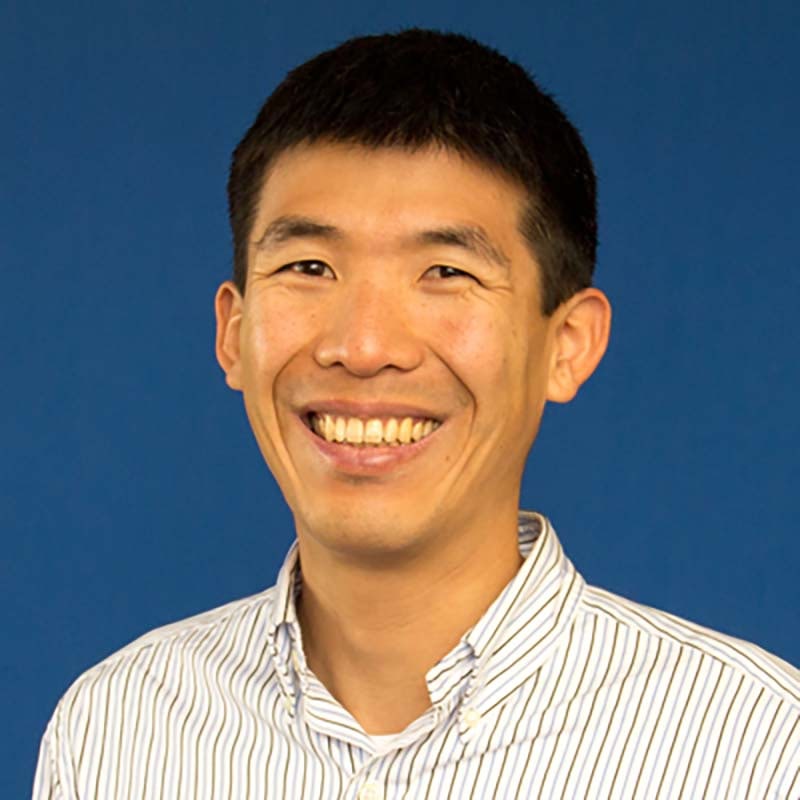
Josh Seim is an Assistant Professor of Sociology at Boston College, affiliated with the Morrissey College of Arts and Sciences. His work focuses on the sociologies of work, medicine, welfare, punishment, pedagogy, and ethnographic methods. He holds a Ph.D. from the University of California, Berkeley, and has published widely in top journals including *American Sociological Review* and *Social Problems*. Education: B.A., Gonzaga University M.S., Portland State University Ph.D., University of California, Berkeley Research Interests: His research explores how institutions like healthcare systems, welfare offices, and penal institutions interact with urban poverty. Recent projects include studies on ambulance crews’ labor processes, welfare bureaucracy, and post-prison labor. His writing also emphasizes pedagogical innovation in sociology teaching and ethnographic methodological rigor. Key themes include the governance of suffering, medical labor, and carceral systems. Publications & Books: Bandage, Sort, and Hustle: Ambulance Crews on the Front Lines of Urban Suffering (UC Press, 2020) The Welfare Assembly Line: Public Servants in the Suffering City (forthcoming UC Press, 2026) Teaching: Sociology 7715: Classical Sociological Theory (graduate) Sociology 7716: Contemporary Sociological Theory (graduate)
Dr. Keith Alexander Sharkey is a Professor in the Department of Physiology and Pharmacology at the Cumming School of Medicine, University of Calgary. He is also a Full Member of both the Hotchkiss Brain Institute and The Calvin, Phoebe and Joan Snyder Institute for Chronic Diseases. Dr. Sharkey has been at the University of Calgary since his appointment as Assistant Professor in 1990, dedicating his career to understanding the neural control of the gastrointestinal tract. From 2005-2021, he held the Crohn's and Colitis Canada Chair in Inflammatory Bowel Disease Research, demonstrating his longstanding commitment to advancing knowledge in gastrointestinal sciences. Dr. Sharkey's educational journey began with a BSc (Hons) in Nutrition from the University of London in 1981, followed by a PhD in Physiology from the University of Liverpool in 1985. After completing postdoctoral training in Hungary, the UK, and Canada, he joined the University of Calgary faculty in 1990, where he has remained throughout his distinguished academic career. Dr. Sharkey's research program centers on understanding the physiology and pathophysiology of the neural control of the gastrointestinal tract and brain-gut interactions in health and disease. His laboratory investigates two main areas: the role of the endocannabinoid system in regulating GI motility and intestinal barrier function, and the physiology of the enteric nervous system in controlling motility and barrier function. His work employs state-of-the-art approaches including live cell imaging and molecular genetics. Recent publications show his expanding interest in connections between gut function and neurodegenerative conditions like ALS, with multiple 2024-2025 papers examining sexual dimorphism in disease processes and gut-brain axis mechanisms. Fellow, Royal Society of Canada (2024) Cumming School of Medicine's van de Sande Distinguished Achievement Award for Mentorship (2021) Distinguished Research Award, American Physiological Society (2021) Finkelstein Award for Excellence, Crohn's and Colitis Canada (2016) Fellow, Canadian Academy of Health Sciences (2015) Fellow, Canadian Association of Gastroenterology (2015) Killam Annual Professor Award, University of Calgary (2013) Dr. Sharkey has mentored numerous students throughout his career, as evidenced by his 2021 Mentorship Award. His research is supported by significant funding, including a CIHR Foundation grant exploring how enteric nerves and glia maintain intestinal homeostasis. He has also participated in university strategic initiatives focused on Brain and Mental Health (2015-2021) and Infections, Inflammations and Chronic Diseases (2015-2021), demonstrating his interdisciplinary approach. The Sharkey Lab provides a safe, inclusive, and diverse research environment that encourages open scientific exchange from diverse viewpoints. His laboratory is actively engaged in multiple collaborative projects, including investigations with UBC Okanagan on diet and probiotics targeting the gut-brain metabolic interactome, and with University of Calgary colleagues studying gut microbiota's role in ALS. Dr. Sharkey continues to advance our understanding of neural mechanisms controlling gastrointestinal function with upcoming courses scheduled for Fall 2024 and Winter 2025.
Gary Fedder is the Howard M. Wilkoff Professor of Electrical and Computer Engineering at Carnegie Mellon University (CMU), with courtesy appointments in Biomedical Engineering, Mechanical Engineering, and Robotics. He serves as Faculty Director of the Manufacturing Futures Institute (MFI) and previously held roles such as Vice Provost for Research and Interim CEO of the Advanced Robotics for Manufacturing (ARM) Institute. Fedder’s research focuses on MEMS, advanced manufacturing, and implantable microsystems. He earned his B.S., M.S., and Ph.D. in EECS from MIT and UC Berkeley, respectively. Education: Ph.D., Electrical Engineering and Computer Science, UC Berkeley (1994) M.S., Electrical Engineering and Computer Science, MIT (1984) B.S., Electrical Engineering and Computer Science, MIT (1982) Research Interests: Microelectromechanical systems (MEMS), digital twins, aerosol jet printing, stretchable electronics, and manufacturing innovation. His work integrates MEMS with CMOS processes, emphasizing low-cost, high-performance systems. Key Contributions: Co-founded the ARM Institute; developed MEMS-based sensors and actuators; pioneered methods for manufacturing innovation through projects like America Makes. His research spans over 300 publications and 21 patents. Awards: IEEE Fellow (2007), Ross Tucker Award (1993), NSF CAREER Award (1996), and leadership roles in Manufacturing USA initiatives. Leadership & Outreach: Directed the Institute for Complex Engineered Systems and led national initiatives to advance U.S. manufacturing competitiveness. Active in editorial roles for journals like IoP Journal of Micromechanics .
Anca Dragan is an Associate Professor in the Department of Electrical Engineering and Computer Sciences at the University of California, Berkeley, where she runs the InterACT Lab focused on algorithms for human-AI and human-robot interaction. Currently on leave from Berkeley, she leads AI Safety and Alignment at Google DeepMind, overseeing safety for Gemini models and preparing for future advancements. Dragan has been a co-PI of the Center for Human-Compatible AI and served on the steering committee for the Berkeley AI Research (BAIR) Lab. B.Sc. in Computer Science from Jacobs University Bremen, Germany Ph.D. from Carnegie Mellon University Dr. Dragan's research focuses on enabling AI agents to work effectively with, around, and in support of people. Her work bridges robotics, machine learning, and game theory to create systems that better understand human preferences and coordinate with users. Key areas include AI alignment (ensuring AI does what people actually want), learning reward functions from diverse human feedback forms, and developing algorithms for human-AI collaboration across domains like autonomous vehicles, brain-machine interfaces, and recommender systems. Her research emphasizes maintaining uncertainty about human preferences and accounting for the plurality of human values. Dr. Dragan's recent publications reveal a strong focus on addressing fundamental challenges in AI safety and alignment. Her work spans theoretical foundations of reward learning, practical implementations for human-AI coordination, and critical examinations of limitations in current approaches. There's a clear trajectory toward more robust, safe, and value-aligned AI systems that can handle complex human preferences while avoiding both present-day harms and potential catastrophic risks. IEEE RAS Early Academic Career Award in Robotics and Automation (2021) McEntyre Award for Excellence in Teaching (2020) PECASE (Presidential Early Career Award for Science and Engineering) (2019) Sloan Fellowship (2018) NSF CAREER Award (2017) Okawa Foundation Award (2017) MIT Tech Review 35 Innovators Under 35 (2017) Multiple best paper awards at top robotics and AI conferences Dr. Dragan has mentored numerous successful students who have gone on to faculty positions at MIT, Stanford, CMU, and Princeton, as well as industry roles at DeepMind, Waymo, and Meta. Her advising philosophy emphasizes both technical rigor and consideration of broader societal impacts. She has secured significant research funding including NSF CAREER, ONR Young Investigator, and Okawa Foundation awards, supporting work on human-AI interaction and alignment. Dragan has also consulted for Waymo for six years, helping develop roadmaps for deploying increasingly learning-based safety-critical systems. Dr. Dragan leads the InterACT Lab at UC Berkeley, which has produced influential work on Cooperative Inverse Reinforcement Learning, Inverse Reward Design, and other foundational concepts in human-AI interaction. The lab's research has significantly shaped the field of AI alignment, with applications spanning autonomous vehicles that coordinate with human drivers, brain-machine interfaces that adapt to user needs, and language models that better understand human preferences. Current work focuses on scaling safety approaches as AI capabilities advance, ensuring alignment keeps pace with technological progress.
Dr Kingsley Edney is an Associate Professor in International Relations of China at the University of Leeds' School of Politics and International Studies. He holds a PhD (International Relations) and MA (Political Science) from the University of Melbourne, along with a BA(Hons) in Politics and Anthropology from Victoria University of Wellington. Fluent in Chinese and with experience living in Shanghai and Beijing, his research focuses on China's non-material international security dynamics, including cultural diplomacy, propaganda, and ideological strategies to manage global information flows. His expertise includes Chinese soft power, the role of ideology in foreign policy, and the intersection of domestic political cohesion with international security objectives. He teaches undergraduate and master's courses on China's domestic and international politics. Current postgraduate researchers under his supervision are Jinru Huang, Yanyu Lu, and Hengfeng Zhao. Edney's research outputs span topics like public perceptions of China in the Anglosphere, Chinese youth nationalism, and environmental governance. His work often bridges theoretical frameworks with empirical analysis of China's evolving global engagement strategies. He maintains active academic engagement through platforms like Google Scholar and ORCID.
Prof. Stefan Leutenegger is a tenure-track Assistant Professor at Technische Universität München (TUM), leading the Machine Learning for Robotics group within the TUM School of Computation, Information, and Technology. Previously, he held roles as Senior Lecturer (2018–2021) and Lecturer (2014–2018) at Imperial College London's Dyson Robotics Lab, where he founded the Smart Robotics Lab. He earned his PhD (2014) from ETH Zurich, focusing on autonomous solar-powered aircraft navigation, and holds BSc (2006) and MSc (2009) in Mechanical Engineering from ETH Zurich. His research centers on mobile robotics, particularly enabling robots (e.g., drones) to perceive and navigate complex environments using machine learning and sensor data fusion. Key focus areas include SLAM, event-based vision, 3D reconstruction, and autonomous exploration. He has pioneered algorithms like BRISK (2011), OKVIS (2014), and ElasticFusion (2016), advancing real-time robotics perception. Notable Awards: Imperial College President's Award (2018), Best ECCV Paper (2016), ETH Medal for Dissertations (2015). Labs: TUM's Machine Learning for Robotics Group, Imperial's Smart Robotics Lab. Publications: Over 100 papers, including seminal works in CVPR, ECCV, and Robotics: Science and Systems. Current projects include DigiForests (forest inventory via robotics), aerial additive manufacturing, and object-centric semantic mapping. His work bridges theory and practice, with applications in autonomous drones, construction robotics, and human-robot interaction.
Asaf Cidon is an Associate Professor at Columbia University, jointly affiliated with the Department of Electrical Engineering and Computer Science, and a member of the Data Science Institute. His research focuses on software systems , storage , large-scale machine learning , and cybersecurity . Stanford University - PhD in Electrical Engineering Stanford University - MS in Electrical Engineering Technion - BS in Computer and Software Engineering His work in distributed storage systems has been commercialized by companies such as Facebook, Tibco, and Rubrik. He has led projects like Sentinel and Forensics during his industry career. Recent publications highlight advancements in software-based radiation protection (ASPLOS'26), PCIe pooling with CXL (HotOS'25), and AI phishing detection (IMC'25). These reflect his expertise in system architecture , security , and networking . Scientific recognitions include best paper awards at OSDI, Usenix Security, CIDR, and ATC, along with NSF CAREER and ARO Young Investigator Awards . His papers Cookie Monster (SOSP'24) and Chablis (CIDR'24) received notable accolades. He has mentored numerous PhD and Master's students , including Edward Guo, Harry Wang, and Teng Jiang, many of whom now hold roles at Google, Meta, Amazon, and academic institutions. His lab at Columbia is actively recruiting CS and EE PhD students. Prior to Columbia, he founded and led the startup Sookasa to acquisition and served as Senior Vice President of Email Protection at Barracuda Networks , managing a $200M business with 100 engineers.
Dr. Mo Rastgaar is a Professor at Purdue Polytechnic Institute, Purdue University. He holds a PhD in Mechanical Engineering from Virginia Tech (2008) and completed a postdoctoral fellowship at MIT's Newman Laboratory for Biomechanics and Human Rehabilitation. He leads the Human-Interactive Robotics Lab (HIRoLab), focused on assistive and rehabilitation robots for enhanced mobility, particularly lower-extremity devices. His research emphasizes understanding agile gait dynamics through human experiments and modeling. Research interests include assistive robotics, cyber-physical systems, dynamics, and control systems. Notable awards include the 2014 NSF CAREER Award. He has secured grants such as the 2019 NRI Collaborative Grant on robotic ankle prosthetics and 2020 grants for undersea infrastructure. Dr. Rastgaar's work bridges biomechanics, robotics, and clinical applications, advancing prosthetic designs and human-robot interaction. Key contributions include developing steerable powered ankle-foot prostheses and exploring multi-robot systems for underwater exploration. His labs integrate interdisciplinary approaches to solve complex mobility challenges, emphasizing both technical innovation and real-world clinical impact.
Andrea Tagliasacchi is an Associate Professor in the School of Computing Science at Simon Fraser University (SFU), where he holds the Visual Computing Research Chair. He is also a part-time (20%) Staff Research Scientist at Google DeepMind in Toronto and holds an associate professor (status only) appointment in the Department of Computer Science at the University of Toronto. Education: PhD in Computing Science – Simon Fraser University (NSERC Alexander Graham Bell Fellow) Postdoctoral Research – École Polytechnique Fédérale de Lausanne (EPFL) MSc in Computer Science – Politecnico di Milano (Gold Medalist) His research lies at the intersection of computer vision, computer graphics, and machine learning, with a focus on 3D visual perception. Key areas include neural radiance fields (NeRF), 3D Gaussian splatting, inverse rendering, and geometric deep learning, with applications in robotics, augmented reality, and autonomous systems. His work emphasizes robust and efficient scene understanding and reconstruction from visual data. His recent publications, appearing in top venues like CVPR, SIGGRAPH, NeurIPS, and ECCV, demonstrate a strong emphasis on neural fields, 3D reconstruction, and generative modeling. Trends include improving rendering efficiency, enhancing robustness to noise and distractors, and enabling controllable and 3D-aware generation. His group has made significant contributions to Gaussian splatting, NeRF optimization, and diffusion-based 3D/4D synthesis. Scientific Awards: 2024 CVPR Best Paper Award (Honorable Mention) 2020 CVPR Best Student Paper Award 2015 SGP Best Paper Award NSERC Alexander Graham Bell Canada Graduate Scholarship MITACS Best Paper Award (SIGGRAPH Asia 2009) NSF Best Poster Award (SGP 2012) He has advised numerous PhD and MSc students, many of whom are now researchers at leading institutions and companies. His research has been supported through collaborations with Google, Intel, and academic partners. He serves the community as a Senior Area Chair for CVPR 2025, Associate Editor for IEEE TPAMI (2024–2026), Guest Editor for IEEE TPAMI on 3D GenAI, and Program Chair for 3DV 2024. He leads a vibrant research lab at SFU focused on pushing the boundaries of 3D scene understanding with machine learning.
Daniel W. Bliss is a Professor in the School of Electrical, Computer and Energy Engineering at Arizona State University and Director of ASU's Center for Wireless Information Systems and Computational Architectures (WISCA). With over $50 million in research funding as principal investigator from organizations including DARPA, ONR, Google, and Airbus, his work bridges theoretical foundations with practical implementations across multiple domains of wireless systems. Dr. Bliss received his educational foundation with a B.S.E.E. from Arizona State University (1989), followed by M.S. and Ph.D. degrees in Physics from the University of California-San Diego (1995, 1997). His academic journey includes significant industry experience at General Dynamics (1989-1993) and MIT Lincoln Laboratory (1997-2012) before joining ASU. His research program focuses on advanced wireless systems spanning radar, communications, precision positioning, computational architectures, and medical monitoring applications. Bliss employs information theory, estimation theory, and signal processing to develop novel system concepts with disruptive capabilities. Current research emphasizes RF convergence, integrated sensing and communications, and anticipatory medical analytics using wireless technologies, with particular focus on extracting physiological data from radar signals. Analysis of recent publications reveals a strong trend toward integrated sensing and communications systems, particularly utilizing mmWave and radar technologies for medical monitoring applications. His work increasingly bridges traditional communications and radar domains while expanding into physiological monitoring, demonstrating a clear trajectory toward convergence of wireless technologies for healthcare applications and remote vital sign detection. Dr. Bliss has received significant recognition for his contributions: Fellow of the IEEE (2015) 2021 IEEE Warren D. White Award for Excellence in Radar Engineering 2016-2017 Top 5% Teaching Award at ASU 2017 ASU Fulton Engineering Exemplar Faculty As a dedicated mentor, Dr. Bliss has supervised numerous graduate students through successful dissertation and thesis defenses across both PhD and Master's programs. His research portfolio includes substantial funding from diverse sources with over $50 million secured as principal investigator. Current projects include the $17M DARPA DASH project focused on advanced software-reconfigurable heterogeneous SoCs for next-generation RF systems, and multiple initiatives in contactless vital sign monitoring using radar technologies. Dr. Bliss leads the BLISS Lab and serves as director of WISCA, fostering interdisciplinary research in wireless systems. His team includes researchers working on distributed coherent systems, MIMO radar, RF convergence, and medical monitoring applications, with recent successes including the Making Waves team that tied for first place in the Air Force Spark Tank challenge. He has founded two startup companies: DASH Tech Integrated Circuits Company and the Big Little Sensor Company, focusing on high-performance embedded processing and small-scale radar physiological monitoring, respectively.
Andrew Zisserman is a Royal Society Research Professor at the University of Oxford's Department of Engineering Science, affiliated with the Visual Geometry Group (VGG). His research focuses on computer vision, artificial intelligence, and neural networks, with significant contributions to multimodal learning, video understanding, and 3D scene analysis. He leads projects exploring visual-language models, audio-visual synchronization, and clinical imaging applications. Key research areas include: Video analysis and temporal modeling Multimodal systems for sign language translation and action recognition 3D shape estimation and physical property inference Foundation models and cross-modal retrieval Recent work highlights: Developed Flamingo and Tapir models for video-language tasks Advancements in spinal MRI analysis and clinical imaging Leadership in EGO4D and VoxCeleb challenges Honors include Fellowship of the Royal Society (FRS) and the ISSLS Prize in Clinical Science 2023 for spinal analysis innovations. His lab collaborates globally, emphasizing real-world applications in healthcare and autonomous systems.
Joseph Kable is the Jean-Marie Kneeley President's Distinguished Professor of Psychology at the University of Pennsylvania's Department of Psychology within the School of Arts and Sciences. His research integrates experimental economics, cognitive neuroscience, and personality psychology to investigate the neural and psychological mechanisms underlying decision-making. He explores how subjective value is represented in the brain, deviations from rational choice theory, and individual differences in decision processes. His lab employs fMRI and interdisciplinary methods to study topics like risk tolerance, impulsivity, and neural plasticity. Education: BS in Chemistry from Emory University (undergraduate), PhD in Neuroscience from the University of Pennsylvania (doctoral). Research focuses on behavioral and cognitive neuroscience mechanisms of choice, including studies on temporal predictions, value signals, and brain structure-function relationships. His recent work examines how neural markers correlate with decision-making variability across individuals. He currently advises graduate students in Psychology and has post-doctoral researchers in his lab. Associated with MindCORE, Penn's hub for integrative mind research. Lab activities include undergraduate research programs and active studies exploring decision neuroscience and neuroeconomics.
Jiatao Gu is an Assistant Professor in the Department of Computer and Information Science (CIS) at the University of Pennsylvania, with a part-time role as Staff Research Scientist at Apple (MLR). He holds a Ph.D. in Electrical and Electronic Engineering from the University of Hong Kong (2018) and a B.Eng. in Electronic Engineering from Tsinghua University (2014). His research focuses on generative machine learning and AI agent interaction with the physical world, emphasizing multi-modal systems spanning language, images, videos, and 3D. Key themes include efficient modeling , flexible architecture design , and scalable decision-making frameworks . 2025: ICLR paper on DART framework 2024: TMLR work on GFlowNet alignment 2023: NeurIPS research on diffusion stability 2022: ACL papers on speech translation Recent publications explore diffusion models for text-to-image synthesis, 3D reconstruction, and efficient sampling techniques. His work addresses fundamental challenges in attention mechanisms, entropy collapse, and multi-stage distillation while advancing non-autoregressive translation and vision-language reasoning . Prospective students can apply through his recruitment process at UPenn. Prior affiliations include Meta AI (FAIR Labs) and academic collaborations with institutions like New York University's CILVR Lab.
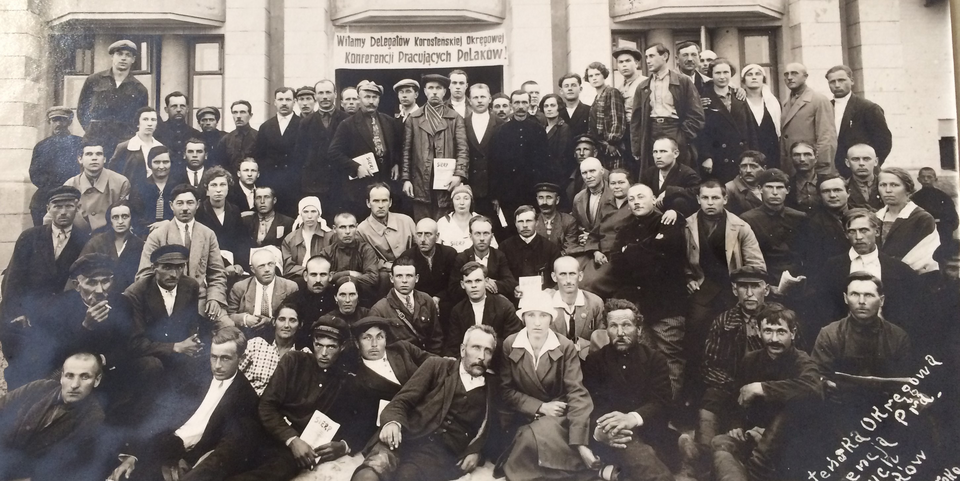
Prof. Dr. Olena Palko is a historian specializing in Eastern Europe, the Soviet Union, and Ukraine. She holds the SNSF Professorship at the University of Basel's Department of History, focusing on East European History. Her research emphasizes Soviet minority policies, cultural politics, and national identity formation in interwar Ukraine. She is a leading scholar with notable works including Making Ukraine Soviet (2021), awarded the 2023 Alexander Nove Prize. Her current SNF-funded project, Red Tower of Babel , examines Soviet minority experiments in Ukraine. Education: PhD from University of East Anglia (2017); Kandydat nauk from National Academy of Sciences of Ukraine (2013). Research Interests: Soviet nationality policy, minority history, Ukrainian twentieth-century history, transnational border dynamics. Her work bridges archival analysis with transnational perspectives, addressing contested borderlands between Poland and the USSR. Key publications include co-edited volumes like Making Ukraine (2022) and Ukraine's Many Faces (2023). She actively contributes to academic governance roles, including co-convening the BASEES Study Group for Minority History and serving on the Scientific Advisory Council of the Council of Europe's history observatory.
Byron Yu is a Professor in Electrical & Computer Engineering and Biomedical Engineering at Carnegie Mellon University, with affiliations to the Neuroscience Institute and Robotics Institute. He is a core faculty member of the Center for the Neural Basis of Cognition. Research focuses on computational neuroscience , neural dynamics , and brain-machine interfaces . Key contributions include dimensionality reduction techniques and neural population activity analysis. Recent publications explore topics such as neural dynamics during motor imagery, BCI optimization, and attentional processing. His work has appeared in Nature Neuroscience , Neuron , and eLife , often as cover articles. Awardees include the Gerard G. Elia Career Development Professorship and AIMBE Fellowship . His lab has mentored numerous PhD and postdoctoral researchers, many now in academic and industry leadership roles.