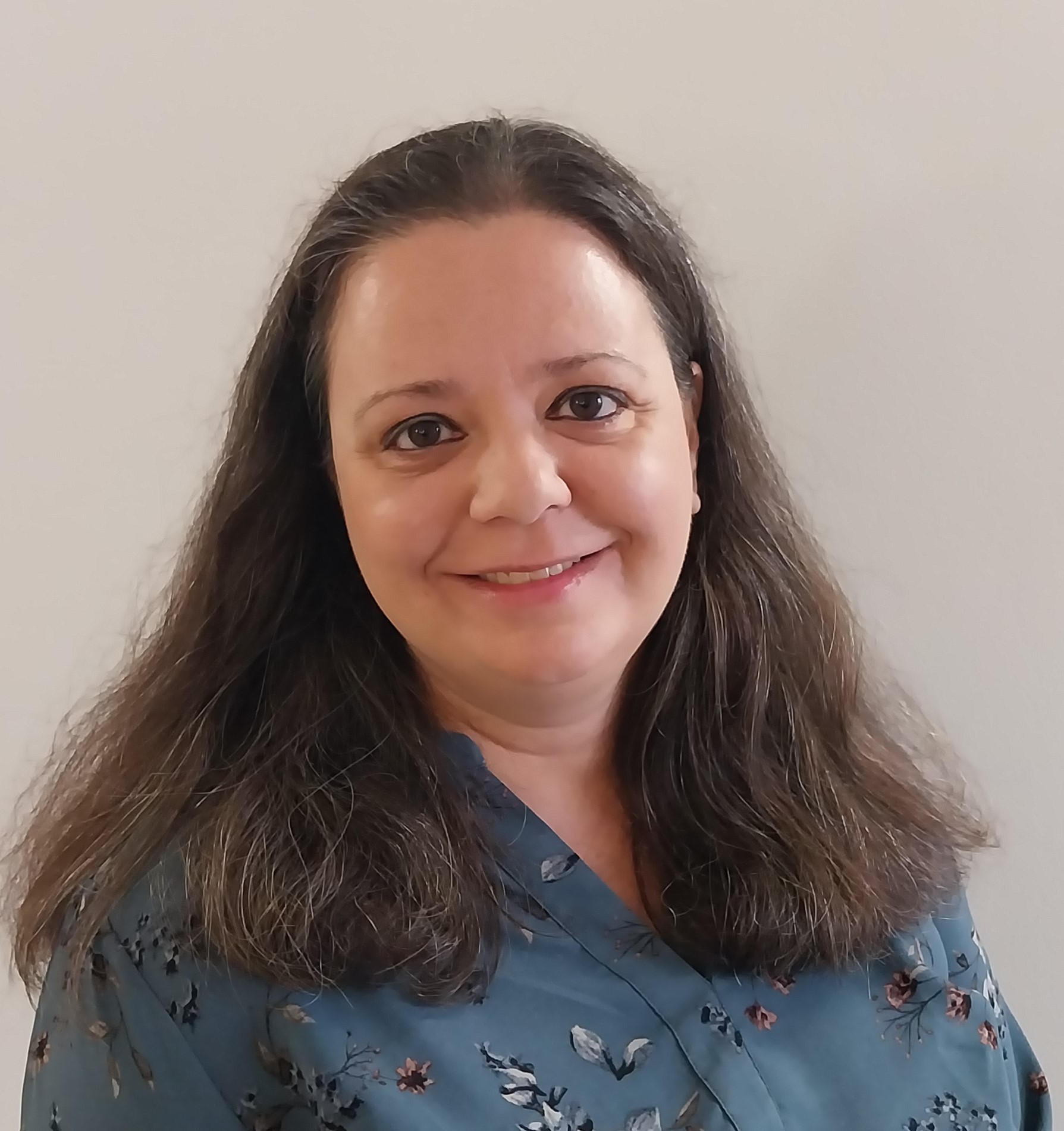
Pribojszki-Németh Anikó is an Assistant Professor at the University of Pannonia's Faculty of Economics, Department of Quantitative Methods. She holds a PhD degree and specializes in methodological development for project planning and tracking using quantitative techniques. Her teaching portfolio includes courses on business process support, integrated information systems, and logistics information systems. Education: MSc in Logistics Management (University of Pannonia, 2010–2012), BSc in Technical Management/Engineering Management (University of Pannonia, 2006–2009), Logistics Technical Manager Assistant AIFSZ (University of Veszprém, 2004–2006) Languages: Academic German (advanced), English (communicative level) Her research focuses on quantitative methodologies for project management optimization and logistics systems. She has led LEAN and TPM (Total Productive Maintenance) coaching projects, contributing to industrial efficiency frameworks. Scientific Recognition: National Excellence Program Apáczai Csere János PhD Scholarship (2013) Pro Scientia Gold Medal (2013) Harsányi István Award (Hungarian Innovation Agency, 2010 and 2012) Multiple ITDK and OTDK prize awards for academic contributions (2009–2013)
András Gasparetz is an Associate Professor at the Faculty of Business and Economics , University of Pannonia, with expertise spanning IT consulting, outsourcing, project management, and information security. He combines academic rigor with extensive industry experience across IT, healthcare, and manufacturing sectors. Education: University of Veszprém, Department of Organizational Engineering (1986) BKME MBA (2004) Research Focus: His work centers on information security and outsourcing risk management , emphasizing practical frameworks for corporate and public sectors. Key contributions include BS 7799/ISO 17799 standardization and ICT legal compliance. Professional Impact: Gasparetz has published on secure desk practices, outsourced data theft, and IT law compliance. His research bridges technical standards with organizational behavior. Scientific Awards: Tódor Kármán Award (2006) Honorary Associate Professor (2004) Industry Leadership: Founder of VAR Kft. (ranked #99 in Hungary’s Top 200 IT companies) and MagiCom Ltd., he has led projects for GE, the World Bank, and the National Ambulance Service, focusing on digital transformation and security protocols.
László Szerb is a Professor at the University of Pécs , where he has held various leadership roles including Head of the Doctoral School of Regional Policy and Economics since 2021. He previously directed the Institute of Economics (2012-2015) and the Institute of Quantitative Management (2015-2023). Education: University of Pécs (1985, 1990), West Virginia University (PhD, 1994), habilitation (2007). Research interests focus on entrepreneurship, small businesses, entrepreneurial ecosystems, and their impact on regional performance. His work explores smart specialization policies in the European Union and the interplay between quantity and quality of entrepreneurship. Publications highlight trends in entrepreneurship measurement, regional economic development, and EU smart specialization frameworks. He serves as an editor for the Journal of Small Business Economics and participates in international research projects. Leadership and advising: Supervised 12 PhD students and led research teams. His roles integrate academic rigor with administrative responsibilities, shaping doctoral programs and institutional research agendas.
Eötvös Loránd University's Faculty of Science researcher Dávid Szeghy has been affiliated with the Department of Geometry since 2006. His work focuses on differential geometry, mathematical physics, and geometric analysis of Lorentz manifolds. PhD in Mathematics (2008, ELTE) Publications span 2003–2023 with emphasis on horizon differentiability, isometric group actions, and pseudo-Riemannian conjugate loci Key collaborations include J. Szenthe and A. Fothi Research trends show deep engagement with Lorentzian geometry , including studies on: Orbit type theorems for isometric actions Normalizable vs. non-normalizable orbits Horizon smoothness in general relativity Exponential mapping properties in spacetime His work appears in journals like Annales Henri Poincaré , Classical and Quantum Gravity , and Geometriae Dedicata , with citations across mathematics and physics domains.
Csaba Szabó is a Professor in the Department of Algebra and Number Theory at Eötvös Loránd University (ELTE), Budapest, with a distinguished career spanning algebra research and transformative contributions to mathematics education. His work bridges theoretical mathematics and pedagogical innovation, emphasizing talent development and effective knowledge acquisition. His academic journey began at Metropolitan Fazekas Mihály Gyakorló Gymnasium (1983), where he solved a prize-winning problem by Pál Erdős. He earned degrees in Mathematics and Mathematics Teaching at ELTE, followed by a Candidate's degree and a Doctorate from the Hungarian Academy of Sciences (2007) for research on interdisciplinary algebra. Research evolved from algebraic border areas to mathematics learning science since 2013, focusing on long-term knowledge retention, skill development, and teacher efficiency. In 2016, he founded the cross-university Mathematics Learning Theory and Psychology Research Group, integrating cognitive psychology with pedagogy to optimize teaching methodologies. His scientific recognition includes: István Széchenyi Professorship Scholarship for academic excellence Two Master Teacher Gold Medals (2005, 2019) for mentoring award-winning TDK students in Physics-Geography-Mathematics and Knowledge Technology sections European Mathematical Society Education Committee membership (2017) for international impact As a dedicated mentor, he has guided numerous TDK students to national awards, shaping Hungary's mathematics education landscape through evidence-based teaching frameworks and institutional leadership. The Mathematics Learning Theory and Psychology Research Group, established in 2016, drives collaborative research across universities to decode cognitive processes in mathematical problem-solving and develop empirically validated instructional strategies.
Professor Judit Bóna, Doctor of Science (DSc), serves as Director of the Institute of Hungarian Linguistics and Finno-Ugric Studies and holds lecturing positions in the Department of Applied Linguistics and Phonetics and Child Language Research Group at Eötvös Loránd University's Faculty of Humanities. Her institutional leadership spans Hungarian linguistic preservation, Finno-Ugric studies, and clinical speech research. Her research integrates three critical domains: neurodegenerative speech pathology with emphasis on multiple sclerosis and Parkinson's disease biomarker discovery; child language acquisition from infancy through adolescence with specialized focus on Hungarian narrative development; and phonetic analysis of fluency/disfluency patterns across diverse populations. Key methodological innovations include applying wav2vec 2.0 embeddings for neurological disorder detection and developing dynamic assessment protocols for early language intervention. Analysis of her 2023-2025 publications reveals a strategic dual focus: advancing computational speech pathology through deep learning diagnostics for multiple sclerosis while simultaneously refining child language assessment tools. Her work bridges theoretical linguistics with clinical applications, particularly through the GABI Hungarian child language database and collaborations with neurologists. The temporal analysis of speech remains her unifying methodological thread across both research streams. Professor Bóna actively shapes Hungarian linguistic infrastructure through the Child Language Research Group and historical documentation of ICPhS child language studies. Her leadership in ELTE's 15-year Applied Linguistics doctoral program demonstrates commitment to academic training, while publications on interpreting disfluencies and bilingual speech reflect engagement with practical language applications.
Borsos Ágnes, DLA, habilitated associate professor at the University of Pécs within the Institute of Architecture , specializes in Interior Design, Applied and Creative Design . With dual expertise as a Chartered Architect and academic, she leads the Parameterized Comfort Research Group and contributes to international collaborations including projects with Metro State University of Denver , Central Academy of Fine Arts (China) , and Roma Tre University . Her career spans 16 years of academic leadership, including head of department and course leadership for Hungarian/English architect programs. Education : DLA (2010) and Habilitation (2015) at University of Pécs' Breuer Marcell Doctoral School International Experience : Erasmus+ mobility in Valencia, Munich, Rome; visiting professorships in China and USA Research focuses on sustainable residential architecture , human-centered spatial design , and architectural solutions for marginalized groups . She pioneered flexible housing systems and health-oriented interior design through projects like the BASKET community-building initiative and the CLOSE 0 ENERGY FAMILY HOUSE competition. Her work bridges prefabrication technology with social sustainability , emphasizing adaptive reuse of housing stock and environmental comfort . Recent publications and conference participations highlight her leadership in parametric design and human migration crisis solutions . She co-authored studies on structural adaptability of residential buildings and eco-modular urban living , presented at venues including Wessex Institute and Places and Technologies conferences. Awards include the Mihály Pollack Commemorative Medal and multiple Innovation Awards for academic and research contributions. As an educator, she supervises PhD/DLA candidates and has led international student teams in design competitions like the London Affordable Housing Challenge . Her 15+ recent articles address topics ranging from office environmental comfort to prefabricated apartment concepts , with keywords spanning sustainable architecture, human-centered design, and modular construction. Current projects include the Green Castle interior design for the University of Pécs Health Sciences Faculty.
Dr. Csaba Horváth is an Associate Professor at the Department of Fluid Dynamics, Faculty of Mechanical Engineering, Budapest University of Technology and Economics. He obtained his PhD from BME in 2015 and specializes in fluid dynamics with a focus on experimental and computational methods. His research interests include: Aeroacoustics and turbomachinery noise control Beamforming techniques for rotating sources Noise reduction in centrifugal fans and counter-rotating rotors Fluid-structure interaction and hydrodynamic validation Recent publications (2021-2024) demonstrate a strong emphasis on advancing beamforming methodologies for turbomachinery applications, with innovations in noise source localization and experimental measurement systems. No scientific awards, grants, or supervised students are mentioned in the available information. He contributes to departmental education through subjects, professional practice, and final exams. His work is associated with fluid dynamics laboratories at BME, though no specific lab leadership is detailed.
József Mihalkó serves as Assistant Professor at the Institute of Food Engineering within the Faculty of Engineering at the University of Szeged since 2020. Born January 25, 1994 in Vásárosnamény, he holds BSc (2013-2017) and MSc (2017-2019) degrees in Food Engineering from the same institution and is currently pursuing doctoral studies at the Hungarian University of Agricultural and Life Sciences Doctoral School of Food Science. Education BSc in Food Engineering, University of Szeged, Faculty of Engineering (2013-2017) MSc in Food Engineering, University of Szeged, Faculty of Engineering (2017-2019) PhD candidate, Hungarian University of Agricultural and Life Sciences Doctoral School of Food Science (2019-) Research Profile His research focuses on optimizing food production systems with emphasis on meat and poultry processing technologies, brewing science, durable goods manufacturing, and comprehensive hygiene protocols spanning personal, industrial, and environmental domains. Current work integrates multivariable process control methodologies with food safety risk analysis frameworks to enhance production efficiency while maintaining regulatory compliance. Professional Recognition Food Engineering Working Committee member, Hungarian Academy of Sciences (2021-) MÉTE association membership (2021-) Honorary external membership, Eötvös Loránd College of Science, University of Szeged (2019-) Honors SZTE MK Scriptor Award (2021) SZTE Talent Scholarship (2019) National Scientific Student Conference prizes (2017-2019) Sófi Foundation Grand Prize and Special Awards (2018-2019) Instructional Leadership Teaches 12 core courses across Food Engineering programs including Meat/Poultry Technology, Brewing Systems, HACCP planning, and Food Safety Risk Analysis. Directs curriculum development for Certified Food Engineer and Certified Food Safety programs with specialized instruction in industrial machinery, raw material science, and regulatory compliance protocols. Supervises student research in fermentation technology and multivariable process control applications.
Dr. Beszédes Sándor is an Associate Professor at the University of Szeged Faculty of Engineering, where he has been working since 2015. Previously, he served as an assistant lecturer (2008-2015) and technical assistant (2002-2008) at the same institution. He earned his PhD in Environmental Sciences from the University of Szeged (2014) and completed his habilitation in Environmental Sciences in 2024. His academic journey includes degrees in Food Engineering (BSc, 2002), Teacher of Engineering (BSc, 2004), and Agricultural Environmental Management Engineering (MSc, 2006). Dr. Beszédes has held several administrative positions at the Faculty of Engineering, including Deputy Dean for External and Internal Relations (2024-), Deputy Dean for Scientific Affairs (2020-2021), and Dean's Commissioner responsible for scientific affairs (2018-2020). He serves as Editor-in-Chief of Analecta Technica Szegedinensia (2018-2022) and as Regional Associate Editor for several engineering journals. His research focuses on microwave-enhanced sludge conditioning, the relationship between dielectric properties and biodegradability, microwave-assisted extraction of bioactive components from food industry by-products, and analysis of biomass pre-treatments for biofuel production. His work bridges environmental engineering, food technology, and renewable energy, with particular emphasis on waste-to-resource conversion technologies. Dr. Beszédes has secured multiple research grants as principal investigator and co-investigator, including the current NKFIH/OTKA FK146344 project on monitoring wastewater treatment efficiency based on dielectric behavior (2024-2027). His research demonstrates consistent focus on applying dielectric measurement techniques to optimize wastewater treatment processes and food industry by-product valorization. Among his notable scientific awards are: MTA Bolyai János Research Scholarship (2021-2024, 2015-2018) Young Teacher of the Year Award in Natural Sciences and Mathematics (2019) Outstanding Talent Mentor Award (2018) New National Excellence Program Scholarship (2018) National Excellence Award, Doctoral Candidate Category (2015) Dr. Beszédes actively supervises student research, with current thesis topics focusing on microwave sludge conditioning efficiency analysis, moisture removal from biological materials, energy utilization possibilities of plant-based biomass, and efficiency analysis of thermal treatments for food industry wastewater sludge. He has also conducted research abroad, including at the University of Oulu (2009/2010) through a CIMO Scholarship.
József Csanádi serves as an Associate Professor in the Department of Food Technology and Environmental Management at the Faculty of Engineering, University of Szeged. Affiliated with SZTE since 2000 (previously at its Food Industry Vocational School Faculty), he specializes in dairy technology with emphasis on sheep and goat milk processing systems. Education: 1981: Food Industry Plant Engineer, Szeged Food Industry College 1990: Certified Food Industry Engineer, University of Horticulture and Food Industry 2005: PhD, University of Debrecen Dr. Csanádi's research centers on alternative food processing technologies, particularly ultrafiltration of milk and utilization of dairy by-products. His work investigates D-amino acid content in sheep milk, fatty acid composition of Tsigai sheep products, and technological effects of lactose hydrolysis. He explores methods to expand sheep/goat milk product ranges while ensuring quality and nutritional value, with applications in food safety and physiological benefits. Analysis of his 2001-2010 publications reveals dominant focus on sheep/goat milk compositional analysis (60% of works), membrane filtration technologies (25%), and cheese production optimization (15%). Key trends include nanofiltration applications for whey processing, adulteration detection in goat milk, and texture property studies during cheese ripening – demonstrating consistent specialization in niche dairy sectors. Research Funding & Leadership: Principal investigator for 15+ Hungarian research grants (1992-2010) Key projects: EU-compatible flow control valve development (GVOP 3.1.1.), regional food laboratory expansion (GVOP 3.2.1.), and biological basis for quality sheep product production (ALAP1-00019/2004) International collaborations with Greek, Italian, and German institutions Dr. Csanádi directs the regional food laboratory development initiative and contributes to instrument/demonstration equipment parks for food engineering education. His MÉTE Dairy Section leadership and Hungarian Food Book Committee membership facilitate industry-academia knowledge transfer in dairy technology standardization.
Dr. Botond Bertok serves as an Associate Professor at the Faculty of Information Technology, University of Pannonia, where he has been a faculty member since 2006. He holds multiple leadership positions including Head of the IBM Software Technical Research & Development Center, Head of the National Coordinating Center for Infocommunication, and Head of the System and Process Optimization Research Laboratory at the university. His educational background includes a Diploma (MSc equivalent) in Information Technology from the University of Veszprem (1999) and a PhD in Information Technology from the same institution (2004). Dr. Bertok's research focuses on engineering applications of operations research and methods for combinatorial optimization. His work spans supply chain optimization in petroleum industry, process synthesis, and logistics engineering. He has developed numerous optimization frameworks including the P-graph methodology with applications across energy systems, transportation, and manufacturing sectors. His research demonstrates strong industry relevance with collaborations with major companies like MOL Group, IBM, Siemens, and Continental. Pro Scientiis Informaticae, University of Pannonia (2008) IT lecturer of the year from Hungarian CIO Association (2010) Méray László Prize, University of Pannonia (2012) Master Teacher Gold Medal from Hungarian National Scientific Students' Associations (2013) Polinszky Prize from Municipality of Veszprém (2014) As an academic advisor, Dr. Bertok has supervised over 25 BSc and MSc diploma works and currently mentors six PhD students working on topics ranging from batch process scheduling to structural transparency in software engineering. His research has been supported by numerous grants from OTKA (Hungarian Scientific Research Fund), TÁMOP projects, and industry collaborations. He leads the System and Process Optimization Research Laboratory which focuses on developing advanced optimization algorithms for complex engineering systems. The laboratory maintains strong industry connections, particularly through the PIMS Academy program which trains specialists in supply chain optimization for the petroleum industry, and collaborates with partners including MOL Group, AspenTech, and other industrial stakeholders in the energy sector.
Dr. Zoltán Süle serves as an Associate Professor at the Department of Computer Science, Faculty of Information Technology, University of Pannonia in Veszprém, Hungary. His academic profile integrates theoretical research with industrial applications, particularly in optimization and mathematical modeling. Education: 2010: PhD in Informatics, University of Pannonia 2004-2006: M.Sc. in Program Design Mathematician, University of Szeged 2001-2004: Programming Mathematician, University of Szeged 1998-2003: Certified High School Teacher in Informatics, University of Veszprém Research Focus: Dr. Süle's work centers on Operations Research and Mathematical Optimization , with significant contributions to process network synthesis and healthcare applications . His methodology combines survival analysis for reliability theory with computer simulation techniques, extending into information security frameworks. Industrial collaborations, particularly through the PIMS Academy program with MOL Group, demonstrate applied impact in petroleum supply chain optimization. Professional Engagement: Board Member, Hungarian Operations Research Society Member, John Neumann Computer Science Society Working Committee Member, Hungarian Academy of Sciences (VEAB) for Mathematics/Physics/Informatics Education Committee Member, Hungarian Academy of Sciences' Mathematical Analysis Applications Committee Member, Hungarian Academy of Sciences Logistics Working Committee