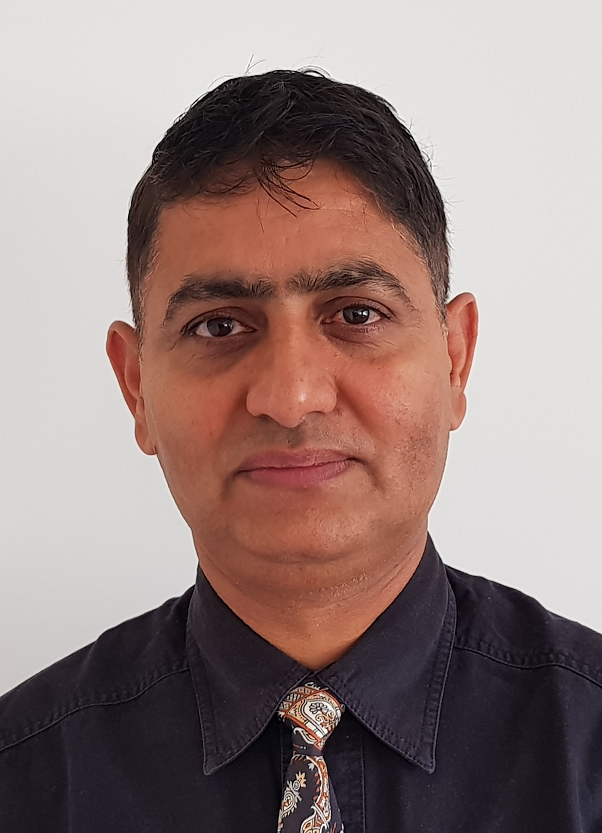
Laureate Professor Behdad Moghtaderi is a globally recognized chemical engineer at The University of Newcastle's School of Engineering. He leads research in clean energy technologies, including the GRANEX heat engine, greenhouse gas abatement, and chemical looping processes. His work addresses critical challenges in energy efficiency, renewable energy systems, and reducing fugitive methane emissions from coal mines. With over $48M in research funding and 220+ publications, he directs the Newcastle Institute for Energy and Resources (NIER) and holds leadership roles in national and international energy initiatives. Education: PhD (University of Sydney), MEng (University of Sydney), BSc (Shiraz University) Administrative Roles: Director of NIER, former Head of School of Engineering, and member of global energy advisory bodies Research interests span energy systems, combustion science, and sustainable technologies. Notable innovations include the VAMCO system for methane abatement and solar thermal GRANEX installations. Awards include the Carrick Teaching Citation and multiple engineering excellence recognitions. Scientific contributions include 14 PhD completions and over 20 funded projects. Current focus areas include hydrogen safety, carbon capture, and thermochemical energy storage. His labs (NIER) collaborate with industry partners like Siemens Energy and the Australian Hydrogen Council.
Professor Bing-Jie (Bruce) Ni is an Adjunct Professor at the University of Technology Sydney (UTS) within the School of Civil and Environmental Engineering and a full Professor at UNSW Sydney. He is an internationally recognised leader in environmental engineering, wastewater treatment, greenhouse-gas mitigation, microplastics fate, electrocatalysis and sustainable energy systems. Education PhD in Environmental Engineering, University of Science and Technology of China, Hefei (2005–2009) Research Interests Professor Ni’s research integrates process engineering, microbial biotechnology, materials science and mathematical modelling to develop sustainable technologies for high-efficiency pollutant removal, minimal carbon footprint and maximal energy recovery from wastewater. He is a global pioneer in: Modelling and control of nitrous oxide (N₂O) and methane (CH₄) emissions from wastewater systems, Micro- and nano-plastics ecotoxicity and mitigation in anaerobic digestion, Transforming sewage sludge into high-value liquid bio-energy (medium-chain fatty acids and long-chain alcohols), Designing cost-effective electrocatalysts from natural minerals for green hydrogen production and wastewater electrolysis. Research Output & Impact Over the last decade he has published 2 research books, 30 book chapters and >400 refereed journal papers , including 35 in Environmental Science & Technology and 85 in Water Research . His work has influenced global policy: the IPCC adopted his nitrous-oxide-emission model in 2019 to revise national greenhouse-gas inventories for the first time in 13 years. Awards & Recognition ARC Future Fellowship & ARC DECRA Fellowship Clarivate Analytics Highly Cited Researcher (Web of Science) Royal Society of Chemistry Highly Cited Researcher (2020–present) Mendeley Data Top 2 % Cited Researchers worldwide Listed among “Australia’s Most Innovative Engineers” (Engineers Australia, 2018) 50+ additional awards including Scopus Young Researcher Award, South Australian Water Awards, UQ Research Excellence Awards, and Outstanding Doctoral Dissertation Awards. Research Funding & Leadership He has secured ≈ AUD $10 million in competitive funding (six major ARC grants plus >20 government, university and industry projects). He serves as: Lead Guest Editor, Water Research Editorial Advisory Board, Environmental Science & Technology Associate Editor for Journal of Cleaner Production , Environmental Chemistry Letters , Environmental Research , Journal of Environmental Management Editorial Board member for five additional high-impact journals. Teaching & Supervision At UTS he teaches Renewable Energy Technologies , Environmental and Sanitation Engineering , Process Dynamics and Control , and Water and Wastewater Treatment . He is available to supervise Masters and PhD students in environmental biotechnology, process modelling and sustainable energy systems. Laboratory & Commercial Translation He heads active research teams at both UNSW and UTS and is the inventor of >10 granted patents , some of which are currently being commercialised to deliver real-world impacts in greenhouse-gas-neutral wastewater treatment and renewable energy production.
Professor Vishnu Pareek is the John Curtin Distinguished Professor at Curtin University, leading the Western Australian School of Mines (WASM) within the Faculty of Science and Engineering. He has held academic roles including Dean of Engineering, Head of School, and various professorships since 2002. His research focuses on multiphase flow modeling, computational fluid dynamics, and reactor engineering, with applications in energy and chemical processes. He holds a BE (Hons) from MNIT, MTech from IIT Delhi, and a PhD from UNSW. Key research interests include LNG process modeling, erosion modeling, and granular flow dynamics. He has authored over 200 peer-reviewed publications, with recent work emphasizing structured packing design, biomass gasification, and additive manufacturing for process intensification. Notable projects include CFD-ANN hybrid models for fluidized beds and experimental studies on 3D-printed structured packings. His expertise spans industrial collaborations in LNG safety, fluid catalytic cracking, and biofuel production. Teaching areas include chemical engineering fundamentals and process systems engineering. He advises on energy policy and leads research teams in multiphase flow and reactor design.
Adjunct Professor Robert Speight holds a position at Queensland University of Technology (QUT) within the Faculty of Science, School of Biology & Environmental Science. His primary role is Director of CSIRO's Advanced Engineering Biology Future Science Platform. He focuses on microbial biotechnology, enzyme engineering, and industrial biotechnology applications. His research spans protein engineering, microbial production systems, and biocatalyst development for industrial processes. Education: BSc (Chemistry) from Imperial College London (1996) PhD in Biochemistry from the University of Cambridge (2000) Research Interests: Enzyme optimization for industrial applications Microbial protein production systems Biocatalytic processes for chemical manufacturing Biorefinery development and techno-economic assessments Synthetic biology for future foods and sustainable bioproduction Grants & Projects: Lead investigator for the $6.5M Queensland Sustainable Aviation Fuel Initiative ARC Centre of Excellence in Synthetic Biology (2020–present) Biorefineries for Profit Phase 2 (RnD4Profit 2019) Collaborations: Works with industry partners and academic groups, including the ARC Centre of Excellence in Synthetic Biology and the Centre for Agriculture and Bioeconomy at QUT. Affiliations: President of Synthetic Biology Australasia CSIRO Director of Advanced Engineering Biology Future Science Platform Labs/Teams: Maintains collaborations in enzyme engineering and microbial systems through QUT’s adjunct role and CSIRO leadership.
Dr Conrad Wasko is a Sydney Horizon Fellow at the University of Sydney and an honorary fellow at the University of Melbourne. He specializes in environmental hydrology and climate change impacts on extreme rainfall and flooding. His work has been cited by the IPCC and he co-leads the update to Australia’s flood estimation guidelines. Previously, he held an ARC DECRA Fellowship and a McKenzie Fellowship. He has published over 50 articles and received awards including the Batterham Medal (2023) and the MSSANZ Early Career Research Excellence Award (2019). His research focuses on quantifying climate-driven changes in rainfall patterns and flood risks, with applications to infrastructure resilience and policy. Education: PhD in Civil Engineering, UNSW Sydney (2016) Bachelor/Master’s qualifications (not explicitly stated in text) Key Roles: Member of The Net Zero Institute Editor of Journal of Hydrology X and Advances in Water Resources Hydroclimate Stream Leader, Modelling and Simulation Society of Australia and New Zealand His research emphasizes the intensification of extreme rainfall events with global warming, particularly their implications for flood risk and urban infrastructure. He uses advanced statistical models and climate data to project future flood scenarios and improve design standards. Recent work includes analyzing non-stationary rainfall patterns and improving flood frequency analysis techniques. Awards and Honors: Batterham Medal (Australian Academy of Technological Sciences and Engineering, 2023) Veski Victoria Fellow (2020) MSSANZ Early Career Research Excellence Award (2019) Lorenz G Straub Award (2016) Grants and Projects: ARC DECRA Fellowship (University of Melbourne) Contributions to national climate change adaptation frameworks Labs and Collaborations: Partnerships with the Water Research Centre (UNSW) and the Net Zero Institute Collaborations on global flood risk assessments and hydrological modeling tools
Associate Professor Antony Moulis is a faculty member at the University of Queensland's School of Architecture, Design and Planning, where he also serves as Deputy Head of School. He holds a Bachelor of Design Studies and a Bachelor degree from UQ. His research focuses on productive cities, urban retrofit, and global architectural knowledge transfer, with notable contributions to books like House, Precinct, Territory (2023) and Le Corbusier in the Antipodes (2021). He collaborates with industry on projects addressing micro-urban resilience, energy transitions, and cross-cultural architectural exchanges. Research interests include urban infill housing strategies, architectural techniques from the 20th to 21st century, and the global influence of figures like Le Corbusier. He led UQ's participation in the Water Sensitive Cities CRC, focusing on green infrastructure and urban intensification. Awards include the 2025 Architecture Australia Prize for Unbuilt Work and multiple Queensland Architecture Awards for collaborative designs like the Blue Bower and One Room Tower. His work spans academic and professional journals, with over 50 articles and 4 books. He has supervised numerous research projects and contributed to exhibitions at venues like the Seoul Biennale. Moulis is a past President of the Society of Architectural Historians, Australia and New Zealand (SAHANZ), and actively engages in architectural historiography and design pedagogy.
Associate Professor Ken Chiang is a faculty member at RMIT University's School of Engineering under the STEM faculty. He holds an Associate Professor rank and has over 20 years of academic and industrial research experience, securing over $12 million in research funding. His work focuses on innovative catalyst technologies, sustainable processes, and liquid metal catalysis for applications in CO2 utilization, hydrogen generation, and environmental engineering. Research Interests Chemical Engineering, Macromolecular and Materials Chemistry, Materials Engineering, Environmental Engineering, and catalytic systems for renewable energy. Key Projects Recent projects include development of next-generation liquid metal catalysts for CO2 reutilization, low-emission hydrogen generation via ammonia utilization, and novel reactor concepts for process intensification. His research also addresses wastewater purification and solar-to-chemical energy conversion. Advising & Grants He has supervised 10 PhD students, 2 Master's students, and 2 industrial trainees. His funding includes government and industry projects totaling over $12 million. Labs & Collaborations Collaborates on decarbonization technologies and liquid metal systems, with contributions to RMIT's research network in sustainable energy and catalysis.
Dr. Priya Samudrala is a Senior Lecturer and Deputy Director of Education in Monash University's Department of Chemical and Biological Engineering. Her research spans heterogeneous catalysis, green chemistry, and sustainable processes, with expertise in biomass conversion, glycerol valorization, and 3D-printed catalysts for renewable fuel production. Recent publications (2017-2025) demonstrate consistent focus on sustainable catalyst design for biomass conversion, including catalytic reforming, hydrogenolysis, and CO2 valorization. Article trends emphasize catalyst innovation for circular economy applications, particularly in waste glycerol utilization and biomass-derived chemical production. Professional credentials include a PhD in Applied Chemistry from RMIT University and Master of Teaching from Monash University. Research contributions have been recognized through awards including the Martin Bennett Research Excellence Award.
Dr. Mehdi Jafarian is a Senior Lecturer in the School of Chemical Engineering at the University of Adelaide . His work focuses on hydrogen production , CO2 capture , solar thermal energy , and chemical looping combustion . Key research areas include: Solar thermal integration in industrial processes Hydrogen generation via methane pyrolysis CO2 sequestration technologies Advanced water treatment systems Thermochemical energy storage Research Trends : Recent publications emphasize hydrogen production optimization , PFAS removal , and molten metal reactor systems . Sub-fields span flash reactor modeling , hydrodynamic cavitation , and membrane-free electrolysis . Contact : mehdi.jafarian@adelaide.edu.au
Professor Branka Krivokapic-Skoko is a faculty member at Charles Sturt University's School of Business . She holds a PhD in Management from Lincoln University (New Zealand), an MSc(Econ) from Belgrade, and a BSc (Hons). Her research focuses on ethnic entrepreneurship , agricultural cooperatives , rural development , and gender equity in male-dominated industries . She has published extensively on mixed methods research, psychological contracts, and refugee integration. Recent research trends include intersectionality in rural sociology, data governance in agriculture, and refugee entrepreneurship. Her work spans 2025–2008, with methodological innovation as a recurring theme. Farm Mechanisation & Conservation Agriculture for Sustainable Intensification (ACIAR, $544,574) (2013-2017) Humanitarian immigrant entrepreneurs (ARC, $200,124) (2015-2017) New Immigrants in Australian Agriculture (RIRDC, $468,000) (2012-2015) Indigenous Cooperative Success (ARC, $254,682) (2010) She teaches Microeconomics , International Business , and Contemporary Management , with a focus on cross-cultural issues and agricultural economics.
Professor Anthony Masters is a Professor of Inorganic Chemistry at the University of Sydney's School of Chemistry within the Faculty of Science. He holds academic qualifications including a BSc (Hons I) from the University of Melbourne (1972) and a PhD from the Australian National University (1976). His career spans roles at Imperial College London, Case Western Reserve University, La Trobe University, and CSIRO, before joining the University of Sydney in 1986. His research focuses on catalysis, green chemistry, renewable energy materials, and integrating First Nations knowledge into scientific practice. Awards include FRACI, CChem, GAIDC, and an Honorary Fellowship from Western Sydney University. Professor Masters' research spans interdisciplinary areas such as cobalt carboxylate chemistry, molybdenum carbide catalysis, and sustainable synthesis methods. His work emphasizes environmental applications, including converting lignin into renewable chemicals and advancing hydrogen production via visible light. He has contributed to over 120 peer-reviewed articles and holds patents in catalytic systems. Recent grants include studies on electrode-supported ionogels and in situ environmental electrochemistry. Professor Masters collaborates on projects blending scientific innovation with cultural respect, exemplified by initiatives like 'Elements of Country,' promoting Indigenous perspectives in chemistry education. He advises on PhD admissions and postdoctoral positions, emphasizing competitive scholarship requirements for international candidates.
Professor Geoff Gurr is a leading academic in Applied Ecology at Charles Sturt University's School of Agricultural, Environmental and Veterinary Sciences. He holds a distinguished position as a Professor specializing in Agriculture, with extensive leadership experience including former roles as Associate Dean Research and Director of the Rural Management Research Institute at the University of Sydney. His academic journey began with a BSc (Hons) from Plymouth, followed by a PhD from London, DIC from Imperial College, GradCert from Sydney, and DSc from Charles Sturt University. Professor Gurr's research focuses on developing ecologically-based strategies to harmonize agriculture with the environment. His work spans biological control of insect pests, plant defense mechanisms, insect-vectored plant pathogens, and chemical and molecular ecology. He has pioneered approaches for promoting natural enemies of pests while delivering additional ecosystem services that build resilience in farming systems. These methods have been adopted across tens of thousands of farms in Australia and internationally, with companion cropping becoming nationally-recommended policy in Chinese rice agriculture. His research portfolio demonstrates consistent high-impact output across entomology, sustainable agriculture, and ecological engineering. Professor Gurr has published over 200 scientific papers in prestigious journals including Nature Plants, Nature Genetics, Nature Communications, PNAS, and Annual Review of Entomology. His work shows strong interdisciplinary connections between agricultural science, ecology, and molecular biology, with particular emphasis on translating research into practical farming applications that benefit both producers and the environment. Engagement Australia's excellence award for Outstanding Research Engagement (2020) Thousand Talents fellowship for work in China Fellow of the Royal Society NSW Fellow of the Royal Entomological Society Nation's top researcher for 'Insects & Arthropods' in The Australian special reports (2020, 2021) Professor Gurr has successfully supervised 43 HDR students (38 as principal supervisor) and has secured nearly $20 million in research funding from diverse sources including the Australian Research Council, Australian Centre for International Agricultural Research, rural research and development corporations, CRCs, and international donors like the McKnight Foundation. His current projects on vineyards, regenerative agriculture, beneficial insect ecology, sesame, and hazelnuts are funded by Wine Australia, the Drought Innovation Hub, the Gulbali Institute, and Agrifutures. He maintains extensive international collaborations, with over 91% of his publications co-authored with international researchers, reflecting his significant global research network.
Dr. Elham Doroodchi is an Associate Professor in the School of Engineering at the University of Newcastle, specializing in Chemical Engineering. Her research focuses on fluid mechanics, multiphase systems, and energy technologies, with notable contributions to microfluidics and industrial applications. She has secured $2.9 million in research funding and published extensively in peer-reviewed journals and conferences. Education : PhD, University of Newcastle (2005) Bachelor of Engineering (Chemical Engineering), University of Newcastle (1st Class Honours) Research Interests : Dr. Doroodchi’s work spans fluidized bed hydrodynamics, particle technology, and energy systems such as geothermal power and waste heat recovery. Her recent studies include novel power cycles for geothermal energy and microfluidic applications in medicine and engineering. Grants & Awards : $2.9M total funding secured ARC College of Experts member (assesses Discovery Projects) Awards: Newcastle University Dean’s Medal (2000), Institution of Chemical Engineers Prize (2000), and National Award (2005) for the Reflux Classifier development Labs & Teams : Active in collaborative projects with Behdad Moghtaderi and others, focusing on energy storage, microreactors, and multiphase flow modeling.
Timothy Cavagnaro holds dual leadership roles as Professor of Soil Ecology and Dean of Graduate Research at Flinders University, while also serving as Pro Vice-Chancellor (Research Training and Capabilities). He leads the Office of Graduate Research (OGR), which drives graduate research excellence through strategic oversight of research integrity, student experience, employability development, and industry collaborations. Additionally, he maintains an adjunct affiliation as Professor at the University of Adelaide. His research interrogates soil ecological processes under environmental change, specializing in soil microbiomes' role in ecosystem services. Key focus areas include soil carbon sequestration dynamics, ecological intensification of agricultural systems, plant-microbe symbiosis, and soil health metrics across broad-acre cropping, vineyards, orchards and urban agriculture. Work consistently bridges science-policy gaps to address UN Sustainable Development Goals for climate action and sustainable land use. 2025 publications demonstrate deep engagement with arbuscular mycorrhizal fungi applications, revealing their complex impacts on nutrient bioavailability, carbon storage, and pathogen resistance. Research trends emphasize practical soil management solutions for agricultural productivity within climate change constraints, with increasing attention to urban agricultural systems. Scientific awards: ARC Future Fellow Cavagnaro actively supervises higher degree research students across soil ecology, microbiology, and sustainability domains while maintaining cross-college supervision capacity. His ARC Future Fellowship grant enables critical work on soil ecosystem services, complemented by institutional support for the Flinders Wicked Problems Report initiative addressing systemic environmental challenges. As OGR head, he directs university-wide graduate research strategy while leading field teams studying soil-plant interactions in diverse agrosystems. His research network spans Australia and international partners, with recent collaborations visualized across geographic territories through Flinders' research mapping tools.
Chan Eng Seng is a Professor of Chemical Engineering at Monash University Malaysia, leading the Monash-Industry Plant Oils Research Laboratory (MIPO). He holds roles as a Professional Engineer, Chartered Engineer, and Fellow of the Institution of Chemical Engineers. His research focuses on sustainable oil and fats processing for food and energy applications, emphasizing enzymatic technologies and biofuel production. He advocates 'Practice-based Learning,' integrating hands-on projects into chemical engineering education. Education: Ph.D. in Chemical Engineering, University of Birmingham (2002) B.Eng. in Chemical Engineering, University of Birmingham (1998) Research Interests: Sustainable oil processing Biofuel production Microencapsulation Enzymatic catalysis Palm oil-derived compounds Recent Research Trends: His work addresses challenges in enzymatic hydrolysis, CO₂ utilization, and lipid engineering, with applications in renewable energy and food systems. Collaborations focus on palm oil valorization and microalgae biorefinery. Awards: Fellow of the Institution of Chemical Engineers Advising & Grants: He leads projects like the THOR Technology platform and microalgae biorefinery initiatives, funded by industry and academic partnerships. Teaches courses CHE2873, CHE3873, and CHE4180, emphasizing practical training. Labs/Teams: Directs MIPO Lab, fostering academic-industry collaboration in sustainable lipid technologies.