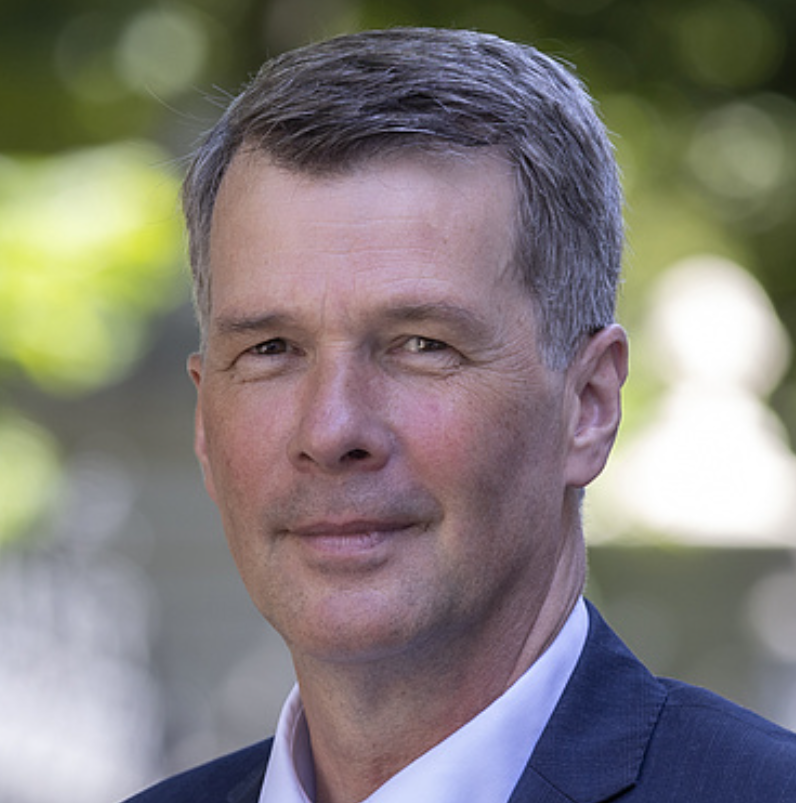
Bernd Aichner is a researcher in the Faculty of Physics at an unspecified university, specializing in Physics of Functional Materials . His work focuses on superconducting materials, ion beam nanotechnology, and vortex dynamics in high-temperature superconductors. Research Interests : Thin films and nanostructured superconductors Ion beam irradiation for defect engineering Quantum magnonics and magnetic field effects Topological properties of Abrikosov vortices Scientific Achievements : Awarded the OePG PhD Thesis Award in 2023 for his work on superconducting thin films. Active in international collaborations, particularly in ion beam-driven superconducting research. Professional Activities : Delivered 36 lectures and presentations (2015–2025) on topics such as vortex pinning and quantum device fabrication. Co-authored 14 peer-reviewed publications (2015–2024) and 2 preprints (2025). Featured in a 2019 Press Report titled 'From Japanese Basket Weaving to Ion Beam Nanotechnology' discussing his outreach efforts.
Kurt Matyas is a Professor at the Institute of Management Sciences within the Faculty of Mechanical Engineering and Industrial Management at Vienna University of Technology. He leads the Logistics and Quality Management Research Group and serves as Ombudsperson for Studies and Teaching at TU Wien since 2023. Additionally, he co-directs the Executive MBA Engineering Management program with Caltech and holds leadership roles in the Austrian Association of Industrial Engineers (WING) since 2006. Education: Dipl.-Ing. in Mechanical Engineering/Business Administration (1989), Doctorate in Technical Sciences (1992), Habilitation in Industrial Engineering (2000). His research integrates logistics, supply chain management , and maintenance management with production and quality systems , emphasizing resource efficiency , digitalization , and sustainability in engineering management. Recent publications focus on prescriptive maintenance , lean maintenance , and learning factories for industrial education. He has contributed to peer-reviewed journals and refereed conferences since the 1990s, with a 2022 book on Maintenance Logistics . Teaching includes Production and Quality Management , Maintenance and Reliability courses, and digital skills training .
Arnold Esper is a Lecturer at the University of Vienna, specializing in audio engineering and related disciplines. His teaching activities include the course "160065 PR Recording Music and Speech" (offered in 2025S) and prior courses before the 2024W semester. Contact him at arnold.esper@univie.ac.at. Teaching Focus: Audio engineering, music technology, speech processing Research Interests: His work appears centered on technical aspects of sound recording and processing, spanning both musical and speech applications. This aligns with broader fields like digital signal processing and acoustics. Career Timeline: Active teaching roles documented up to the 2025S semester, indicating ongoing academic engagement.
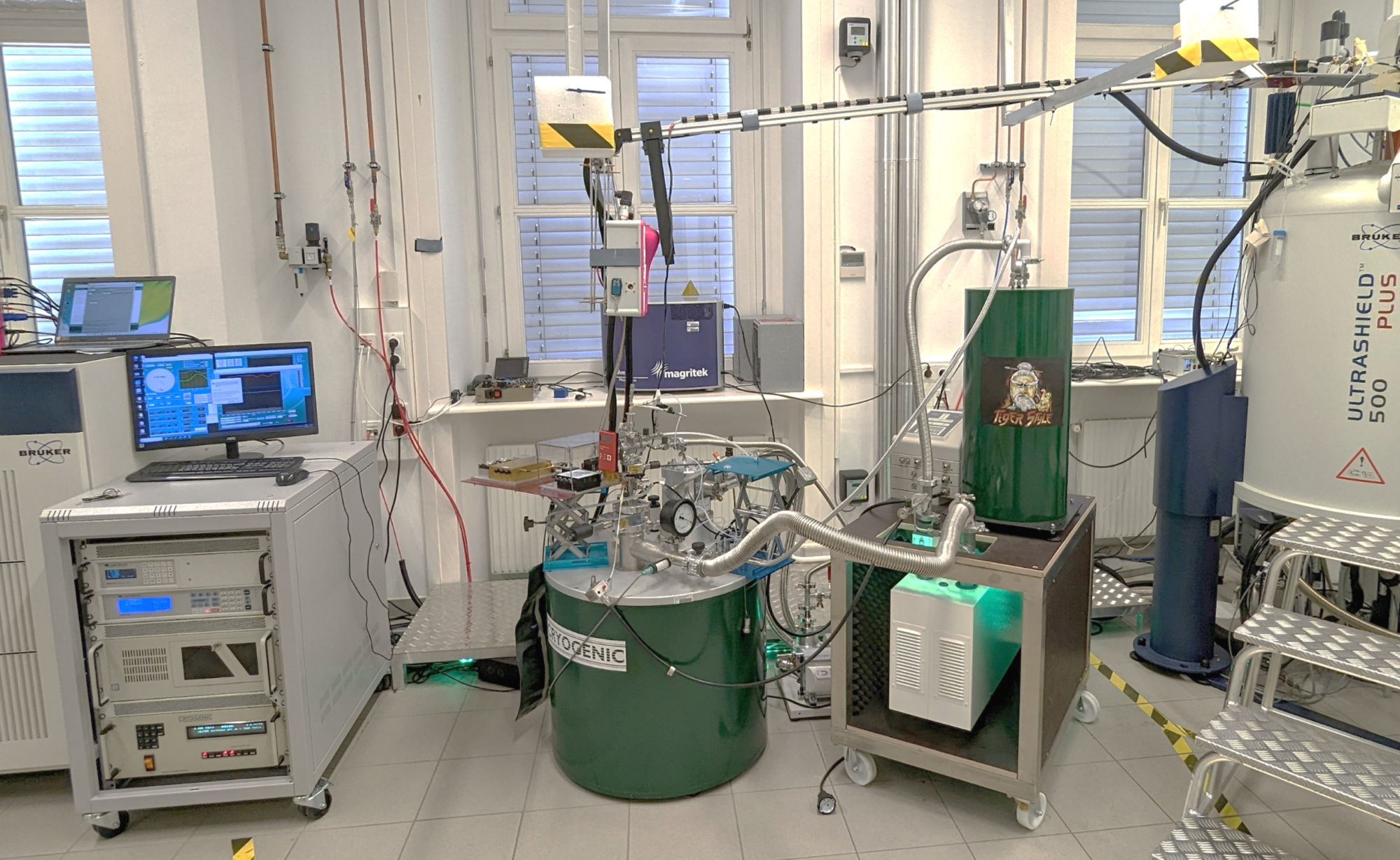
Dennis Kurzbach serves as Associate Professor and Deputy Head of the NMR Center at the University of Vienna's Faculty of Chemistry, Institute of Biological Chemistry. His research pioneers magnetic resonance methodologies including NMR, EPR, and hyperpolarization techniques to solve critical challenges in chemical and biological sciences, with significant contributions to biomimetic materials and protein dynamics. His research centers on the structural dynamics of intrinsically disordered proteins (IDPs), peptide-guided biomimetic mineralization (silica/calcium phosphate systems), and hyperpolarization-enhanced NMR for real-time monitoring of transient biological processes. The Kurzbach Spectroscopy Studio develops innovative approaches to observe short-lived intermediates in protein folding, mineral nucleation, and metabolic pathways, bridging biophysical chemistry with materials science through advanced spectroscopic techniques. Recent publications demonstrate a cohesive trajectory toward enhancing NMR sensitivity for biological applications, with hyperpolarization techniques enabling unprecedented observation of fast dynamic processes. Key thematic clusters include biomimetic material synthesis driven by peptide self-assembly, domain-specific spectroscopy for DNA-protein interactions, and machine learning integration for analyzing complex IDP behavior – all converging toward real-time molecular observation in physiological conditions. Professor Kurzbach actively supervises bachelor and master theses across organic, bioinorganic, biological, and biophysical chemistry disciplines while leading post-graduate seminars in chemical and biological chemistry. His laboratory maintains cutting-edge instrumentation through the NMR Center, focusing on methodological innovation that directly impacts structural biology and materials science research.
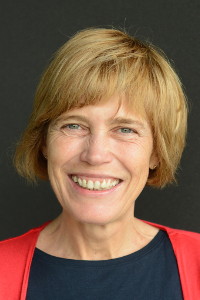
Ingrid Reiweger is an Associate Professor at the University of Natural Resources and Life Sciences, Vienna (BOKU), where she conducts research at the Institute of Mountain Risk Engineering within the Department of Civil Engineering and Natural Hazards. Her work focuses on snow physics, avalanche dynamics, and mountain risk management, bridging fundamental research with practical safety applications. Dr. Reiweger's research spans snow mechanics, glaciology, and cryospheric sciences, emphasizing both theoretical modeling and field applications. Her work combines physics-based approaches with innovative measurement techniques to understand snowpack stability, avalanche formation mechanisms, and risk assessment methodologies. Recent projects highlight her expertise in developing sensor technologies for snow monitoring and analyzing the impacts of changing snow conditions on avalanche hazards. Analysis of her recent publications reveals a strong emphasis on practical applications of snow science, particularly in developing monitoring systems using drones and sensor arrays, optimizing avalanche simulation parameters, and addressing specific challenges like glide-snow avalanches in construction sites. Her research demonstrates a clear trajectory from fundamental snow physics toward increasingly applied studies that directly inform mountain safety practices. International Snow Science Workshop (ISSW) Avalanche Divas Award (2018) Marie Heim-Vögtlin Grant of the Swiss National Science Foundation (2014) Multiple ISSW Avalanche Divas travel grants (2016, 2010) Young Scientists Award at Swiss Geoscience Meeting (2009) Dr. Reiweger actively supervises graduate students and leads multiple research projects funded by national companies and federal ministries. Her work often involves transdisciplinary collaboration with practitioners in avalanche control, mountain rescue services, and winter tourism. She maintains a strong international research network, evidenced by her ongoing summer research visits to the WSL Institute for Snow and Avalanche Research SLF in Davos.
Alexander Egyed serves as a full Professor at the Institute of Software Systems Engineering, Johannes Kepler University Linz, where he directs the LIT Secure and Correct Systems Lab. His leadership spans 350+ research outputs and 50+ projects, with current active grants securing research through 2029 in critical software engineering domains. His research focuses on advancing model-driven engineering practices through innovations in software evolution, variability management, and process guidance. Key contributions include reactive link propagation for model consistency, AI-driven refactoring of legacy systems, and industrial-strength process compliance solutions. His work bridges formal methods with practical industrial applications, particularly in secure system development and software modernization. Recent publications (2024-2025) reveal a pronounced shift toward AI-integrated solutions for legacy system transformation, with consistent emphasis on scalable techniques for model consistency and variability control. This trajectory demonstrates increasing industrial collaboration in developing actionable engineering guidance tools. His scientific excellence is recognized through: ACM Best Paper Award (2015) ACM Recognition of Service Award (2024) ACM SIGSOFT Distinguished Paper Awards (2021, 2023) Best Paper Award (2014) Professor Egyed currently leads major funded initiatives including the FWF-sponsored 'Co-Existence of Modeling Language Versions and Co-Evolution' (2025-2029) and dual 'RefactorAI' projects for legacy system modernization (FFG 2025-2028). His supervision of 12 graduate students reflects commitment to academic mentorship alongside his extensive editorial and program committee service across 147 recorded academic activities. He directs the LIT Secure and Correct Systems Lab, a nexus for interdisciplinary research in formal verification, model-driven security, and AI-assisted software engineering, maintaining strong industry partnerships for real-world validation of research outputs.
Mario Huemer is a Professor at the Institute of Signal Processing, Johannes Kepler University Linz (JKU), serving as Principal Investigator for 41 research projects including the Christian Doppler Pilot-Laboratory for Steel Industry Signal Processing and Machine Learning and the JKU LIT - SAL Intelligent Wireless Systems Lab. His expertise spans signal processing applications in wireless communications, radar systems, and machine learning. His primary research interests include: Signal Processing Wireless Communications Radar Systems Machine Learning Joint Communications and Sensing Calibration Techniques Automotive Systems 5G/6G Networks Recent publications reveal strong trends in deep learning for signal processing, robust 5G/6G waveform design, and advanced automotive radar techniques. His work consistently bridges theoretical innovation with industrial implementation, particularly in ADC calibration, I/Q imbalance correction, and joint sensing-communication systems. No scientific awards are listed in the provided information. Huemer has supervised 29 students and leads diverse research initiatives including industry collaborations (e.g., automotive radar systems) and publicly funded projects like the Christian Doppler Laboratory. Current projects focus on radar synchronization (2025-2028), steel industry signal processing (2025-2032), and intelligent wireless systems development (2024-2026). He directs the Intelligent Wireless Systems Lab (IWS Lab), a JKU LIT-SAL collaboration advancing interdisciplinary research in wireless communications, sensing, and machine learning with strong industry partnerships.
Teodoro D. Cocca serves as Professor of Asset Management and Deputy Director of the Institute for Corporate Finance at Johannes Kepler University Linz, where he heads the Asset Management Department within the Business School. With a distinguished career spanning academia and financial institutions, he brings extensive expertise in asset management, corporate finance, and banking to his academic role. His professional journey includes significant leadership positions both within and outside academia, reflecting his standing as a respected figure in financial economics. Professor Cocca's research interests focus on asset management strategies, behavioral finance, banking systems, and the digital transformation of financial services. His work often explores the intersection of traditional financial theory with contemporary challenges such as AI applications in finance, sustainable investment practices, and global market dynamics. He has developed particular expertise in analyzing investor psychology and market behavior, frequently contributing insights on how cognitive biases impact financial decision-making. His recent publications (2023-2025) demonstrate a strong emphasis on current economic challenges, with recurring themes including monetary policy in a post-pandemic world, the integration of artificial intelligence in financial services, regional economic development (particularly in Upper Austria), and the geopolitical dimensions of international finance. His work bridges academic rigor with practical relevance, often addressing policy implications for financial institutions and regulatory bodies. Member of the Supervisory Board of Business Upper Austria - OÖ Wirtschaftsagentur GmbH (since 2022) Member of the Supervisory Board of Kepler-Fonds Kapitalanlagegesellschaft mbH (since 2021) Advisory Board of the Certificate Forum Austria (ZFA), Vienna (since 2010) Adjunct Professor, Swiss Finance Institute, Zurich, Switzerland (since 2007) Member of the Research Institute for Banking, Johannes Kepler University Linz (since 2006) Professor Cocca maintains an active engagement with both academic and professional communities through his leadership roles, regular media contributions, and participation in industry forums. His prior experience as Dean of the Faculty of Social and Economic Sciences at JKU Linz (2004-2006) and his extensive industry background, including board positions at VP Bank AG and Geneva Group International, provide him with a unique perspective that informs his academic work and advisory roles.
Martin Shepperd serves as Professor and Chair of Software Technology & Modelling at Brunel University London, bringing industry experience from his prior role as a software developer at HSBC to his academic leadership. With over 180 peer-reviewed publications and three authored books, he is a prominent figure in software engineering research whose work bridges theoretical rigor and practical application in data-intensive domains. His educational background includes: MSc in Computer Science PhD in Computer Science Professor Shepperd's research program centers on empirical software engineering with deep specialization in software defect prediction, project effort estimation, and research integrity. His methodology combines machine learning techniques with critical analysis of measurement systems, particularly examining how biased metrics distort defect prediction outcomes. He has pioneered investigations into historical estimation practices through analogy-based approaches while expanding into automotive software contexts where Agile maturity impacts problem reporting efficacy. His recent work demonstrates increasing focus on meta-research examining retracted publications to strengthen scientific foundations in computer science. Analysis of his 2021-2025 publications reveals a cohesive trajectory toward methodological accountability in software engineering research. Key thematic threads include rigorous critique of performance metrics in defect prediction systems, longitudinal studies of estimation techniques, and systematic investigations into research integrity failures. His work consistently emphasizes practical implications for industry practitioners while advancing empirical validation standards, with growing attention to automotive software development ecosystems and information systems quality management frameworks. No scientific awards were documented in the provided source material. While the text confirms extensive publication output and editorial leadership as Specialty Chief Editor for Software Frontiers in Computer Science, no details regarding student supervision, grant funding, or collaborative projects were included in the available information. Specific laboratory structures or dedicated research teams were not described in the source text, though his role as Chair of Software Technology & Modelling implies leadership within that academic unit.
Katalin Fazekas is an Assistant Professor in the Formal Methods in Systems Engineering group at TU Wien. Her research focuses on improving incremental reasoning methods for SAT/SMT solvers and advancing formal verification techniques. She holds a PhD from the Johannes Kepler University Linz, supervised by Armin Biere. Education: PhD in Logical Methods in Computer Science (LogiCS), JKU Linz (2016–2021) Research Interests: Incremental SAT/SMT solving Formal verification of distributed systems Algorithm optimization for constraint solving Automated reasoning and proof generation Key Projects: INCR (2021–2024) : Austrian Science Fund (FWF) project on scalable verification via incremental reasoning REVEAL-AI and SLIM : Collaborative projects on AI-driven formal methods Awards: Hertha Firnberg Fellowship (FWF), 2021–2024 Tools Developed: CaDiCaL 2.0: Advanced SAT solver QSM: Quantified symmetric minimization framework for distributed protocols Lab/Affiliations: FORSYTE research group, TU Wien.
Ao.Univ.Prof. Dipl.-Ing. Dr.techn. Horst Bischof is an Associate Professor at Vienna University of Technology (TU Wien). His work focuses on computer vision, medical imaging, and pattern recognition. He has contributed to projects in automated medical diagnosis (e.g., rheumatoid arthritis assessment), 3D reconstruction, and cultural heritage preservation through advanced segmentation techniques. He has supervised numerous students including S. Veigl, A. Belbachir, and G. Langs. Bischof has edited proceedings like the 2005 Computer Vision Winter Workshop and published extensively on topics like Markov Random Fields, Active Appearance Models, and Canonical Correlation Analysis. His research bridges computer science and biomedical applications, with notable contributions to anatomical structure localization and robust model learning. He collaborates with institutions like the European Society of Musculoskeletal Radiology and has developed systems such as the RheumaCoachCAD for automated scoring of bone erosions. Education: Dipl.-Ing. (Master of Engineering) and Dr.techn. (Doctor of Technical Sciences) from TU Wien. Key Projects: CAD systems for rheumatoid arthritis, 3D rock-art segmentation, and MRF-based medical image analysis. Research interests emphasize integrating computational methods into clinical diagnostics and heritage conservation. His work on sparse MRF models and group-wise learning has advanced automated medical image processing techniques.
Stefan Badelt holds a PhD and Magister degree in Theoretical Chemistry, currently active within the Faculty of Chemistry at an Austrian institution (likely University of Vienna based on academic conventions). His research spans computational RNA biology, bioinformatics, and molecular engineering with continuous publication output from 2011 through projected 2025 activities. RNA Folding (100%) Protein Secondary Structure (67%) Transcription Processes (45%) Circular RNA Mechanics Alu Element Biology His research focuses on cotranscriptional RNA folding dynamics, developing computational tools like DrForna for visualization and DrTransformer for heuristic folding prediction. Recent work critically examines deep learning limitations in RNA structure prediction while advancing nearest-neighbor energy models. His fingerprint reveals strong specialization in RNA polymerase II dynamics and non-pseudoknotted structural systems. Publication trends show consistent output in high-impact bioinformatics journals, with 2022-2023 featuring significant algorithmic contributions. His work bridges computational methods with experimental validation, particularly in RNA folding pathways and DNA strand-displacement systems. While no specific awards are documented, his publications demonstrate substantial scholarly impact with multiple papers exceeding 10 Mendeley readers and significant citation metrics. Badelt actively mentors students through collaborative projects, evidenced by co-authored publications with Laurenz Miksch and others. His research receives support through computational biology grants enabling development of tools like the commit-and-delay model for RNA dynamics. Future work includes domain-level design of cotranscriptional folding pathways presented at upcoming 2024-2025 conferences. He operates within the Theoretical Chemistry research ecosystem, collaborating closely with Ivo Hofacker's group on RNA bioinformatics. Current activities focus on exact coarse-grained dynamics modeling and pseudoknot-free pathway design, positioning his lab at the intersection of computational biology and molecular engineering.
Beatriz Roldán Cuenya is a renowned Professor and scientific member of the Max Planck Society, serving as Director of the Interface Science Department at the Fritz Haber Institute in Berlin, Germany. Her academic journey spans institutions including the University of Central Florida (2004-2012), Ruhr University Bochum (2013-2017), and postdoctoral work at the University of California Santa Barbara. Education : MSc in Physics (Spain, 1998), PhD in Physics (Germany, 2001). Her research focuses on surface science , physical chemistry , and electrochemistry , with a strong emphasis on catalysis and nanoparticle synthesis . Recent publications highlight her work on CO2 electroreduction , plasma-activated catalysts , and dynamic structural changes in nanoparticles , spanning topics like catalyst design , defect engineering , and operando characterization . Scientific Awards : Member of the German National Academy of Sciences (Leopoldina), 2024 European Research Council Consolidator Award, 2016 NSF CAREER Award, 2005 She has authored over 140 peer-reviewed publications, three book chapters, and two patents, while delivering 175 invited talks globally. Her work bridges thermal catalysis , nanostructured materials , and in situ spectroscopy to advance sustainable chemical processes.
Assoc. Prof. Roman Kern is affiliated with the Institute of Machine Learning and Neural Computation at Graz University of Technology and serves as Chief Scientific Officer at Know-Center Research GmbH , a competence center for Big Data analytics. His research bridges natural language processing, data science, and machine learning with a focus on causal inference and discovery, applied to scientific publication mining, intelligent transportation systems, and smart production. Research Interests : Causal inference, NLP, data science, trustworthy AI, knowledge discovery, and interdisciplinary applications. Projects : VanillaFlow (sustainable electrolytes for batteries), REWAI (causal discovery in textile manufacturing), and EPN-2024-RI (planetary science infrastructure). Teaching : Courses include Knowledge Discovery, Natural Language Processing, and Introduction to Scientific Working at TU Graz. His recent publications analyze causal relationships in semiconductor manufacturing, differential privacy, and LLM applications in healthcare and environmental monitoring. Roman Kern actively mentors students through thesis topics on causality, LLMs, and data privacy frameworks, while leading applied research projects with industry partners.
Christel Baier is a Full Professor for Algebraic and Logical Foundations of Computer Science at the Faculty of Computer Science, Technical University Dresden. She has held this position since 2006, following her role as Professor for Theoretical Computer Science at Rheinische-Friedrich-Wilhelms Universität Bonn (1999-2006). Her research focuses on probabilistic systems, modeling and specification formalisms, semantics of coordination languages, probabilistic model checking, quantitative analysis, temporal and modal logics, and automata theory. Her work bridges theoretical computer science with practical applications in system verification and analysis, particularly in developing formal methods for probabilistic and timed systems. Professor Baier's publications demonstrate consistent contributions to theoretical computer science with a clear trajectory from foundational work in automata theory to applied model checking techniques. Her research shows particular strength in probabilistic verification methods and their application to complex system analysis. Award for visiting professor (1 month in both years), CNRS/ENS Cachan, France (2005 and 2006) ETAPS Best Theory Paper Award (2008) Professor Baier has advised numerous PhD students throughout her career, including Alexander Asteroth, Nathalie Bertrand, Marcus Groesser, Verena Wolf, and Frank Ciesinski. She currently supervises 4 PhD students at TU Dresden. She has served as Chair of the examination board for bachelor, master and diploma programs in Computer Science at TU Dresden and has been Principal Investigator for 4 national projects funded by the German Research Foundation (DFG). Her research group at TU Dresden focuses on advancing formal verification methods for probabilistic systems. She maintains active involvement in the academic community through editorial board membership of the Journal of Universal Computer Science, steering committee participation for major conferences, and extensive program committee service for top-tier theoretical computer science venues.