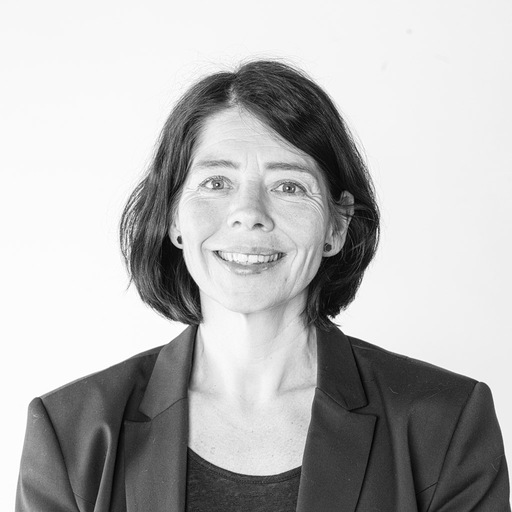
Søren Obed Madsen serves as an Associate Professor in the Department of Business, Strategy and Political Sciences at the University of South-Eastern Norway's School of Business (Campus Drammen). His academic work bridges organizational theory, strategic management, and implementation science, with a distinctive focus on translation frameworks. His research explores management tools as viral phenomena , organizational immunology, and the multi-dimensional nature of implementation . Key themes include: Power dynamics in strategic translation Othering processes in public organizations Crisis response mechanisms (e.g., COVID-19) Linguistic constraints in strategy documents Publication trends reveal a consistent emphasis on metaphorical frameworks (e.g., strategy as virus, organizational immunology) and discursive analysis of implementation gaps. His work spans healthcare governance, public administration, and strategic leadership, with increasing focus on crisis management since 2020. Teaching responsibilities include: Strategic Management Implementation in Practice Philosophy of Science Organization Theory Translation Theory
Pål Kvello is an Associate Professor at the Department of Teacher Education, Faculty of Social and Educational Sciences at the Norwegian University of Science and Technology (NTNU). He leads the Neurodidactics research group focused on neuroscience education and understanding how students conceptualize the nervous system. His educational background includes a master's and doctorate in biology from NTNU, where he studied insect nervous systems under Dr. Hanna Mustaparta. He completed post-doctoral work at UC Berkeley with Dr. Kristin Scott studying fruit fly taste neurons, and later at the Kavli Institute for Neuroscience with Dr. Menno Witter learning electrophysiology techniques to study neural networks in rodents. Kvello's research interests center on neurodidactics - the application of neuroscience knowledge to educational contexts. His work investigates how students understand fundamental aspects of the nervous system, identifying essential knowledge for secondary science education. He has developed educational tools to help students build accurate mental models of neural networks and brain function. Earlier in his career, he conducted significant research on insect neurobiology, particularly taste processing in moths and fruit flies. His publication record shows a clear transition from basic neuroscience research on insect sensory systems to educational neuroscience. Recent publications focus on mapping student conceptions of the nervous system, identifying essential knowledge for teaching, and comparing instructional methods in science education. His earlier work includes detailed neural mapping studies of olfactory and gustatory pathways in moths. As leader of the Neurodidactics group, Kvello develops educational approaches that bridge neuroscience research and classroom practice. His work has practical implications for improving how the nervous system is taught in schools, helping students overcome common misconceptions and develop more accurate scientific understanding.
Kristin Bjørdal is an Assistant Professor at the Norwegian University of Science and Technology (NTNU), affiliated with the Department of Biological Sciences in Ålesund. Her work focuses on marine raw materials and seafood processing, combining interdisciplinary approaches in food science and marine biology. Her research centers on advancing sensory analysis techniques for marine species and products, optimizing processing methods for seafood (e.g., pink shrimp), and ensuring quality assurance standards in the industry. She has contributed to reports on topics such as freezing treatments for shrimp and freshness evaluation of seafood. Kristin teaches courses including Marine Raw Materials (BIA1001) General Microbiology (BTA1001) Seafood Processing (BIA2004) Introduction to Chemistry (MK103119) Quality Assurance and Certification (MN304012) Organic Chemistry (HBIOA1002) These courses reflect her expertise in marine ecosystems and food technology.
Bjørghild Kjelsvik is an Associate Professor in Teacher Education (Norwegian) at NLA University College in Oslo. Her academic work spans linguistics, pedagogy, and intercultural studies, with a focus on Norwegian language education, diversity in schools, and narrative analysis in educational contexts. PhD in Linguistics (2008), University of Oslo: Emergent speech genres of teaching and learning interaction MA in Linguistics (2002), University of Oslo: Verb chains in Nizaa Cand.theol. (1989), Stavanger Missionary College Her research explores linguistic diversity , identity negotiation in asylum interviews, digital competence in education , and cultural-historical activity theory in teacher training. She has contributed to studies of Norwegian orthography, Nynorsk pedagogy, and intercultural competence. Projects: TiKu - Tilpassa norskkurs for studenter i lærarutdanninga (2022), Toskriftskompetanse og nynorsk (2020) Publications: 15+ works on education, linguistics, and migration studies
Eirin Marie Skjøndal Bar is an Associate Professor at the Department of Biotechnology and Food Science within the Faculty of Natural Sciences at the Norwegian University of Science and Technology (NTNU). She began her position at NTNU on January 1, 2017, focusing on teaching sustainable food production, hygienic design and packaging in combination with food processing equipment design and development. Prior to joining NTNU, she was employed at SINTEF Fisheries and Aquaculture as a researcher working on technical solutions for the fish processing industry. Dr. Bar holds a Master of Science degree in Mechanical Engineering from NTNU, with a focus on Product Development in combination with Industrial Ecology. After working as a teaching assistant at NTNU for several years, she pursued her PhD on sustainable and profitable aquaculture, defending her thesis titled "Advanced Food Processing Equipment Design for a Sustainable Salmonid Fish Industry in Norway" in September 2015. Her research interests center around sustainable food systems, with particular expertise in the intersection of food processing equipment design and environmental sustainability. Dr. Bar investigates how hygienic design principles can be integrated with sustainability considerations in food processing facilities, especially within the meat and seafood industries. Her work examines food contaminants and their pathways within processing environments, develops tools for sustainable food processing, and explores systemic approaches to reducing food loss in aquaculture value chains. She has made significant contributions to understanding the application of UN Sustainable Development Goals within the Norwegian salmon industry and has conducted extensive research on material flow analysis for sustainable aquaculture practices. An analysis of Dr. Bar's recent publications reveals a consistent focus on sustainability challenges in food production systems, particularly in the Nordic context. Her work spans multiple disciplines including food science, engineering, environmental studies, and aquaculture. A notable trend is her emphasis on practical, systems-based approaches to sustainability that consider the entire food value chain from production to processing. Her research increasingly integrates technical solutions with broader sustainability frameworks, reflecting a holistic approach to addressing complex challenges in food systems. Dr. Bar has been active in teaching and outreach, offering courses on sustainable food production, food safety in manufacturing, and food processing technology. Her teaching portfolio includes supervising bachelor's and master's theses related to food science, technology, and sustainability. She has also been involved in developing educational programs that strengthen graduates' sustainability competence and mindset. Through her extensive publication record and conference presentations, Dr. Bar has established herself as a significant contributor to the fields of sustainable food processing and aquaculture technology. Her work bridges academic research with practical industry applications, demonstrating a commitment to translating scientific insights into tangible improvements in food production systems.
Daniel Machado is an Associate Professor of Computational Biology at the Department of Biotechnology and Food Science, Norwegian University of Science and Technology (NTNU). He joined NTNU in September 2020 and leads the Machado Lab, which focuses on computational approaches to understanding microbial communities. His work is affiliated with several important research initiatives including SFI - Industrial Biotechnology, a research-based innovation center aiming to boost the competitiveness of the Norwegian biotech industry, and ELIXIR Norway, the national node of the pan-European infrastructure for biological information. Daniel Machado completed his Bsc/Msc in Mathematics and Computer Science at the University of Minho, Portugal, followed by a PhD in Bioengineering and Biotechnology through the MIT-Portugal Program. His academic journey reflects a strong foundation in both computational methods and biological applications. His research primarily focuses on unlocking the potential of microbes to address multiple societal challenges. The Machado Lab uses computational models to understand how microbes work together in their natural habitats, particularly examining microbial communities that play important roles in human health and environmental sustainability. They follow an interdisciplinary approach, combining computational models and biological data to design synthetic communities for biotechnological applications and create more sustainable industries. Key research areas include exploring the functional potential of microbes across diverse ecosystems, understanding metabolic interactions in complex microbial communities, predicting metabolic regulation responses to perturbations, and designing synthetic microbial consortia for sustainable applications. The Machado Lab's work has resulted in significant contributions to the field of computational biology, particularly in genome-scale metabolic modeling. Their research shows that synthetic microbial consortia can run fermentation processes more efficiently than traditional single-organism models through beneficial division of labor. They have also pioneered approaches using more sustainable substrates like lignocellulosic waste rather than sugar, with applications in biofuels, industrial products, and medicines. Daniel Machado actively supervises numerous students at various levels, including PhD candidates Miguel Alves Magalhaes Teixeira, Idun Maria Tokvam Burgos, and Elisa Márquez-Zavala, as well as multiple Master's students. He teaches courses such as BT8120 - Prokaryote Molecular Biology and Synthetic Biology, BT2100 - Computational Biotechnology, TBT4508 - Bioinformatics and Biopolymeric Materials, and TBT4507 - Bioinformatics and Experimental design and data analysis. The Machado Lab maintains strong connections with the broader scientific community through projects like Cell4Chem, which focuses on engineering microbial communities for the conversion of lignocellulose into medium-chain carboxylates. They have developed important computational tools including CarveMe (for genome-scale metabolic model reconstruction), SMETANA (for analyzing interactions in microbial communities), and ReFramed (a metabolic modeling package), which have been widely adopted in the field.
Sadeeq Ali is an Associate Professor at the Faculty of Health Sciences , Oslo Metropolitan University , affiliated with the Department of Rehabilitation Science and Health Technology and the Prosthetics and Orthotics Research Group within the Clinical Interventions and Assistive Technology (CAT) cluster. His research focuses on prosthetic design , biomechanics of amputee stability , and assistive technology for rehabilitation . Key areas include postural control in altered sensory conditions, mechanical behavior of prosthetic foam materials, and sensor-based classification of movement phases. Recent publications highlight his work on prosthetic foot optimization, material testing, and integration of piezoelectric sensors for activity monitoring. His studies contribute to improving clinical outcomes and functional mobility for amputees through advanced prosthetic engineering.
Siri Tessem is an Associate Professor at Oslo Metropolitan University's Faculty of Health Sciences, specifically in the Department of Rehabilitation Science and Health Technology. Her work bridges physiotherapy education and clinical practice, with a focus on mental health and stroke rehabilitation. Research Interests: Integration of academic education with clinical practice Physiotherapy in mental health settings Stroke rehabilitation biomechanics Patient-clinician interaction dynamics Collaborative projects in healthcare education Publications highlight her focus on student training in mental health, biomechanical assessments post-stroke, and interdisciplinary collaborations. Her studies often involve qualitative methodologies and process evaluations.
Trine Wester is an Associate Professor in 3D Printing/dForm at the Oslo National Academy of the Arts, Department of Arts and Crafts. Her artistic practice investigates the intersections between analog and digital technologies, employing traditional workshop production methods alongside new production technologies. She exhibits through traditional galleries like Kunstnernes Hus and Drammens Museum, creates performance works at the Museum of Contemporary Art, collaborates with theater productions at Nationaltheatret, and publishes artist books. Core research focus on technology's consequences in artistry Develops hybrid analog-digital artistic methodologies Active in exhibition curation and educational technology dissemination Her recent work includes the 2023 collaborative project CRAFT Decoding Ceramics , exploring digital fabrication in ceramic arts, and the ongoing Technosublime project at KHiO. She has produced multiple museum exhibitions examining digital infrastructure themes, including the Belly of the Monster series (2019-2020) and Blindprint (2019) which investigates tactile digital art forms. Her work has been presented in virtual reality drawing experiments through the 2018 #TryDrawinginVirtualReality exhibition.
Ragnhild Bø is a Researcher in Cognitive and Neuropsychology at the Department of Psychology, University of Oslo. She has held this position since 2024, following a postdoctoral fellowship from 2018 to 2024. Her research focuses on clinical neuropsychology with particular emphasis on executive functions, emotion regulation, and the cognitive impacts of various conditions including depression and post-COVID syndrome. Dr. Bø completed her PhD in clinical neuropsychology at the Department of Psychology, University of Oslo between 2012 and 2017. Her educational background includes professional studies in psychology at the University of Oslo (2006-2010), and she has clinical experience as a Specialist Psychologist at the NAV Competence Center for Facilitation and Participation (2011-2013). Dr. Bø's research spans clinical neuropsychology with specific expertise in executive functions and emotion regulation, alcohol use and cognitive functioning, transdiagnostic factors in mental health, and the cognitive effects of COVID-19. She investigates how cognitive processes influence mental health conditions across traditional diagnostic boundaries and examines potential interventions including attention bias modification techniques. Her publication record reveals a strong focus on attention bias modification (ABM) techniques for treating depression, with numerous randomized controlled trials examining how these cognitive interventions affect emotional processing and symptom severity. She has also made significant contributions to understanding executive function deficits following SARS-CoV-2 infection, linking cognitive impairments to long-COVID symptoms. Her work often employs sophisticated methodologies including network analysis approaches to understand individual differences in treatment response. Dr. Bø is actively involved in the DRIVE network for depression research, contributing to multiple work packages examining treatment outcomes, mechanisms, and biomarkers. She is also part of the Clinical Neuroscience Research Group (CNRG) and contributes to psychotherapy research for adults. Her current projects include investigating the effects of changing affective bias on transdiagnostic rumination, evaluating positive mindfulness training for depression (DEPTREAT), studying cognitive rehabilitation post-COVID (TRAINCOVID), and examining coronavirus infection risks.
Svein Øivind Solberg is a Professor at the Department of Agricultural Sciences within the Faculty of Applied Ecology, Agricultural Sciences and Biotechnology at the University of Inland Norway, based at Campus Blæstad. His research spans plant genetic resources, sustainable agriculture practices, and food security with special focus on traditional vegetables and climate change adaptation. His primary research interests include: Plant Genetic Resources conservation and utilization Sustainable agricultural practices and circular systems Crop breeding for climate resilience Traditional vegetables preservation and utilization Soil science and organic fertilization methods One Health approaches integrating human, animal, and environmental health Professor Solberg's recent publication record demonstrates a strong focus on practical solutions for agricultural challenges. His work ranges from developing plasma-treated cattle slurry as an alternative fertilizer to creating nano-farming approaches for climate adaptation. A significant portion of his research addresses food security in developing regions, particularly through studies on common bean cultivation in sub-Saharan Africa and traditional vegetable conservation globally. His work on the MUSA (Mushrooms for Sustainable Agriculture) concept represents an innovative approach to circular agriculture. His scientific contributions include: Development of climate variability indices for crop modeling (climatrends package) Research on sustainable fertilizer alternatives and waste valorization Extensive work on traditional vegetables conservation across multiple continents Investigations into antimicrobial resistance from a One Health perspective Studies on seed germination and long-term storage Professor Solberg actively collaborates with researchers worldwide, reflecting a truly global approach to agricultural challenges. His research bridges theoretical frameworks with practical applications for farmers, particularly in developing regions where food security challenges are most acute.
Paul Gunnar Dommersnes is a Professor in the Department of Physics at the Norwegian University of Science and Technology (NTNU), specializing in non-equilibrium physics and self-assembly phenomena in soft matter and biological systems. His research bridges theoretical and experimental approaches to complex fluid dynamics, membrane biophysics, and colloidal science. His educational background includes a Siv.Ing. degree in applied physics from NTNU and a PhD in theoretical physics from ESPCI Paris. He completed postdoctoral fellowships at MIT (statistical physics) and the Curie Institute, Paris (biophysics), before becoming a permanent faculty member at Paris Diderot University in 2005. He later returned to NTNU where he currently leads research in the Soft and Complex Matter Lab. Dommersnes' research interests focus on soft matter physics , particularly electrohydrodynamics of particle-laden interfaces , lipid membrane dynamics , and field-driven self-assembly . His work explores fundamental mechanisms in Pickering emulsions, lipid nanotubes, and collective cell migration, often revealing connections between non-equilibrium physics and biological processes. Recent publications demonstrate strong emphasis on topological ordering in biological systems , electric field manipulation of soft materials , and food-grade emulsion applications . His publication trends show consistent exploration of interfacial phenomena across multiple scales - from molecular lipid films to cellular collectives. Key recurring themes include electric field effects on soft matter, membrane rupture dynamics, and topological defect formation in biological systems. Dommersnes actively supervises doctoral research, including Alexander Mikkelsen's 2016 dissertation on electrohydrodynamic particle assembly. His teaching portfolio includes advanced courses in nonlinear dynamics (FY8910, TFY4305) and soft matter physics (FY8203, TFY4203). He directs the Soft and Complex Matter Lab at NTNU, which investigates fundamental soft matter phenomena with applications ranging from food science to biomedical engineering. The lab frequently collaborates with international institutions including MIT, Curie Institute, and Brazilian research groups, with recent work focusing on electrohydrodynamics for food-grade emulsions and topological defects in cell monolayers.
Jon Andreas Støvneng is an Associate Professor in the Department of Physics at the Norwegian University of Science and Technology (NTNU). His research spans multiple areas of physics and materials science, with a particular focus on computational approaches to understanding surface phenomena and materials properties. Støvneng's research interests primarily focus on surface science , materials science , and computational chemistry . His work frequently employs density functional theory (DFT) calculations to investigate adsorption processes, surface reactions, and material properties. He has also made significant contributions to physics education , particularly in improving laboratory instruction and student feedback mechanisms. His research has applications in catalysis, corrosion science, nanotechnology, and environmental engineering. His publication record shows consistent output spanning over two decades, with recent work focusing on cruise ship emissions, rare earth alloys, chromium oxide surfaces, and physics education methodology. His collaborative approach is evident in numerous co-authored publications across different institutions and disciplines. Notable research contributions include: Comprehensive studies on adsorption processes on chromium oxide surfaces Investigations of rare earth alloys and their catalytic properties Research on shape memory alloys and their surface interactions Development of educational resources including a physics textbook Støvneng has supervised numerous master's students, including Herman Skogseth, Cecilia H Gabrielii, and Andreas Sørbrøden Talberg, indicating his active role in mentoring the next generation of physicists and engineers. His teaching portfolio spans quantum mechanics, classical mechanics, thermal physics, and specialized courses in nanotechnology and bio-physics. His work bridges theoretical and applied physics, connecting fundamental surface science with practical applications in environmental technology, materials engineering, and educational methodology.
Rafael David de Oliveira is a Research Fellow at the Department of Chemical Engineering, Norwegian University of Science and Technology (NTNU). His work focuses on biochemical process optimization, control systems, and microbial biopolymer synthesis. Current affiliation: NTNU - Department of Chemical Engineering Academic role: Research Fellow Research focus: Bioprocess engineering, metabolic modeling, and industrial system diagnostics Research Interests: Rafael's research bridges chemical engineering and biotechnology, with emphasis on: Dynamic modeling of biological systems Health-aware control strategies Polyhydroxyalkanoates (PHA) production optimization Multiscale process monitoring Metabolic network reformulation Publication Trends (2023-2025): His work demonstrates expertise in combining metabolic engineering with advanced control systems, particularly in: Bioreactor optimization through computational models Subsea industrial system diagnostics Waste resource valorization Dynamic flux balance analysis Teaching Involvement: Participates in chemical process system engineering education through the TKP4135 course at NTNU.
Leif Krister Forsman serves as a Professor in the Department of Chemical Engineering at the Norwegian University of Science and Technology (NTNU), where he conducts research and teaching focused on advanced process control systems within chemical engineering applications. His research expertise centers on systematic methodologies for industrial control systems, particularly split range controllers that manage complex valve configurations in chemical processes. This work addresses critical challenges in process optimization, safety, and efficiency within industrial chemical plants through rigorous engineering design principles. His contributions bridge theoretical control engineering with practical implementation requirements in chemical processing environments. Analysis of his publication record reveals consistent specialization in control system design for chemical engineering processes, with emphasis on structured approaches to controller configuration that enhance operational reliability. His work demonstrates strong alignment between academic research and industrial process control challenges.