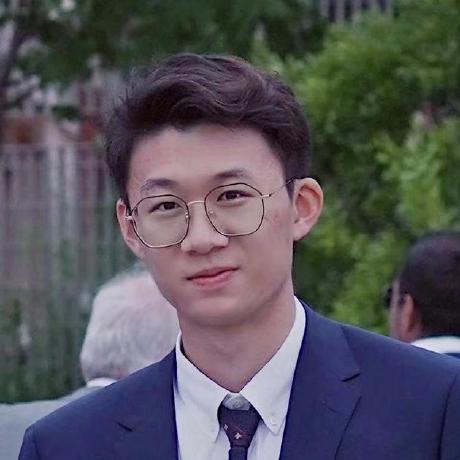
Haoyu Wang is a Researcher in the Computer and Information Science department at the University of Pennsylvania . He previously held research positions at Shanghai Jiao Tong University and interned at Google DeepMind , Amazon AWS , ByteDance , AI2 , Tencent AI Lab , and Goldman Sachs . Education : PhD in Computer and Information Science (2021–Present), MS in Computer and Information Science (2019–2021), BS in Computer Science (2015–2019). His research focuses on Event-Centric NLP/NLU , LLM Reasoning and Planning , Knowledge Graph , and Pose Estimation in Computer Vision . His work includes event causality identification, semantic classification in context, and synthetic control for temporal reasoning. He has contributed to multimodal hallucination analysis and safety in reasoning models through projects like RESIN-11 and Devil's Advocate . His publications span venues like EMNLP , EACL , and ACL . His recent articles analyze LLM limitations in NP-hard problems , clinical trial prediction , event causality , and hallucination in vision-language models . He has served as PC Member for conferences including ACL , NAACL , NeurIPS , and EMNLP since 2019.
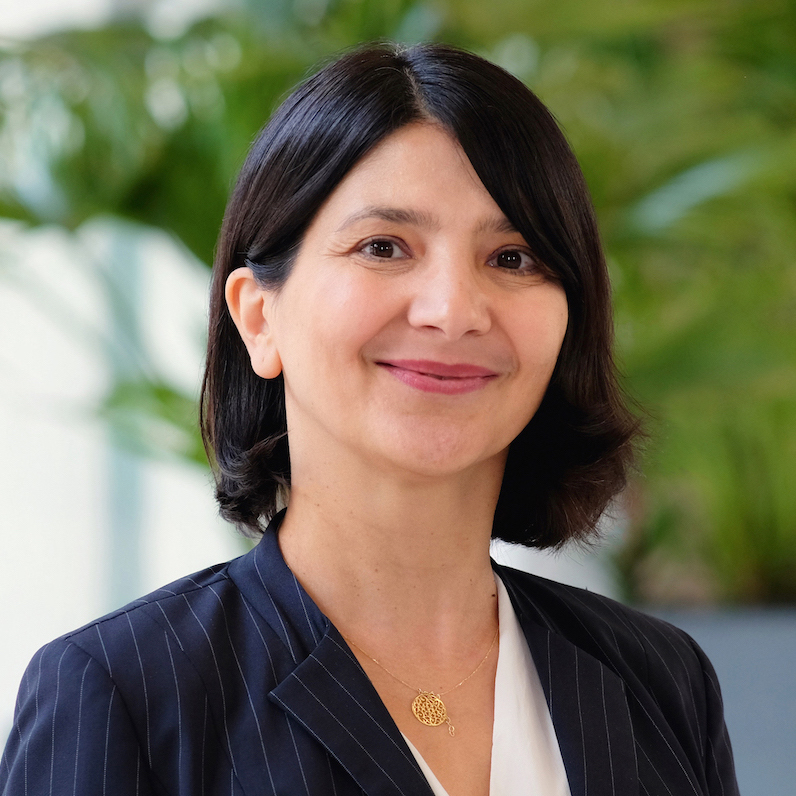
Elena Grigorescu is an Adjunct Associate Professor in the Department of Computer Science at Purdue University, where she has been a faculty member since Fall 2012. Her research program spans theoretical computer science with a focus on foundational algorithmic challenges in large-scale data processing and computational limits, maintaining strong connections to cryptography, communications, and optimization applications. Her educational background includes a PhD from the Massachusetts Institute of Technology (MIT), establishing her expertise in rigorous theoretical frameworks. Professor Grigorescu's research emphasizes designing algorithms that operate in sublinear time or space for massive datasets, analyzing complexity of error-correcting codes and lattices, and exploring information-theoretical computation limits. Current investigations integrate differential privacy with learning-augmented techniques to solve online optimization problems, network design challenges, and data stream processing bottlenecks. Her work bridges abstract theory with practical implementations in cryptographic systems and quantum computing paradigms, demonstrating consistent innovation in algorithmic foundations. Analysis of her recent publications (2022-2025) reveals a dominant focus on sublinear-time algorithms, particularly at the intersection with differential privacy and machine learning augmentation. Key contributions include novel spanner constructions for network design, privacy-preserving clustering frameworks, and breakthroughs in trace reconstruction and coding theory. A pronounced trend shows increasing integration of learning-based predictions to enhance classical online algorithms for packing/covering problems while maintaining theoretical guarantees, alongside sustained contributions to error-correcting code analysis and graph-theoretic foundations. No specific scientific awards or major fellowships were documented in the provided materials, though her publication record in premier venues like STOC, FOCS, and APPROX/RANDOM indicates significant peer recognition. Professor Grigorescu actively mentors graduate students in theoretical computer science research, guiding investigations in sublinear algorithms, complexity theory, and coding theory. Her collaborative projects involve interdisciplinary teams across institutions, focusing on cryptographic applications and quantum information theory, though specific grant details were not included in the source texts. Ongoing work suggests expansion into quantum algorithm design and privacy-preserving machine learning frameworks. While dedicated laboratory facilities were not specified, her research operates within Purdue's theoretical computer science group, leveraging university-wide computational resources and fostering collaborations through conference participation and workshop organization.
Dr hab. Jarema Batorski , prof. UJ , is an Associate Professor at the Institute of Entrepreneurship within the Faculty of Management and Social Communication at Jagiellonian University. His work focuses on organizational learning , crisis management , and their applications in tourism and sports . He has held administrative roles, including Deputy Head of the Research Ethics Committee at his faculty. Research Interests : Organizational learning as a crisis management framework Knowledge management in tourism and sports sectors Open change models in enterprise restructuring Competitive dynamics in sports organizations Article Trends show a consistent focus on crisis response strategies, organizational fragmentation, and VR integration in tourism. His work bridges theoretical models (e.g., double-loop learning) with practical case studies (football coaching changes, pandemic recovery). Publications often emphasize ethical dimensions and cross-sectoral knowledge transfer. Teaching includes courses on contemporary management concepts , crisis management in tourism and sports , and competition in the sports market .
Alina Lungeanu is an Assistant Professor at Northeastern University, with dual appointments in the College of Arts, Media and Design (Communication Studies) and the D'Amore-McKim School of Business (Management and Organizational Development Group). She is a Core Member of the Network Science Institute (NetSI) and studies team dynamics in scientific collaborations and space exploration contexts. Research Interests : Team network configurations, cross-boundary collaboration, leadership structures, computational modeling, and extreme team performance in space missions. Grants : Funded by NASA, National Science Foundation (Award #1856090), and National Institute of General Medical Sciences (Award #1R01GM137410). Awards : Sage Publishers Award (2025). Article Trends : Focus on team composition in space analog missions, expertise diversity, shared mental models, network science methodologies, and multiteam systems in extreme environments. Her work bridges social science and network science, emphasizing innovation in interdisciplinary teams and NASA partnerships.
Priyanka Ghosh is a Professor in the Department of Civil Engineering at the Indian Institute of Technology Kanpur (IIT Kanpur), where she has been serving since 2007, initially as Assistant Professor (2007-2012), then as Associate Professor (2012-till date), and currently as Professor. Her academic career also includes positions at IIT Kharagpur as Senior Lecturer and at BITS Pilani as Lecturer. Dr. Ghosh received her PhD from the Indian Institute of Science Bangalore in 2005, following an M.Tech from IIT Delhi in 2000 and a B.E. from the University of North Bengal in 1998. Her educational background has provided a strong foundation for her specialization in Geotechnical Engineering. Dr. Ghosh's research focuses on critical aspects of geotechnical engineering, particularly in the areas of foundation engineering and soil-structure interaction. Her work on Bearing Capacity of Foundations has contributed significantly to understanding how structures interact with soil under various loading conditions. She has extensively studied Retaining walls and Earth Pressure Theory , developing advanced methods for analyzing wall behavior under seismic conditions. Her research on Stability of Slopes addresses both static and seismic cases, providing valuable insights for infrastructure development in challenging terrain. Dr. Ghosh has also made notable contributions to understanding Pullout Resistance of Anchors , which is crucial for the design of anchored retaining structures. Dr. Ghosh's publication record demonstrates a consistent focus on applying advanced analytical methods to solve practical geotechnical problems. Her work frequently employs Numerical Analysis techniques to model complex soil behavior, with particular emphasis on seismic conditions. She has developed innovative approaches using Method of Characteristics and Upper Bound Limit Analysis to address challenging problems in foundation engineering. Her research spans both theoretical developments and practical applications, with significant contributions to understanding soil behavior under dynamic loading conditions. Dr. Ghosh's contributions to the field have been recognized through several prestigious awards including the "IEI Young Engineers Award 2011-2012" from The Institute of Engineers (India), the "Outstanding Young Investigator Award" from the International Association for Computer Methods and Advances in Geomechanics (IACMAG), and the "IUSSTF Research Fellowship" from the Indo-US S&T Forum. She has also received the "Class of 1982 Research Fellowship" from IIT Kanpur and a scholarship from the Italian Ministry of Education for her research at the University of Molise. Throughout her career, Dr. Ghosh has demonstrated excellence in both research and teaching. Her expertise in Geotechnical Engineering has established her as a respected figure in the academic community, with her work contributing to advancements in foundation design, slope stability analysis, and earthquake engineering. She continues to mentor students and contribute to the development of innovative solutions for challenging geotechnical problems.
Hannah Sevian is a Professor in the Department of Chemistry at UMass Boston, where she has been on the faculty since 2001. Her expertise lies in Chemistry Education , STEM Education , and Chemical Thinking , with a focus on inclusive pedagogy and green chemistry. Education: PhD in Physical Chemistry, with postdoctoral training in theoretical polymer chemistry at Dartmouth College. Research: Proactively inclusive chemistry education, chemical thinking framework, green chemistry, and formative assessment practices. Grants: Funded by the National Science Foundation (NSF) for the ACCT program and asset-based supplemental chemistry courses. Publications: 15 most recent works span chemical education, cognitive science, and formative assessment. Her development of the Chemical Thinking Framework has influenced curriculum design and teacher training programs. She collaborates with Boston Public Schools and the American Chemical Society to disseminate open-access educational resources.
Dr. Jayesh Pillai is an Associate Professor at the IDC School of Design, Indian Institute of Technology Bombay, specializing in immersive media design, virtual reality, and augmented reality technologies. His work bridges the gap between design, technology, and storytelling, with a focus on creating meaningful user experiences in virtual environments. His research interests include: Immersive Media Design Virtual Reality & Augmented Reality Visual & Interactive Storytelling Interaction Design Dr. Pillai teaches courses in Design for Virtual Reality, Immersive Media Design, Interaction Design, and Trends in Interactive Technologies at the MDes level, as well as Digital Media Technologies at the BDes level. He has developed educational content through D'Source, including "Virtual Reality: Introduction." His recent publications demonstrate a strong focus on VR narrative techniques, AR educational applications, and social interactions in virtual spaces. His work explores audio-visual cues in 6DoF VR, interactive storytelling through digital game design, and the application of AR in mathematics education and vocational training. Dr. Pillai's research consistently examines how immersive technologies can enhance user experience, learning, and social connection. Dr. Pillai is the creator of "Cinévoqué," a form of responsive VR Cinema where storylines are driven by the viewer's point of interest, and has directed VR films including "Dragonfly" (2018) and "Manhole" (2022), which has been officially selected at multiple international film festivals. He leads the IMXD Lab at IIT Bombay, where his team conducts cutting-edge research in immersive media and interaction design. His work has been presented at major conferences including ACM SIGGRAPH, IEEE VR, and INTERACT.
Bor Gregorcic serves as an Associate Professor (Docent) and University Lecturer in Physics Education at Uppsala University's Department of Physics and Astronomy. His academic work bridges theoretical frameworks in science education with practical applications of educational technology. Gregorcic's research program spans several interconnected domains: Physics education research focusing on conceptual understanding in mechanics and statistical mechanics Embodiment and multimodal approaches to science learning Educational technology applications including interactive whiteboards and digital learning environments Emerging applications of artificial intelligence in physics education contexts Teacher professional development and pedagogical content knowledge His recent publication trajectory (2023-2025) reveals a significant pivot toward AI applications in physics education, with multiple studies examining ChatGPT's performance in interpreting physics concepts, visual representations, and kinematics graphs. This represents an evolution from his earlier foundational work on embodiment in science education and multimodal learning, where he explored conceptual blending, gesture studies, and the use of digital tools like Algodoo. His research consistently addresses how students develop conceptual understanding through various representational forms. Gregorcic has been recognized with the 'Excellent Teacher' award at Uppsala University, highlighting his commitment to pedagogical excellence. He maintains active research collaborations with Giulia Polverini, Elias Euler, Trevor Volkwyn, Ebba Koerfer, and other international scholars. His work appears predominantly in leading physics education research journals including Physical Review Physics Education Research, European Journal of Physics, and Physics Education, demonstrating significant impact in the field.
Marvin Bennett serves as a Professor of Practice in Construction Management at Morgan State University's School of Architecture and Planning, bringing 25+ years of industry experience to the classroom since joining in 2016. As principal of Metro Engineering Services since 2005, he bridges academic instruction with real-world engineering challenges in community development. B.S., Morgan State University M.S., Lehigh University His pedagogical approach emphasizes experiential learning through job site visits, industry partnerships, and guest lectures from organizations like ASCE and ACI. Courses including CMGT 204 (Construction Law & Contracts) and CMGT 401 (Sustainable Construction Practices) integrate practical problem-solving with theoretical frameworks, preparing students for immediate workforce impact. His research interests focus on sustainable infrastructure development in underserved communities, drawing from childhood experiences in St. Kitts-Nevis. Professor Bennett's mentorship philosophy treats students as future industry assets, with alumni highlighting his teamwork emphasis and real-world deadline management techniques. Through structured internships and co-ops with commercial developers and property managers, he cultivates workplace readiness while maintaining active industry engagement through Metro Engineering Services. Professional affiliations include the American Society of Civil Engineers (ASCE), American Concrete Institute (ACI), Community Association Institute (CAI), and National Association Home Builders (NAHB). As a licensed Professional Engineer (PE) and Reserve Specialist (RS), he applies technical expertise to community association projects while modeling professional conduct for students.
Minjoon Seo is an Associate Professor at KAIST AI, Korea Advanced Institute of Science and Technology. He holds a BS in Electrical Engineering & Computer Science from UC Berkeley and previously worked as a software engineer at Oracle. His research focuses on natural language understanding, large-scale end-to-end question answering, and multimodal AI systems combining language and vision. Research Interests: His work spans Natural Language Processing, Machine Learning, Deep Learning, and Language-Vision integration. He develops neural network architectures for machine comprehension and multimodal understanding, with applications in question answering systems and diagram interpretation. Publications: His research demonstrates a consistent focus on multimodal AI systems, with recent works advancing neural approaches to machine comprehension and diagram understanding. Publications show strong emphasis on NLP-CV integration and practical applications in healthcare and education. Awards: Best Paper Nomination at UbiComp 2014 for BiliCam research Professional Activities: Maintains active open-source contributions through GitHub repositories related to question answering systems and NLP research. Co-founded Config Intelligence while maintaining academic position.
Zhipeng Lu is currently an Associate Professor of Pharmacology and Pharmaceutical Sciences at the University of Southern California (USC) School of Pharmacy. His research focuses on understanding RNA molecules and their structural complexity as a second layer of genetic instructions beyond protein encoding. He directs the Lu Lab at USC, which develops and applies novel technologies to investigate RNA structures, interactions, chemical modifications, and functions in cellular processes and animal development. Dr. Lu's research interests center on "RNA machines" in living cells, with particular emphasis on how RNA molecules fold into structures and form intermolecular interactions to execute genetic instructions. His work spans multiple dimensions of RNA biology, including RNA structure-function relationships, RNA-protein interactions, RNA modifications, and the role of RNA in human diseases such as genetic disorders and viral infections. The lab combines computational, chemical, and biological approaches to elucidate fundamental mechanisms of RNA machines, with the ultimate goal of developing new understanding and therapies targeting human diseases. Analysis of Dr. Lu's publication history reveals a strong trajectory in RNA structure and interaction mapping technologies. His work has evolved from foundational studies on RNA processing and modification to developing innovative high-throughput methods like PARIS and RISE for analyzing RNA interactomes. Recent publications focus on specific RNA systems like XIST and snoRNAs, demonstrating how his lab has moved from method development to applying these tools to solve longstanding biological questions in epigenetics and RNA therapeutics. Dr. Lu has received numerous prestigious awards recognizing his contributions to RNA research: NHGRI K99/R00 NIH Pathway to Independence Award (2017-2022) RNA Society Scaringe Award (2017) Stanford University Jump Start Award for Excellence in Research (2016-2017) Damon Runyon-Sohn Fellowship (2015-2017) His research is supported by multiple funding sources from organizations including the National Institutes of Health and other foundations. The Lu Lab is actively recruiting PhD students and postdoctoral researchers to work on several cutting-edge directions including RNA structures, interaction networks, RNA modification mechanisms, and their roles in development and disease. The lab integrates biological, chemical, and computational approaches to advance RNA biology and push forward RNA medicine. The Lu Lab at USC is a dynamic research environment focused on "RNA machines" with recent highlights including solving aspects of the orphan snoRNA problem and discovering snoRNAs that control eMet tRNA activity. The lab's vision emphasizes creative exploration of RNA biology, with researchers encouraged to pursue innovative ideas much like "wild animals running in the African savannah." Current research directions include analysis of RNA structures, interaction networks, RNA modification mechanisms, and their roles in development and disease, with applications to genetic disorders, cancers, and viral infections.
Yuhao Chen is a Research Assistant Professor at the University of Waterloo, specializing in cutting-edge research at the intersection of computer vision, robotics, and healthcare. His work focuses on 3D reconstruction, food tracking, medical imaging, and AI-driven solutions for nutrition analysis and sports analytics. He has contributed to benchmark datasets like NutritionVerse, MetaGraspNet, and FoodVerse, advancing applications in robotic grasping, dietary intake estimation, and human-object interaction analysis. Research interests include egocentric video analysis, real-time 3D reconstruction, zero-shot learning, and multi-task learning. His projects often integrate Gaussian splatting, photometric SLAM, and diffusion models to solve complex problems in food tracking, medical image segmentation, and sports player motion analysis. Recent work highlights include FoodTrack for dietary monitoring and RepViT-MedSAM for medical image segmentation. Yuhao Chen’s innovations span robotics, healthcare, and AI, with a focus on practical applications such as automated nutrition assessment, robotic bin picking, and athlete performance analysis. His research emphasizes scalable frameworks and physically informed 3D reconstruction methods to address real-world challenges in health, sports, and automation.
Jonas Stålhand is a Professor at Linköping University, affiliated with the Department of Management and Engineering (IEI) and the Division of Solid Mechanics (SOLMEK). His research focuses on biomechanics, smart textiles, haptic technologies, and cardiovascular mechanics. He leads interdisciplinary projects such as a study on pain relief using smart textile garments, combining neuroscience, materials science, and biomechanics. His work spans arterial wall mechanics, wearable haptic systems, and biomaterial characterization. Recent projects include parameter identification in arteries and the development of electroactive yarn actuators for wearable applications. Collaborations involve multidisciplinary teams across engineering, medicine, and textile science. Research interests emphasize translating biomechanical insights into clinical and industrial applications. Notable contributions include studies on aortic stress analysis, acetabular cup stability, and electroactive polymer-based actuators. His publications address both fundamental and applied aspects of soft tissue mechanics and medical engineering. No scientific awards are explicitly listed, but his work has been highlighted in university news for its innovative potential in healthcare and technology.
Professor Finn Olesen is affiliated with Aalborg University Business School under the Faculty of Social Sciences and Humanities. His research focuses on macroeconomics, post-Keynesian economics, economic methodology, and the history of economic thought. Olesen explores ethical dimensions in economics and investigates pedagogical approaches like problem-based learning. His research interests span macroeconomic theory, economic ethics, crisis management, and innovative teaching methodologies. Olesen's work frequently examines the intersection of economic behavior and moral philosophy, particularly in contexts of global economic instability. Olesen's publications demonstrate a consistent focus on re-evaluating macroeconomic paradigms post-financial crisis, exploring Keynesian solutions to contemporary economic challenges, and advancing pedagogical methods in economics education. His recent work increasingly engages with sustainability and ethical dimensions of economic policy. Awards: Årets underviser på oecon 2020 He supervises doctoral students and leads research projects including 'Critical thinking and discovery based learning' and 'Macroeconomic and ethics'. His work emphasizes pluralistic approaches to economic education and policy analysis.
Konstantin Wernli is an Assistant Professor in the Department of Mathematics and Computer Science at the University of Southern Denmark, affiliated with the Quantum Mathematics research group. His research focuses on quantum field theory, geometric quantization, and mathematical physics, with a particular emphasis on topological field theories and perturbative methods. He has contributed to foundational work in Chern-Simons theories, BV-BFV formalisms, and geometric analysis. His research interests include quantum field theories, algebraic geometry, and the intersection of topology with physics. Notably, he explores combinatorial approaches to quantum field theory, geometric quantization frameworks, and the application of advanced mathematical tools to solve problems in theoretical physics. Recent work includes studies on partition functions, constrained dynamical systems, and the globalization of sigma models. His articles often bridge abstract mathematics with physical applications, such as analyzing heat kernels, theta invariants, and entanglement polytopes. Wernli is a project participant in the Sapere Aude grant 'FROM PERTURBATIVE TO NON-PERTURBATIVE QUANTUM FIELD THEORY BY CUTTING AND GLUING' (2024–2028), which aims to advance non-perturbative QFT techniques. He has advised on research projects involving heat kernel analysis and geometric quantization, though no formal student advisees are listed.