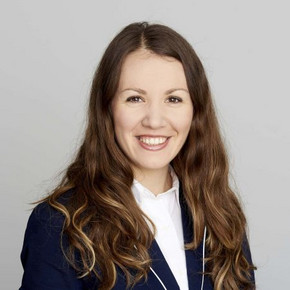
Katharina Wießner serves as a Lecturer and Researcher at the University of Applied Sciences Technikum Wien within the Faculty of Life Science Engineering's Field of Competence Chemical Engineering and Ecotoxicology since 2018, teaching across Ecotoxicology and Environmental Management, Biomedical Engineering, Human Factors and Sports Engineering, and Tissue Engineering programs. She concurrently holds an external Lecturer position in Applied Chemistry at IMC University of Applied Sciences Krems since 2021. Education: Bachelor of Science in Food Science and Biotechnology (2008-2016) from the University of Natural Resources and Life Sciences, Vienna. Master of Science in Environmental Management and Ecotoxicology with ecotoxicology specialization (2016-2018) from the University of Applied Sciences Technikum Wien. Her research integrates environmental chemistry and biological systems to address emerging contaminants, with primary focus on microplastics and nanoparticle environmental risks, ecotoxicological assessment methodologies, and sustainable vegetation management solutions. She applies cross-disciplinary expertise in molecular biology and environmental informatics to develop practical ecological risk frameworks for infrastructure ecosystems. Ms. Wießner actively contributes to environmental research through multiple funded projects including the MA23-Project "PBL in Molecular Life Science" (2018-2020), FFG Project "Green-LOGIX" for railway/road vegetation control, and the ongoing MA23-Project "Microplastics and Nanoparticles as environmental risks" since 2021, demonstrating consistent engagement with pressing anthropogenic pollution challenges. Scientific Awards: No scientific awards mentioned in the provided text. She mentors students across five engineering programs while managing complex environmental research initiatives, with her grant portfolio reflecting strong institutional support for applied ecotoxicology solutions. Her work bridges academic instruction with real-world environmental problem-solving through municipal and national funding mechanisms. As a core member of the Chemical Engineering and Ecotoxicology research team, she collaborates on interdisciplinary projects developing sustainable infrastructure management protocols and novel contaminant detection methodologies for urban ecosystems.