Assoc. Prof. Dr. AHMET ALTUĞ ÇİNÇİN serves as a Faculty Member at Eastern Mediterranean University's Faculty of Medicine. He is part of the joint medical degree program with Marmara University in Istanbul, Turkey, as indicated by the special notation in his profile. His educational background includes a PhD in Medicine from Istanbul University (2002) and Expertise qualification from Marmara University, Istanbul (2009). The Faculty of Medicine at Eastern Mediterranean University operates through this collaborative arrangement with Marmara University, which explains his dual institutional affiliation. As an Associate Professor in the medical faculty, Dr. Çinçin contributes to the educational programs offered by the institution, though specific teaching responsibilities or research focus areas are not detailed in the available information. The university offers comprehensive medical education including Introduction to Clinical Skills (KBG/ICS) and Problem Based Learning (PBL) programs that likely form part of his teaching responsibilities.
Assoc. Prof. Dr. ALİ CEMAL YUMUŞAKHUYLU serves as a faculty member at the Faculty of Medicine, Eastern Mediterranean University (EMU) in Northern Cyprus. He participates in the joint medical degree program between EMU and Marmara University, Istanbul, which combines resources from both institutions to deliver medical education. His academic background includes a PhD from Marmara University completed in 2003, followed by medical expertise qualification (specialization) from the same institution in 2010. As part of the medical faculty, he contributes to the curriculum that features Introduction to Clinical Skills (ICS) and Problem Based Learning (PBL) methodologies. The medical program operates in conjunction with Marmara University Hospital as an affiliated teaching facility, providing clinical training opportunities for students. Faculty members like Dr. YUMUŞAKHUYLU participate in academic events including White Coat Ceremonies, Brain Awareness Week activities, and medical student mentorship programs. Contact is maintained through his official university email address, reflecting his active status within the institution's academic structure.
Assoc. Prof. Dr. Emel Eryüksel serves as a Faculty Member at Eastern Mediterranean University's Faculty of Medicine within the Department of Medical Education. She is affiliated with the joint medical degree program between Eastern Mediterranean University (EMU) and Marmara University in Istanbul. Her academic background includes a PhD in Medicine awarded by Istanbul University in 1994, followed by specialized expertise (Uzmanlık) training completed at Istanbul University in 2003. Her educational qualifications form the foundation of her expertise in medical education. Dr. Eryüksel's research focuses on medical pedagogy, with particular emphasis on Problem-Based Learning (PBL) methodologies and Introduction to Clinical Skills (ICS) programs. Her work contributes to curriculum development in medical education, including educational guides and program evaluation frameworks within the faculty. She participates in the faculty's academic administration and serves on various committees related to student education and mentorship programs, including student advisors and academic mentorship initiatives.
Assoc. Prof. Dr. ŞEHNAZ OLGUN YILDIZELİ serves as a faculty member at Eastern Mediterranean University's Faculty of Medicine through a joint medical degree program with Marmara University, Istanbul. Her academic appointment reflects active engagement in medical education and clinical training. Education: Expertise (2005-2011) at Marmara University, Istanbul PhD in Medicine (1998-2004) at Istanbul University Her research focuses on Internal Medicine and Medical Education, with particular emphasis on clinical skills development through programs like ICS (Introduction to Clinical Skills) and PBL (Problem Based Learning). The Faculty of Medicine's curriculum integrates these methodologies to train medical professionals for clinical practice. As part of EMU's academic structure, she contributes to committees including student education commissions and participates in institutional events such as the Medicine White Coat Ceremony and Brain Awareness Week activities. Her work aligns with the faculty's mission to advance medical education through collaborative international programs.
Dr. Canan Şanal Toprak serves as an Associate Professor in the Faculty of Medicine at Eastern Mediterranean University (EMU), operating under a joint medical degree program with Marmara University in Istanbul. Her academic appointment is explicitly documented in EMU's official staff listings. Education: PhD in Medicine from Istanbul University (2009) Medical Expertise (Specialization) from Marmara University, Istanbul (2015) Her research focuses on core medical disciplines including clinical sciences and medical education methodologies. As a faculty member in a medical school, her work inherently bridges theoretical knowledge with clinical practice through structured curricula such as Introduction to Clinical Skills (ICS) and Problem-Based Learning (PBL) programs. No scientific awards, publications, or student advisement records are documented in the provided institutional materials. Her role appears centered on medical education within EMU's Faculty of Medicine framework, which includes participation in institutional events like White Coat Ceremonies and Brain Awareness Week activities.
Murat Tuğcu serves as an Associate Professor in the Faculty of Medicine at Eastern Mediterranean University (EMU) in Northern Cyprus, participating in the joint medical degree program with Marmara University, Istanbul. His academic role focuses on medical education and clinical training within EMU's medical curriculum. Education Background 2016: Medical Specialization (Expertise) from Istanbul Haydarpasa Number Education and Research Hospital 2012: Medical Specialization (Expertise) from Istanbul University 2006: PhD in Medicine from Marmara University, Istanbul Dr. Tuğcu's research centers on foundational medical education and clinical skill development. His work supports EMU's Problem-Based Learning (PBL) and Introduction to Clinical Skills (ICS) programs, emphasizing practical physician training through structured curricula and hands-on clinical instruction. Professional correspondence may be directed to murat.tugcu@emu.edu.tr .
Assistant Professor Nurşah Eker serves in the Faculty of Medicine at Eastern Mediterranean University (EMU), Northern Cyprus, as part of the joint medical degree program with Marmara University, Istanbul. Her appointment focuses on medical education within EMU's integrated curriculum framework. Her educational background includes: PhD in Medicine, Istanbul University (2004) Medical Specialization, Mediterranean University (Antalya) (2014) Medical Specialization, Şişli Etfal Training and Research Hospital (2010) Dr. Eker specializes in clinical skills training and medical education methodology, with documented involvement in the Introduction to Clinical Skills (ICS) program and Problem-Based Learning (PBL) curriculum development. Her work emphasizes practical clinical competency development for medical students, including specialized training modules like pelvic examination. She participates in faculty committees and student mentorship programs as part of EMU's academic structure, though specific committee assignments aren't detailed in the source material. Her role includes student advising within the joint program framework with Marmara University.
ÖMER DOĞRU serves as an Assistant Professor in the Faculty of Medicine at Eastern Mediterranean University (EMU). He is part of EMU's joint medical degree program with Marmara University in Istanbul, as indicated by the special designation in university materials. His institutional email address confirms his active faculty status at EMU. Dr. Doğru's academic background centers on medical sciences, with his primary affiliation being with the Faculty of Medicine. His position as Assistant Professor indicates he has completed doctoral studies and has progressed through the academic ranks at the institution. Primary Affiliation: Faculty of Medicine, Eastern Mediterranean University Program Affiliation: Joint Medical Program with Marmara University, Istanbul His work appears focused on medical education within EMU's structured curriculum that includes Problem Based Learning (PBL) and Introduction to Clinical Skills (ICS) components. The Faculty of Medicine at EMU maintains affiliated hospitals including Marmara University Hospital for clinical training purposes. Dr. Doğru participates in the university's academic structure that includes various committees, student mentorship programs, and educational commissions that oversee medical education standards at the institution.
Assistant Professor Serhat Ergün serves as a Faculty Member at the Faculty of Medicine, Eastern Mediterranean University (EMU), through a joint medical degree program collaboration with Marmara University, Istanbul. His primary academic affiliation is with EMU's medical faculty in Northern Cyprus. Education: PhD in Medicine (2010), Istanbul University Medical Specialization (2010), Marmara University, Istanbul Dr. Ergün's research focuses on core medical disciplines and clinical practice, with particular emphasis on medical education methodologies including Problem-Based Learning (PBL) and Introduction to Clinical Skills (ICS) curriculum development. His work supports EMU's accredited medical program which follows international standards for clinical training. Professional Affiliations: Academic staff member of EMU-Marmara University Joint Medical Program Active participant in EMU Medical Students Association (EMUMSA) initiatives Contributor to Brain Awareness Week and Medicine White Coat Ceremonies As part of EMU's medical faculty, he engages in curriculum development, student mentorship, and participates in institutional committees including student education commissions and academic boards. His work supports EMU's clinical research infrastructure through the EMU Clinical Application and Research Center.
ZEHRA NUR TURGAN AŞIK serves as a Lecturer at the Faculty of Medicine, Eastern Mediterranean University (EMU), participating in the joint medical degree program with Marmara University in Istanbul. Her academic appointment connects EMU with Marmara University Hospital as an affiliated teaching institution. Dr. Turgan Aşık completed her PhD in Medicine at Istanbul University in 2009, followed by medical specialization (Uzmanlık) training through the Turkish Ministry of Health in 2020. Her academic journey reflects the collaborative nature of the EMU-Marmara University medical program. As a current faculty member, she maintains active institutional affiliation with Eastern Mediterranean University's medical education system, contributing to the curriculum that includes Introduction to Clinical Skills (ICS) and Problem-Based Learning (PBL) components. Her professional contact is maintained through the university email system, indicating ongoing academic responsibilities within the medical faculty structure.
Richard J. Comi, MD, is a Professor of Medicine at the Geisel School of Medicine, Dartmouth College, where he has served since 1989 and was promoted to full Professor in 2012. He holds key educational leadership roles including Assistant Director for the Scientific Basis of Medicine, co-Director of the Themes Course, Director of the Problem-Based Learning (PBL) Program for second-year students, and Program Director for the Endocrine and Metabolism Fellowship. His academic credentials include: BS from Fordham University (1976) MD from Harvard Medical School (1980) Dr. Comi's expertise centers on endocrinology and metabolism, with significant contributions to medical education methodology. He develops and delivers core curriculum content including the Scientific Basis of Medicine Endocrinology Course and Clinical Pharmacology lectures for fourth-year students. His teaching philosophy emphasizes active learning through small group facilitation and PBL tutoring, where he has mentored students for decades while supervising clinical electives in endocrinology. As a member of the Academy of Master Faculty Educators, he actively mentors colleagues in small group instruction, PBL teaching, and case development. His administrative leadership shapes curriculum design across multiple educational programs at Geisel School of Medicine.
Todd A. Nolan, Ph.D., serves as Assistant Professor of Physiology and Director of Problem-Based Learning (PBL) at the Lake Erie College of Osteopathic Medicine (LECOM) School of Dental Medicine in Bradenton, Florida. He co-directs the Orthodontics course, lectures on craniofacial development, and teaches neuromuscular physiology in Pharmacy and Medical Science programs alongside pain physiology in Oral Surgery. Dr. Nolan's educational background includes: Undergraduate studies at Slippery Rock University of Pennsylvania Ph.D. in Physiology from East Carolina University under Dr. Kori Brewer Four-year fellowship at University of Florida School of Dental Medicine with Dr. John Neubert His research centers on active learning pedagogies , group dynamics , placebo analgesia , neurodegeneration , and opioid abuse . He developed the licensed Operant Pain Assessment Device (OPAD) and is internationally recognized for expertise in Problem-Based Learning (PBL), Case-Based Learning (CBL), and Team-Based Learning (TBL) curriculum design. Publications from 2003-2011 reveal consistent focus on orofacial pain mechanisms using innovative testing systems, with emphasis on trigeminal neuropathic pain, central sensitization, and neurobiological correlates of pain behavior across neuroscience, dentistry, and behavioral science disciplines. Dr. Nolan's contributions to active learning methodologies are acknowledged through faculty development leadership, though specific awards are not enumerated in source materials. He has guided OPAD development, advised new medical schools on curriculum design, and trained hundreds of educators globally in case development strategies, including recent international workshops for 50+ participants on PBL facilitation efficacy. His OPAD innovation and curriculum work indicate collaboration with engineering and educational design teams, though specific laboratory structures are not detailed.
Rubina Qadeer serves as an Assistant Professor of Anatomy at Lake Erie College of Osteopathic Medicine (LECOM) Elmira Campus and functions as a Problem-Based Learning (PBL) Facilitator, with academic involvement since 2013. Her educational qualifications include: Bachelor of Arts in Psychology with Biology minor from State University of New York at Albany Doctor of Chiropractic from Northeast College of Health Sciences (formerly New York Chiropractic College) Master of Science in Applied Clinical Nutrition from Northeast College of Health Sciences Dr. Qadeer's academic work centers on human anatomy instruction and problem-based learning methodology within medical education. Her interdisciplinary background in chiropractic and clinical nutrition supports a holistic teaching approach to anatomical sciences, emphasizing clinical application in osteopathic medical training. Born and raised in Elmira, New York, she returned to her hometown after doctoral studies to contribute to LECOM's academic mission.
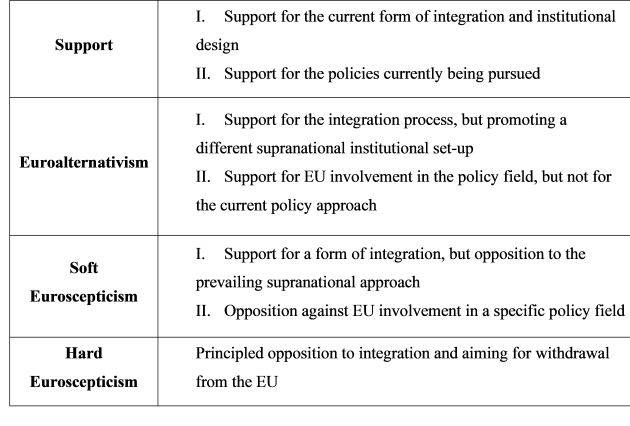
Patrick Bijsmans is an Associate Professor in Teaching & Learning European Studies and serves as Associate Dean for Education at Maastricht University's Faculty of Arts and Social Sciences (FASoS). He is also an Ex-Officio Committee Member at UACES (University Association for Contemporary European Studies). His academic career is deeply rooted in European Studies with a focus on both research and pedagogical innovation. Bijsmans' research primarily centers on European Studies, with specific expertise in Media & Euroscepticism. His work examines how Euroscepticism has become mainstreamed in political discourse, particularly through media coverage of European Parliament elections. He has developed a nuanced fourfold typology distinguishing between supportive, Euroalternative, soft Eurosceptic, and hard Eurosceptic claims, contributing significantly to our understanding of European integration debates. Beyond Euroscepticism, his research extends to teaching and learning methodologies, especially Problem-Based Learning (PBL), curriculum design, and the international classroom experience. His scholarly output demonstrates a clear trend toward bridging theoretical European Studies with practical educational applications. Many of his recent publications examine how teaching methods can enhance understanding of complex European integration processes. His research shows consistent engagement with both the evolving European political landscape and innovative pedagogical approaches, often connecting these two domains to create more effective learning experiences for students of European Studies. Bijsmans actively contributes to academic discourse through various teaching and learning initiatives. He has coordinated staff professional development programs, organized workshops on problem-based learning, and engaged in transnational collaborations, including an Erasmus+ mobility grant at the University of Leeds where he studied their 'Curriculum Redefined' program. His commitment to educational innovation is evident in his exploration of games, podcasts, and other active learning techniques to enhance student engagement in PBL environments. His work with students primarily involves teaching BA and MA level courses in European Studies, where he has implemented various innovative teaching methods. Bijsmans has conducted research on attendance patterns and writing assignments in PBL courses, demonstrating how collaborative learning through class discussion of student work enhances academic performance. He has also investigated international classroom dynamics, examining how diverse student backgrounds impact learning outcomes. Within the academic community, Bijsmans is recognized for his contributions to educational development. His work on teaching assistants and the 'Recognition & Rewards' framework has sparked important conversations about valuing different academic career paths. He has been instrumental in fostering exchange between institutions, advocating for the benefits of visiting other universities to share best practices in teaching and learning.
Justin Stadler serves as an Assistant Professor in the Department of Foundational Sciences at Central Michigan University's College of Medicine, a position he has held since 2017. His primary teaching responsibilities include human gross anatomy instruction for first- and second-year medical students and Problem-Based Learning (PBL) facilitation, demonstrating active engagement in foundational medical education. His educational background comprises: Bachelor of Science from Adrian College Master of Arts from Central Michigan University Dr. Stadler's research focuses on nanoparticle-based drug delivery systems for ischemic stroke treatment, intersecting neuroscience, pharmacology, and biomedical engineering. This work represents an innovative approach to enhancing therapeutic efficacy through targeted neurological interventions. His scholarly recognition includes: Research and Creative Endeavors Grant ($150) Academic service is evidenced through structured medical education roles, though no formal student advisees or dedicated laboratory infrastructure are specified. His concurrent PhD pursuit in Neuroscience (anticipated 2022 completion) reflects ongoing scholarly development within Central Michigan University's academic ecosystem.