- Hydrogeology
- Fractured rock systems
- Water security
- +۵ مورد دیگر
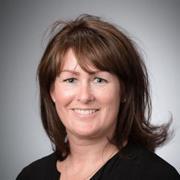
Sarah Dickson-Anderson serves as Associate Dean of the Faculty of Engineering and faculty member in the Department of Civil Engineering at McMaster University. Her research expertise centers on hydrogeology with a focus on fractured rock systems and water security challenges in vulnerable communities. Her educational background includes a Ph.D. and B.A.Sc. from the University of Waterloo (1990-2001). Her research program spans multiple dimensions of water security: Characterization of fractured rock systems and contaminant transport Water security in rural, remote, and Indigenous communities Drinking water treatment resilience, particularly after environmental disturbances Gender dimensions of water access in developing regions Interdisciplinary approaches integrating physical, social, cultural and economic elements Dr. Dickson-Anderson's scholarly work demonstrates a clear evolution from technical hydrogeological studies toward increasingly integrated, interdisciplinary research addressing complex water challenges. Her recent publications examine wildfire impacts on water treatment systems, gender dynamics of water collection in Ghana, Indigenous water security in Canada, and innovative modeling approaches for fractured rock systems. Her research impact is evident through: References in patents and policy documents Citations across multiple academic platforms including Mendeley Media coverage in news outlets References in Wikipedia pages Discussion on social media platforms including X (Twitter) and Bluesky As an educator, she teaches Engineering: Communications and Social Impact (ENGINEER 2PX3) and Advanced Groundwater Flow and Contaminant Transport (CIVENG 770/EARTHSC 750), mentoring graduate students in hydrogeology and water security research. Her administrative role as Associate Dean reflects her leadership within the Faculty of Engineering. Her laboratory and research team employ experimental and computational methods to understand water flow and contaminant transport, with applications to real-world water security challenges in diverse community contexts.