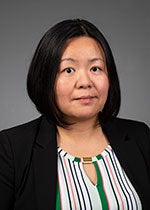
Sky W. Reece is a Teaching Assistant Professor in the Department of Pharmacology & Toxicology at East Carolina University's Brody School of Medicine. Their research focuses on understanding how environmental exposures (e.g., air pollutants, allergens, nanoparticles) contribute to immune-mediated lung damage and chronic respiratory diseases like neutrophilic asthma, which is characterized by corticosteroid insensitivity and chronic airflow obstruction. Education: Ph.D. in Physiology, Brody School of Medicine, East Carolina University M.S. in Biomedical Engineering, West China Medical Center, Sichuan University, China B.E. in Engineering, Xihua University, China Scientific work emphasizes molecular and cellular mechanisms in neutrophilic asthma, with publications spanning topics such as ozone-induced inflammation, specialized pro-resolving mediators, scavenger receptor function, and nanoparticle toxicity. Recent publications (2013–2021) demonstrate interdisciplinary expertise at the intersection of environmental toxicology, immunology, and pulmonary disease.
Professor Derek Gilroy serves as Professor of Experimental Inflammation and Pharmacology within the Division of Medicine at University College London, specializing in the active biological processes that resolve inflammation. His research challenges the traditional view of inflammation resolution as a passive process, instead demonstrating it as an active biological program with significant therapeutic implications for chronic inflammatory diseases. Professor Gilroy's educational background includes a Doctor of Philosophy from the William Harvey Research Institute at Queen Mary School of Medicine and Dentistry (1997), a Master of Science from Imperial College of Science, Technology and Medicine (1993), and a Diploma (1992). His academic trajectory reflects a deep commitment to understanding the molecular mechanisms underlying inflammatory processes. His research program centers on identifying endogenous pro-resolution pathways that could serve as novel therapeutic targets. Rather than simply suppressing inflammation, his work explores how to actively promote resolution mechanisms, representing a paradigm shift in treating chronic inflammatory conditions. This approach has significant implications for conditions ranging from rheumatoid arthritis to fibromyalgia, as evidenced by his diverse publication record. Analysis of Professor Gilroy's recent publications reveals a strong focus on cellular mechanisms of inflammation resolution, particularly involving macrophages, neutrophils, and specialized pro-resolving lipid mediators. His work spans from basic molecular mechanisms to clinical applications, with increasing attention to translational opportunities that could benefit patients suffering from chronic inflammatory conditions. Notably, his research has expanded to include investigations of SARS-CoV-2 immune responses and the long-term impacts of inflammation resolution on tissue integrity. Professor Gilroy actively contributes to academic training through his teaching responsibilities, including lecturing on the M.Sc course for Clinical and Experimental Medicine, examining Pharmacology Intercalated Research Projects, and participating in MPhil to PhD transfer examinations and PhD viva voce assessments. His mentorship extends to numerous research students and early-career scientists working in the field of inflammation research.
Dr. Tadanori Mammoto is an Associate Professor in the Department of Pediatrics at the Medical College of Wisconsin, with a Divisional focus in Neonatology. He is also a member of the Cardiovascular Research Center, reflecting his interdisciplinary research approach spanning vascular biology, lung development, and mechanobiology. Dr. Mammoto's research focuses on the molecular mechanisms underlying vascular development and disease, with particular emphasis on how mechanical forces and extracellular matrix properties regulate cellular behavior. His work has significantly advanced understanding of the YAP/TAZ signaling pathway, Twist1 transcription factor, and angiopoietin-Tie2 system in lung vascular development and regeneration. His laboratory investigates how these pathways contribute to conditions such as pulmonary hypertension and impaired lung development in neonates. Analysis of Dr. Mammoto's publication record reveals a consistent trajectory of high-impact research, with numerous publications in top-tier journals including Nature, Science, and Nature Medicine. His work demonstrates strong translational potential, particularly in developing novel approaches for lung regeneration and understanding vascular complications in neonatal diseases. The increasing focus on organ-on-a-chip technology in recent years reflects his commitment to innovative methodologies for studying human vascular biology. Dr. Mammoto's research has been widely recognized, with several publications receiving hundreds of citations. His work on soluble endoglin in preeclampsia (2006) has been particularly influential, with over 1,600 citations, demonstrating the broad impact of his contributions to vascular biology. His collaborative approach is evident through extensive co-authorship with researchers at Harvard Medical School and affiliated institutions, particularly with Dr. Akiko Mammoto and Dr. Donald Ingber. This collaboration has produced groundbreaking work in organ-on-a-chip technology and vascular mechanobiology, bridging engineering and medical sciences to address complex biological questions. Dr. Mammoto's laboratory represents a dynamic research environment focused on understanding fundamental mechanisms of vascular development while developing innovative approaches to model and potentially treat vascular diseases affecting neonates and adults alike.
Professor Karsten-Henrich Weylandt serves as Vice Dean for Science and Research at the Brandenburg Medical School (MHB) and holds leadership positions including Head of Medical Clinic B, Department Head of Internal Medicine and Gastroenterology, and Deputy Head of BIKUS at the Ruppin-Brandenburg University Hospital. With dual medical doctorates (Dr. med.), he has been affiliated with the institution since April 27, 2017. Professor Weylandt's primary research focus is Experimental Lipidology , with extensive work on omega-3 fatty acids and their derived lipid mediators in inflammatory and metabolic diseases. His research spans gastrointestinal disorders, particularly inflammatory bowel disease and colitis, as well as cardiovascular conditions and diabetes. His publications reveal a consistent trajectory from cellular physiology studies to clinical applications of lipid mediators. Analysis of his recent publications (2021-2024) shows continued emphasis on lipid metabolism in disease contexts, with significant contributions to understanding how omega-3 fatty acids influence inflammatory pathways, cardiovascular health, and metabolic disorders. His work often combines biochemical, molecular, and clinical approaches to elucidate mechanisms of action and potential therapeutic applications. As Vice Dean for Science and Research, Professor Weylandt oversees the research strategy and scientific development at the Brandenburg Medical School, while maintaining active research in his specialized field. His clinical expertise in Internal Medicine and Gastroenterology directly informs both his research directions and teaching responsibilities. Professor Weylandt's laboratory focuses on Experimental Lipidology, investigating the role of specialized pro-resolving mediators and eicosanoid pathways in health and disease. His research has important implications for developing novel therapeutic approaches targeting lipid-mediated inflammatory processes.
Dr. Robert Martindale is Professor of Surgery at Oregon Health & Science University (OHSU), where he has served since May 2005. He previously led the Division of General Surgery (2005-2019) and currently directs Hospital Nutrition Services, specializing in abdominal wall reconstruction and surgical nutrition/metabolism. His educational background includes: Ph.D. in Nutrition (1982, University of California) M.D. (1984, George Washington University) Surgical Residency (1984-1989, Madigan Army Medical Center) American Board of Surgery Certification (1990; recertified 2000, 2010) Dr. Martindale's research centers on surgical nutrition metabolism, abdominal wall reconstruction, and gastrointestinal surgery. He pioneered advancements in parenteral/enteral nutrition for critically ill patients and complex hernia management, with over 200 publications including textbook editorship. His work bridges clinical practice with evidence-based nutritional support protocols. Recent publications (2023-2025) reveal evolving focus on expert consensus guidelines for lipid emulsions in critical care, fiber management in inflammatory bowel disease, and standardized ventral hernia reporting. Research trends demonstrate consistent leadership in surgical nutrition standardization while expanding into microbiome interactions and metabolic outcomes. He has received multiple teaching awards for surgical education excellence and residency program leadership. As mentor to young physicians and investigators, Dr. Martindale previously directed surgical residency training at Medical College of Georgia and continues shaping surgical education at OHSU. His Hospital Nutrition Services directorship oversees institutional nutritional care protocols. Professionally, he leads committees across the American Surgical Association, American College of Surgeons, and American Society for Parenteral and Enteral Nutrition, while serving on editorial boards for 15+ surgical/nutrition journals and delivering frequent national/international lectures.