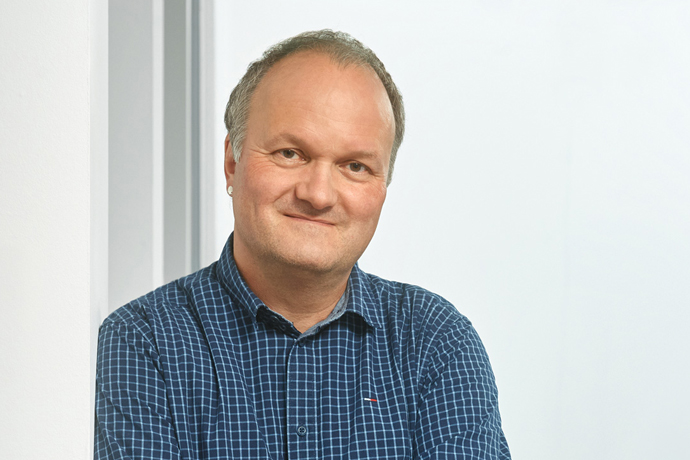
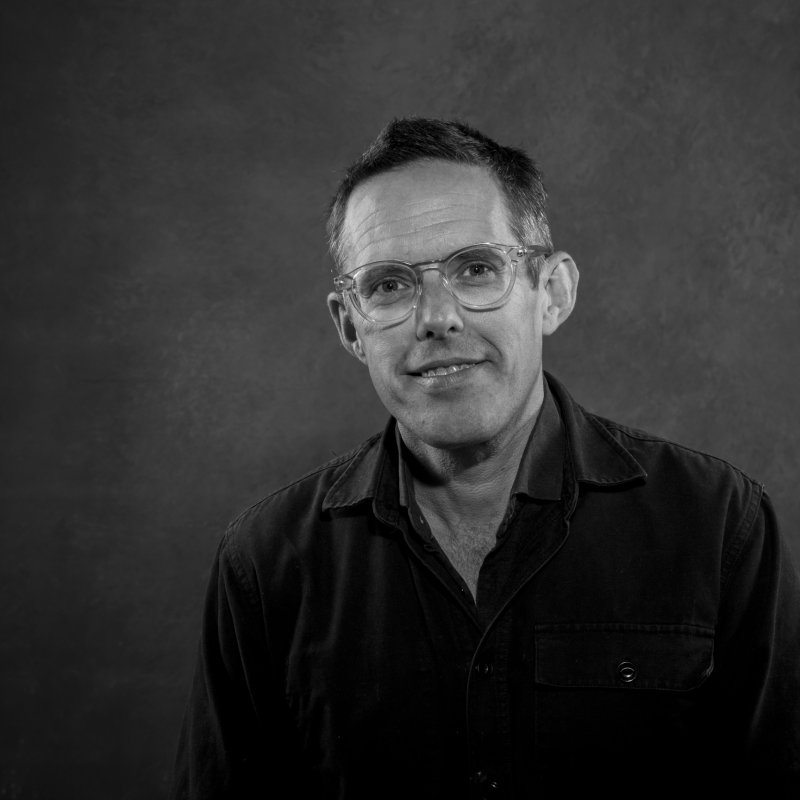
John Freyermuth is an Associate Teaching Professor in the Visual and Performing Arts department at Clark University. He holds an M.F.A. in Sound Design from Savannah College of Art and Design (2011) and a B.A. in Audio/Radio with a Music Appreciation minor from Emerson College (2007). His work focuses on immersive audio systems, object-based recording techniques, and audio curriculum development. Key research interests include: Object-Based Audio Standards Stereo Compatibility in Immersive Formats Pro Tools & Dolby Atmos Training Live Performance Sound Design Recent presentations include 'Compression and Dynamics Processor Design' at Emerson College (2024) and 'Immersive Audio for the Modern Music Industry' sponsored by Genelec and Dolby (2023). He has collaborated on projects like the AVID Pro Tools Dolby Atmos training series and the 'Produce Like a Pro' educational content. His creative works span theater sound design (e.g., Menotti’s Amahl and the Night Visitor) to music production projects like Lost Home and the Holiday Pops Album. He actively develops audio curricula emphasizing both technical proficiency and artistic creativity.
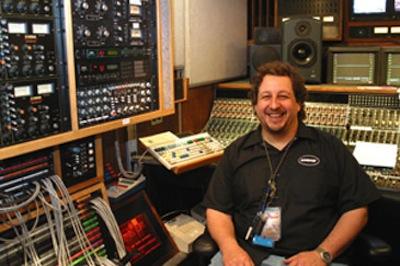
James Donahue is an Associate Professor in the Music Production and Engineering (MP&E) department at Berklee College of Music, where he teaches courses in audio engineering, music production, and acoustics. He is based in Boston, Massachusetts, and maintains strong ties with the Boston Symphony Orchestra and Handel and Haydn Society. Donahue holds a Master of Science in Integrated Design, Business and Technology from the University of Southern California, earned in 2020. Master of Science in Integrated Design, Business and Technology, University of Southern California (2020) His research and professional interests center on acoustics, immersive audio technologies, broadcast media, and music production. He emphasizes experiential learning, drawing on his extensive industry experience to enrich student education. Donahue's work bridges classical and contemporary music, with a focus on high-fidelity recording, Dolby Atmos, and historical performance practices. His recent publications and engineering projects reflect a deep engagement with classical repertoire, particularly works by Haydn, Mozart, Vivaldi, and Boccherini, performed by ensembles such as the Handel and Haydn Society and Parker Quartet. These recordings highlight expertise in orchestral balance, choral integration, and period instrument acoustics, often involving immersive and spatial audio techniques. Grammy nomination for engineering My Last Go Round by Rosalie Sorrels Avid certified professional in Pro Tools and Dolby Atmos Don Wilkins Excellence in Curriculum Development award Best of Berklee Since 1945 Voting member, Recording Academy’s Grammy Foundation Member, Audio Engineering Society Donahue has served as Chief Technology Officer at Whiskey Lane Productions and artistic advisor to the Charlotte Symphony Orchestra. He has also been an innovator at USC’s Immersive Media Systems Center. His industry experience includes 23 years as broadcast engineer for the Boston Symphony Orchestra and collaborations with Julia Child, Kermit the Frog, and PBS. He actively mentors students and integrates real-world case studies into his teaching, fostering a dynamic and practical learning environment. He is affiliated with professional ensembles and institutions including the Handel and Haydn Society, Boston Symphony Orchestra, and USC, and continues to contribute to both academic and industry advancements in audio engineering and music technology.
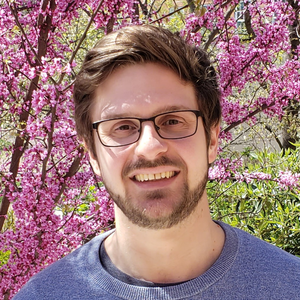
Professor Vanessa Cesário is a leading academic in Digital Media and Human-Computer Interaction (HCI) , currently affiliated with the Faculty of Arts and Humanities at the University of Madeira . She is an active researcher at the Interactive Technologies Institute (ITI) , focusing on Cultural Heritage, Participatory Design , and Interactive Storytelling across international collaborations. Ph.D. in Digital Media (Communication Sciences and Technology) Master’s in Cultural Management Bachelor’s in Communication Her research integrates technology-mediated cultural preservation through methodologies like collaborative autoethnography and inclusive design . She develops gamified museum experiences and serious games for educational purposes, notably creating the OWL CLUB application for student engagement. Recent publications emphasize AR for marine conservation , LLM-driven sustainability games , and empathic design for marginalized communities . Her work addresses ethical AI implementation and emotional dynamics in gaming , with practical applications in no-code exhibition tools and retro-inspired interactive systems . Key projects include eGames Lab and MEMEX , with fieldwork spanning teenager engagement in museums , elderly participatory design , and migrant community integration . She advocates for cross-disciplinary research and modular communication frameworks to enhance cultural and educational technologies.
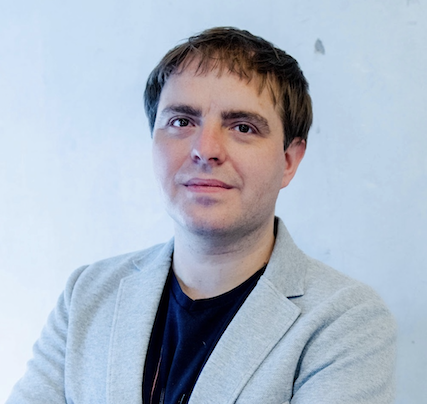
Sebastian Möller serves as University Professor at Technical University of Berlin's Faculty of Electrical Engineering and Computer Science and leads the Speech and Language Technology research department at DFKI since 2017. Previously, he held leadership roles as Pro-Dean for Research (2015-2017) and Dean (2017-2019) of his faculty, while maintaining adjunct positions at University of Technology Sydney since 2018 and previously at University of Canberra. His academic journey includes: Electrical Engineering studies at Ruhr University Bochum, University of Orléans, and University of Bologna Ph.D. (1999) on speech quality assessment at Ruhr University Bochum Habilitation (2004) on telephone-based speech dialog system quality Möller's research spans speech/text processing, Quality of Experience modeling, and usability engineering with significant applications in virtual reality and security. His work consistently bridges theoretical models with practical telecommunication systems, emphasizing user-centered evaluation methodologies. Recent 2025 publications reveal three key research trajectories: ethical challenges in medical AI (fairness considerations), audio deepfake security (SSL model analysis), and explainable AI systems (natural language explanation generation), demonstrating his leadership at the intersection of speech technology, security, and AI ethics. His distinguished recognition includes: GEERS-Preis (1998) for infant cry analysis in hearing impairment detection ITG-Preis des VDE (2001) and Johann-Philipp-Reis-Preis (2009) Lothar-Cremer Prize (2003) and Heisenberg Fellowship (2005) As active standardization leader in ITU-T since 1997 and former ISCA President (2021-2023), Möller has shaped international research agendas while securing continuous funding through DFG and institutional grants. His DFKI laboratory pioneers speech technology evaluation frameworks with strong industry collaboration.
Paul Special is an Adjunct Professor of Music at City College of New York (CCNY), where he has contributed to the design and operation of the Sonic Arts Center. His professional career spans over three decades in audio engineering, live sound, and studio production. He is a Gold & Platinum award-winning music mixer, renowned for his work with artists like Jeff Beck, Stone Temple Pilots, and Billy Joel, as well as high-profile TV broadcasts such as ABC’s Good Morning America Summer Concert Series and the Nashville Star . As Chief Engineer of the Manhattan Producer’s Alliance (MPA), Paul pioneered innovative workflows for multi-platform studios and led the "OS X Project" to transition pro audio systems to modern operating systems. His company, Special Audio Services, has designed studios for Masterdisk, Record Plant Remote, and Oxygen Media. Paul’s technical expertise includes fiber-optic audio systems (e.g., LightViper), 96kHz live recording, and complex multi-channel setups for venues like Bryant Park and Times Square. He has taught workshops on digital audio workstations (DAWs) and post-production techniques at the MPA, emphasizing collaboration and cutting-edge technology. His Grammy-nominated work on Rock ‘N’ Roll Party Honoring Les Paul highlights his ability to blend live performance with studio precision. Paul’s contributions to both academic audio education and commercial music production have made him a pivotal figure in New York’s music industry.
Walter Westinghouse serves as a Lecturer in Champlain College's Division of Communication & Creative Media, teaching within the Filmmaking and Game Sound Design degree programs. Based in Burlington, Vermont, he leverages extensive industry experience spanning live sound engineering, studio recording, audio post-production, and component-level equipment repair to bridge academic instruction with professional practice. His expertise centers on the technical and creative dimensions of audio production, with specialized focus on: Digital Audio Workstation (Pro Tools) systems engineering Film and game audio post-production workflows Live sound reinforcement design and implementation Music production techniques for diverse media Audio equipment maintenance and studio infrastructure Interactive media sound design principles Walter holds dual Avid certifications as a Pro Tools Certified Operator for Post Production and Music, achieving Specialist status in 2023. His industry recognition includes the 2014 Seven Daysies Award for Best Recording Studio/Engineer, reflecting significant contributions to Vermont's audio engineering community. His teaching integrates real-world studio and live sound scenarios to prepare students for technical roles in creative media industries.
Uli Bartels is a Doctoral Researcher at the Max Planck Institute for Intelligent Systems (Tübingen, Germany), focusing on Haptic Intelligence . He received a B.Sc. in Electrical Engineering (Magna Cum Laude, 2017) from Oregon State University and an M.Sc. in Robotics (2023) from Johns Hopkins University. Prior Work: Electrical engineer in pro-AV audio systems; engineering consultant for a medical imaging startup. Research: Develops interfaces that enhance human-machine collaboration and problem-solving capabilities. Interests: Circuit design, VJing, and science fiction.
Marine Capallera is a Researcher at the HumanTech Institute within the Fribourg School of Engineering and Architecture at HES-SO. Her work focuses on Human-Computer Interaction, particularly in automotive human factors and virtual reality applications. She leads the AdVitam project on driver-vehicle interaction in autonomous vehicles and the Pro-GIS initiative using VR for social skills training with intellectually disabled youth. Core Affiliations: HumanTech Institute (HES-SO), Fribourg School of Engineering and Architecture Research Themes: Driver monitoring, multimodal interfaces, assistive VR systems Her research explores physiological signal analysis for driver state assessment, adaptive HMI designs for automated vehicles, and VR applications in education/training contexts. Recent projects include developing VR simulators for healthcare training and creating context-aware driver assistance systems using machine learning. Key contributions include a dataset on driver physiological states in automated vehicles (2023), multimodal systems for situational awareness (IEEE Access 2023), and VR-based social training for disabled adolescents (Applied Sciences 2023). Collaborations involve EPFL+ECAL Lab, University of Fribourg, and social educators. Current work emphasizes empathic AI companions for vehicles and haptic-audio-visual immersion enhancements in VR environments.
Kai Turnbull is an Associate Professor in the Electronic Production and Design (EPD) department at Berklee College of Music, where he has been a dedicated faculty member for over a decade. His expertise lies in music technology, digital audio production, MIDI systems, and sound design, with a unique focus on integrating traditional North Indian music into modern electronic compositions. His educational background is not explicitly detailed, but his professional experience and long-standing role at Berklee suggest strong academic and practical foundations in music technology and electronic music production. Turnbull's research and creative interests center on the intersection of technology and musical creativity. He emphasizes that technology should become transparent through mastery, allowing for intuitive and expressive artistic outcomes. His work explores how digital tools can enhance songwriting and how global musical traditions—particularly Indian classical music—can inspire innovative electronic productions. He teaches courses in Live, Logic, Reason, Digital Performer, and Pro Tools, guiding students in both technical proficiency and creative application. While no formal publications are listed, his body of work reflects a consistent engagement with evolving music technologies and cross-cultural musical synthesis, particularly in the realm of electronica and world music fusion. Appeared on National Public Radio (Scotland) Songwriter for Peer Music, BMI Performed extensively in the United States and Europe Released two independent CDs Audio and MIDI programmer and sound design specialist Kai Turnbull actively mentors students in music technology and electronic production, though specific advisees are not named. He has contributed to curriculum development, including a course on Indian Music Concepts in Contemporary Synthesis Production. His professional experience spans both academia and the music industry, bridging commercial, educational, and artistic domains. He is affiliated with the Electronic Production and Design department, a forward-thinking program at Berklee focused on innovation in music technology. The EPD department provides state-of-the-art facilities and supports interdisciplinary collaboration, aligning well with Turnbull’s integrative and technologically grounded approach to music creation and education.
Elena Di Giovanni is a Full Professor of English Linguistics and Translation at the University of Macerata, Italy, where she serves in the Department of Humanities. She co-directs the International Master's program in Accessibility to Media, Arts and Culture (AMAC). Her academic roles include past positions as Pro-Rector for Language Competences and Director of the Language Center at the University of Macerata (2010-2016). She has held visiting roles at Roehampton University (London, UK), City University of New York, and was a Fulbright Distinguished Chair at the University of Pittsburgh (2019). Educated at the University of Bologna (BA in Translation) and University of Naples Federico II (PhD in English for Special Purposes and Audiovisual Translation), her work focuses on audiovisual translation, media accessibility, and disability inclusion in cultural spaces. She pioneered accessibility projects for major Italian theaters and festivals, reaching over 2,000 disabled attendees in 2024. Her research explores audio description, subtitling guidelines, and participatory methodologies in accessibility design. Di Giovanni's contributions include co-founding the Journal of Audiovisual Translation (JAT), editing volumes on translation and disability, and advising on EU accessibility projects. She has delivered over 30 keynote lectures globally and evaluates PhD committees across Europe. Her 2024 International Jan Ivarsson Award recognizes her transformative impact on media accessibility. Her teaching spans specialized translation, multimedia translation, and international communication at both undergraduate and graduate levels. Current courses include 'Translation and Ideology in International Communication' and 'Multimedia Translation'.
Stuart Jones is a Senior Lecturer in Music/Sound and Creativity at the University of South Wales, Faculty of Business and Creative Industries, and a member of the Creative Industries Research and Innovation Group. He serves as Course Leader for the MSc Music Engineering and Production and runs Create | Spatial, South Wales' first immersive audio record label. He also holds external examiner roles at the University of Derby (2020–2025) and The Open University (2015–present). Education: BSc (Hons) in Electronics and Information Technology (1st Class), awarded 2002 PGCE in Post-Compulsory Education and Training, awarded 2001 BA in Music Technology, Music Production and Music Business, awarded 1996 Fellow of the Higher Education Academy (SFHEA), 2017 With over 30 years of experience as a studio engineer, producer, and musician, Stuart's research and creative work bridges music, technology, and heritage. His interests include spatial audio, immersive sound experiences, binaural recording, and the integration of music with cultural sites. He has created works inspired by the Elan Valley and Cathays Cemetery, exploring environmental acoustics and storytelling through sound. His recent creative outputs reflect a strong trend in immersive audio production, digital music education, and heritage-based sound art. From spatial compositions to online courses in Logic Pro X, his work emphasizes practical innovation and pedagogical application in music technology. Scientific and Professional Activities: External Examiner, University of Derby (2020–2025) External Examiner, The Open University (2015–present) Apple Certified Trainer in Logic Pro X (2008–2020) Speaker at multiple academic and technical events on audio and education Stuart has been involved in consultancy and academic leadership, including the VRSW Steering Panel. He has contributed to curriculum development and digital learning systems, particularly through his critique of WordPress as an LMS in higher education. His work demonstrates sustained engagement in music pedagogy, creative technology, and academic service. He leads the Create | Spatial label, which specializes in spatial audio mixes for online distribution, and continues to produce and present innovative audio projects that connect music with place, history, and technology.
Kai Kunze is a Professor at Keio University's Graduate School of Media and Governance in Yokohama, Japan, where he leads research in wearable computing and human augmentation. His work bridges engineering, design, and cognitive science to develop cooperative human-computer frameworks that enhance rather than replace human capabilities. Previously, he participated in the Dagstuhl Seminar on Eyewear Computing and has maintained active collaborations with researchers across Japan and internationally. Dr. Kunze's research focuses on creating wearable technologies that augment human senses and capabilities. His work spans eyewear computing, physiological sensing, activity recognition, and affective interfaces. He investigates how technology can enhance human perception in domains ranging from music performance to sports, with particular interest in how sound and physiological feedback can create new interaction paradigms. His philosophy emphasizes cooperative frameworks between humans and computers, seeking to empower rather than replace human capabilities. His publication record shows consistent contributions to top-tier conferences including CHI, UbiComp, ISWC, and SIGGRAPH, with a clear progression from foundational work on smart eyewear (2014-2016) toward more sophisticated human augmentation systems (2020-2023). Recent work explores generative AI applications, emotion augmentation, and the implications of commercial AR/VR platforms like Apple Vision Pro. His research demonstrates strong interdisciplinary connections between computer science, cognitive science, and the arts. As a mentor, Dr. Kunze has supervised multiple students including Katsutoshi Masai, Shoya Ishimaru, and Katsuma Tanaka, who have contributed to projects on facial expression recognition, activity recognition with smart glasses, and other wearable computing applications. His research has been supported by competitive grants including a JST Presto (Sakigake) project grant on Open Collective Eyewear, one of few non-Japanese researchers to receive this funding. He actively participates in academic discourse through conference presentations, workshops, and public engagement events like the Miraikan Science Quest in Tokyo. Dr. Kunze maintains an active research laboratory focused on perception-aware computing, with projects spanning from fundamental sensor development to practical applications for older adults, performers, and athletes. His team explores how physiological data can inform interaction design and how wearable technology can create new forms of human expression and understanding.
Daniel Fox is a Part-Time Lecturer in Mechanical Engineering and a Lecturer in the Department of Music at Tufts University. He holds a BA in Sociology with a concentration in Race and Ethnicity from Vassar College. His professional roles span audio engineering, music production, and education, with a focus on integrating technical and creative practices. Education: BA in Sociology (Race and Ethnicity), Vassar College, 200X Research Interests: Specializing in audio engineering, music production, and educational technology, Daniel’s work bridges technical acoustics and artistic expression. He consults on facility design, audio systems, and curriculum development for schools and studios. His expertise includes Pro Tools certification and Reason Studios proficiency, applied in recording projects for major labels like Sub Pop and Warner Brothers. Awards: National Arts and Humanities Youth Program Award (20XX) – Recognized during his 17-year tenure as Director of Creative Media & Technology at ZUMIX, a Boston-based youth arts organization. Advising & Grants: Since 2019, Daniel has lectured in Music Engineering at Tufts. Previously, he led ZUMIX’s media programs, which received federal recognition. He advises audio software firms like Sonarworks and Leapwing, and serves on the Audio Engineering Society’s (AES) Education and Diversity, Equity, & Inclusion Committees. Labs/Teams: Co-founder of Wondersmith Audio, he collaborates with AES Boston Section as Co-Chair and has organized high school audio educator conferences. His work extends to corporate partnerships with Pepsi, Discovery, and Life is Good.
David Prior is Pro Vice-Chancellor Research and Knowledge Exchange at Falmouth University, leading strategic RKE initiatives. He holds a PhD from the University of Birmingham (2000) and BA from Bangor University (1995), with residencies at Banff Centre, Paris UPIC, and TU Berlin. His practice spans sound art, electroacoustic music, and site-specific installations, emphasizing sound-place relationships and cultural histories of sonic objects. He has received awards including the PRS New Music Award and Prix Ars Electronica Honorable Mention. Supervised 15+ PhD students, managed Falmouth's successful REF 2021, and led projects funded by UKRI, Wellcome Trust, and Arts Council England. Collaborates with architect Frances Crow in liminal, exploring sound-space intersections through installations like Organ of Corti . Active in international grant reviewing and educational roles across 5+ countries. Research focuses on church bells, loudspeakers, and immersive audio technologies. Current projects include spatial audio for heritage sites and sonic mediation of contested spaces. Teaching roles include leading Research Supervisor Training programs. Notable works include Transient Parish (2015), Chroma (2013), and Black Water Brown Water (2008). Professional practice includes music mixing for BBC dramas and sound design for major museums like the Guinness Storehouse and Thomas Jefferson Museum.
Sean McGrath is a Lecturer in the Computing Department at Goldsmiths, University of London. His research focuses on the intersection of technology and human interaction, particularly in audio contexts. He holds a PhD from Brunel University and a BSc (1st Class Hons) in Computing from Goldsmiths. McGrath has professional experience in both technology organizations and music, blending technical expertise with creative practice. His teaching includes courses such as Fundamentals of Computer Science, Agile Software Projects, and User Experience Design. Research interests span audio technology, music computing, HCI, UX/UCD methodologies, and web technologies. McGrath has explored topics like usable digital audio tools, locative audio experiences, and the social dimensions of music production through platforms like SoundCloud. His recent work emphasizes adaptive music systems (e.g., GeoTracks), locative audio frameworks (The Rough Mile), and ethnographic studies of music creation practices. While no specific awards are cited, his publications reflect a strong focus on user-centered design principles and interdisciplinary innovation. McGrath supervises PhD students in computing and multimedia domains, though no specific grants are detailed in the provided texts. His work often intersects with Goldsmiths' broader creative and cultural entrepreneurship initiatives.