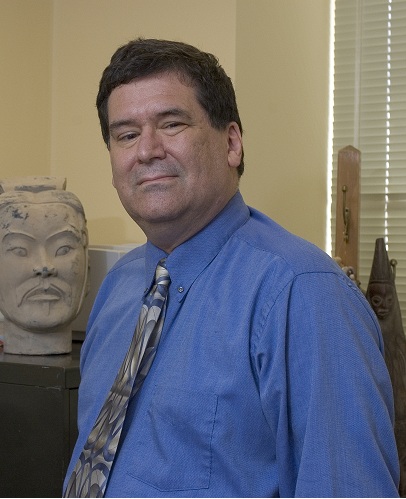
John Zimmermanمشاهده پروفایل
دانشیار
John Zimmerman serves as Associate Professor with a joint appointment between Carnegie Mellon University's School of Design and Human Computer Interaction Institute, teaching interaction design studios and mobile service innovation courses while leading impactful research across four core domains. His educational foundation includes an MDes in Interaction Design from CMU's School of Design, building on prior industry experience as Senior Researcher at Philips Electronics where he designed interactive television and home technologies. Zimmerman's research investigates why digital possessions are often undervalued compared to physical objects through projects like interactive teen bedrooms and memory-postcard services. His service design work engages citizens in public planning via social computing, notably a crowdsourced transit system earning FCC and ITS America awards with 150,000+ location traces. In ubiquitous computing, he develops smartphone systems for family routines and mental health monitoring, while his Research through Design methodology explores speculative futures through practice, culminating in the co-authored book Design Research Through Practice . Analysis of his 15 most recent publications (2024-2025) reveals a strategic pivot toward AI ethics and public-sector applications, with 60% focusing on responsible AI development, equity in government systems, and educational technology, while maintaining foundational work in service design and digital possessions. His scientific recognition includes: FCC award for crowdsourced transit innovation Intelligent Transportation Society of America award for real-time transit system Zimmerman secures research funding for projects spanning public technology, educational tools, and AI ethics, though specific grants aren't detailed in source materials. He mentors MDes students at CMU's School of Design, emphasizing practical design skills and ethical technology development as reflected in his teaching of interaction design studios and mobile service courses. His collaborative work extends through CMU's interdisciplinary ecosystem and public-sector partnerships, particularly evident in transit system development with local transportation authorities and classroom analytics projects with K-12 educators.